REVIEW · HO CHI MINH CITY
Cu Chi Tunnels Half Day Luxury Tours
Book on Viator →Operated by Asia Travel Legend · Bookable on Viator
Underground survival starts with a short video. This trip takes you about 70 km northwest of Ho Chi Minh City to Cu Chi Tunnels, where an underground network of over 200 km helped people survive during the Vietnam-American war.
I love that the day is built for first-timers: you get a quick setup, a video explanation, and then a guided walk through areas showing everyday life underground—kitchens, sleeping spaces, plus military support like storage, weapons work, field hospitals, and command areas. I also love the comfort side of it, with hotel pickup in District 1 and an air-conditioned minivan, keeping you from burning time just getting there.
One thing to watch: if you add the on-site shooting range experience, it can feel overpriced, and at least one guest reported a minimum ammo purchase (10 bullets for 600,000 VND) with no easy way to verify shots. Another small stress point is that some days can feel a bit fast as guides move the group between stops, so if you like to linger, plan your pace.
In This Review
- Key highlights before you go
- Cu Chi Tunnels 101: what the underground world was built to do
- Price and Logistics: what $35 gets you, and what it doesn’t
- Getting from District 1 to Cu Chi: the rhythm of the day
- Inside the tunnels: what you’ll actually see during the guided walk
- The intro video matters more than you think
- Shooting range add-on: the one costly detour I’d plan for
- Pairing tips: how to make Cu Chi hit harder (for the right reasons)
- How the guide changes the whole experience (Peace, Tuan, and the style you want)
- Who this tour fits best—and who should think twice
- Should you book this Cu Chi Tunnels Half Day Luxury Tour?
- FAQ
- How long is the Cu Chi Tunnels half-day tour?
- What time does the tour start in Ho Chi Minh City?
- Is hotel pickup included, and where does it work?
- What’s included in the ticket price?
- Are drinks included?
- Is there a cancellation or change option after booking?
Key highlights before you go
- An intro video before you enter so you understand what you are seeing
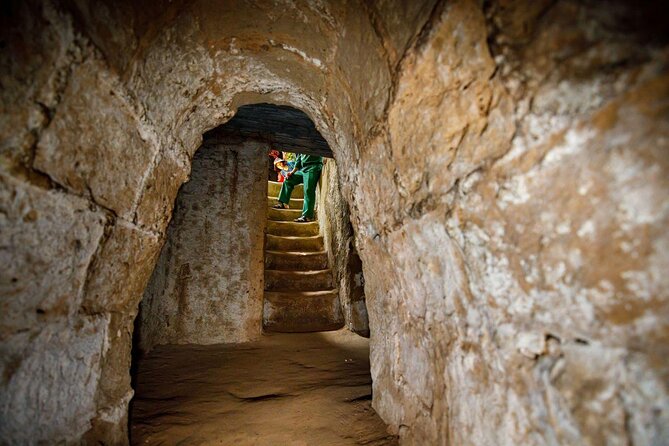
- Tunnel life details like kitchens, bedrooms, storage, weapons areas, field hospitals, and command spots
- Small group size (max 25) which usually makes the tour feel more controlled
- Air-conditioned transportation + District 1 pickup for a smoother start
- Optional add-ons can cost extra and the shooting range may not be worth it for everyone
Cu Chi Tunnels 101: what the underground world was built to do
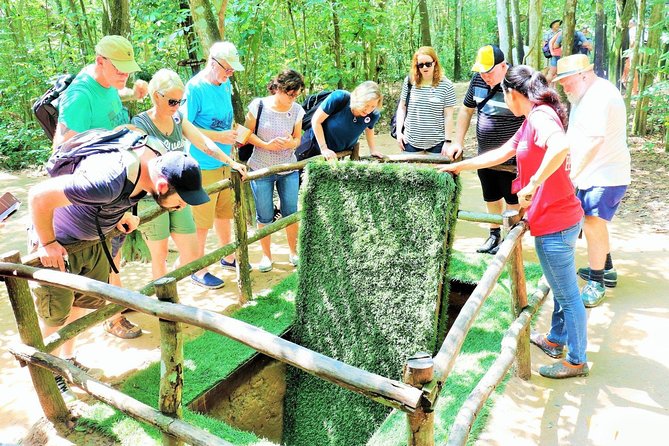
Cu Chi is one of Vietnam’s most famous war-era sites, and the story is bigger than just a few tunnels you can crawl through. During the conflict, Cu Chi became known as the area of steel—because people relied on an underground system that was hard to break and designed to keep a community functioning.
The tunnel network is described as over 200 km. That scale matters. When you explore the site, you are not just looking at a secret passage. You are seeing how underground engineering supported a whole way of life: movement, hiding, and basic survival, plus support for combat operations. The site also frames Cu Chi as an underground village—less about Hollywood ideas and more about practical problem-solving in extreme conditions.
This is also where you should set expectations. This is not a light theme park visit. Even if your pace is relaxed, the place can feel heavy. Some visitors mention it can be confrontational. If you’re sensitive to war topics, come mentally prepared. It helps to treat it like a memorial and history lesson, not a fun outing.
A few more Ho Chi Minh City tours and experiences worth a look



Price and Logistics: what $35 gets you, and what it doesn’t
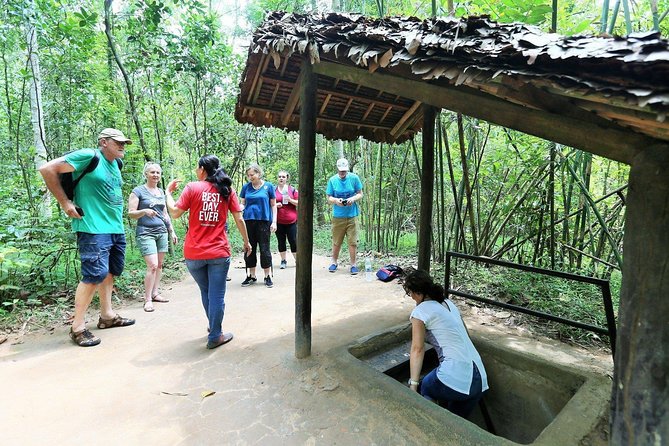
This tour runs about 6 hours total and costs $35 per person. For Ho Chi Minh City, that price often sits in the “good value” zone for a guided half-day outside the city—especially because it includes hotel pickup and drop-off within District 1, air-conditioned transport, and the admission ticket.
Here’s how I think about the value. You are paying for three big things:
- Time saved with pickup and drop-off
- Comfort with an air-conditioned minivan (important when you factor in the 1.5-hour ride each way)
- On-site guidance through a complex set of tunnels and support areas
What’s not included is simple: drinks. If you tend to get thirsty early, bring your own water or plan to buy once you’re there.
A practical detail that helps: the tour ends back at the same meeting point area. So you don’t need to worry about getting yourself to a separate drop-off location.
Getting from District 1 to Cu Chi: the rhythm of the day
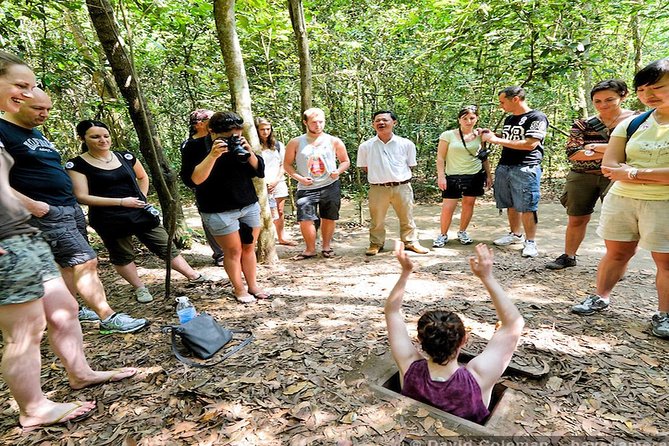
The start is 7:30 am, with pickup for selected hotels in District 1. If you’re not in that zone, the tour also lists a meeting point at 112 Đ. Trần Hưng Đạo, Phường Phạm Ngũ Lão, Quận 1, Hồ Chí Minh, Vietnam.
The drive to Cu Chi takes about one and a half hours. That means this is a “morning mission,” not a casual late start. If you like sleeping in while you travel, you’ll want to adjust your routine the night before.
The schedule feels built around one main stop: Cu Chi Tunnels. Once you arrive, the flow goes like this:
1) Short intro and a video on how the tunnel system was constructed
2) Then you explore the tunnel and underground area set
This structure is smart for first-timers. The video gives you a baseline, and then the walking makes the explanation concrete.
And since the tour caps at 25 people, you usually won’t feel completely lost in a crowd. Still, the site itself moves you in a predetermined route, so if you like to stop and read every sign, give yourself a little extra patience.
Inside the tunnels: what you’ll actually see during the guided walk
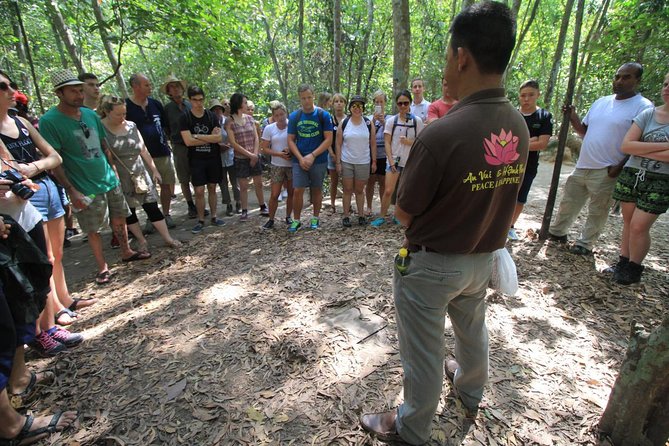
At Cu Chi, the “tunnel visit” is really two experiences in one: a guided look at the underground living and support setup, plus time moving through parts of the tunnel system.
After the intro, you’ll spend time exploring areas that show:
- Living spaces like kitchens and bedrooms
- Storage and practical work areas needed for long-term survival
- Weapons-related spaces and a sense of how maintenance and production worked
- Field hospitals so wounded people weren’t stuck above ground
- Command centers where planning and coordination could happen
What I like about this approach is that it pushes you past the idea of tunnels as only hiding places. You get the sense of a functioning underground society. Even if you don’t catch every detail (and some information is technical), the layout helps you understand the logic: protect people, keep systems running, and reduce how often you have to go above ground.
One practical consideration: underground areas can involve uneven steps, tight openings, and low light. The tour can be physically easy for many people, but the environment isn’t designed for comfort. Wear shoes you trust on uneven surfaces and be ready for cramped sections.
Also, expect a lot of “look carefully” moments. The power of Cu Chi is in small clues: how spaces connect, how people planned for daily routines, and how the tunnel setup made it possible to keep going.
The intro video matters more than you think

A short video comes before the main tunnel exploration, and I’d treat that as part of the experience you paid for.
The reason it matters is simple: without context, tunnels can blur together. With the video, you start noticing patterns. You learn what the system was meant to achieve—survival, movement, protection, and coordination. Then when you see living areas and support facilities, it clicks. You’re no longer just looking at holes in the ground. You’re reading the purpose behind the spaces.
Some guests also praised the guide explanations as well as their personal accounts of the era. Names you might hear include Peace and Tuan. Even if your guide is different, the best tours are the ones where questions are answered clearly and calmly, not rushed.
So if you want the most out of your time, listen during the intro. It makes the rest of the visit easier to follow.






Shooting range add-on: the one costly detour I’d plan for
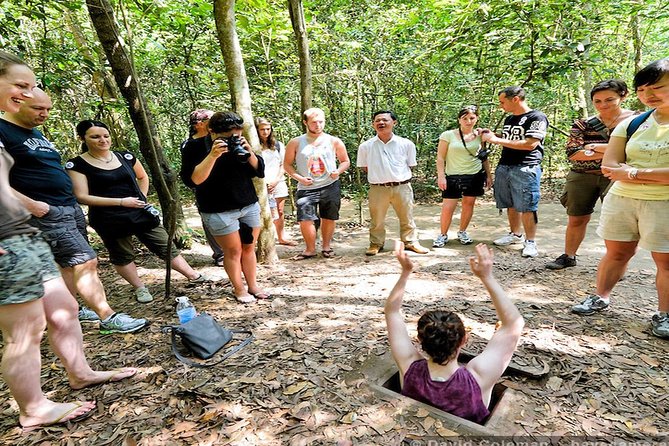
A recurring theme in the feedback is the shooting range stop. People who decide to do it often describe it as fun in the moment, but the cost can sting.
At least one guest reported:
- a minimum of 10 bullets for 600,000 VND
- no easy way to check your shot
So here’s my practical advice: if you’re even slightly unsure, treat shooting as an optional upgrade, not a core part of the history. The tunnels and underground life are the heart of the tour. If the add-on doesn’t match your budget, you can focus fully on the story without letting an activity squeeze time from the main site.
Also, some comments mention the guide can feel like they’re rushing between everything. If you choose to do the shooting range, you might end up feeling extra time pressure, so decide early—before you get carried along by the momentum of the day.
Pairing tips: how to make Cu Chi hit harder (for the right reasons)

Cu Chi becomes more powerful when you’ve already seen other Vietnam War context back in the city. One piece of advice I’d follow: if you haven’t visited the War Remnants Museum yet, it can help to do that first.
Why? Because Cu Chi shows ingenuity and survival from a local perspective, but the broader story gives you the timeline, stakes, and consequences. When you connect the dots, Cu Chi turns from isolated facts into a more complete picture of why the tunnel strategy mattered.
If you have limited time in Ho Chi Minh City, you can still make it work. Even one additional history stop before Cu Chi changes how you read the site.
How the guide changes the whole experience (Peace, Tuan, and the style you want)
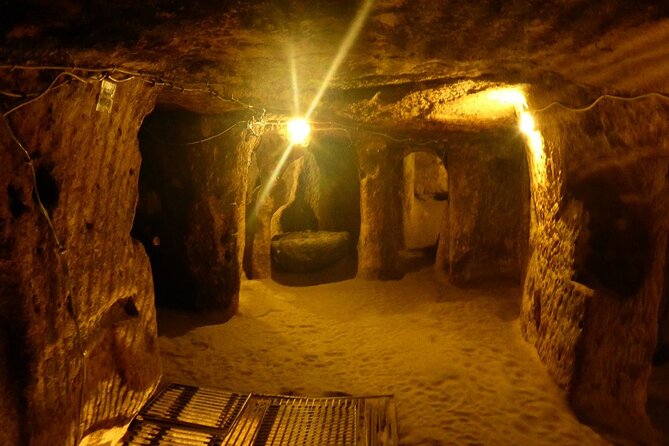
The guides you get can shape your experience a lot, especially at a place like Cu Chi where the details are complex. In the feedback, I saw praise for guides who could:
- explain with clear knowledge
- share personal accounts and war tactics
- keep things informative without losing the group
Peace and Tuan come up by name in the comments, and that’s a good sign. It suggests this provider does send out guides who can tell the story in a way that lands.
That said, there’s also a caution. If your guide spends too much time moving quickly and not enough time explaining, you may feel like you missed the point. If you’re the type who likes to ask questions, choose that moment. Ask about how daily life fit into underground operations. Ask why certain areas were placed where they were.
A small group size (max 25) helps here. You’re more likely to get attention, not just be swept along.
Who this tour fits best—and who should think twice
Cu Chi Tunnels is a strong pick if you want:
- a guided history experience outside central Ho Chi Minh City
- a structured visit with intro + video + tunnel walk
- a clear look at how people lived underground, not just how tunnels look
It may also be a good choice for teenagers, since at least one family-focused comment described the site giving kids a new appreciation of peace and freedom.
Who should think twice?
- If war-related sites overwhelm you emotionally, this might not feel like “easy sightseeing.”
- If you’re mainly there for action-based add-ons, don’t anchor your expectations on the shooting range. The history is the core value here.
In terms of mobility, the tour notes that most travelers can participate. But underground spaces can still be physically challenging. If you have health constraints, plan carefully and consider asking about the sections you can access.
Should you book this Cu Chi Tunnels Half Day Luxury Tour?
If you want a guided, air-conditioned, pickup-included way to see Cu Chi without stressing over transport, I think this one is a solid booking. The price is reasonable for the full package: District 1 hotel pickup, admission included, and a tour format that helps you understand what you’re seeing through a short intro and video.
I’d only hesitate if you strongly care about extra add-ons like the shooting range, because the cost and logistics around ammo can feel like a distraction. If your goal is the tunnels and the underground life story, you’re in the right place.
One last tip for decision-making: if you’re pairing this day with another history visit in Ho Chi Minh City, line up your schedule so context comes first. Cu Chi hits hardest when you already know what came before.
FAQ
How long is the Cu Chi Tunnels half-day tour?
It’s listed as approximately 6 hours total.
What time does the tour start in Ho Chi Minh City?
The start time is 7:30 am.
Is hotel pickup included, and where does it work?
Yes, hotel pickup and drop-off are included for selected hotels in District 1 in Ho Chi Minh City.
What’s included in the ticket price?
The tour includes admission ticket, hotel pickup/drop-off (District 1 selected hotels), an air-conditioned vehicle/minivan, and transport back.
Are drinks included?
No, drinks are not included.
Is there a cancellation or change option after booking?
The experience is non-refundable and cannot be changed for any reason. If you cancel or amend, the amount you paid won’t be refunded.