REVIEW · HO CHI MINH CITY
Private Half Day Cu Chi Ben Duoc Tunnels Tour
Book on Viator →Operated by Innoviet Travel · Bookable on Viator
A morning tour that feels far from the city. This private half-day trip takes you to Cu Chi Tunnels Ben Duoc, a more original spot than the busier Ben Dinh area, with an English-speaking guide and a visit timed to help you miss some of the worst crowds. I especially like the small-group feel and the fact that the trip includes a guided look at how people lived underground, not just the photo stops.
Two things I really like are the documentary film you watch on arrival and the hands-on way your guide leads you through tunnel life, including details about living conditions, weapon workshops, and booby-trap defenses. One thing to think about: Cu Chi tunnels aren’t a casual walk—some sections can be tight, and it’s a half day, so you’ll want comfortable shoes and a realistic expectation of how much time you’ll spend standing outside versus moving around inside.
In This Review
- Key Things That Make This Ben Duoc Tunnels Tour Worth It
- Cu Chi Ben Duoc: Why This Route Feels More Real
- Morning Pickup From Saigon Opera House (District 1) and the Ride Out
- Arrival at Ben Duoc: Documentary First, Then Real Tunnels
- Inside the Tunnels: Living Conditions, Weapon Workshops, and Traps
- The Guide Makes the Difference: What to Look For (and Ask)
- Time on the Ground: What a 6-Hour Half Day Actually Feels Like
- What’s Included (and the Small Stuff That Adds Comfort)
- Price and Value: Is $78 Worth It for a Private Ben Duoc Tour?
- Who Should Book This Cu Chi Ben Duoc Tour
- Practical Tips for a Smoother Tunnel Visit
- Final Call: Should You Book It?
Key Things That Make This Ben Duoc Tunnels Tour Worth It
- Ben Duoc over Ben Dinh means you’re less likely to feel like you’re in a cattle-car schedule.
- A short documentary on arrival sets the tone before you go into the tunnels.
- Your guide explains living conditions, plus practical details like workshops and trap design.
- The tour includes English-speaking guiding and entrance fees, so you’re not scrambling for tickets.
- Beer/soft drinks and bottled water are included, which helps after a warm morning.
Cu Chi Ben Duoc: Why This Route Feels More Real
If you’re going to Cu Chi, the location matters. Ben Duoc is the quieter, original-feeling side of the story, and it tends to avoid the constant wave of large buses you’ll associate with the more touristy Ben Dinh area. That small change can make your experience feel calmer and more focused, which matters a lot for a site this intense.
The biggest win here is pacing. You leave Ho Chi Minh City early, then arrive when the area is still settling into the day. Instead of rushing through tunnels like a checklist, you get time for the documentary setup and a guided walk that connects what you’re seeing to what it meant for people at the time.
This is also a better match for anyone who wants more context than shock value. You’ll hear about the tunnels as a system—how they helped people survive, how they were maintained, and how defenses were built around the environment.
You can also read our reviews of more private tours in Ho Chi Minh City



Morning Pickup From Saigon Opera House (District 1) and the Ride Out
The tour starts at 7:00 AM with pickup/drop-off centered around the Saigon Opera House area (District 1). That’s convenient because it keeps things easy in the morning: less hunting for a vehicle, fewer transfer headaches, and a clear meet point you can navigate to quickly.
You also get a modern air-conditioned private vehicle, which is a big deal in Ho Chi Minh City mornings. Even when it’s not peak heat yet, the ride to Cu Chi can be uncomfortable if you’re stuck in an older van or open transport. Here, you start the day with comfort and arrive less drained.
The drive is about 1.5 hours, and that gap is useful. You get enough time to shift out of city mode, then transition into the rural Cu Chi district with your brain ready for what you’re about to see underground.
Arrival at Ben Duoc: Documentary First, Then Real Tunnels
On arrival, you watch a short documentary film about the tunnels’ history and the war from the Vietnamese point of view. This matters more than you might think. Walking into tunnels without context can feel like you’re just looking at old structures. The film gives you a framework for what you’re about to experience—how the underground spaces worked, and why certain features existed.
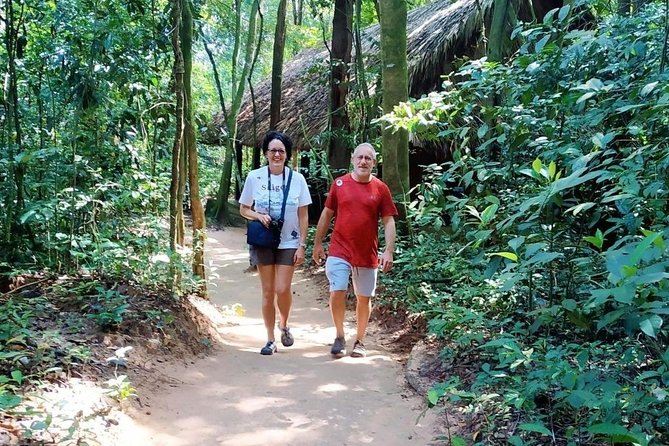
After the film, your guide takes over. You’ll tour through the actual tunnel areas, with explanations focused on daily life underground and the hardships that tunnel residents faced. The tone is educational, not just theatrical, and that makes the visit feel less like a set and more like a living account of survival.
If you’re the type who likes to understand the why, not only the what, you’ll appreciate this order. Film first, then guided access. You’re prepared before you’re crawling or peering into narrow sections.
Inside the Tunnels: Living Conditions, Weapon Workshops, and Traps
The core of this tour is the guided tunnel experience at Cu Chi Tunnel Ben Duoc. This is where you’ll learn what underground living meant in practice—space constraints, survival conditions, and the constant reality of danger.
What I like about this part is that it doesn’t stay abstract. Your guide covers living conditions, the ingenuity used to maintain life underground, and how the tunnels were used as part of an organized resistance environment. That includes mention of weapon workshops and defensive planning like booby traps.
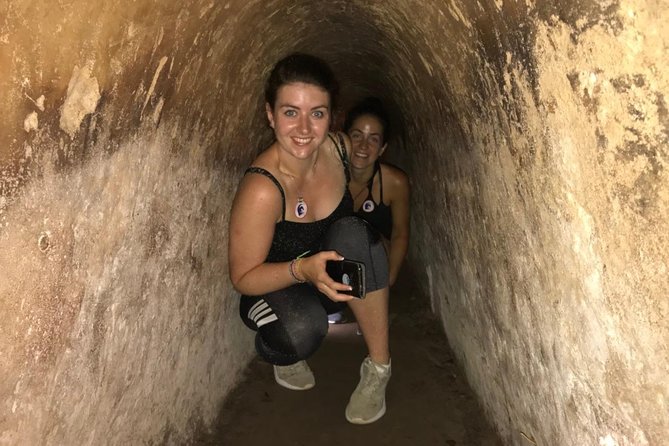
You’ll also have an opportunity to navigate an authentic Viet Cong tunnel passage. That’s the moment many people remember most, because it turns information into sensation. Tight spaces can change how you understand hardship—your body notices what your mind could otherwise gloss over.
Important consideration: tunnels are not built for modern comfort. Go in expecting tight passages and uneven areas. Comfortable footwear helps. Also, keep your expectations realistic: you’re there to understand and witness, not to “tour” like a museum wing.
The Guide Makes the Difference: What to Look For (and Ask)
The tour is led by an English-speaking guide, and that’s a big quality marker. Cu Chi has plenty of surface-level facts you can read, but the real value is how your guide translates what you see into meaning—especially around daily life and defensive design.
One of the strongest signals from the experience is the guide quality. In at least one booking, the guide was named Hai, and his explanations stood out for the depth of knowledge about Vietnam and the tunnel environment. If you’re offered Hai (or another similarly strong guide), lean into their teaching style.
When you’re in the tunnels, ask simple questions that help you connect dots, like:
- How did people manage daily life in such tight spaces?
- Why were certain sections built a certain way?
- What details should I notice that most people miss?
A good guide will slow down just enough to make the visit click. That’s what turns a “tunnel tour” into an understanding of how the system worked.






Time on the Ground: What a 6-Hour Half Day Actually Feels Like
This is a 6-hour experience on the schedule, with about 2 hours at the tunnel site. That structure is ideal if you want Cu Chi without sacrificing your full day in Ho Chi Minh City.
Here’s how the time usually lands:
- Morning departure from the city
- Drive into rural Cu Chi
- Arrival with documentary and guided touring
- Return back to the same meeting point
The half-day format works for two main reasons. First, it reduces the chance you’ll end up rushed. Second, it leaves enough afternoon flexibility to do other important city time—war museums, local food, or just a slower evening after something intense in the morning.
If you only have one morning for Cu Chi, this schedule is a strong choice. If you’re planning multiple major sights in one day, keep in mind this tour is early and focused, not flexible once it begins.
What’s Included (and the Small Stuff That Adds Comfort)
Your ticket includes more than just entry. You get:
- Entrance fee
- English-speaking guide
- Hotel pickup and drop-off in District 1 and 3 (some exclusions apply)
- Modern air-conditioned private vehicle
- Two small bottles of water per passenger
- Drinks: beer and soft drinks
- A few baseline comforts that make early mornings easier to handle
That drinks inclusion is genuinely useful. After a guided visit with heat and walking, having a beer or a cold soft drink ready at the end of the experience can make the day feel like it didn’t just “cost energy.”
What’s not included is also worth knowing:
- Lunch (you’ll need to plan for it before or after)
- Insurance
- Personal expenses
- Tips/gratuities
- Firing range fee, which is optional
Plan around lunch, and don’t assume you’ll be fed as part of the tour flow. If you know you’ll get hungry after the tunnel visit, eat something light before you go.
Price and Value: Is $78 Worth It for a Private Ben Duoc Tour?
At $78 per person, this isn’t the cheapest option in the Cu Chi universe. But it also isn’t trying to be. The value comes from what’s included and how the experience is shaped.
You’re paying for:
- A private vehicle with air-conditioning
- Hotel pickup/drop-off in Districts 1 and 3 (with some exclusions)
- An English-speaking guide
- Entrance fees
- Drinks plus water
For many people, that package is what makes the price feel fair. You’re not dealing with transport logistics, ticket hassles, or separate add-on costs for entry. And because it’s private—your group only—your experience tends to stay focused on your timing instead of a large-bus rhythm.
One more sign of demand: the tour is booked on average 16 days in advance, which suggests it’s popular enough that you shouldn’t wait too long if you’re traveling during busy periods.
If you prefer a quieter, better-paced Cu Chi visit and you want the comfort of pickup and a/c transport, this pricing often lands in the “good deal” category rather than “overpriced.”
Who Should Book This Cu Chi Ben Duoc Tour
This tour is a strong fit if:
- You want Ben Duoc specifically, for a less chaotic feel than the busiest Cu Chi sites.
- You prefer a private experience rather than mixing with big group schedules.
- You value English-speaking guiding that explains more than just facts on signs.
- You’re interested in how people survived underground—living conditions, not just military trivia.
It may be less ideal if you:
- Want a slow, fully relaxed walking pace with lots of free time.
- Struggle with tight spaces or intense historical subject matter.
- Need a tour with included lunch (since lunch isn’t provided).
For first-timers to Cu Chi who want the best balance of context and efficiency, this is a very sensible choice.
Practical Tips for a Smoother Tunnel Visit
Cu Chi is worth dressing for. A few practical moves make a noticeable difference:
- Wear comfortable closed-toe shoes.
- Bring a small layer, since tunnel shade and air can feel cooler even if it’s hot outside.
- If you’re sensitive to enclosed spaces, keep that in mind before choosing how far you navigate inside tunnel sections.
Also, because this tour includes a documentary and then a guided tunnel walk, you’ll get more out of it if you keep your attention on your guide. Questions help. Listening for explanations about survival systems—workshops, defensive planning, and how life was managed—makes the tour feel connected, not random.
If you want the option of doing more at the site, remember there may be an additional firing range fee if you choose that activity.
Final Call: Should You Book It?
I’d book this Cu Chi Ben Duoc private half-day tour if you want a calmer route, a guided historical explanation, and a morning schedule that doesn’t swallow your entire day. The combination of Ben Duoc location, a documentary first, and an English-speaking guide makes it feel like more than a ticketed stop.
Book it sooner rather than later, since it’s commonly reserved about two-plus weeks in advance. And if you care about comfort, the air-conditioned private vehicle, pickup in Districts 1 and 3, and included drinks are real perks for the price.
If you want Cu Chi with context, not crowds, this is a solid pick.