REVIEW · HA GIANG
Self Ride with Yolo Ha Giang: No License, No Police, No Fines
Book on Viator →Operated by Yolo Ha Giang Adventures, Motorbikes and Loop Tours · Bookable on Viator
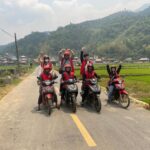
One loop, four days, nonstop views. This Ha Giang Adventure mixes self-riding with guided viewpoints and trekking, so you spend less time herded and more time seeing. I especially like the small-group feel (max 8 travelers) and the chance to do the Ma Pi Leng Skywalk. One thing to consider: if you’re not a confident rider yet, ask about the easy-driver option early.
What really makes this work is how the guides manage the route and pacing. Guides like Jelly, Speedy, Sony, and Tang are repeatedly praised for fun energy, smart planning, and staying ready when conditions change. Pickup is offered, meals are included, and you still get that hands-on adventure feeling.
The itinerary is packed with classic Ha Giang stops plus a few quieter-feeling stretches, and you’ll cross high passes and walk out on cliff edges. That’s fantastic if you like action; it’s less ideal if you want a totally relaxed day with minimal driving and climbing.
In This Review
- Key highlights worth knowing
- Entering the Ha Giang Loop with a self-ride plan (not a tour-factory vibe)
- Day 1: A Boong Waterfall, Lung Hồ views, and Du Già’s quieter highland feel
- Day 1 watch-outs
- Day 2: Meo Vạc, Ma Pi Leng Pass, and the Skywalk on the white cliff
- Day 2 watch-outs
- Day 3: From Lũng Cú’s flag tower to Mỏm Đá Tử Thần and Yên Minh pine forests
- Day 3 watch-outs
- Day 4: Lung Khuy Cave, weaving at Lùng Tám, and the Quan Ba Heaven Gate finale
- How guides like Jelly and Sony shape your day (and your stress level)
- Price and value: what $177 covers on a 4-day Loop run
- Who this self-ride Ha Giang Loop fits best (and who should pause)
- Should you book Yolo Ha Giang Adventures for the 4-day self-ride loop?
- FAQ
- How long is the Ha Giang loop adventure?
- What does the tour cost?
- Is pickup offered?
- How big is the group?
- Is the guide available in English?
- What meals are included?
- Are water bottles included?
- Which admissions are included?
- Can dietary restrictions be accommodated?
- Can I cancel for a full refund?
Key highlights worth knowing
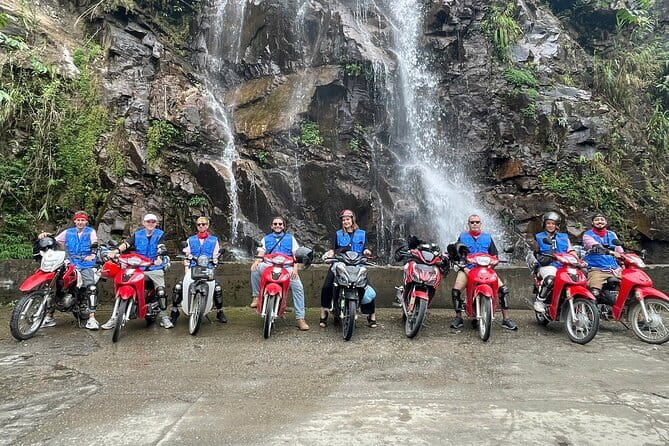
- Self-ride style in a group of up to 8 so you’re not stuck in a giant tour line
- Ma Pi Leng Skywalk trek with dramatic white-cliff views and village stops
- Homestay nights in Dong Van town and in Yên Minh for a more local rhythm
- Most meals included (4 lunches, 3 breakfasts, 3 dinners) plus 1.5 liters of water per day
- Practical English guidance from an in-person guide plus support for riders who need it
Entering the Ha Giang Loop with a self-ride plan (not a tour-factory vibe)
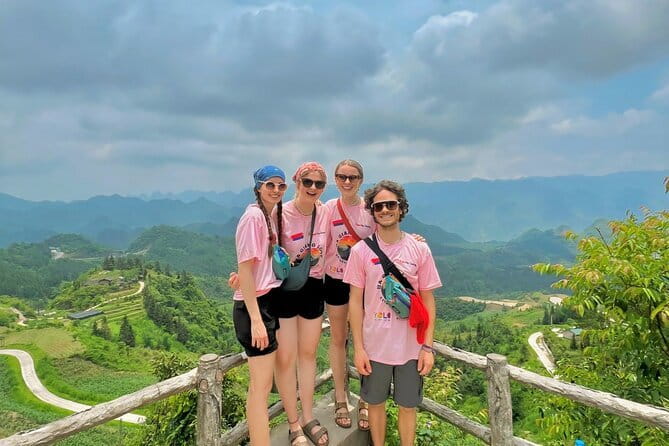
Ha Giang has a way of turning people into lovers of steep roads and wide open valleys. This tour fits that mindset by keeping the experience active: you’ll ride, you’ll walk, and you’ll hit the famous viewpoints without feeling like you’re trapped in a moving crowd.
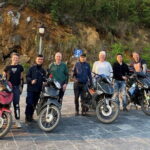
The first win is group size. With a maximum of 8 travelers, it’s easier for your guide to stop where it matters, adjust pacing, and keep everyone together without turning every minute into a logistical scramble. That matters on a loop where roads are winding and timing can change fast.
Second, you’re not locked into one single riding style. Reviews describe a split where some riders self-drive while others ride behind an easy-driver when they need a calmer option. If you’re new to motorbiking, that flexibility is a big deal. You get to enjoy the day without forcing confidence.
Finally, there’s actual support behind the scenes. You get an in-person English guide, pickup is offered, and you don’t have to plan tickets and meal spots day-by-day. You’ll still do the exciting parts yourself, but you’re not left to figure out every turn and schedule on your own.
You can also read our reviews of more tours and experiences in Ha Giang.
Day 1: A Boong Waterfall, Lung Hồ views, and Du Già’s quieter highland feel
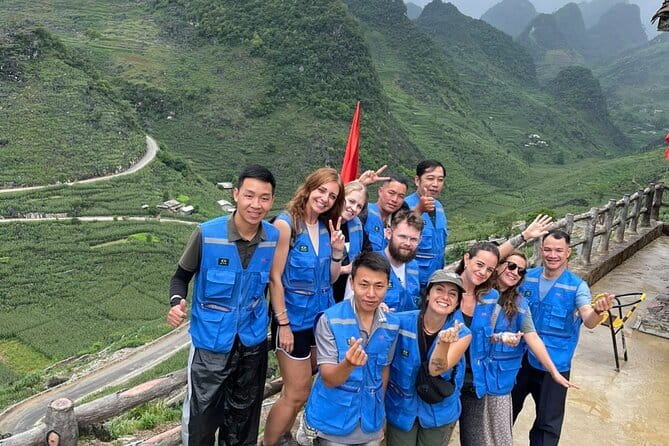
Day 1 is about easing into Ha Giang’s drama, then starting your loop momentum with a mix of nature and viewpoints.
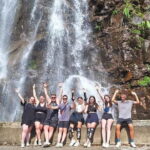
A Boong Waterfall is the first stop and includes the admission ticket. You’ll have around 2 hours here, which is just enough time to enjoy the scenery without feeling rushed. Waterfall stops are also a good warm-up: you get a break from riding while the air cools down and you start spotting how lush the region can feel.
Then you’ll cross one of Ha Giang’s big passes. The description is clear that the pass is high up with a cliff and is one of the best on the loop. That’s the kind of moment where your brain switches into road-focus mode, even if you love adventure. If you’re prone to motion sickness, it can help to sit in a stable spot and keep your eyes on the road ahead instead of looking around too much.
Next up is Lũng Hồ, with about 1 hour and free entry. This is a panoramic viewpoint stop. It’s a good contrast after the waterfall because it stretches your view out over green areas and open ridges. You’ll feel the height more here, especially when the light hits the valleys.
Du Già rounds out the day (around 2 hours, free admission). Du Già is positioned as a landscape that’s still less processed on the tourist map, which can mean a calmer stop and more breathing room. The practical upside: after a day of riding, these longer, slower stops help you reset before the higher-energy days.
Day 1 watch-outs
- It’s a strong “scenery + pass” mix, so bring sun protection and accept that you’ll be in motion more than you think.
- If you’re nervous about the pass, tell your guide early. The whole point is you should end the day feeling like you’re progressing, not white-knuckling it.
Day 2: Meo Vạc, Ma Pi Leng Pass, and the Skywalk on the white cliff
Day 2 is where Ha Giang becomes cinematic. You’ll start with Meo Vac (about 3 hours, free entry). Meo Vac is a town setting inside rugged terrain, so it’s a useful “human scale” break. Even though it’s part of the loop, it doesn’t feel like a giant tourist stage.
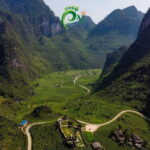
After that comes Ma Pi Leng Pass with admission included and around 1 hour. This is one of those stops where you look at the drop-offs and instantly understand why people talk about Ha Giang’s road engineering. Even when the stop is short, you’ll get that clear, high view feeling.
Then you hit the highlight walk: the Ma Pi Leng Skywalk through white cliff areas and villages. This is described as a 2-hour segment, and it’s free entry. The wordless benefit here is simple: walking out on the cliff-edge style viewpoint makes the Loop feel personal. You’re not just looking from a vehicle; you’re moving along the area at a controlled pace with the guide keeping watch.
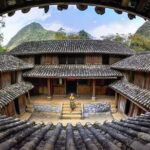
After the Skywalk, the tour switches back into “ride mode.” The guide and riders pick you up and take you back to Đồng Văn Town, where you’ll stay one night in a homestay. That homestay night is a good pivot point: you’ve done big views and walking, and then you switch into simpler rhythms—local rooms, local food, and time to decompress.
Day 2 watch-outs
- This day includes trekking time and cliff-edge style walking. Wear shoes you’re comfortable tightening and walking in.
- If you’re riding your own bike, take your time leaving viewpoints. Many people rush, then regret it on winding descents.
Day 3: From Lũng Cú’s flag tower to Mỏm Đá Tử Thần and Yên Minh pine forests
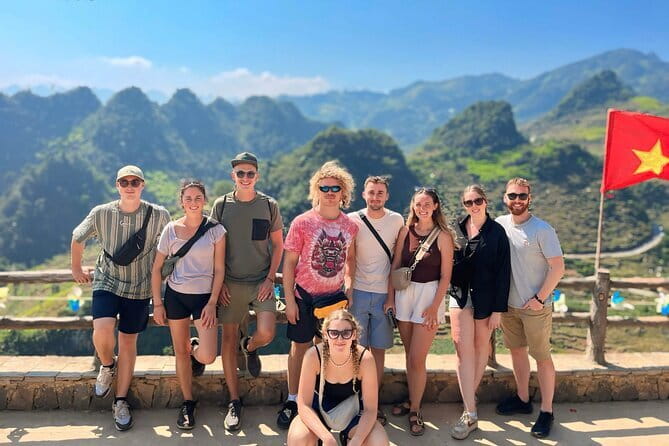
Day 3 is a culture-meets-scenery day with a lot of iconic stops stacked together. The pacing can feel full, but that’s also what makes it rewarding.
Start at Lũng Cú Flag Tower. It’s around 45 minutes and includes admission. The tower sits on Dragon Mountain and is Vietnam’s northernmost point marker. Even if you’ve seen photos before, standing there usually brings a different kind of wow—the kind that comes from scale and height rather than just prettiness.
Next, Lô Lô Chải Village is about 45 minutes and free admission. This is tied to the Lô Lô ethnic group. Stops like this are more than a photo break if you let yourself slow down and notice daily life patterns. Practical tip: ask your guide what to pay attention to while you walk, because otherwise it can feel like a quick pass-through.
Then you visit Mỏm Đá Tử Thần (the Moon Surface area in the Đồng Văn Karst Plateau Geopark). It’s around 30 minutes and includes admission. The shape of the rock formations is the star here—almost otherworldly—so it helps to look from multiple angles instead of just one selfie spot.
Dinh Vua Mèo (Hmong Royal Palace) follows, about 55 minutes with admission included. This is a longer stop, and the practical value is context: it’s where you can connect what you saw in the villages to a historical power center in the region. Even if you’re not a museum person, a palace stop adds variety to the day’s walking and riding.
After that, Yên Minh Pine Forests (around 40 minutes, admission included) are often called the Da Lat of the North. The pine forest is a reset button. Trees and softer light change your mood after the more dramatic rock and pass stops.
You’ll finish Day 3 by checking into a homestay in Yên Minh, then dinner and evening time. This is where you feel the tour shift from “travel day” to “you’re living in the region for a night.” It’s also a nice chance to talk to your guide at night—how the next day’s passes look, how weather may affect timing, and what to do if you’re feeling tired.
Day 3 watch-outs
- With many stops, you’ll be tempted to speed through. Don’t. The best photo points usually take a few extra minutes of waiting for light and for your group to regroup.
- If you’re tired from riding, this is still manageable because there are plenty of structured stop times.
Day 4: Lung Khuy Cave, weaving at Lùng Tám, and the Quan Ba Heaven Gate finale
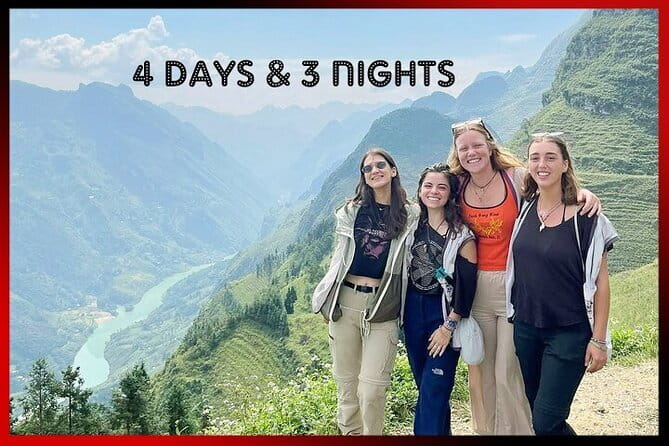
Day 4 is the “big finishing sequence,” and it’s a smart mix: cave wonder, craft culture, then one last set of high viewpoints.
First is Lung Khuy Cave, about 1 hour with admission included. Caves are a different kind of wow—cool air, stalactites and stalagmites, and that echo-y stillness that makes time feel slower. Because it’s a timed stop (not an all-day hike), it’s great if you want a memorable nature moment without exhausting yourself before the finish.
Next comes Lùng Tám Weaving Village, about 45 minutes, free admission. This stop focuses on traditional hemp weaving and textiles. It’s the kind of cultural activity that can teach you more than just what something looks like. If you like crafts, this is one of the more satisfying stops because you can see how work turns into products.
Then you’ll go to Quan Ba Heaven Gate, around 40 minutes with admission included. The viewpoint is on a mountain pass at about 1,500 meters. This is where you re-enter the high-view rhythm. If you’ve been riding since Day 1, Heaven Gate is the moment where you feel the loop’s arc—the region’s geometry spreading out in front of you.
After that is Núi đôi Quản Bạ (Twin Mountains) for about 20 minutes, free entry. This one is culturally meaningful to the local Hmong people, tied to symbolism about fertility. It’s brief, but it’s a reminder that the loop isn’t only about views—it’s also about places people name and interpret.
Finally, Dốc Thẩm Mã is a scenic mountain pass stop (around 20 minutes, free admission). It’s famous for steep, winding roads and connects Quan Ba and Đồng Văn. This is the perfect last ride-feeling moment, especially since you’ll already be in the mindset of looking ahead and reading the road.
At the end of the day, you arrive before 5PM and the tour ends back at the meeting point. You can also stay one more night in Ha Giang or take the bus to other destinations if you want to keep traveling.
How guides like Jelly and Sony shape your day (and your stress level)

A Ha Giang Loop tour lives or dies by route choices and guidance. This one leans hard into that with in-person English support and guides praised by name.
You’ll hear names like Jelly and Speedy for fun, smart help, and route planning that aims for fewer crowds and better food stops. Sony is also highlighted for being extremely prepared for changing weather conditions. Another guide name you’ll see is Tang, along with a group of hosts described as helpful when riders need support.
In practical terms, what this means for you is:
- Stops are timed so the day feels full but not chaotic.
- If the weather shifts, your guide isn’t scrambling; they’re already thinking about it.
- You’re more likely to get a smooth ride experience instead of constantly regrouping.
And if you’re a newer rider, the “easy-driver” approach described in reviews is key. It gives you a way to still experience the loop without forcing every moment to be a test of your hands and balance.
Price and value: what $177 covers on a 4-day Loop run
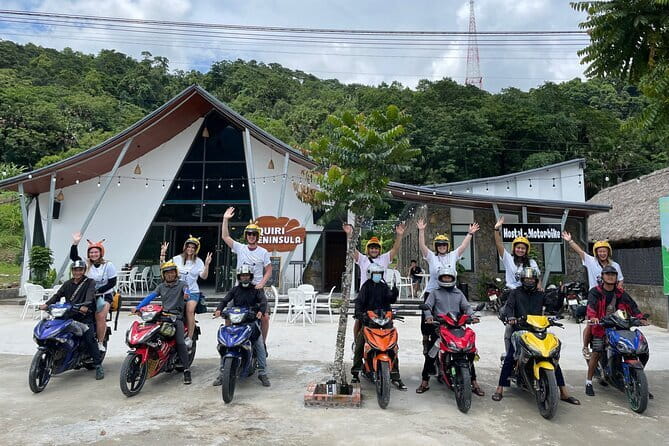
At $177 per person for about 4 days, the real question isn’t the number—it’s what you’d have to pay for if you traveled independently.
Here’s what’s included in a meaningful way:
- Meals: 4 lunches, 3 breakfasts, 3 dinners
- Water: 1.5 liters per day
- Guide: in-person English
- Tickets: several key admissions are included across the route (waterfall, cave, key viewpoints, and more)
- Group structure: small group size up to 8
- Pickup offered and you end back at the meeting point
If you’re comparing value, focus on “daily costs plus friction.” The guide and planned schedule remove a lot of the guessing. The meal coverage means you don’t burn your trip budget on finding food between viewpoints, especially on days when you’re moving constantly.
You’ll still pay for personal expenses and drinks, which is standard. But the core “in-region running costs” are already handled, so you can keep your head on the riding and the walking.
Who this self-ride Ha Giang Loop fits best (and who should pause)
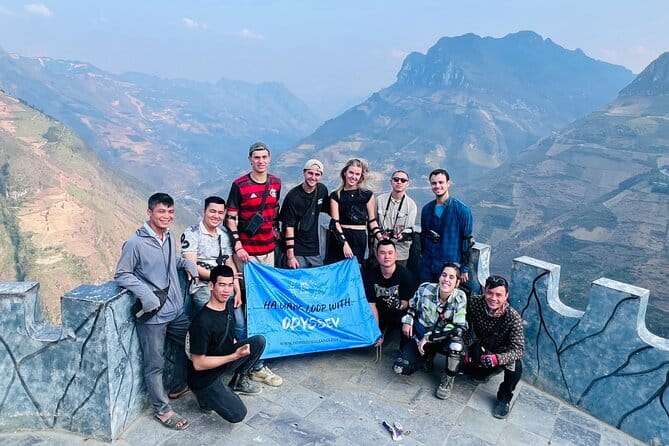
This is a great match if you:
- Want motorbiking plus trekking, not just a scenic bus tour
- Like small groups where your guide can actually manage the pace
- Are okay with a busy itinerary and high-pass driving
- Appreciate homestay nights in Dong Văn Town and Yên Minh
- Need dietary options sometimes, since the tour can accommodate restrictions like vegetarian and vegan if you note it at booking
This might be less ideal if you:
- Want a very low-effort day-to-day trip
- Have no interest in walking viewpoints like the Ma Pi Leng Skywalk
- Get overwhelmed by long drives and repeated regrouping (even in a small group)
If you’re unsure about riding skill, don’t guess. The experience is described as having support for riders who aren’t ready to self-ride all the time, so ask early how that works for your group.
Should you book Yolo Ha Giang Adventures for the 4-day self-ride loop?
I’d book this if your priority is action with structure: self-ride freedom, trekking moments that actually feel memorable, and an itinerary that hits the core Ha Giang sites without turning into a giant crowd drill.
It’s especially strong for value because meals, guide time, major tickets, and water are already covered. Plus, the guides’ reputations—Jelly, Speedy, Sony, Tang—signal that the company puts time into route planning and rider support, not just checklists.
If you hate stairs, cliff-edge walking, or you want everything paced slowly, pick a different style of tour. But if you like the idea of a loop that mixes riding, viewpoints, and local stops in a small group, this is a very solid choice.
FAQ
How long is the Ha Giang loop adventure?
It runs for about 4 days.
What does the tour cost?
The price is $177 per person.
Is pickup offered?
Yes, pickup is offered.
How big is the group?
The tour has a maximum of 8 travelers.
Is the guide available in English?
Yes. The guide is in-person and English-speaking.
What meals are included?
The tour includes 4 lunches, 3 breakfasts, and 3 dinners.
Are water bottles included?
Yes. You get 1.5 liters of water per day.
Which admissions are included?
Some stops include admission tickets, such as A Boong Waterfall and Ma Pi Leng Pass. Other listed stops are free, like Lũng Hồ and Meo Vac.
Can dietary restrictions be accommodated?
Yes. You can request vegetarian, vegan, gluten-free, and more dietary needs at the time of booking.
Can I cancel for a full refund?
Yes. Free cancellation is available if you cancel up to 24 hours before the experience starts; cancellations within 24 hours are not refunded.