REVIEW · DUYEN HAI NAM TRUNG
Da Nang: Traditional Cooking Class and Pho with Local Girl
Book on GetYourGuide →Operated by Dich vu du lich lang que Cam Thanh · Bookable on GetYourGuide
Cooking in someone’s home makes food lessons stick.
This Da Nang experience turns traditional Vietnamese cooking into a friendly, hands-on evening, with Pho as the main highlight and the fun of actually making it yourself. I love how it’s built around real technique—spring rolls one step, pho another—so you’re not just watching from the sidelines. You’ll also get a chance to see how Vietnamese families talk, eat, and cook together in a lived-in kitchen, not a show kitchen.
The second thing I like a lot is the unlimited passion juice served during the session, which keeps the mood relaxed while you cook. The one thing to plan around: there’s no hotel pickup or drop-off, so you’ll need your own way to get to 279 Mai Đăng Chơn Street for the chef-led start.
In This Review
- Key things that make this class worth your time
- Da Nang Traditional Cooking Class: Why a Home Kitchen Beats a Restaurant Meal
- The 150 Minutes: Spring Rolls, Pho, and Passion Fruit Juice on Repeatable Schedule
- Meeting Your Host and Getting Comfortable Fast
- Cooking Steps That Actually Help You Cook Later
- Spring rolls: learning the wrap and the fry
- Pho: learning how to build the bowl
- Passion juice: the easiest win for taste-at-home
- Recipes after the class
- The Meal Part: Lunch or Dinner With the Food You Made
- Price and Logistics: How $33 Makes Sense (and Where It Can Surprise You)
- Who This Da Nang Cooking Class Fits Best
- Should You Book This Da Nang Cooking Class?
- FAQ
- What dishes will I cook in the class?
- How long is the experience?
- Do they include hotel pickup and drop-off?
- Is the group small?
- Is vegetarian or vegan food available?
- Are there extra costs on public holidays?
Key things that make this class worth your time
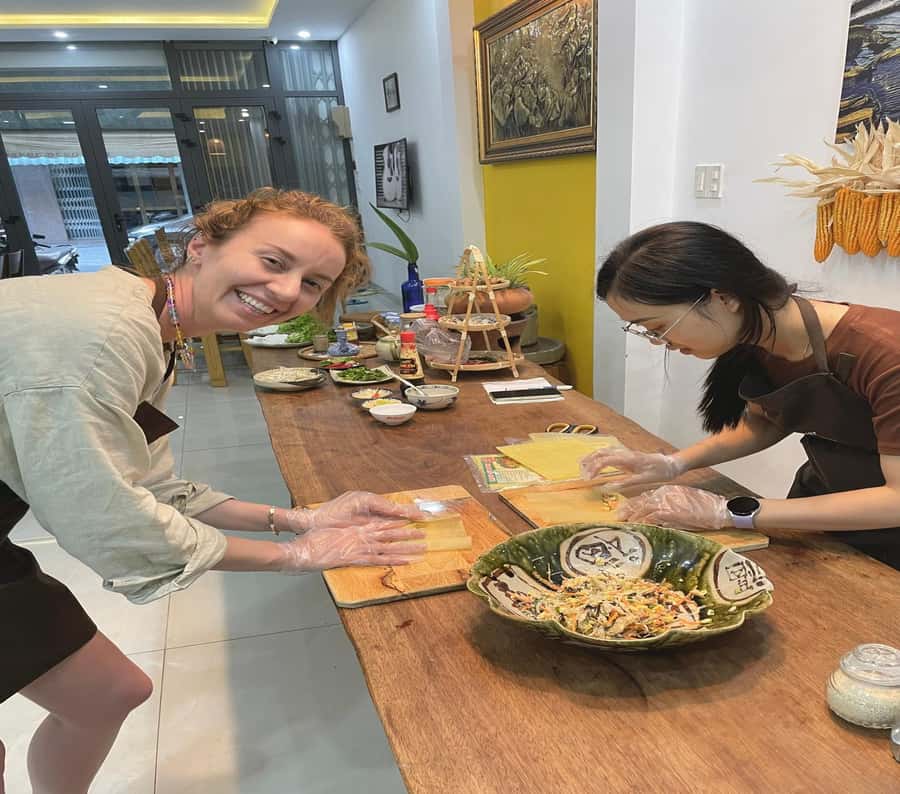
- Jenny’s patient, English-speaking instruction in a real home kitchen
- Two hands-on dishes centered on Vietnamese comfort food (often spring rolls + pho)
- Pho lessons you can repeat at home, with veggie-friendly options available
- Unlimited passion fruit juice while you cook and eat
- A small group (max 10 people), so you get attention instead of rushing
- Recipes sent after the class, so your cooking doesn’t stop the same day
Da Nang Traditional Cooking Class: Why a Home Kitchen Beats a Restaurant Meal
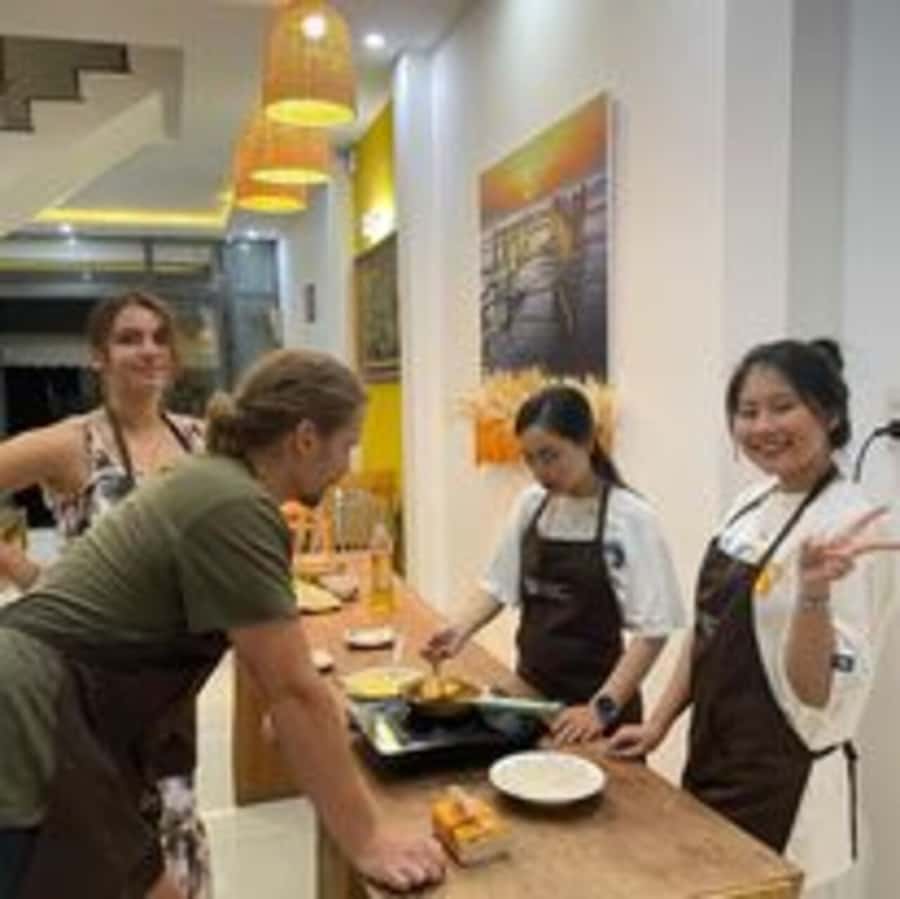
If you’ve ever thought, I love Vietnamese food, but I don’t know how to cook it, this is the fix. The big value here is that you’re not just eating Vietnamese dishes in Da Nang—you’re learning the process in a kitchen run like a family kitchen. That matters, because Vietnamese cooking is about timing, texture, and balance, not just following a list of ingredients.
I also like that the class is built around two core dishes you can build confidence with fast. Fried spring rolls teach you wrapping and frying technique (and yes, it can be trickier than it looks). Beef noodles (Pho) teaches flavor-building: broth/seasoning approach, noodle handling, and how to assemble it so it tastes right.
And it’s not an awkward, sit-and-wait class. You’ll be moving through steps, tasting what’s being cooked, and finishing with a meal of what you made. That “make it, then eat it” rhythm is the whole point—and it’s a fun way to add culture without forcing a museum day.
You can also read our reviews of more cooking classes in Duyen Hai Nam Trung
The 150 Minutes: Spring Rolls, Pho, and Passion Fruit Juice on Repeatable Schedule
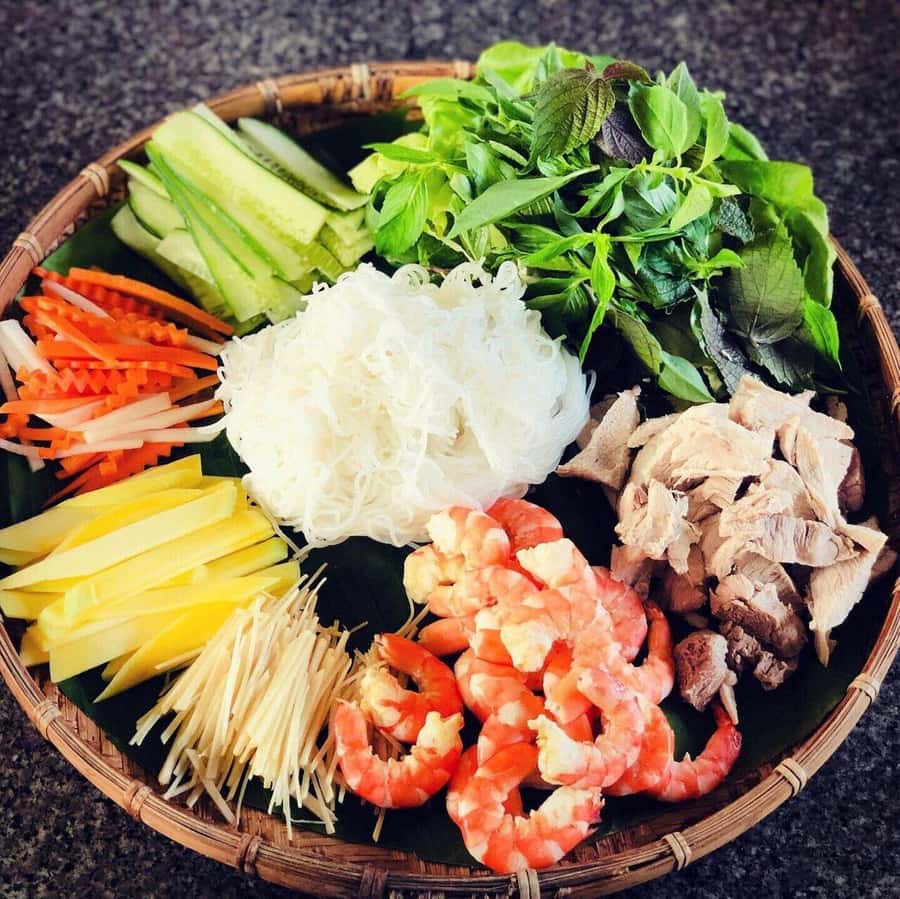
The class runs about 150 minutes, and the flow is simple. You start with a pickup or meeting at 279 Mai Đăng Chơn Street, then you go into the chef’s home. After a welcome drink, you cook. After cooking, you sit down and eat what you made.
Here’s what’s typically on the menu and why it’s a smart set:
- Fried spring rolls: Great for learning technique because the dough/wrapper handling and frying heat both affect the final result. You’ll get a feel for texture—crispy outside, warm inside.
- Pho (beef noodles): The signature dish of Vietnam. Even if you’ve eaten pho before, cooking teaches you how seasoning decisions work and how to assemble so it tastes like pho, not just noodles.
- Passion juice (unlimited): This is the morale boost. You’ll have ongoing drinks during the class, and the passion juice component is often made from scratch rather than poured from a bottle. Expect it to be sweet-tart and refreshing alongside fried food.
You’ll also see how the class adapts. The menu may shift slightly depending on what ingredients are available, and vegetarian/vegan options are available upon request. Some people go for tofu-style pho instead of beef, or veggie spring rolls, so you can keep the experience aligned with your diet.
Meeting Your Host and Getting Comfortable Fast
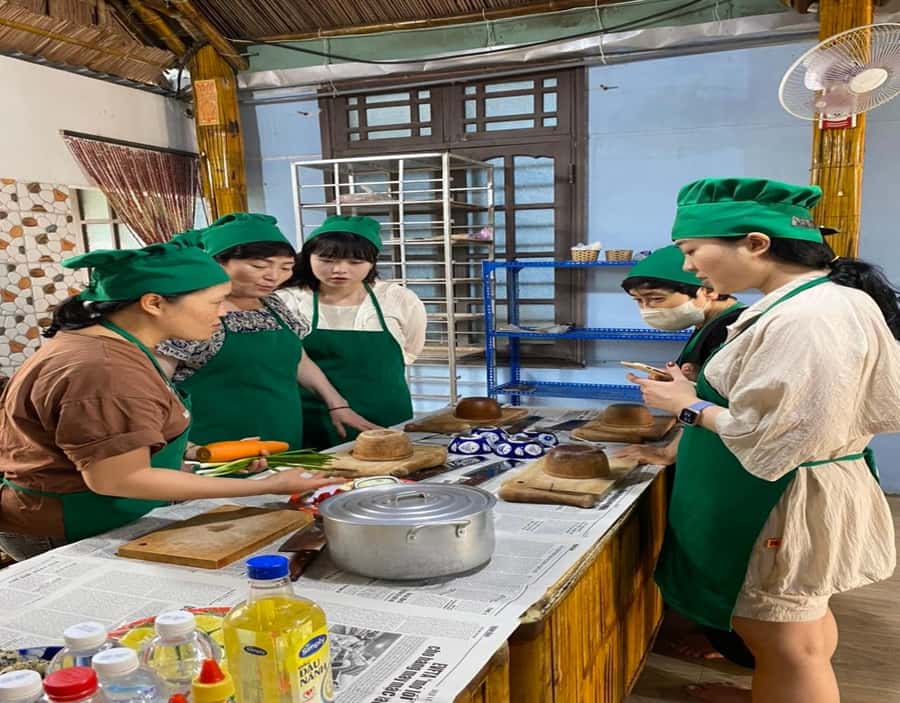
This is one of those tours that starts human-scale. You’ll meet at the address on Mai Đăng Chơn Street, then a chef picks you up from there. Once you arrive, you get a welcome drink and settle into the kitchen.
The standout is the host: Jenny, an English-speaking main chef who teaches at a real home. The teaching style comes through in the way people describe the class: patient pacing, clear explanations, and lots of chances to ask questions. That’s important for beginners, because Vietnamese cooking often uses steps that look easy until you try them.
The home setting also changes how the experience feels. Instead of being herded like a group bus stop, you’re in a cozy kitchen environment where conversation can happen. In several accounts, people mention chatting with the host and her family, which adds a personal layer to the food lesson.
Cooking Steps That Actually Help You Cook Later
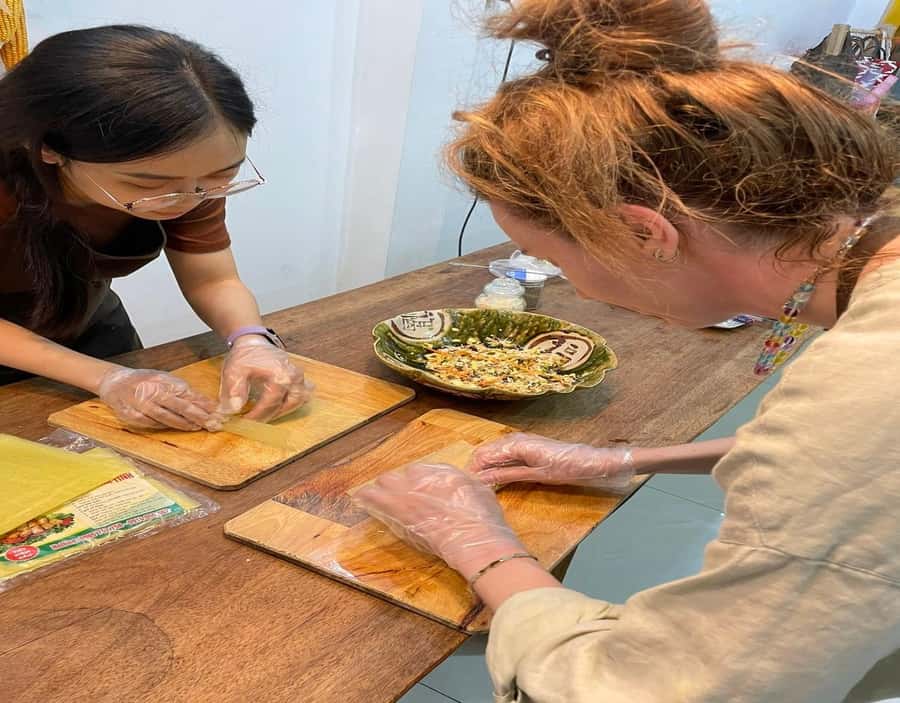
A lot of cooking classes leave you with a vague memory of flavors. This one is designed to teach you enough that you can re-create the dishes later.
Spring rolls: learning the wrap and the fry
Spring rolls aren’t hard because the recipe is complicated. They’re hard because:
- the wrapper has to be handled right,
- the filling has to be portioned so it rolls cleanly,
- and the frying has to be hot enough to crisp without burning.
You’ll work through the process hands-on, then eat what you cooked. That’s a big deal. If you taste your own spring rolls right after frying, you instantly learn what “good” feels like.


Pho: learning how to build the bowl
Pho is all about balance—sweet, salty, aromatic, and not too heavy. Even when you’re not building a full pho broth from scratch (the class structure doesn’t spell out a full stock timeline), you still learn key handling and assembly.
You’ll prepare the pho you’ll eat, and some vegetarian choices may swap beef for tofu. That flexibility is useful if you want the pho experience without changing your whole day’s plans around dinner.
Passion juice: the easiest win for taste-at-home
If you’re thinking, I want one recipe I can repeat immediately, passion juice is often the easiest entry point. It’s included unlimited during the class, and it’s a fresh counterpoint to fried food. When you make it, you’ll understand how sweet and tart are adjusted so it works for your taste at home.
Recipes after the class
One of the practical perks: at the end, you’re sent the recipes. That means you can cook again without relying on blurry photos or guessing measurements.
The Meal Part: Lunch or Dinner With the Food You Made
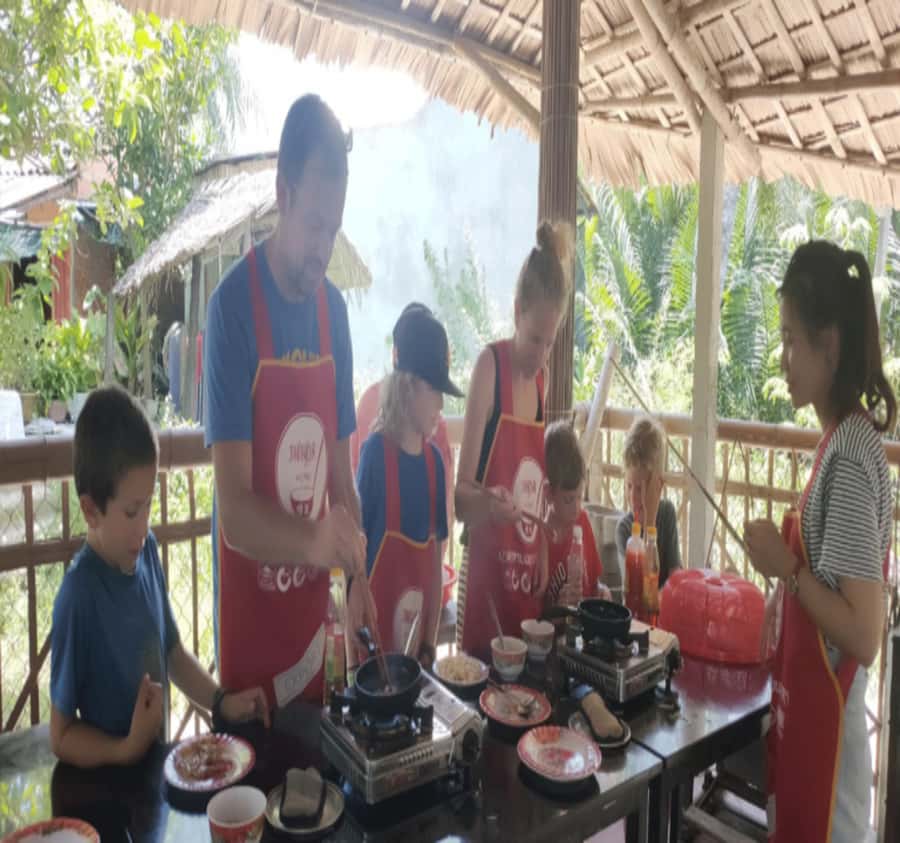
After you cook, you sit down and eat. This is where the class earns its keep. You get:
- a meal of the dishes you prepared, not just a token tasting,
- time to relax,
- and a chance to compare your expectations with the final result.
The menu includes the spring rolls, pho, and passion juice. In practice, you should expect the meal portion to feel generous, because the class is hands-on and people typically finish with extras rather than leaving hungry.
One small practical point: because spring rolls involve frying, you might not finish everything on your plate. That’s normal, and it’s better to save a few bites than force it.
Price and Logistics: How $33 Makes Sense (and Where It Can Surprise You)
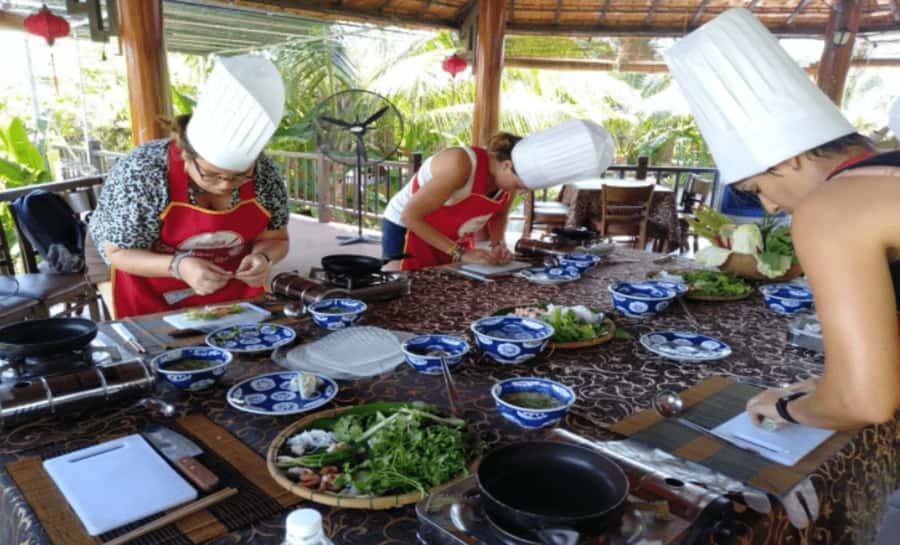
At $33 per person for 150 minutes, you’re paying for a lot more than a meal. Your money goes toward:
- an English-speaking main chef,
- ingredients,
- unlimited passion juice,
- and a sit-down meal that includes the dishes you cooked.
For many people, that’s better value than paying for a restaurant meal plus a separate food “tour” where you just watch. You’re getting instruction you can reuse, and you leave with recipes for later.
Two logistics details to keep in mind:
- No hotel pickup or drop-off is included. You’ll need to reach the meeting point on Mai Đăng Chơn Street and return on your own after.
- On Vietnamese public holidays, there’s an extra 100,000 VND per person that’s paid in cash if you book for those dates.
Also note the class is small with a limit of 10 participants. That size matters for learning. You won’t feel lost in the back row.
Who This Da Nang Cooking Class Fits Best
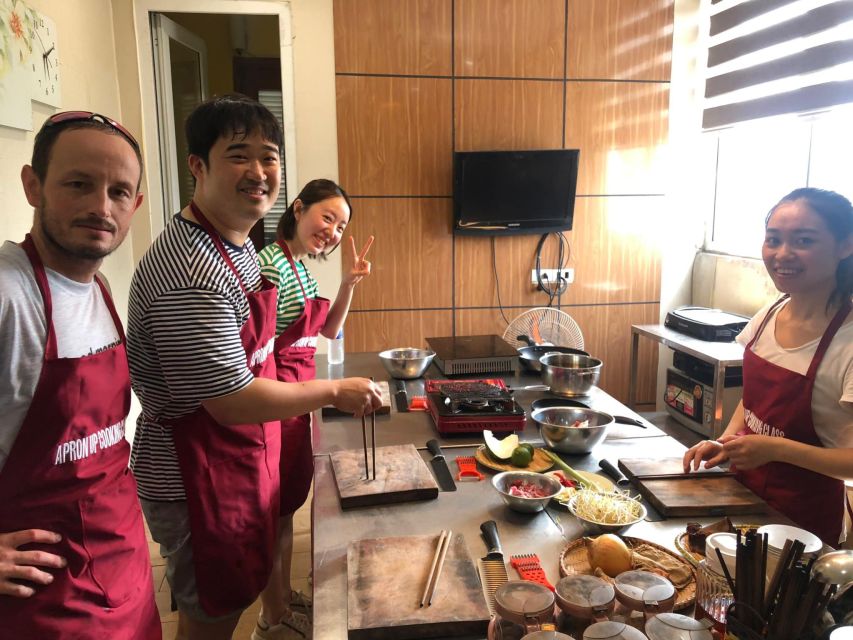
This class is a strong match if you want:
- a hands-on Da Nang cooking class instead of a passive food stop,
- a practical way to learn Vietnamese technique fast,
- an activity that feels local and home-based (not a generic tourist kitchen),
- English support with a teacher who can guide you patiently through steps.
It’s especially good for couples and solo travelers because the group size stays small and the home setting keeps things relaxed.
If you’re traveling with kids, keep the rule in mind: children under 4 are free, but they don’t join the cooking and instead share the meal with their parents. If that’s not your plan, you may want to choose a different style of family activity.
And if you’re bringing a pet: pets aren’t allowed.
Should You Book This Da Nang Cooking Class?
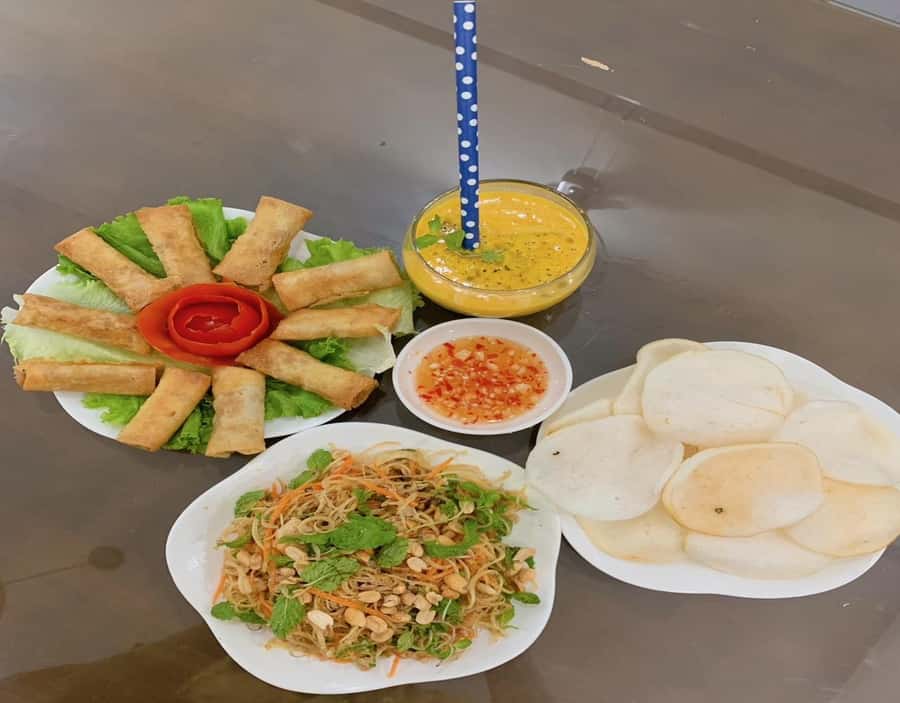
I’d book it if you want a memorable Da Nang experience that gives you skills, not just photos. The combo of Pho + fried spring rolls + passion juice, taught by Jenny in a home kitchen, is a solid value at $33 for 150 minutes—especially because you get recipes after class.
Skip it only if you strongly rely on hotel pickup and smooth transport with zero effort. Since pickup/drop-off isn’t included, you’ll need to handle the start and end on your own. Also, if you’re expecting a large, polished “show” atmosphere, this is more family-kitchen than stage.
If your goal is to leave Da Nang able to cook Vietnamese food again at home, this is the kind of tour that actually makes that happen.
FAQ
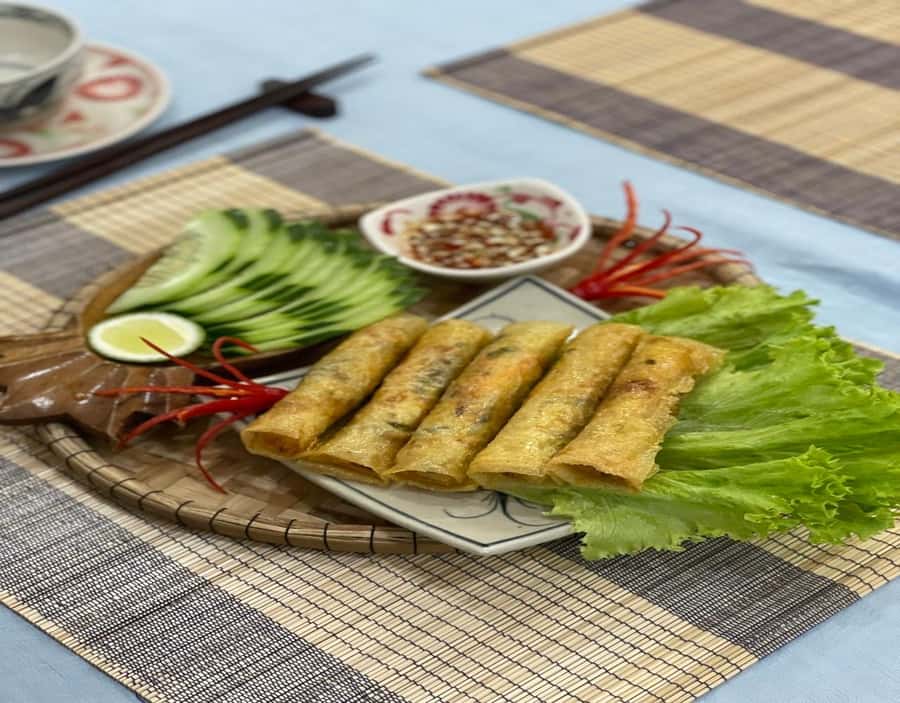
What dishes will I cook in the class?
You’ll cook fried spring rolls and beef noodles (Pho), plus you’ll prepare passion juice. The exact menu may change slightly based on ingredient availability, and vegetarian/vegan options are available upon request.
How long is the experience?
The class lasts about 150 minutes.
Do they include hotel pickup and drop-off?
No. Hotel pickup and drop-off are not included, so you’ll need to get to the meeting point on your own.
Is the group small?
Yes. It’s a small group limited to 10 participants.
Is vegetarian or vegan food available?
Yes. Vegetarian/Vegan menu is available upon request.
Are there extra costs on public holidays?
Yes. There is an extra 100,000 VND per person paid in cash for bookings on Vietnamese public holidays.