REVIEW · HA GIANG
Ha Giang Loop 3 Days 2 Nights with Ha Giang Vision Tour
Book on Viator →Operated by Ha Giang Vision Tour · Bookable on Viator
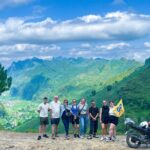
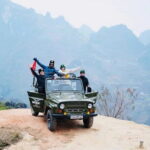
Ha Giang hits like a sudden movie scene. This 3-day loop with Ha Giang Vision Tour strings together signature road time—Ma Pi Leng Pass is the headline—with small, human-scale cultural stops around Quản Bạ, Đồng Văn, and the Du Gia area. The pace is active, but the day-to-day feels doable.
I especially like how you get both views and people-focused visits: hemp-weaving families, ancient village time, and viewpoints that are built for photos without turning the stops into a rushed shopping sprint. Meals are also handled for you (breakfasts, lunches, and dinners), which makes budgeting simpler.
One thing to consider: this is a motorbike-first trip, and the experience depends on weather. If you get motion sick easily or your tolerance for long, winding roads is low, plan around that—either by choosing an easy rider setup or going into the trip with the right expectations.
In This Review
- Quick highlights worth planning around
- Why this Ha Giang Loop works: passes plus culture stops you can actually feel
- Price and logistics: what $260 buys you (and what it doesn’t)
- Your route, your riding style: easy rider vs riding alone
- Day 1 from Quiri Hostel: lunch, bamboo views, and hemp weaving near Quản Bạ
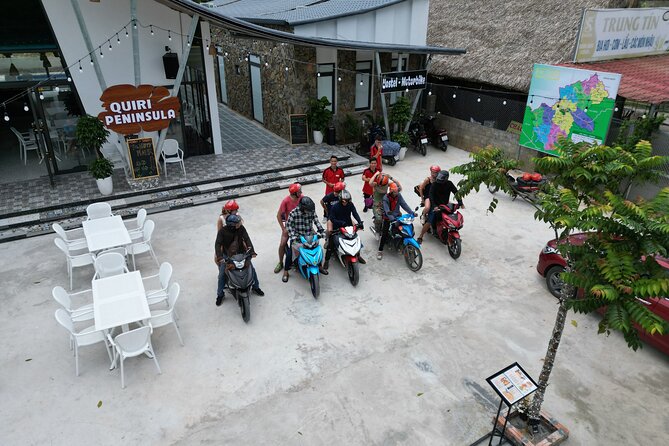
- Lunch at Quiri Peninsula (11:30 am)
- Short photo-and-view stop near town (around 20 km from the city)
- Quan Bạ Heaven Gate (mid-afternoon)
- Thung lũng Lùng Tám viewpoint (photo time with H’mong village views)
- Lanh Lùng Tám co-op visit (hemp weaving continuation)
- What Day 1 accomplishes
- Day 2 in the highlands: Dinh Vua Mèo, Lũng Cú border views, and Đồng Văn at dusk
- Dinh Vua Mèo (around 8:30 am, then driving toward it)
- Lũng Cú Flag Tower (around 1:00 pm)
- Thiên Hương Ancient Village (about 1 hour)
- Đồng Văn dinner (late afternoon arrival)
- Day 3: Ma Pi Leng Pass, Tu Sán canyon views, and the Du Gia return
- Ma Pi Leng Pass (start around 9:00 am, admission included)
- Viewpoint of Tu Sán canyon (about 1 hour)
- Pavi H’mong Village (about 30 minutes)
- Lunch and drinks stop in Mau Dư (around “176” then Mau Dư)
- Du Gia village and the scenic return (1.5 hours)
- Back to Ha Giang in the afternoon
- Comfort, food, and what to pack so the trip feels easier
- Food timing
- What you should bring
- Culture stops done right: weaving villages and ancient sites
- How to make these stops better for you
- Who this tour suits best
- Final call: Should you book Ha Giang Vision’s 3D2N loop?
- FAQ
- How long is the Ha Giang Loop 3 Days 2 Nights tour?
- What does the $260 price include?
- Is pickup available?
- Where does the tour start?
- Is the tour private?
- Is a mobile ticket provided?
- Is there free cancellation?
- Can I ride the motorbike by myself?
- What’s not included in the tour price?
Quick highlights worth planning around
- Ma Pi Leng Pass ride time with a big, memorable viewpoint approach
- Hemp weaving visits at Quản Bạ area family workshops and co-ops
- Border-area feeling at Lũng Cú Flag Tower with China-Vietnam views
- Đồng Văn evening reset after a full driving day
- Du Gia return day with time for lunch in Mau Dư and village scenery
Why this Ha Giang Loop works: passes plus culture stops you can actually feel
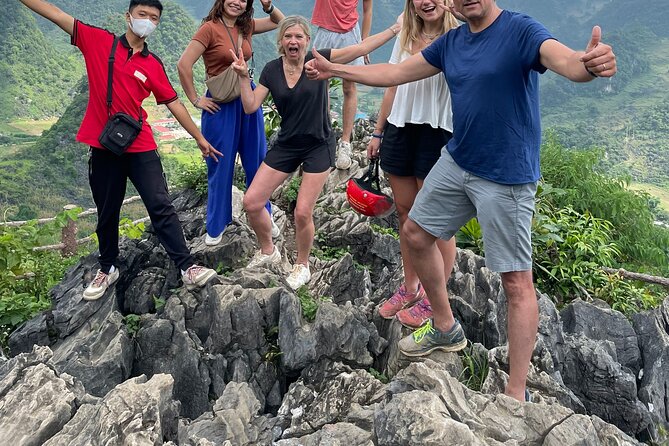
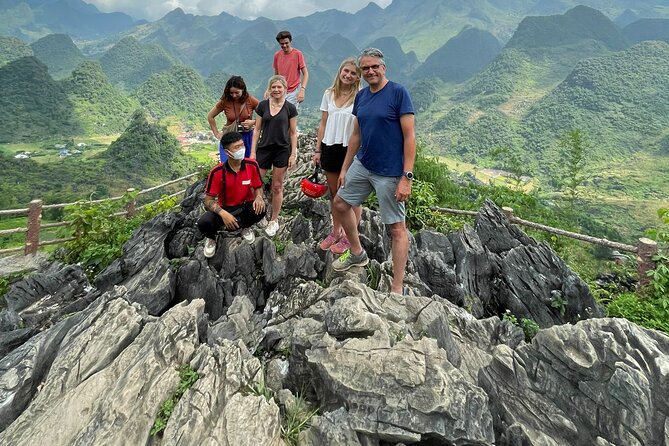
Ha Giang loops have a reputation for being mostly about the roads. This one still delivers the road drama, but it also gives you plenty of chances to slow down and see how local life fits into the mountains.
The design is simple: you ride, you pause, you learn something small and specific, then you ride again. That keeps the trip from feeling like one long blur. You also get a “day shape” that makes sense for most people: start near the city, move into the highlands, hit the big pass and canyon views on the final morning, then work your way back toward Ha Giang with time to catch onward transport.
And because it’s a private tour (only your group participates), the flow tends to feel less crowded than shared rides you might see in the region. That matters on roads where every minute of attention counts.
A few more Ha Giang tours and experiences worth a look

Price and logistics: what $260 buys you (and what it doesn’t)
The listed price is $260 for about 3 days. For Ha Giang, that’s a “mid-pack” price point—usually meaning you should check what’s included because some tours hide extra costs later.
Here, you do get a solid base package:
- Dorm bed included
- Local guide included
- Meals: 3 breakfasts, 3 lunches, and 2 dinners
- Many stop entries are listed as free, and Ma Pi Leng Pass admission is included
What you don’t get (so budget for it):
- Personal drinks
- Bus $36 per person (it’s listed separately, so plan whether you need it depending on your Hanoi plan)
A practical way to think about value: if you’d normally spend money on guide time, multiple meals, and at least one pass admission, this package saves you the hassle of piecing it together. The bigger question isn’t whether $260 is “cheap” or “expensive.” It’s whether you like the balance here—motorbike-heavy days plus several scheduled culture stops.
Your route, your riding style: easy rider vs riding alone
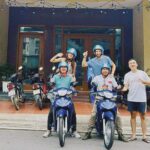
This trip is built around motorbike movement, and your comfort depends on your riding choice.
You’ll ride with local drivers/riders on the loop’s key road sections. Some people also choose to ride themselves. One review highlighted that having an International Drivers License helped them ride alone, while others preferred an easy rider approach and enjoyed it just as much. So the takeaway is: match the driving style to your confidence.
If you’re new to Ha Giang roads, pick the option where you’re not doing the driving. The roads are twisty, and your focus should be on staying relaxed and enjoying the views—especially on pass days when the scenery opens up fast and the road demands attention.
Also, going in with the right gear helps. Bring sun protection, a layer for cooler high points, and something to keep dust and wind off you. If you’ve got questions about what safety gear is provided, ask before you go—don’t wait until you’re on the first bend.
Day 1 from Quiri Hostel: lunch, bamboo views, and hemp weaving near Quản Bạ
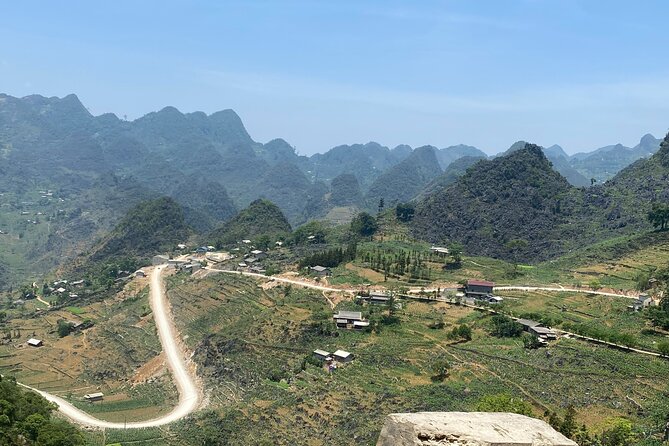
Day 1 starts at Quiri Hostel Ha Giang on QL2, Phương Thiện, Hà Giang. Meeting here keeps things simple, and it also matters if you’re arriving from Hanoi and want an easy start point. The tour ends back at the same meeting spot later.
Lunch at Quiri Peninsula (11:30 am)
You start with lunch at Quiri Peninsula restaurant and bar. If you’re traveling with large luggage, there’s a note that you can leave it at the office before the trip continues. That’s a small detail, but it makes Day 1 feel less stressful.
Short photo-and-view stop near town (around 20 km from the city)
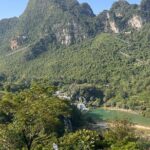
Next you’ll stop at a viewpoint area described as about 20 km from Ha Giang city, where you get nature and mountain views plus bamboo-lined visuals. This isn’t a long cultural visit—it’s a quick “get your bearings” moment.
Why it’s worth it: it helps you adjust to how the region looks before you hit the longer road stretches. The mountains feel closer once you start seeing the valleys from the first viewing point.
Potential drawback: if you prefer a more “only-the-good-stuff” schedule, this early stop may feel short and purely scenic. Still, it’s a good on-ramp.
Quan Bạ Heaven Gate (mid-afternoon)
Then comes Quan Bạ Heaven Gate. The highlight here is a visit to a local family involved in hemp weaving—making traditional fabric and clothes. You’ll see how the work fits into daily life and watch hands-on craftsmanship.
Why this matters: Ha Giang has a lot of “ethnic culture” tourism. Stops like this are valuable when they focus on skills and everyday routines, not just photo moments. Hemp weaving is one of those crafts you can understand even in a brief visit because you can literally see the process.
Good tip: slow down. Ask questions about how the fabric is made and what gets used in everyday clothing. You’ll remember the work, not just the room.
Thung lũng Lùng Tám viewpoint (photo time with H’mong village views)
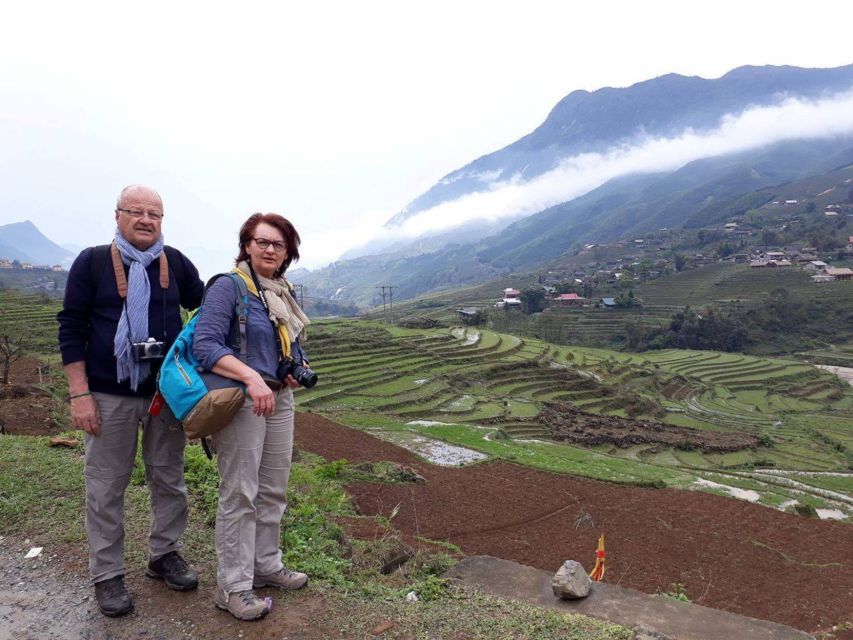
Next you’ll have time at a viewpoint in Thung lũng Lùng Tám with a chance to take photos of an H’mong village view. This is a classic “stand and shoot” stop.
Why it’s here: it breaks up the day and gives your camera a real payoff.
Consideration: viewpoints can be busy depending on conditions. Go for the angles, not just the crowd shot.
Lanh Lùng Tám co-op visit (hemp weaving continuation)
You’ll wrap Day 1 with a longer stop at a weaving co-op / family workshop area connected to Lùng Tám. Expect more time with fabric work and daily life, generally around an hour.
What Day 1 accomplishes
By the end of Day 1, you’ll understand one thing: the Ha Giang loop isn’t only about scenery. It’s about how people make a living in a harsh, beautiful place—and hemp weaving is one window into that.
Day 2 in the highlands: Dinh Vua Mèo, Lũng Cú border views, and Đồng Văn at dusk
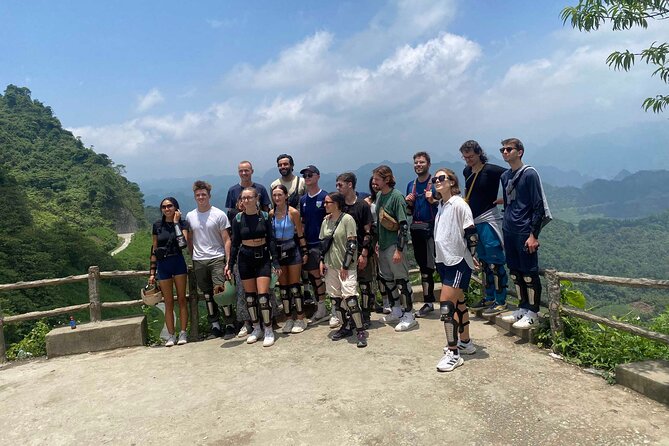
Day 2 begins with breakfast in your homestay and then preparation for a longer driving day. Then the ride moves toward Tham Ma Road, described as one of the biggest challenges for horses that used to live there—an odd historical note, but it basically signals the road’s steep, tough nature.
This is the day where the loop shifts from “nice views” into “okay, I get why people talk about this.”
Dinh Vua Mèo (around 8:30 am, then driving toward it)
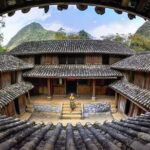
Your first major stop is Dinh Vua Mèo. The name points toward the story of the H’mong King palace, and you’ll be stepping into a place that helps explain local power and history in the region.
Why it’s a strong stop: you go from road-and-mountain to the human story of how communities organized themselves.
Possible drawback: if you prefer pure nature over any sort of heritage site, you may wish this was shorter. But as a mid-trip historical anchor, it works.
Lũng Cú Flag Tower (around 1:00 pm)
After lunch and continued riding, you’ll reach Lũng Cú Flag Tower. This is a border-area viewpoint where you can see the Vietnam-China frontier from the observation point. The views are described as splendid and huge.
From there, you also have time to visit a nearby village area referenced as a Lo Lo community (the schedule truncates the full spelling, but it’s clearly a Lo Lo village stop).
Why you’ll enjoy it: standing at a place like this gives Ha Giang a geopolitical dimension. It’s not just a mountain postcard—it’s a boundary region with real meaning.
Practical note: bring sun protection. High points can be brutally bright.
Thiên Hương Ancient Village (about 1 hour)
Next is Làng cổ Thiên Hương—an ancient village with a calmer, heritage feel. The schedule notes the serene atmosphere and unique cultural traditions.
What you can expect: this is where you slow the pace further. You’re less about filming for 10 minutes and more about spending time absorbing a quieter village rhythm.
Potential drawback: ancient-village time can feel slow if your group wants only photos. If that’s you, set a goal—like finding one or two spots to look closely at—and let the rest be chill.
Đồng Văn dinner (late afternoon arrival)
You’ll arrive in Đồng Văn late afternoon. That means you get a dinner window after a long day of riding. This matters because it helps you avoid the “you’re exhausted and everything closes” feeling.
Day 3: Ma Pi Leng Pass, Tu Sán canyon views, and the Du Gia return
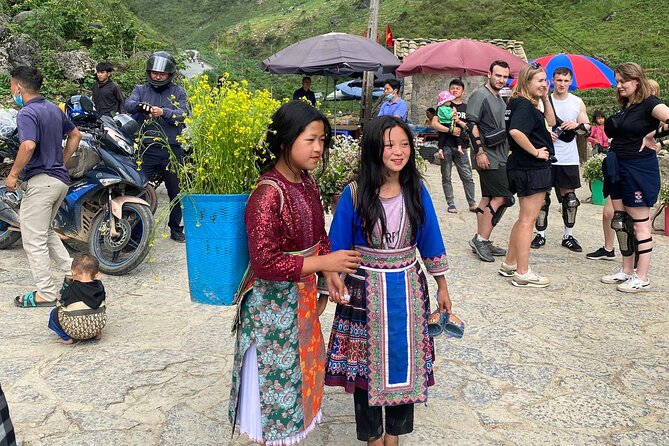
Day 3 is built around the big show: Ma Pi Leng Pass and the canyon-view moments that come with it. After that, you still get village time and a return ride back toward Ha Giang.
Ma Pi Leng Pass (start around 9:00 am, admission included)
After breakfast in Đồng Văn, you head out toward Ma Pi Leng. The ride includes the most beautiful section of the loop, often described as the standout part. The schedule also names Happiness Road as the connecting route between towns on the way.
Why it’s the centerpiece: pass roads open up quickly. You’ll feel the relief of height and the drama of the valleys as the view keeps changing turn by turn.
Practical tip: take breaks by looking out strategically. Don’t just shoot; watch. The canyon views can look different depending on angle and time of day.
Viewpoint of Tu Sán canyon (about 1 hour)
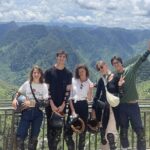
Next you’ll reach a viewpoint for the Tu Sán canyon. Here you get panoramic views—big enough that your phone camera won’t capture the full sense of scale.
How to get the best photos without making it miserable: shoot a wide frame first, then switch to details. Think ridgelines first, then try a zoom-like shot of smaller features if you have the right lens.
Pavi H’mong Village (about 30 minutes)
Then comes Pavi H’mong Village, still within the final-day nature-and-culture mix. The time is shorter, so treat it like a quick stop rather than a long walk.
Lunch and drinks stop in Mau Dư (around “176” then Mau Dư)
You’ll make a lunch and drinks pit stop in the Mau Dư area (the schedule references a “176” stop). Since personal drinks aren’t included, plan to pay for water/soft drinks as you need.
Du Gia village and the scenic return (1.5 hours)
After Mau Dư, you continue along a trail road area to reach Du Gia village. This place is known for impressive scenery, and you’ll have time to experience the village setting before heading back.
Why Du Gia works on the final day: it gives you a “send-off” feeling. You’re not only driving back; you’re finishing with another memorable stop.
Back to Ha Giang in the afternoon
The tour returns to Ha Giang in the afternoon, with time for you to take a bus or limousine back to Hanoi. You can choose based on your schedule—your “get home” plan isn’t left hanging.
Comfort, food, and what to pack so the trip feels easier
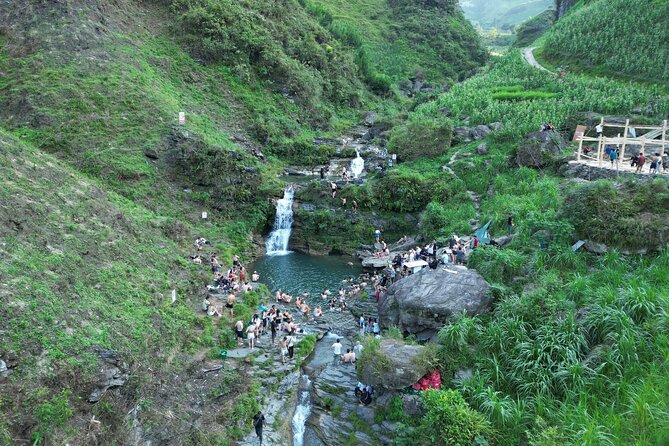
The tour includes meals and a dorm bed, which is the big comfort win. You’re not trying to solve breakfast and lunch every day while your body is getting used to motorbike days.
That said, “included” doesn’t mean fancy. Dorm lodging usually means shared space and basic setup, so set expectations accordingly.
Food timing
- 3 breakfasts across the 3 days
- 3 lunches
- 2 dinners
This structure matters because it reduces decision fatigue. You’ll spend energy on enjoying the road and stops instead of hunting food.
What you should bring
Not everything is listed, so I’ll focus on what you can control:
- Sun protection and a cap
- A light rain layer (mountain weather changes)
- Something to cut wind/dust (even a scarf helps)
- Motion-sickness support if you’re prone to it
- Cash for any drinks you want that aren’t included
- If you’re riding yourself: bring your International Drivers License if that’s part of your plan
And because the tour requires good weather, you’ll want to be ready for the fact that the schedule can shift if conditions aren’t right.
Culture stops done right: weaving villages and ancient sites
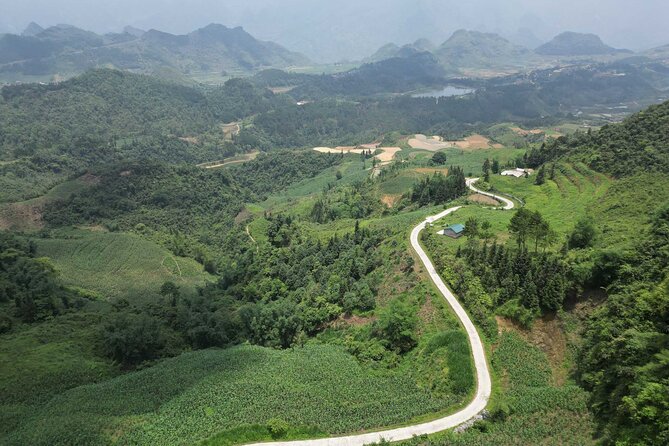
The most “authentic” feeling moments here are the ones tied to real work: hemp weaving and everyday fabric making. When you see the craft with your own eyes, it’s harder to turn it into a checklist.
At Quản Bạ, you visit places connected to hemp production and weaving—first through a local family experience and later a longer stop at a co-op/workshop setting. Then on Day 2 and Day 3 you mix in heritage and village time: Thiên Hương Ancient Village, Pavi H’mong Village, and the Du Gia area stop.
How to make these stops better for you
- Ask about materials and how long the craft takes (hemp work is hands-on, so questions make sense)
- Don’t rush through photo-only moments
- Keep your questions respectful, especially when you’re invited into daily-life spaces
If you do this, you’ll leave with photos, yes—but also with a clearer picture of how people adapt to mountain life.
Who this tour suits best
This fits you if:
- You want the classic Ha Giang loop with a guided structure
- You like a mix of road highlights and culture stops
- You’re okay with motorbike days and early/active starts
- You want meals and lodging mostly handled
It might feel less perfect if:
- You hate long rides and prefer slow walking-only travel
- You’re extremely weather-sensitive
- You want zero cultural/heritage stops and only scenery
Final call: Should you book Ha Giang Vision’s 3D2N loop?
Book it if you want a smart balance: Ma Pi Leng Pass caliber road time plus several stops that connect to local life. The included meals and the private-group format help the trip feel organized, not chaotic. And with a 5-star rating and a large review count (664), it’s clearly a popular choice for people who want Ha Giang done right.
Pass or adjust your expectations if you’re fragile on the road. This is a loop built for motorbike travel, and the experience depends on mountain weather.
If you’re unsure about riding, make the call before you go. Choose the comfort setup—easy rider vs riding yourself—so the views stay fun instead of stressful.
FAQ
How long is the Ha Giang Loop 3 Days 2 Nights tour?
It’s about 3 days and 2 nights, following a 3-day schedule with multiple stops each day.
What does the $260 price include?
The price includes a dorm bed, a local guide, 3 breakfasts, 3 lunches, and 2 dinners. Many stops list admission as free, and Ma Pi Leng Pass admission is included.
Is pickup available?
Pickup is offered.
Where does the tour start?
The tour starts at Quiri Hostel Ha Giang, located on QL2, Phương Thiện, Hà Giang, 310000, Vietnam.
Is the tour private?
Yes. Only your group participates, so it’s a private tour/activity.
Is a mobile ticket provided?
Yes, the tour uses a mobile ticket.
Is there free cancellation?
Yes. You can cancel up to 24 hours in advance for a full refund.
Can I ride the motorbike by myself?
Some people choose to ride alone, and one review mentioned that having an International Drivers License helped them do that. Others chose an easy rider option and enjoyed it too.
What’s not included in the tour price?
Personal drinks aren’t included, and a bus option listed as $36 per person is not included.