REVIEW · HANOI
Sapa Trekking Tour 2 Days 1 Night By Bus
Book on Viator →Operated by Hanoi Green Travel · Bookable on Viator
In This Review
- A 2-day trek that starts with the bus ride
- Key things to know before you go
- Sapa Trekking by Sleeper Bus: what the first 12 hours really feel like
- Day 1 trekking into the Muong Hoa Valley: downhill walking and village time
- Practical trekking note
- Village visits: Black H’mong, Dao, and Dzay—plus the Cat Cat reality check
- How village pacing affects the tour
- Day 2: two different experiences depending on homestay vs hotel
- Hotel option: breakfast, then another downhill day
- Homestay option: a Dzay morning with breakfast and daily rhythm
- Food, waterfall time, and what’s included (so you don’t overspend)
- Pack like it’s mountain weather
- Guide quality in small groups: why names like Vu, Koo, and Mu matter
- Price and logistics: $85 is reasonable if you’re honest about the tradeoffs
- Who should book this 2-day Sapa trek by bus?
- Should you book this Sapa Trekking Tour 2 Days 1 Night by Bus?
- FAQ
- What’s included in the 2-day tour price?
- How long is the tour?
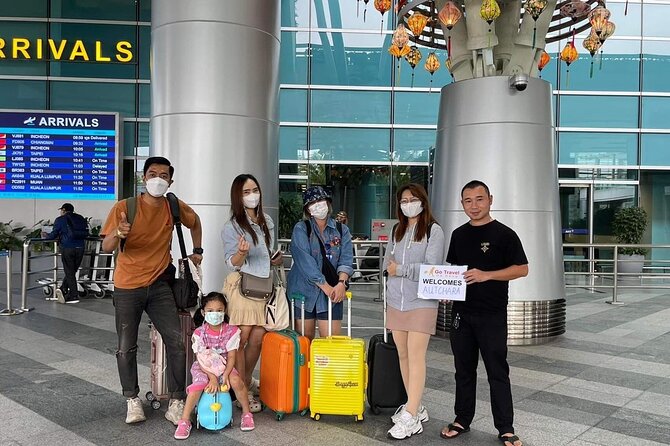
- Do they pick me up in Hanoi?
- What overnight options are available in Sapa?
- What’s the trekking difficulty?
- Can I cancel if the weather is poor?
A 2-day trek that starts with the bus ride
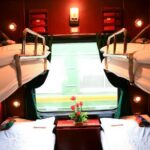
Sapa hits fast when you sleep your way there on a sleeper bus and wake up ready to walk, meeting ethnic-minority communities like the Black H’mong along the way. I like how this tour gives you real time in the villages, not just a quick photo stop, plus it weaves in simple pleasures like traditional food and time near a waterfall.
What I really like is the overnight choice. You can go homestay for a closer look at daily life, or pick a hotel for more comfort, and the day plan still centers on trekking routes and local meals.
One drawback to plan for: the bus can run longer than expected. One traveler’s outbound ride stretched from about 6 hours to 8 due to a slow driver and limited toilet stops, so pack patience (and what you need for the ride).
Key things to know before you go
- Sleeper bus from Hanoi with pickup: Taxi transfer from the Old Quarter to the bus station, then you roll.
- Two trekking styles depending on your overnight: Longer downhill days on the hotel option; shorter distances on the homestay option.
- Ethnic-minority village focus: Planned visits tied to Black H’mong, Dao, and Dzay communities.
- Meal value built in: Breakfast, dinner, and 2 lunches are included, plus you’re covered for most daily eating needs.
- Max group size of 15: Small enough for a guide to actually help you with the walk and questions.
- Guide names you might meet: Vu, Koo, and Mu are mentioned as guides who add context and pacing.
You can also read our reviews of more evening experiences in Hanoi
Sapa Trekking by Sleeper Bus: what the first 12 hours really feel like
This trip starts in Hanoi at 6:30 am, with pickup in the Old Quarter area and a taxi transfer to the bus station. Then you depart on an air-conditioned sleeping bus (with WiFi onboard), aiming to reach Sapa around early afternoon—about 13:00 in the hotel-style day plan.
Here’s the practical truth: a sleeper bus can be comfy, but it still runs like road travel. Expect uneven timing more than strict precision. One issue raised was a slow driver outbound that made the ride longer and reduced your chances to use the toilet. It’s not the kind of detail you’ll control once you’re on the road, so I’d prepare for it.
What to bring for the bus
- A layer for AC, plus something warm enough if you get chilled.
- Wet wipes and basic travel tissue (because toilet stops aren’t something you should count on).
- If you’re sensitive to motion, consider travel meds you’ve used before—don’t experiment on this trip.
The value of this start is obvious once you’re in the northern highlands: you save a day of logistics and you land in Sapa with enough time to begin the trek right away.
Day 1 trekking into the Muong Hoa Valley: downhill walking and village time
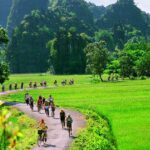
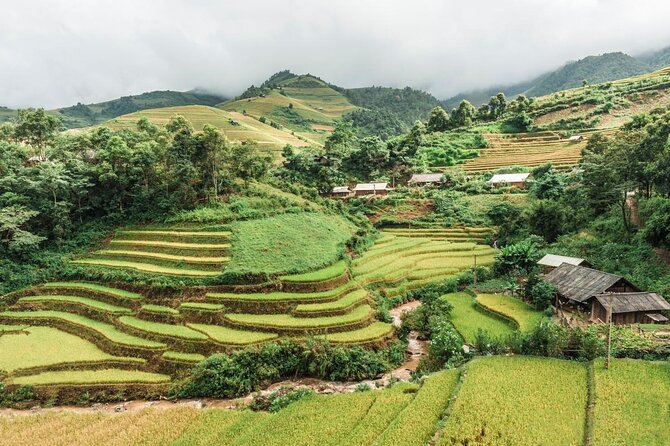
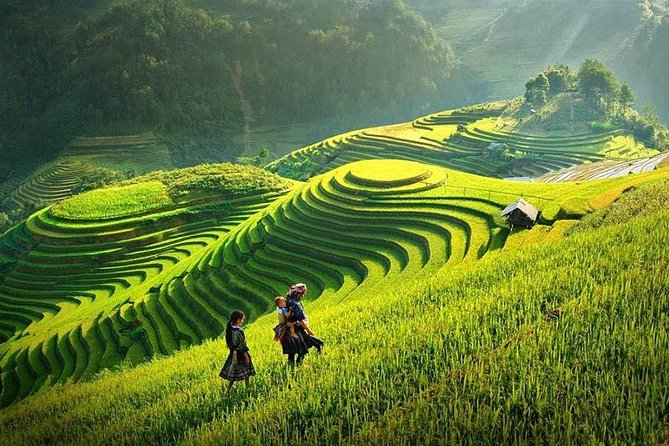
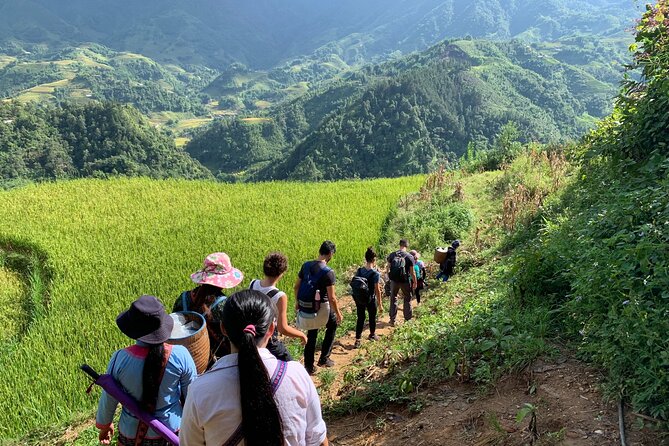
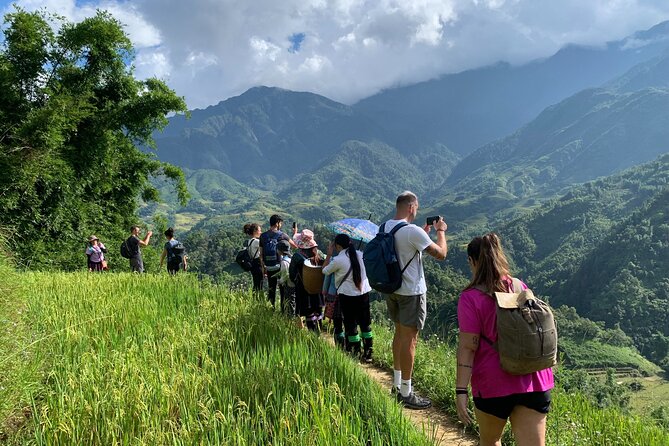
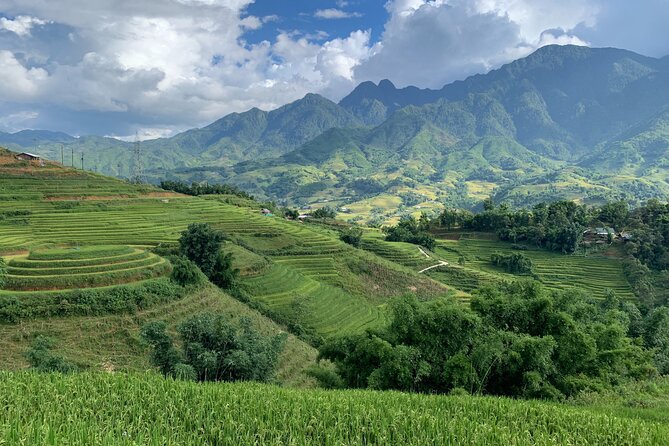
Day 1 is built around a downhill trek through the Muong Hoa Valley toward the Black H’mong community—starting with a 12 km hike and moving onward through village sections like Y Linh Ho and Lao Chai. The key idea is that you’re not just walking for views; you’re walking through lived-in countryside where villages sit right on the hillsides.
The schedule lists a start at 14:00 for the trek on the homestay-style program, with walking continuing through the mid-to-late afternoon. Expect typical trekking rhythms: breaks, photo moments, and stretches where the trail can feel rough underfoot.
If you like your treks active but not extreme, this part matches well. The distance is substantial, but it’s on a downhill profile, which usually helps many walkers (though it can still be tough on knees). Your guide matters here. People highlight guides like Vu and Koo as strong explainers, and that makes a difference when you’re moving through communities and want to understand what you’re seeing.
Also note the tour overview includes traditional Vietnamese food and time to swim by a waterfall. You won’t always get that in a “standard” trek, so it’s a good reason this isn’t only about hiking.
Practical trekking note
This tour asks for moderate physical fitness. If you’re brand-new to hiking or your balance is shaky on uneven terrain, you can still do it, but take it slower and rely on the locals around you—especially since parts of the walk are described as rough in places.
Village visits: Black H’mong, Dao, and Dzay—plus the Cat Cat reality check
This experience is centered on ethnic-minority village life. The planned villages include Cat Cat, Giang Ta Chai, and Su Pan, and the highlights specifically mention communities tied to Black H’mong, Dao, and Dzay. That mix is what gives Sapa its identity: the hills are steep, and the cultures have shaped how people live there.
Now, about Cat Cat: one traveler pointed out that it can feel like a tourist-focused area, including costume-style photo moments that can feel staged. If that’s not your style, don’t assume every minute will feel raw and unscripted. Your best move is to keep your expectations practical and your attention on how the communities actually live beyond the “set pieces.”
What you should expect even with that caveat:
- Guides explain the area in a way that helps you see past the surface.
- You’ll spend meaningful time walking between places, so the experience isn’t limited to a single village stop.
You can also read our reviews of more hiking tours in Hanoi

How village pacing affects the tour
In Sapa, vendors can follow in busy pockets trying to sell items. That doesn’t ruin the trip, but it can get tiring if you’re not used to it. If you want a calmer feel, focus on the walk, ask questions, and keep moving—your guide can help you navigate conversations without turning every step into shopping pressure.
Day 2: two different experiences depending on homestay vs hotel
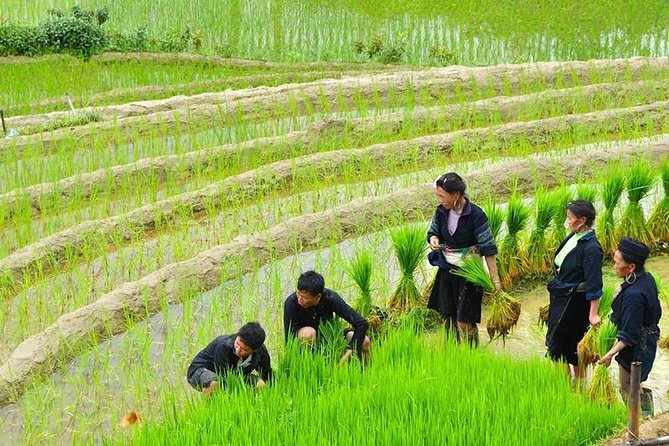
Day 2 is where the tour splits. Both versions keep you trekking, but they change the tone: longer walking when you stay in a hotel, and a more “morning with the family” feel when you choose a homestay.
Hotel option: breakfast, then another downhill day
If you choose the hotel option, the plan is: breakfast at the hotel, check out, then start the trek around 9:00. The listed distance is 12 km, again positioned as a downhill day, with the route going down toward a place listed as Muo… (the rest of the village name is truncated in the information you provided). The important part for you is that it’s another full trekking session after your morning routine.
The upside of the hotel option:
- You get a more standard routine (breakfast and check-out in a hotel setting).
- You may prefer fewer variables if you’re sensitive to overnight conditions.
The tradeoff:
- You’re less directly tied to a family schedule, so the day can feel more “walk and see” than “wake up and live.”
Homestay option: a Dzay morning with breakfast and daily rhythm
On the homestay version, Day 2 starts early. You wake at 6:30 for a morning experience tied to Dzay daily life, then at 7:30 you have breakfast with the Dzay family. After that, you check out and begin walking again at around 9:00 with a shorter 6–8 km trek into the Ho… area (again, the village name is partially cut off in the info provided).
This is the version I’d steer you toward if you want Sapa to feel human-scale. Breakfast with a family isn’t just a meal; it’s a window into routine: how people talk, prepare food, and manage the morning around the day’s work.
One detail worth taking seriously: a guide and good family hosts can make the difference between a “tour” and a real cultural moment. People also mentioned comfort items after trekking in rain—like a heating blanket—which suggests the homestay side is prepared for cooler mountain weather.
Food, waterfall time, and what’s included (so you don’t overspend)
This tour covers a lot of your daily essentials. Included items are:
- Breakfast
- Dinner
- Lunch (2)
- All fees and taxes
- Air-conditioned sleeping bus
- WiFi onboard
- Sleeping bus transportation plus hotel pickup (in the Old Quarter area)
That’s strong value for $85 per person. You’re basically paying for the overnight transport, guiding, village visits, and most meals. In Sapa, where separate day tours plus food can add up quickly, bundling this is often the difference between a reasonable budget and a surprise bill.
The tour overview also notes tuck into traditional Vietnamese food and swim by a waterfall. If you care about water breaks or want an active moment beyond walking, this is one of the reasons the itinerary feels more complete than a “two hikes and done” approach.
What might not be included
- Private transportation (not needed beyond the pickup/taxi transfer listed)
- Anything you buy from vendors during village stops
Pack like it’s mountain weather
Even when the forecast looks fine, you can hit cool air, wind, and rain. One mention that stuck with me: warmth helps after trekking in wet weather, and a heating blanket was appreciated. Bring your own practical layer plan:
- Light rain layer or poncho
- Quick-dry socks
- A small towel
Guide quality in small groups: why names like Vu, Koo, and Mu matter
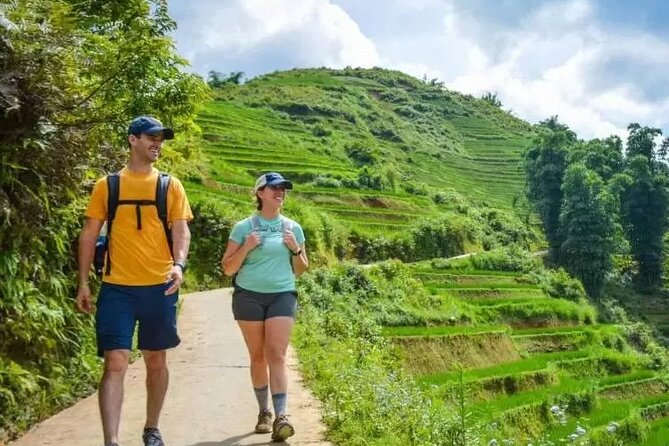
This tour caps at 15 travelers, which is a big deal on trekking days. Smaller groups mean less waiting, better pacing on steep or uneven sections, and fewer moments where you feel like you’re just part of a line.
The tour also leans hard on guide interpretation. You might meet Vu, who was praised for being outstanding and sharing culture with energy. Koo was mentioned as excellent on the trekking side. Mu also came up as a very chill guide who helped keep the trek fun, with stunning views and friendly village encounters.
Even if you don’t care about details, a good guide helps you:
- Stay safe on rough sections
- Ask better questions once you’re in the village
- Understand why people live where they live
Price and logistics: $85 is reasonable if you’re honest about the tradeoffs
At $85 per person for ~2 days / 1 night, this tour sits in a mid-budget zone. It’s not the cheapest way to reach Sapa, but it includes key costs that other trips often sell separately: meals, guided trekking, and the overnight transport by AC sleeping bus with pickup.
Here’s how I’d judge value for your budget:
- If you already planned to pay for separate meals and a guided trek, the price becomes more reasonable fast.
- If you hate bus travel or you need very strict timing, the value might not feel great because road travel can stretch.
The most important logistics consideration is the drive timing. One account described an outbound stretch from about 6 hours to 8 due to slow driving and only one toilet stop after about 5 hours. If that kind of delay would frustrate you, build in buffer time in your overall schedule and treat this as a mountain experience, not a commuter trip.
Who should book this 2-day Sapa trek by bus?
This is a good fit if you:
- Want to see Sapa’s ethnic-minority villages in a structured, guided way
- Like trekking with meaningful stops, plus some variety like waterfall time
- Prefer small groups (up to 15) and a guide who explains culture
- Are comfortable with moderate hikes and uneven trails
It’s not the best fit if you:
- Can’t handle a longer-than-expected bus ride
- Hate any hint of tourist-trap village structure (Cat Cat can feel that way for some people)
- Need predictable, gentle walking every single hour
Also think about your overnight preference. If you want cultural contact, the homestay option is usually the stronger emotional payoff. If you want comfort and routine, choose the hotel option and focus on the views and downhill trekking.
Should you book this Sapa Trekking Tour 2 Days 1 Night by Bus?
Book it if you want a simple package that gets you from Hanoi into the highlands without extra planning stress, and you’re happy trading some bus discomfort for real trekking time. The best part is the combination: village encounters + guiding + included meals, with a real option to stay in a homestay if you want the morning-life experience.
Skip it or rethink your expectations if you’re extremely timing-sensitive or you strongly dislike areas that feel more arranged for tourists than for everyday life. In that case, focus on the trail itself and be selective with how long you spend in the more photo-oriented pockets.
FAQ
What’s included in the 2-day tour price?
Breakfast and dinner are included, along with lunch twice. The price also includes air-conditioned sleeping bus transport, WiFi onboard, and all fees and taxes.
How long is the tour?
The tour runs for about 2 days (with an itinerary that includes travel from Hanoi to Sapa and one night in Sapa).
Do they pick me up in Hanoi?
Yes. There is hotel pickup in the Hanoi Old Quarter area, followed by a taxi transfer to the bus station before departure.
What overnight options are available in Sapa?
You can choose from a homestay or a hotel, depending on the option you select.
What’s the trekking difficulty?
The tour is described as requiring moderate physical fitness. It involves walking distances listed in the program (including a 12 km trek and a 6–8 km trek depending on your option).
Can I cancel if the weather is poor?
The experience requires good weather. If it’s canceled due to poor weather, you’ll be offered a different date or a full refund.