REVIEW · HANOI
Sapa 3 Days 2 Nights Trekking Tour From Hanoi (2 Nights in Hotel)
Book on Viator →Operated by Vietnam Travel Top · Bookable on Viator
Sapa starts early, and you get moving fast. This guided Sapa trek strings together Cat Cat and Ta Van with Muong Hoa Stream walking, plus two nights in town and meals so you’re not constantly planning while in transit.
I especially like the local guides you can meet on this route (names such as Cat, Chang, Xi, Zi, Vu, and Khu have come up in the guide roster I’ve seen). They’re the difference-maker for village visits, because they translate what you’re seeing into real context instead of just pointing at buildings.
One possible drawback: logistics can feel a bit bumpy if your pickup details aren’t confirmed and clear. Do your part—confirm your pickup time and have the right meeting point handy—because handoffs are where trips like this can get messy.
In This Review
- Quick highlights: what makes this Sapa trek worth your time
- Hanoi to Sapa: your first views start on the bus
- Cat Cat village: a valley-foot village stop with real Black H’mong culture
- Ta Van and Muong Hoa Stream: where the walking day really hits
- Sapa morning freedom and Fansipan cable car option
- The View Sapa Hotel base: meals, showers, and a real reset
- Price and value: what $149 buys you in real life
- Weather, altitude, and what to pack so you don’t suffer
- Who this Sapa trek is best for
- Should you book this Sapa 3-day trek from Hanoi?
- FAQ
- What are the main stops on the trek?
- How long is the trip?
- What meals are included?
- What hotel do I stay in?
- Is pickup included, and where does it start?
- Can I store luggage while trekking?
- What is the cancellation window?
Quick highlights: what makes this Sapa trek worth your time
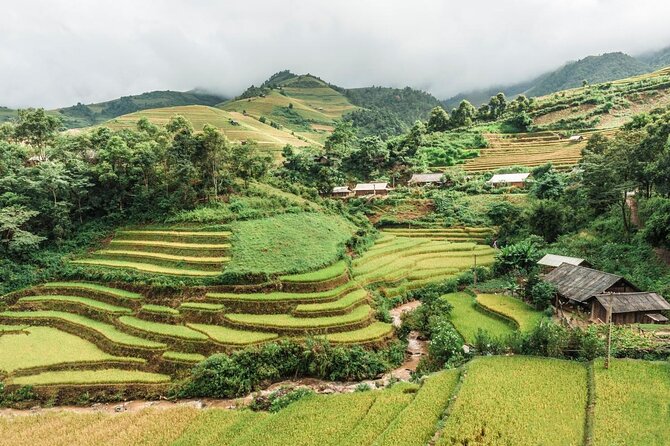
- Cat Cat village visit (Black H’mong area): a valley-foot start that’s scenic and culturally focused.
- Ta Van trek along Muong Hoa Stream: rice-terrace walking with Hoang Lien Son mountain views.
- Two nights at The View Sapa Hotel (or similar): a consistent base for showers, rest, and repacking.
- Included meals and water: breakfasts, lunches, dinners, plus bottled water on the bus.
- Max 20 travelers: small-enough group feel for a guided, on-foot itinerary.
Hanoi to Sapa: your first views start on the bus
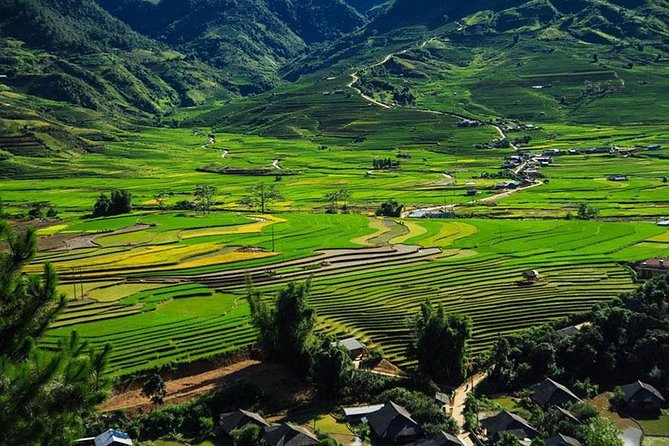
This trip is built for efficiency. You’re picked up around 6:00–6:20 in Hanoi’s Old Quarter area (meeting point at 30 P. Lý Thái Tổ) and transferred to a big bus heading for Sapa Town. There are comfort breaks along the way—one around 9:30 after you’re on the highway toward Lao Cai, then another around 11:00—so you’re not just stuck sitting for the full ride.
A big practical win here is that you’re not doing the logistics alone. You’re on an air-conditioned bus with comfortable seats, and you also get bottled water for the round trip. If you’ve ever tried to piece together your own Hanoi-to-Sapa plan, you’ll appreciate how much less friction this creates once you’re already tired from travel.
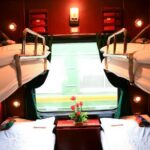
One detail to plan around: this route is timed like a sleeper-style morning transfer option. Even with comfort breaks, the bus day can feel long, so I treat the first afternoon in Sapa as a gentle “settle in” block—not an all-out trekking day.
You can also read our reviews of more hiking tours in Hanoi


Cat Cat village: a valley-foot village stop with real Black H’mong culture
Your first on-the-ground experience is in the Cat Cat village area, home to Black H’mong communities. You’ll drive to the village gate in the mid-afternoon (around 14:30), then walk with a local guide for about 3 hours.
What I like about this stop is that it’s set at the foot of the Fansipan region, so the setting does a lot of the work. You’re in a deep valley area with strong mountain vibes, and a good guide helps you connect the costume and daily-life details to what’s happening around you.
A fair consideration: Cat Cat can feel more structured than you’d get on a totally remote trek. If you’re craving maximum isolation, I’d treat this as a cultural taster plus scenic walking, not the whole point of your Sapa trip. The upside is that it’s still a guided, village-based experience early on, so you get your bearings fast before the longer hike day.
If you do this stop, wear trekking-ready shoes and keep your layers easy to adjust. Sapa weather is unpredictable, and a village visit usually means you’ll be outdoors, stopping often, looking up and down through the valley.
Ta Van and Muong Hoa Stream: where the walking day really hits
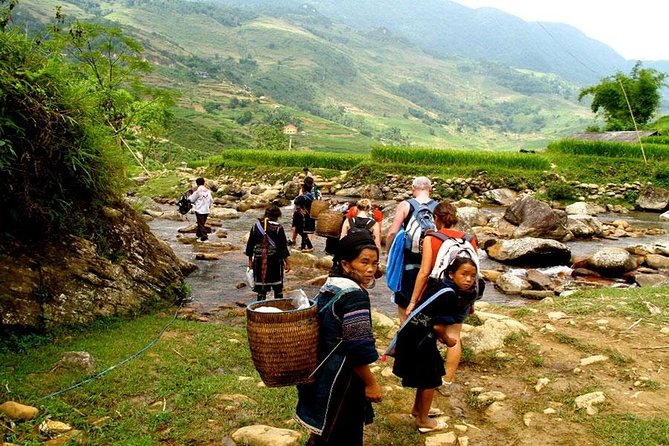
Day two is the star for most people who come for trekking, and it’s built around Ta Van and the Muong Hoa Stream area. After breakfast at the hotel (roughly 8:00–8:30), you check out, grab a light pack, and store your bigger luggage at the hotel. That luggage setup matters because it lets you hike without carrying everything.
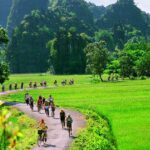
You start walking around 8:30, moving through rice terraces and alongside the Muong Hoa Stream. The route goes toward the Black H’mong village of Lao Chai, then continues onward to Ta Van village. The walking block is about 4 hours, and the payoff is the mix of terrace views and mountain scenery around the Hoang Lien Son area.
Here’s the practical value of this day: your guide doesn’t just lead you along a path. A strong guide (and the names I’ve seen repeatedly praised include Chang and Xi) helps you understand why you’re seeing certain terrace shapes and how communities relate to the water and slopes. Even if your hiking pace is slower, the guide’s rhythm usually keeps you informed without making the day feel rushed.
After the hike, you head back to Ta Van around 12:00 to shower and reset for lunch. Lunch runs roughly 12:30–13:30, then a bus picks you up around 13:30 to return to Sapa Town. You’ll have free time in the afternoon to explore town on your own, which is smart—by then, your legs are tired, and you can choose whether you want coffee, shopping, or just a slower stroll.
Sapa morning freedom and Fansipan cable car option
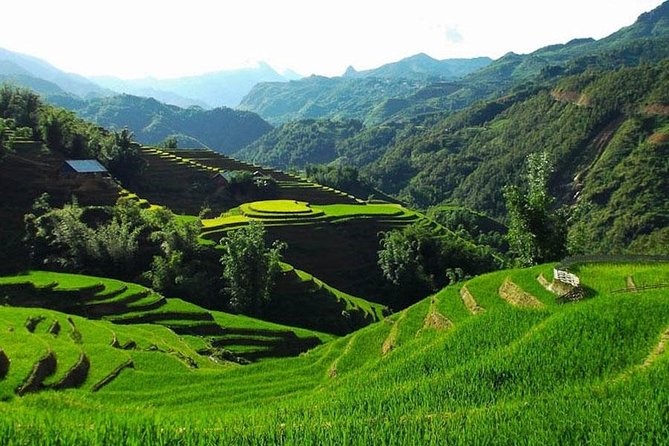
On the third day, you’re not sent back into a long hike schedule. Breakfast runs roughly 6:00–8:00, and you get time to visit Sapa town yourself or go up to Fansipan via the cable car (Fansipan is 3143m above sea level, and the cable car is mentioned as an option).
This is a good design for the way most people travel. The second day does the heavy lifting on foot, so the third day gives you choices: you can keep it low-key and enjoy Sapa’s vibe, or you can add height for panoramic views if the weather is clear.
Then it’s check-out and a wrap. Around 11:00, you check out, clear bills, and have lunch. The bus back to Hanoi starts around 15:30, with two rest stops on the way, and you arrive back in Hanoi around 21:30, dropped near the meeting point so you can take yourself to your hotel.
My advice: treat the Fansipan option like a weather bet. In Sapa, fog can be real in the colder months, so if visibility is poor, you’ll want a plan B in town.
The View Sapa Hotel base: meals, showers, and a real reset
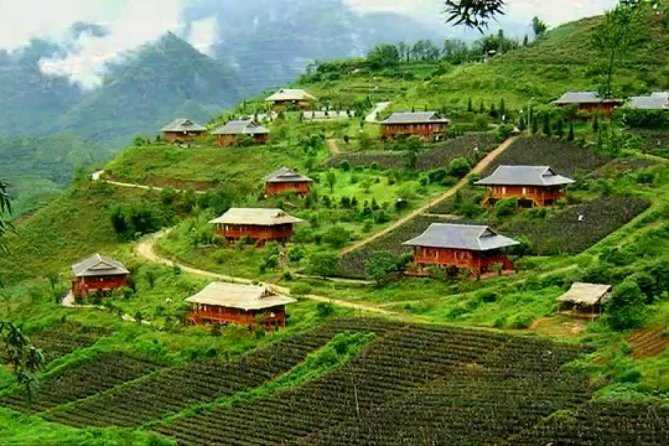
Two nights are included at The View Sapa Hotel (or similar) on a twin-sharing basis. I like that you’re given a consistent base instead of bouncing between homestays. It makes the trekking more comfortable, especially because day two includes shower time before lunch.
Meals are included in a useful mix: breakfast (2), lunch (3), and dinner (2). You also get bottled water in the included items list, and you receive water on the bus both ways. That’s not just convenience—it’s budget control. In Sapa, prices can vary a lot depending on where you eat and how tourist-facing the spot is.
If you’re the type who hates repeating packing each day, the luggage plan helps. Bigger luggage is stored at the hotel while you trek with a light pack. You also have the option to bring luggage and leave it on the bus, and the information notes a car transfer to the village during trekking time.
I’ve found that this kind of “reset logic” is what makes group treks feel less stressful. You spend time walking, not constantly reorganizing your day.
A few more Hanoi tours and experiences worth a look



Price and value: what $149 buys you in real life

At $149 per person, you’re paying for more than a hike. You’re buying a full package: round-trip air-conditioned transportation, an English-speaking local guide in Sapa, hotel nights, insurance during the bus portion, and meals across the full schedule. Even without a deep comparison to other options, that’s a lot of built-in cost coverage.
The value calculation depends on how you’d otherwise do it:
- If you’d otherwise hire a private guide, arrange transport, and find a hotel, the package is often competitive.
- If you were planning to DIY it with buses and local hires, you’d save money only if you nail timing and feel comfortable managing the route yourself.
This tour also caps group size at 20 travelers, and that typically keeps things from feeling like total chaos. Still, group tours are shared experiences. You’ll follow the flow, and you won’t have total control over pacing.
My one caution on value: if you expect long, nonstop trekking every day, this schedule gives you a full walking day on day two, a village-and-walk block on day one, and then free time on day three. That structure is great for most people, but it’s not the same as a multi-day backcountry trek.
Weather, altitude, and what to pack so you don’t suffer
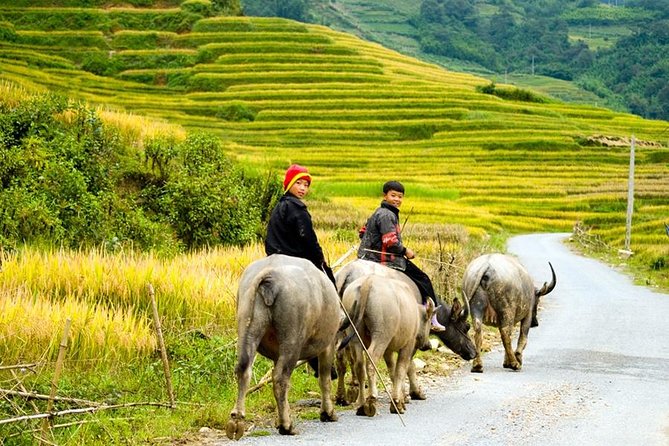
Sapa can be cold, and the weather changes fast. The info I’m working with calls out that it’s normally cold from September through March, and fog can happen in December, January, February, and March. If you’re traveling in colder months, don’t pack light-thinking-that-photos-will-work.
Bring warm layers and accessories: scarf, hat, and warm clothes. Pack trekking shoes, plus sunglasses and sunscreen because the sun can still hit on open terrace areas. Insect repellent is also recommended.
Altitude can affect comfort and breathing for some people, and fog reduces visibility, which matters for the cable car day. I also like having a small first-aid kit because you’re encouraged to bring medicine even though chemists exist in Sapa.
One more practical item: take cash in Vietnamese Dong. The info notes banking systems in Sapa don’t always function well. US dollars and euros are accepted in Sapa, but having Dong makes daily purchases easier when the system is glitchy.
Who this Sapa trek is best for
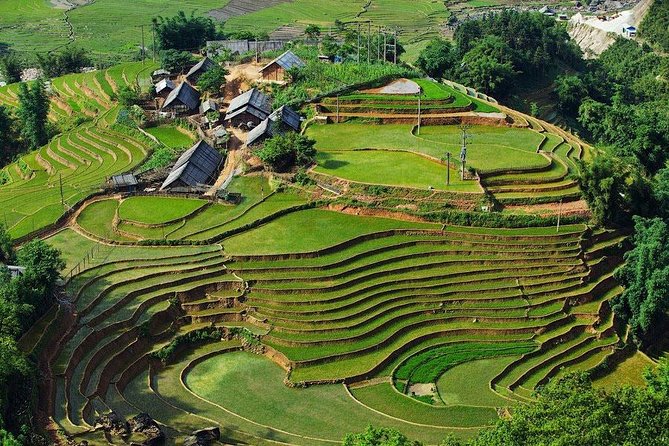
This is a strong fit if you want a guided introduction to Sapa without needing to plan daily routes or handle transport. The schedule is friendly for most travelers because it mixes guided village time with a single main walking day and includes hotel recovery time.
It’s especially good for:
- Couples or small groups who want shared logistics and clear meal coverage
- First-timers to Sapa who want Cat Cat and Ta Van without guessing
- People who like a structured plan but still want free time in Sapa town on day two and day three
It might be less ideal if:
- You want maximum off-the-map trekking with no tourist-facing village stops
- You’re very sensitive to cold and fog and don’t plan warm gear or flexible expectations
- You’re tall and very sensitive to bus comfort, because some people note the sleeper-bus feel can be tight for larger bodies
Should you book this Sapa 3-day trek from Hanoi?
I’d book this if you want a well-organized, guide-led experience that covers the classics—Cat Cat, Ta Van, and the Muong Hoa Stream walk—while handling transport and meals for you. At $149, the package cost makes sense if you’re not trying to DIY everything, and the two-night hotel base gives your body a real reset.
I’d hesitate only if you hate any scheduling friction or you need total certainty at every handoff. To reduce risk, confirm your pickup details ahead of time and arrive ready to move—early departures and transfers are part of the deal.
If you’re aiming for a balanced Sapa experience rather than a grueling trek marathon, this is a solid choice.
FAQ
What are the main stops on the trek?
You’ll travel from Hanoi to Sapa Town, visit Cat Cat village, trek to Ta Van village along the Muong Hoa Stream area (including the route toward Lao Chai), and then return to Hanoi. You also get free time in Sapa on the afternoon of day two and the morning of day three.
How long is the trip?
The tour runs for 3 days, with pickup in Hanoi in the early morning and a return to Hanoi around 21:30 on the final day.
What meals are included?
The tour includes 2 breakfasts, 3 lunches, and 2 dinners. Bottled water is also included.
What hotel do I stay in?
You stay for 2 nights at The View Sapa Hotel or a similar hotel on a twin-sharing basis.
Is pickup included, and where does it start?
Pickup is offered from the Hanoi Old Quarter area, with the listed meeting point at 30 P. Lý Thái Tổ in the Hoàn Kiếm district. You should provide your hotel name and address for pickup arrangements.
Can I store luggage while trekking?
Yes. The plan includes keeping bigger luggage at the hotel while you carry a light pack. There is also mention that you can leave luggage on the bus and a car can transfer them during trekking time.
What is the cancellation window?
You can cancel up to 6 days in advance for a full refund, and you receive different refund amounts depending on how many days before the experience you cancel. If it’s canceled due to poor weather, you’ll be offered a different date or a full refund.