REVIEW · HANOI
Sapa 3-Day Trekking Adventure from Hanoi
Book on GetYourGuide →Operated by NEW LAND INTERNATIONAL TOURIST COMPANY LIMITED · Bookable on GetYourGuide
Rice terraces, villages, and a late-night bus back.
I like the local ethnic guides and the small group limit of 12—it keeps the trip personal and easier to manage on the trail. One real consideration: on days 2 and 3 you’ll hike about 14 km total, and wet weather can mean muddy, slippery footing.
This is a well-paced add-on to a Vietnam trip: you start in Hanoi, sleep both in Sapa town and in a Ta Van homestay, and you’ll eat what you cook during a hands-on class. It’s also truly structured—pickup, permits, entrance fees, meals, and the walking route are covered—just note that drinks aren’t included.
In This Review
- Key things that make this Sapa trek tick
- Entering Sapa: A full 3 days that starts with a long bus ride
- Hanoi to Sapa timing: what to plan for on arrival day
- Cat Cat Village walk: H’Mong culture, a waterfall, and French-era hydropower
- Day 2 through Muong Hoa: Y Linh Ho to Lao Chai, then Ta Van homestay
- Ta Van homestay night: cooking class dinner and a slower kind of fun
- Day 3: Giang Ta Chai and Su Pan villages, then back to Hanoi
- Price and value: what you get for $126 a person
- What to pack for muddy terraces and wet-weather days
- Dealing with village stops and the selling around them
- Who this trek fits best (and who should skip it)
- The only big caution: slippery clay sections can be serious
- Should you book Sapa 3-Day Trekking Adventure from Hanoi?
- FAQ
- What time does the pickup in Hanoi happen?
- Where do you stay overnight during the trek?
- How much hiking is involved on days 2 and 3?
- Are meals included?
- What should I bring for the trek?
- Does the tour drop you off at your hotel in Hanoi at the end?
Key things that make this Sapa trek tick
- Small group (max 12 guests) for a quieter feel on the trail
- Local ethnic guiding with access to H’Mong and Dao village life
- Muong Hoa rice terrace hiking with village stops like Y Linh Ho, Lao Chai, Ta Van
- Ta Van homestay night plus a cooking class and dinner you make yourself
- Real culture stops at Cat Cat village, with history like French-era hydropower nearby
Entering Sapa: A full 3 days that starts with a long bus ride

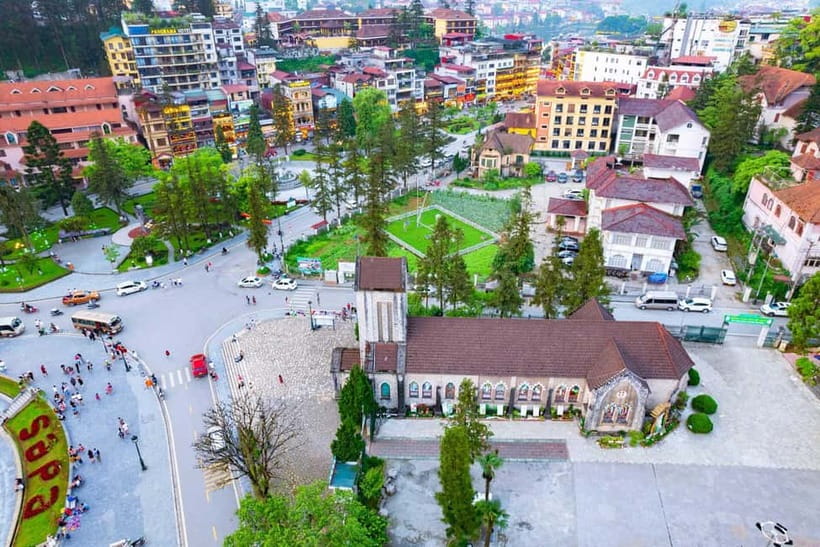
Sapa works best when you accept one basic truth: Northern Vietnam is a long way from Hanoi. Your day begins with a hotel pickup in the Old Quarter or at your meeting point around 06:10–06:30, then you’re on the highway about 5 hours before you roll into Sapa mid-day.
By the time you check in, you’ll have enough daylight to do something useful. You also get to ease into the trip with an easy cultural walk that same afternoon, instead of jumping straight onto steep trails. That matters on a multi-day hike, because it helps your legs adapt before the bigger hiking day begins.
You can also read our reviews of more hiking tours in Hanoi



Hanoi to Sapa timing: what to plan for on arrival day
The Sapa town arrival is scheduled around 13:15–13:40. After you get set up at the 3-star hotel in town (either Sapa Retreat Condotel or Delta Sapa Hotel), you’ll eat lunch at a restaurant with the group.
Then you have your first guided activity at 14:30, focused on Cat Cat Village. This is a smart flow: you’re not stuck waiting around with nothing to do, and you’re not starting the trek in the dark.
On top of that, the tour includes 2 ways by VIP cabin bus, plus hotel pickup and drop-off for the start. It also means your biggest “logistics load” is already handled—use that energy to rest, charge your phone, and prep your shoes.
Cat Cat Village walk: H’Mong culture, a waterfall, and French-era hydropower
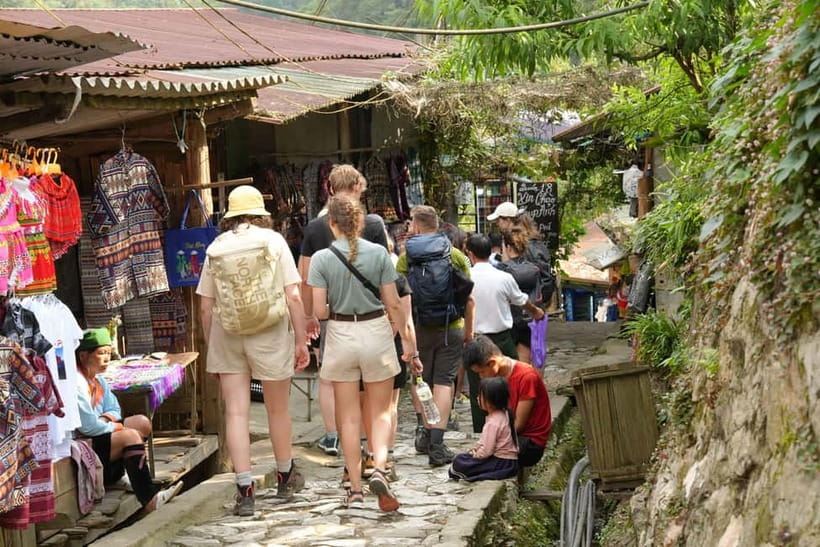
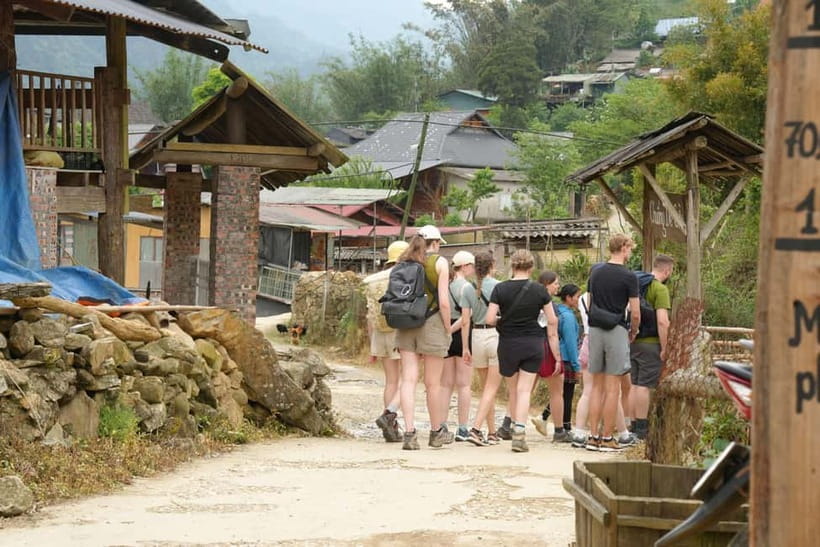
The Cat Cat Village visit is where most people get their first close-up view of everyday village culture. You’ll walk with your local guide to see how the community lives and learn about customs and habits of the H’Mong.
This area also includes two standout photo stops: Cat Cat Waterfall and a hydroelectric power plant built by the French in the early twentieth century. It’s a rare combo—scenery plus history—without turning the day into a lecture.
A realistic heads-up: Cat Cat can feel touristy compared with the deeper valley villages later in the trip. If you’re hoping for total quiet, set that expectation now. You can still enjoy it for what it is: a guided introduction and a chance to get your bearings in Sapa’s ethnic village network.
Day 2 through Muong Hoa: Y Linh Ho to Lao Chai, then Ta Van homestay
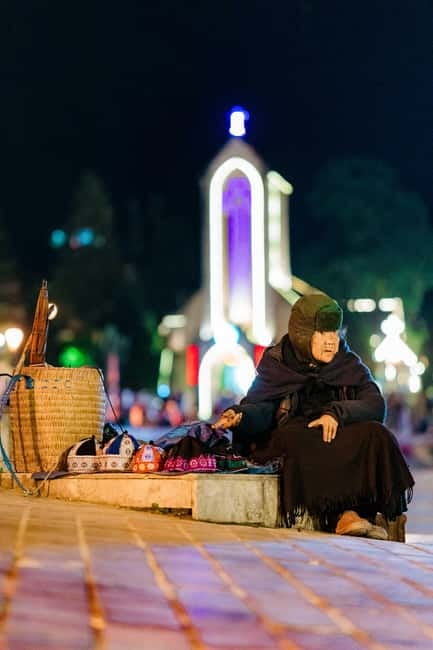
Day two is your main hiking day. After breakfast between 07:00 and 08:00, you start at 08:30 from Y Linh Ho village and then hike along the Muong Hoa Stream through the rice terraces toward Lao Chai (home to the Black H’Mong community).
The big draw here is the walking itself. You’re not just moving from one dot to another—you’re traveling along terraces and valleys shaped by people who’ve lived with the terrain for generations. On clear days, you’ll get strong views toward the Hoang Lien Son mountain ranges, so keep your camera ready but your attention on your footing.
The trek distance you’ll experience on day two plus day three adds up to about 14 km total, and the terrain can be hard in wet conditions. One strong tip: your shoes matter as much as your stamina. When the ground turns to slippery clay, a “looks fine” shoe can become a bad plan fast.
Lunch is held at Ta Van village around 12:30, and then you’ll check in and rest. This is when the trip changes from hiking mode to village mode.
Ta Van homestay night: cooking class dinner and a slower kind of fun
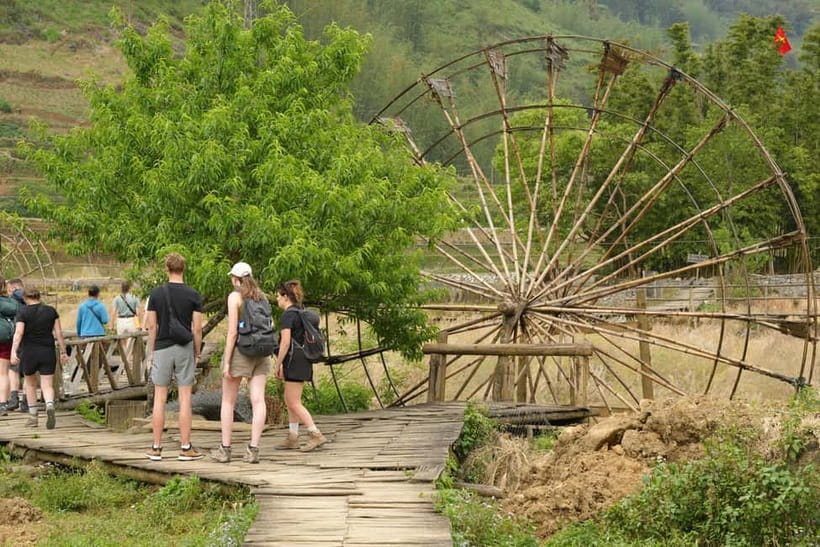
You’ll sleep one night in a private homestay in Ta Van village. That change of pace is a big part of why this trek is worth doing. You trade hotel convenience for a front-row seat to how life feels down in the valley.
Afternoons are guided by what your group is up for. You’ll have a window to relax at the homestay, and later there’s a cooking class activity with locals in the afternoon.
You’ll then eat dinner made by yourself. That detail matters more than it sounds, because it gives you a simple shared goal—something you can do with your hands while you learn about ingredients and local habits. It’s also a friendly reset after a muddy or exhausting section of trail.
A few more Hanoi tours and experiences worth a look




Day 3: Giang Ta Chai and Su Pan villages, then back to Hanoi
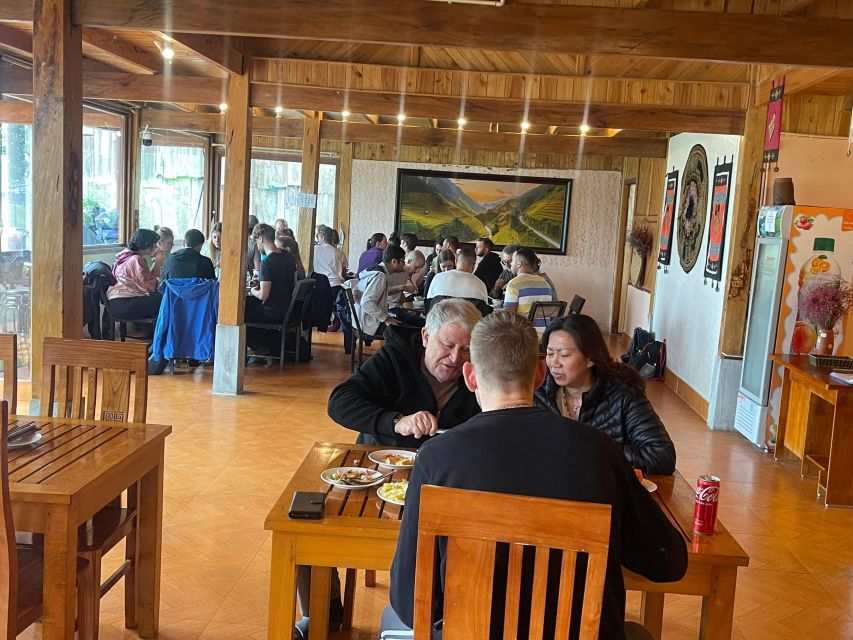
Breakfast runs 07:30–09:00. You then start hiking between 09:00 and 09:30 toward Giang Ta Chai village and Su Pan village, with both stops focused on Red Dao village life.
This final walking day is shorter at about 4 km for the morning villages, but don’t treat it as “easy.” If the ground stayed wet, the morning still requires care. Your legs may feel better, but the footing can still be unpredictable.
Lunch comes around 12:00, then you rest at the homestay. At 13:00, a car picks you up back to Sapa, and the bus leaves around 15:30 for Hanoi.
The return ends late—around 22:00 (late evening), and you may see the end noted as roughly 10:00–10:30 pm. Plan for a long night and keep your day-one evening meal light so you’re not stuck hungry after you arrive in Hanoi.
Price and value: what you get for $126 a person
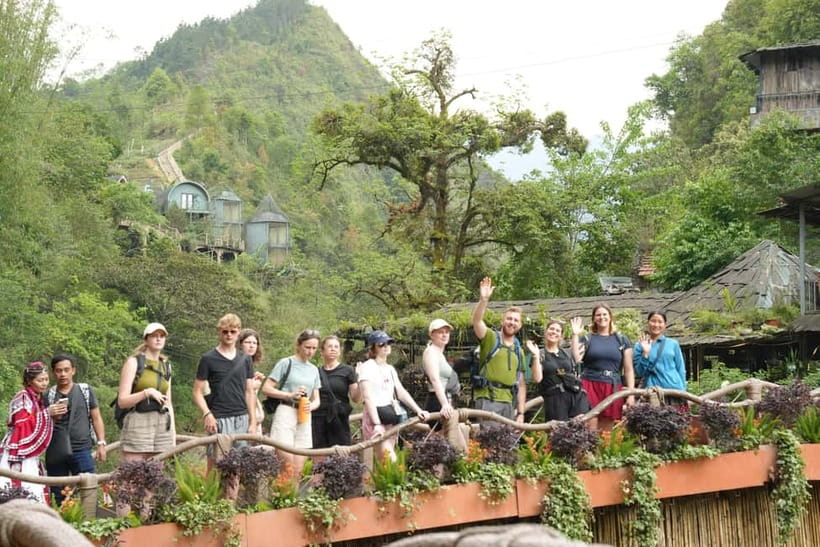
At $126 per person, this is one of the more “full service” ways to do Sapa. You’re paying for more than the walking—your money covers:
- Round-trip VIP cabin bus between Hanoi and Sapa
- Hotel night in Sapa town plus one homestay night in Ta Van
- Local English-speaking guide
- Meals: 2 breakfasts, 2 dinners, 3 lunches
- Entrance fees and permits
- Homestay cooking class
That’s a lot included for a single set price. The main thing not included is also clear: drinks during meals and personal expenses. So if you want maximum value, stick mostly to water and simple purchases that you already planned for.
Also note the pickup/drop-off detail: the tour includes hotel pickup in Hanoi, but you don’t get a hotel drop-off back in Hanoi at the end. The bus drops you at Tran Quang Khai street, Hoan Kiem. If your Hanoi lodging is far from Hoan Kiem, budget a short taxi or ride-hail after you arrive.
What to pack for muddy terraces and wet-weather days
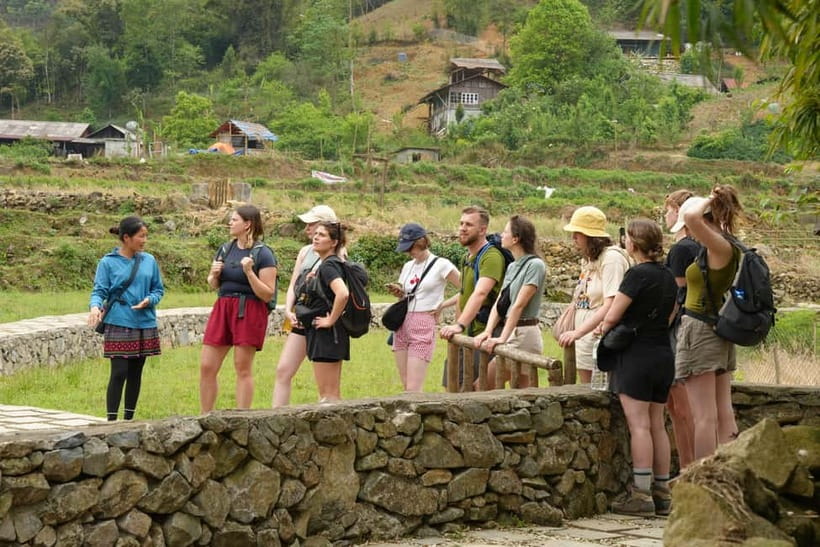
This trek is won or lost on footwear. For days two and three, hiking totals about 14 km, and the route can be muddy and dirty in wet conditions. Bring hiking boots or shoes that can handle traction.
Your packing list should include:
- Comfortable shoes + hiking pants
- Insect repellent
- Passport or ID card
- Comfortable clothes and warm layers
Also bring smart extras even if you think you won’t need them:
- Sunscreen (high in altitude, bright during clear breaks)
- A waterproof outer layer if you’re traveling in the wetter months
And follow the rules: no high-heeled shoes, and avoid alcohol and drugs. The tour is physically active, and those choices make everything harder on uneven ground.
Dealing with village stops and the selling around them

Village visits are part of the cultural deal. On the trail, you may notice locals following you or offering handmade items for sale.
You don’t have to buy anything. If you want to browse without pressure, keep your pace steady, use your guide to ask questions, and treat buying as optional. A guide-led conversation usually feels more respectful than quick bargaining done on the move.
The best approach is to decide your spending mood in advance: either bring cash for small crafts, or commit to admiring only and walk with your plan.
Who this trek fits best (and who should skip it)
This is a walking-focused, culture-rich tour. It’s not the kind of thing to “tough out” if you have physical limits.
Based on the tour’s own suitability limits, it’s not suitable for:
- Children under 3 years
- People with back problems
- People with mobility impairments
- People over 75 years
It also needs a realistic fitness level for hiking over steep, wet terrain.
If you love:
- Rice terraces and ridge-and-valley views
- Village life led by local guides
- Food experiences like a homestay cooking class
…then this trek will match your travel style.
If you dislike muddy conditions, steep descents, or long days in the outdoors, you might feel stressed on the trail.
The only big caution: slippery clay sections can be serious
The clearest risk factor here is footing. On day two, you can hit sections that turn into slippy clay-like mud. People may need help from local women and guides to keep their balance.
That means your job is not hero mode. Your job is steady steps, proper shoes, and patience. If you arrive in rainy season or immediately after rain, expect the hardest stretches and take it slow.
This also means you’ll get more from the trip if you pack for mud, not just for views.
Should you book Sapa 3-Day Trekking Adventure from Hanoi?
I’d book it if you want a balanced mix of transport, lodging, and guided village time, without DIY planning. The small group size (max 12) and the local ethnic guiding are the strongest reasons to choose it, and the Ta Van homestay night plus cooking class dinner makes it feel like more than a sightseeing loop.
I’d think twice if you have knee or back issues, hate slippery trails, or you expect Cat Cat to feel like a quiet local village. Set expectations early: Cat Cat is your introduction. The real immersion happens as you walk deeper into the communities around Muong Hoa and Ta Van.
If you want Sapa the practical way—guided, structured, and rewarding on foot—this is a solid pick at $126. Just come prepared for mud, and you’ll earn every view.
FAQ
What time does the pickup in Hanoi happen?
Pickup is scheduled around 06:10–06:30 in the Hanoi Old Quarter or at your meeting point.
Where do you stay overnight during the trek?
You’ll have one night in a homestay in Ta Van village and one night in a 3-star hotel in Sapa town (Sapa Retreat Condotel or Delta Sapa Hotel).
How much hiking is involved on days 2 and 3?
On days 2 and 3, the total hiking is about 14 km, and wet weather can make paths muddy and slippery.
Are meals included?
Yes. The tour includes 2 breakfasts, 2 dinners, and 3 lunches, plus a cooking class activity on day 2.
What should I bring for the trek?
Bring a passport or ID card, comfortable shoes and hiking shoes or boots, hiking pants, insect repellent, and warm clothes (especially October to March). Sunscreen is also recommended.
Does the tour drop you off at your hotel in Hanoi at the end?
No. The tour includes pickup in Hanoi but ends with a bus drop-off at Tran Quang Khai street, Hoan Kiem, not at your hotel.