REVIEW · HANOI
Sapa 2-Day Trekking Tour – Explore Villages & Scenic Trails
Book on GetYourGuide →Operated by Cat ba memories · Bookable on GetYourGuide
Two days, one night, real village life. This Sapa trek is interesting because you’re not just hiking—you’re moving through ethnic communities in Muong Hoa Valley while rice terraces and mountain trails set the pace. I like that you can choose between Ta Van for culture or Hầu Thào for a quieter, more remote feel. One heads-up: the trails are moderate and can get muddy, so proper shoes matter.
What I really like is the chance to meet village life up close—especially with small groups where guides like Mao, Thảo, and Sung can slow down, answer questions, and steer you toward places that feel lived-in rather than staged. I also like the food setup: traditional meals are included, and guides actively check dietary needs (including serious allergies) with the host families.
The main drawback is physical and practical. You’ll cover 10–14 km per day, and the tour is not suitable for people with mobility issues, back problems, heart problems, or for pregnant travelers—plus you’ll want long pants, insect repellent, and rain protection.
In This Review
- Key points that make this trek worth your time
- Picking Ta Van vs Hầu Thào: the route choice actually changes the trip
- Day 1 in Sapa: from Sapa town into Muong Hoa Valley villages
- What changes on Day 1 for Ta Van vs Hầu Thào
- Overnight homestay night: private room, real meals, and friendly boundaries
- Day 2: suspension bridge, bamboo forests, and Giang Tả Chải by a waterfall
- If you’re on the Hầu Thào route
- Trail reality: shoes, rain, insects, and how to avoid sore knees
- Guides make the difference: what you get from small groups and English support
- The Cat Ba connection in the inclusions: double-check how it fits your Sapa days
- Value check at $58: what you’re paying for (and what to plan for)
- Practical prep: how to make the trek smoother from the start
- Should you book this Sapa 2-day trek?
- FAQ
- Where is the meeting point and what time does the trek start?
- How far do you hike each day?
- What are the two route options?
- What villages are included on the trek?
- What’s the overnight stay like?
- Are meals included, and can the tour handle dietary needs?
- What should I bring for the hike?
- Who should not join this tour?
- Is anything extra, and what’s the cancellation policy?
Key points that make this trek worth your time
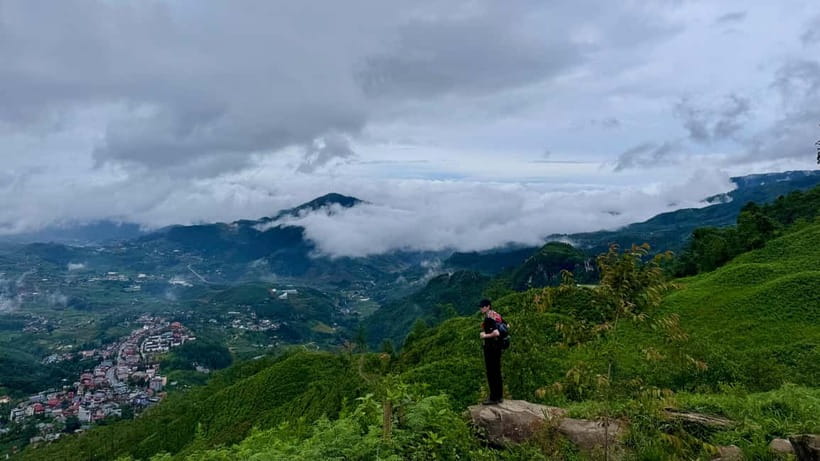
- Ta Van vs Hầu Thào choice: pick cultural valley walking or a more remote Hmong route with longer days.
- Small-group feel: you hike together, but you don’t feel herded; guides adjust when someone needs an easier pace.
- Homestay night (private room): traditional meals, local conversation, and a real countryside reset.
- Village highlights you can actually name: Y Linh Ho, Lao Chải, Tả Van, Hầu Thào, and Giang Tả Chải by a waterfall.
- Guides who manage details: English support from guides like Mao and Thảo, plus route tweaks to avoid busier areas.
- Sapa trail reality: year-round trekking, but muddy conditions during May–Sept mean you pack for the ground, not just the weather forecast.
Picking Ta Van vs Hầu Thào: the route choice actually changes the trip
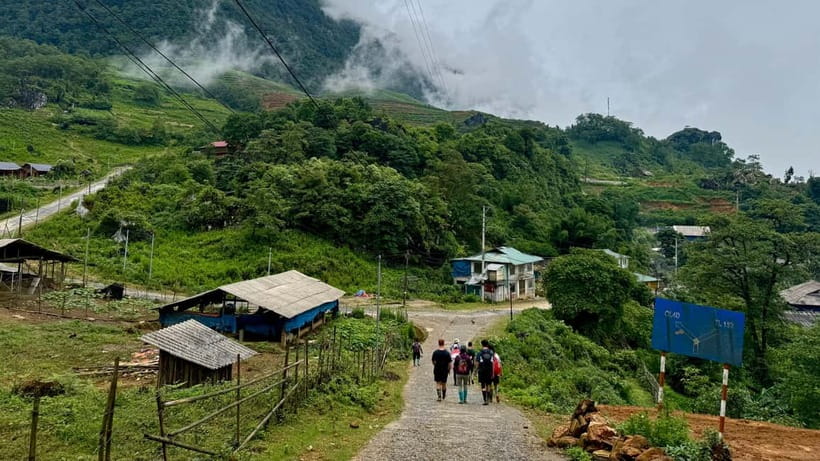
This tour lets you choose one of two trekking routes, and the difference is more than “difficulty.” It changes the vibe of your whole stay in Sapa.
If you choose Tả Van, expect a more cultural, valley-life style walk. You start the same way as the Hau Thào option—through well-known village stops—but you spend more of your time on gentler paths and iconic scenery over the Muong Hoa Valley. You’ll meet ethnic groups including Black Hmong and Dzay, and you end day one in a Dzay homestay.
If you choose Hầu Thào, you’re choosing quiet and remote. You still pass through the early valley villages (like Y Linh Ho and Lao Chải), but then you push further toward the mountains to reach Hầu Thào—a Black Hmong experience that feels less crowded and more raw. The second day can include narrow mountain trails with more dramatic cliffside scenery, so you’ll want a confident footing.
Either way, you’re in good hands with local guides who don’t just read a script. In multiple trips, guides such as Thảo, Sung, and Mao are praised for managing pace, explaining local life, and steering groups away from the busiest tourist zones.
You can also read our reviews of more hiking tours in Hanoi


Day 1 in Sapa: from Sapa town into Muong Hoa Valley villages
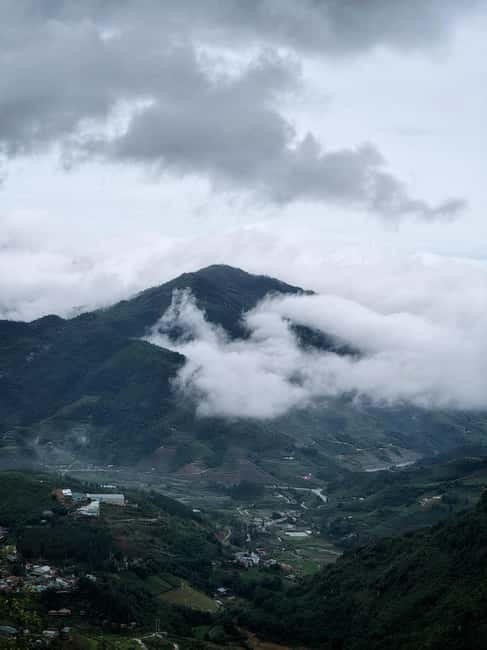
Day one begins with an actual start time you should plan around. The trek typically kicks off around 9:00 AM from the Sapa meeting point, and you’ll feel better arriving 15–30 minutes early for check-in and a pre-trek briefing. Then the walking begins.
You’ll head from Sapa into the Muong Hoa Valley, with stops that focus on everyday village life. Two names you’ll likely remember right away are Y Linh Ho and Lao Chải. These are known for colorful traditional clothing and visible craft work. Practically, it’s also where you get your first chance to settle into the rhythm: steady walking, short breaks, and time to look around without needing to rush.
Then comes lunch with mountain-and-terrace views. This matters more than it sounds. In Sapa, it’s easy to eat quickly and run. Here, lunch is part of the scenery cycle—pause, eat, look, and then keep moving.
What changes on Day 1 for Ta Van vs Hầu Thào
Both routes share the same first stretch through Y Linh Ho and Lao Chải. After that, the route splits:
- Tả Van route: you continue toward Tả Van and end day one at the Dzay homestay. The vibe is warm and low-pressure, with time to share stories in the evening.
- Hầu Thào route: you keep going longer toward the mountains, reaching Hầu Thào for dinner with a Black Hmong family. Expect a more “out there” feeling and fewer crowds.
A small-group setup helps a lot on day one. If your legs need breaks, guides can usually build that in. If your group is steady and upbeat, it also means you’ll naturally spend less time waiting around.
Overnight homestay night: private room, real meals, and friendly boundaries
The overnight stay is one of the strongest parts of this trek. You get a one-night homestay with a private room, and meals are included—so you’re not scrambling to find something after a full hiking day.
Dinner is described as traditional and made with local ingredients, and breakfast is included the next morning. Vegetarian/vegan options are available if you tell the team in advance, which is important in Vietnam where “no meat” can sometimes mean a smaller menu. Also, bring your questions. Guides have been praised for double-checking food safety for people with allergies by confirming with host families, not just relying on a quick assumption.
Evenings in a homestay are usually where the experience becomes human. Many people look forward to sitting by the fire, swapping stories, and listening to explanations about local life. I’d treat this as a cultural conversation, not a performance. Ask about daily routines, farming cycles, clothing traditions, or what a normal day looks like for your host family.
One practical note: some travelers end up cooling off near a nearby waterfall on the route. That’s not guaranteed for every group or day, but it’s common enough that it’s worth packing a small swimsuit if you like the idea of rinsing off after the hike.
Day 2: suspension bridge, bamboo forests, and Giang Tả Chải by a waterfall
Day two is where the trek turns from “valley walk” into “mountain walk.” You’ll start after breakfast, then work through another set of village-to-trail transitions.
One of the most memorable features on the Tả Van route is the crossing of a suspension bridge, followed by trekking through bamboo forests. This is the kind of stretch that slows your pace in a good way. The air can feel cooler under the trees, and it’s a break from open terrace views.
From there, you’ll reach Giang Tả Chải, a Red Dao village by a waterfall. Expect the terrain around the waterfall area to be damp and uneven, which is one reason hiking shoes beat sneakers. Lunch happens after you arrive at this stage, and then your transport brings you back toward Sapa.
A few more Hanoi tours and experiences worth a look
- Doris Cruise 5 star cruise 2 days visiting Halong Bay Lan Ha Bay private balcony
★ 5.0 · 2,338 reviews





If you’re on the Hầu Thào route
If you picked Hầu Thào, Day 2 tends to be longer and more demanding. The trails can feel narrower and steeper, and you’ll spend more time moving through mountain scenery with cliffside views. The reward is that this option generally feels less like a repeat of the most famous valley path and more like “we came this way because it’s real out here.”
Either way, you finish day two and return to Sapa after lunch.
Trail reality: shoes, rain, insects, and how to avoid sore knees
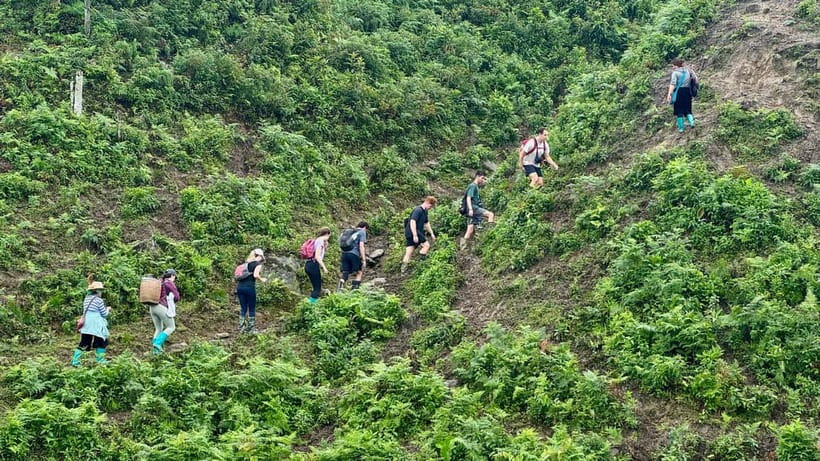
Sapa can be dramatic with weather. The trekking runs year-round, but during May–Sept the trails may be muddy. That means the right gear isn’t optional—it’s what keeps the walk fun.
Here’s what I’d pack without overthinking it:
- Comfortable hiking shoes with grip (most important)
- Long pants
- Rain jacket (even light rain can make paths slick)
- Water and a bottle you can refill
- Sun hat and sunglasses
- Insect repellent
If you forgot something, don’t panic. Some travelers mention renting gumboots when conditions get really wet. Still, I’d plan as if you’ll need solid footwear because you’ll be walking through mud and damp ground.
Also pay attention to your body. The tour is described as moderate difficulty with basic fitness needed, and the daily distance is typically 10–14 km. If you have knee issues, expect the downhill sections to be your main challenge. Guides often help by setting a manageable pace and adjusting when necessary, but the terrain still exists.
If any of these apply to you, consider another option: the tour is explicitly listed as not suitable for people with mobility impairments, back problems, heart problems, or visual impairments, and it’s not suitable for pregnant women.
Guides make the difference: what you get from small groups and English support
The best trekking guides don’t just point at scenery—they explain what you’re looking at and help you understand the logic behind village life. Here, guides get praised again and again for practical communication and cultural context.
You’ll hike with a small group—some trips are as small as five people. That’s a big deal. It means:
- you can ask questions without waiting your turn
- the pace can flex without slowing everyone down
- your route can adjust if someone needs a slightly easier path
Guides you may meet include Mao, Thảo, Sung, Su, Tung, Chai, Ai, Gom, and Su Su. Many are praised for excellent English, clear explanations, and a thoughtful approach—checking in, keeping the group together, and choosing quieter paths when possible.
One thing I like from these guide accounts is that they don’t just focus on “what to see.” They point out plants and animals, explain customs, and share personal stories about their community. It turns the walk into learning that feels tied to real life instead of a quick stop-and-photo routine.
The Cat Ba connection in the inclusions: double-check how it fits your Sapa days

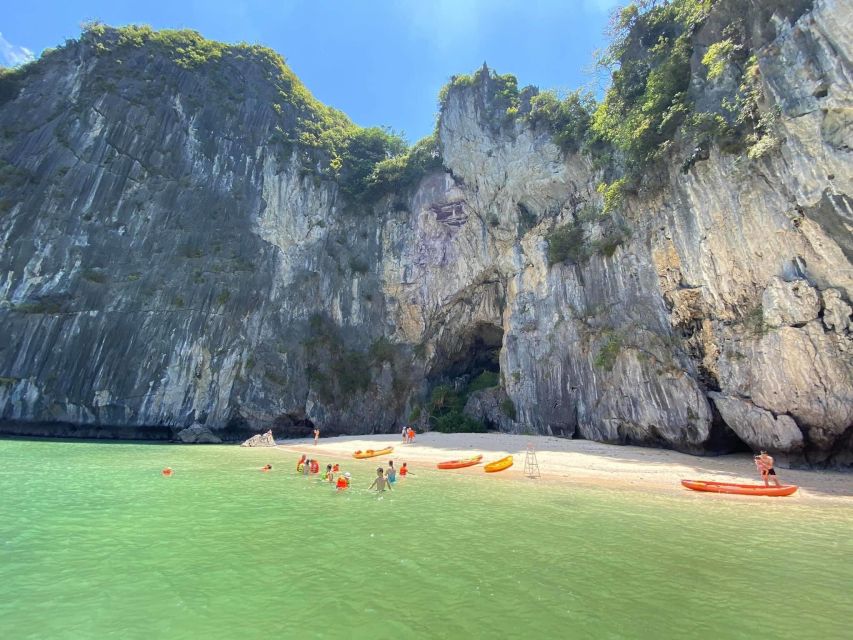
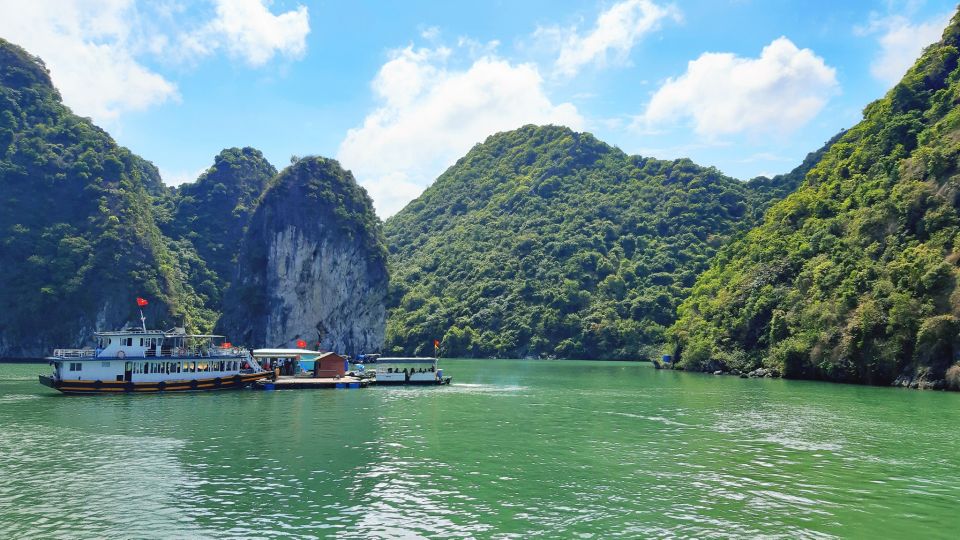
This is the one part of the package description that you should clarify before you get on the bus. The included details mention transportation connected to Cat Ba (a public bus between Hanoi and Cat Ba), a homestay on Cat Ba island, and a day cruise visiting Lan Ha Bay and Ha Long Bay with kayak rentals.
Meanwhile, the trekking description focuses on starting from Sapa and returning to Sapa after day two. Since those two pieces appear together in the same “included” list, it likely means your overall trip dates may combine Sapa and Cat Ba elements, or your transport and accommodations are organized around Cat Ba even if the trek is in Sapa.
What to do: when you book, confirm your exact schedule for the Sapa trek days and how the Cat Ba cruise/kayaking segment connects. That single check can prevent surprises about timing, transfers, and where you sleep.
Value check at $58: what you’re paying for (and what to plan for)
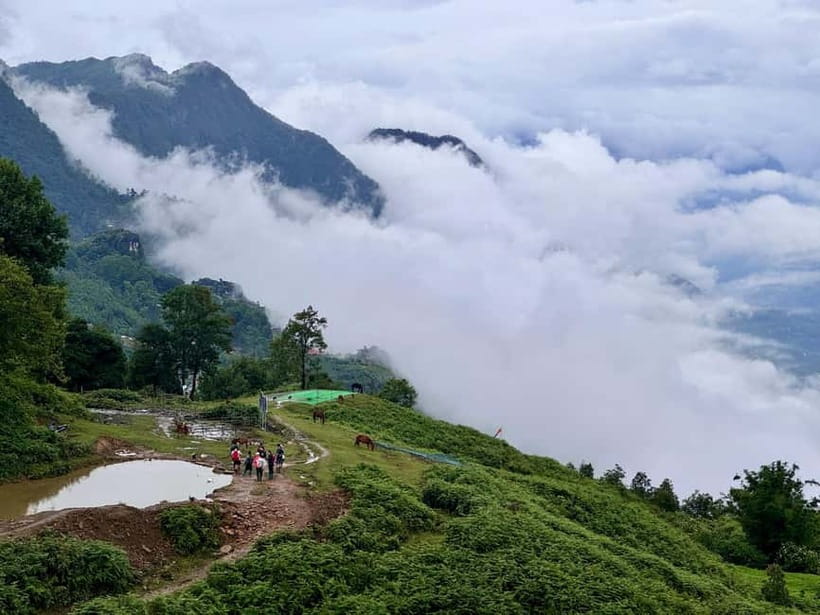
At $58 per person, this trek is priced like a “good deal” option in a region where guided multi-day hiking can cost more. But value isn’t just the sticker price—it’s what’s bundled.
You’re getting:
- Homestay night in a private room
- Meals included (with vegetarian/vegan available)
- Local guide support
- Tickets for sightseeing (as listed)
- Pickup/drop-off connected to your Sapa base
- For some versions of the overall package, inclusions also mention cruise access and kayak rentals
What’s not included is also clear: drinks for lunch and dinner. That’s normal, but plan to bring or buy water and avoid assuming soft drinks will be covered.
If you’re comparing options, I’d think in terms of cost-per-day + cost-of-homestay + cost-of-guide. In that light, the price starts to make sense. And the small group format—where you can actually talk with your guide—keeps the experience from feeling like a mass hike.
Practical prep: how to make the trek smoother from the start
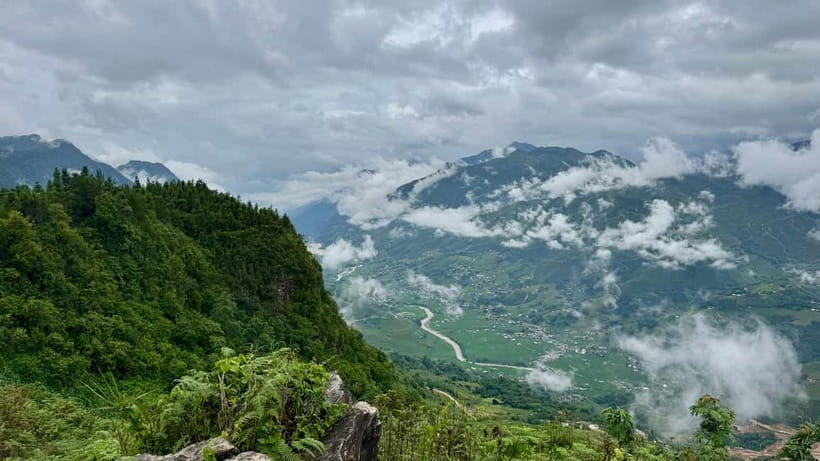
You don’t need to overpack, but a few habits make the day easier.
Big-bag storage is mentioned, so bring:
- a small daypack for the hike
- a water bottle
- a layer you’ll be happy to wear when the temperature dips
Change of clothes helps for the homestay night. Also pack long pants and consider how you’ll handle damp ground. Sapa mornings can feel cool, and by mid-day you might want breathable layers.
And don’t forget the small comfort items. People often underestimate sun and insects in the hills. Sunglasses, hat, and repellent are easy wins.
Should you book this Sapa 2-day trek?
If you want Sapa that feels human—village stops you can name, a homestay you actually sleep in, and a guide who explains more than postcard views—this is a strong pick. The Ta Van option is ideal if you want an easier-feeling cultural trek with iconic valley views. The Hầu Thào option is for you if you want fewer crowds and a more remote Black Hmong mountain route.
I’d hesitate only if you’re dealing with mobility limitations, back/heart issues, pregnancy, or significant vision concerns, since the tour is clearly listed as not suitable for those needs. If you can handle moderate hiking and you’re willing to pack for mud and insects, this is one of the better “value + authenticity” ways to experience Sapa.
If you book, do one thing that makes the whole trip better: choose the route that matches your energy. Then show up with proper shoes, expect 10–14 km hiking days, and let your guide steer you toward the quieter paths.
FAQ
Where is the meeting point and what time does the trek start?
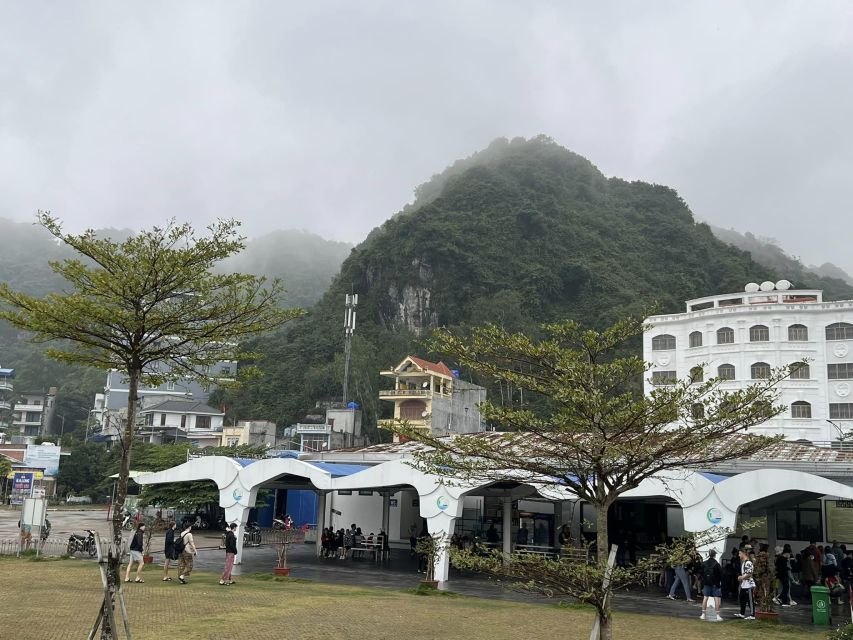
The meeting point is around 1 km from Sapa’s central area, at Sapa TT Homestay. The trek starts at 9:00 AM, and you’re advised to arrive 15–30 minutes early (or at least about 30 minutes) for check-in, luggage storage, and briefing.
How far do you hike each day?
The trekking distance is listed as 10–14 km per day. Some pacing notes from actual trips suggest the first day can take around 3.5 hours and the second day around 2 to 2.5 hours, depending on pace and conditions.
What are the two route options?
You can choose between Tả Van (cultural immersion and valley life) or Hầu Thào (remote beauty and a more adventurous Hmong route). Both start with the earlier village trail segments, then split toward the homestay destination.
What villages are included on the trek?
Stops include Y Linh Ho and Lao Chải, plus your homestay village (Tả Van or Hầu Thào). You also visit Giang Tả Chải (a Red Dao village by a waterfall) on the second day.
What’s the overnight stay like?
You get a one-night homestay with a private room. Traditional meals are included with the stay, and there are vegetarian/vegan options available.
Are meals included, and can the tour handle dietary needs?
Meals are included (listed as 2 lunches, 1 dinner, and 1 breakfast). Vegetarian/vegan is available, and you should inform the provider in advance about dietary needs or special requests; some guides are specifically described as taking extra care for allergies.
What should I bring for the hike?
Bring comfortable shoes, a sun hat, sunglasses, long pants, insect repellent, water, and a change of clothes. A rain jacket is also recommended since trails can get muddy, especially from May to September.
Who should not join this tour?
It is listed as not suitable for pregnant women, people with back problems, heart problems, mobility impairments, wheelchair users, and people who are visually impaired. It’s also listed as not suitable for people with insect allergies.
Is anything extra, and what’s the cancellation policy?
Drinks for lunch and dinner are not included. Cancellation is available up to 24 hours in advance for a full refund.