REVIEW · HO CHI MINH CITY
Saigon Secrets – Half Day Tour With Vintage Vespa
Book on Viator →Operated by Vespa A Go Go · Bookable on Viator
Vietnam’s past rolls past on a Vespa. This half-day Saigon Secrets tour has the feel of a carefully paced street-level history walk, but on a vintage Vespa with drivers you can trust. I like that it avoids the usual tourist sprint, so you get time to actually connect the dots from French Saigon to the Vietnam War. I also love the guide energy—when I’m with Tuyen (and the team at Vespa A Go Go, including Sang), the stories feel clear, specific, and focused on places you’d otherwise rush past.
One thing to consider: the tour needs good weather, and you’ll be riding and stopping outdoors in morning traffic, so plan for a bit of exposure.
In This Review
- Quick hits you’ll care about
- Why a vintage Vespa tour fits Saigon’s real stories
- Meeting at the Saigon Opera House and setting your morning tempo
- Stop 1: Customs Department area, French opium traces, and Nguyen Hue’s old names
- Stop 2: Quick breakfast at Bánh Mì Như Lan and early foreign presence
- Stop 3: Bạch Tùng Diệp Park—old tree, guillotine clues, and war timeline
- Stop 4: Tet Offensive and the Secret Weapons Cellar
- Stop 5: Nguyen Thien Thuat Apartment Buildings and the sugarcane reset
- Stop 6: Cha Tam Church and the assassination of Ngo Dinh Diem
- Stop 7: Quan Âm Pagoda, Chinatown roots, and paper-puppet customs
- Price and value: Is $59 for 4 hours worth it?
- Guides and safety: what “good teamwork” means on a Vespa
- Who should book this Saigon Secrets Vespa tour
- Should you book Saigon Secrets? My decision guide
- FAQ
- How long is the Saigon Secrets Half Day Tour with Vintage Vespa?
- What does the tour price include?
- Is pickup available?
- Is there a mobile ticket?
- What’s included for food during the tour?
- What group size should I expect?
- Do I need good weather to go?
Quick hits you’ll care about
- Vintage Vespa, small-group pace: capped at 10 travelers, so the ride stays personal and the guide can slow down.
- Secret, practical history stops: sites like the French opium trade trace and the Tet-era Secret Weapons Cellar aren’t “big sign, big view” tourist stops.
- Most entrances are free: you’ll hit several museums/places with free admission tickets, then pay attention when one stop includes admission.
- A real breakfast break: a quick bánh mì and water stop that also ties into Saigon’s changing foreign presence.
- Snacks during the ride: sugarcane juice and snacks show up as a proper mid-tour break, not an afterthought.
Why a vintage Vespa tour fits Saigon’s real stories
Saigon rewards you when you move with it, not against it. This tour does that with a vintage Vespa format where you’re basically traveling like a local gets around—out in the street, not boxed in. That matters because the “secrets” here aren’t just trivia. They’re tied to specific streets and neighborhoods you can actually see and feel.
The best part is the balance: it’s history, but it’s not a museum lecture. You’re taken to working locations—older government buildings, memorial spaces, and street corners—and the guide helps you understand why each spot matters. When the pace is right, you start noticing how the city layers one era on top of another.
And yes, the service side matters too. In the feedback I’m seeing, the drivers are consistently described as safe in traffic, and that’s huge on a Vespa day. If you’re even slightly nervous about riding, a good driver team turns the experience into something you can relax into.
A few more Ho Chi Minh City tours and experiences worth a look


Meeting at the Saigon Opera House and setting your morning tempo
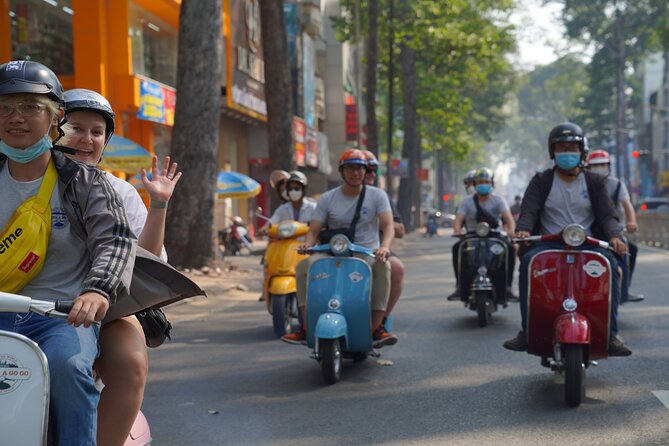
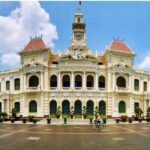
You start at the Saigon Opera House area, right around 7 Công trường Lam Sơn, District 1, with the tour set for 8:00 am. This early timing is smart. You’ll get daylight for photos and you’ll often find the streets less chaotic than later in the day.
The tour ends back at the same meeting point, which keeps the logistics simple. You don’t need to think about how you’ll get home. You’re also offered pickup, so if you’re staying a bit outside the center, you won’t have to fight transit just to begin.
One more practical detail: you’ll get a mobile ticket, and confirmation is provided at booking. That’s worth paying attention to if you’re planning a packed itinerary and want your schedule to behave.
Stop 1: Customs Department area, French opium traces, and Nguyen Hue’s old names
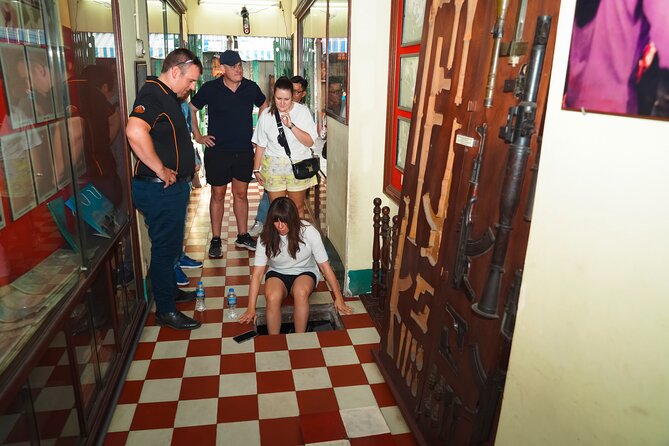
Your first major stop is the Ho Chi Minh City Customs Department area. This is where the tour starts doing something clever: it frames Saigon’s origin and trading life, then zooms into French colonization, including the secret channels behind what the French economy profited from.
You’ll hear about Saigon wharf history and the French period, then connect it to the French opium trade through the references around rue des Fleurs. From there, the guide ties the next streets to older French naming—Nguyen Hue pedestrian avenue is discussed through its older name, rue Charner.
You also pass by places linked to signals and communication, including a signal mast, and then you visit the Ho Chi Minh Museum (about 30 minutes, with admission listed as free). The museum stop works best when you treat it like a timing reset. After learning how the city was shaped by trade and empire, the museum gives you context so the later war-era stories don’t feel random.
Watch-for detail: this area can feel like “just another government building cluster” if you’re not paying attention. That’s exactly why a guide is the point. They’re helping you read the streets.
Stop 2: Quick breakfast at Bánh Mì Như Lan and early foreign presence
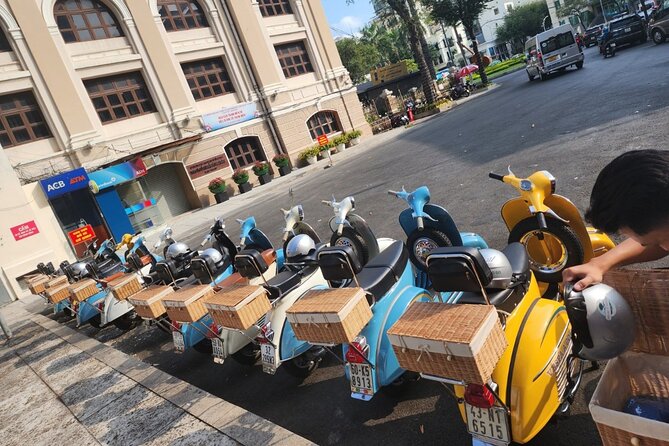
Next you stop at Bánh Mì Như Lan for a light breakfast: bánh mì and water. This isn’t a long food tour detour—it’s short, functional, and timed so you have energy for the rest of the ride.
The guide also uses this pause to talk about the 1st US Embassy and the presence of foreign institutions in early Saigon history. In other words, the bread-and-bite break is also a story break, and that keeps the tour from turning into pure sitting-and-listening.
The stop is about 30 minutes and admission is marked free. In practical terms, this is a good place to rehydrate and set your expectations: after this, the tour moves into more tense war and conflict topics.
If you’re picky about breakfast timing, you’ll still likely appreciate this stop because it’s not built as a restaurant meal with waiting time. It’s designed to keep you moving without skipping the local food hit.
Stop 3: Bạch Tùng Diệp Park—old tree, guillotine clues, and war timeline

Then you head to Công viên Bạch Tùng Diệp for another short stop: around 30 minutes, with free entry listed.
This is where the tour turns the city’s ground-level features into historical clues. You’ll hear about a French guillotine site, plus an unusual marker: the oldest tree in Saigon. It’s the kind of detail that makes you look twice at something you’d normally walk past.
After that, the guide shifts into Vietnam War framing. You’ll get a timeline feel for the first phase (1954–1964) connected to the Ho Chi Minh City Museum context, and then the story extends toward the last days of Saigon in 1975, including mention of a secret CIA building linked to those closing moments.
This park stop works because you can actually breathe. You’re not just indoors, and the guide helps you connect the war timeline to the physical city geography. The caution here is emotional. Some parts of the story are heavy, so if you’re sensitive to conflict history, it helps to mentally prepare for that shift.
A few more Ho Chi Minh City tours and experiences worth a look





Stop 4: Tet Offensive and the Secret Weapons Cellar
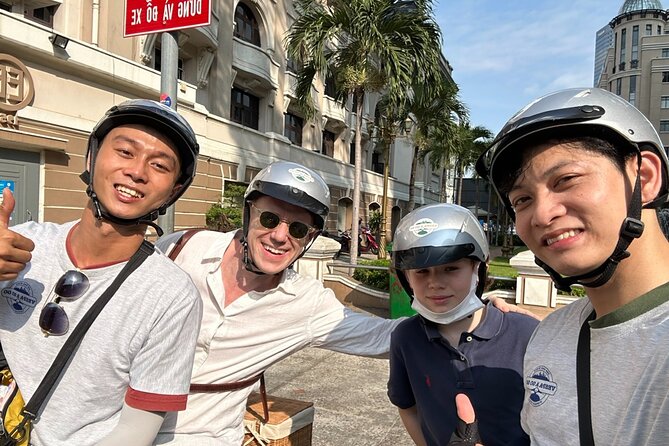
Stop 4 is the big one: The Secret Weapons Cellar, located at 287/70 Nguyen Dinh Chieu, District 3. The focus here is the Tet Offensive of 1968, and you’ll both hear the story and visit the cellar for about 30 minutes.
This is the only stop where the admission is specifically listed as included. That’s a good sign for value: a short, ticketed site like this typically costs extra on most tours, so having it included helps keep the $59 price from feeling like “pay mostly for talking.”
What makes this cellar stop compelling is the way it turns abstract history into something physical. You’re dealing with space—where people would operate, hide, plan, and protect. Even if you don’t know the details of Tet ahead of time, the guide can give you the campaign angle in a way that makes sense once you see the location.
Practical consideration: underground or enclosed spaces can feel cooler or close depending on the day. If you’re claustrophobic, you might want to judge on the spot—but the visit time is short.
Stop 5: Nguyen Thien Thuat Apartment Buildings and the sugarcane reset

At Nguyen Thien Thuat Apartment Buildings in Ward 1, District 3, you get a rest stretch of about 45 minutes. This is one of the tour’s smartest rhythms: after Tet-era intensity, you move to a calmer human-scale setting.
The tour includes sugarcane juice and snacks, which helps you keep your energy up without wasting half the morning in an actual restaurant. The guide also uses apartment-building space to discuss the lived-in side of Saigon, which is important—war history isn’t only about headlines. It’s about neighborhoods and daily life under pressure.
Admission is listed as free here, so the value is mostly in the story and the break. If you’re doing this tour as a first Saigon experience, this stop also helps you understand why the city feels the way it does today: older buildings and modern streets share the same frame.
Stop 6: Cha Tam Church and the assassination of Ngo Dinh Diem
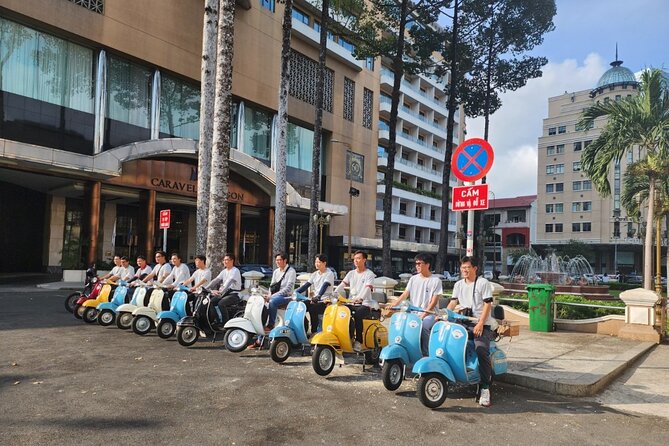
Next is Nha Tho Cha Tam (Cha Tam Church) on Hoc Lac Street, District 5. The time here is about 45 minutes, with free admission listed.
This stop focuses on the assassination of Ngo Dinh Diem and his brothers. The tour treats this moment as part of the wider political collapse and transformation of South Vietnam, and you’ll get a clear explanation of why this event still matters in the story of Saigon’s last years.
This stop can be quietly intense. Churches carry a different emotional tone than a war memorial or a bunker. The guide’s job is to keep you anchored in the timeline while still respecting the place you’re in.
If you like history that’s specific—names, dates, and turning points—this is one of the moments you’ll remember later, because it’s not just about broad war themes.
Stop 7: Quan Âm Pagoda, Chinatown roots, and paper-puppet customs
Your final stop is Quan Âm Pagoda, where the tour shifts into culture and community. You’ll hear about the history of Chinatown, and how Daoism and Chinese Buddhism show up in Vietnamese culture.
You’ll also learn about an old Chinese customs thread involving a paper puppet. This part of the tour helps you see that “secrets” aren’t only military. Some are traditions, rituals, and the everyday symbolic language of immigrant communities.
The stop is about 30 minutes, free admission listed. This timing is good: it gives you a calmer ending before heading back to the meeting point at the Opera House.
If you tend to focus only on war history, this is a helpful counterweight. Saigon didn’t just change through conflict. It absorbed people, beliefs, and practices, and the pagoda is a clean place to see that.
Price and value: Is $59 for 4 hours worth it?
At $59 per person for about 4 hours, the value depends on what you want from a tour. If you like city history but hate long museum days, this hits a sweet spot: a full morning of major sites with minimal downtime.
Here’s where the pricing logic makes sense:
- Several stops have free admission tickets, so you’re mostly paying for guiding and time.
- The Secret Weapons Cellar has admission listed as included, which adds real weight to the cost.
- The tour includes small food breaks: bánh mì and water plus sugarcane juice and snacks.
- You get pickup offered and a mobile ticket, which reduces friction.
The small group size (max 10) also boosts value. Tours in bigger groups often feel like bus rides with a guide voice. Here, the guide can slow down when you want to ask questions or when a street detail actually matters.
So if you’re paying for guided context, this price feels fair. If you’re hoping for a long sit-down museum day or a heavy craft/market tour, you might want something else. This is built for story + movement.
Guides and safety: what “good teamwork” means on a Vespa
A big theme in the feedback is trust. Guides like Tuyen and the team approach the day in a calm way, and drivers handle the traffic so you can focus on the sights. That matters more than people expect.
In practice, safety and coordination influence the entire tour. If the drivers are confident and the guide is organized, you lose less time at stops and you feel less stressed during transitions. And because the tour is short (about 4 hours), every minute counts.
If you’re traveling with family or a mixed-age group, this is the kind of day where a stable team helps everyone relax into the experience.
Who should book this Saigon Secrets Vespa tour
This tour is a strong match if you:
- want a first-time Saigon experience that still goes beyond the usual photo list
- like history that connects to specific streets and buildings
- enjoy a guided day with a small group and a clear pace
- are okay with some heavy political/military topics (Tet, assassination events, war timelines)
You might reconsider if you:
- don’t like riding in street traffic, even as a passenger
- prefer long indoor museum time over outdoor stops
- want a purely light, social city tour with no war-era content
Should you book Saigon Secrets? My decision guide
Book it if you want Saigon to feel like a story you can walk through—French trade to American-linked sites to the Tet-era underground, capped with temple culture at the end. The combination of Vespa movement, short stop lengths, and multiple free-admission segments makes the morning feel efficient without feeling rushed.
Skip (or choose a different style) if your ideal trip is mostly scenic viewpoints or purely food and shopping. This tour’s main job is explanation and place-based history, with food breaks serving the schedule.
FAQ
How long is the Saigon Secrets Half Day Tour with Vintage Vespa?
It runs for about 4 hours.
What does the tour price include?
The price is $59 per person. Most stops list free admission tickets, and the Secret Weapons Cellar includes admission.
Is pickup available?
Yes, pickup is offered.
Is there a mobile ticket?
Yes, you’ll receive a mobile ticket.
What’s included for food during the tour?
You’ll have bánh mì and water at one stop, and sugarcane juice and snacks at another stop.
What group size should I expect?
The tour has a maximum of 10 travelers.
Do I need good weather to go?
Yes. The experience requires good weather. If it’s canceled due to poor weather, you’ll be offered a different date or a full refund.