REVIEW · HO CHI MINH CITY
Amazing Vietnam, Cambodia and Thailand 16 Days
Book on Viator →Operated by Prestigo Asia · Bookable on Viator
Some trips feel built. This one feels measured. In 16 days, you’ll link Vietnam, Cambodia, and Thailand with smart city-to-city travel and big-name sights that usually take weeks to stitch together. I like that the route mixes contrast: tunnels and history in Vietnam, temple power in Cambodia, then beach breathing room in Thailand. You’ll also get day-by-day guided touring where it matters, not just a bus and a hope-and-pray playlist.
My favorite part is the built-in support system. You get airport pickup and transfers, English-speaking guides, and 24/7 hotline help if something goes off-script. Another plus: the cost is easier to swallow because key travel pieces are included—domestic flights, hotel stays with breakfast, plus several lunches and at least one dinner.
One drawback to consider: the schedule moves. You’ll have early starts (especially around Halong Bay), long travel days, and some physical effort (cycling in the countryside and time in the Cu Chi Tunnels). If you want a slow, unhurried trip, this one may feel a bit tight.
In This Review
- Key things I’d prioritize on this tour
- Ho Chi Minh City arrival: pickup, quick reset, then real Vietnam
- Mekong Delta to My Tho: rice paddies and a slower way to move
- Cu Chi Tunnels near Saigon: history up close with real effort
- Hoi An arrival: quick flight, then a real old-town base
- Bay Mau Coconut Forest cycling: countryside that’s actually active
- Hoi An Memories Island evening: time for fun after the tour grind
- The jump to Hanoi and then Halong Bay: when travel becomes the point
- Halong Bay cruise morning: Tai Chi, caves, and early light
- Flying to Siem Reap: setup for Angkor’s big day
- Angkor Wat day: South Gate and Angkor Thom faces
- Tonle Sap floating village: boat ride and lake-edge life
- Phuket beach reset: three leisure days to recover
- Price and value: what you’re really paying for
- Support and small-group feel: English guides, hotline help, and real organization
- Who should book this Vietnam-Cambodia-Thailand combo
- Should you book this tour?
- FAQ
- What countries and cities does this tour include?
- How long is the tour?
- Are flights included?
- What meals are included?
- Are hotel stays included?
- Are airport pickups included?
- What is the maximum group size?
Key things I’d prioritize on this tour
- Airport name-sign pickups and private transfers keep your first day stress low.
- English-speaking guides are included for the major excursions, not only the optional ones.
- Domestic flights are part of the package, which saves you from wasting days on overland travel.
- Mekong Delta + Cu Chi Tunnels give you two very different sides of Vietnam.
- Angkor Wat plus Tonle Sap covers the big Khmer sites and the lake-edge way of life.
- Phuket has three full leisure days, so you can recover after temples and tours.
Ho Chi Minh City arrival: pickup, quick reset, then real Vietnam
You land in Ho Chi Minh City and the plan is simple: a driver meets and greets you at the airport, then you transfer straight to your hotel. After check-in, the rest of the day is yours to recover from travel and get your bearings fast. It’s the kind of start that helps if you’re arriving with jet lag, because you’re not immediately thrown into long commutes.
Ho Chi Minh City is a good launch point because it mixes old colonial-era architecture with traditional streets and modern life. Even with just one overnight, you can feel the layered story of the place without turning your whole trip into a museum marathon. If you want a low-effort first evening, this is a great day to do it.
You can also read our reviews of more tours and experiences in Ho Chi Minh City.



Mekong Delta to My Tho: rice paddies and a slower way to move
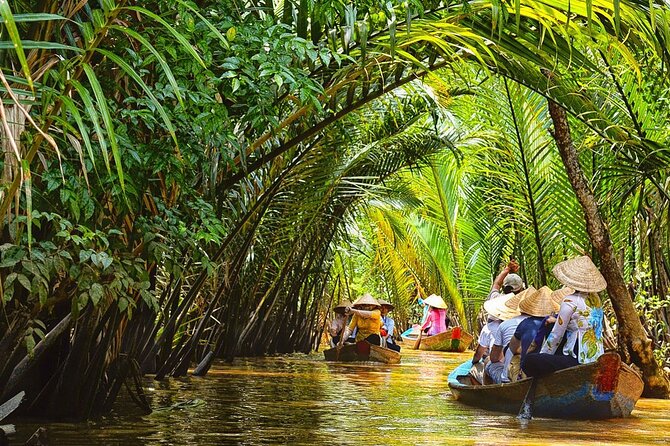
Next up is the Mekong Delta. You’ll have breakfast, then head out with an experienced English-speaking guide and professional driver toward My Tho. The focus here is on scenery and how people live around the river and its waterways.
This day matters because it changes your perspective. Vietnam can feel fast if you only stay in cities. The Delta slows you down with green rice paddies and water travel, and it’s one of the best places in the country to understand why rivers shape daily life. It’s also a practical contrast to the later, more intense Vietnam stop at Cu Chi.
One thing to keep in mind: Delta days can run long even without “extreme” activities. You’ll be touring for about 8 hours, so build in hydration, sunscreen, and a calm pace for photos and walks.
Cu Chi Tunnels near Saigon: history up close with real effort

From the city, you head to the countryside for Cu Chi Tunnels. Your pickup includes an English-speaking guide and the drive is about 1.5 hours each way. The experience itself is guided, and the ticket is included, which is a smart way to avoid last-minute confusion.
This isn’t a gentle history stop. Time underground and the physical layout require some readiness. If you’re claustrophobic or you’re dealing with mobility limits, you’ll want to weigh that before booking. If you can handle it, the tunnels hit hard because they’re not theory—they’re a physical system built for survival and movement.
Also, do yourself a favor and wear comfortable clothing and footwear you can live in. The day is about getting through the experience with your body feeling steady, not rushed.
Hoi An arrival: quick flight, then a real old-town base
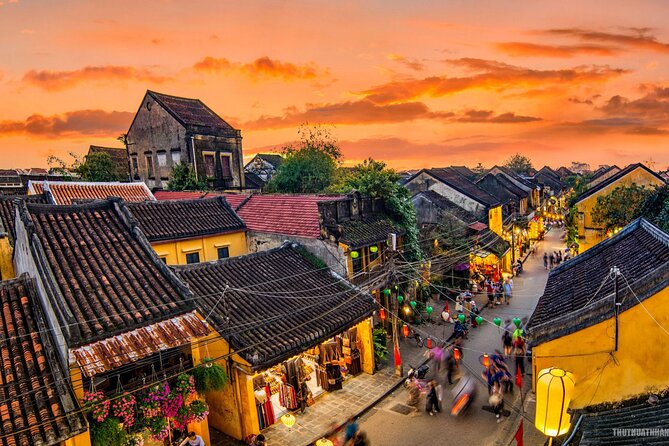
After Vietnam’s south, you shift to Hoi An. The plan is a flight from Ho Chi Minh City to Hoi An, and you land with a transfer to your next base. You also get a break on the day of the move: you can explore Hoi An at your own pace before that transition leg.
Hoi An works well in this itinerary because it sits in a “medium pace” zone. It’s tourist-friendly without being only commercial, and it gives you a chance to slow down after intense guided days. The biggest win is the ability to mix self-guided wandering with structured tours.
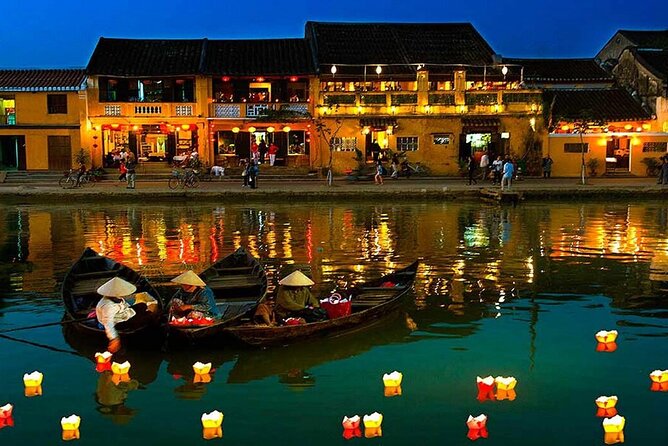
If you like evening atmospheres, Hoi An is especially good for that. Lanterns along the river bring a different feel than the temples-and-tunnels side of this trip. That contrast is part of what makes this tour flow.
Bay Mau Coconut Forest cycling: countryside that’s actually active
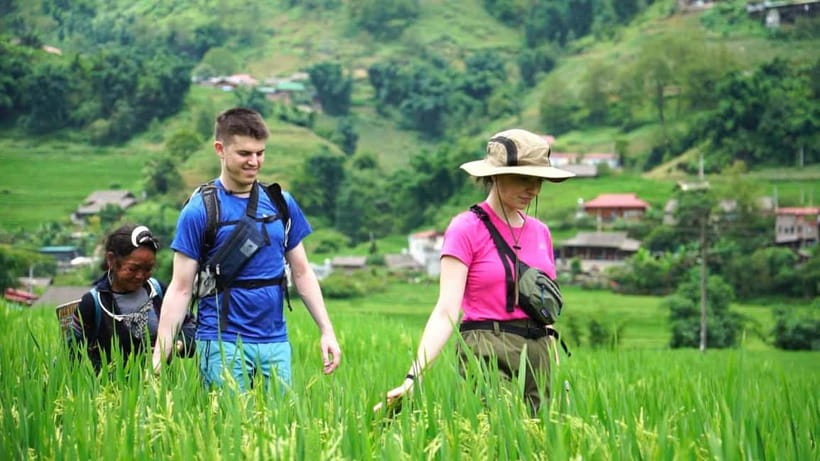
One of the strongest “get moving” days comes from Hoi An: Bay Mau Coconut Forest. You’ll meet your English-speaking guide around 8:00 am, then go cycling through countryside and rivers around Hoi An. The ticket is included, and the day runs about 6 hours.
This is the kind of excursion that adds value because it’s hands-on. You’re not just looking at places; you’re traveling through them at a human speed. It also helps break up the pattern of temples and long transit days.
A practical tip: cycling days can sneak up on you. Wear sun protection and bring water. If you’re not a confident cyclist, you should still be able to manage, but don’t pretend it’s just a casual ride.



Hoi An Memories Island evening: time for fun after the tour grind
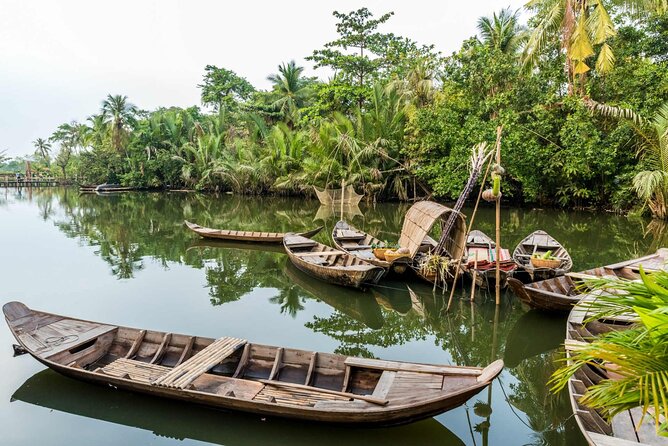
After a relaxed morning and breakfast, the plan shifts to Hoi An Memories Island in the evening. You’ll get transfer to the island, and admission is included. The description in your itinerary indicates participation in a major show, though the exact details aren’t fully spelled out in the information you provided.
Still, this stop can be valuable because it adds an evening activity that doesn’t require a big walk or a complicated reservation. It’s a good way to use your night time and get back to hotel life without stress.
If you’re feeling temple fatigue later in the trip, having one “lighter” evening in Hoi An is a smart move. It gives your brain a break.
The jump to Hanoi and then Halong Bay: when travel becomes the point
From Hoi An, you fly to Hanoi. On the way, you’ll have time to enjoy Hoi An at your own pace before airport transfers. In Hanoi, the driver meets you after landing and takes you to your hotel.
The next major shift is to Halong Bay. You’ll check out after breakfast and then travel with your guide and driver toward Halong Bay. The itinerary notes the scenic route on the way, and Halong Bay is reached after a long day of transit—about 12 hours total.
This is one of those days where logistics matter. When you’re covering multiple regions in a single tour, you’re usually choosing between comfort and speed. Here, the package includes an air-conditioned vehicle and guided coordination, which helps the day feel like a transition rather than a headache.
Halong Bay cruise morning: Tai Chi, caves, and early light
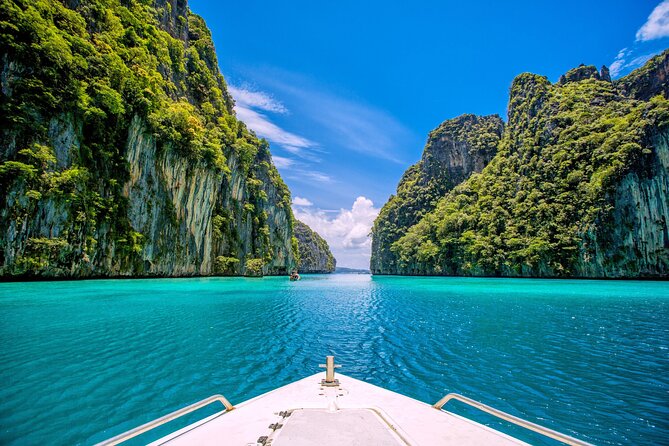
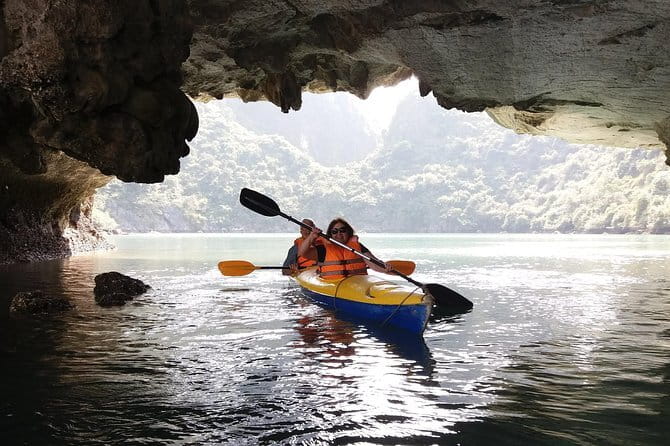
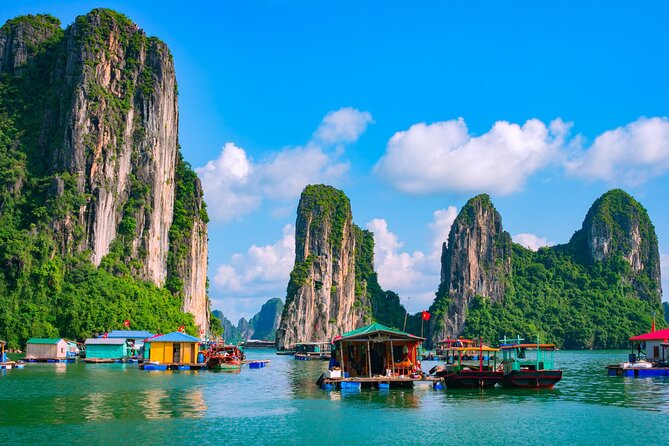
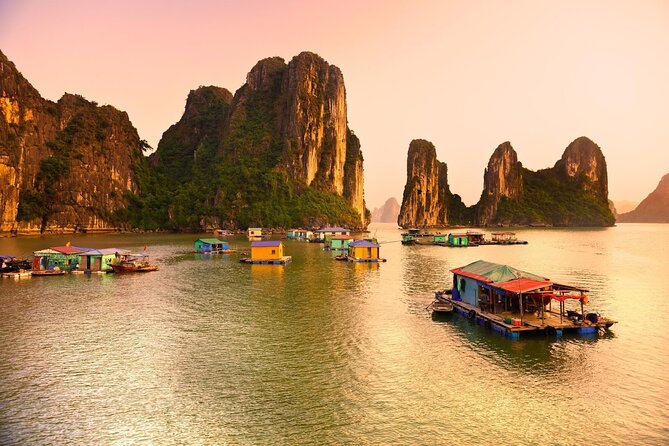
Your Halong Bay day continues early. You wake up, practice Tai Chi on the sundeck, then enjoy breakfast. After that you’ll explore a cave, with the itinerary highlighting stalagmites and the morning rhythm of the cruise.
This stop is a classic for a reason. The karst formations are dramatic, and the cave adds a different type of motion—walking rather than just viewing from the boat. It’s also one of the few days where you’ll feel like you’re finally “doing nothing” in the best way: you’re relaxing while still getting activity.
A clear consideration: early mornings. If you’re planning to stay out late in Hanoi the night before, plan a little better. If you keep your sleep schedule steady, the cruise feels magical instead of exhausting.
Flying to Siem Reap: setup for Angkor’s big day
After breakfast, you transfer to the airport and fly to Siem Reap. Upon arrival, you get transfer to your hotel for check-in and overnight.
Siem Reap is a practical base because it’s close to the Angkor complex without needing complicated overnight movements. It also gives you a calmer rhythm at night compared to the temple-heavy day ahead.
In a tour like this, that matters. You’re building to one-life-time sights—so you want your sleep and meals to line up.
Angkor Wat day: South Gate and Angkor Thom faces
Angkor is where the itinerary earns its reputation. You’ll take a full day exploring the ruins with stops that include the South Gate of Angkor Thom, known for its carved human faces.
This is the kind of sightseeing day where time management matters more than shopping priorities. You’ll want comfortable shoes and a plan for sun protection, because Khmer stone and open courtyards mean heat exposure is real.
If you’re the type who likes to understand what you’re seeing, this is also where an English-speaking guide pays off. Even with only a day, the context helps you connect the architecture to the story of Khmer civilization. Without that, you’d still see amazing stone—but you might not understand why it’s arranged the way it is.
Tonle Sap floating village: boat ride and lake-edge life
After breakfast, you head to Tonle Sap Lake. The plan includes a floating village visit and a traditional wooden boat ride to experience the communities living around the lake.
This stop balances the temple day. Angkor shows you the power and planning of a past empire. Tonle Sap shows how people adapt to the water system today. It’s a different kind of cultural understanding, and it fits well into a 16-day “big sights” itinerary because it refreshes your brain.
Consideration: this is still a full day excursion (about 8 hours). Wear clothes that dry quickly and are comfortable for boat movement. The best experience comes when you stop thinking about discomfort and focus on the life on the water.
Phuket beach reset: three leisure days to recover
Then you fly to Phuket. Your guide meets you at the airport with a sign with your name. After that, you get transfer to your hotel and the itinerary becomes simple: three days where you can do your own thing.
That’s a huge value part of this tour. After temples and long days, Phuket’s job is to let your body and mind catch up. You can swim, walk the beach, eat something you actually crave, or just do nothing with confidence.
This is also where you decide what kind of traveler you are. If you want organized activities, you can add them. If you want rest, this schedule gives you permission. In a packed itinerary across three countries, that freedom is not a small detail.
Price and value: what you’re really paying for
At $1,758 per person for 16 days, the cost can look high until you map what’s included. This package covers accommodation (shared twin/double rooms) with daily breakfast, plus domestic flights with 20kg checked luggage and 7kg carry-on. On top of that, you get air-conditioned transport, all fees and taxes, and English-speaking guides on the major excursions.
You’re also getting meals: breakfast is included for 15 days, lunch is included 6 times, and dinner is included as well. That meal coverage matters because Vietnam and Cambodia can still add up fast once you factor in taxis and frequent paid admissions.
So the real value isn’t just the sightseeing. It’s the reduction of “trip management pain.” You’re not piecing together transfers and tickets between countries. You’re following a plan that’s already coordinated.
What you should weigh, though: room sharing. The package lists shared twin/double rooms. If you’re booking as a solo traveler, you may still be placed in a shared setup depending on how the provider handles rooming. The support is personal, but the accommodation type is listed as shared.
Support and small-group feel: English guides, hotline help, and real organization
This tour is capped at a maximum of 15 travelers. That’s not “small enough to guarantee a private vibe,” but it’s still a meaningful size difference versus huge group buses. It helps with pacing and makes airport transfers feel more organized.
Your experience also includes exclusive and personalized single agent or single customer service, plus a 24/7 hotline support guarantee. In real life, that’s comfort: if you get stuck in an airport line or your timing shifts, you’re not left to guess.
Past guests also mention strong communication and airport coordination, including people waiting with signs at arrivals. One note in the feedback you provided highlights a tour manager named Dat staying in contact and even helping with a sprained ankle. Another mentions Ms Nhi being responsive with itinerary changes. Those details don’t change the itinerary on paper, but they point to a pattern: someone is watching the trip.
Who should book this Vietnam-Cambodia-Thailand combo
This trip fits best if you:
- Want big classics in a short time: Mekong Delta, Cu Chi Tunnels, Hoi An, Halong Bay, Angkor, and Tonle Sap.
- Prefer guided touring when it counts, then free time for recovery.
- Don’t want to deal with creating your own flight-and-transfer chain across countries.
It may feel less ideal if you:
- Want lots of long, slow downtime in each place.
- Have limited mobility or discomfort with tunnels and early mornings.
- Strongly prefer private, single-room accommodation (the package lists shared twin/double rooms).
Should you book this tour?
If you want a 16-day route that covers three countries with clear structure, this is a good match. The included domestic flights and guided days cut down the hardest parts of independent travel. And the Phuket “let it breathe” days are genuinely useful, not just a token beach stop.
I’d recommend booking if you like an efficient trip with purposeful variety—river life, wartime history, lantern streets, karst caves, Khmer ruins, then beach recovery. I’d hesitate if you’re craving a slow, deep dive where every day in one region is the whole story. This one is built for seeing a lot—and enjoying how the pieces connect.
FAQ
What countries and cities does this tour include?
This 16-day tour covers Vietnam (Ho Chi Minh City, plus Hoi An and Hanoi), Cambodia (Siem Reap Province and Angkor area), and Thailand (Phuket).
How long is the tour?
The tour duration is 16 days (approx.).
Are flights included?
Yes. Domestic flights are included (with 20kg checked luggage and 7kg carry-on luggage). International flights are not included.
What meals are included?
Breakfast is included for 15 days, lunch is included 6 times, and dinner is included as part of the package.
Are hotel stays included?
Yes. Accommodation is included in shared twin/double rooms with daily breakfast.
Are airport pickups included?
Yes. The tour includes pickup/meet-and-greet at the start in Ho Chi Minh City, and transfers are included at each airport connection as described.
What is the maximum group size?
The maximum group size is 15 travelers.