REVIEW · HANOI
Picturesque Vietnam tour
Book on Viator →Operated by Custom Asia Travel · Bookable on Viator
Vietnam is big, and this trip tries to cover a lot without feeling like a stampede. You start in Hanoi, move through the karst scenery of Ninh Binh, head up to Bac Ha and Sapa for hill-tribe culture, cruise Halong Bay, then wind down through Hoi An and on to Ho Chi Minh City and the Mekong Delta.
What I like most is how much time you get in the places that actually take effort to reach. You’re not just passing through. The second big win for me is the pacing of the days: boat time, cultural sights, and a couple of active moments (trekking and market mornings) are spread out.
One thing to consider: this is a long haul route, and there are real travel stretches by car plus at least a couple of domestic flight legs. If your family hates long days, you’ll want to confirm the flight timing and plan for recovery time.
In This Review
- Key highlights at a glance
- First nights in Hanoi: Hoan Kiem, cyclo rides, and water puppets
- Day trip to Ninh Binh: Hoa Lu ancient capital and Trang An by boat
- Bai Dinh Pagoda and Van Long: big temples plus langurs on the water
- Bac Ha and Sapa: hill-tribe markets and rice-terrace trekking
- Halong Bay cruise: limestone karsts, cave visit, and sleeping on the water
- Fly to Danang and settle into Hoi An: fishing village morning and lantern craft
- Ho Chi Minh City big sights plus Cu Chi Tunnels early start
- Mekong Delta by boat: Ben Tre canals, Can Tho night, and Cai Rang early
- Price and logistics: what you’re paying for at $1,914.11 per person
- Who this family trip fits best
- Should you book this Vietnam family tour?
- FAQ
- How long is the Vietnam family tour?
- Where does the tour begin?
- Is this tour private or shared?
- Does the tour include transfers and transport?
- Are flights included?
- What meals are included?
- Does the tour offer pickup?
- Is free cancellation available?
Key highlights at a glance
- Private, family-only experience: your group is the only one on the tour, which makes adjustments much easier.
- UNESCO hits on both water and land: Halong Bay plus Trang An and My Son appear on the route.
- Cruise that feels like a stay: you sleep on the boat, then do a morning sunrise routine on the water.
- Hill-tribe markets and rice-terrace trekking: Bac Ha and Sapa add a very different Vietnam from the big cities.
- Boat-heavy Mekong day: canal rides, Sampan time, and the Cai Rang floating market early in the morning.
- A known team approach: past families have named guides like Thang (north), Nguyen (central), and Nguyệt (south), plus local support staff in planning.
First nights in Hanoi: Hoan Kiem, cyclo rides, and water puppets
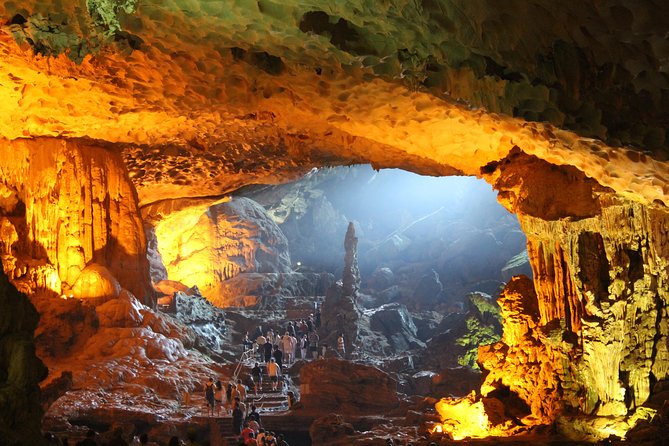
I love Hanoi at the start of a trip because it feels like Vietnam’s thinking face. The program begins with a private driver from Noi Bai Airport straight to your hotel in the city center. After check-in, you get an easy orientation evening: stroll time around Hoan Kiem Lake, a chance to sample local food, and a low-pressure way to get your bearings fast.
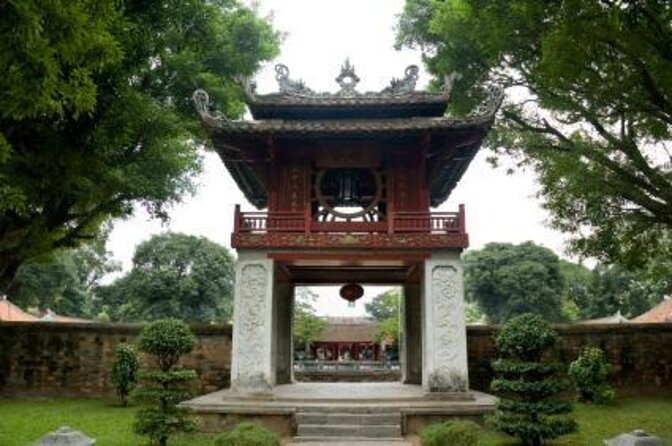
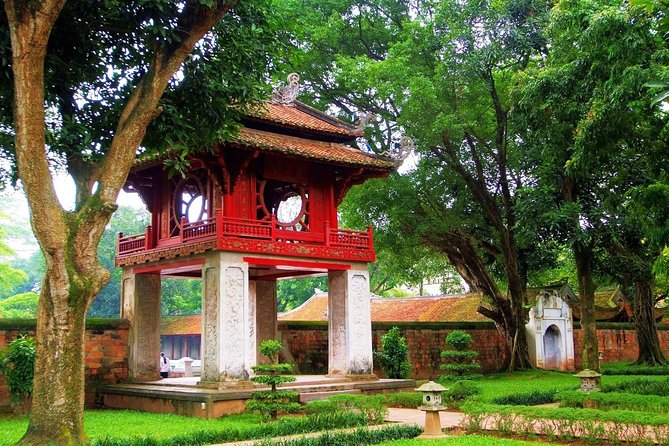
Day 2 is where the tour locks in Hanoi’s story. You visit the Ho Chi Minh Mausoleum area and Uncle Ho’s house on stilts, then move through some of the city’s core cultural markers: the Temple of Literature and the One Pillar Pagoda. These aren’t random stops. They explain why Hanoi is still tied to learning, ceremony, and national identity.
Then comes a heavier historical note: Hoa Lo Prison (the site was nicknamed Hanoi Hilton during the Vietnam War). You also visit the Vietnamese Women’s Museum, which is a solid counterbalance to the war-related content. If you’re traveling with kids, this part is one of the best ways to keep the day from feeling like only politics.
The evening shifts to pure Hanoi theater: a cyclo ride through the Old Quarter and a walk around Hoan Kiem with Ngoc Son Temple. To cap it off, you attend a traditional water puppet show, the kind of cultural thing that feels playful even if you don’t speak the language. It’s also a smart choice for families because it’s a fixed-time activity that helps with jet lag.
The potential drawback? Day 2 is a lot of “standing and walking.” If you’re bringing small kids, pack patience and water, and use the museum-and-temple breaks as recovery.
You can also read our reviews of more tours and experiences in Hanoi.

Day trip to Ninh Binh: Hoa Lu ancient capital and Trang An by boat
This is one of those regions where Vietnam’s geography does the storytelling for you. You leave Hanoi by private car for Ninh Binh to visit Hoa Lu, the ancient capital of the Dinh Dynasty. The site gives you a sense of scale and age without needing a long lecture.
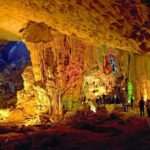
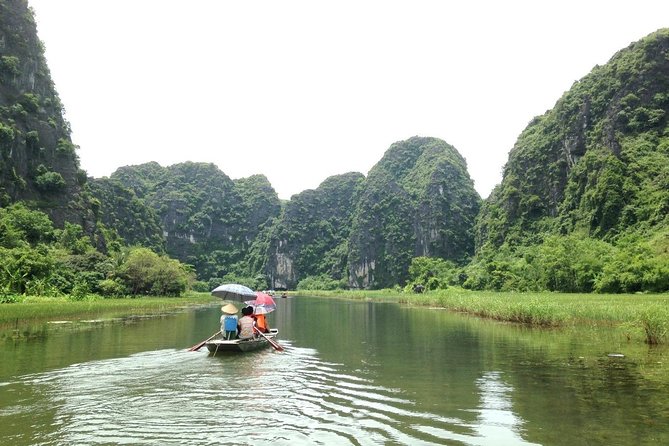
Then you get the signature experience: the Trang An boat trip. You float along the river system and pass through caves with towering limestone cliffs around you. It’s calm, mostly shaded, and it breaks up the pacing after the historical mornings. It also matters that this is scheduled after lunch—so your family isn’t dragging through the day on empty stomach energy.
In the afternoon you check into Ninh Binh and get real down time. That hotel reset is important on a long route. It turns what could feel like a whirlwind into something closer to a journey.
A heads-up: the cave and boat time can mean smaller spaces and uneven footing around boarding points. If you have a stroller, confirm in advance how access works on the dock area for your family.
Bai Dinh Pagoda and Van Long: big temples plus langurs on the water
After Ninh Binh breakfast, the tour goes for two very different forms of nature and spirituality.
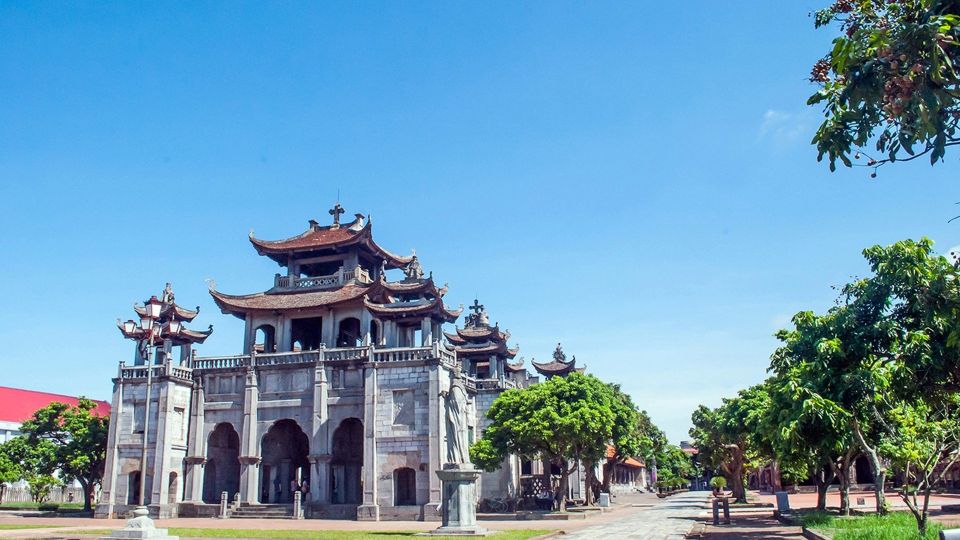
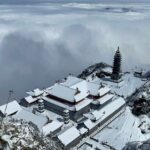
Bai Dinh Pagoda is massive. You’ll spend time walking the complex and soaking in the sheer size of it all. This is one of the stops that works well for families because it doesn’t require deep background knowledge—your eyes can do most of the learning.
Then it switches to wildlife and quiet. At Van Long Nature Reserve, you take a boat ride and look for the white-shorts langurs, a rare primate species. Even if you don’t spot them, the reserve’s slow rhythm is still a win. You’re watching local life along the waterways and enjoying the kind of stillness that makes you forget you’re on a scheduled tour.
This day is a good consideration point for families who love animals: it’s one of the few wildlife-oriented segments in the route. Bring binoculars if you have them, but don’t expect safari-style guarantees—the value here is the setting and the chance.
Bac Ha and Sapa: hill-tribe markets and rice-terrace trekking
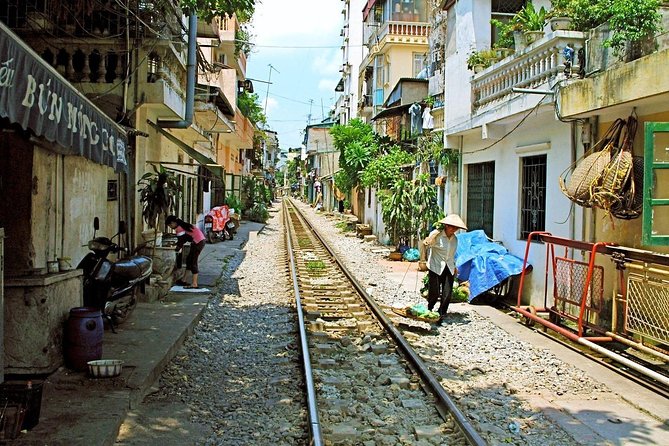
Now you get a different Vietnam—one built around mountains, farming, and community markets.
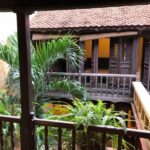
In Bac Ha, you start with a drive from Hanoi and a home-stay experience at a local house. You also have a gentle trek to Ban Pho village connected to Flower H’mong daily life. Terraced fields and rural paths help you see how people build food and community up in the hills. Hosted dinner at the home-stay adds a human layer, not just scenery.
Then comes the market day. Depending on the day, the route targets Bac Ha Market (Sunday), Coc Ly (Tuesday), or Can Cau (Saturday). You’ll see multiple ethnic minority groups like Flower Hmong, Phu La, Yao, Tay, Nung, and others. The market isn’t only about textiles and handicrafts; it can include animal trading too. It can feel like a lot, but it’s also one of the most direct ways to understand how rural economies work here.
After lunch, you drive to Sapa and settle in for the evening.
The next trekking day follows a classic rice-terrace arc. You start in Y Linh Ho village in Muong Hoa Valley, cross a suspension bridge, and trek with viewpoints over terraced slopes. You end in Lao Chai village, where your vehicle picks you up. This is the active day that balances all the boat time earlier.
The main consideration here: trekking comfort. The route uses a concrete path for part of the hike, but you still have elevation and long walking hours. For kids, you’ll want comfortable shoes and to keep expectations realistic about pace.
Halong Bay cruise: limestone karsts, cave visit, and sleeping on the water
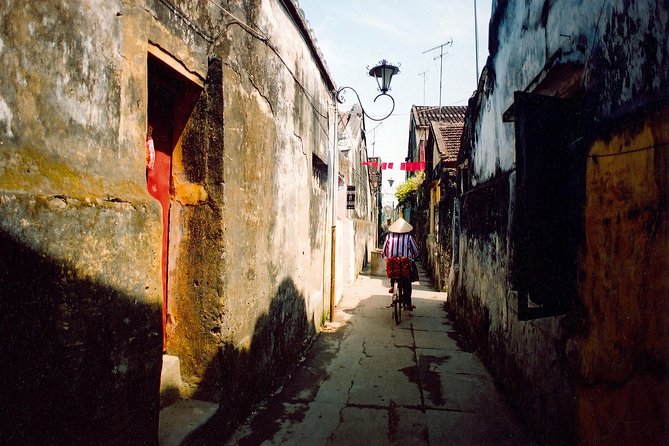
If your family only chooses one “wow” moment for Vietnam, this part is hard to beat. The program transfers you from Hanoi to Halong Bay and boards a cruise at the pier.
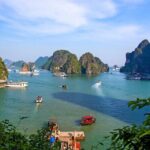
On board, you get a lunch served while you cruise through limestone karsts and clear water. Then there’s a guided cave visit, which is one of those “headphones optional, eyes required” experiences. In the afternoon, you can swim, kayak, or just relax on the sun deck. At sunset, dinner is on the boat with the bay as your backdrop.
What I love is the sleep strategy: you stay overnight on the cruise ship. That changes the mood. It’s not just a daytime tour with a late checkout. You actually get to experience the bay in different light.
The following morning is another highlight. You wake up early for sunrise views and even join a Tai Chi session on the sundeck—simple, gentle, and a good reset after a day of walking and touring. After breakfast, the cruise explores more areas of the bay, then you disembark and transfer back toward Hanoi, before continuing the trip with a flight leg to central Vietnam.
The practical caution: you’re combining a cruise with early mornings and transitions. If anyone in your family gets motion sick, plan for that. Also, confirm what “option” time means on the boat—swimming and kayaking might not be suitable for every family member depending on comfort and safety rules.

Fly to Danang and settle into Hoi An: fishing village morning and lantern craft
After the Halong Bay segment, the route shifts gears quickly. You take a short flight (domestic flight tickets are not listed as included in the package details) and arrive at Danang, then drive to Hoi An. The next day has the kind of structure that makes Hoi An feel special instead of just “another pretty town.”
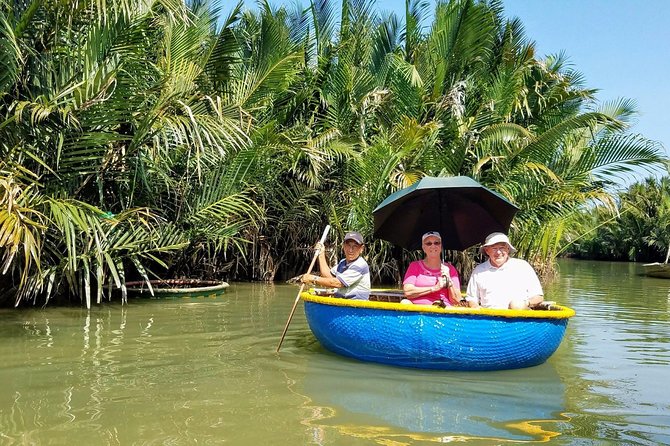
Day 10 starts with a fishing village experience: you explore with a basket-boat ride and then cycle through countryside with rice, coconut, and corn fields. This matters because it connects Hoi An’s old-world look to its working food landscape.
In the afternoon, you get a guided tour of Hoi An’s highlights: Cam Pho communal house, the Japanese Covered Bridge, Quan Thang ancient house, and Fujian Assembly Hall. You also visit the central market, which is a practical way to sample local food without turning it into a full-time cooking quest.
Then comes one of the best family-friendly craft activities in the route: lantern-making with a guide and skilled craftsmen. It’s hands-on in a way that doesn’t require great language ability, and kids usually enjoy it.
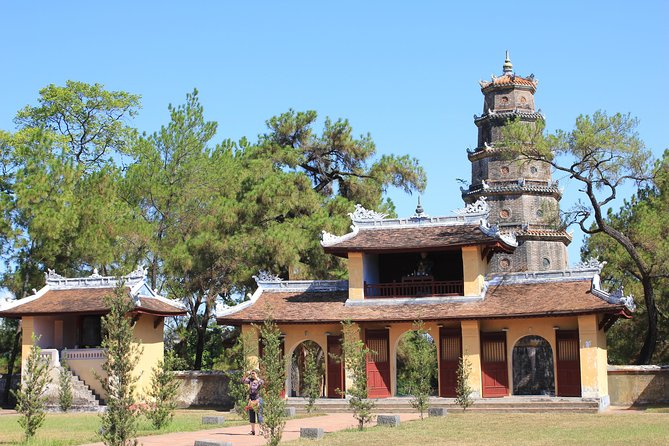
On Day 11, My Son Sanctuary takes over in the morning. It’s UNESCO, tied to the Champa Kingdom, and you’ll see temple ruins dating back to around the 4th century AD in a beautiful setting. The ruins are the main event. The surrounding hills and paths help you understand why this place became important.
The afternoon is intentionally free time. That’s smart. It lets your family choose: beach time, shopping for tailor-made clothing and shoes, lantern-lit street wandering, cycling, or even a cooking class if you want. Just knowing you have an unstructured block is valuable on a long route.
Ho Chi Minh City big sights plus Cu Chi Tunnels early start
From Hoi An, you transfer and fly on to Ho Chi Minh City. Once you arrive, the day is open for self-guided exploring or optional evening activities. This is a good spot to catch up on laundry, rest, or just grab meals at your own pace.
Day 13 starts with an early trip to Cu Chi Tunnels. You head out around 70 km from the city and explore the tunnels used by the Viet Cong during the Vietnam War. This part can be intense, but it’s also a key Vietnam lesson. It’s not abstract history—you see how people lived and moved in tight spaces and learned how to survive under pressure.
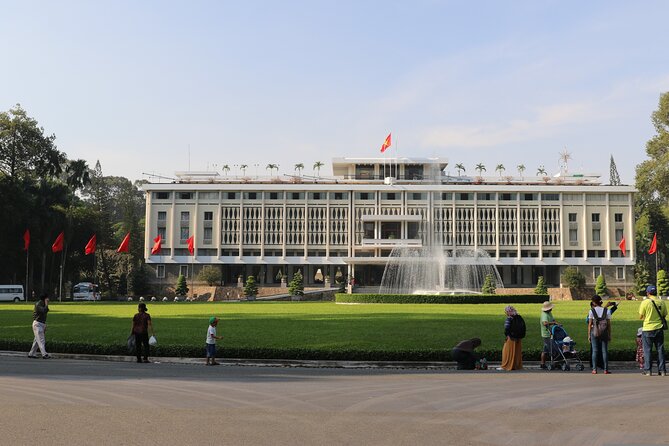
After returning to Ho Chi Minh City, you visit major landmarks: Notre Dame Cathedral, Saigon Central Post Office, War Remnants Museum, and the Reunification Palace. Then you end with a sunset view from the top of Bitexco Tower. For families, that ending is useful: it gives you a visually rewarding close without more museum time.
One consideration: this is a day with both emotionally heavy content (War Remnants Museum and Cu Chi) and lots of walking. If you’re traveling with younger kids, you may want to manage expectations and take breaks.
Mekong Delta by boat: Ben Tre canals, Can Tho night, and Cai Rang early
This part is where the trip shifts from “buildings and battles” to everyday life on the water.
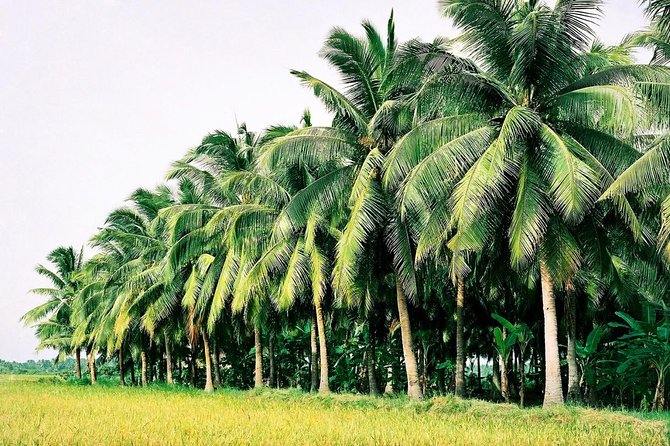
You leave Ho Chi Minh City and drive to Ben Tre in the Mekong Delta. You’ll take motorboats along narrow canals and watch locals making goods like bricks and coconut candies. You also get chances to ride in a motor cart or take a cycling tour through coconut forests, rice fields, and gardens.
After lunch, you move into slower water travel with a Sampan boat ride, drifting alongside nipa palms. That change in boat style matters. It slows you down and makes the canals feel more intimate.
Then you head to Can Tho late afternoon and spend the night. Having that overnight stop is smart because it lets your family settle and adjust. It also sets you up for the next early morning.
Day 15 begins with the Cai Rang Floating Market at 6:30 AM. Even if the market is quieter than it once was, it’s still a unique way to see how trade works on the river. The early start is the price of admission here.
After the market, the route takes a long cruise toward Phong Dien and includes a walk on a quiet country road to see local life more closely. Then you travel to Vinh Long to visit Phu Ly Pagoda (built in 1672) with Khmer-inspired architecture blends. After that, you pass through Ben Luc rice fields and return to Ho Chi Minh City late afternoon, with the rest of the day free.
The biggest practical point: the Mekong days are hot and humid in many seasons. You’ll want sun protection and water. The itinerary does mention bottled water on the vehicle, but it’s still wise to bring your own extras for comfort.
Price and logistics: what you’re paying for at $1,914.11 per person
At about $1,914.11 per person for roughly 16 days, this tour isn’t a budget “hop-on, hop-off” deal. You’re paying for structure and private transport plus a lot of included meals and boat experiences.
Here’s what adds value:
- Private air-conditioned vehicle transfers across long distances so your family isn’t waiting around.
- Multiple boat days, including the big cruise where you also sleep on board.
- Meals included in a planned way (15 breakfasts, 14 lunches, 4 dinners). That matters when you’re moving fast across regions.
- Accommodation on a twin-shared/double basis.
What can affect the final cost:
- Domestic flight tickets are not listed as included. The route includes flight legs timed to connect Halong Bay and then move to Ho Chi Minh City. The tour details say in-tour flight tickets can be on request, so you’ll want a clear price breakdown before you book.
- Drinks and other meals beyond what’s listed are not included, and tips aren’t included either.
Also, you get a private family setup. That often means fewer compromises than a large group tour. Past families have praised the way staff handled planning and flexibility, with guide names like Thang, Nguyen, and Nguyệt showing up in their communications. That gives me confidence that the operator values matching the guide style to the destination pace.
Who this family trip fits best
This program fits families who want variety without chaos.
You’ll likely enjoy it if you:
- Want a classic North-to-South sweep with key nature, culture, and city stops.
- Prefer private guidance and smooth transfers over “figure it out” travel.
- Don’t mind a mix of activities: temples, museums, markets, and a real trek day.
- Like the idea of both boats and land travel, with plenty of scheduled meals.
You might want to rethink if your family:
- Has very young kids who struggle with long car days and early mornings.
- Avoids caves, tunnels, and war-related sites.
- Hates uncertainty around domestic flights. Ask for the exact flight add-on cost and times upfront.
Should you book this Vietnam family tour?
I’d book this if your goal is a well-paced family Vietnam arc that hits the big landmarks plus the off-city texture of markets and village life. The Halong Bay cruise with an overnight stay is a standout value, and the mix of UNESCO sites (Trang An and My Son too) makes the time feel earned.
I’d hesitate only if your family is extremely schedule-sensitive or you want everything included in one fixed price. Because domestic flights are not clearly listed as included, your final “all-in” cost depends on what you add for those legs.
If you can handle early starts and a few long travel stretches, this is the kind of trip that can turn first-time Vietnam into a real family memory.
FAQ
How long is the Vietnam family tour?
It’s listed as approximately 16 days (15 nights).
Where does the tour begin?
It starts in Hanoi, with pickup from Noi Bai Airport to your hotel in the city center.
Is this tour private or shared?
It’s private. Only your group participates.
Does the tour include transfers and transport?
Yes. It includes private air-conditioned vehicle transfers during the tour, plus boat trips as described in the schedule. A cruise ship is also part of the Halong Bay experience.
Are flights included?
The details say in-tour flight tickets are on request and not included in the main list of inclusions, even though the route includes flight legs.
What meals are included?
Breakfast is included for 15 days, lunch for 14 days, and dinner for 4 days, along with bottled water on the vehicle.
Does the tour offer pickup?
Yes, pickup is offered, including the airport transfer at the start.
Is free cancellation available?
Yes. You can cancel up to 24 hours in advance of the experience start time for a full refund.