REVIEW · HO CHI MINH CITY
Mekong Delta & Cai Rang Floating Market 2-Day Tour from HCMC
Book on Viator →Operated by Viet Nam Adventure Tours JSC · Bookable on Viator
Sunrise starts the real Mekong show. This 2-day trip from Ho Chi Minh City strings together minivan travel, sampan/boat rides, bike time, and kayak work, then caps it with a cooking class. I especially love the bánh xèo hands-on class and the early Cai Rang market atmosphere.
I also like the tour’s “food and daily life” approach: you’re not just watching from afar, you’re tasting, learning, and getting a sense of how people earn money here. One possible drawback is that the kayak segment can be affected by water levels, so it’s smart to stay flexible.
As for guides, the experience seems to run on excellent English and clear explanations. Names that come up in guides’ work include Viet, Dian, Phuc, Harry, Linda, Chloe, Ben, Tom, Khoa, Tu, Ele, and Alex. With a maximum of 20 people and hotel pickup in central District 1, the whole thing usually feels organized instead of chaotic.
In This Review
- Key highlights you’ll feel fast
- The two-day rhythm: why this tour feels full (not rushed)
- Day 1 from HCMC toward My Tho and Ben Tre
- Cai Rang Floating Market: sunrise trading and quick market reality
- After checkout: 10 Vo ancient house and the bánh xèo cooking class
- Buses, boats, bikes, and kayaks: what’s included and what can change
- Price and value: why $67.20 can still feel like a deal
- Your hotel and room setup: practical details that matter
- Who should book, and who should skip
- Should you book this Mekong Delta & Cai Rang tour?
- FAQ
- What time does the tour start in Ho Chi Minh City?
- Where does pickup and drop-off happen?
- What meals are included on the 2-day tour?
- Is there an overnight stay included?
- What happens on Day 2 at the floating market?
- Can I expect kayaking to always run as planned?
Key highlights you’ll feel fast
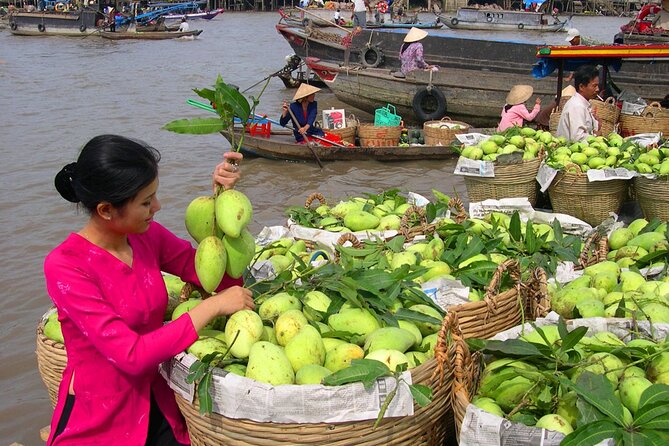
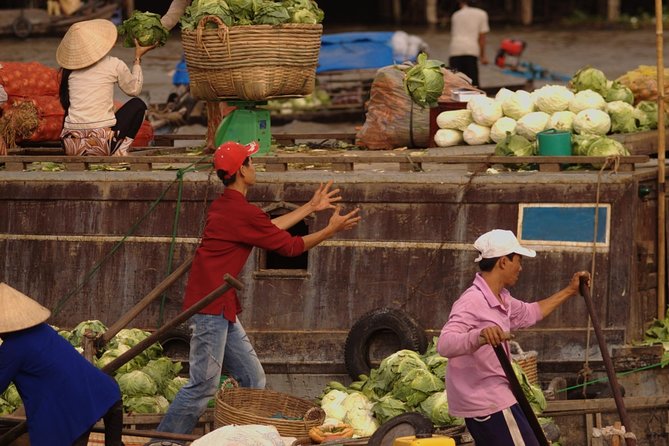
- Sunrise at Cai Rang: boats load up with fruits and vegetables right when the day starts
- Real Mekong transport mix: minivan + sampan + larger boat + bike + kayak in two action-packed days
- Hands-on Southern cooking: learn to make bánh xèo and eat what you cook
- Food production stops: coconut candy workshops and a rice noodle factory visit
- Meals and dietary help: 2 lunches plus 1 hotel breakfast, with vegan food available
The two-day rhythm: why this tour feels full (not rushed)
This is the kind of trip where your day starts early on purpose. Day 2 begins around 6:00am for Cai Rang, which means you’ll go to bed with your phone charged and your breakfast plan sorted. If you hate early mornings, this setup can feel like a price you pay for the best sights.
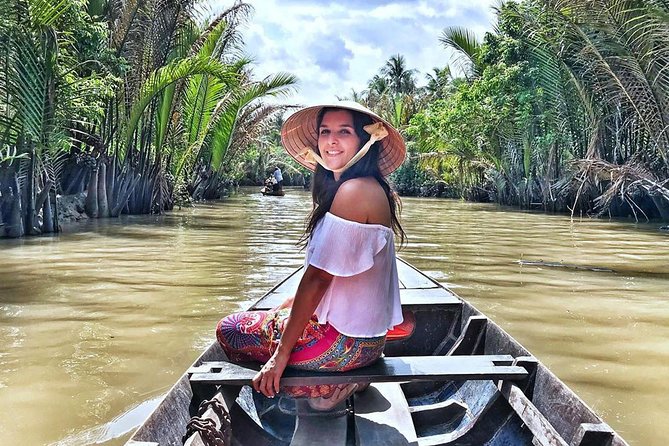
The payoff is variety. You’ll travel by air-conditioned van/bus, then shift to boats and small-water routes through canals. On top of that, you get bike time and a kayak segment (when conditions allow), so you experience the delta from different angles instead of repeating the same “boat, boat, boat” loop.
Group size helps, too. The tour caps at 20 travelers, which tends to make it easier for guides to keep things moving and handle questions. If you’re the type who likes your tour to feel like a guided day out—not a cattle call—this is a solid setup.
You can also read our reviews of more shopping tours in Ho Chi Minh City
Day 1 from HCMC toward My Tho and Ben Tre
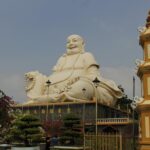
You depart around 7:45am from Ho Chi Minh City, traveling through countryside views like rice paddies and rural villages. There’s a quick culture anchor early: a stop at Vinh Trang Pagoda. It’s a good reset from the city commute and sets the tone for a calmer pace once you reach the waterways.
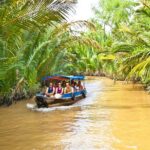
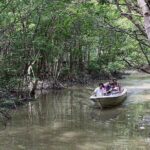
Next comes My Tho, where you get a boat trip along the Mekong River. The quiet part matters here. The delta looks like it’s all distance and water lines until you realize people are living and working along those edges.
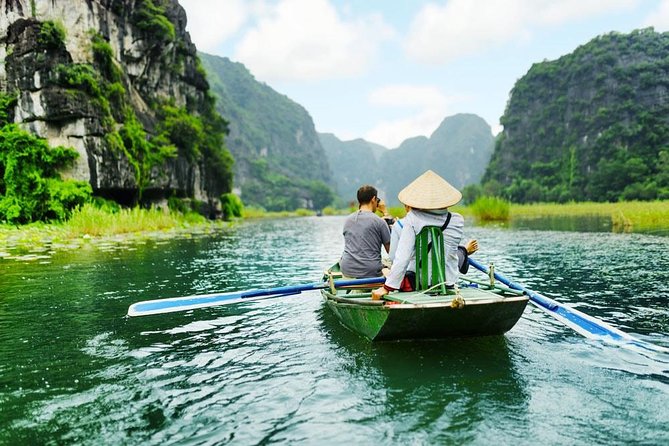
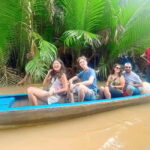
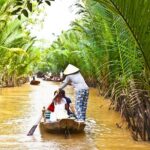
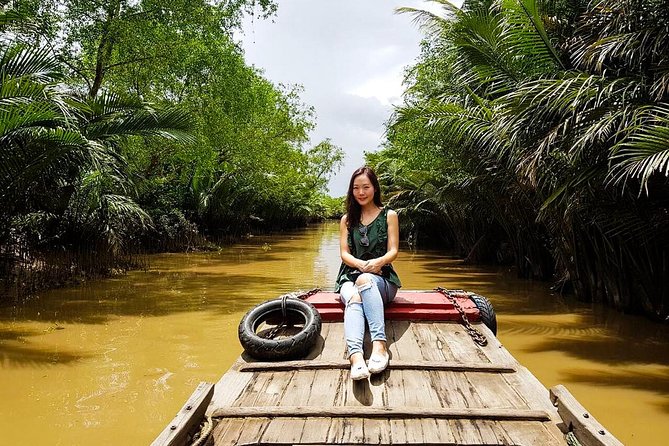
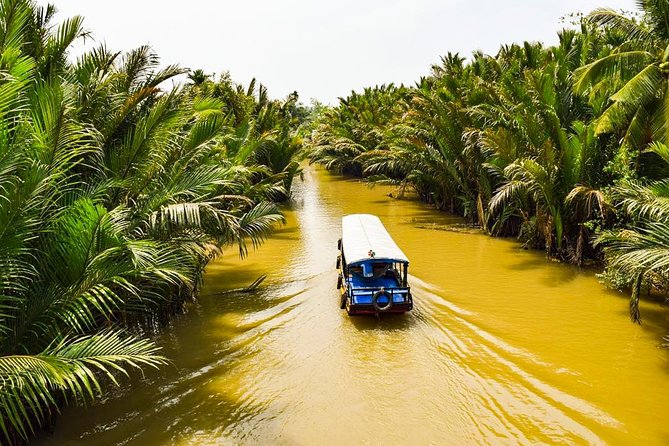
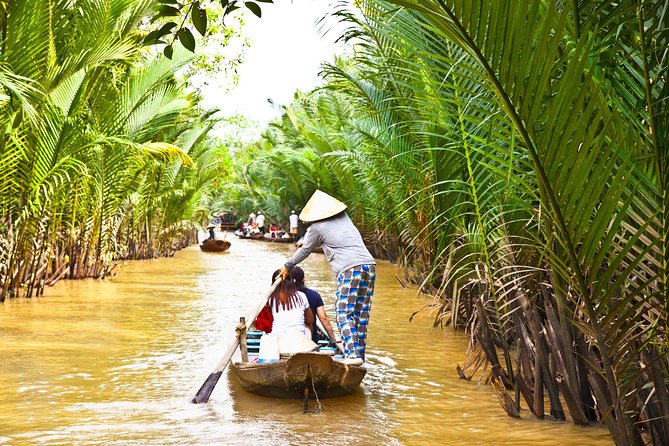
Then you shift into Ben Tre’s coconut-lined canals by sampan. This is one of those segments that tends to feel slower in the best way—small boats, close-to-the-bank views, and a stronger sense of everyday life than you’ll get on a big river cruise.
The food stops are practical and memorable. You’ll visit small workshops where locals make things like coconut candy and other regional specialties. You also get fruit sampling and drinks such as honey tea, plus traditional Southern folk music (the style can be charming—or a bit awkward—depending on your comfort level with live performance).
What I like for your planning: Day 1 gives you context (pagoda, rural scenery) and then trades it for hands-on local production. That makes Day 2’s markets and cooking feel connected instead of random sightseeing.
A possible snag to plan around: the delta is weather-dependent. If rain rolls in, you’ll want shoes and a light layer you can live in. At least one traveler noted rain made the experience feel intense and memorable, so it’s not always a deal-breaker.
Cai Rang Floating Market: sunrise trading and quick market reality
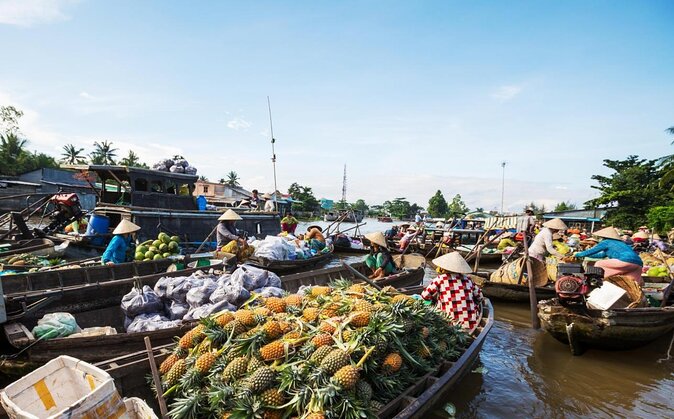
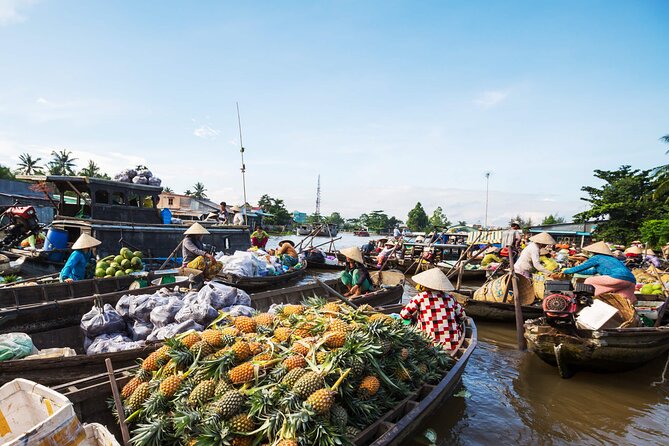
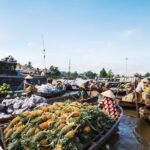
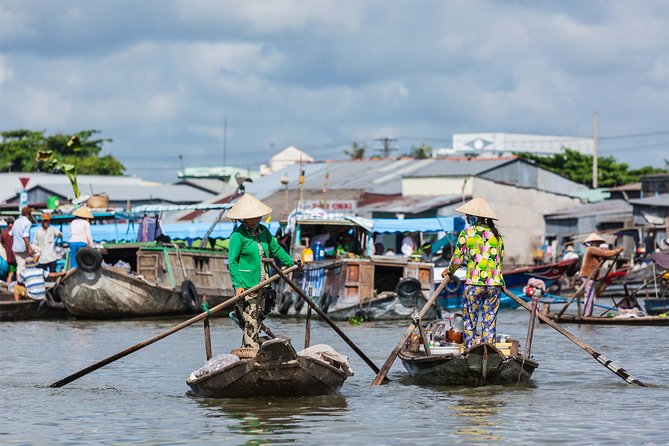
Day 2 starts with an early wake-up at 6:00am, and that timing is everything for Cai Rang Floating Market. This is the moment when boats gather to sell fruits and vegetables, and the river feels like a working road rather than a postcard scene.
After the market, you continue to a rice noodle factory. Watching noodles being made the traditional way is a nice contrast to the floating market. It shifts you from trade on water to craft on land, and it helps explain how local food is actually produced—not just served.
Then there’s a colorful local market stop nearby. This part can be great if you’re comfortable browsing and asking questions. It can also get uncomfortable if you dislike sales pressure. More than one traveler pointed out that people selling goods can be pushy.
How to handle that without killing your mood: look, take photos if you want, but don’t feel obligated to buy. A firm no (quick and polite) is often enough. If you’re sensitive to attention, keep your purchases small and your pace steady.
One important consideration: one review said the floating market was not there as expected. The core lesson is simple—conditions change. Markets can shift, and sometimes the experience isn’t identical to the photos you’ve seen online. When you book, it’s worth asking the provider how they plan to adjust based on local conditions that day.
After checkout: 10 Vo ancient house and the bánh xèo cooking class
Once you return for breakfast and check out, the day pivots to heritage and food skills. You’ll head to the 10 Vo ancient house, a riverside home that shows local architecture and traditions. This stop helps you zoom out a bit and see how households fit into the canal-world.
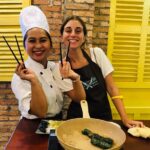
Then comes the cooking lesson. You’ll try making Vietnamese pancakes (bánh xèo), which is one of the best “active” parts of the schedule. It’s not just watching someone cook and moving on. You get your hands involved, and you get to eat what you make.
Meals here matter because they’re included: the tour includes 2 lunches and 1 breakfast at your hotel, and vegan food is available. Multiple reviews specifically praised how dietary needs were handled, so if you’re vegan (or traveling with someone who is), this is a real advantage—not just a checkbox.
What to expect from the pace: this is where the tour gets more “sit-and-learn,” less “run-on-water.” It’s a nice break after the early morning start. If you like food work and want something more than sightseeing, this section is worth the price alone.
Buses, boats, bikes, and kayaks: what’s included and what can change
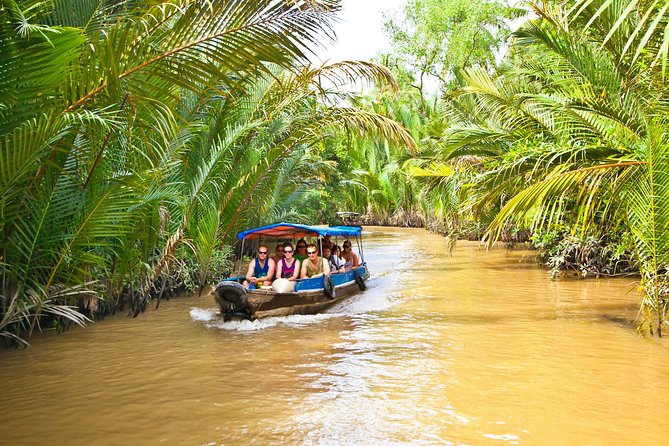
The tour description promises getting around the delta using minivan, bike, kayak, and boat. And in general, that mix is exactly what makes it feel like two days instead of one day split into “morning” and “afternoon.”
However, the delta is the delta. One traveler reported that the kayak tour was cancelled due to low afternoon tide. That doesn’t mean it always happens, but it does mean you should pack the mental flexibility for it. If kayaking is your top priority, ask the operator on booking how they handle cancellations or substitutions when tides are low.
Bike quality is another variable. One review described bikes as old and unsafe, with issues like misaligned wheels and broken pedals and brakes. That’s not a guaranteed outcome—but it is a warning flag. If you’re booking, it’s reasonable to request a quick bike check before rolling out. If something feels wrong, speak up immediately.
The larger pattern from the feedback is this: the tour delivers a lot of activities, but a few parts depend on day-of conditions and equipment quality. You can reduce risk by arriving rested, dressing for rain, and doing a quick gear check when you’re given equipment.
A few more Ho Chi Minh City tours and experiences worth a look

Price and value: why $67.20 can still feel like a deal
At $67.20 per person, what makes this price feel reasonable is what you’re not paying separately. The tour includes:
- Hotel pickup/drop-off in central District 1 (not TanDinh & Dakao)
- Air-conditioned transfers
- An English-speaking guide
- All boat trips
- 2 lunches + 1 hotel breakfast
- A 1-night hotel stay (3-star or 5-star depending on your option)
Many Mekong experiences try to charge extra for transportation, boats, and meals. Here, you’re bundling a lot of that together. You’re also getting overnight time, which matters—Cai Rang only makes sense at sunrise, and that timing often forces a second day.
Hotel upgrade option: You can upgrade to a 5-star hotel if you choose. In one review, a traveler felt the hotel level exceeded expectations for the price. That’s not something you can promise, but it’s a good sign that the accommodation value can be strong depending on your selected option.
Your hotel and room setup: practical details that matter
You stay one night in a 3-star or 5-star hotel depending on the option you pick. The room is typically set up for 2 adults. If you need a triple room, you can request it with no additional charge.
If you book an odd number of guests and need a single room supplement, there’s a $20 USD supplement mentioned for the 3-star hotel option. This is one of those details that can surprise people who think they’re booking only “per person.” If you’re traveling as a group with uneven headcount, check the room math early.
Also note: hotel pickup is only in the center of District 1. If you’re staying outside that area (like TanDinh or Dakao), you may need to get yourself to the meeting zone or confirm your pickup arrangement before you show up.
Who should book, and who should skip
This is a great match if you want:
- A multi-activity delta experience in just two days
- Food stops that teach you how local products are made (like coconut candy and rice noodles)
- A hands-on cooking class with bánh xèo
- An English-speaking guide, especially if you enjoy learning as you go
You might want to skip it (or be extra selective) if:
- You hate early mornings or don’t handle long travel days well
- You’re very sensitive to sales pressure in markets
- You need guaranteed kayaking no matter what (conditions can change)
- You want a “quiet nature-only” vibe. Some river visuals can include visible waste, and one review specifically mentioned plastic as disappointing.
Should you book this Mekong Delta & Cai Rang tour?
If your idea of a great trip is movement + food + local life, I’d say yes, book it. The combination of sunrise Cai Rang, production stops, and the bánh xèo class hits a sweet spot for value at around $67, especially since hotel sleep and meals are included.
Just go in with smart expectations. The delta is a working region, not a theme park, so market pressure and equipment quality can vary. If you care about kayaking, ask what happens if water levels are low. If you don’t like live performances or sales interactions, plan to keep your distance when needed and focus on the parts that match your style.
FAQ
What time does the tour start in Ho Chi Minh City?
The tour departs around 7:45am from the meeting point in District 1.
Where does pickup and drop-off happen?
Pickup and drop-off are offered in the center of District 1. It specifically notes that it is not pickup in TanDinh & Dakao, and the tour ends back at the meeting point.
What meals are included on the 2-day tour?
You get 2 lunches and 1 breakfast at the hotel. Vegan food is available.
Is there an overnight stay included?
Yes. The tour includes 1 night in a 3-star or 5-star hotel, depending on the option selected.
What happens on Day 2 at the floating market?
Day 2 includes a visit to Cai Rang Floating Market at about 6:00am, plus a stop at a rice noodle factory and a nearby local market.
Can I expect kayaking to always run as planned?
The tour description includes a kayak segment, but one review reported the kayak part was cancelled due to low afternoon tide. Since conditions can affect it, it’s smart to be flexible.