REVIEW · HO CHI MINH CITY
Ho Chi Minh City Half Day or Full Day Tour
Book on GetYourGuide →Operated by Asian Travel Discovery · Bookable on GetYourGuide
Saigon hits you with contrasts fast. This half-day to full-day tour strings together big landmarks, heavy history, and a relaxing river ride.
I like that it’s built for efficiency without feeling like a stampede. You cover Independence Palace, the War Remnants Museum, and French-colonial sights, then you shift gears to Chinatown and finish on the water.
What I like most: you get context, not just photos. And the walk through Chinatown in Districts 5 and 6 feels like the real daily city, not a staged performance.
The one thing to watch: the day can run long if pickup and water-bus ticket timing aren’t handled smoothly, so you’ll want to stay flexible with your schedule.
In This Review
- Key highlights you’ll actually feel
- How this tour stacks up: car, walking, and a river escape
- Independence Palace: French-era design meets political history
- War Remnants Museum: emotional weight, clear takeaways
- Notre Dame Cathedral and the Saigon Central Post Office by Eiffel
- Lunch in local Saigon: included, but optional
- Chinatown’s Cho Lon and Binh Tay Market in Districts 5 and 6
- Thien Hau Pagoda: incense, prayer, and sea goddess tradition
- Saigon Water Bus from Bach Dang Wharf: the views that change the day
- Price and value: what $30 gets you (and what it doesn’t)
- Guide quality matters: language and flow
- Who should book this tour, and who might skip it
- Should you book this Ho Chi Minh City car-and-water-bus tour?
- FAQ
- How long is the Ho Chi Minh City half-day or full-day tour?
- What does the tour cost?
- What are the main stops on the itinerary?
- Do I get hotel pickup and drop-off?
- Is lunch included?
- What language options are available for the guide?
- Is the Saigon Water Bus included in the tour?
Key highlights you’ll actually feel
- Independence Palace: French-influenced rooms plus story-driven stops in public halls and secret chambers
- War Remnants Museum: powerful exhibits and artifacts that hit hard but explain the human cost
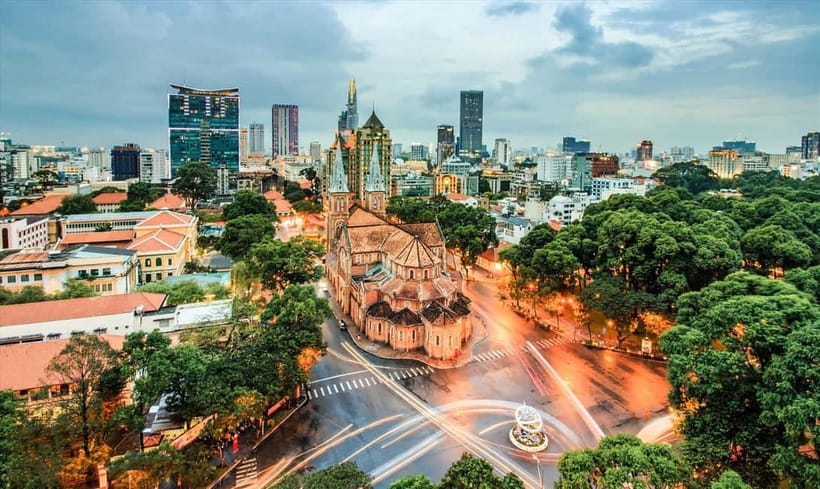
- French colonial icons: Notre Dame Cathedral and the Eiffel-designed Central Post Office
- Cho Lon / Binh Tay Market: wholesale-market energy in Chinatown’s Districts 5 and 6
- Thien Hau Pagoda: incense-filled halls and a sea goddess temple that locals treat seriously
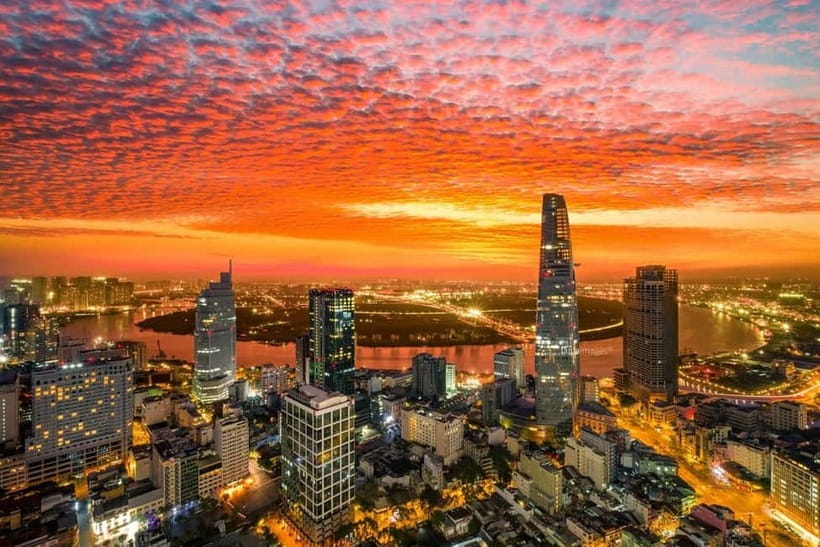
- Saigon Water Bus from Bach Dang Wharf: river views with modern landmarks like Landmark 81 and Thu Thiem Bridge
How this tour stacks up: car, walking, and a river escape
This itinerary is designed like a route you can finish in one go. You start by car with hotel pickup in central Saigon, which matters because Ho Chi Minh City traffic can turn a simple plan into a long one. Then you do focused walking and museum time, and you end with a water-bus ride along the Saigon River.
For me, the smart part is the pacing. You get morning sights that are architectural and historical, then you move into Chinatown where the atmosphere changes from government buildings to markets and temple smoke. Finally, the water bus lets your brain cool down. It’s not just a ride; it’s a viewing angle you can’t get from the road.
If you hate waiting, keep one eye on timing. On some departures, people have reported confusion around pickup coordination and river ticket organization. Nothing about the itinerary itself requires delays, but your best move is to be ready to roll with small schedule shifts.
You can also read our reviews of more city tours in Ho Chi Minh City



Independence Palace: French-era design meets political history
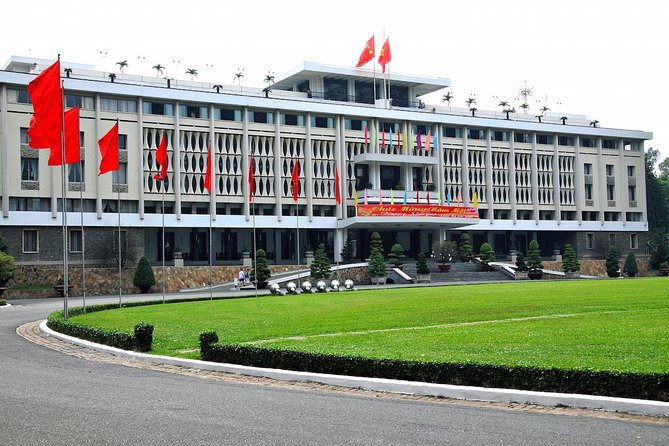
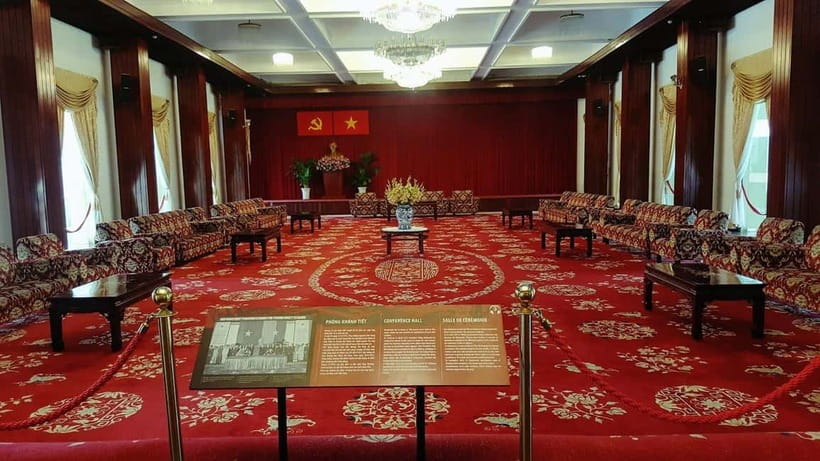
Your day typically opens at Independence Palace (Reunification Palace). This place is a symbol of Vietnam’s past and resilience, and you’ll see why quickly. The building blends grand architecture with rooms that feel formal and intentional—then your guide connects what you’re seeing to what leaders did there.
What makes this stop worth your time is the way the palace isn’t just photographed from the outside. You’re meant to walk through key public spaces and also hear about less ordinary areas, like secret chambers. Even if you’re not a politics person, the stories help your visit feel grounded in real decision-making, not vague history.
Practical tip: wear shoes you can walk in comfortably. There’s enough moving around that your feet will tell you what’s right.
War Remnants Museum: emotional weight, clear takeaways
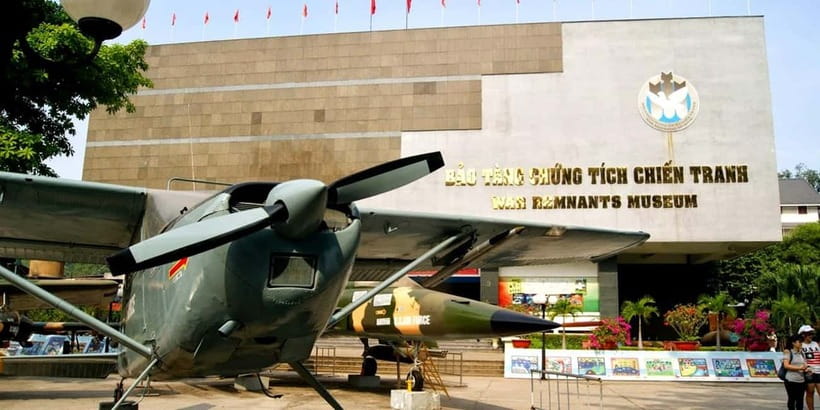
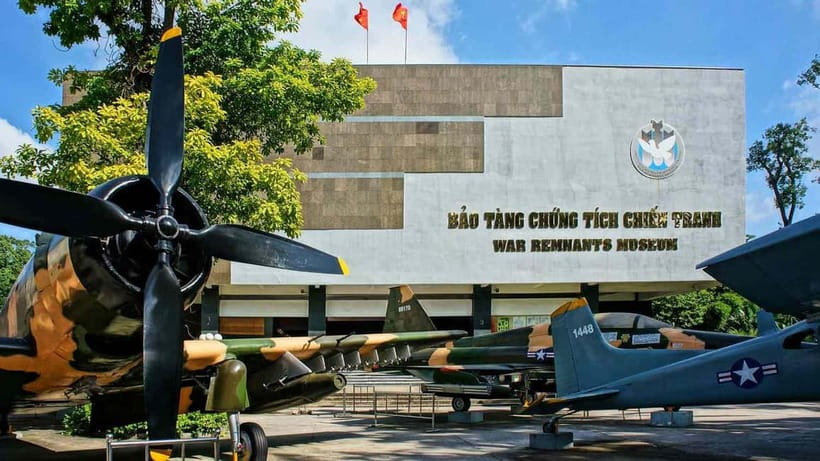
Next comes the War Remnants Museum, and it’s not a quick look-and-leave stop. Expect exhibits, historic photographs, and authentic wartime artifacts that put a spotlight on the struggles, pain, and courage of Vietnamese people during conflict.
This museum is one of the most important parts of the tour because it forces the timeline into human terms. The architecture and cathedral stops can give you a sense of heritage and beauty. The museum gives you the cost behind the country’s modern identity.
Possible drawback: you’ll feel it. This is heavy content. If you’re traveling with kids or anyone who gets overwhelmed easily, it may help to go slower, take short breaks in calmer spaces if your guide allows it, and don’t try to power through everything at once.
Notre Dame Cathedral and the Saigon Central Post Office by Eiffel
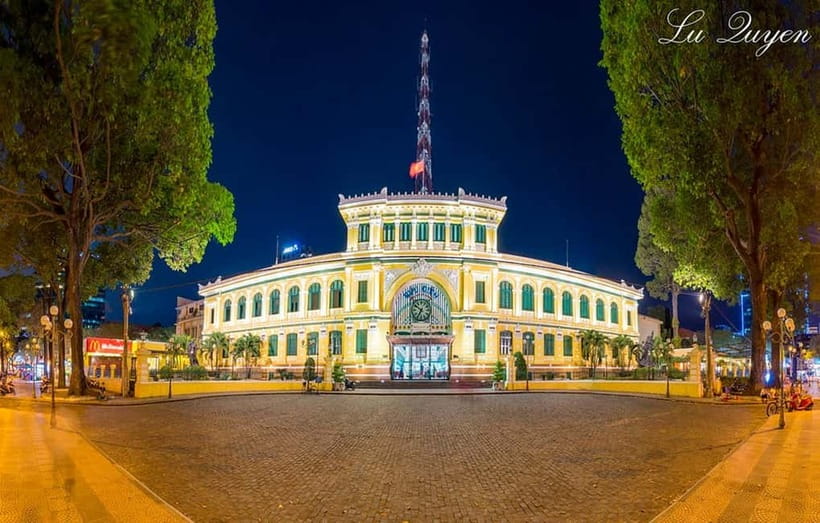
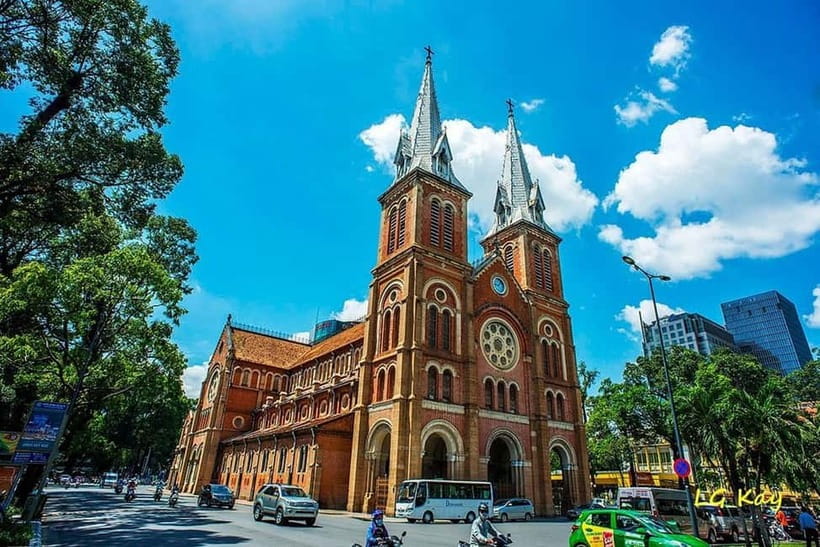
After the museum, the tour shifts back toward landmarks you can recognize and enjoy, starting with Saigon Notre Dame Cathedral, also called the Cathedral of the Virgin Mary. Locals love it, and you’ll often see couples taking photos here—so don’t be surprised if you’re sharing the space with wedding-style energy.
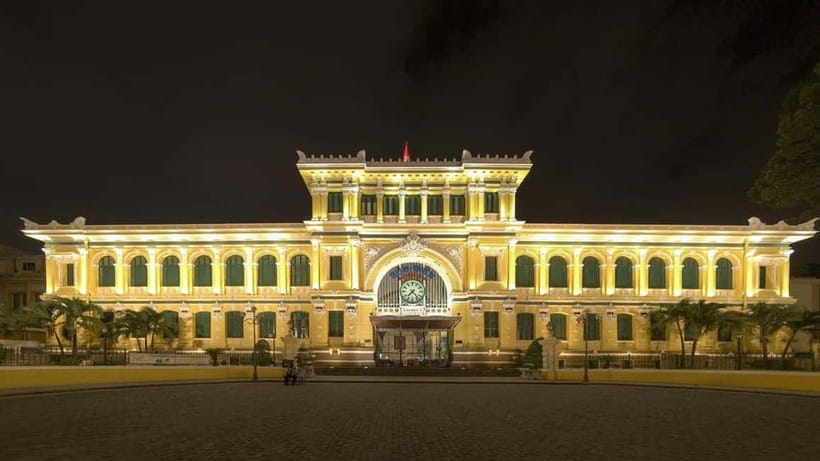
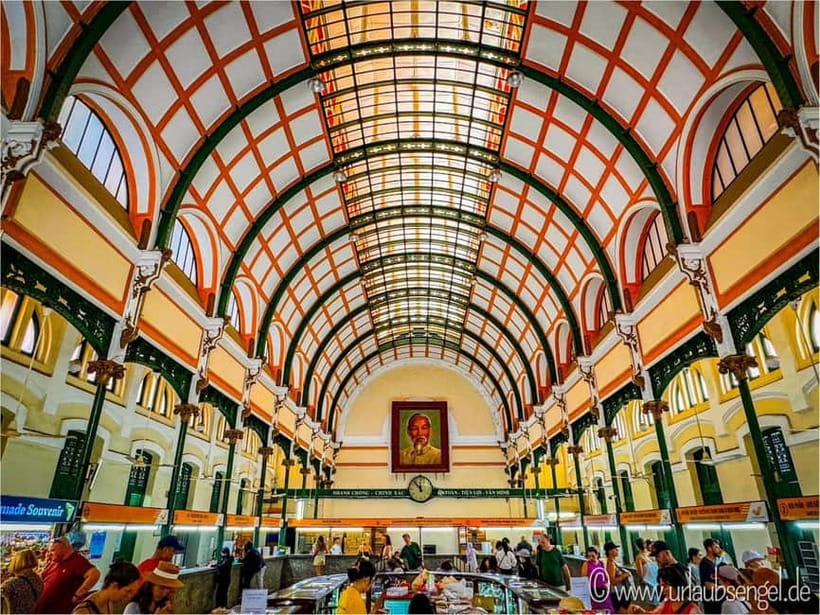
Across the street you’ll reach the Central Post Office, known for its classic French colonial design. The standout detail here is that it was designed by Gustave Eiffel, the same mind behind the Eiffel Tower. You’ll notice the ornate patterns and the grand, indoor-feeling layout that makes the building feel like a time machine.
For many people, this stop becomes the moment where the tour feels fun again. It’s not lightweight history, but it’s a relief after the museum. Also, if you like architecture, this is a high value pairing because both stops are close enough that the day doesn’t waste time traveling.
Lunch in local Saigon: included, but optional
Then you typically get a lunch break at a local restaurant. Lunch is listed as optional in what’s included, so it’s worth checking ahead of time what your exact package covers.
What I like about having lunch built into the plan is simple: you’re not left scrambling for food mid-day. Still, because the tour includes guided time later in Chinatown and then a river ride, you’ll want to pace your meal so you don’t feel too heavy for walking and temple visits afterward.
If you’re picky about spice or stomach timing, tell your guide beforehand. A good guide can often nudge the order toward something that works for your comfort.
A few more Ho Chi Minh City tours and experiences worth a look




Chinatown’s Cho Lon and Binh Tay Market in Districts 5 and 6
In the afternoon you head to Cho Lon / Binh Tay Market in Chinatown, mainly covering Districts 5 and 6. This is one of the tour’s strongest “real city” moments.
You’ll walk among market stalls and see how the Vietnamese-Chinese community has thrived there for generations. Even if you don’t buy much, the experience teaches you how commerce shapes neighborhood life. It also helps you connect the dots: war-era history and colonial architecture earlier in the day now make sense inside a living city system.
What to keep in mind: markets can be loud and crowded. If you get overwhelmed easily, move slowly, keep your phone secure, and focus on watching rather than trying to “do everything” in your head.
Thien Hau Pagoda: incense, prayer, and sea goddess tradition
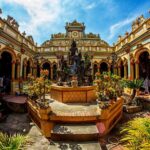
Right after the market, you visit Thien Hau Pagoda, described as one of the oldest and most sacred temples in Chinatown. It’s dedicated to the Goddess of the Sea, and locals come here to pray for peace, luck, and prosperity.
This stop balances the market’s street-level energy with a quieter, more ritual-focused atmosphere. You’ll see intricate temple architecture and incense-filled halls. It’s a good moment to slow down and let the day make sense through local beliefs rather than only through museums and official buildings.
Practical note: be respectful with how you dress and behave inside religious spaces. If you’re unsure, follow what locals are doing—then you can’t really go wrong.
Saigon Water Bus from Bach Dang Wharf: the views that change the day
The final act is the most relaxing: ending at Bach Dang Wharf and boarding the Saigon Water Bus. This is where you glide along the river and start seeing the city in layers—historic edges mixed with modern shapes.
As you ride, you pass major sights like Landmark 81 and Thu Thiem Bridge, which helps you understand how fast Ho Chi Minh City is still changing. From the water, the skyline looks like a story told in steel and concrete, while the river keeps the mood grounded.
If you’re sensitive to waiting, this is also the part you’ll want to watch. On some days, people have reported delays when water-bus tickets weren’t organized as smoothly as they should be. Your best prevention: arrive calm, follow the guide’s instructions closely, and avoid stacking another plan right before or right after the river time.
The tour typically drops you back around 6:00 PM at your hotel or meeting point.
Price and value: what $30 gets you (and what it doesn’t)
At $30 per person, this tour can be good value because you’re paying for more than sightseeing. Your day includes:
- Pickup and drop-off at center of Saigon
- a friendly, professional tour guide
- an English-speaking guide (and other languages are available with surcharge)
- AC car transport
- entrance fees
- bottled water on the car
- and lunch (optional, depending on your exact setup)
What you should budget separately: toll fees aren’t included, and holiday surcharges in Vietnam may apply.
Is it worth it? If you want French colonial icons, a major museum visit, Chinatown market time, and an actual river ride all in one organized package, yes. If you only care about one or two highlights, you might save money by doing those as individual stops. But this route’s strength is that it compresses a lot of different Saigon moods into one day.
Guide quality matters: language and flow
The experience can rise or fall based on the guide. On some runs, guides have been described as patient, careful with explanations, and very solid at guiding small groups through tough material. Names you might see include Soli, who has been praised for being patient and explaining everything well.
On the flip side, English comprehension can vary by departure. Some people have reported that the guide’s English was hard to understand, which matters because this itinerary isn’t just about locations; it’s about how the guide connects dots between architecture, politics, and community life.
My practical advice: pick a language option you can handle comfortably, and if you’re not fluent in English, confirm the language arrangement clearly before you leave. Also, if you join as a private group, you can sometimes reduce the chance of delays caused by larger pickup coordination.
Who should book this tour, and who might skip it
This tour is ideal if you want a high-impact overview of Saigon without spending your day routing taxis and guessing opening times. It’s also a strong choice if you like a mix of:
- French colonial architecture
- serious museum content
- real market energy in Chinatown
- and river views at the end
You might consider skipping or adjusting the plan if:
- you prefer only light, fun stops and would rather avoid heavy war content
- you need a perfectly timed schedule with zero flexibility
- you’re traveling with someone who gets overwhelmed in museums or crowded markets
Should you book this Ho Chi Minh City car-and-water-bus tour?
I think you should book it if you want one organized day that moves through Independence Palace, the War Remnants Museum, French-colonial landmarks, Chinatown market life, and then ends with a relaxing Saigon Water Bus ride.
Before you go, do two things: wear comfortable walking shoes, and keep your expectations flexible around timing—especially near the water-bus ticket moment. If you can match those two, this tour gives you a memorable cross-section of Ho Chi Minh City in a way that’s hard to replicate on your own without extra hassle.
FAQ
How long is the Ho Chi Minh City half-day or full-day tour?
The duration is listed as 4 hours up to 1 day, depending on starting times and the schedule for that day.
What does the tour cost?
The price is $30 per person.
What are the main stops on the itinerary?
You’ll visit Independence Palace, the War Remnants Museum, Saigon Notre Dame Cathedral, Saigon Central Post Office, Cho Lon / Binh Tay Market, Thien Hau Pagoda, and then ride the Saigon Water Bus from Bach Dang Wharf.
Do I get hotel pickup and drop-off?
Yes. Pickup and drop-off are included at center of Saigon.
Is lunch included?
Lunch is listed as optional.
What language options are available for the guide?
English is available, and other languages listed include Chinese, French, Japanese, Italian, Spanish, Korean, German, and Russian (with a surcharge for other languages).
Is the Saigon Water Bus included in the tour?
Yes. You board the Saigon Water Bus at Bach Dang Wharf as part of the tour, and you’ll pass sights like Landmark 81 and Thu Thiem Bridge during the ride.