REVIEW · HO CHI MINH CITY
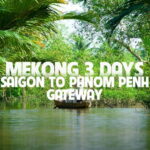
Mekong Delta 3-Day: Saigon to Phnom Penh Gateway
Book on Viator →Operated by TNK Travel · Bookable on Viator
Mekong Delta to Cambodia in three busy days. I like the boat-heavy pace and the chance to see real life along the waterways, from Cai Be on the Tien River to the Cai Rang floating market. I also like that you’re not just watching from afar; the included English-speaking guide helps connect the dots on customs and daily routines. One thing to consider: the days are long and moving—expect plenty of bus time and a few stops that feel short, so you’ll want a flexible attitude.
I’d call this a strong value trip if your goal is to cover a lot of ground without planning bus schedules and ticket changes yourself. It’s also a small-group tour (max 25) with hotel pickup in central District 1 spots (with a couple of ward exceptions). If you’re sensitive to upsells, some short “buy this now” moments can pop up, and food quality can vary by stop—good enough for most people, but not always restaurant-level.
In This Review
- Key Things Worth Knowing Before You Go
- Price and What You’re Really Paying For
- How the Vietnam-to-Cambodia Flow Works
- Starting Morning in Ho Chi Minh City: Pickup and Timing
- Cai Be on the Tien River: Old-Style Trading Meets Quiet Villages
- Ông Kiệt House: Architecture You Can Actually Walk Through
- Tan Phong: Coconut Sweets, Rice Popcorn, and Canal Views
- A Mekong Garden Lunch and a Bicycle Ride on Dirt Trails
- Evening Boat Back and Transfer Toward Can Tho
- Cai Rang Floating Market: Morning Energy Plus a Noodle-Making Stop
- Munir Ansay Pagoda and Khmer Cultural Details
- Cồn Sơn: Community Crafts and Eco-Tourism in a Single Hour
- Tra Su Bird Sanctuary near Chau Doc: The Nature Stop People Remember
- Mieu Ba Chua Xu and Nui Sam: A Temple Stop That’s Short but Big
- Chau Doc and the Cham Village: Culture on the Water
- Long Xuyên: A More Local Meal Moment
- Getting From Your Last Stop Back to Ho Chi Minh City
- Accommodation: Basic 3-Star or an Option You Pick
- Group Size, Guides, and the Big Role They Play
- Practical Tips to Make This Tour Feel Worth It
- Should You Book This Mekong Delta to Phnom Penh Gateway Tour?
- FAQ
- Is hotel pickup included?
- What time does the tour start?
- How big is the group?
- What meals are included?
- What kind of accommodation will I get?
- Do I need anything for the Phnom Penh connection?
- Does the tour include a guide and transport?
Key Things Worth Knowing Before You Go
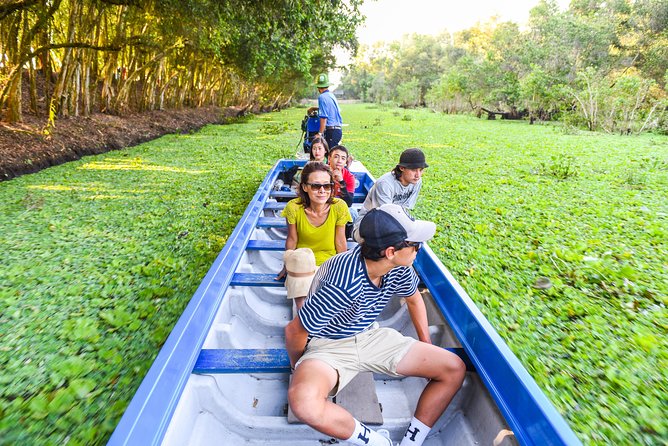
- Boat time is the core experience: expect Tien River and Bassac River rides plus canal cruising, not just a drive-by.
- Floating markets are paired with culture: Cai Rang includes a noodle-making stop, plus temple visits the same day.
- Tra Su and the bird sanctuary are the nature payoff: mangrove ecosystem scenery near Chau Doc is a highlight for many.
- You’ll likely do a lot of sitting: long travel stretches show up, even though there are frequent boat stops.
- Cambodia transfer is built in (optional): you can connect onward toward Phnom Penh by fast boat or bus based on availability.
- Guides can make or break the vibe: the tour has strong guide praise, including names like Sunny, Tom Cruz, John, and Gordon.
Price and What You’re Really Paying For
At $261 per person, this tour isn’t “cheap” the way a basic day trip might be. But when you break it down, you’re paying for a packaged route that strings together transport, guided stops, and multiple meals over three days—plus an optional link toward Phnom Penh with fast boat or bus service.
You also get hotel pickup in central areas and air-conditioned vehicle support, which matters in the Mekong Delta heat. And most days include at least one or two admissions/entrances, plus mineral water (1 bottle/day). For me, the best value part is that you’re not spending your time arranging the handoffs from Vietnam into Cambodia logistics.
The one price-related caution: if you’re hoping for lots of free time, this is not that style. You’ll cover many places, so you’re buying convenience and momentum more than slow travel.
A few more Ho Chi Minh City tours and experiences worth a look
How the Vietnam-to-Cambodia Flow Works
This is based in Ho Chi Minh City and runs for about three days, finishing with a transfer back toward Ho Chi Minh City. The key “fork in the road” is whether you choose the optional exit to Phnom Penh.
If you do opt to go to Phnom Penh, the package includes a fast boat go to Phnom Penh (as an option) and/or fast boat or bus ticket to Phnom Penh depending on real-time availability. The tour also notes that you’ll need to provide a passport photo for the boat service to Cambodia before departure, so don’t treat that as a last-minute detail.
Why this matters: a lot of travelers get stuck when they try to DIY the Vietnam-to-Cambodia timing. This arrangement reduces the number of separate tickets you have to coordinate, which is especially helpful if you don’t want to spend your day in offices or at bus terminals.
Starting Morning in Ho Chi Minh City: Pickup and Timing
The start time is 7:45am, with hotel pickup for centrally located hotels in District 1, except the Tan Dinh ward and Da Kao ward areas. The tour is set up so you can meet close to public transportation, and you’ll get a mobile ticket.
What to do with this info: if you’re staying just outside District 1, double-check whether pickup covers your exact location. Also, plan for an early start—some feedback mentions getting moving around 6:30–7am after breakfast expectations, which lines up with the 7:45am start.
If you hate mornings, pack patience. If you’re fine with early starts, you’ll enjoy the advantage: you get to experience markets and waterways before the full day crowds.
Cai Be on the Tien River: Old-Style Trading Meets Quiet Villages
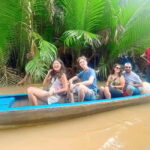
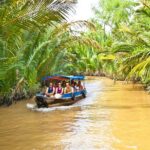
Cai Be is where the tour starts to feel like the Mekong Delta you pictured. You travel from Ho Chi Minh City toward Cai Be in the morning, then you head out by boat for a Tien River ride.
This stop matters because Cai Be isn’t just scenery—it’s about how waterways used to shape commerce. You’ll see the evolution of local river life, including changes around what used to be a busy floating market. Even if the scene isn’t always what you expected from social media photos, it’s still a strong “then and now” lesson in how the delta adapts.
What I like here is that you’re on the water quickly, and the pace feels natural: boat time, observation, then a shift into land-based village culture.
Possible drawback: river rides can vary in comfort depending on boat conditions and the day’s travel pace, so bring sun protection and expect a bit of wind and spray.
Ông Kiệt House: Architecture You Can Actually Walk Through
Next comes a visit to the ancient house of Ông Kiệt. This is a short stop (about 30 minutes), but it gives you something hands-on. You’re looking at preserved antique architecture and the way local building styles reflect the region.
Why it’s worth your time: after hours of transport and river viewing, a physical interior stop helps you “reset your brain.” It also gives context for how families lived and worked in delta villages, not only how they traveled.
In practical terms, keep your expectations realistic: it’s not a museum-day. It’s more like a focused look at craftsmanship and heritage details.

Tan Phong: Coconut Sweets, Rice Popcorn, and Canal Views
Tan Phong is two stops in one theme: food craft and quiet waterways.
- You’ll visit a family-run confectionery where coconut sweets and rice popcorn are made. It’s usually quick, but it’s the kind of stop where you see how simple ingredients become an actual product people rely on.
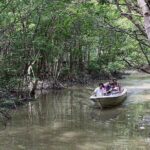
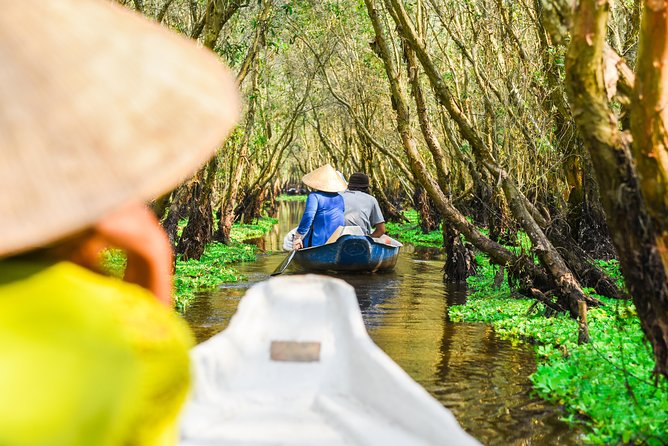
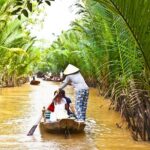
- Then you’ll go through a canal ride through the upper Mekong Delta—narrow waterways with water coconut palms and water lilies noted in the program details.
I like that Tan Phong blends “taste” with “place.” Food is rarely the only activity; it’s tied to where the ingredients come from and how life works in the delta.
Watch-outs: food stops can sometimes feel like a sales pitch if you’re not in a buying mood. You can still enjoy the demonstration without committing to purchases.
A Mekong Garden Lunch and a Bicycle Ride on Dirt Trails
Midday includes a meal in a garden setting, described as a spot with tropical fruits and herbs. You’ll eat something made from locally sourced ingredients (as the program says), then you may head out for a short bicycle ride.
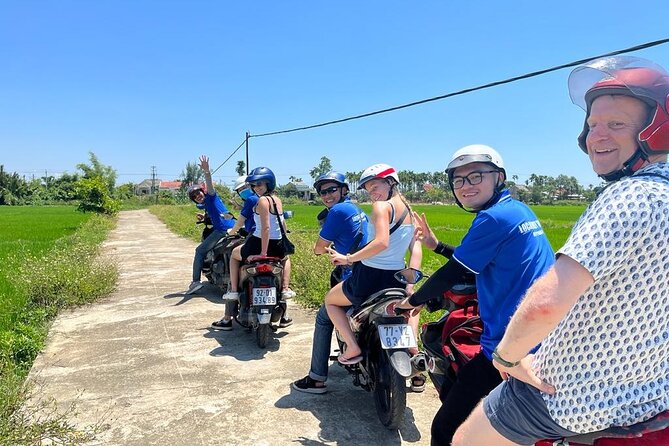
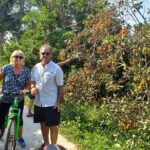
The bicycle part is on dirt trails through island countryside—palms, rice paddies, and fruit groves. This is one of the more “I’m actually here” moments of the tour because you’re moving under your own steam rather than just sitting on a vehicle.
Who this suits: active travelers who like short, controlled challenges (and don’t mind uneven ground). Who should think twice: anyone with mobility limits or who gets nervous in moving bikes. You don’t need to be an athlete, but you do need balance and comfort with rural surfaces.
Evening Boat Back and Transfer Toward Can Tho
After lunch and cycling, there’s a sunset-leaning boat ride back toward Cai Be. Then a private car transfers you to Can Tho City for hotel check-in.
This part works well if you like having the day end with water time, not another hour of bus travel right away. But it also means you’ll likely be switching gears often—boat to car, then check-in, then the next morning schedule.
Cai Rang Floating Market: Morning Energy Plus a Noodle-Making Stop
Day two starts with a breakfast, then you head out for a boat excursion along the Bassac River to the Cai Rang floating market.
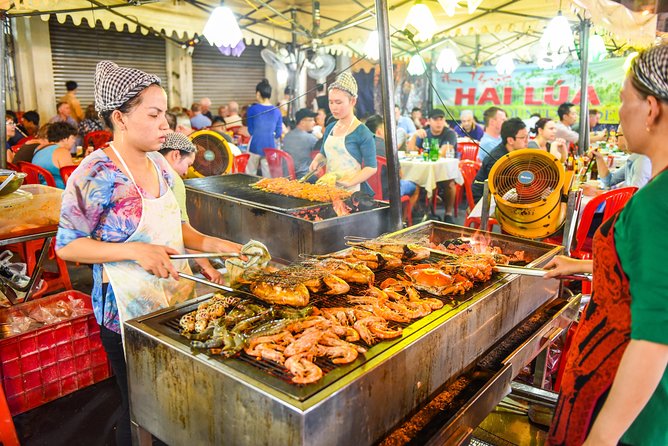
Floating markets can be chaotic on paper. Here, the program mixes observation with smaller cultural moments. The tour also includes a traditional noodle factory visit where you can see how rice noodles are made from raw to finished product.
Why that pairing is smart: you don’t just see commerce. You see the ingredient process behind it. It’s the difference between a photo opportunity and learning how a food system actually works.
Practical tip: markets are warm, and boats get bumpy. Wear comfortable shoes and keep a hat handy.
Munir Ansay Pagoda and Khmer Cultural Details
Next is the Munir Ansay Pagoda (a Khmer Buddhist temple) with time for Khmer artistry and murals. This stop adds cultural variety so the delta isn’t only boats and food.
For many visitors, this temple moment helps connect the region’s cultural mix—Vietnamese and Khmer influences show up in art, worship styles, and architecture. If you like religious sites, treat this as a meaningful pause.
Cồn Sơn: Community Crafts and Eco-Tourism in a Single Hour
Then you’ll visit Cồn Sơn, with a boat journey and a focus on community-led, eco-conscious tourism. You’ll see crafts maintained through family initiatives.
This is a short stop (about an hour), so don’t go in expecting a full-day rural program. But it’s a useful check-in: the delta is also about how people earn income now and protect local environments.
Tra Su Bird Sanctuary near Chau Doc: The Nature Stop People Remember
Mid-to-late day heads toward Tra Su Bird Sanctuary near Chau Doc, described as a mangrove ecosystem. This is one of the most praised parts of the overall experience, largely because it feels different from the markets.
The program frames Tra Su as a place where you’re surrounded by mangrove scenery and wildlife up close. Whether birds are abundant that day depends on timing and weather, but the environment itself is the main draw.
What to bring: bring insect repellent and long sleeves if you’re sensitive. Also bring water—mangrove walks can feel warmer than open river areas.
Mieu Ba Chua Xu and Nui Sam: A Temple Stop That’s Short but Big
After Tra Su, you visit Mieu Ba Chua Xu Nui Sam Temple (Ba Chua Xu Temple), described as a Vietnamese pilgrimage site. It’s a relatively short visit (around 20 minutes) but adds a spiritual layer after the nature stop.
If you’re the type who likes a bit of quiet after busy sightseeing, this can work as a calmer break.
Chau Doc and the Cham Village: Culture on the Water
On the third day, the program connects with Chau Doc, with an optional stop to continue onward toward Phnom Penh at a boat meeting point.
You then visit Hang Pagoda (Chua Hang) on Sam Mountain, with a climb through lush greenery and time in the temple area. Next comes a look at the floating village and Cham Village, with cultural heritage tied to the Cham people and the Mekong Delta region.
Why this part is valuable: it shifts the story from markets and farms into how communities live with water as a daily environment. Even if you’re only there briefly, it’s a clear reminder that the delta is home, not just scenery.
Long Xuyên: A More Local Meal Moment
Long Xuyên is included for an authentic meal stop described as Western provinces’ cuisine made with fresh regional ingredients. It’s about an hour, and the program notes a local restaurant setting.
Food note based on real expectations: some guests liked the meals, while others found lunch quality variable or served cold at certain stops. Your best strategy is to stay flexible and treat included meals as part of the experience, not as a guarantee of top-tier restaurant cooking.
Getting From Your Last Stop Back to Ho Chi Minh City
The tour wraps by transferring you back toward Ho Chi Minh City, ending the cross-border-to-home loop. If you’re continuing your travel in Vietnam, you’ll likely appreciate having a planned return rather than figuring it out after three action-packed days.
Accommodation: Basic 3-Star or an Option You Pick
Accommodation is described as twin or double share basic in 3-star hotels or similar, and the program says you have a choice of accommodation.
Some versions also include a homestay-style night. That’s not the same as a hotel: expect basic arrangements rather than comfort-level perks. The upside is the social side—sharing meals and living spaces with local hosts and other group members.
So how do you choose? If you want comfort and predictable sleep, pick the hotel. If you want human interaction and a more local rhythm, choose the homestay option when offered.
Group Size, Guides, and the Big Role They Play
This is a group tour with a maximum of 25 people. That’s small enough to hear your guide, but large enough that you’ll still experience the “move as one group” feeling.
The operator includes a local English-speaking tour guide. In the strongest feedback, guides like Sunny, Tom Cruz, John, and Gordon are praised for being fun and helpful—often described as energetic and clearly focused on making the day work.
If you get a guide who keeps you informed about timing, it makes the whole experience easier to enjoy. If communication is patchy, the tour can feel more hectic than it needs to be.
Practical Tips to Make This Tour Feel Worth It
Here’s what I’d do before you go, based on how the experience tends to run:
- Pack a small day bag: water, sunscreen, a hat, and a light layer for AC vehicle rides.
- Expect early mornings and long travel days: build in a slower evening plan.
- Bring charging solutions: one comment noted buses sometimes lacking charging ports, so a power bank can save you.
- Keep your spending flexible: some stops can come with prompts for tipping boat workers or quick purchases. You can enjoy the moment without feeling trapped—just decide your comfort level ahead of time.
- Plan for short stops: the tour squeezes in a lot. If a stop hits your interests, use the time you have well—photos, quick questions, and a calm walk.
Should You Book This Mekong Delta to Phnom Penh Gateway Tour?
Book it if you want a guided, boat-led Mekong Delta trip that also reduces Vietnam-to-Cambodia transfer stress. It’s a great fit for first-timers who want floating markets, temples, and nature in a short timeframe, and who are okay trading a bit of slow pacing for convenience.
Skip it (or at least rethink it) if you hate long days, short stop windows, and the occasional sales/tip moment at craft or market stops. This is not a quiet retreat. It’s an active route where logistics are handled for you, but you’re still on the move a lot.
If your biggest priority is one “perfect” market or one long nature session, you might prefer a narrower tour. If your priority is covering the delta’s highlights plus connecting toward Phnom Penh, this one is built for that.
FAQ
Is hotel pickup included?
Yes. Pickup is included for centrally located hotels in District 1 (with exceptions for Tan Dinh ward and Da Kao ward).
What time does the tour start?
The start time is 7:45am.
How big is the group?
The group tour has a maximum size of 25 travelers.
What meals are included?
Breakfast is included 2 times, lunch is included 2 times, and there is dinner included. Other meals are not listed as included.
What kind of accommodation will I get?
Accommodation is described as twin or double share basic with a 3-star hotel or similar, and you have a choice of accommodation type.
Do I need anything for the Phnom Penh connection?
If you choose the optional boat service to Phnom Penh, you’ll need to provide a passport photo of each traveler before the departure date. Visa to Cambodia is not included.
Does the tour include a guide and transport?
Yes. You get a local English-speaking tour guide plus an air-conditioned vehicle. The program also includes boat trips on the Mekong Delta and mineral water (1 bottle/day).