REVIEW · HO CHI MINH CITY
Mastering Egg Coffee-Course on 4 traditional types of Viet coffee
Book on Viator →Operated by The Provincial Table Cooking Class · Bookable on Viator
Egg coffee, brewed the right way. In Ho Chi Minh City, this hands-on class is a smart break from restaurant hopping because you learn traditional drip methods and focus on how to make coffee look as good as it tastes. I especially like the visual layering approach and the fact you create four distinct cups, including Cà Phê Trứng Lòng Đỏ, instead of just watching. One consideration: you’ll be drinking a lot of coffee in around two hours, so caffeine-sensitive folks should plan their timing.
The format is guided by the head barista at a small setup (max 15 people), and my favorite part was how friendly the instructor felt—my host, Long/Sarah, kept things moving and made the lesson easy to follow. You’ll get a mobile ticket, and the workshop runs back-to-back with a Q&A at the end. If you want souvenirs, you’ll also get special gifts for participants.
In This Review
- Key things to know before you go
- Where the egg coffee class starts in Ho Chi Minh City
- Traditional drip brewing: the skills you actually take home
- Why this matters to your next coffee order
- The four cups you make: egg coffee, condensed milk, sea salt, coconut
- Cà Phê Trứng Lòng Đỏ: egg coffee and the layered finish
- Cà Phê Sữa Đá: dark roast condensed milk coffee
- Cà Phê Muối Biển: sea salt coffee for contrast
- Cà Phê Cốt Dừa: coconut milk coffee and mellow richness
- What you’ll learn about taste: bitter, sweet, texture, temperature
- The class vibe: small group, guided pace, real Q&A
- Vietnamese coffee culture: history, influence, and what’s changing
- Price and value: $25 for four cups and a skill lesson
- Who should book this egg coffee course
- Should you book the Mastering Egg Coffee course?
- FAQ
- What coffees will I learn to make?
- How long is the course?
- How much does it cost?
- Where do I meet for the class?
- Is the class group size limited?
- Is a mobile ticket used?
- Do you include history or culture, or is it only brewing?
- Are special gifts included?
- Is there free cancellation?
- Can I bring a service animal?
Key things to know before you go
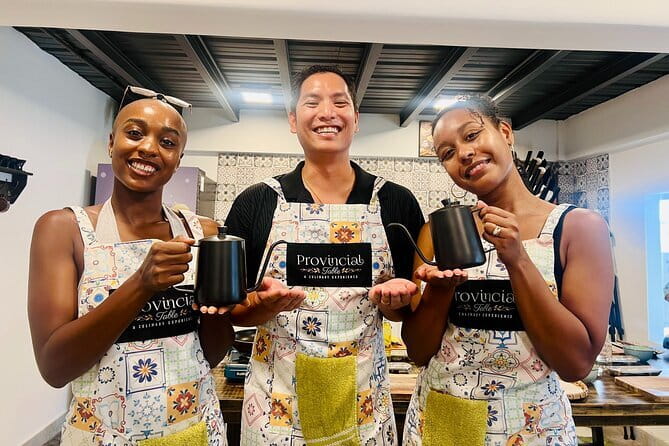
- Four-course coffee lineup: Egg coffee plus dark roast condensed milk, sea salt, and coconut milk styles
- Hands-on drip technique: You practice steeping and brewing, not just tasting
- Layering and presentation matter: You learn how to build that distinct look in your cup
- Cultural context included: Coffee history and Vietnam’s evolving coffee culture come up in the session
- Small group size: Maximum 15 people keeps the class personal
- Free gifts for everyone: You leave with something extra, not just caffeine
Where the egg coffee class starts in Ho Chi Minh City
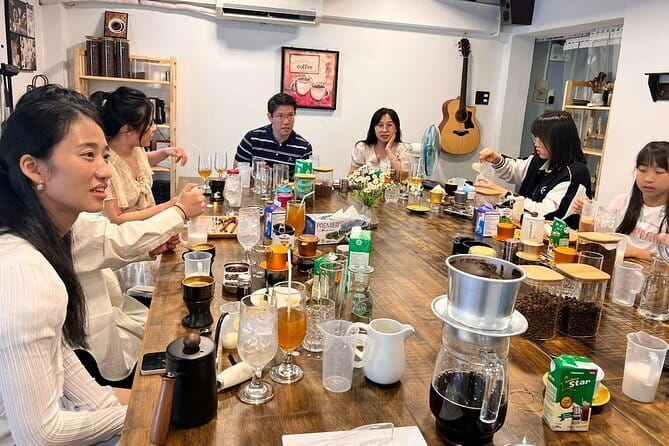
This workshop is based in Quận 1, with the meeting point set at 131/3 Nguyễn Thị Minh Khai, Phường Phạm Ngũ Lão, Quận 1. That location choice is practical: you’re in a central area where it’s usually simple to get to by public transportation, and the session is run with a small group size (up to 15).
You’ll start by getting your bearings and settling in with your assigned gear. The class uses a mobile ticket, so you don’t need to hunt for paper. Since the session ends back at the meeting point, you can plan your next stop without worrying about transfers afterward.
If you’re the type who likes learning a skill instead of just buying a drink, this setup makes sense. You’ll be doing the work at the pace of the barista, which is how you get repeatable results instead of a one-time novelty.
A few more Ho Chi Minh City tours and experiences worth a look
Traditional drip brewing: the skills you actually take home
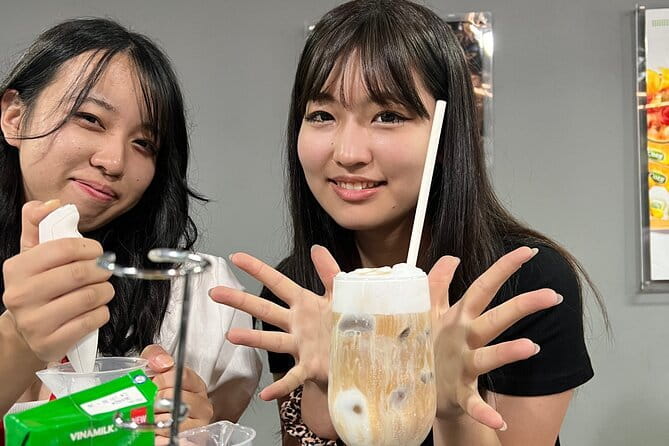
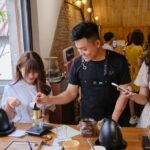
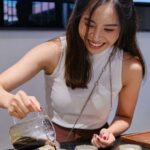
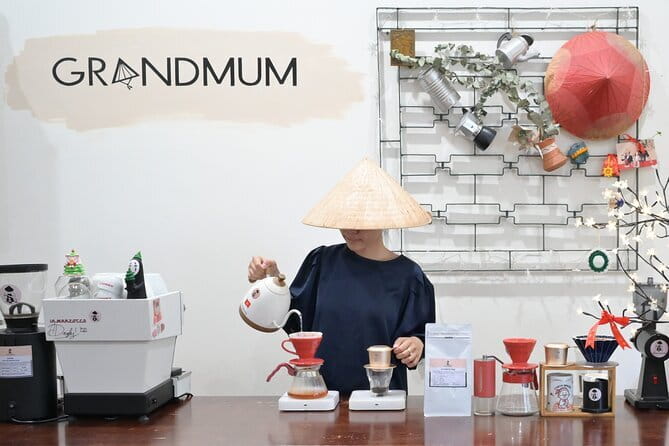
The core of this experience is technique. The head barista guides you through the meticulous steps of steeping and brewing using traditional drip methods. What I like about this approach is that it teaches you what to pay attention to—how coffee changes as it hits different stages of the process.
You’re also not just aiming for a good flavor. The lesson includes technique and presentation, which means you’re learning how to make cups that look layered and intentional. That matters in Vietnamese coffee because the overall experience is shaped by contrasts: bitter versus sweet, and warmth versus texture.
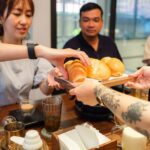
In practice, you’ll follow the barista’s instructions while using the accoutrements provided. That’s a big value point. You don’t need specialty equipment to benefit from the lesson, since the class supplies what you need to practice the correct steps.
Why this matters to your next coffee order
Once you understand the steps, you start tasting with more clarity. You’ll know what to look for in your own cup later—things like balance between bitter notes and sweet elements, and how thickness or texture can shift the flavor. Even if you never become a home barista, you’ll stop treating Vietnamese coffee as a mystery menu and start recognizing what each style is trying to do.
The four cups you make: egg coffee, condensed milk, sea salt, coconut
This class is built around making four different coffees, one after another, with guidance throughout. Each one has a name that signals its main flavor identity. Here’s what you’ll create, and why each one is a good learning step.
Cà Phê Trứng Lòng Đỏ: egg coffee and the layered finish
Egg coffee is the headline for a reason. You’ll make Cà Phê Trứng Lòng Đỏ, which is known for its rich, custard-like character. What you’re practicing here is control—how to bring together a smooth, sweet base with the stronger coffee profile without losing the balance.
I like that this isn’t treated as a one-note specialty. The barista frames it around the same learning goals as the other cups: bitter-sweet balance, texture, and how temperature and presentation change what you experience.
If you like coffee that feels rounded and dessert-like, this is usually the one people remember most.






Cà Phê Sữa Đá: dark roast condensed milk coffee
Next is Cà Phê Sữa Đá, a dark roast condensed milk style. This one teaches you how sweet and creamy elements can reshape the coffee’s bite. When you make it yourself, you get a clearer sense of how condensed milk affects the overall impression—less sharpness, more depth.
This cup also helps you compare styles quickly. Egg coffee tends to feel silky and rich; condensed milk coffee often feels thick and comforting. Making both back-to-back helps your palate clock those differences.
Cà Phê Muối Biển: sea salt coffee for contrast
Then comes Cà Phê Muối Biển, the sea salt version. This is a great lesson in contrast. Salt changes how flavors read on your tongue, and the goal here is harmony: you don’t taste salt as the main character. You taste balance—sweetness and coffee intensity staying in the same conversation.
For me, this is where you start understanding the class theme: bitter and sweet notes working together, not fighting. The sea salt cup is a practical reminder that flavor isn’t only about sweetness. It’s about how elements interact.
Cà Phê Cốt Dừa: coconut milk coffee and mellow richness
Finally, you’ll make Cà Phê Cốt Dừa with coconut milk. Coconut adds a different kind of richness—more aromatic and mellow compared to egg or condensed milk. Brewing it in the workshop format makes it easy to notice texture changes as you move through the lineup.
I like having the four cups planned this way. You go from egg coffee’s custard feel, to condensed milk’s dense sweetness, to sea salt’s balancing trick, to coconut milk’s gentle, fragrant thickness. The sequence gives you a built-in comparison.
What you’ll learn about taste: bitter, sweet, texture, temperature
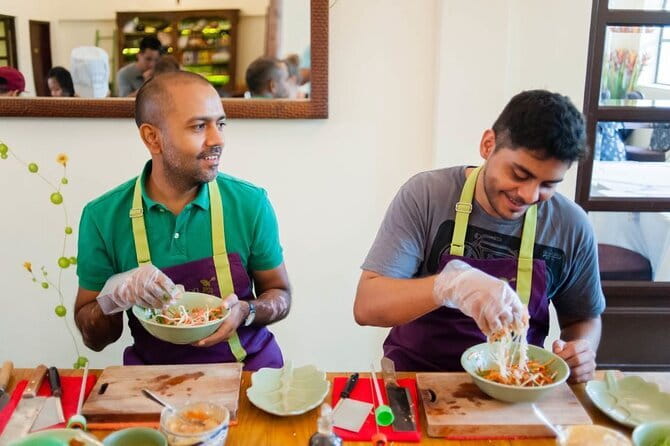
The class repeatedly brings you back to a few key ideas: the balance of Vietnamese coffee’s bitter and sweet notes, plus the interplay of textures and temperatures.
That might sound abstract until you’re making cups back-to-back. When you’re actively brewing, you notice how changes in preparation affect more than flavor. It affects how the coffee feels—thicker or lighter, warmer or more quickly cooling, and how sweetness sits against coffee strength.
You also get taught through the barista’s feedback and the group’s pace. My experience with instructors like this has always been that the best lesson is not one magic trick. It’s repeated small adjustments and clear explanations of what each step is supposed to do.
So when you finish the four coffees, you’re not just full—you’re more certain about what you’re tasting.
The class vibe: small group, guided pace, real Q&A
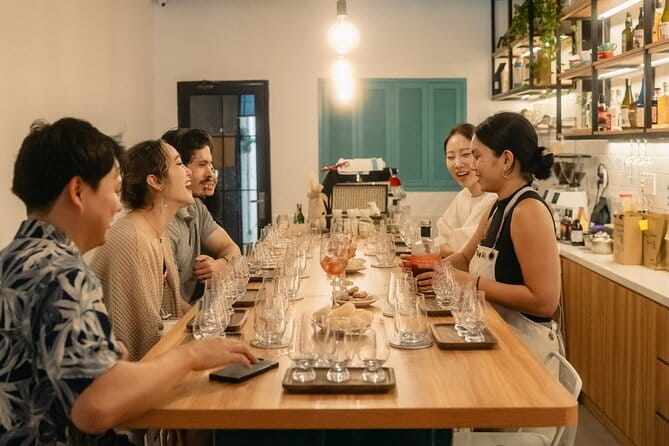
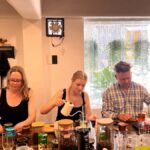
This is a class with a maximum of 15 travelers, which keeps it from turning into a noisy demo. With a smaller group, you get a better chance to follow the steps and ask questions when something feels confusing.
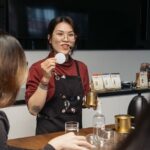
The pacing seems intentional. Long/Sarah, my host, was funny and guided the class in a way that made it feel chill while still keeping everyone moving through the brewing process. That balance is important. Too slow, and you lose focus. Too fast, and you miss the technique.
At the end, there’s a Q&A session. That part is useful because it lets you ask about what you noticed while making each cup—how to replicate the layering, what likely caused a flavor difference, or how the coffees relate to Vietnamese coffee culture.
Vietnamese coffee culture: history, influence, and what’s changing
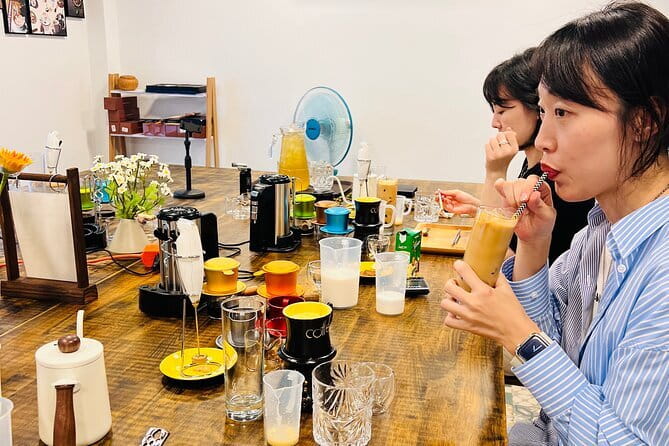
Before you start your brewing work, the workshop includes a quick exploration of coffee in Vietnam—its history and cultural significance, including its origins and influences. It also includes discussion of evolving coffee culture in Vietnam.
Why I think that’s valuable: it connects technique to meaning. If you know where the style comes from, you taste with more respect for the craft. It also helps you avoid reducing Vietnamese coffee to just sweetness. Even when a cup is sweet, it still has a signature coffee structure.
The lesson keeps the focus on practical making, but the cultural context gives your experience more weight. You’re not only learning how to brew; you’re learning why these styles matter.
Price and value: $25 for four cups and a skill lesson
At $25 per person for about two hours, the value is strongest if you fit the target audience: you want hands-on brewing and you want a guided comparison of styles.
This price isn’t just paying for coffee drinks. You’re paying for:
- step-by-step instruction from the head barista
- traditional drip technique practice
- making four named styles, not just sampling one
- a Q&A component
- special gifts for participants
If you were to order four Vietnamese coffees in a café on your own, the cost could add up fast—plus you’d miss the technique coaching that helps you repeat the result. For me, the real win is leaving with a better sense of what makes each style work.
One more practical note: because you’ll be drinking multiple coffees, don’t plan this right before a long evening out if you’re sensitive to caffeine. The class is fun, but it can hit quickly.
Who should book this egg coffee course
This workshop is a great fit if you:
- like learning skills you can repeat, not only sightseeing
- want a structured way to taste multiple Vietnamese coffee styles
- enjoy coffee enough that making and comparing matters to you
- want a small-group experience in Ho Chi Minh City with time for questions
It’s less ideal if you:
- can’t handle caffeine well (you’ll have several coffees within the session)
- prefer quiet, sit-and-watch experiences where you don’t do hands-on work
Should you book the Mastering Egg Coffee course?
I’d book it if you’re in Ho Chi Minh City and you want more than a sweet drink. This class gives you technique with traditional drip methods, a clear lineup of four classic Vietnamese styles (including egg coffee), and a chance to ask questions at the end.
One last decision tip: choose your session time based on how caffeine affects you. If you want to enjoy the experience without paying for it later, plan accordingly.
If you’re craving authentic coffee culture and you like hands-on instruction, this is one of the easiest ways to level up fast.
FAQ
What coffees will I learn to make?
You’ll make four types of Vietnamese coffee: Egg Coffee (Cà Phê Trứng Lòng Đỏ), Dark Roast Condensed Milk Coffee (Cà Phê Sữa Đá), Sea Salt Coffee (Cà Phê Muối Biển), and Coconut Milk Coffee (Cà Phê Cốt Dừa).
How long is the course?
The experience lasts about 2 hours.
How much does it cost?
It costs $25.00 per person.
Where do I meet for the class?
The meeting point is 131/3 Nguyễn Thị Minh Khai, Phường Phạm Ngũ Lão, Quận 1, Thành phố Hồ Chí Minh 711106, Vietnam. The activity ends back at the meeting point.
Is the class group size limited?
Yes. The maximum group size is 15 travelers.
Is a mobile ticket used?
Yes. You receive a mobile ticket.
Do you include history or culture, or is it only brewing?
You get an exploration of coffee history and cultural significance in Vietnam, along with discussion of Vietnam’s evolving coffee culture. There is also a Q&A at the end.
Are special gifts included?
Yes. Special gifts are handed out to all participants.
Is there free cancellation?
Yes. You can cancel for a full refund up to 24 hours in advance of the experience start time.
Can I bring a service animal?
Service animals are allowed.