REVIEW · HUE VIETNAM
Hue :Exploring Royal City with Multi Options and Dragon Boat
Book on GetYourGuide →Operated by LAGOM TRAVEL · Bookable on GetYourGuide
Royal Hue in one calm, private loop. You’ll stitch together Nguyen dynasty landmarks, Buddhist temples, and river views, with an easy pace built around your chosen stops.
What I really like is the flexibility: you pick how many sites you want, and the driver handles the timing between gates and tickets. Second, that optional dragon boat on the Perfume River sets the tone fast, especially when it connects to Thien Mu Pagoda.
One key consideration: entry fees and the tour guide are not included, so plan a bit extra money for tickets once you arrive.
In This Review
- Quick hits before you go
- Hue royalty, without the scheduling headaches
- Choosing stops: how to build the best Hue day
- Imperial City: the Nguyen kings’ working world (not just a monument)
- Minh Mang Tomb, Khai Dinh Tomb, and Tu Duc Tomb: a royal trio
- Minh Mang Tomb: architecture that fits the landscape
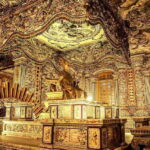
- Khai Dinh Tomb (UNESCO): the final Nguyen build
- Tu Duc Tomb: the poetic burial place of a long-reigning king
- Thien Mu Pagoda and the river start: why the dragon boat changes the day
- A note on the pageantry
- Tu Hieu Pagoda: Zen, meditation, and quiet refuge
- Thuy Xuan Hue incense village: a 700-year craft with real continuity
- An Dinh Palace and the personal side of royal life
- Offbeat options: Ghost City (An Bang Cemetery) and the abandoned water park
- Ghost City (An Bang Cemetery): massive, colorful, and unforgettable
- Abandoned water park: eerie fun for the curious
- Price and value: what your $12 really buys (and what it doesn’t)
- Real-world day flow: how it feels from stop to stop
- Who should book this Hue royal city and dragon boat tour
- Should you book this tour or not?
- FAQ
- How long is the Hue royal city and dragon boat experience?
- What’s included in the price?
- Are entry fees included for the attractions?
- Do I have to take the dragon boat?
- Can I choose how many sites to visit?
- Is this tour suitable for wheelchair users?
Quick hits before you go
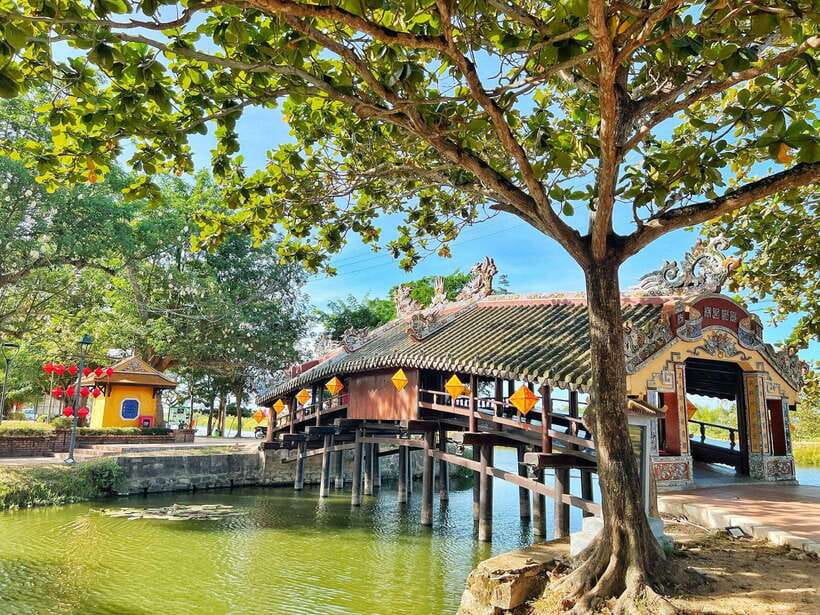
- Pick your own site count (5–10 hours) so the day fits your energy, not a fixed checklist
- Dragon boat is optional, so you can choose scenery or stay focused on tombs and temples
- UNESCO Khai Đinh tomb is included in the classic Nguyen trio route
- Thien Mu Pagoda + river approach gives you a strong Hue introduction without rushing
- Ghost City (An Bang Cemetery) is a big, memorable add-on if you choose that option
- Cold water, and usually quick gate transfers help keep the day relaxing
Hue royalty, without the scheduling headaches
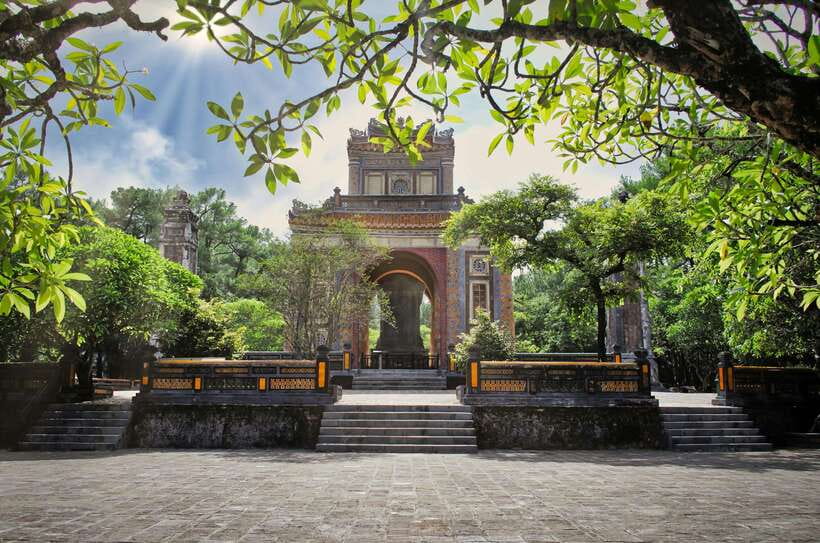
Hue can feel like two different trips at once. There’s the big story of the Nguyen kings in the Imperial City and royal tombs, and then there’s the quieter side: temples, incense crafts, and slower river life. This tour works because it puts those worlds into one organized day, using a private car so you’re not juggling taxis or bus routes.
You’ll also get to control the pacing. The tour is designed around options, so you can do fewer stops if you want deep time at one place, or go heavier if you’re trying to hit the “greatest hits” of royal Hue.
The biggest value here is mental, not just physical. When you have a driver meeting you at each site entrance, the day turns from logistics into sightseeing.
You can also read our reviews of more boat tours in Hue Vietnam


Choosing stops: how to build the best Hue day
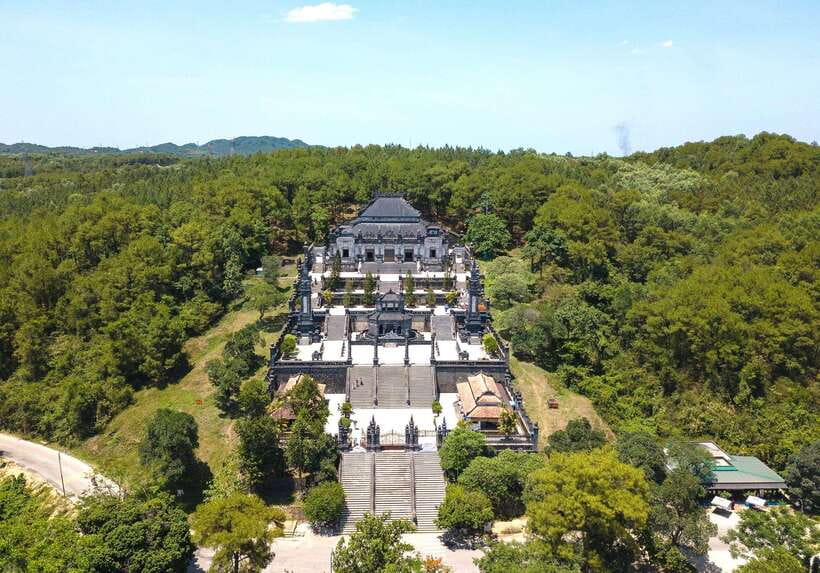
When you book, you’ll be asked to select the option that matches the number of sites you want to visit. That matters because Hue’s highlights are spread out: Imperial landmarks cluster in the city area, while the tombs and some out-of-town stops take extra drive time.
Here’s how I’d think about your choices:
- If you want the classic Hue timeline: Imperial City + Minh Mang + Khai Dinh + Tu Duc, plus Thien Mu Pagoda (often paired with the dragon boat start).
- If you like culture and crafts: add Thuy Xuan Hue incense village and one of the Zen/temple stops like Tu Hieu Pagoda.
- If you’re chasing atmosphere and odd details: add Ghost City (An Bang Cemetery) and, if you’re up for strange photo spots, the abandoned water park.
And yes, the dragon boat ride is optional. If you skip it, you keep more time for tombs and temples. If you include it, you get a very “Hue” feeling right away as the river sets the scene.
Most people end up happiest when they don’t max out the number of locations. You’re visiting royal sites where walking and heat can add up.
Imperial City: the Nguyen kings’ working world (not just a monument)
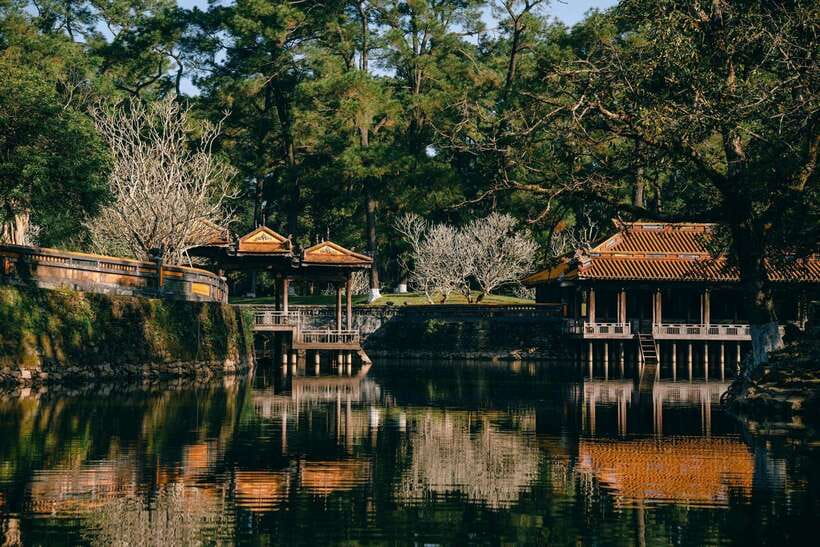
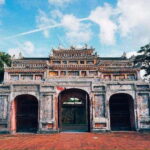
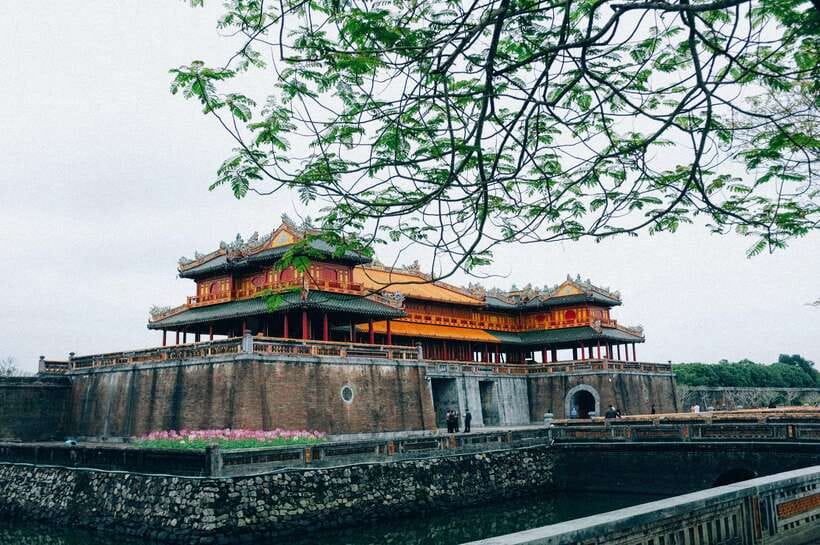
The day often starts (or soon reaches) the Imperial City, the headquarters of Vietnam’s last feudal dynasty. You’re looking at a political center where Nguyen kings lived and worked for 143 years, from 1802 to 1945.
What makes it worth your time isn’t only the walls and gates. It’s that the place is meant to function like a “machine” for rule: organized space, formal architecture, and the sense that every movement had meaning.
Two practical tips to make your visit smoother:
- Save energy for the main citadel area. Hue sites can involve uneven footing and long stretches between gates.
- Take a slower walk through the first section, then speed up later if you’re short on time—this is a place where your first impressions matter.
If you’re the type who likes history in a visual way, the Imperial City gives you that fast.
Minh Mang Tomb, Khai Dinh Tomb, and Tu Duc Tomb: a royal trio
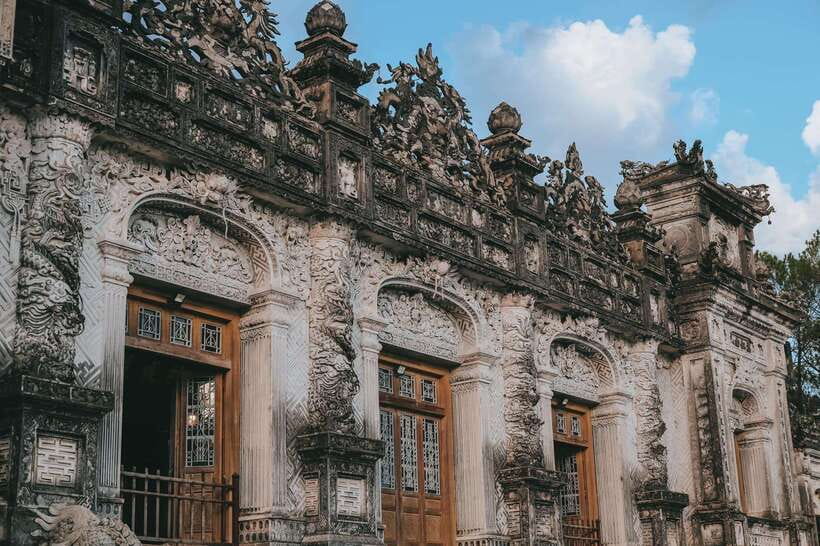
A lot of Hue days rise or fall on the tombs. This tour gives you access to the big names, and the vibe changes noticeably from one to the next.
Minh Mang Tomb: architecture that fits the landscape
You’ll see Minh Mang Tomb, admired for how its architecture blends into the natural environment. This one rewards you if you like gardens, water, and the “planned calm” style of royal design. Expect a scenic route where the surroundings aren’t background—they’re part of the statement.
You can also read our reviews of more city tours in Hue Vietnam



Khai Dinh Tomb (UNESCO): the final Nguyen build
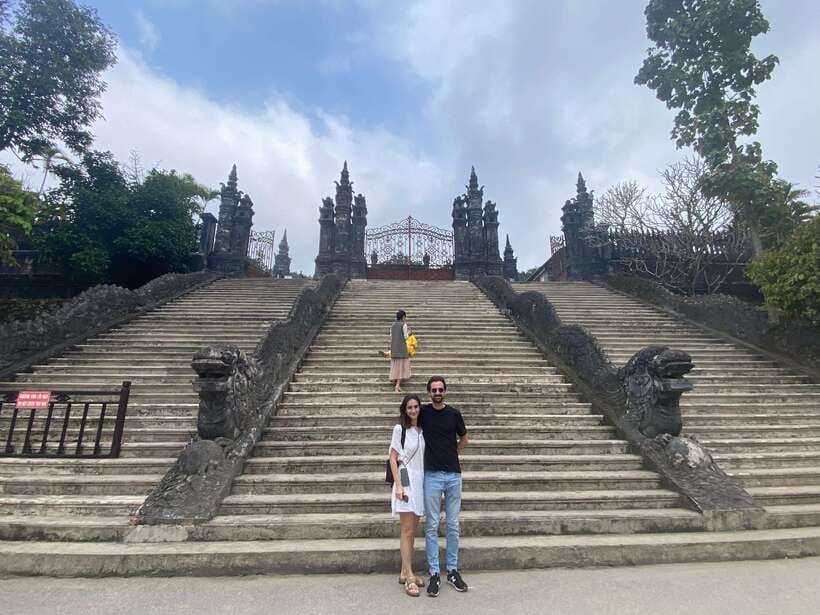
Next is Khai Dinh Tomb, a UNESCO World Heritage site. It’s often described as visually striking because it’s the last major construction of the Nguyen Dynasty.
The key detail for your planning: Khai Dinh tends to be a highlight that takes time. Build in enough space for photos and looking closely. Don’t pack this stop too tightly with back-to-back rushing.
Tu Duc Tomb: the poetic burial place of a long-reigning king
Then comes Tu Duc Tomb, the burial place of one of the dynasty’s longest-reigning kings. It’s known for a poetic architectural feel, and that’s the best way to describe the experience: less “grand entrance” energy, more reflective atmosphere.
If you’re deciding between tombs, Tu Duc is a strong pick for anyone who wants a slower, more atmospheric end to the morning or early afternoon.
Thien Mu Pagoda and the river start: why the dragon boat changes the day
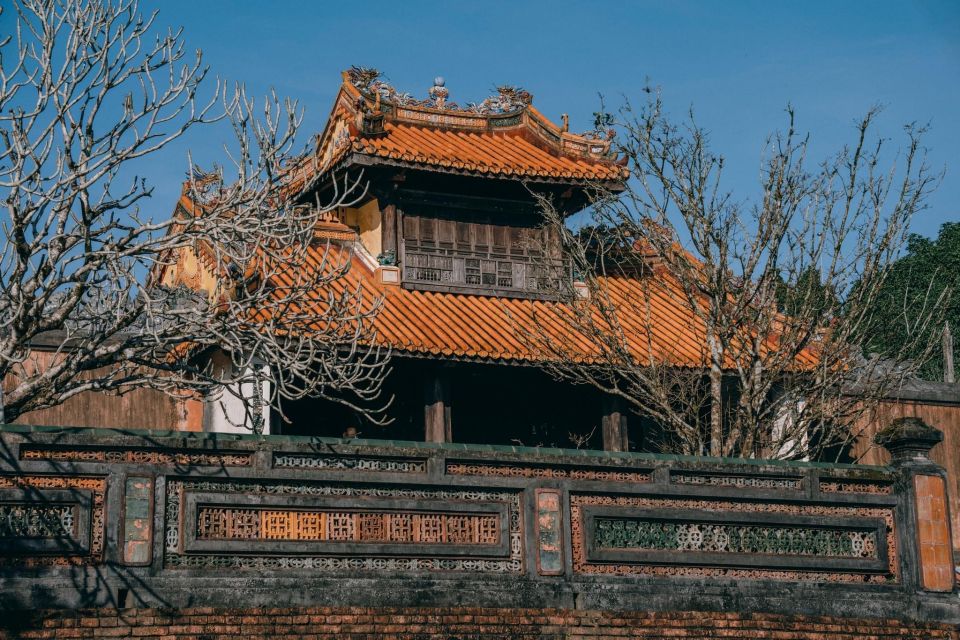
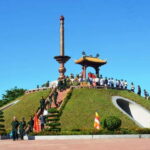
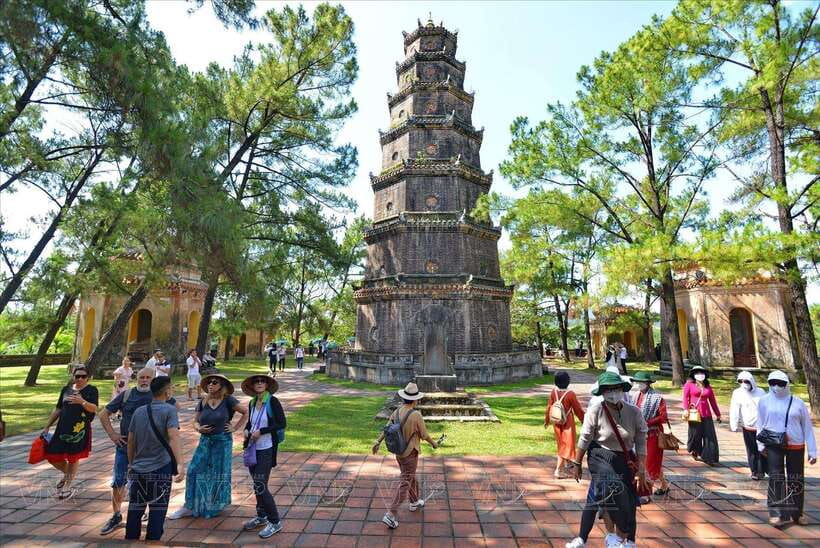
The Thien Mu Pagoda is one of Hue’s most recognizable Buddhist sites, and it’s also one of the most photogenic. It’s about 400 years old, and it carries the kind of presence that makes you stop without trying.
If you choose the dragon boat option, you’ll travel on the Perfume River, which adds a layer most land-only tours miss. The river gives you movement through Hue’s shape—especially when you connect it back to the pagoda experience.
What I like about this pairing is pacing. Even if your itinerary is packed, a river ride breaks up the “walk-walk-walk” rhythm and makes the whole day feel less like a checklist.
A note on the pageantry
You’ll likely hear and see plenty of emphasis on the pagoda’s role and history. What matters for you: give yourself time to sit for a moment and watch the scene. This is where the day turns from sightseeing into “I get it now.”
Tu Hieu Pagoda: Zen, meditation, and quiet refuge
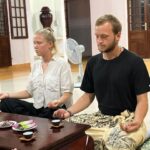
If you add Tu Hieu Pagoda, you’ll get a different kind of Hue stop. It’s known as the famous “root pagoda” of Zen master Thích Nhất Hạnh. The tour framing is simple: it’s a place for monks to live an awakening and meditation-focused practice, and it’s also a calm space for visitors who want to slow down.
This isn’t a site built just for pictures. It’s built for stillness. So if your day is moving fast, Tu Hieu is a good “reset button.”
Thuy Xuan Hue incense village: a 700-year craft with real continuity
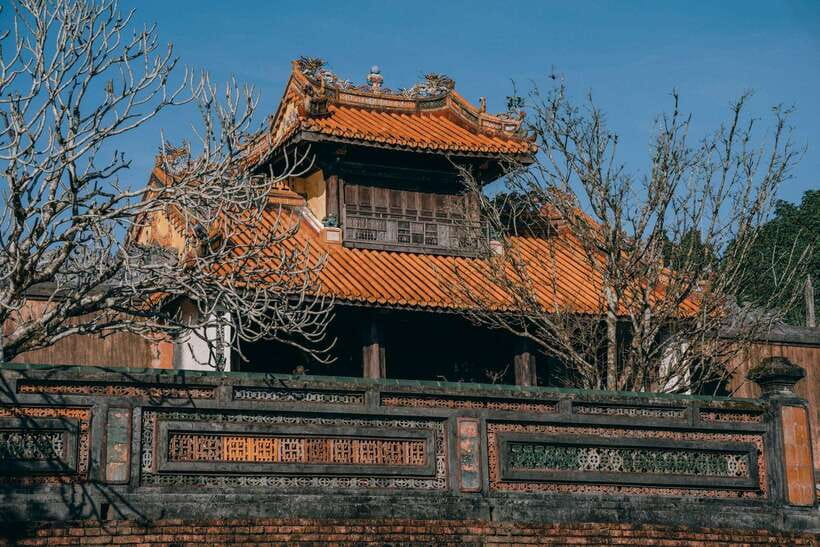
One of the most interesting cultural stops is Thuy Xuan Hue incense village, dating back 700 years. This wasn’t just a tourist workshop. It was once a supply center for the royal court and locals in the Thuan Hoa and Phu Xuan areas.
Two specific details I think you’ll appreciate:
- The incense sticks were made in brown and red colors.
- The craft has been passed down through generations, so the village feels like living history instead of staged heritage.
If you like hands-on culture, this is a great counterbalance to stone tombs. It also gives you a chance to buy small, practical souvenirs that actually connect to Hue’s traditions.
An Dinh Palace and the personal side of royal life
An Dinh Palace is another stop with a more human scale. It’s described as a private residence where the Khai Dinh Emperor lived as a child and later became the twelfth Emperor of the Nguyen Dynasty.
Then there’s a historical twist: between 1917 and 1919, Nguyen Phuc Vinh Thuy—who later became Bao Dai Emperor—was involved in renovations that shifted the residence toward a modern style.
If you tend to enjoy royal history with real-world context, An Dinh helps explain that emperors weren’t just legends in stone. They lived, adapted, and moved through different eras.
Offbeat options: Ghost City (An Bang Cemetery) and the abandoned water park
These two stops are the ones people either love for the shock of atmosphere or skip because they don’t want darker visuals on vacation.
Ghost City (An Bang Cemetery): massive, colorful, and unforgettable
Ghost City (An Bang Cemetery) is highly recommended in the tour framing. It’s described as the most luxurious and magnificent cemetery in Vietnam, with thousands of tombs in all colors and sizes. Some tombs are said to be worth hundreds of thousands of US dollars.
If you choose this option, plan for heat and time. This kind of place is huge and best handled with patience. Bring water and expect to move around.
Abandoned water park: eerie fun for the curious
The abandoned water park is aimed at people who like exploring and photographing strange spaces. The tour describes its magical and mysterious beauty, and it’s a good choice if you want a break from formal history.
Just don’t treat it like a theme park. It’s more “explore carefully” than “play around.”
Price and value: what your $12 really buys (and what it doesn’t)
At around $12 per person for a 5–10 hour private car experience, this tour prices itself like a bargain. And for Hue, private transport plus hotel pickup/drop-off is a big part of the cost.
Here’s the trade-off you should plan for:
- Entry fees are not included
- A tour guide is not included (so the driver handles the on-the-go explaining, and some places may offer their own aids)
If you’re trying to budget tightly, build in a buffer for tickets at the sites you choose. The good news is that this tour still handles the hardest part: logistics and transport across multiple locations.
Real-world day flow: how it feels from stop to stop
A pattern that makes this type of day work: you’re not left figuring out where to queue, how to enter, or when to move on. The private driver is meant to drop you at entrances and be waiting when you’re done.
You’ll also likely appreciate small comforts that add up on long days:
- Bottle of water is included
- You can get help with pacing so you’re not rushing inside each tomb or temple
One review-based detail I think is helpful for your expectations: at some stops, audio headsets may be available for around 100,000 VND. That means if you want deeper explanations but you don’t have a dedicated guide, you can still get context on-site.
Who should book this Hue royal city and dragon boat tour
This tour fits best if you:
- Want a private way to see royal tombs and Imperial City without battling traffic
- Like choosing your own mix of history + temples + river scenery
- Want an option that includes dragon boat but doesn’t force it
It’s especially suitable for couples and small groups who want a smooth day with someone waiting for them at each stop entrance.
If you’re highly mobile and like to move fast, you can fit more sites. If you prefer slow pacing, pick fewer stops and use the extra time at places like Khai Dinh or Tu Duc.
Should you book this tour or not?
If your goal is to see Hue’s headline sites in one organized day, I’d lean yes. The value comes from private transport, hotel pickup/drop-off, and the ability to tailor your route—so you get royal history and river scenery without turning your holiday into a navigation project.
I’d say skip or adjust if:
- You hate budgeting separately for site tickets
- You don’t want offbeat stops like Ghost City or an abandoned water park
- You need wheelchair-friendly access (this tour notes it isn’t suitable for wheelchair users)
If you want an easy, flexible day in Hue that hits the big names plus a few characterful extras, this is a strong booking.
FAQ
How long is the Hue royal city and dragon boat experience?
It lasts about 5 to 10 hours, depending on the option and starting time availability you select.
What’s included in the price?
It includes dragon boat (if you select it), a private English-speaking driver, a private car, a bottle of water, and hotel pickup and drop-off.
Are entry fees included for the attractions?
No. Entry fees are not included.
Do I have to take the dragon boat?
No. The dragon boat is optional. If you don’t want it, you can choose an option without that ride.
Can I choose how many sites to visit?
Yes. The tour offers many options, and you select the option that matches the number of sites you want to visit.
Is this tour suitable for wheelchair users?
No. It’s not suitable for wheelchair users.
If you tell me which sites you’re most excited about (royal tombs vs temples vs Ghost City), I can help you pick an efficient combo for a realistic day length.