REVIEW · HOI AN
Hoi An: Tra Que Herb Village Cooking Class
Book on GetYourGuide →Operated by Dich vu du lich lang que Cam Thanh · Bookable on GetYourGuide
A cooking class in a real herb village sounds like a photo-op, but it works better than that. You learn Vietnamese dishes right where the ingredients grow, then you sit down and eat your own food in the middle of Tra Que’s gardens. It’s the kind of Hoi An activity that feels local, not staged.
What I like most is the hands-on cooking (you’re actually making dishes, not watching) and the setting. You start at Tra Que Herb Village, see herbs growing, enjoy a welcome drink, and get guided cooking steps in English. One practical downside: the meeting point can be a little tricky to locate, so you’ll want extra time to arrive without stress.
In This Review
- Tra Que Herb Village Cooking Class: a garden-meets-kitchen experience
- The herb-garden welcome and meeting point reality check
- What you cook in 150 minutes: four dishes, fresh techniques
- Meet the English-speaking chef and learn how Vietnamese flavor clicks
- The cooking pace and how much food you’ll actually eat
- Value for $28: what’s included and what it really costs you
- Who this Tra Que class fits best (and who should skip)
- Tips to get the most out of the class
- Should you book this cooking class in Hoi An?
- FAQ
- How long is the Hoi An Tra Que herb village cooking class?
- What dishes will I learn to cook?
- Is hotel pickup and drop-off included?
- What’s included in the price?
- Is the class offered in English?
- Are there any extra charges?
- Can I cancel for a refund?
- Are there any restrictions (pets or mobility)?
Tra Que Herb Village Cooking Class: a garden-meets-kitchen experience
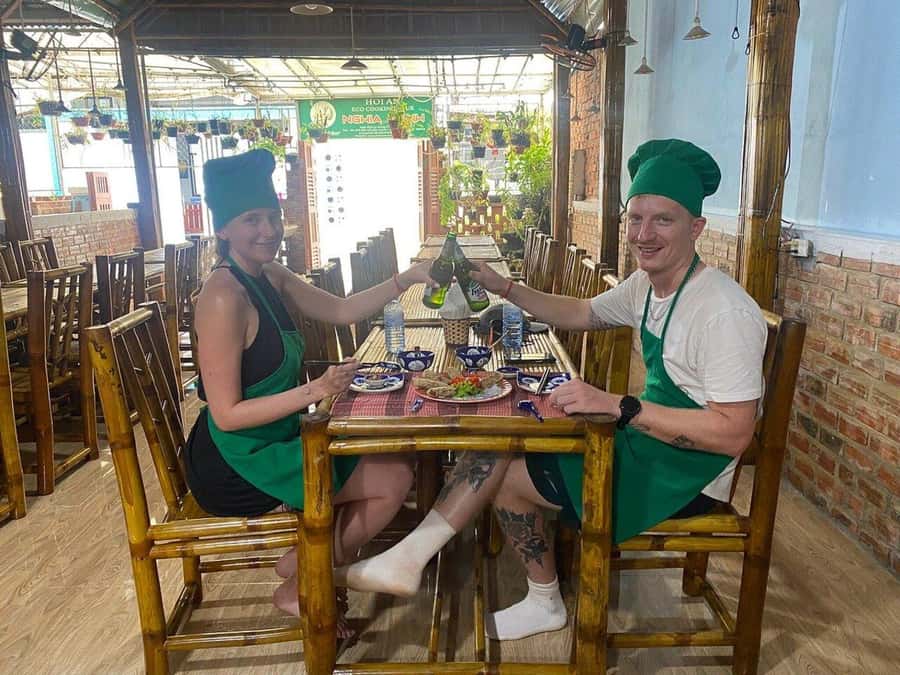
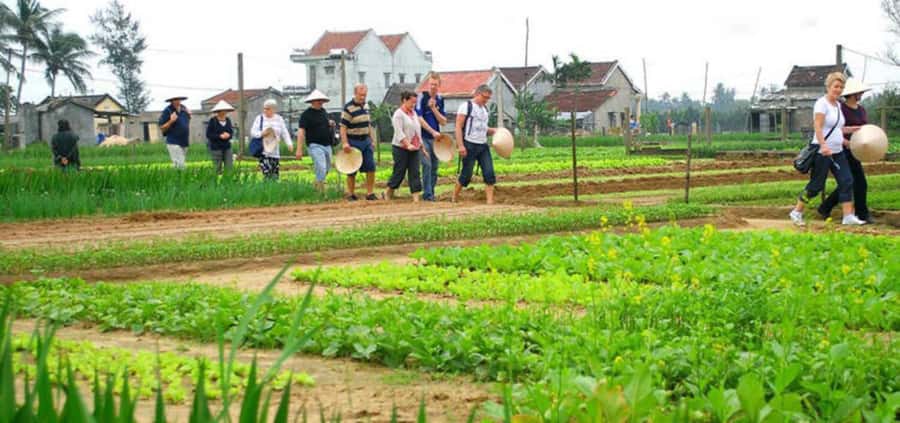
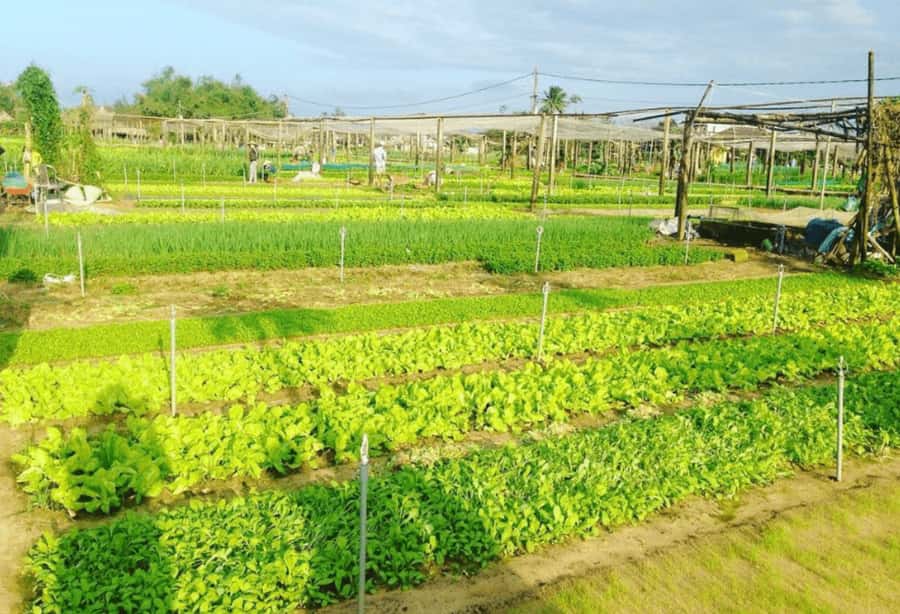
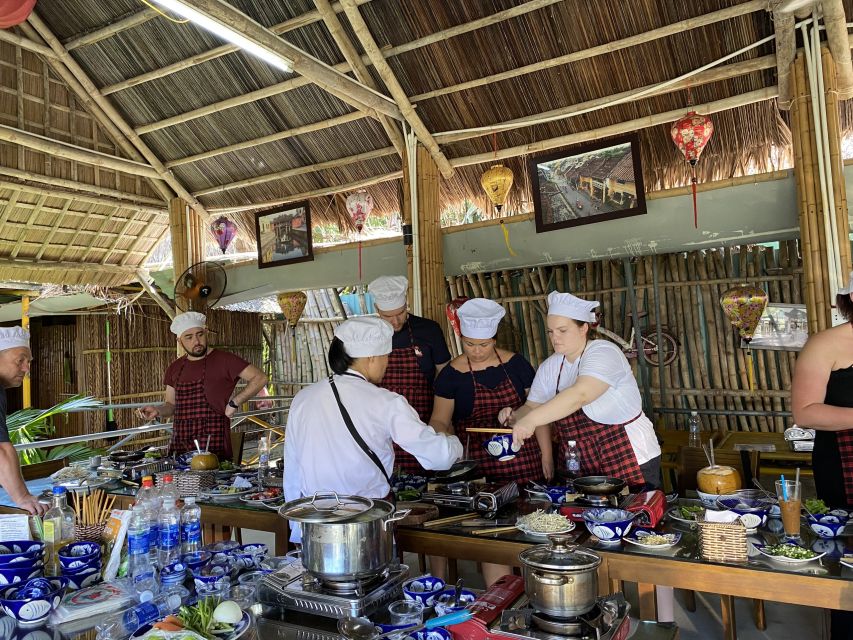
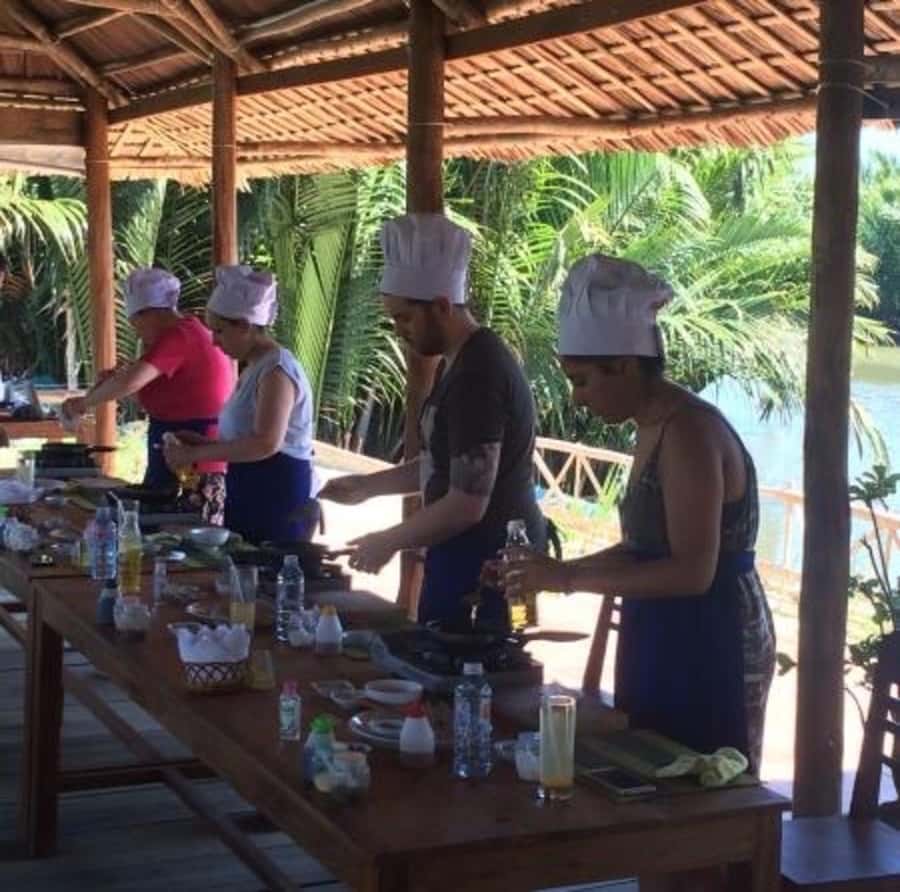
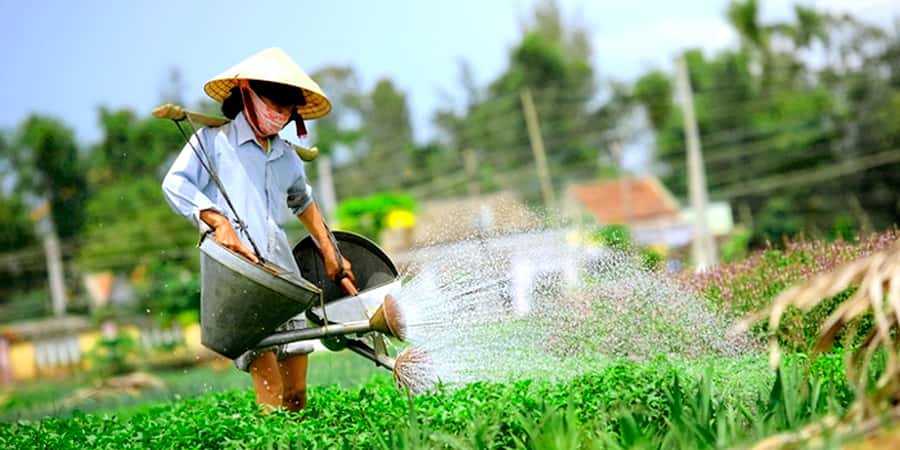
This class takes place in Tra Que Herb Village, where farming is the main event. You meet at the Tra Que Rural Charm Cooking Class location inside Tra Que Herb Village, then you get a quick look around the herbs before you cook. That simple setup changes the whole vibe. Instead of arriving to a plain classroom, you start in the place that feeds the recipes.
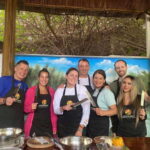
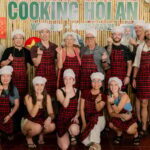
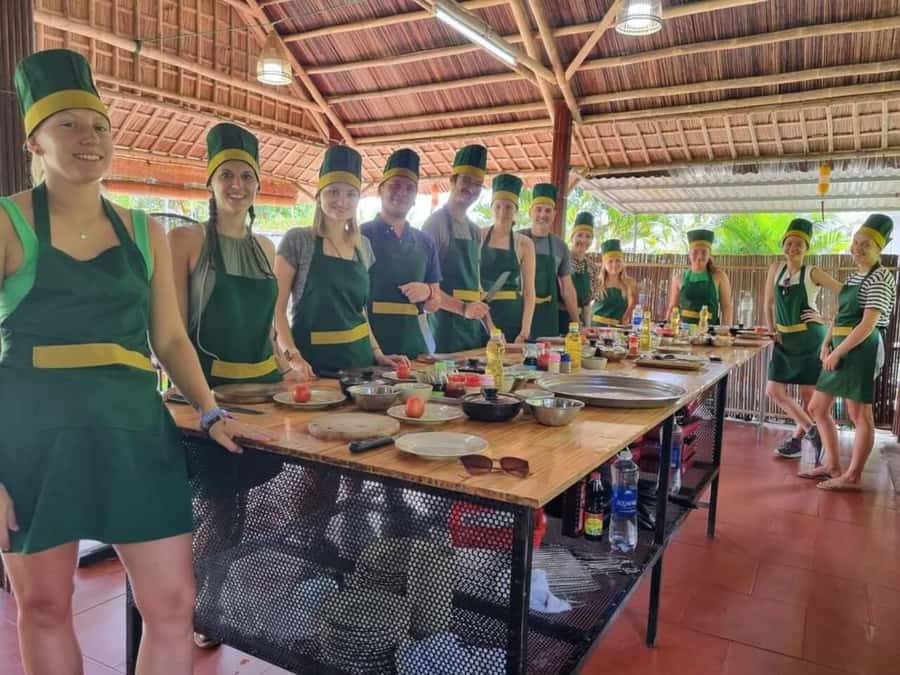
Then comes the part you’re really paying for: an instructor-led lesson where you cook local dishes as a group. You’ll work with the ingredients, follow the chef’s directions, and learn the basic techniques that make Vietnamese food taste balanced instead of just salty or spicy. The lesson is designed for a casual pace, so it’s friendly if you’re traveling with friends or want to meet people while you cook.
The class lasts 150 minutes, so it’s long enough to learn properly but not so long that you feel stuck. And at the end, you don’t just pack up and leave. You sit down, relax, and eat everything you cooked.
The herb-garden welcome and meeting point reality check
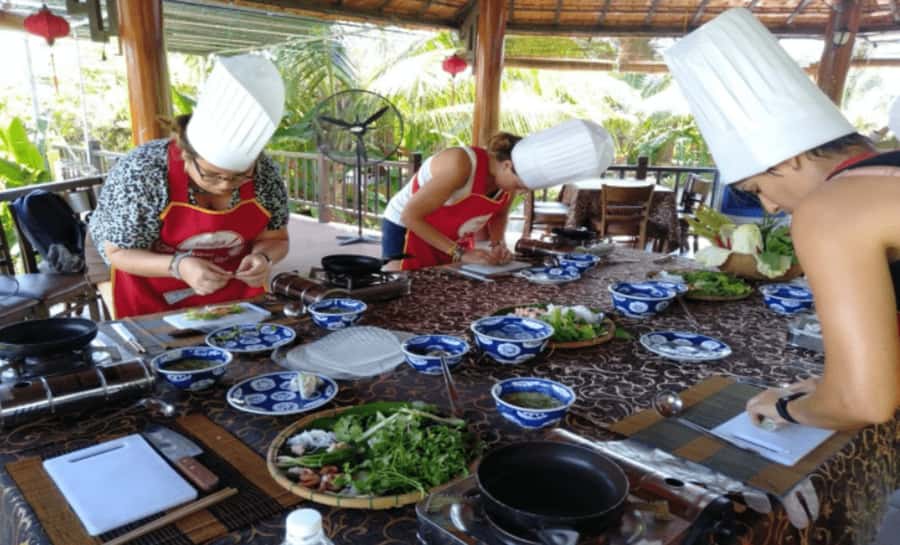
Before the stove starts, you’ll be guided to the meeting area in Tra Que Herb Village. Plan for a bit of time on arrival. Several people flagged that finding the place can be confusing, especially the first time you’re in the area. My advice: build in buffer time and double-check the exact meeting point name so you don’t waste your appetite on wandering.
You’ll see herbs growing as part of the orientation, and you’ll be offered a welcome drink before cooking. That small ritual matters because it gets you in “this is Vietnam” mode right away, with the garden around you instead of walls around you.
Important logistics to know:
- No hotel pickup/drop-off is included.
- You start at one of the activity’s different starting times (morning/afternoon/evening options).
- The menu can change based on ingredient availability, so don’t expect identical dishes every single day.
If you’re the type who likes a smooth schedule, arrive early enough that you can settle in, find your group, and start cooking calmly.
You can also read our reviews of more cooking classes in Hoi An
What you cook in 150 minutes: four dishes, fresh techniques
You’ll learn how to cook four different local dishes (with a few notes below about variation). The standard menu includes:
- Hoi An spring rolls
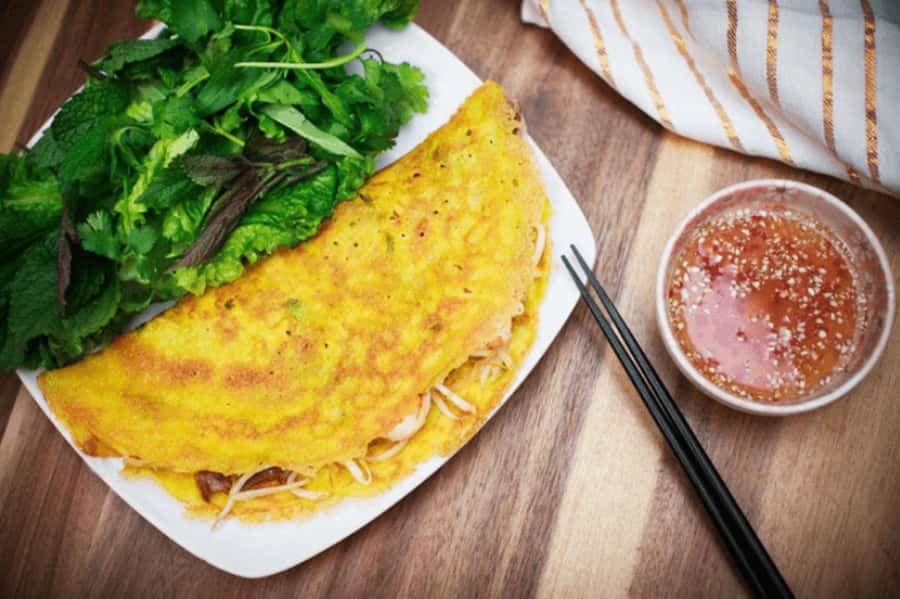
- pancakes
- a special dish from the vegetable village
- plus another local dish chosen by the chef
In practice, the exact menu can shift depending on what’s available. That’s not a bait-and-switch. It’s how the village ingredients work, and it also keeps the class from using everything frozen or generic.
Here’s what I think is most useful for you to know before you go: the chef may prepare some ingredients ahead of time. That’s common for cooking classes and it’s smart. It means you spend more time learning technique and less time on prep that doesn’t teach much. You’ll still do the cooking steps yourself, but the flow stays smooth.
One more detail that helps if you’re thinking about your diet: the class can adjust for needs. People have reported that they handled vegan requests and also accommodated intolerances (like gluten and garlic). So if you have dietary concerns, ask when you book or right at the start of the class, since the menu can change anyway.
Meet the English-speaking chef and learn how Vietnamese flavor clicks
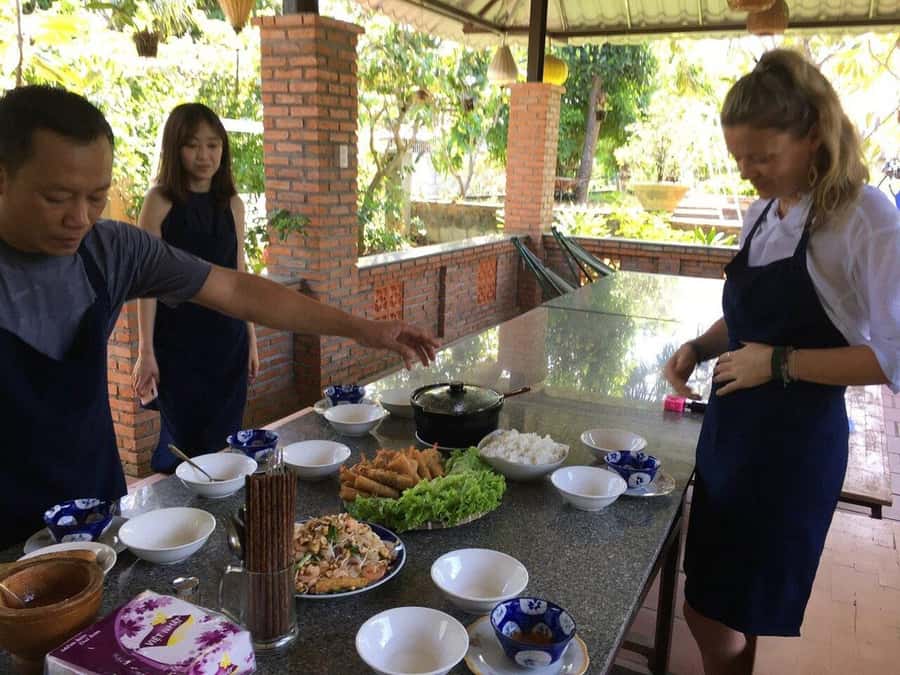
The instructor leads the cooking and the group chat is part of the fun. The class uses an English-speaking guide, and the teaching style shows up clearly in the feedback: many participants highlight patience, clear explanations, and a relaxed pace.
You may cook with different instructors depending on the day, but the names that came up include Sophia, Thanh, and Trang (including Trang Lê). That matters because it’s a reminder that the experience isn’t just about recipes. You’re learning how the chef thinks about balance—how ingredients and timing work together.
Expect the lesson to be practical. You’ll get step-by-step guidance for each dish and time to work at your own speed. Several people also mentioned that the class can be small-group, which helps a lot. With fewer people, there’s more chance to ask questions, get feedback, and actually remember what you did when you’re back home.
If you like learning by doing (not just watching), this is one of the better formats. You won’t leave with a photo and vague memories. You’ll leave with recipes and the muscle memory of how these dishes come together.
The cooking pace and how much food you’ll actually eat
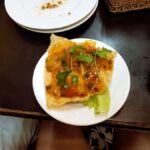
The big selling point is that you cook and then eat. The class builds toward a shared meal at the end, where you sit down, relax, and eat everything you prepared.
That part is easy to underestimate until you’re there. Multiple people noted that the portions are generous and that you shouldn’t eat beforehand. Many dishes include ingredients like pork and shrimp, so it’s worth taking dietary preferences seriously. On the brighter side, the class has shown flexibility for vegan requests and at least some intolerances, so it isn’t a one-size-fits-all setup.
You also get recipes as part of the included package. That’s practical. Most cooking classes give you a vague memory or a few photos. Here, you can take the written recipes home and actually try again.
Bottom line: the “eat what you made” ending isn’t an afterthought. It’s built into the timing of the experience, and it’s a big reason the value feels solid.
Value for $28: what’s included and what it really costs you
The listed price is $28 per person, and the best way to judge value is what you’re getting for that time.
Included:
- welcome drink
- cooking ingredients
- instructor (English-speaking)
- recipes
Not included:
- drinks beyond the welcome drink
- hotel pickup/drop-off
So what does that mean for you? It’s not a bargain like a free street snack tour, but it’s also not overpriced for what you’re doing. You’re paying for:
- a real setting in the herb village
- guided instruction in Vietnamese cooking basics
- ingredients that you use directly
- a meal at the end
- take-home recipes
For 150 minutes, this is a fairly strong deal if you want an experience that’s hands-on and food-focused. If you already planned to eat a full meal anyway during that time, you’re essentially paying for instruction and the garden setting, and your food is part of the package.
The main “extra cost” to watch for is timing and location. Since pickup isn’t included, your travel to the meeting point is on you. Also note the public holiday surcharge: 100,000 VND per person in cash if the lesson falls on a public holiday.
A few more Hoi An tours and experiences worth a look

Who this Tra Que class fits best (and who should skip)
This is a great choice if you want:
- an authentic food experience in Tra Que Herb Village
- a hands-on cooking class with English instruction
- a structured activity that ends with you eating what you made
It also works well if you like meeting other people. The group element is part of the atmosphere, and the cooking helps you bond naturally while you learn.
It may be less ideal if you:
- need wheelchair access (it’s listed as not suitable for wheelchair users)
- want a private, no-travel experience from your hotel (pickup isn’t included)
- are extremely sensitive about location logistics (the meeting point can be hard to find on a first visit)
If you travel with pets, note that pets aren’t allowed.
Tips to get the most out of the class
A few smart moves will make your day smoother:
- Arrive early. The place can be difficult to find. Give yourself margin so you don’t miss the start.
- Tell them about dietary needs up front. The menu can change and the class has accommodated vegan requests and some intolerances.
- Don’t plan a big meal right before. The portion size can be substantial because you eat all the food you cook.
- Pick your start time thoughtfully. There are different morning/afternoon/evening options, so choose the one that best fits your day in Hoi An.
Also, bring the mindset of learning, not performance. Vietnamese cooking is technique-heavy, and the class format makes it easier to ask questions as you work.
Should you book this cooking class in Hoi An?
If you want a food activity that feels genuinely tied to the ingredients—and not just another scripted tourist stop—this class is a strong pick. The garden setting, the hands-on cooking, and the final meal are the big reasons people rate it highly (around 4.5 stars across 102 reviews). Add in the fact that instruction is in English and recipes are included, and you get a lot of practical value for your time.
Book it if you:
- enjoy cooking and want recipes you’ll actually use
- like small-group or conversational classes where you can ask questions
- want a memorable Hoi An activity that ends with real food, not just photos
Skip it if:
- you’re tight on time and hate logistics (no pickup, and finding the meeting point can take longer than you expect)
- you need wheelchair-friendly access
- you only want light tasting rather than cooking and eating a full set of dishes
FAQ
How long is the Hoi An Tra Que herb village cooking class?
It runs for 150 minutes.
What dishes will I learn to cook?
You’ll learn four different local dishes, including Hoi An spring rolls and pancakes, plus a special dish from the vegetable village. The exact menu can change based on ingredient availability.
Is hotel pickup and drop-off included?
No. Hotel pickup and drop-off are not included.
What’s included in the price?
The price includes a welcome drink, cooking ingredients, an instructor, and recipes.
Is the class offered in English?
Yes. The tour guide is English-speaking.
Are there any extra charges?
There may be a 100,000 VND per person cash surcharge if the lesson is on a public holiday.
Can I cancel for a refund?
Yes. You can cancel up to 24 hours in advance for a full refund.
Are there any restrictions (pets or mobility)?
Pets are not allowed, and the activity is not suitable for wheelchair users.