REVIEW · HOI AN
Hoi An: Silk Process, Lantern Making Workshop & Local Food
Book on GetYourGuide →Operated by Viet Nam Happy Travel · Bookable on GetYourGuide
Silk starts with a cocoon, not a showroom. This hands-on stop at Hoi An Silk Village pairs traditional sericulture (silkworm work) with a lantern-making class you can take home. I like that you’re not just watching—you’re following the process end to end, from mulberry to thread, then finishing with a souvenir lantern tied to Hoi An’s everyday culture.
Two things I especially like: first, the chance to see the craft cycle behind Vietnamese silk garments, including how cocoons become usable thread. Second, you get to make your own lantern and keep it, so the experience leaves with you, not just in photos. One possible drawback: this is not a sit-and-snack outing. It involves moving through gardens and workshop spaces, so it’s not suitable for wheelchair users or people with mobility impairments.
In This Review
- Key highlights worth planning around
- Why Hoi An Silk Village is the right place for silk education
- From Quang Nam’s craft stories to mulberry gardens
- Unraveling House: how cocoon becomes thread
- How to spot pure silk vs fake fabric (and shop smarter)
- Champ people textiles and the lantern class that makes Hoi An feel real
- Local food included: Cao Lau plus spring rolls and fruit
- Price and logistics: why $22 feels fair (mostly)
- Who this suits best (and who should skip it)
- Getting the most out of your lantern and silk day
- Should you book? My practical recommendation
- FAQ
- How long is the Hoi An Silk Process, Lantern Making Workshop & Local Food experience?
- What does it cost?
- Is the price different on Vietnamese Public Holidays?
- Where is the meeting point?
- Is hotel pickup or drop-off included?
- What’s included in the price?
- Do you get to keep the lantern you make?
- Is the tour suitable for wheelchair users or people with mobility impairments?
- Can the meal be adjusted for dietary needs?
- Does it include an English guide and skip the ticket line?
Key highlights worth planning around
- Real silk process, step by step: you’ll see how cocoons lead to thread used for weaving.
- Lantern class with history: you’ll learn the shape and color ideas before you make your own.
- Mulberry gardens and silkworm care: feeding the silkworms is part of the experience.
- A practical silk-shopping lesson: learn how pure silk differs from fake fabric.
- Included meal that feels local: Cao Lau plus spring rolls and fruit plate are part of the package.
Why Hoi An Silk Village is the right place for silk education
This workshop is built around one location with real credibility for learning Hoi An silk. The site focuses on traditional handmade weaving methods preserved from the Champa – Dai Viet era, and it also protects genetic sources of mulberry used for sericulture. In plain terms: you’re learning a system, not a single trick.
Hoi An is famous for lanterns, so pairing silk and lanterns works well. Both crafts connect to daily life here—silk through clothing and tailoring, lanterns through the city’s cultural look. If you care about Vietnamese craft heritage, this tour gives you context as you go, so you understand what you’re seeing instead of just collecting facts.
You can also read our reviews of more food & drink experiences in Hoi An


From Quang Nam’s craft stories to mulberry gardens
You start with a welcome drink, then move into the story side of the day. You’ll visit a traditional house in Quang Nam and hear the tale of craft sericulture there—how this work became part of local life. It matters because silk production isn’t random. It depends on seasons, plant sources, and careful rearing of silkworms.
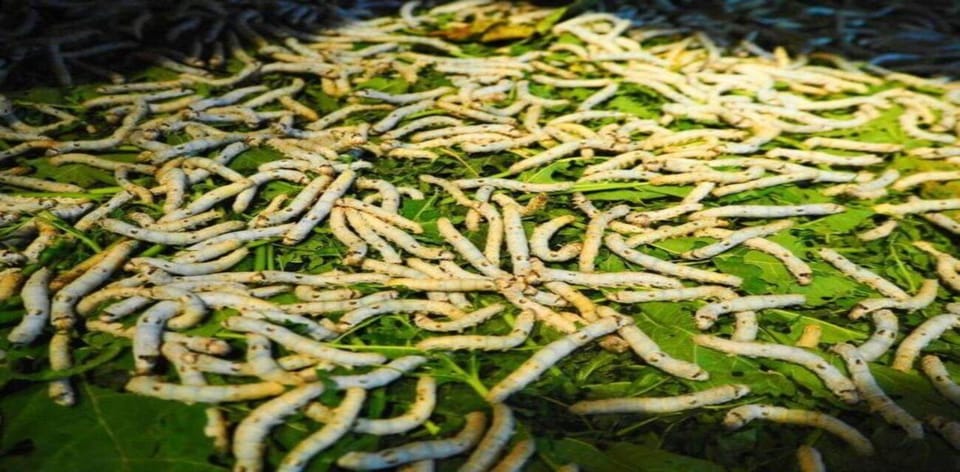
Next come the ancient mulberry gardens and the silkworm-breeding house. This is where the day turns hands-on. You’ll learn how to feed the silkworms and what makes the silkworm stage so important in the overall process. Even if you’re not a craft person, you’ll likely find this section memorable because it connects the “nice finished product” to what happens before it exists.
Practical tip: wear comfortable shoes. Even with a guided pace, you’ll be moving around between garden and workshop areas.
Unraveling House: how cocoon becomes thread
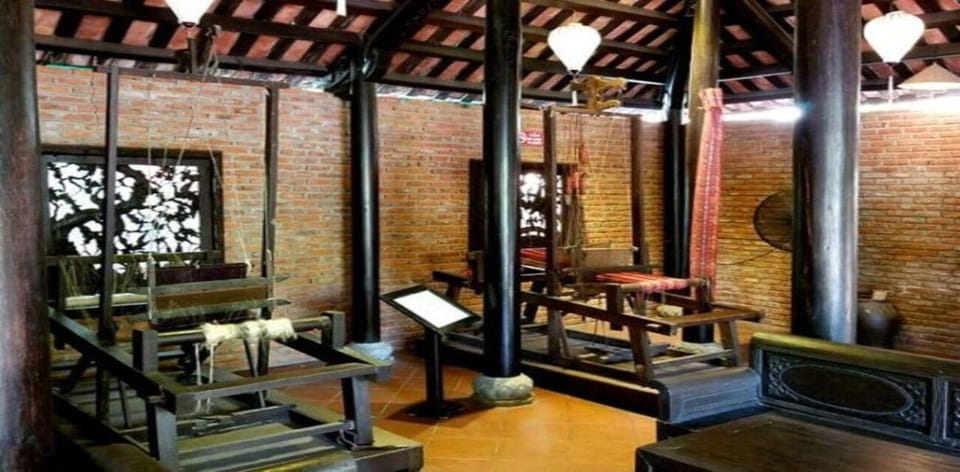
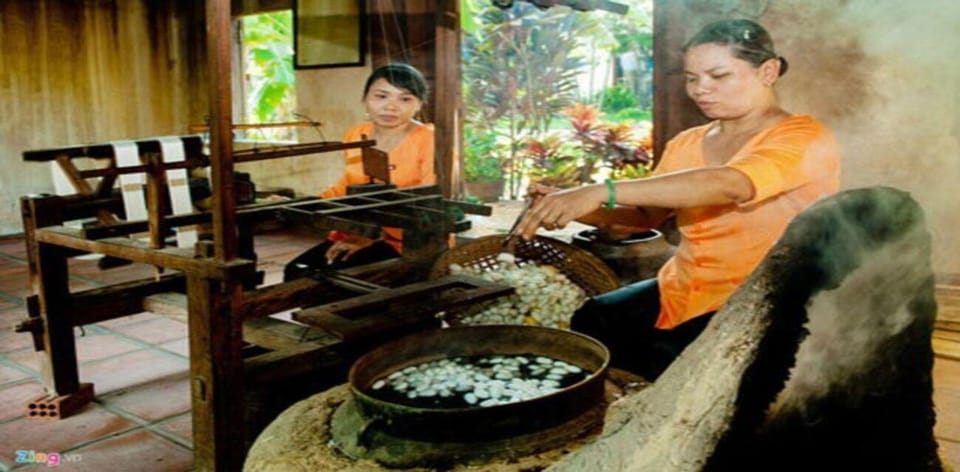
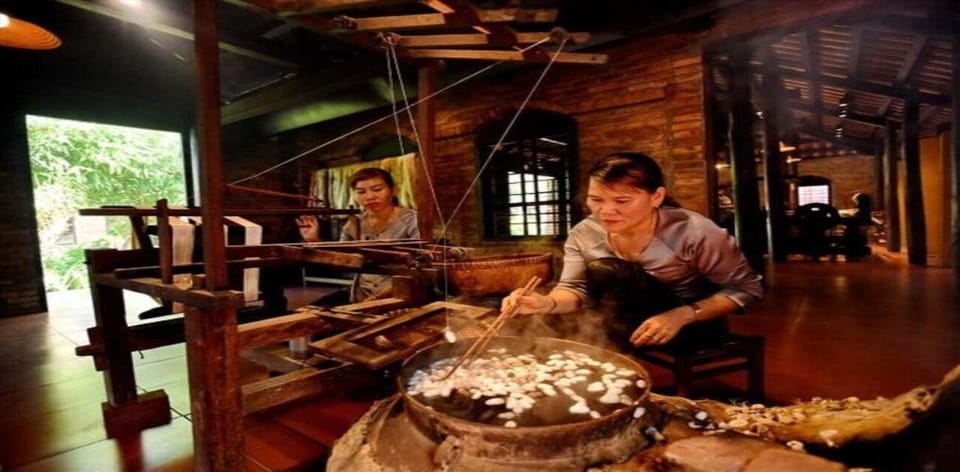
The tour then focuses on the key transformation: getting silk thread from the cocoon so it can be woven into fabric. This is a small phrase, but it’s the heart of the craft. Without this step, there’s no usable thread, and the weaving part can’t happen.
You’ll understand the unraveling process at the Unraveling House, and you’ll also see how the thread links to weaving. That makes the later silk-weaving learning feel logical. Instead of treating weaving like a separate magic trick, you connect it to the raw material and the earlier stages.
If you like watching detailed work—tools, hands, and careful steps—this is the moment where you’ll feel the most “okay, I get it now” satisfaction.
How to spot pure silk vs fake fabric (and shop smarter)
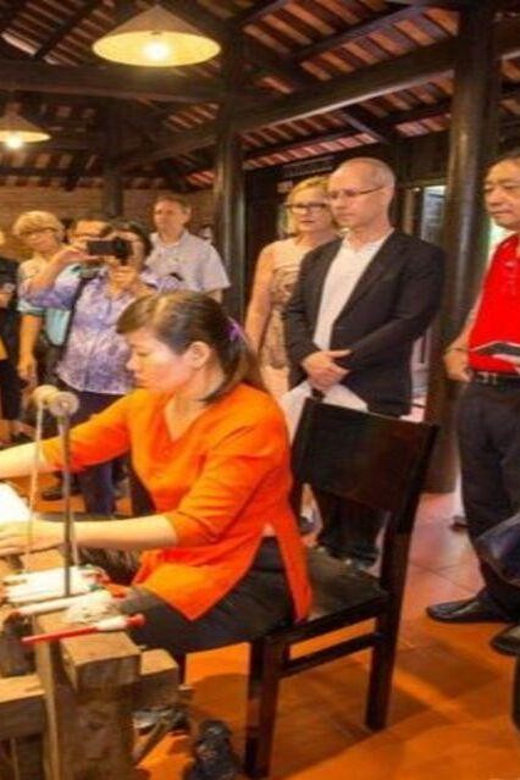
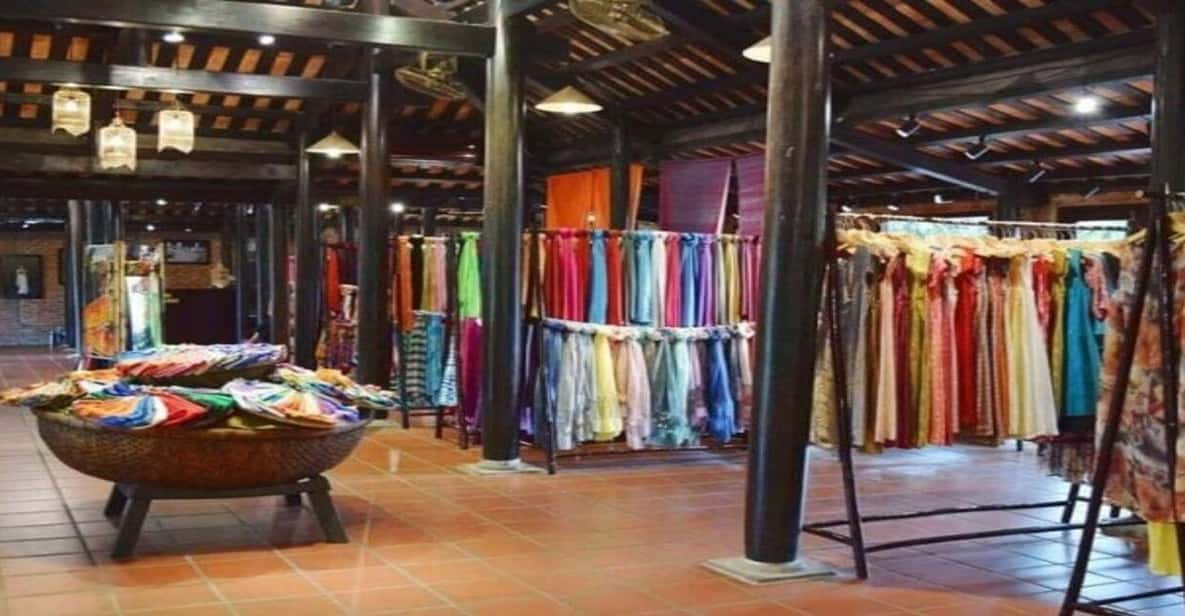
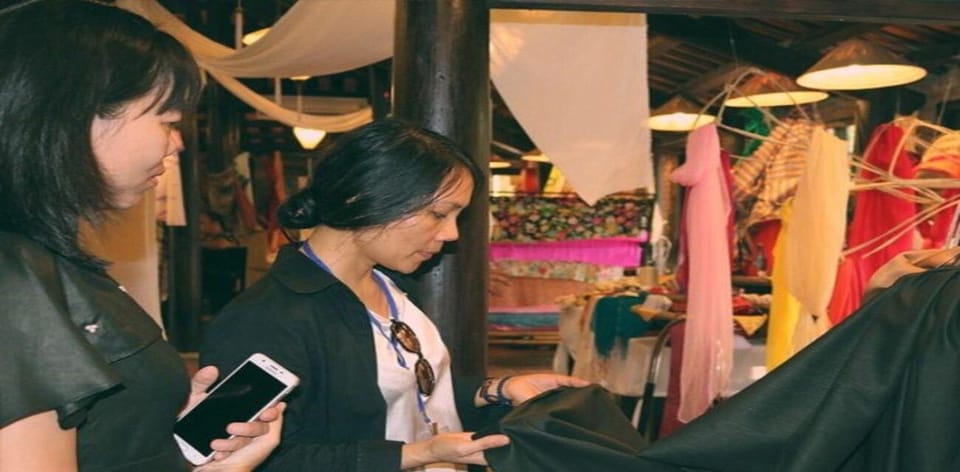
After you learn the production steps, the tour shifts into the part that helps you spend money better: an exhibition that shows the difference between pure silk and fake silk fabric. This is one of the most useful parts of the whole experience because Hoi An has plenty of silk products, and it can be hard to judge what you’re buying if you only rely on marketing.
You’ll get a guided explanation of how real silk differs, so you’re not left guessing. You’ll also see the variety of silk products available there, which is handy if you’re thinking about a scarf, clothing, or even tailoring based on what you learned.
Real talk: don’t rush the shopping portion. If you’re going to buy silk here, take a moment to apply what you learned about pure vs fake. Ask your guide to point out the differences again before you commit.
Champ people textiles and the lantern class that makes Hoi An feel real
Along the way, you’ll visit weaving spaces tied to traditional textiles and learn about handicrafts associated with the Champ people. This helps explain why Hoi An silk isn’t just a modern craft industry—it’s tied to older cultural techniques and patterns.
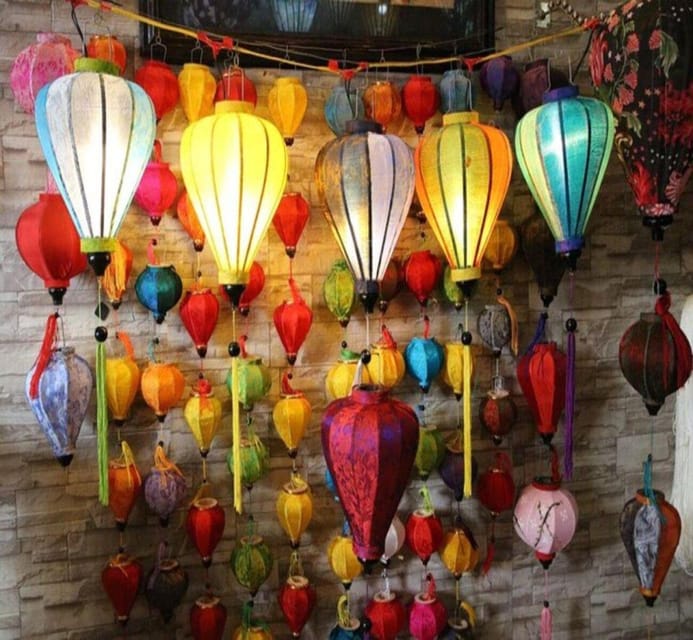
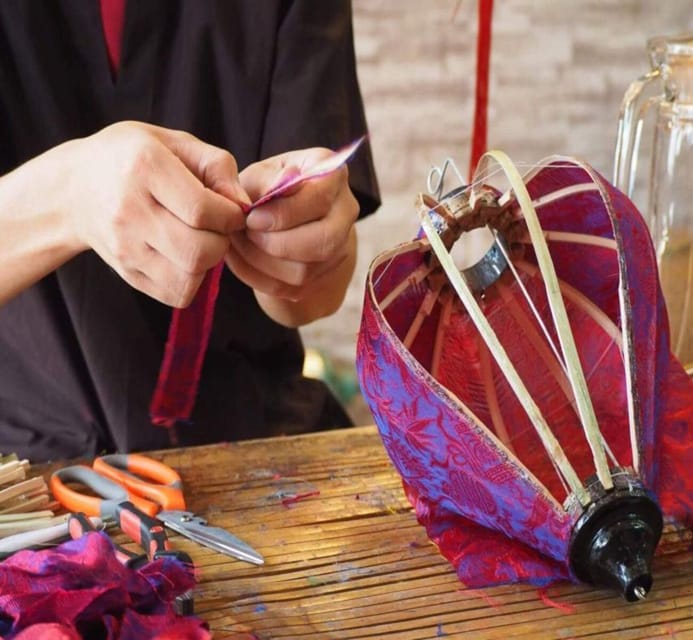
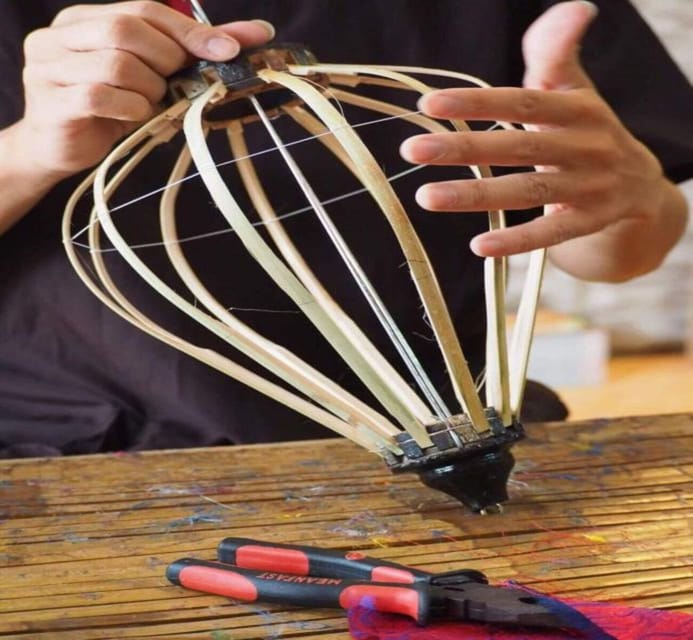
Then you move into the lantern class, which is where the tour becomes a keep-something souvenir moment. You’ll get a brief introduction to lantern history as well as the shape and color ideas. And then you’ll go through the many stages of making your lantern.
What you’ll take home is clearly built into the experience: you make one lantern per person and keep it. That’s a big value point, because you’re not just buying an object later—you’re earning it through the process. When lanterns are part of Hoi An’s identity, making one yourself turns the city’s famous look into something personal.
If you like crafting, you’ll also enjoy the “stages” aspect. It’s less like one fast demo and more like step-by-step guidance.
A few more Hoi An tours and experiences worth a look






Local food included: Cao Lau plus spring rolls and fruit
By the time you sit down to eat, you’ll probably be ready. The meal included here is specifically local: Cao Lau, deep-fried spring rolls, and a fruit plate. You also get that welcome drink at the start.
What’s smart is that the tour doesn’t treat food like an afterthought. It’s part of the day’s rhythm—silk learning, craft making, then a meal that keeps you grounded in Hoi An.
You can also plan around dietary needs. The tour notes that food ingredients can be adapted for vegan, vegetarian, gluten-free preferences, or allergies. If you have a serious allergy, don’t assume it’s automatic—say it plainly when you book or at the start of the experience.
Price and logistics: why $22 feels fair (mostly)
At $22 per person for a 150-minute experience, this tour is priced like a solid value package because multiple items are bundled. You get an English-speaking guide, entrance fees, a meal, a welcome drink, materials and tools, and the finished lantern you take home. You also skip the ticket line.
That’s the key idea: the cost isn’t only for “seeing things.” You’re paying for instruction, access, and a tangible craft item. If you were to buy silk or a lantern later without learning what you’re getting, you’d likely spend similar money with less satisfaction.
One pricing consideration: on Vietnamese Public Holiday dates, the price is extra-charged 50% per person by cash for booking. If your dates fall on a public holiday, budget for that upfront so you’re not surprised on arrival.
Also note: there’s no hotel pickup and drop-off. Meeting point is 28 Nguyen Tat Thanh street, Hoi An, at Hoi An Silk Village. If you’re staying farther out, factor in the time and cost of getting there.
Who this suits best (and who should skip it)
This works really well if you like hands-on craft learning, want a culture connection beyond just walking streets, and enjoy the idea of taking home something you made. It’s also a strong fit for couples or small groups who can appreciate both silk education and lantern-making.
It’s not suitable for people with mobility impairments or wheelchair users. The tour includes multiple areas like gardens and workshop spaces, and the experience is structured around movement and making.
Language-wise, the tour provides an English-speaking guide. One important note for your planning: if clear English is crucial, keep an eye out for communication quality once you arrive—guide English can vary by person.
Getting the most out of your lantern and silk day
I recommend going in with a simple mindset: treat it like a process lesson. The goal isn’t to memorize every detail about sericulture. It’s to understand how the stages connect—from mulberry and silkworms to thread, then to weaving, then into Hoi An’s lantern culture.
Also, keep your expectations matched to the time. At 150 minutes, you’ll cover a lot, but it won’t be a full-day masterclass. Plan to ask questions when something clicks, especially during the silk portion about identifying pure silk vs fake.
If you get a guide like Thu (she’s described as sweet, kind, and knowledgeable), you’ll likely feel supported throughout the crafting steps and shopping lessons. A good guide can make the “process” feel clear instead of rushed.
Should you book? My practical recommendation
Book it if you want a one-session activity that combines three valuable pieces: real silk-making insight, a lantern souvenir you actually make, and a proper local meal. At $22, the included lantern plus the included food and materials makes the pricing feel reasonable rather than budget-frustrating.
Skip it if you need wheelchair-friendly access or mostly want to watch from a chair. This tour is built around walking between parts and doing the craft work.
If you can manage the movement and you like hands-on culture, this is one of those Hoi An experiences that gives you more than a photo. You’ll understand the crafts—and you’ll carry a lantern you built yourself.
FAQ
How long is the Hoi An Silk Process, Lantern Making Workshop & Local Food experience?
The duration is 150 minutes.
What does it cost?
It’s listed at $22 per person.
Is the price different on Vietnamese Public Holidays?
Yes. On Vietnamese Public Holidays, there is an extra charge of 50% per person by cash for booking.
Where is the meeting point?
The meeting point is 28 Nguyen Tat Thanh street, Hoi An (Hoi An Silk Village).
Is hotel pickup or drop-off included?
No, hotel pickup and drop-off are not included.
What’s included in the price?
It includes an English speaking guide, entrance fee, meal (Cao Lau, deep fried spring rolls, fruit plate), welcome drink, one lantern per person, and all required materials and tools.
Do you get to keep the lantern you make?
Yes. You can make your own lantern and keep it as a souvenir.
Is the tour suitable for wheelchair users or people with mobility impairments?
No. It is not suitable for people with mobility impairments or wheelchair users.
Can the meal be adjusted for dietary needs?
Yes. Food ingredients can be adapted for vegan, vegetarian, gluten-free preferences, or allergies.
Does it include an English guide and skip the ticket line?
Yes. The tour includes an English speaking guide and notes that it skips the ticket line.