REVIEW · HOI AN
Hoi An Ghosts, Death, Mystery Unveiled
Book on GetYourGuide →Operated by Momo Travel Limited Company · Bookable on GetYourGuide
Death talk is taboo until someone explains it.
Hoi An is famous for lanterns, but this tour turns the lights down and looks at the spiritual side of everyday life. You’ll walk quiet back alleys where people connect with death through incense, taboos, and household protections, while learning city history most visitors miss.
What I liked most was how the guide connects belief to real places (a grave, ancient homes, wells) instead of just telling scary stories. The second big win is the small group vibe (up to 10), which makes questions feel welcome and the stories feel personal.
One drawback to plan for: this is not a gore-and-gymnastic “haunted house” show. If you want only supernatural jump-scares, you might find the tone more reflective and cultural than purely spooky.
In This Review
- Key things you’ll notice on this Hoi An ghost tour
- Hoi An’s ghost side: lanterns meet the spiritual rules
- Where you start: the 400-year-old tree by Starbucks
- The main idea: how Vietnamese beliefs handle death
- First stop energy: graves, discovery points, and ritual meaning
- The 108 traders story and the King’s apology
- Old houses, war displacement, and a city that changed its residents
- Ancient wells and ghost alleys: small sights that change the mood
- House protection, taboos, and what people won’t do on certain nights
- The mystery monster in Hoi An: folklore with a local brain
- Your guide matters: small-group English storytelling in real time
- Price and value: $20 for a 2-hour “how the city thinks” walk
- Practical tips before you go into darker alleys
- Should you book this Hoi An ghost tour?
- FAQ
- How long is the Hoi An Ghosts, Death, Mystery Unveiled tour?
- What does the tour cost?
- What’s the meeting point for the tour?
- Is the tour suitable for people who don’t like scary attractions?
- Will the tour run in rain?
- How many people are in the group?
- What language is the tour conducted in?
- Where will you walk during the tour?
- Is hotel pickup included?
- Is the tour wheelchair accessible?
- Is there anything to know about footwear or walking distance?
Key things you’ll notice on this Hoi An ghost tour
- Death rituals tied to incense and the way living people honor the dead
- Rarely seen lanes beyond the main tourist flow, with atmosphere built in by the setting
- A trail of local beliefs about dark spirits, including what households do to protect themselves
- Story moments around the murder of 108 traders and an apology of the King
- Stops linked to Hoi An’s past, including ancient houses and a grave inside the town
- Guide-led conversation quality, with English storytelling that earns strong marks in past tours
Hoi An’s ghost side: lanterns meet the spiritual rules
Hoi An earns its lantern reputation for a reason, but the city also runs on quiet beliefs that shape daily behavior. This tour focuses on the uncomfortable topic most people avoid: death. Instead of treating it like something distant, you learn how local tradition makes it part of how families live, remember, and keep respectful boundaries.
A big part of the appeal is that you’re not just hearing legends. You’re seeing the physical anchors those beliefs attach to: a grave you’ll understand in context, and household practices that aim to protect people from what they consider harmful spiritual forces. That mix of story plus place is why the experience feels more useful than a typical walking tour.
You can also read our reviews of more tours and experiences in Hoi An.



Where you start: the 400-year-old tree by Starbucks
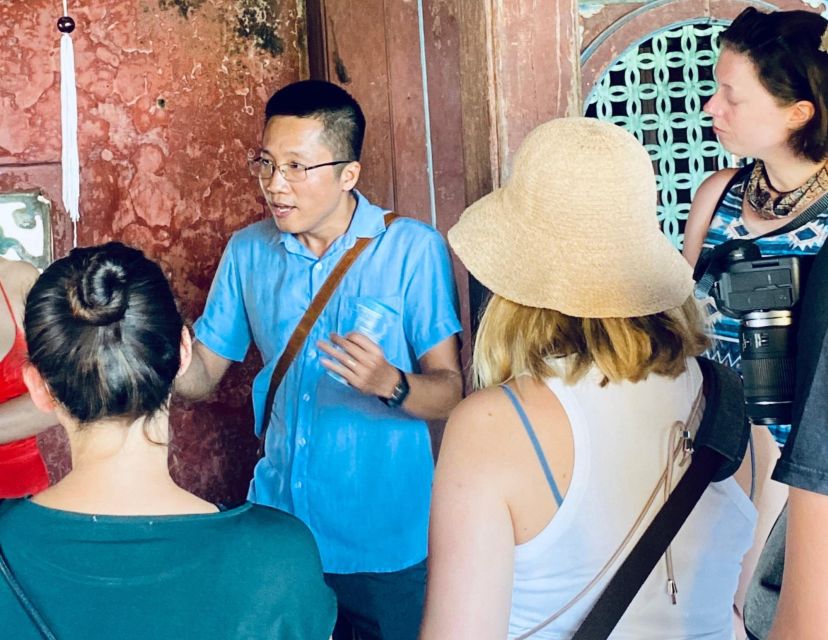
You meet your host next to a 400-year-old tree beside Starbucks Hoi An. It’s an easy landmark to find in the old town area, and it also sets the tone: this is a walk that begins with time depth, not a pitch.
From there, you’ll head into lanes that feel different from the postcard streets. The route covers about 1.5 km over roughly 1.5 hours (with the total experience running about 2 hours). You won’t be counting steps, but do expect a steady walk on uneven old-town ground.
One more practical note: this tour runs rain or shine. Bring a light rain layer or a compact umbrella, and plan on your photos looking more dramatic if the sky misbehaves.
The main idea: how Vietnamese beliefs handle death
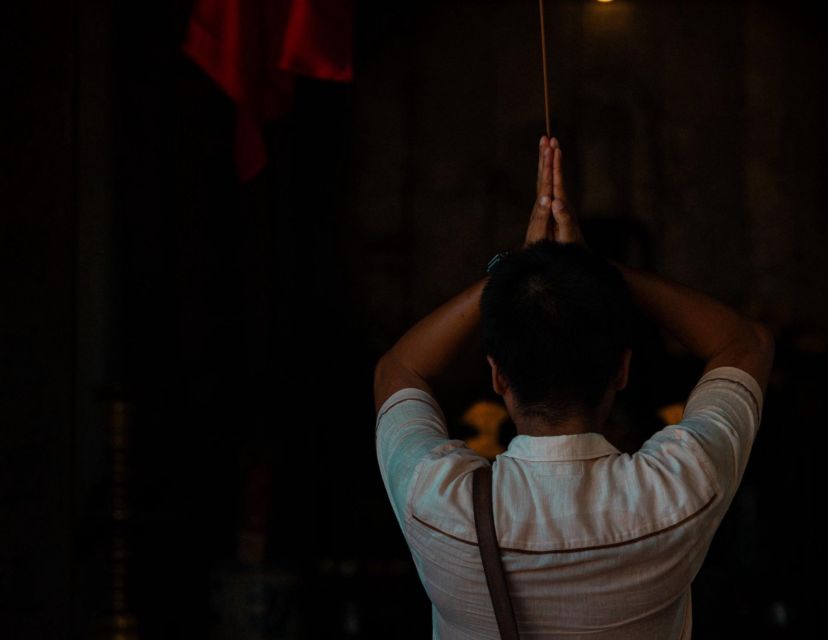
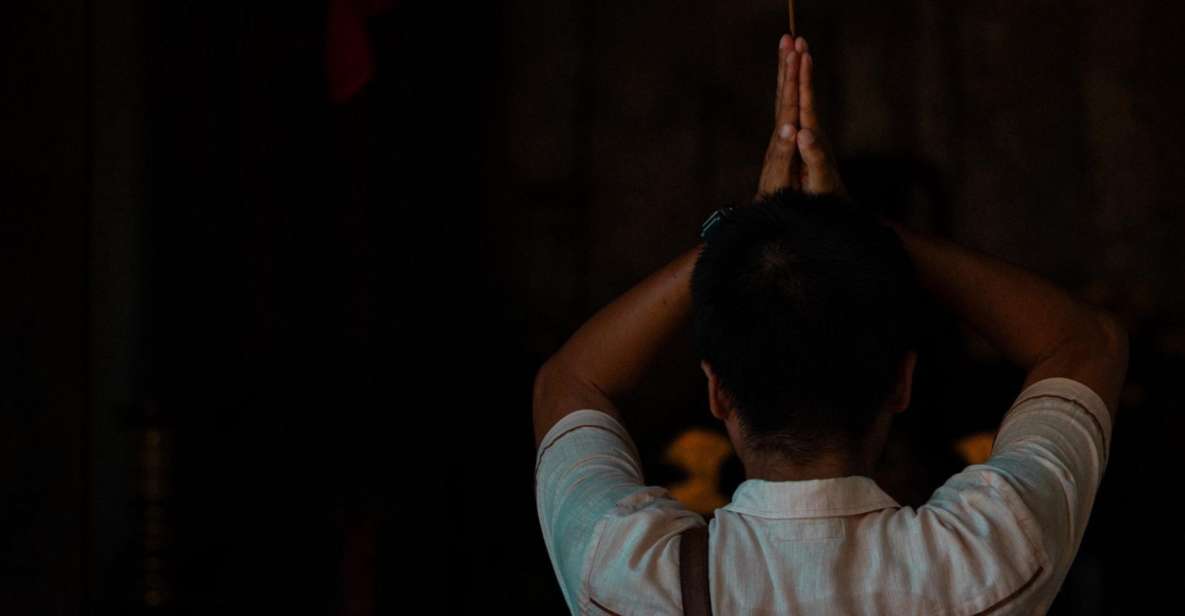
The tour’s core theme is the taboo of death in Vietnam beliefs—what people avoid saying directly, and what they do instead. You’ll learn how death rituals show up in everyday actions, especially through incense and the way living people maintain a respectful connection.
That matters because it changes how you read the city. After you hear the logic behind the practices, the little details you might have walked past—ritual spaces, household boundaries, and the silence around certain acts—start making sense.
You’ll also hear about taboos tied to timing, specifically what people consider not allowed in Fullmoon and Newmoon. Even if you don’t fully share the beliefs, learning the rules gives you a better cultural lens for the places you’re standing in.
First stop energy: graves, discovery points, and ritual meaning
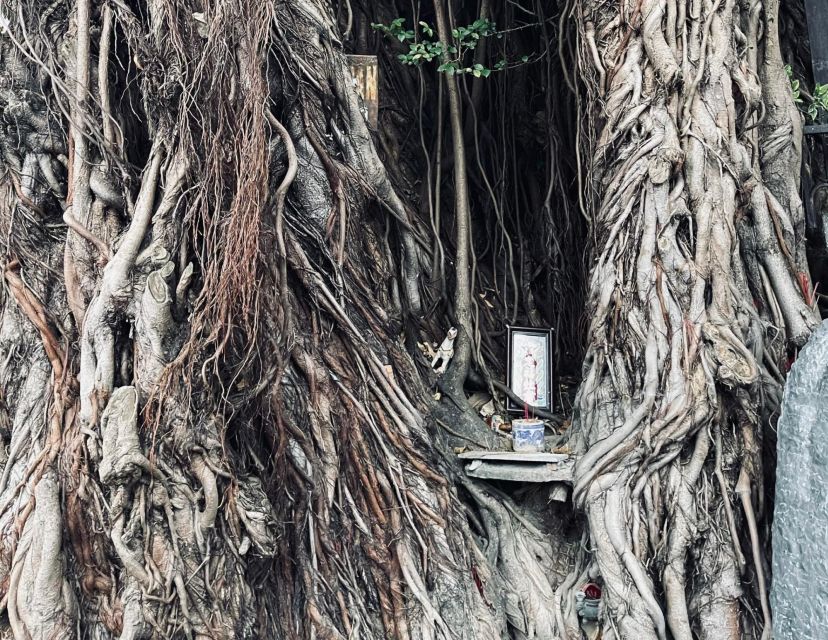
One of the most important moments is the grave in the middle of town. The guide doesn’t treat it like a prop. You’ll be shown where the death ritual fits into local life, and why incense becomes a bridge between the living and the dead.
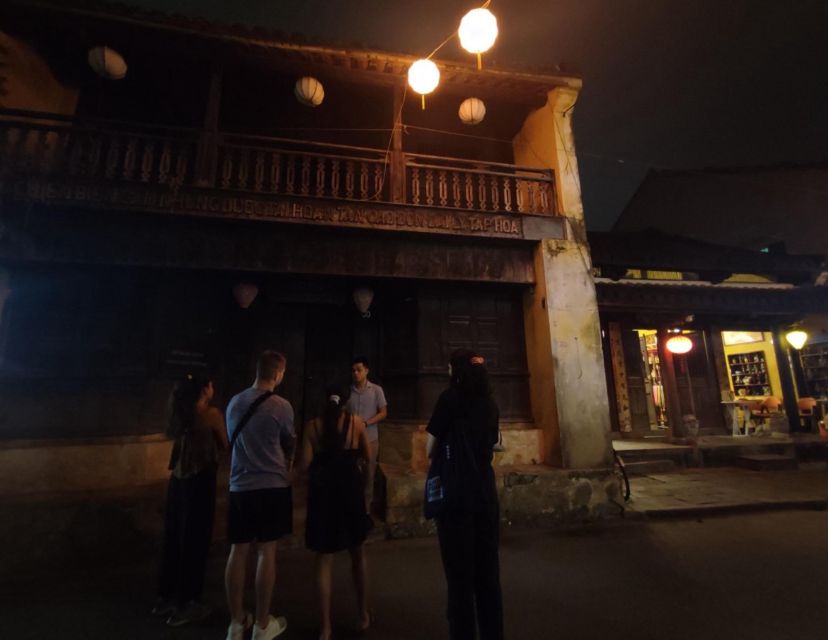
You’ll also move through the darker lanes where the tour points out “dreadful discovery” locations. The point isn’t shock value. It’s to show how history and spirituality overlap in Hoi An’s street layout—how stories cling to corners the way weather stains stone.
If you’re sensitive to death topics, you’ll still be in respectful hands. The tone you’ll get is reflected in guide styles described on prior tours: calm delivery, gentle pacing, and time for questions.
The 108 traders story and the King’s apology
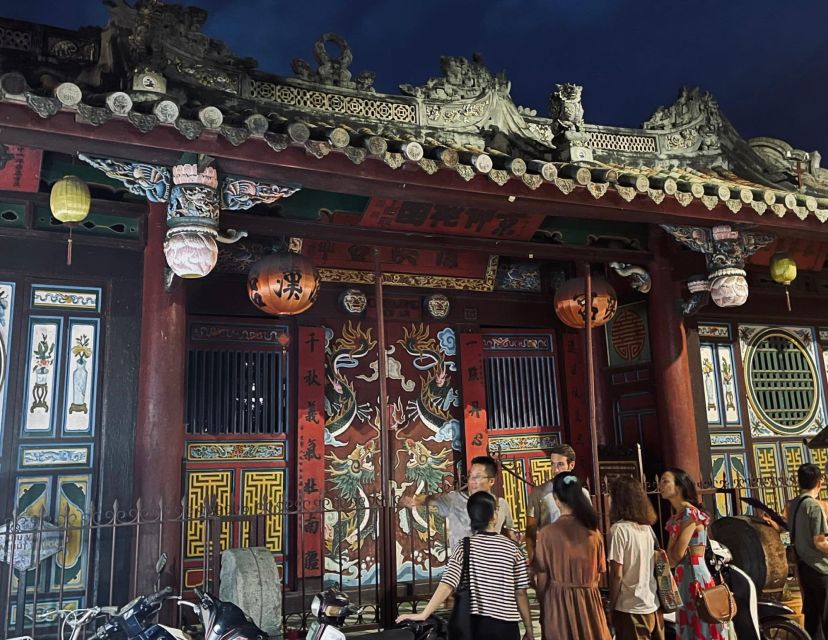
As the walk continues, the tour brings in a storyline tied to the murder of 108 traders and the apology of the King. This is one of those parts where you’ll see history used like a living lesson.
Stories like this tend to stick because they explain more than what happened. They explain what people should feel afterward: responsibility, restoration, and the need for respectful remembrance. In a place like Hoi An, where communities have layered faiths over centuries, that kind of narrative helps you understand why rituals and taboos exist in the first place.
It also keeps the walk from turning into a lecture. The storytelling gives your brain a route to follow, which makes the cultural explanation easier to hold onto.






Old houses, war displacement, and a city that changed its residents
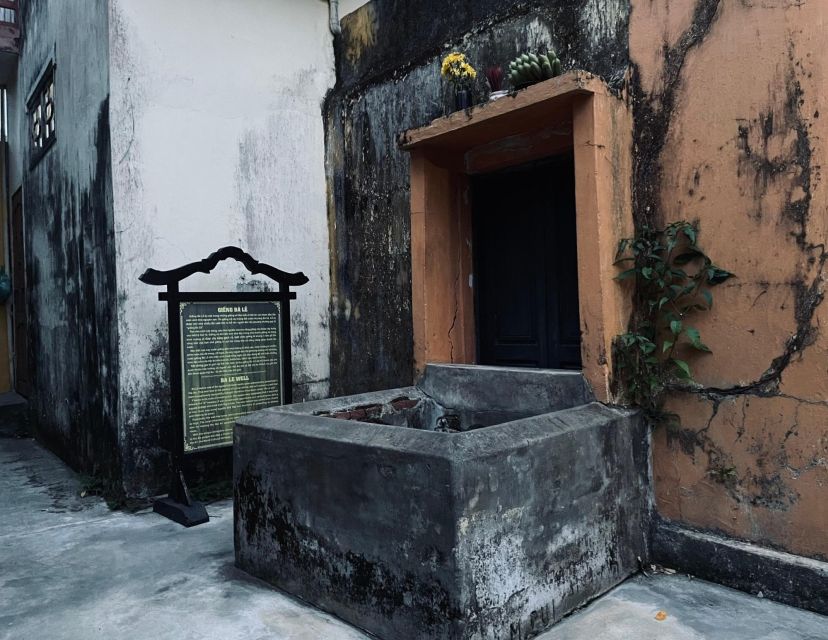
Another meaningful stop happens in the shadow of the oldest house in the old town. Here you’ll learn about the war that made immigrants abandon their houses. That detail shifts the focus from legend to lived impact.
This is where the tour becomes especially valuable if you like history with human weight. You’re not only hearing about the past as dates on a wall. You’re learning how conflict reorganized people’s lives, and how old domestic spaces carry memory even after residents leave.
You’ll also see why the old town feels so layered. Hoi An isn’t just old scenery. It’s a place where earlier lives still influence what locals protect and what they avoid.
Ancient wells and ghost alleys: small sights that change the mood
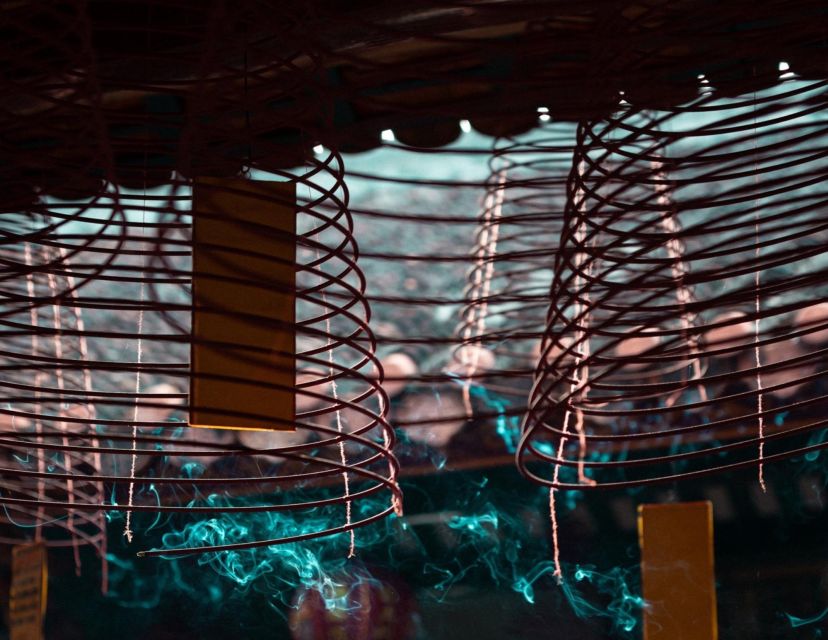
The tour includes “haunted, cultural places” such as ancient wells and ghost alleys. These are exactly the stops where a guide’s phrasing matters. A well isn’t spooky on its own—until you hear what people believe and why the location got stuck in local imagination.
In the alleys, the experience becomes more atmospheric. Even when you’re not scared, you’ll likely notice how the tight streets, walls, and dim corners reshape your sense of the story. That’s one reason this can feel fun without turning silly.
If you’re going with friends, this is also a good place to ask questions. A good guide should connect the legends to practical behavior—what people do, what they avoid, and why.
House protection, taboos, and what people won’t do on certain nights
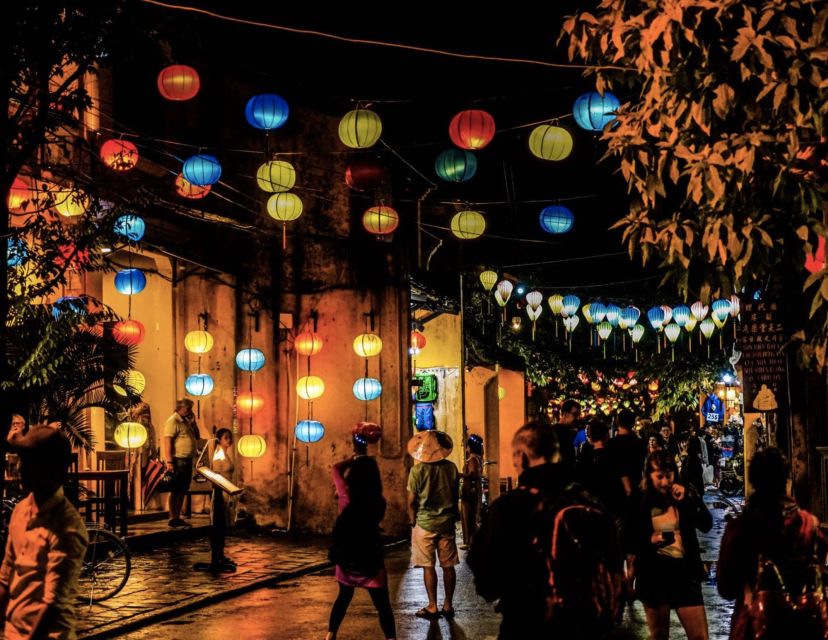
The tour talks about how locals protect their houses from dark spirits and other spiritual dangers. You’ll learn about taboos—especially around Fullmoon and Newmoon—and how those rules show up in everyday restraint.
This part is useful for you, even if you don’t plan to practice anything. It helps you understand why some people treat certain actions as risky at certain times. When you later walk the old town on your own, you’ll spot the difference between normal household life and life shaped by superstition and ritual.
It also helps you travel more respectfully. You’ll know when to keep your voice lower, when to avoid touching things, and when to simply watch instead of “test” the space.
The mystery monster in Hoi An: folklore with a local brain
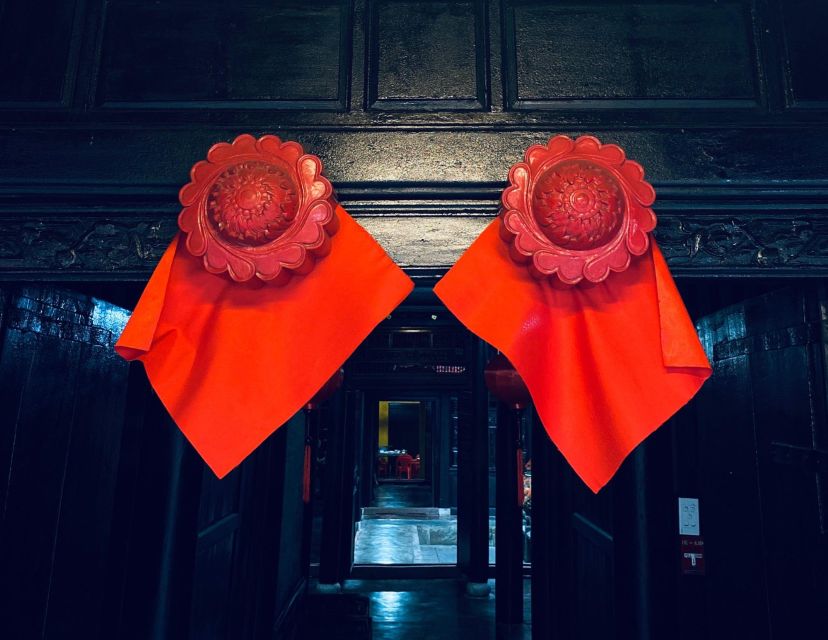
Every good folklore tour needs one signature myth, and this experience includes a mystery monster living in Hoi An. The value here isn’t the monster itself. It’s the cultural function: what the story teaches and how it shapes local imagination.
Listen closely and you’ll likely notice the pattern. Many legends like this work as warnings, safety reminders, or moral explanations. The monster becomes a way to talk about fear without saying it directly.
This kind of storytelling often lands best in a small group, because the guide can tailor follow-up answers to what you find most interesting—history, ritual, or the social meaning behind belief.
Your guide matters: small-group English storytelling in real time
The experience is led by an English-speaking guide, and the past tone you can expect is thoughtful, not chaotic. Guides such as Nhat and Kun have been described with calm or warm energy, plus a gift for explaining the spiritual angle in a way that doesn’t bulldoze your comfort level.
If you’re the type who asks lots of questions, you’ll probably enjoy the interaction. Multiple guides have been praised for answering in depth and keeping conversation alive, not just reciting facts. Another plus: storytelling with a light sense of humor shows up often, which keeps the darker content from turning heavy.
Because the group is limited to 10 participants, it’s easier for the guide to keep an eye on pacing. It’s also easier for you to hear the quieter parts of the explanation without competing with a crowd.
Price and value: $20 for a 2-hour “how the city thinks” walk
At $20 per person for about 2 hours, this tour sits in the affordable-to-mid range for Hoi An. What makes it good value isn’t only the price. It’s the format: a guided walk that turns cultural information into lived context.
If you’ve only seen the bright side of Hoi An—lantern streets, shopping alleys, riverside views—you’ve likely gotten the easy version. Here you’re paying for a different lens: how locals view death, what they do about spiritual fear, and why history shows up in the old town’s layout.
Also, it’s included: the English-speaking guide. What isn’t included is hotel pickup and drop-off, so you’ll want to plan to arrive at the meeting point on your own. That’s normal for walking tours, but it does mean you should factor in the time to get there.
Practical tips before you go into darker alleys
You’ll get the most out of the tour if you come ready to treat it as cultural storytelling, not a stage scare.
- Wear comfy shoes with grip. Old-town surfaces can be slick or uneven.
- Expect about 1.5 km on foot, with slow-to-steady pacing rather than sprinting between stops.
- If you’re uncomfortable with death rituals, tell the guide gently. A good guide will adjust tone without killing the meaning.
- Bring a small umbrella or rain layer. The tour runs rain or shine.
And one more travel mindset: you’ll learn more if you watch how locals behave around sacred or taboo spaces. This tour trains that attention.
Should you book this Hoi An ghost tour?
Book it if you want Hoi An to feel like a real place, not just a photo stop. This is best for you if you enjoy history, culture, and the human side of belief, and if you’re curious how communities handle death through ritual, incense, and taboos.
Skip it if you want only traditional spooky entertainment. The experience is more spiritual and respectful than jump-scare theatre. It’s also a walking tour with about 1.5 km total distance, so make sure you’re comfortable with that pace.
If you want a smart, off-the-map add-on to your Hoi An itinerary, this is one of the most memorable ways to understand why people in town act the way they do—even when the streets look quiet.
FAQ
How long is the Hoi An Ghosts, Death, Mystery Unveiled tour?
The tour lasts about 2 hours, including a walking portion of approximately 1.5 km over around 1.5 hours.
What does the tour cost?
The price is listed as $20 per person.
What’s the meeting point for the tour?
You meet next to a 400-year-old tree beside Starbucks Hoi An, where the host waits.
Is the tour suitable for people who don’t like scary attractions?
The tour is focused on spirituality, death rituals, local taboos, and cultural storytelling. If you only want heavy supernatural thrills, it may feel more reflective than purely scary.
Will the tour run in rain?
Yes, it takes place rain or shine.
How many people are in the group?
It’s a small group limited to 10 participants.
What language is the tour conducted in?
The tour is conducted in English.
Where will you walk during the tour?
You’ll walk through parts of Hoi An that include darker alleys and several cultural sites, such as graves, ancient houses, ancient wells, and ghost alleys.
Is hotel pickup included?
No. Hotel pickup and drop-off are not included.
Is the tour wheelchair accessible?
Yes, the tour is listed as wheelchair accessible.
Is there anything to know about footwear or walking distance?
You’ll walk about 1.5 km, so comfortable shoes are a good idea, especially because you’ll be moving through old-town lanes.