REVIEW · HOI AN
Hoi An/Da Nang: Vietnamese Cooking Class with Transportation
Book on GetYourGuide →Operated by HOI AN FOOD TOUR · Bookable on GetYourGuide
Skip the market. Cook your way through Vietnam.
This experience is built for people who want hands-on cooking, not a bus ride full of stops. You’ll get hotel pickup, an English guide, and a focused session where you learn four classic Vietnamese dishes (then you eat them too).
I especially like the step-by-step teaching style and the fact that the class centers on real flavors and real technique. In past sessions, instructors have included Lily, Lyn, Jane, Ai, Quan, Quang, and Juan, and the common thread is clear guidance plus patience when you’re still learning knife work. I also like that the class is good for different needs: one review highlights strong gluten-free support, and others mention easy adjustments for allergies.
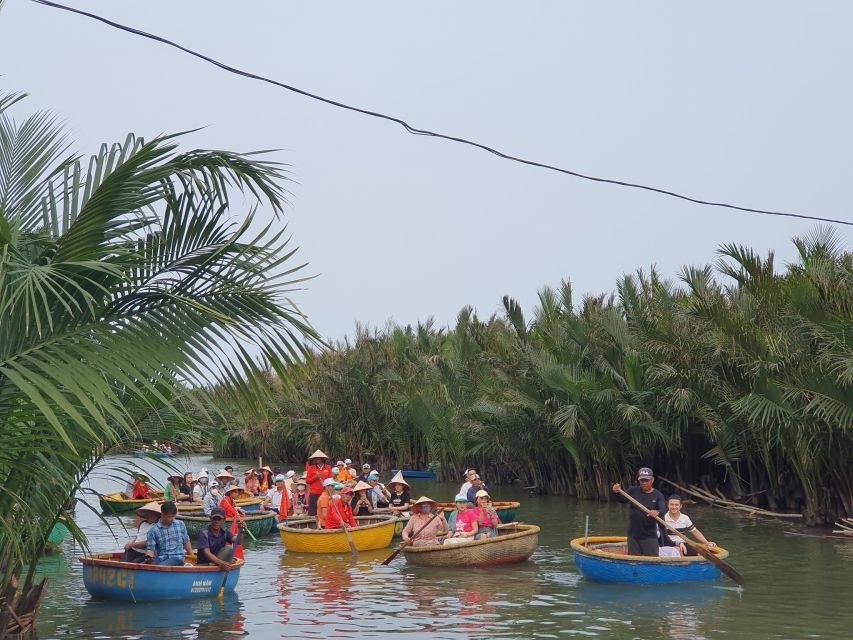
One thing to consider: this is a cooking class first and foremost. If you’re hoping for a day of market wandering, farming, or basket-boat style sightseeing, this won’t be that kind of tour.
In This Review
- Key points that matter
- Hoi An or Da Nang: matching the menu to your schedule
- Hotel pickup and transport: fewer headaches, smoother timing
- What the cooking space feels like
- Your class flow: from chopping to tasting (without the tourist detours)
- What you’ll actually cook: dishes, techniques, and flavor logic
- Beef noodle soup (Phở-style comfort, Vietnamese style)
- Spring rolls and the art of the filling
- Bánh Xèo: the fun crepe you’ll want to make again
- Papaya salad, green mango salad: balance training in one bowl
- Quang noodles (Da Nang’s Menu 1 signature)
- Fresh spring rolls and fish sauce chicken wing (Da Nang’s extra variety)
- The meal part: come hungry, and don’t fear being stuffed
- Taking recipes home: what you can reuse in your own kitchen
- Who should book this cooking class
- Price and value: why $22 feels fair for what you get
- Should you book it?
- FAQ
- How many dishes do I cook during the class?
- How long is the experience?
- Where does the class run in Hoi An and Da Nang?
- What dishes are included in the Hoi An menu?
- What dishes might I cook in Da Nang?
- Is hotel pickup and drop-off included?
- Is there an English guide?
- Can the class handle dietary restrictions like gluten-free?
- Is the class wheelchair accessible?
- What is the cancellation policy?
Key points that matter
- Cooking-only format: fewer stops, more time at the stove.
- Four dishes, full meal: you leave fed with practical recipes.
- English instruction: clear explanations and hands-on coaching.
- Small-group feel: some classes run around 6 people, so you get attention.
- Dietary flexibility: at least some gluten-free and allergy adaptations are handled smoothly.
- Transport is part of the deal: hotel pickup/drop-off is included, and it’s highly rated.
Hoi An or Da Nang: matching the menu to your schedule
You’ll choose between two city experiences, and the menus actually change what you learn.
In Hoi An, the class is tied to Cam Thanh coconut village. You’ll cook classic dishes like Beef Noodle Soup, deep-fried spring rolls, Hoi An pancake (Bánh Xèo) with pork and prawns, and green papaya salad. The Hoi An sessions run at 10:30 am and 4:30 pm.
In Da Nang, the location is at 146 Đoàn Khuê, Phường Khuê Mỹ, Quận Ngũ Hành Sơn. You’ll cook four dishes, but the menu depends on the day:
- Menu 1 (Mon, Wed, Fri): Quang noodles, fish sauce chicken wing, green papaya salad with shrimp, deep-fried spring rolls.
- Menu 2 (Tue, Thu, Sat, Sun): beef noodle soup, crispy Bánh Xèo, green mango salad with shrimp, fresh spring rolls.
So here’s the practical way to pick: choose the city for the dishes you care about most, and then pick the time slot that fits your day. If your schedule is tight, this is one of those “do the thing you came for” experiences.
You can also read our reviews of more cooking classes in Hoi An
Hotel pickup and transport: fewer headaches, smoother timing
I like that the class includes hotel pickup and drop-off. That matters in Central Vietnam, where distances can be annoying and you don’t want to waste your cooking time hunting down directions.
The transport quality is also a real point: 92% of reviewers rated it as a perfect score, and multiple reviews mention on-time pickup and smooth service. In practice, you’ll just need to be ready in the lobby about 10 minutes before your pickup window.
Do note the one caution that can affect value: some hotels have extra surcharges or are not covered. In Hoi An, hotels near An Bang Beach area and certain Vinpearl properties have a stated extra fee (paid for pickup/drop-off). In Da Nang, certain streets and specific major hotels have a stated cash surcharge per person one way, and some resorts aren’t included. If you’re staying in one of the higher-end properties listed, it’s worth checking before you assume pickup is free.
What the cooking space feels like
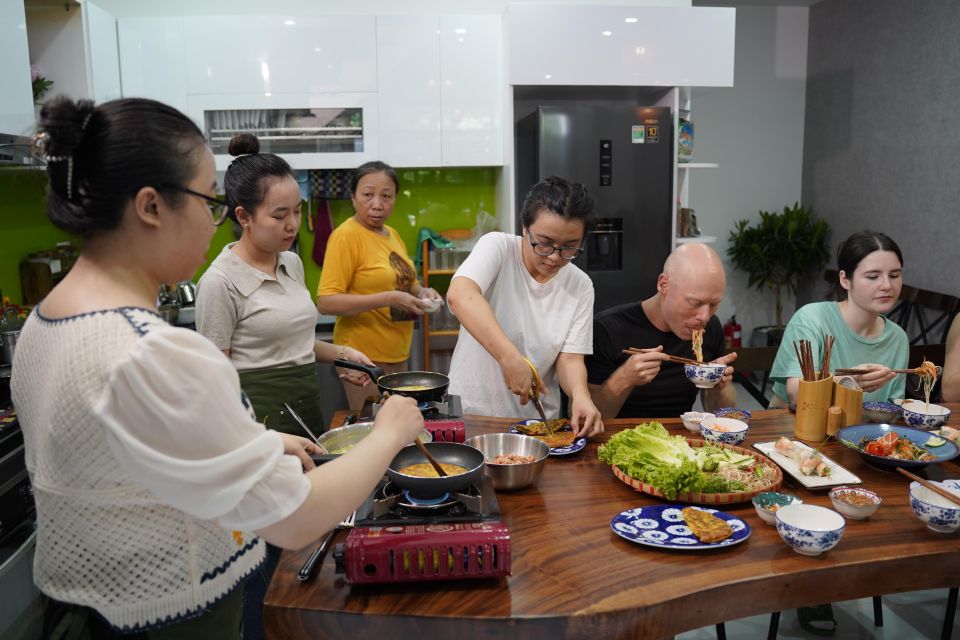
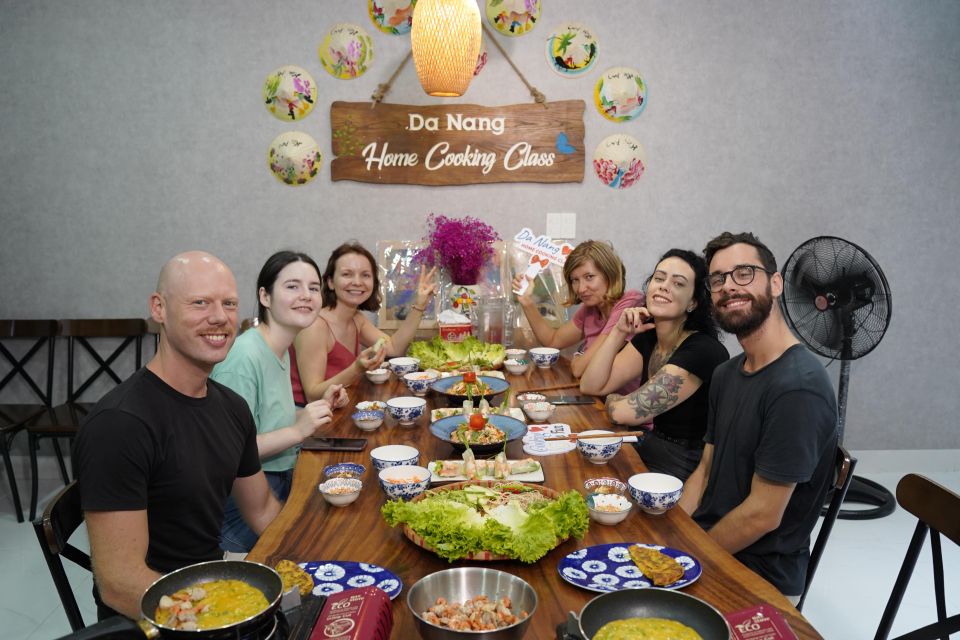
This is not a giant factory tour. From the reviews, the vibe is more like a calm, family-run kitchen setup, and you get a real chance to work with the food.
A few details show up repeatedly:
- Clean, organized cooking areas.
- Instruction that’s slow enough for beginners.
- A relaxed pace where the guide keeps you moving without rushing you.
Some reviews mention cooking under cover in a spacious outdoor/river-adjacent setting, which can be a lifesaver if the weather turns. One review specifically calls out a rainy day in Da Nang where the setup still worked well.
Also, the class can feel small. One review describes a six-person group, which usually means more hands-on time and less waiting around.
Your class flow: from chopping to tasting (without the tourist detours)
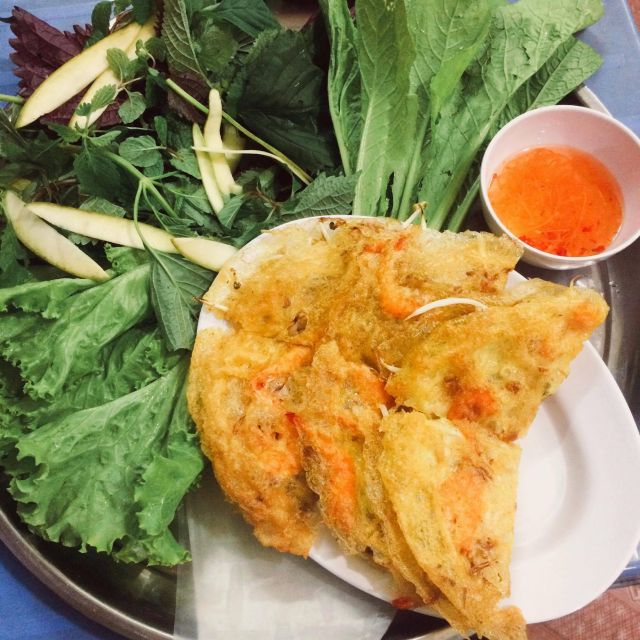
Even though the exact order can vary by instructor and menu, the overall flow is consistent: you’re guided step-by-step through each dish, you do the hands-on work, and then you eat what you make.
Expect this rhythm:
- Meet up with your guide/chef and get the plan for the dishes.
- Prep together (chopping, mixing, shaping). Many reviews emphasize patient coaching here.
- Cook key components for each dish, with step-by-step instructions.
- Taste as you go and finish with a full meal.
One small consideration: some reviews suggest that a bit of preparation may be done in advance by the team. That’s normal in cooking classes (it keeps things safe and on schedule), but if you’re the kind of person who wants every single ingredient handled by your own hands, you might mentally adjust expectations.
What you’ll actually cook: dishes, techniques, and flavor logic
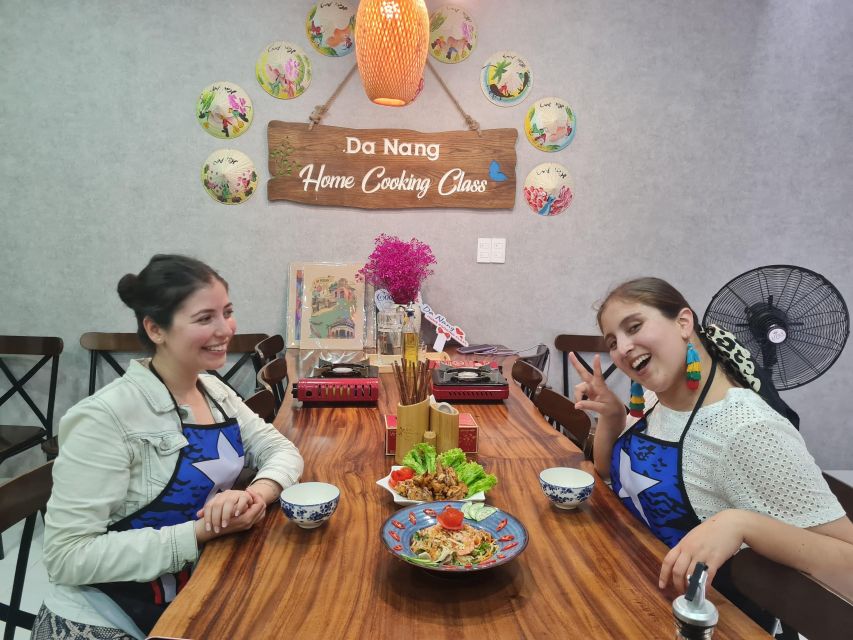
Let’s get specific. The point isn’t just what’s on the menu. It’s why these dishes teach you something you can reuse at home.
A few more Hoi An tours and experiences worth a look

Beef noodle soup (Phở-style comfort, Vietnamese style)
On the Hoi An menu, and on Da Nang’s Menu 2, you’ll learn beef noodle soup. Even if your final broth isn’t identical to Vietnam (home kitchens rarely are), the useful part is the logic: balancing savory, salty, and aromatic notes, and understanding how garnishes and noodles change the final experience.
This is also a dish that helps beginners because it’s forgiving. The guide’s tips on how to build flavor can carry over to other soups.
Spring rolls and the art of the filling
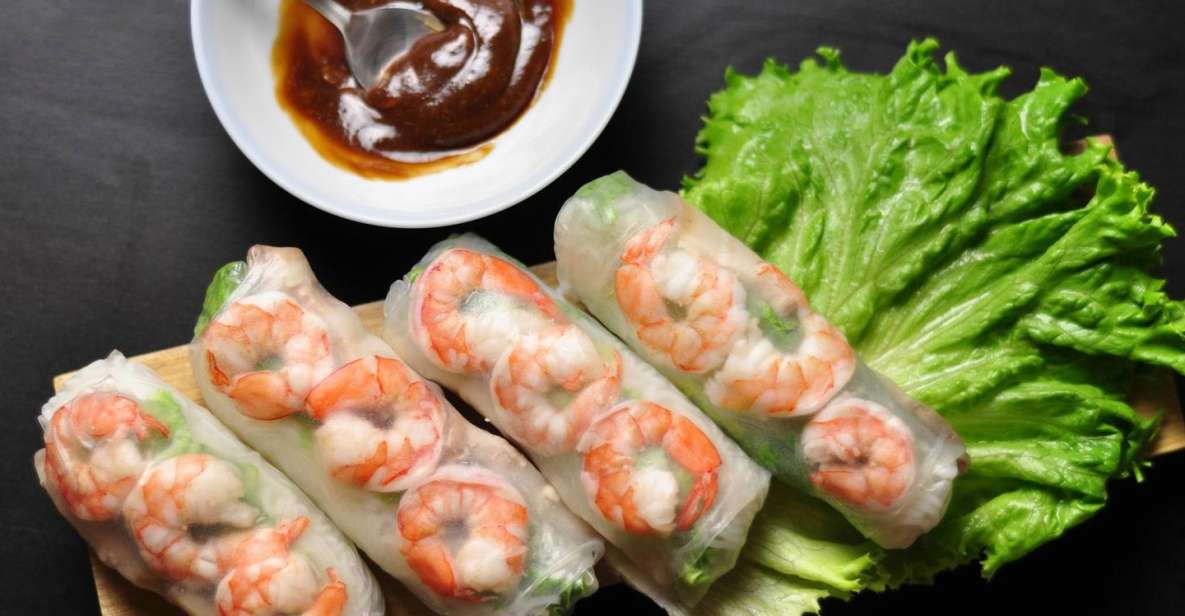
You’ll cook deep-fried spring rolls in both cities (Hoi An includes them; Da Nang includes them in Menu 1 and Menu 2). Expect to learn how to portion, wrap, and manage frying so you get that crisp outside without wasting oil or overcooking the filling.
I like this dish for home use because it scales. Once you learn the wrap and the frying cues, you can swap fillings.
Bánh Xèo: the fun crepe you’ll want to make again
In both locations, you’ll likely cook Bánh Xèo (Hoi An has it on the menu; Da Nang includes it on Menu 2). This is one of the most “Vietnam” dishes you can practice at home, but the key is technique: getting the batter right, achieving the right texture, and learning how to eat it properly.
One review mentions learning how to eat the pancake with rice paper. That kind of detail is exactly what makes a cooking class valuable. It’s not just the cooking. It’s the eating method.
Papaya salad, green mango salad: balance training in one bowl
You’ll see green papaya salad in multiple menus, and green mango salad with shrimp in Da Nang’s Menu 2. These salads teach you the Vietnamese skill of balance: sweet, sour, salty, and a little heat working together.
If you’ve never made a salad like this, you’ll probably remember it because your brain will start recognizing the taste formula. That makes this dish one of the most transferable skills from the class.
Quang noodles (Da Nang’s Menu 1 signature)
If you’re in Da Nang on Mon/Wed/Fri, you’ll cook Quang noodles. This is a great pick if you want a dish that feels more locally Da Nang than the more commonly known Vietnamese staples.
Fresh spring rolls and fish sauce chicken wing (Da Nang’s extra variety)
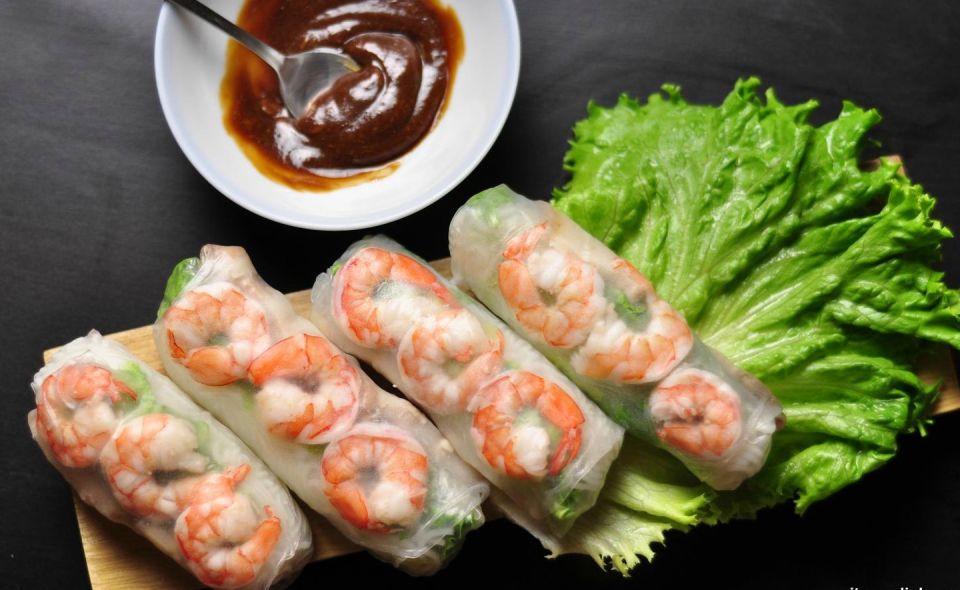
In Da Nang’s Menu 2, you’ll cook fresh spring rolls. In Menu 1, you’ll cook fish sauce chicken wing. These two dishes round out the class so you’re not just repeating the same ingredient style.
If you’re a “variety matters” person, the Da Nang menu structure helps. You can choose your day based on what you want most.
The meal part: come hungry, and don’t fear being stuffed
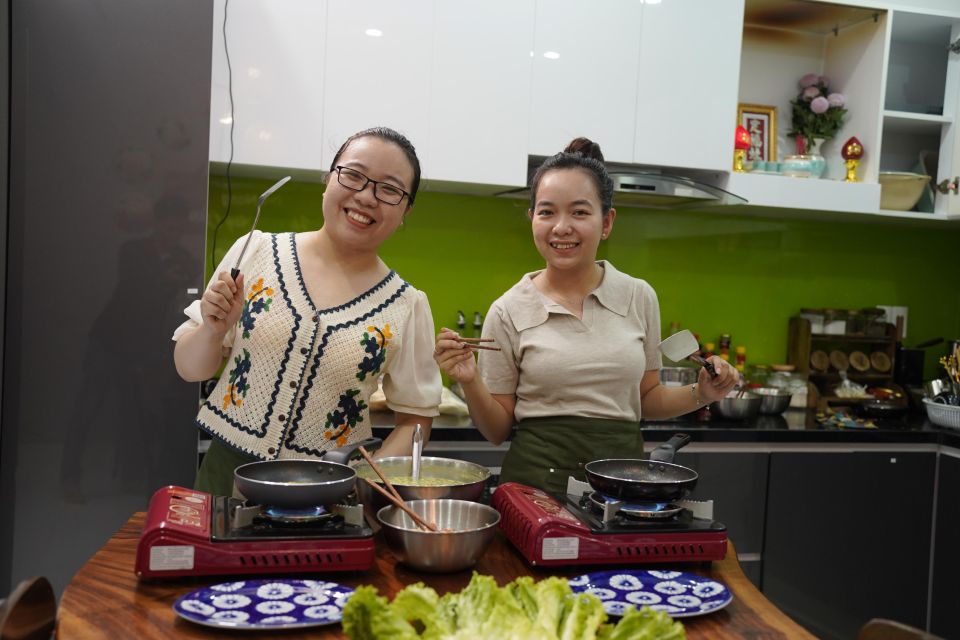
A bunch of reviews make the same point in different ways: the food is plentiful. More than once, people recommend not eating breakfast beforehand because you’ll cook and then you’ll eat a lot.
My advice is simple: plan the rest of your day around this meal. If you’re doing the late-afternoon Hoi An slot (4:30 pm), you probably won’t want a big dinner later.
Pacing-wise, you’ll be busy enough that you don’t feel like you’re waiting around. Then you hit the finish line and it’s all yours to enjoy.
Taking recipes home: what you can reuse in your own kitchen
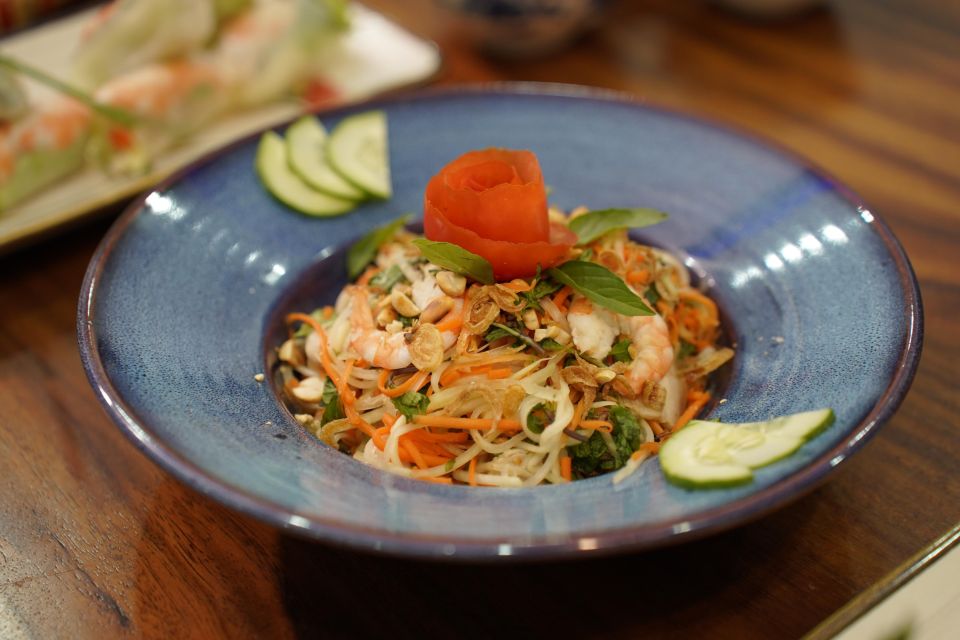
This is where the “value” question becomes real. At $22 a person, you’re not paying for a fancy setting. You’re paying for instruction you can use.
Across reviews, you’ll commonly leave with:
- Practical recipe guidance.
- Tips for adapting ingredients (including what to use back home).
- Advice on how to cook these dishes beyond just following a list.
One review notes that the instructor explained alternative produce you can use in the UK. Another mentions the teacher adapting recipes for gluten-free diets without fuss. And at least one review mentions remote coaching via WhatsApp, which is useful if you try to reproduce a dish and something goes sideways.
Also, don’t underestimate the “small” technique tips. Things like the order of steps, how thick to make batter, and how to eat Bánh Xèo make your results way more believable at home.
Who should book this cooking class
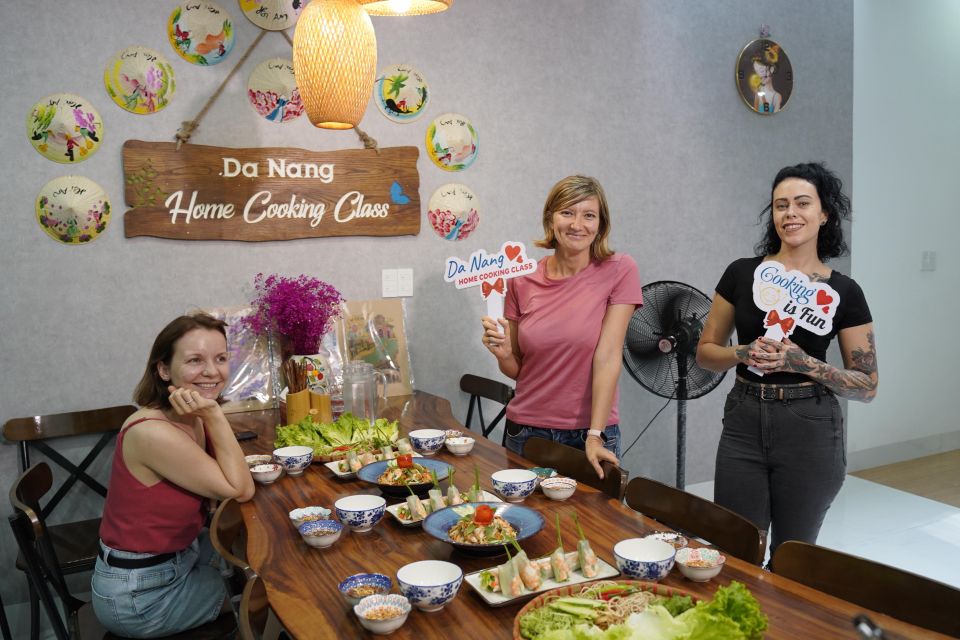
This is a strong match if:
- You want a cooking-focused experience rather than a sightseeing checklist.
- You’re short on time but still want to learn real Vietnamese cooking.
- You’re traveling with kids. Reviews mention an 8-year-old enjoying it, and the class is described as good for families with limited time.
- You’d like a calmer day than a market tour, especially if weather is unpredictable.
It might be a weaker match if:
- You want a broad cultural day built around markets, farms, and boats.
- You’re hoping for a purely self-guided experience. This is taught step-by-step, so you’ll rely on the instructor a lot.
Price and value: why $22 feels fair for what you get
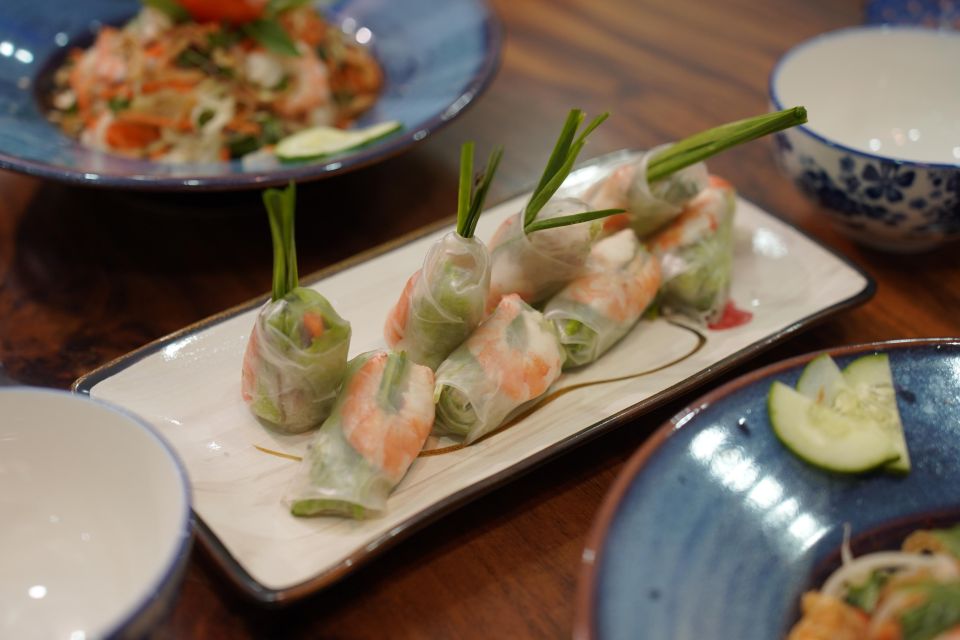
At $22 per person for roughly 150 minutes to 3 hours, the math works because you’re getting more than a show-and-tell. You get:
- Hotel pickup and drop-off.
- An English-speaking guide.
- A hands-on cooking session.
- Four dishes to taste.
That last part matters. In many tours, you pay for access and a few samples. Here, you’re making a full meal from scratch, and you walk away with recipes and skills you can repeat.
So the value isn’t only the price tag. It’s the combination of teaching time plus the amount of food. Even multiple reviews emphasize how full people leave.
Should you book it?
Yes, if your goal is simple: learn to cook Vietnamese dishes in a way that’s actually repeatable at home. The best reason to book is that it stays focused. You won’t lose time on detours. You’ll spend it at the stove, learning techniques that matter.
Before you commit, double-check one thing: whether your specific hotel is in the pickup coverage area or listed as having a surcharge. If your hotel requires extra cash for one-way pickup, factor that into your budget.
If you want a calm, practical cooking session with an English guide, and you like the idea of eating what you cook, this is one of the easiest “yes” calls you can make in Hoi An or Da Nang.
FAQ
How many dishes do I cook during the class?
You cook four Vietnamese dishes during the session.
How long is the experience?
The class runs about 150 minutes to 3 hours, depending on the schedule.
Where does the class run in Hoi An and Da Nang?
In Hoi An, it’s connected with Cam Thanh coconut village. In Da Nang, the class location is 146 Đoàn Khuê, Phường Khuê Mỹ, Quận Ngũ Hành Sơn, Da Nang.
What dishes are included in the Hoi An menu?
The Hoi An menu includes Beef Noodle Soup, deep-fried spring roll, Hoi An pancake (Bánh Xèo) with pork and prawns, and green papaya salad.
What dishes might I cook in Da Nang?
Da Nang has two menu options based on the day:
- Menu 1 (Mon, Wed, Fri): Quang noodle, fish sauce chicken wing, green papaya salad with shrimp, deep-fried spring rolls
- Menu 2 (Tue, Thu, Sat, Sun): beef noodle soup, crispy Vietnamese pancake (Bánh Xèo), green mango salad with shrimp, fresh spring roll
Is hotel pickup and drop-off included?
Yes, hotel pickup and drop-off is included, and you’ll be told pickup timing. Some hotels in both cities may have extra surcharges or may not be covered.
Is there an English guide?
Yes. The tour includes a live English guide.
Can the class handle dietary restrictions like gluten-free?
Some instructors have supported dietary needs. For example, one review specifically mentions catering for a gluten-free diet, and other reviews mention adapting dishes for allergies.
Is the class wheelchair accessible?
Yes, the activity is listed as wheelchair accessible.
What is the cancellation policy?
You can cancel up to 24 hours in advance for a full refund.