REVIEW · HO CHI MINH CITY
From Ho Chi Minh: Cu Chi Tunnels – A Half-Day Trip
Book on GetYourGuide →Operated by Asia Tour · Bookable on GetYourGuide
The Cu Chi Tunnels make the war feel close. This half-day trip from Saigon mixes wartime documentary footage with an up-close walk-and-crawl through a tunnel network so tight and connected it’s often described like a spider’s web. You also get a taste of what guerrillas ate, plus a story-heavy guide who explains how people hid, survived, and fought underground.
Two things I really like about this tour are how practical it feels for a history site (you’re not just watching from a distance) and how the food detail has a point. The snack—tapioca cooked on a special Hoang Cam stove designed to hide smoke—turns the history lesson into something you can actually imagine living through. One possible drawback: the tunnel crawl is genuinely narrow, and the day can run a bit tight on time if you’re trying to pair it with other plans right after.
In This Review
- Key highlights worth planning for
- Cu Chi Tunnels: a half-day that stays focused on real life
- Getting there from Ho Chi Minh City: hotel pickup and AC comfort
- A wartime documentary before you go underground
- Secret hideouts and the “spider-web” tunnel logic
- Crawling the narrow tunnels: the part you remember
- Shooting range and real guns: optional, extra-cost reality
- War-time food detail: tapioca, tea, and the Hoang Cam stove
- Guides matter: storytelling, safety, and language clarity
- Price and value: why $16 can still add up
- Who this Cu Chi Tunnels half-day is best for
- A few practical tips to make your day smoother
- Should you book this Cu Chi Tunnels half-day tour?
- FAQ
- How long is the Cu Chi Tunnels half-day trip?
- What does the price of $16 include?
- Do I need to pay extra for shooting?
- Where do they pick you up in Saigon?
- What languages are available for the live guide?
- Is there a way to cancel or change plans?
Key highlights worth planning for
- Real wartime documentary footage during the visit, so you’re not relying on secondhand summaries
- Spider-web tunnel networks and secret hideouts that show how the system worked
- Crawling through narrow tunnels gives you a physical sense of how claustrophobic guerrilla life could be
- Guerrilla survival details, including leaves used for camouflage and secret refuge areas
- Tapioca and tea as a light war-time-style snack, cooked on the Hoang Cam stove
- Optional shooting experience with real guns, with bullet fees that are separate
Cu Chi Tunnels: a half-day that stays focused on real life
Cu Chi Tunnels isn’t a vague museum. It’s built around the idea that understanding comes from seeing the layout, imagining the routines, then feeling what it’s like to move through spaces meant to hide people from the sky. The day is short—about 6 hours—which is exactly what you want when your time in Ho Chi Minh City is limited.
Your guide’s job is to turn the tunnels from “cool photos” into something you can follow. Expect explanations about how Vietnamese guerrillas lived underground, how they resisted and fought during the war, and how they used camouflage (including leaves) to blend in. The more the guide ties it together, the more the tunnels start to make sense as a functioning underground network, not just a series of holes.
A few more Ho Chi Minh City tours and experiences worth a look


Getting there from Ho Chi Minh City: hotel pickup and AC comfort
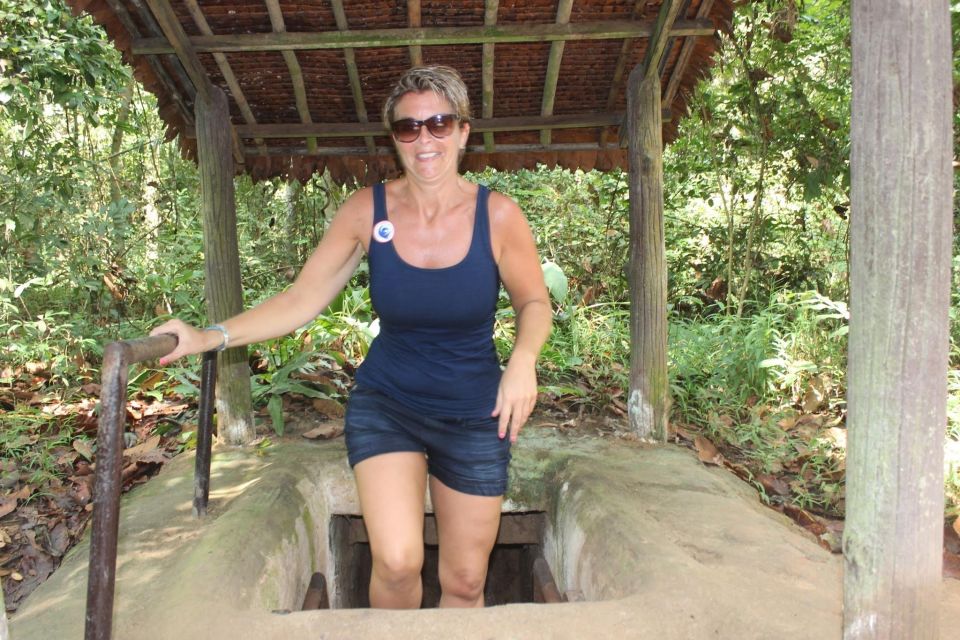
This tour starts with pickup in central Saigon, and they use an AC car transfer. You’ll be met at the hotel (or a designated pickup point), then driven out to Cu Chi. It’s the kind of setup that works well if you’re staying in District 1 or nearby and don’t want to sort transport, tickets, and timing yourself.
One small travel reality to keep in mind: this is a half-day, so you don’t have a lot of slack. If your schedule is packed—like you’re counting on a later dinner reservation—you’ll want to give yourself buffer time. In at least some cases, people have found the visit schedule a little challenging when traffic or timing gets tight.
A wartime documentary before you go underground
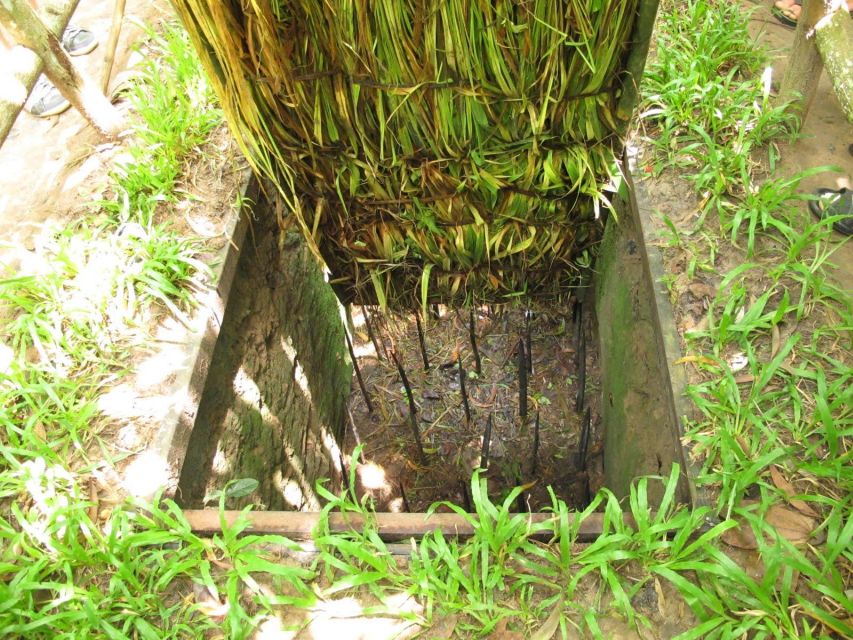
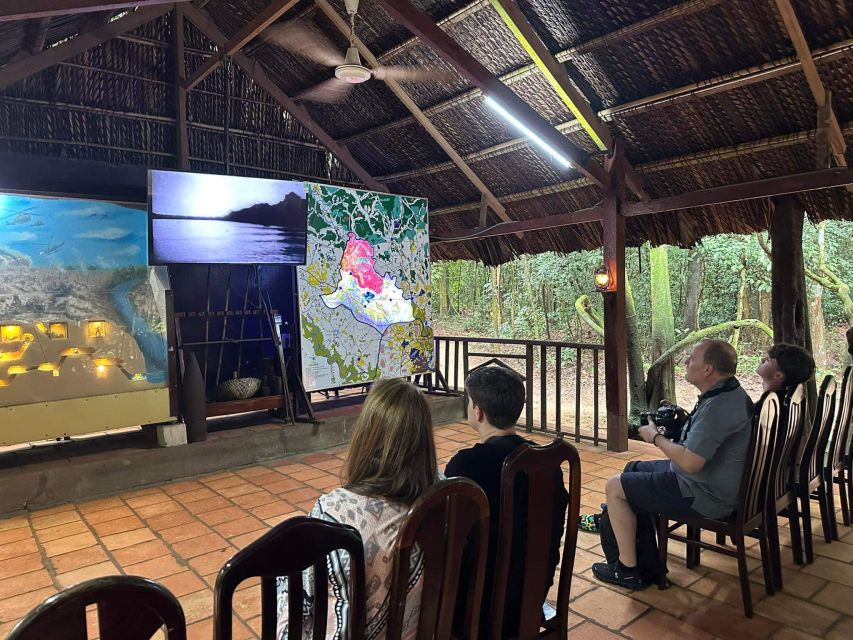
Before you start crawling and exploring, you watch short documentary-style footage connected to the tunnels during the war. The goal here is not just to inform you, but to set your mindset. When you later step into the tunnel system, the story makes more sense: you’re seeing the physical environment that supported a strategy of hiding, moving, and fighting.
This part matters because Cu Chi isn’t meant to be “light and fun.” If you come prepared to learn, the footage helps you understand why these tunnels were built with such precision. And because the tour includes an English-speaking guide (and multiple other language options), you’re more likely to get clarity on details like how the underground spaces were used.
Secret hideouts and the “spider-web” tunnel logic
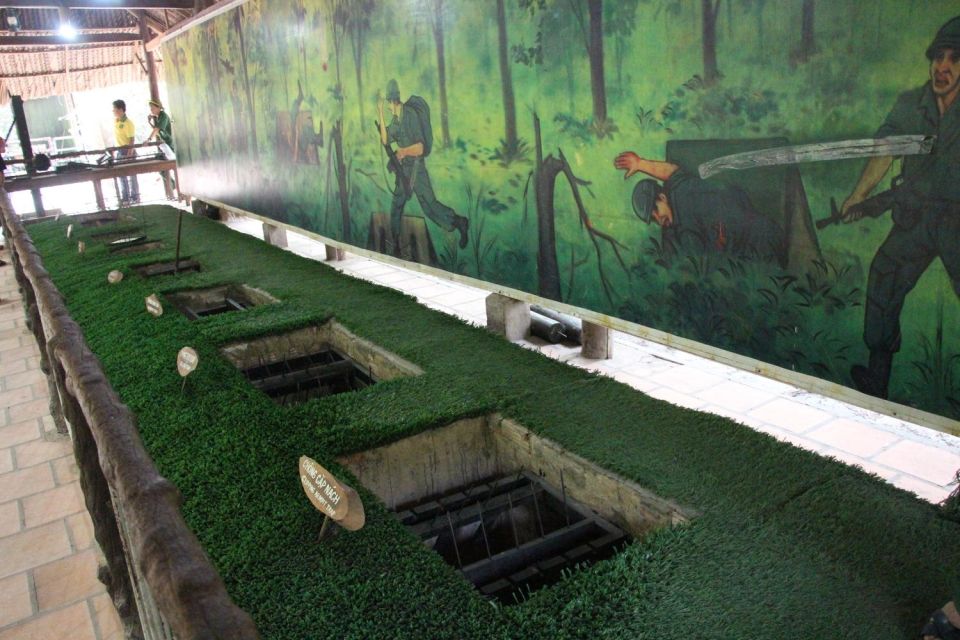
Once you’re on-site, the tour walks you through the tunnel network and key areas that connect to life underground. The description of the tunnels as a spider-web isn’t just marketing. The system is about connections—routes, refuges, and hiding points—so you can move without exposing yourself for long.
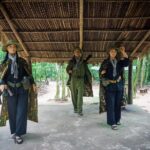
You’ll see how Vietnamese guerrillas used the tunnels as an underground city: secret hideouts, camouflage ideas, and refuge spaces designed to protect people during dangerous raids. The guide typically helps you understand what each area was for—how someone might stay hidden, how they might move, and why the network’s layout mattered.
The best tours here are the ones where the guide keeps explaining the “why.” For example, guide Lam has been praised for being an excellent story teller and able to answer questions in a way that makes the time period click. You can feel the difference between a guide who just points and a guide who actually helps you build a mental map.
Crawling the narrow tunnels: the part you remember
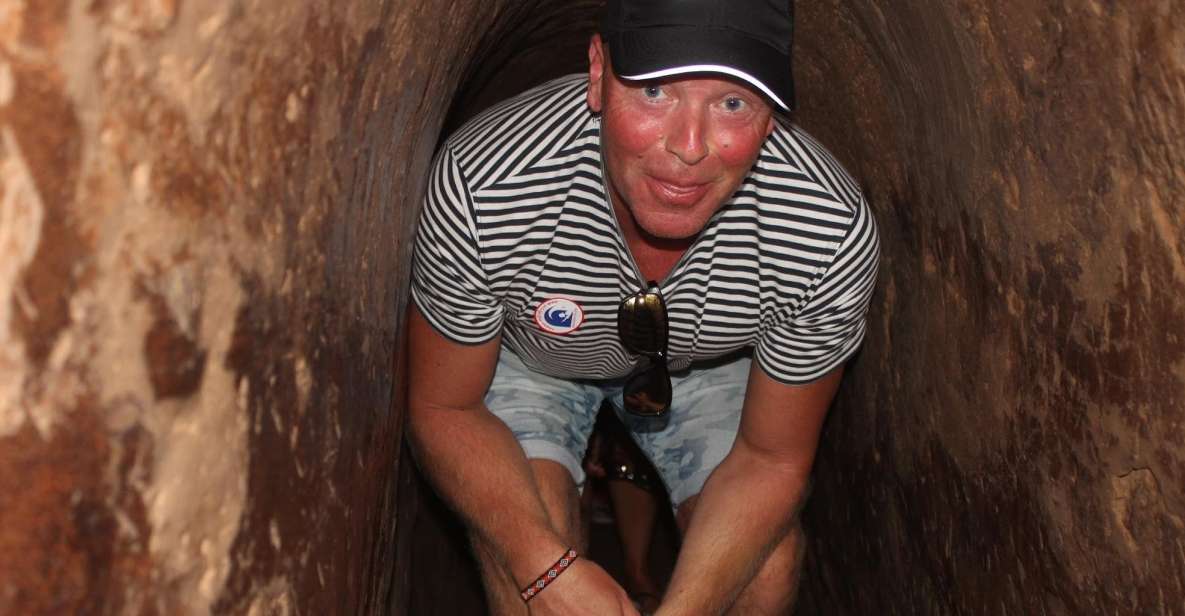
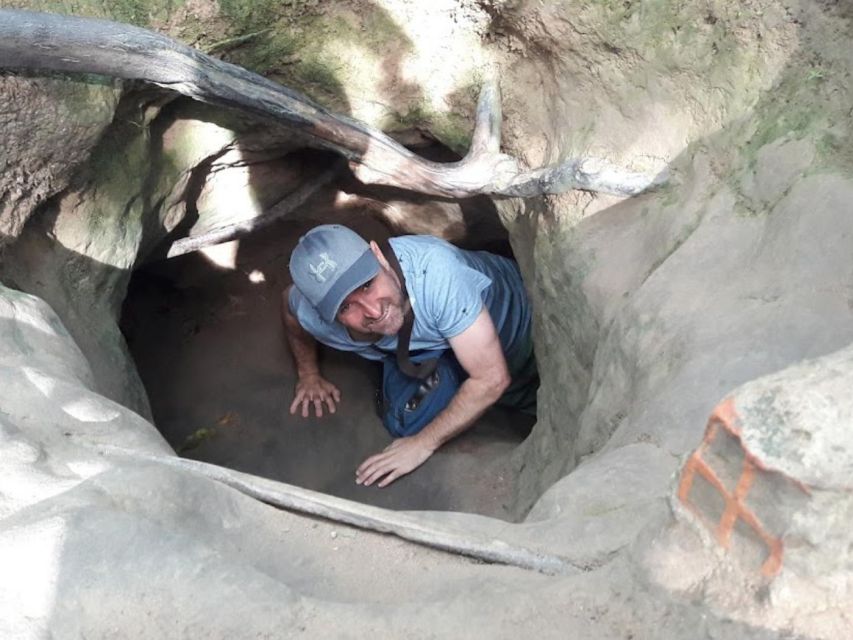
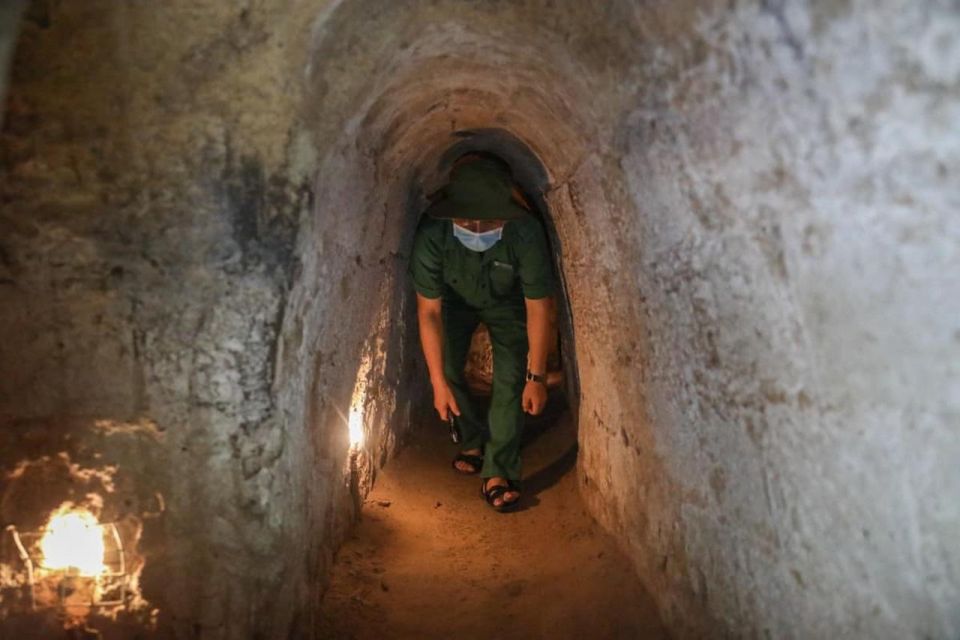
This is the main physical moment of the day: you get the chance to go inside and experience the tunnels, including the very narrow crawling spaces. This isn’t a gentle stroll. You’ll be moving through tight areas that force you to slow down and think about how you’d move in the dark under threat.
For me, this is where the history becomes real. You stop treating the tunnels like a technical curiosity and start understanding them as an environment people survived in—where movement, hiding, and breath control all mattered. Even if you’re not claustrophobic, you’ll likely feel the difference between “looking at tunnels” and “being in them.”
Practical tip: wear shoes you can commit to. You’ll be in a damp, tunnel-type setting, and your feet will do more work than you expect.
A few more Ho Chi Minh City tours and experiences worth a look





Shooting range and real guns: optional, extra-cost reality
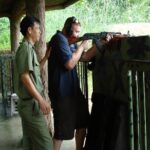
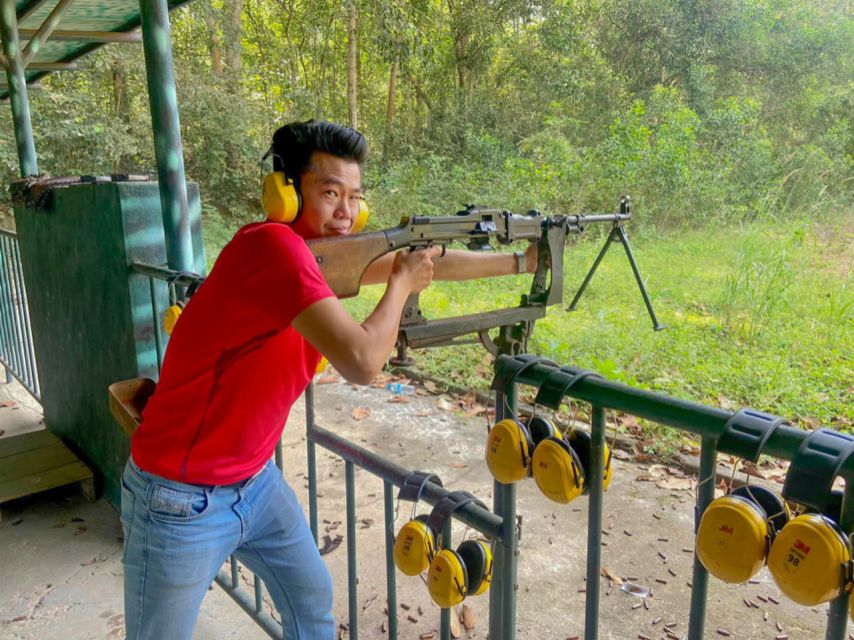
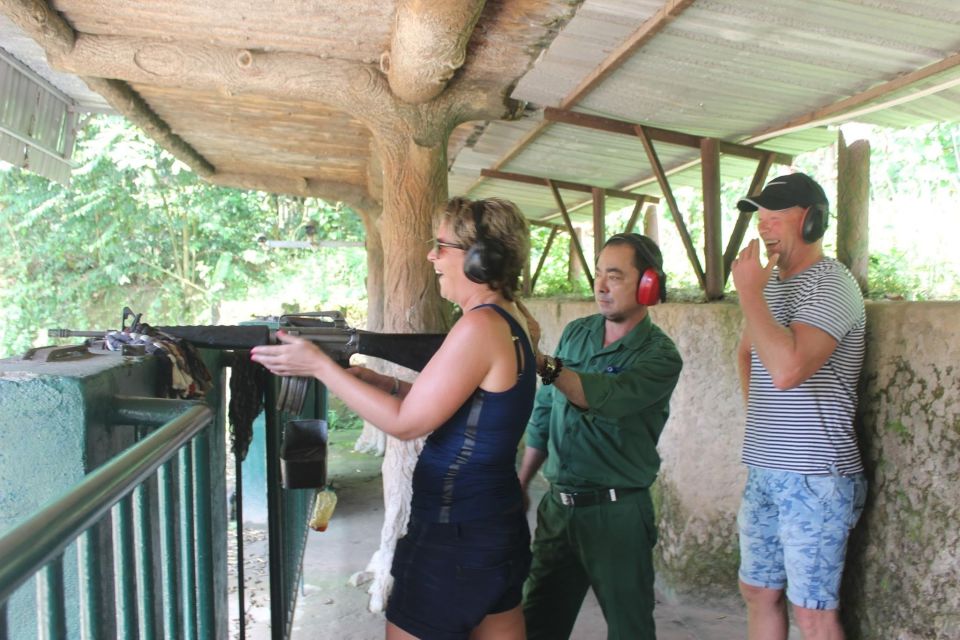
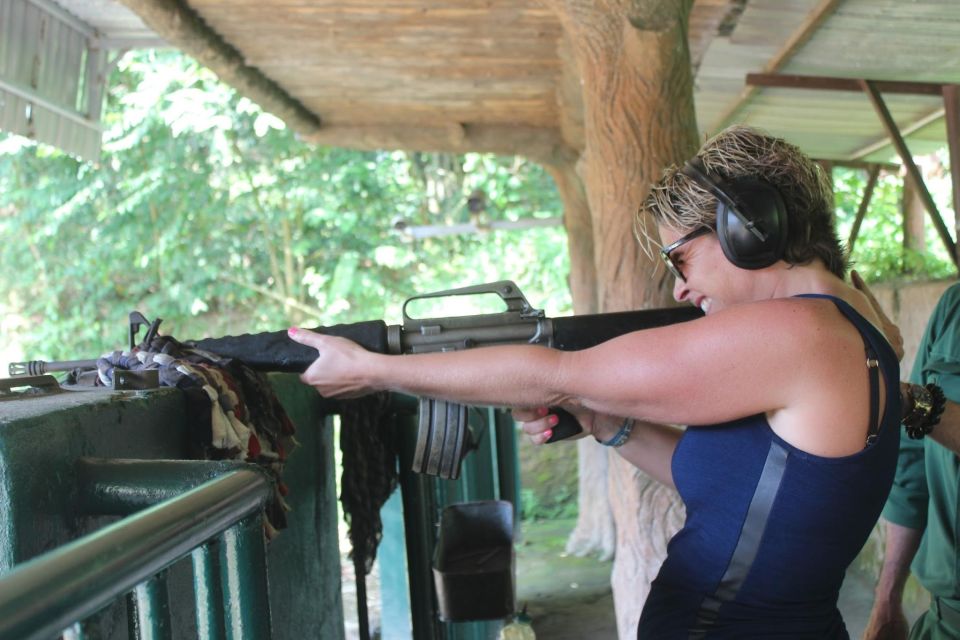
One of the more adrenaline-leaning parts of this tour is the ability to shoot at a range with real guns like AK-47 and M-60. The important detail is that the bullet fee is not included. You’ll need to budget about 600,000 VND for a pack of 10 bullets.
What you should consider is value and intent. The shooting portion can be a fun add-on if you like hands-on experiences. But if your priority is history learning, you don’t need to treat it as the “main event.” Think of it as optional icing.
Also, this part can affect pacing. Once you decide to shoot, you’ll want to stick close to the timing of the group. And if you’re sensitive to noise or you’re traveling with someone who isn’t comfortable, consider sitting this part out.
War-time food detail: tapioca, tea, and the Hoang Cam stove
The included snack is a big part of why this tour feels more thoughtful than a standard “see tunnels, leave” day. You’ll get light tapioca with tea at Cu Chi Tunnels, and the tapioca is cooked using the Hoang Cam stove—specifically designed so smoke can be hidden.
This detail is the difference between eating something “Vietnamese-style” and eating something connected to wartime survival. When you learn about how guerrillas tried to avoid detection, the stove concept makes sense. It’s also a reminder that daily life—food, warmth, routines—still had to happen even during conflict.
If you’re the type of traveler who likes cultural context, you’ll appreciate how the guide ties it back to survival and strategy instead of making it just a snack stop. People have mentioned the food choices as a strong point, and it’s one of the few included items that feels genuinely connected to the theme.
Guides matter: storytelling, safety, and language clarity
The tour is only as good as the guide running it. This one comes with a friendly, professional English-speaking tour guide (with surcharges for other languages). In the reviews, guides are highlighted by name, and that’s telling: Lian and Oliver have led groups where people reported feeling safe, and Lam earned praise for answering questions and keeping the experience clear and engaging.
Kieu is another guide name that stands out, with feedback noting excellent Spanish and a knack for making the activity feel interesting. One review also mentioned that Kieu handled requests beyond the tour by sharing references about Vietnamese coffee and even adjusting the route to take the group to an exclusive spot in the city. That’s not a guarantee for your day, but it does hint at how some guides go above basic instructions when they can.
Language note: you might find it a bit tough if you’re not hearing every word clearly, especially if the group is moving quickly. You don’t have to be perfect—just keep your expectations realistic and ask follow-up questions when you can.
Price and value: why $16 can still add up
The headline price is $16 per person, and it includes a solid chunk of what makes these tours work: pickup and drop-off in central Saigon, an AC car transfer, bottled water, and a guide. You also get the included tapioca/tea snack.
But two costs are not included:
- the ticket (ticket price isn’t listed here, but you should assume you must pay for entry)
- the bullet fee if you want to shoot (about 600,000 VND per pack of 10 bullets)
On paper, it’s a straightforward deal. In reality, your total spending depends on whether you shoot and what the ticket costs on the day. Still, even with those extras, the tour can represent good value if you want guided history with hands-on access in a limited time window.
One more planning detail: there’s a 30% holiday surcharge. If your trip overlaps a Vietnamese holiday, your final price can change.
Who this Cu Chi Tunnels half-day is best for
This tour fits you best if you want:
- history explained through a living, physical environment (not just photos)
- a structured half-day plan that’s easier than DIY transport
- a guide who can tell the story clearly, ideally in your language
- a mix of documentary, exploration, and one included food experience
It may not be the best match if you strongly dislike tight spaces or if you’re hoping for an airy, relaxed outing. The tunnel crawl is part of the experience, and it’s meant to show you how small and restricted it was underground. Also, if you don’t want any gun/shooting element at all, you should treat that portion as optional and be ready to choose your comfort level.
A few practical tips to make your day smoother
Here’s how I’d set yourself up so the day feels worth it:
- Wear closed shoes that are okay if they get dusty.
- Bring a light layer; the tunnel areas and shade can feel cooler even in warm weather.
- If you want better understanding, ask the guide one or two questions when you pause—guides can answer best when you’re not rushing.
- If shooting is on your mind, decide early so your time stays organized and you don’t scramble later for the extra fee.
Should you book this Cu Chi Tunnels half-day tour?
If your goal is to understand the Cu Chi Tunnels in a few hours, this is a strong option. You get the core ingredients: guided history, documentary-style context, access to tunnel sections (including the narrow crawls), and an included snack that connects to wartime survival details via the Hoang Cam stove. At $16 with pickup, guide service, AC transport, and water included, it’s usually a sensible value—especially when you want a “do it once properly” experience instead of piecing it together yourself.
I’d book it if you’re curious, can handle tight spaces, and like story-driven guides. You should also pencil in extra time and extra spending for the ticket and any optional shooting. If that works for you, you’ll likely walk away with a much clearer picture of how the tunnels functioned—and why people built them the way they did.
FAQ
How long is the Cu Chi Tunnels half-day trip?
The tour duration is 6 hours.
What does the price of $16 include?
It includes pick up and drop off at the center of Saigon, an AC car transfer, bottled water, a friendly and professional guide, and a light snack with tapioca and tea at Cu Chi Tunnels. Ticket costs are not included.
Do I need to pay extra for shooting?
Yes. The bullet fee at the shooting range is not included, and it’s roughly 600,000 VND for a pack of 10 bullets.
Where do they pick you up in Saigon?
They provide pick up and drop off at the center of Saigon.
What languages are available for the live guide?
The live guide is available in English, and other languages include Chinese, French, Japanese, Italian, Spanish, Korean, Russian, and German (with a surcharge for other languages).
Is there a way to cancel or change plans?
Free cancellation is available up to 24 hours in advance for a full refund. There is also a reserve now & pay later option.