REVIEW · HO CHI MINH CITY
Make 3 Regions Iconic Vietnamese coffees: Brown, Salted, Egg
Book on GetYourGuide →Operated by Vietnam Coffee Journey - Day · Bookable on GetYourGuide
Vietnam coffee tastes like a map. You’ll spend 90 minutes learning why three regions in Vietnam brew such different cups, from the South’s deep brown coffee to the Central’s salted cream style and the North’s egg coffee. This isn’t just tasting. You also make the drinks yourself, using the traditional method and getting practical tips you can actually repeat later.
Two things I really like: first, the session is hands-on in a small group (max 6), so you’re not just watching. Second, the host, Quynh, explains the coffee story in a way that feels connected to everyday life, not like a textbook. One thing to consider: this is a caffeine-focused workshop, and it’s recommended you don’t have coffee within 2 hours beforehand. Also, there’s conflicting info about wheelchair suitability, so check directly if that applies to you.
In This Review
- Key things that make this workshop worth your time
- Vietnam Coffee in 90 Minutes: the North–Central–South idea
- What you’ll make: Brown coffee, Salted cream coffee, Egg coffee
- Southern style: Brown coffee
- Central style: Salted cream coffee
- Northern style: Egg coffee
- The extra tasting: why there are four tastings
- The phin dripper lessons you can use after you leave
- How regional culture shows up in the drink
- Snack timing and the caffeine reality check
- Price and logistics: is $22 worth it?
- Who this workshop suits best (and who should skip)
- Tips to get the best experience on the day
- Should you book Vietnam Coffee Journey Day?
- FAQ
- What is the duration of the experience?
- How many people are in the group?
- What does the price include?
- Which coffees do I make during the workshop?
- Is there a caffeine warning?
- Do you offer alternatives for dietary needs?
- What are the age limits?
Key things that make this workshop worth your time

- Make three signature regional coffees (South, Central, North) instead of only tasting
- Phin dripper guidance so you learn the proper traditional brewing technique
- Cultural differences explained through drinks, not just flavor descriptions
- Air-conditioned comfort with small-group attention and a structured 90-minute format
- Four coffee tastings total plus a simple local snack to balance the caffeine
- Clear flexibility options for dietary needs like vegan/coeliac/lactose intolerance when booking
Vietnam Coffee in 90 Minutes: the North–Central–South idea
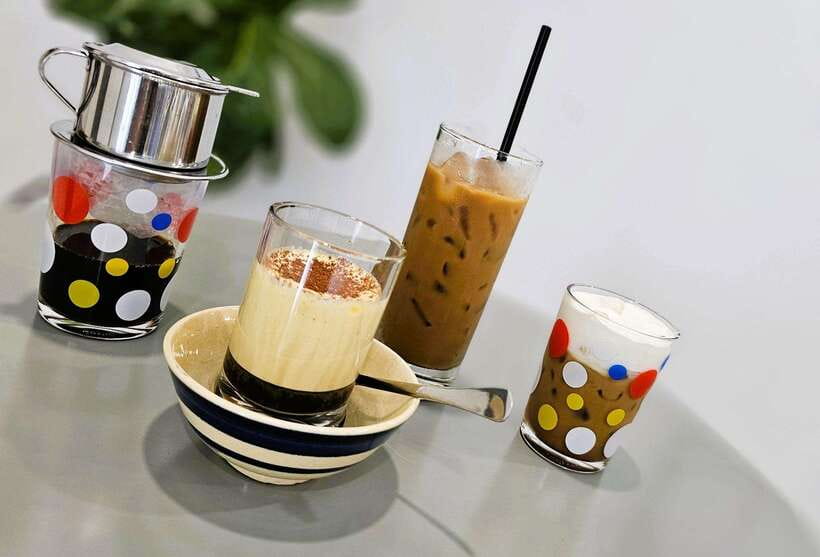
If you’ve ever tried Vietnamese coffee and wondered why it tastes so different from place to place, this workshop gives you a simple answer. Vietnam isn’t one coffee flavor. It’s a set of regional habits, and the drinks you know—brown, salted cream, and egg—act like quick labels for those differences.
The class is designed around a tight timeline: 90 minutes, small group (up to 6), and an English-speaking host. That matters because the session stays interactive. You’re not drifting from one station to another while the real work happens without you. You’ll get steps you can follow, and you’ll taste what each approach creates.
The best part is the pacing. You start with the basics of Vietnamese coffee and how it fits into daily life here. Then you move into learning how to use the traditional drip setup properly—the phin—before you start making the iconic drinks. By the time you’re holding your own cup, the history and technique finally connect.
You can also read our reviews of more tours and experiences in Ho Chi Minh City.



What you’ll make: Brown coffee, Salted cream coffee, Egg coffee

The workshop’s structure is straightforward: you make three famous drinks that represent three parts of Vietnam, and you also get tasting for four coffees across the session.
Southern style: Brown coffee
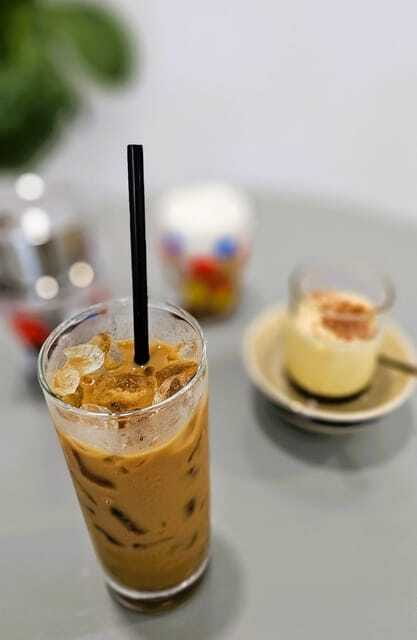
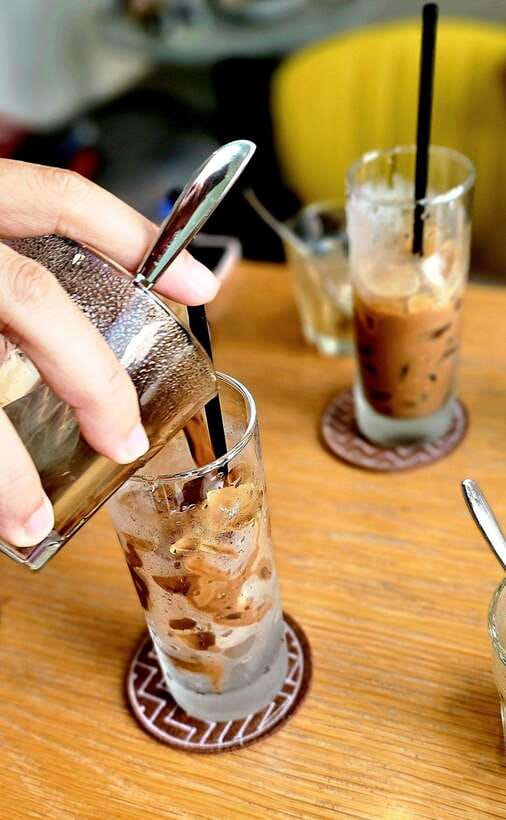
The South’s coffee is often described in terms of boldness and straightforward richness. In this class, you’ll make the drink that represents that idea—brown coffee—and you’ll learn how to get the right strength and flow using the phin.
What you should care about as a home brewer: brown coffee isn’t just about adding coffee to sweetened liquid. Technique affects everything, from how fast the coffee passes through the filter to how the flavor concentrates. If you’re the type who likes consistency, this part is where you’ll feel the most control return to your hands.
Central style: Salted cream coffee
Next comes the Central style, represented by salted cream coffee. The point isn’t only that it tastes sweet and creamy. It’s that the drink’s balance is built on contrast: coffee strength on one side, salted cream on the other.
When you make it yourself, you’ll learn how the cream element changes the overall experience. Even if you like coffee, you may discover that you prefer this style when you want a smoother, dessert-leaning profile. It’s also a great option if you find strong coffee alone too intense.
Northern style: Egg coffee
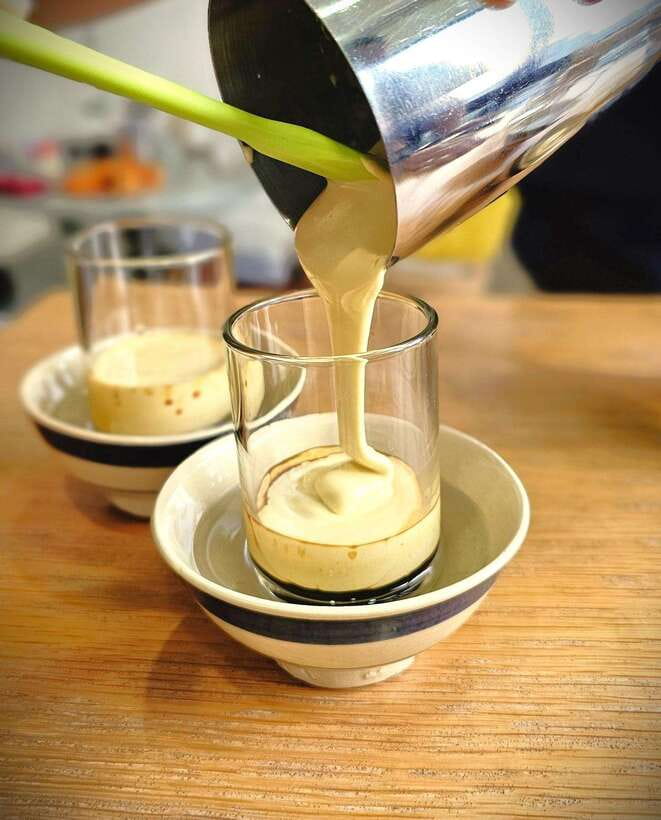
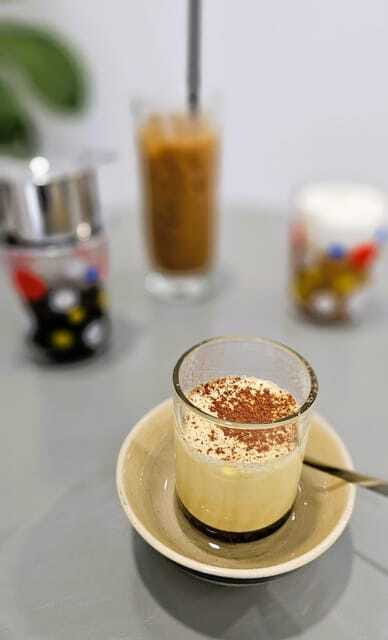
Finally, you’ll make egg coffee, representing the North. This is the one that surprises many first-timers. The egg element changes texture and gives the drink a custard-like character that feels richer than it looks in a cup.
Practical value here: egg coffee is more technique than it sounds, because the texture is part of the flavor. You’ll see why timing and mixing matter, and you’ll taste the difference immediately once it’s assembled.



The extra tasting: why there are four tastings
The session includes four tastings and instructions on making. Even though you make three signature drinks, the extra tasting is helpful because it helps you compare closely. You’ll be able to connect what you just made with what you tasted a moment earlier—so your brain learns faster than if you just drank three final cups and left.
The phin dripper lessons you can use after you leave
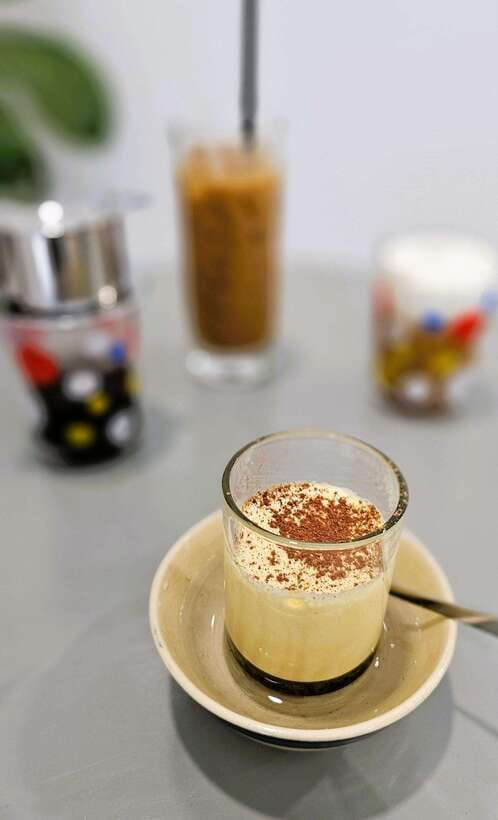
Vietnamese coffee is inseparable from the phin, and this workshop treats the phin like the star of the show. You don’t need to be a coffee person to appreciate this, because the phin is simple but not automatic. If you’ve ever had a Vietnamese coffee that tasted too weak, too bitter, or just uneven, you’ve basically met the phin’s learning curve.
Here’s what the class does well for you as a traveler who wants repeatable skills:
- You learn proper use of the traditional dripper rather than guessing.
- You get tips when brewing, so you understand what changes taste (not just the final result).
- You compare outcomes through tasting, so you can feel the difference between better technique and rushed technique.
One reason this matters for value: once you understand the phin rhythm, Vietnamese coffee stops being a “special order” and becomes a skill. Even if you don’t brew it daily at home, you’ll have the confidence to make it when you want that specific style.
How regional culture shows up in the drink
This experience isn’t only technique. It’s also meaning. The host explains how Vietnamese coffee became integrated into people’s lives, and then he ties that story to why each region leans toward a different kind of drink.
You’ll hear a brief Vietnamese coffee history, then see how regional preferences show up in everyday choices—sweetness levels, cream and custard styles, and the way the coffee is assembled to match local tastes. This is why the drinks work as cultural shorthand: they’re not random variations. They’re ways of turning local preference into something you can order, sip, and remember.
A good sign: the way Quynh talks makes it feel less like a class and more like an explanation you can follow. In particular, his enthusiasm for coffee and its link to Vietnam’s story keeps the session moving. You ask questions, and you get answers that stay grounded in the topic instead of turning vague.
The result is that you leave with more than three recipes. You leave with a way to interpret what you’re tasting and how Vietnam’s regions behave differently.
Snack timing and the caffeine reality check
You get a simple local snack included: plain bánh mì with condensed milk. It’s a practical pairing. The bread gives you something plain and familiar-feeling, and the condensed milk makes it sweet enough to match the coffee mood without turning everything into pure dessert.
But let’s talk caffeine. The workshop is explicitly a caffeine-focused experience, and the guidance is clear: no coffee within 2 hours before the start time. If you’re sensitive to caffeine, or you’ve already had a strong cup that morning, this matters. You don’t want jittery, dry-mouth regret to cut the enjoyment in half.
Also keep in mind the session includes multiple coffees. Even if you don’t finish every cup at full strength, you’ll still taste enough to feel the caffeine. Plan to take it easy after the class and avoid stacking another high-energy activity right afterward.
Price and logistics: is $22 worth it?

At $22 per person for about 90 minutes, the value comes from three things working together:
- You make the drinks, not just observe.
- You get four tastings plus instruction on the process.
- You’re in a small group of up to 6 with an English-speaking host.
This isn’t a huge time investment, but it’s substantial enough to learn something practical. If you’re comparing this to “one-and-done” food experiences, the difference is that you take home a method. If you’re already a coffee fan, you’ll love the specificity. If you’re not, you still get a fun, structured lesson with clear regional context.
The location is also a plus: it’s described as right in the heart of the city, so you’re not burning your time getting across town before you start.
Two small considerations to keep your expectations realistic:
- It’s not a long tasting crawl. You’re getting depth in a short window.
- You’ll likely want to focus during the brewing steps, because hands-on means you can’t fully zone out.
Who this workshop suits best (and who should skip)
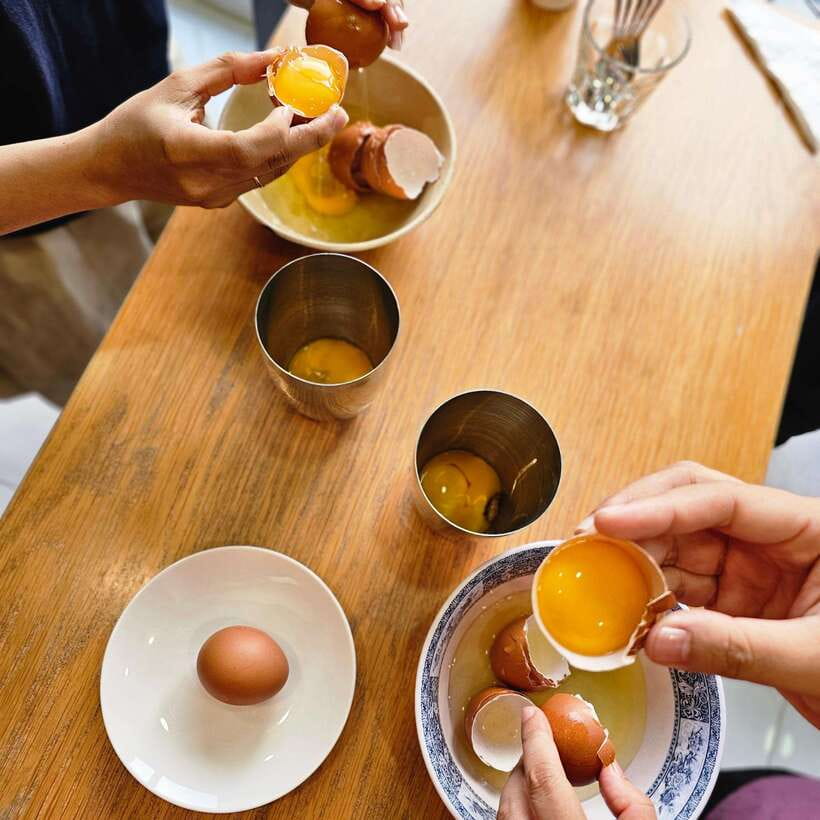
This fits best if you want an active cultural experience with a real skill at the center. You’ll probably enjoy it if you:
- Like food and drink with context, not just flavors
- Want a hands-on way to learn Vietnamese coffee
- Enjoy small-group settings where you can ask questions
- Like learning how something works, then tasting the results
It may be less ideal if:
- You’re trying to avoid caffeine entirely (this is caffeine-forward)
- You’re traveling with young kids, since it’s not suitable for children under 14
- You’re very limited on mobility, because the notes include both wheelchair accessible and not suitable for wheelchair users. That conflict means you should confirm details with the operator before booking.
There’s also an age note: it’s listed as not suitable for people over 95 years. If that’s relevant for you, check with the provider directly.
Tips to get the best experience on the day
If you want this to feel smooth, go in with a coffee plan.
- Follow the no-coffee rule: no coffee within 2 hours beforehand.
- Arrive ready to participate. The session is hands-on, so you’ll get the most if you’re present during the brewing steps.
- Ask questions as you brew. The host is set up for explanations, and you’ll get better answers by asking while the technique is fresh.
- Expect a dessert-like curve. Salted cream and egg coffee can feel richer than straight coffee, so pace yourself.
And if you’re the type who thinks classes are boring: this one is built around making. It stays lively because you’re mixing, brewing, and tasting while the story is being told.
Should you book Vietnam Coffee Journey Day?
Yes, if you want a compact, fun, high-learning coffee experience in Vietnam’s three most iconic regional styles. It’s especially worth booking if you like hands-on activities and you want the practical takeaway of learning the phin properly, not just buying a cup and moving on.
You might skip it if you’re caffeine-averse, you hate structured steps, or you’re traveling with mobility needs and want clarity first. Because there’s conflicting wheelchair guidance, it’s smart to confirm before paying.
If you’re visiting Ho Chi Minh City and you’re choosing between casual coffee stops and one guided workshop, I’d pick this. It gives you technique, regional culture, and taste in a single 90-minute session—and it’s the kind of experience you can talk about later because you actually made the drinks yourself.
FAQ
What is the duration of the experience?
The session lasts 90 minutes.
How many people are in the group?
It’s a small group limited to 6 participants.
What does the price include?
The price includes four coffee tastings, guidance on making the coffees, a simple local snack (plain bánh mì with condensed milk), air-conditioned seating, and it’s listed as all inclusive with no other charges.
Which coffees do I make during the workshop?
You make the three iconic Vietnamese coffees representing different regions: brown coffee of the South, salted cream coffee of the Central, and egg coffee of the North.
Is there a caffeine warning?
Yes. There’s a note that there is lots of caffeine, and you’re recommended to have no coffee within 2 hours before the start time.
Do you offer alternatives for dietary needs?
Yes. The information says there are alternatives for vegan, coeliac, and lactose intolerance guests, and you should note this when booking.
What are the age limits?
It’s not suitable for children under 14, and it also lists not suitable for people over 95 years. There is also conflicting information about wheelchair suitability, so you should confirm your specific needs with the operator before booking.