REVIEW · LAN HA BAY
Self guided kayaking tours in less traveled Lan Ha Bay
Book on GetYourGuide →Operated by Blue Swimmer Adventures · Bookable on GetYourGuide
Quiet water, real wild Lan Ha.
This self-guided sea kayaking trip takes you off the usual Lan Ha routes, then lets you spend hours in shallow waters where big tourist boats just can’t go. You start on Nam Cat island and paddle past the Karst scenery that makes the whole area famous, but with floating hamlets, hidden lagoons, caves (when tides allow), and beach time that feels far from crowds.
What I really like is how it gives you space to explore at your own pace while still handling the basics for you: solid sea kayaks, a map with orientation, and gear like life jackets and dry bags. The second big win for me is the payoff: you get a genuine sense of local life and the natural rhythms of the bay through the places you actually reach, not just the view from a boat. The only real drawback is that it’s truly self-guided—so you’ll want to be comfortable paddling, reading the map, and making your own calls once you’re dropped off.
In This Review
- Key highlights I’d plan around
- Why Nam Cat island feels like the real Lan Ha Bay
- Sea kayak basics and the gear you should care about
- Getting dropped, then going quiet: what self-guided really means
- Floating hamlets and shallow-water magic
- Hidden lagoons and caves that depend on tide
- Secluded beaches and swimming that doesn’t feel staged
- Price and value: is $40 worth it?
- Who this kayaking day fits best
- Simple logistics that make or break the day
- Should you book this Lan Ha Bay kayaking experience?
- FAQ
- Where does the kayaking start and end?
- How long is the kayaking trip?
- Is this trip fully guided while you paddle?
- What’s included in the price?
- What should I bring?
- Is it okay to bring luggage, alcohol, or drugs?
Key highlights I’d plan around

- Most of your day is quiet: you’ll paddle where you’re mostly alone and away from tourist boat traffic
- Nam Cat island as a launch point: you start your route from a place that feeds into floating hamlets and secluded coves
- Hidden lagoons, caves when tide permits: you may get extra sights if conditions line up
- Swimming time on beaches you reach by kayak: stop-and-go beach moments, not one rushed swim
- Gear that fits sea kayaking: dry bags, life jackets, paddles, snorkels, and water shoes included
Why Nam Cat island feels like the real Lan Ha Bay
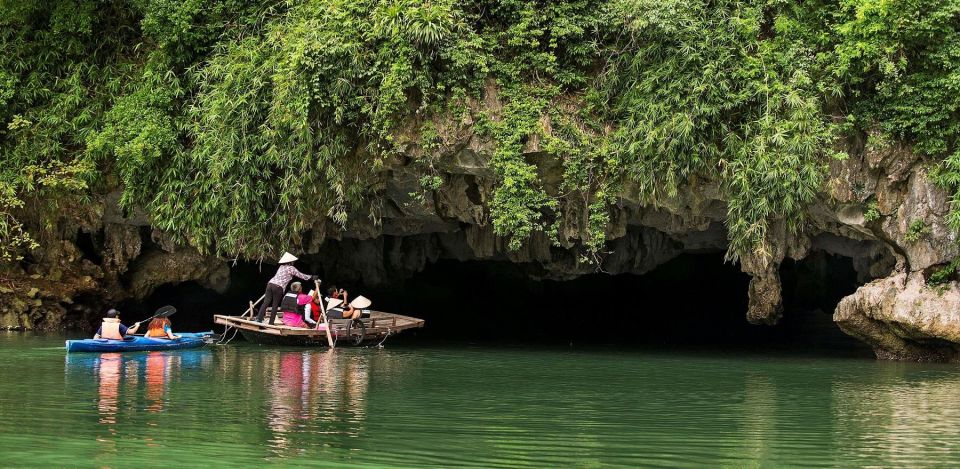
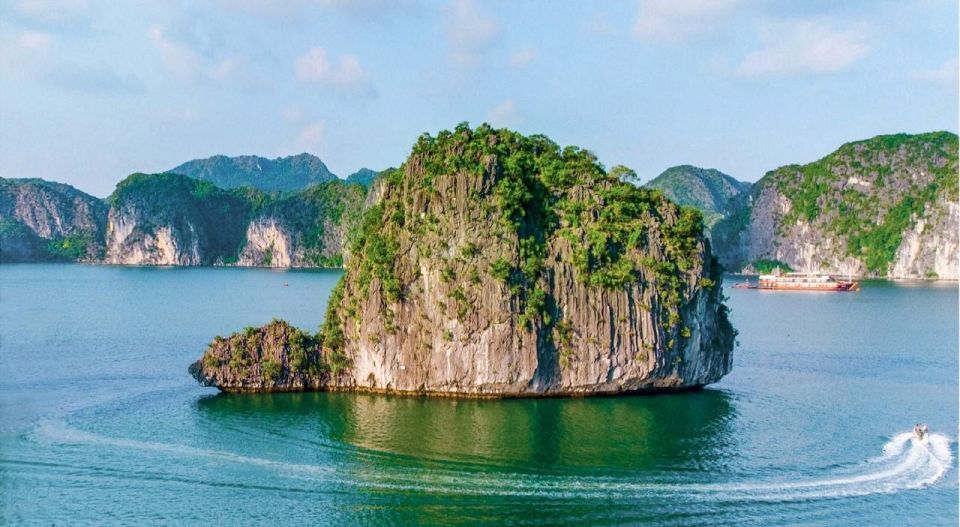
Lan Ha Bay can be very scenic, but it can also get busy fast. This route changes the feeling because you’re not just passing by highlights from the water. You’re dropped at Nam Cat island, then you paddle into smaller pockets of water where the Karst cliffs and limestone formations feel close enough to inspect.
The biggest “wow” factor is the mix of scenery and daily life you can actually see. Floating hamlets aren’t just a photo stop here. As you move through the area, you get a window into how people live on the water, and you notice how the bay’s calmer channels and shallow areas shape everything.
And you’re not boxed into a strict filming schedule. After the drop-off, the pace is yours. I like that a lot because you can slow down for a lagoon, stop for a swim, or take a breather when the sun decides to show up.
You can also read our reviews of more tours and experiences in Lan Ha Bay.



Sea kayak basics and the gear you should care about
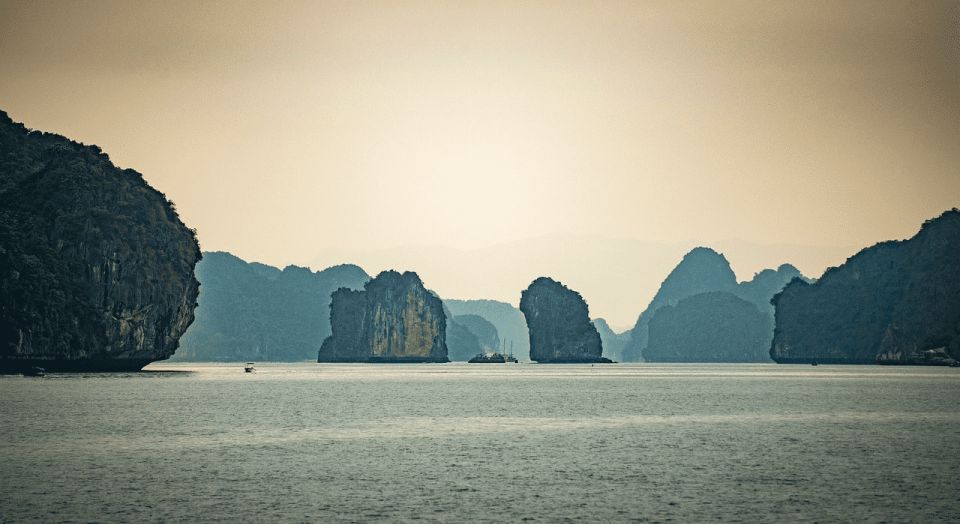
This isn’t a casual paddle-boat experience. You’ll be using sea kayaks built for water and bay conditions, and you start by going from the office at 241 Cai Beo to the kayak station to get your boats.
Included gear covers the stuff that makes a big difference for comfort and safety:
- Life jackets (so you’re not improvising)
- Dry bags (use them for anything you don’t want soaked)
- Snorkels (handy if you want to spend time in the water)
- Paddles and a life-on-the-water setup that’s meant for open-bay kayaking
- An oriented map to help you handle the self-guided part
- Water shoes and a water pump (because saltwater days bring saltwater problems)
Two practical notes before you go: bring a towel and stick with water shoes. The tour includes water shoes, but having your own towel is one less thing to manage when you get back to shore. Also, pack light. The rules call out no luggage or large bags, and that’s actually the right move for a kayak day.
If you’re the type who hates feeling “busy” on vacation, this is a good match. Most of the work is simply paddling and navigating with your own rhythm.
Getting dropped, then going quiet: what self-guided really means
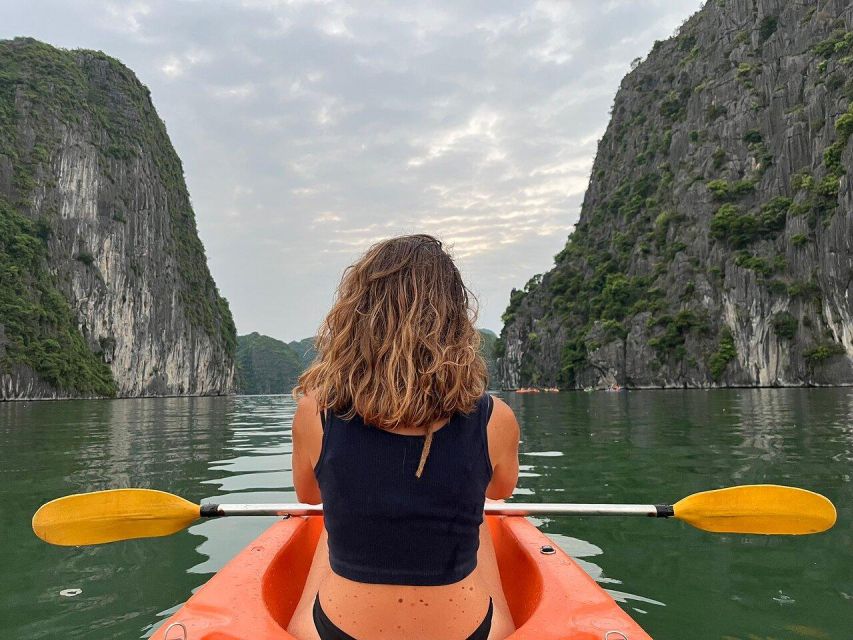
Your captain handles the handoff. You start at Blue Swimmer Outdoors at 241 Cai Beo Street, then you’re taken to a kayak station to get your sea kayak(s). After that, you’re dropped at Nam Cat island to begin your route.
From there, it’s mostly just you. You’ll be alone for much of the day, and the route is designed so the bay is almost yours in stretches. That’s a huge part of why the experience feels different from the standard boat tour: you’re not constantly weaving around other groups.
You might also get extra help through communication before you start. One of the best pieces of feedback from past guests is that Tran was very informative via WhatsApp and helped them get sorted so the day felt smooth. That’s the kind of support that matters for self-guided trips, because it reduces uncertainty before you’re already on the water.
Just keep your expectations realistic. Self-guided doesn’t mean you’re abandoned with zero guidance. It means you have the freedom, tools, and map, but you’re responsible for the pace and route once you launch.
Floating hamlets and shallow-water magic
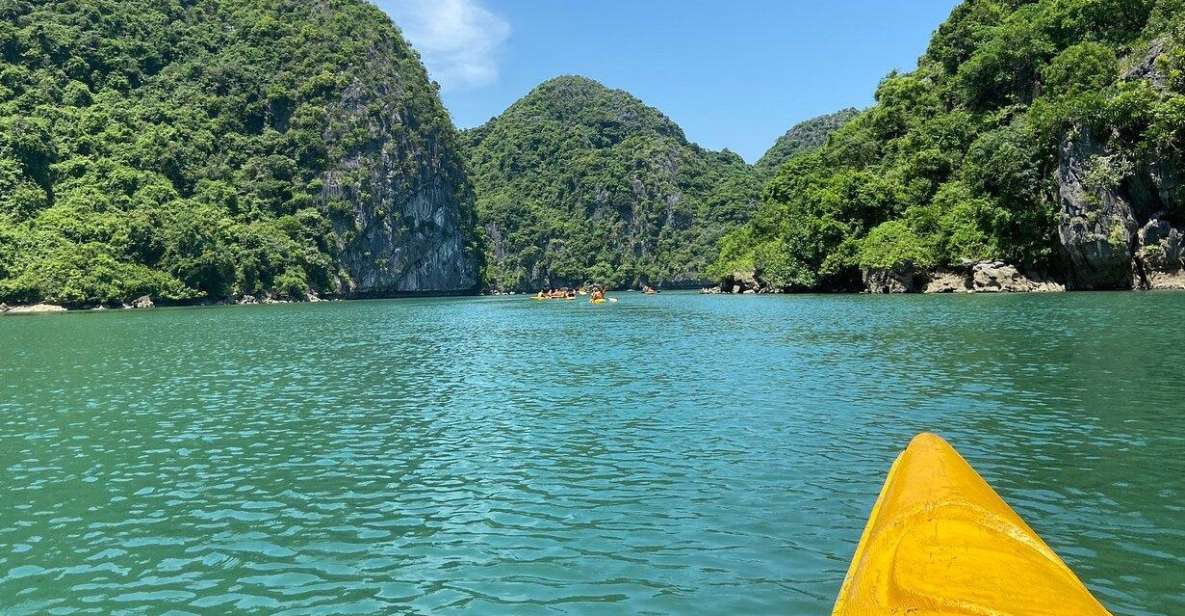
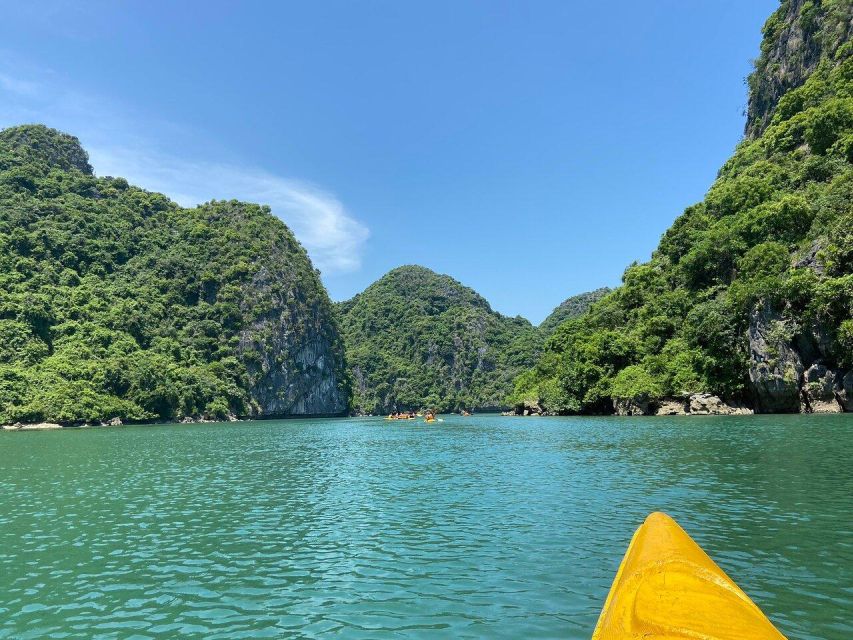
The route is built around places normal day boats can’t easily reach. You’ll be breaking into shallower areas where larger tourist boats can’t go, which changes the entire feel of Lan Ha Bay.
Here’s what I like about this setup:
- You’re close to the Karst formations. They look different when you’re not staring at them from a distance.
- You’re moving through the bay at human speed. That makes it easier to notice details like how the water changes from open patches to calmer, tucked-in channels.
- You get a cultural lens without turning it into a rushed stop.
Floating hamlets are one of the main themes of the paddling route. Even if you don’t speak the local language, you’ll still understand the basics by observing the water-life setup. It’s the kind of sight that sticks with you because it’s everyday, not staged.
And because you’re often separated from the main tourist traffic, you’ll spend more time looking around and less time dodging waves created by other engines.
Hidden lagoons and caves that depend on tide
One of the headline promises is hidden lagoons, plus caves if tide permits. That tide detail is important, because it means you’re not guaranteed every extra sight.
So what should you do with that information? Treat it as a bonus. When tides line up, you might get access to cave areas that feel more secret than tourist-friendly. When they don’t, the lagoons and beach pockets are still the point—and you’ll still get plenty of time for swimming.
This is also where the self-guided format helps. You can adjust your timing in a way that a large boat simply can’t. If you see water conditions that look promising, you can slow down and spend a little more time there.
The practical takeaway: go in expecting a flexible day shaped by nature. You won’t feel like you’re being rushed through predetermined stops, because the route is about reaching places with the right water access.





Secluded beaches and swimming that doesn’t feel staged
Lan Ha Bay is famous, but not all of it is easy to access. This kayaking route is set up so you can reach secluded beaches and enjoy swimming when the day’s conditions feel good.
There’s time to relax. The bay has many beaches for your consideration, and the pacing is meant for breaks. That matters because swimming in a crowded “everyone jumps in at once” rhythm isn’t the same as stepping out onto a calmer shore, stretching, and then heading back into your kayak when you’re ready.
If you’re bringing snorkels, this is the moment. The included snorkels are there for a reason. Even if you don’t plan to spend hours underwater, a short session makes the lagoon-and-coral vibe of the bay feel more real.
Two small comfort tips:
- Dry off when you can. A towel helps a lot once you’re back.
- Don’t overpack with heavy towels or big bags. You’re on a sea kayak day, and weight and space matter.
Price and value: is $40 worth it?
At $40 per person for a roughly 9-hour outing, the price makes sense if you compare what’s included versus what you’d have to piece together yourself.
You’re getting:
- Return taxi boat service
- Entrance fees and permits
- Sea kayaks (single or double)
- Safety and water gear (life jackets, dry bags, snorkels)
- Orientation map plus practical extras like water shoes and a water pump
That package is the value. The day is built around the “reach places other boats can’t,” and the included transport/permits remove a lot of friction.
Where the price could feel off is if you’re expecting a full guided paddling program with constant narration and a strict schedule. This is self-guided, meaning you’ll guide yourself using the map and your sense of the day.
But if you want freedom, quieter water, and a real chance to experience the bay on your own terms, $40 is a fair deal for a full day.
Who this kayaking day fits best
This trip is a strong match if you:
- Like being off the main routes and prefer quiet time
- Are comfortable kayaking and making your own decisions on the water
- Want a nature-first day with swimming and reachable secluded spots
- Appreciate culture-by-observation, not just “see it from the deck”
It’s also worth noting who might not love it. It’s not suitable for pregnant women, people with epilepsy, or anyone over 75 years. Alcohol and drugs are not allowed, and luggage or large bags aren’t part of the plan.
If you’re the type who hates getting wet for hours, you should know the reality: it’s a water day in rain or shine. Come prepared, and you’ll be happier.
Simple logistics that make or break the day
Here’s what you can count on for smooth logistics:
- Start at Blue Swimmer Outdoors on 241 Cai Beo Street
- You’ll get support through an English host/greeter
- The activity ends back at the meeting point
- Starting times vary by availability, and the duration is listed as 9 hours
What you should do before you show up:
- Bring a towel and water shoes (the tour includes water shoes, but a backup mindset helps)
- Keep your bag small enough for kayak life
- Expect a rain-or-shine day, because the bay doesn’t care about your schedule
If you like communication, message them on WhatsApp ahead of time. The best past feedback specifically highlighted Tran’s helpful, informative guidance before the tour—exactly what you want for a self-guided day.
Should you book this Lan Ha Bay kayaking experience?
I think you should book it if you want quiet time in a big-name setting. The reason this works is simple: you’re paddling into the shallow, less-traveled parts of Lan Ha Bay where the water opens up and the crowds thin out.
Book it if you’re looking for:
- a self-guided route with real freedom,
- hidden lagoons and cave opportunities when tide permits,
- and beach-and-swim time that feels earned because you reached it under your own paddle power.
Skip it if you want constant on-water guidance, or if the idea of navigating with a map makes you nervous. Also think twice if you don’t handle being on the water for much of the day with rain or sun.
If you’re comfortable with those tradeoffs, this is one of the better ways to see Lan Ha Bay without feeling like you’re watching it through someone else’s schedule.
FAQ
Where does the kayaking start and end?
The tour starts at Blue Swimmer Outdoors at 241 Cai Beo Street and ends back at the same meeting point.
How long is the kayaking trip?
The duration is listed as 9 hours, with starting times based on availability.
Is this trip fully guided while you paddle?
It’s self-guided after you’re taken to the kayak and dropped at Nam Cat island. You’ll be mostly alone for much of the day.
What’s included in the price?
Included items are return taxi boat, entrance fees and permits, double or single sea kayaks, dry bags, life jackets, paddles, snorkels, an oriented map, water shoes, and a water pump.
What should I bring?
Bring a towel and water shoes.
Is it okay to bring luggage, alcohol, or drugs?
No. Luggage or large bags aren’t allowed, and alcohol and drugs are not allowed.