REVIEW · HO CHI MINH CITY
Ho Chi Minh City: Half-day History And Culture Tour
Book on GetYourGuide →Operated by Hoi An Express · Bookable on GetYourGuide
Saigon hits you fast, and this half-day route gives you the structure to make sense of it. I love how the tour pairs big-picture sites like the War Remnants Museum with hands-on culture at a traditional lacquerware workshop. You also get a practical mix of eras, from French colonial landmarks to Chinese-influenced Chinatown.
My second big plus is the tour pacing. In the best runs, the guide keeps the story clear and the stops feel neither rushed nor overlong, so you actually leave understanding what you saw. One thing to consider: it’s only about four hours, so you’ll do smart highlights rather than slow, deep wandering.
In This Review
- Key highlights worth your time
- Why this half-day history and culture tour works in Ho Chi Minh City
- Pickup, timing, and how the schedule actually feels
- Thien Hau Pagoda in Chinatown: a calm start in District 5
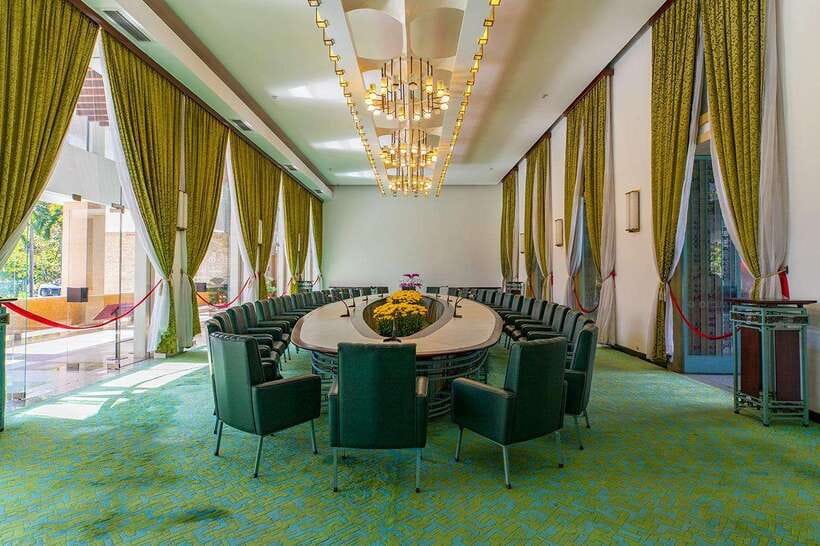
- Independence Palace: the political center you can still walk through
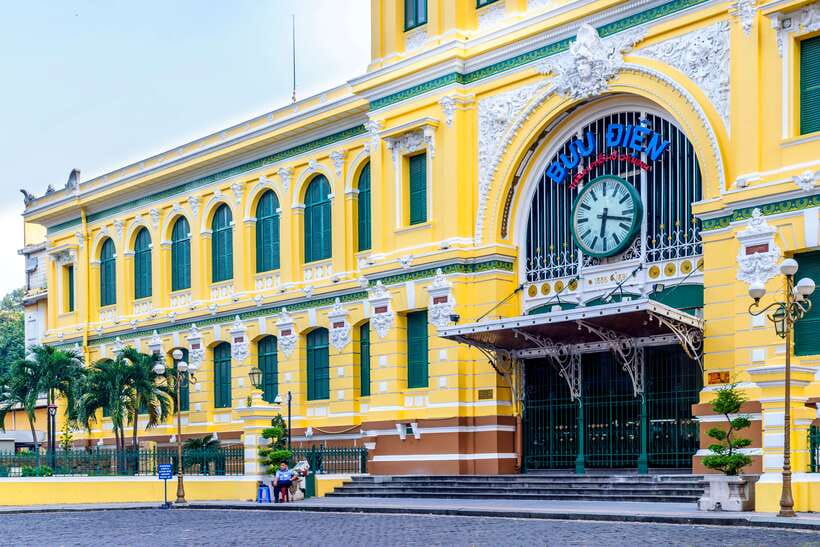
- Saigon Central Post Office and Notre-Dame Cathedral: French-era landmarks with meaning
- War Remnants Museum: seeing the futility, not just the facts
- Lacquerware production at Sơn Mài Phương Nam: watching tradition happen
- Price and value: is $36 fair for a guided half-day?
- Who should book this tour (and who might not)
- Practical tips to get the most out of each stop
- Should you book this Ho Chi Minh City history and culture tour?
- FAQ
- How long is the Ho Chi Minh City Half-day History And Culture Tour?
- What language is the tour guide?
- Where does pickup and drop-off happen?
- What are the main stops on the itinerary?
- What’s included in the price?
- Is travel insurance included?
- Can children join the tour?
- Is free cancellation available?
Key highlights worth your time
- War Remnants Museum exhibits that explain the futility and human cost of war
- Independence Palace with a guided look at a former presidential residence
- Thien Hau Pagoda in Chinatown (Cho Lon) for a Chinese-style religious stop
- Notre-Dame Cathedral and the Central Post Office as classic landmark photos with context
- Traditional lacquerware production at a Vietnamese craft factory, finished with a clear process
- English-speaking guides (names like Boa, Hành, and Quy show up in praise) who connect details to the bigger story
Why this half-day history and culture tour works in Ho Chi Minh City
Ho Chi Minh City is Vietnam’s largest, busiest, and loudest mash-up of modern life and older layers. The trick, especially if it’s your first visit, is not trying to see everything. This tour is built for the opposite: pick the right stops, learn what they mean, then go explore on your own with better instincts.
What you’re really buying here is orientation. You’ll touch the key “story chapters” of the city—colonial-era structures, political turning points, war’s aftermath, Chinese community culture in District 5, and a living craft tradition—without spending your whole day glued to a schedule. And since it’s only four hours, you can still keep time for an early dinner, a rooftop coffee, or an evening stroll.
If you like history but don’t want a classroom vibe, this format is a good fit. The experience is guided, but it’s also built around walking and looking. That matters in Saigon, where street life and architecture tell you things a map never will.
You can also read our reviews of more city tours in Ho Chi Minh City



Pickup, timing, and how the schedule actually feels
This tour includes hotel pickup and drop-off in Ho Chi Minh City Center—Districts 1, 3, 5, 10, plus Phu Nhuan. That’s a practical value point: you’re not spending your morning figuring out which bus, which gate, and which wrong corner you accidentally chose.
The walk times are short at most stops (often around 10–15 minutes), with two longer viewing blocks: about an hour at Independence Palace and about an hour at the War Remnants Museum. Those two are the “main reads” of the tour. The lacquerware factory is also planned to be manageable—around 25 minutes—long enough to watch the process, not so long that you feel stuck.
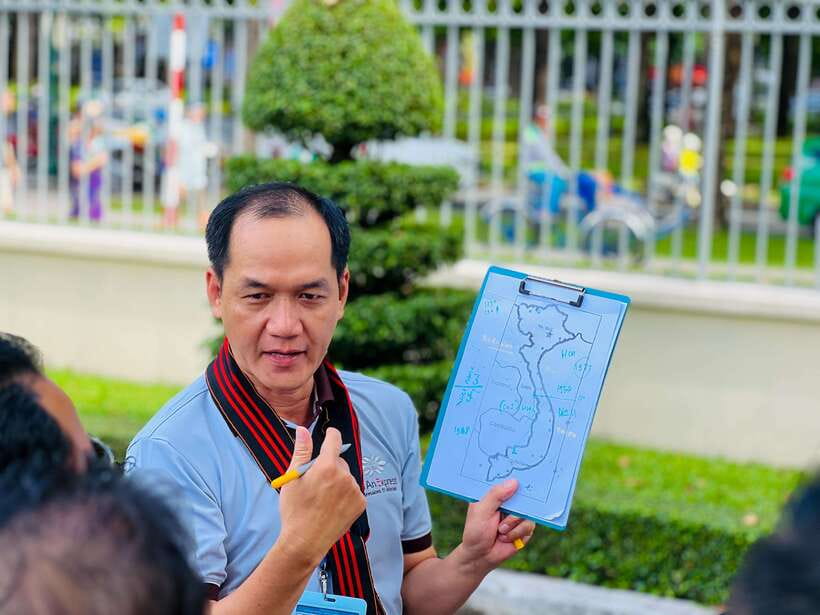
For most people, the rhythm is straightforward: temple first, then political landmark, then classic architecture, then the museum, and finally the craft shop. A strong guide can make that flow feel logical, not like a checklist. In the praise I’ve seen, guides such as Boa (with driver Nam) are singled out for making the history easy to follow in English, while keeping the pace comfortable.
Thien Hau Pagoda in Chinatown: a calm start in District 5
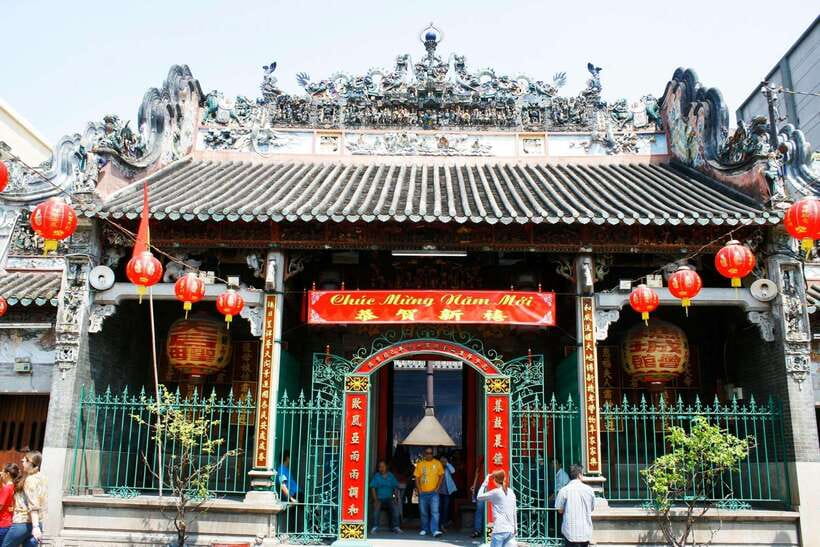
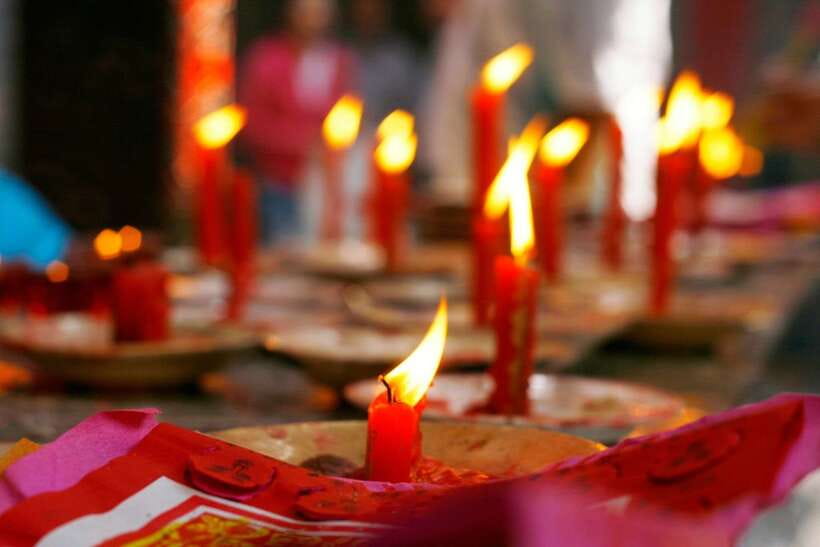
The tour begins with a quick walk to Thien Hau Pagoda in Chinatown (Cho Lon, District 5). This is a Chinese-style temple devoted to Thien Hau—also known as Mazu, the Lady of the Sea. That religious focus changes the mood right away. Instead of immediately jumping into big political history, you start with lived spiritual culture.
You’ll have guided time to look around and understand what you’re seeing. Even if you’re not the type to study religious iconography, this stop gives you a useful lens: Ho Chi Minh City isn’t only Vietnamese history. It’s a blending of communities, and Chinatown is one of the most visible chapters.
It’s also a smart choice as the first stop because it’s short—about 15 minutes. You’re still fresh, and you get your bearings before the tour shifts gears into heavier topics.
Independence Palace: the political center you can still walk through
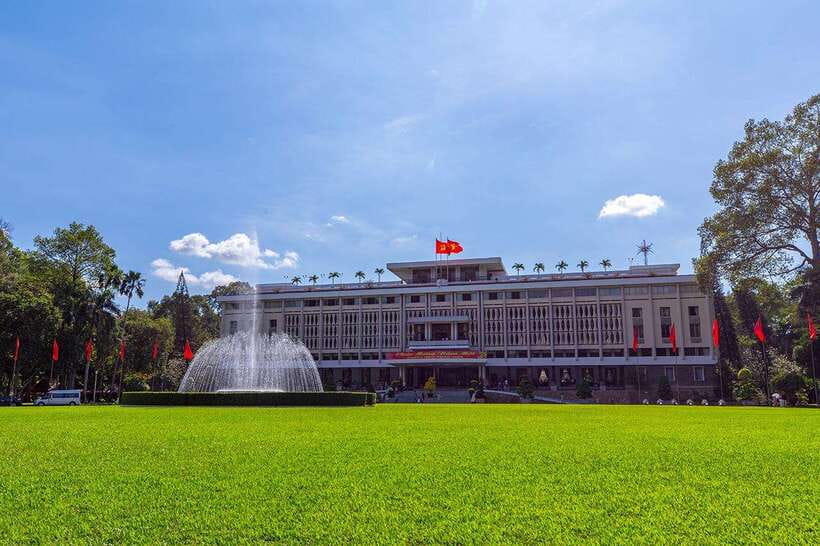
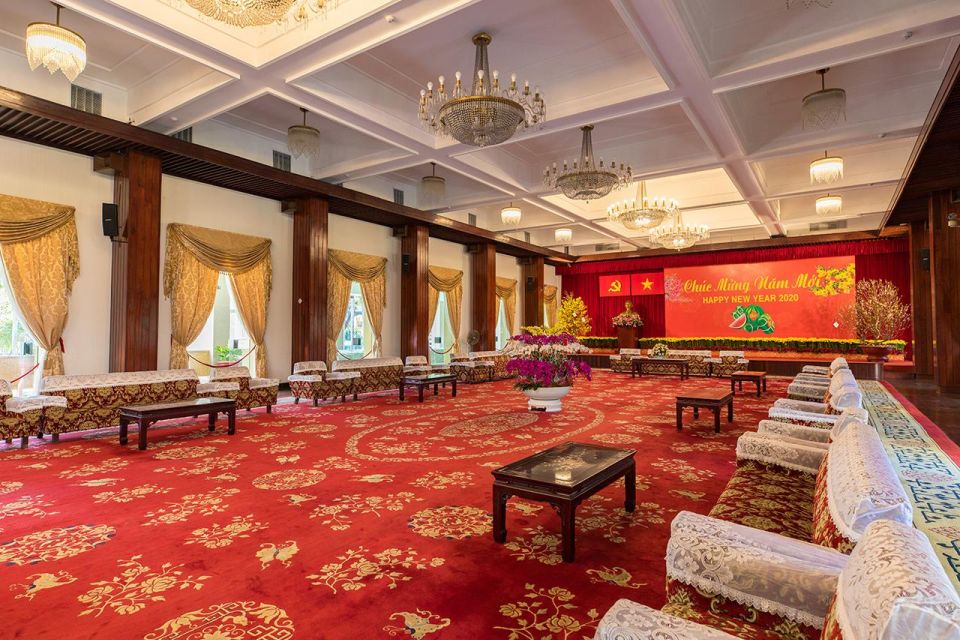
Next up is Independence Palace, also known historically as the Reunification Palace. The key detail here is what it represented in the 1960s and 1970s: it served as the residence of the President of the Republic of Vietnam. That context makes the building feel less like a photo backdrop and more like a physical timeline.
You’ll get about an hour for a guided visit and sightseeing walk. That’s the right amount of time because palace spaces can feel repetitive if you rush. With a guide, you can connect rooms and features to what was happening during the period the palace was used.
One practical plus: because the tour is structured, you don’t have to decide on the fly where to spend time. If you enjoy understanding power and politics through architecture, this is one of the stops that tends to land hardest.
Saigon Central Post Office and Notre-Dame Cathedral: French-era landmarks with meaning
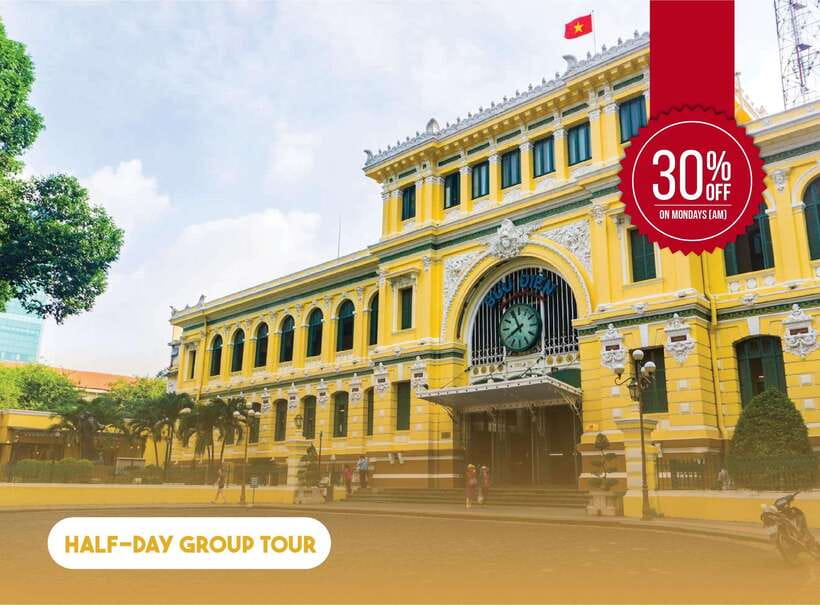
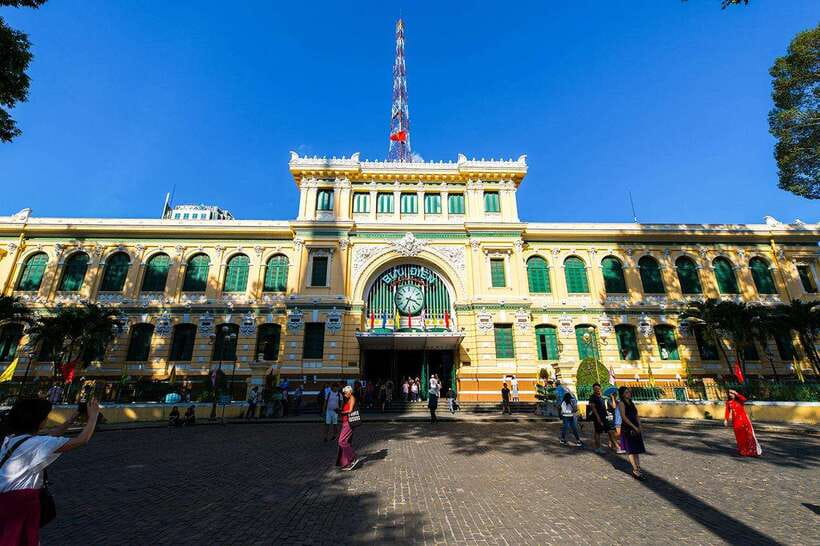
From Independence Palace, the itinerary turns toward two iconic structures from the French era: Saigon Central Post Office (built between 1886 and 1891) and Saigon Notre-Dame Cathedral (constructed in 1880).
The tour gives you short but guided viewing time at each:
- Old Post Office: about 10 minutes
- Notre-Dame Cathedral: about 15 minutes
Those windows are just long enough to learn what makes them notable, snap a few photos, and move on without burning your whole afternoon on one exterior. The value isn’t just the architecture—it’s how quickly your guide can explain why these buildings mattered to the city’s development and identity.
If you’re the kind of visitor who likes to photograph landmarks but also wants context, this portion is a good balance. You’ll see the structures, but you’ll also understand why they became symbols of that era.
You can also read our reviews of more historical tours in Ho Chi Minh City






War Remnants Museum: seeing the futility, not just the facts
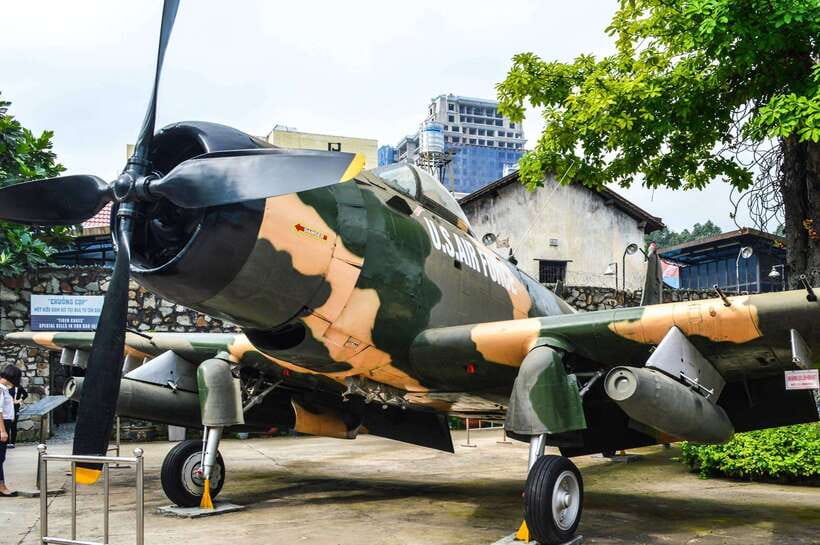
Then you head to the War Remnants Museum, with about an hour of guided time. This is the stop that carries the emotional weight. The exhibits are described as a vivid portrayal of the futility of war, and that theme matters more than any single artifact.
In practice, this is where a skilled English guide can make the difference between feeling overwhelmed and actually processing what you see. The best tours help you connect the exhibits into a coherent message rather than letting everything blur together.
A museum like this also changes how you experience the rest of the city. Once you’ve seen what’s behind the story, the streets feel more layered. You’ll likely notice details more, and you’ll have more patience for history that doesn’t fit neatly into a postcard version of Saigon.
Tip for your own comfort: if you’re sensitive to heavy subject matter, plan your pacing around this stop. It’s placed later in the tour, which can be a mercy—you’ve had earlier cultural context first.
Lacquerware production at Sơn Mài Phương Nam: watching tradition happen
Your final cultural stop is a Vietnamese lacquerware factory, Sơn Mài Phương Nam. You’ll spend about 25 minutes here with guided sightseeing and a look at the intricate process of creating traditional lacquerware products.
This is one of those stops that feels small until you actually watch the work. Lacquerware isn’t just a craft product; it’s a chain of skills, steps, and patience. And since this tour is short, the workshop is carefully timed so you can observe the creation process without turning your afternoon into a long showroom visit.
If you like buying fewer, more meaningful souvenirs, this is a smart place to slow down. You might not want to purchase anything, but you’ll at least understand what you’re seeing and what makes it labor-intensive. That turns a random store stop into real cultural appreciation.
Price and value: is $36 fair for a guided half-day?
At $36 per person for about four hours, this tour is priced like a solid “first-timer” experience. The best value isn’t only the sightseeing list. It’s that the tour includes the stuff that usually costs you time and hassle on your own.
What you get included:
- Transfer and transportation as per itinerary
- Entrance fees
- Bottled drinking water
- Travel insurance
- Hotel pickup and drop-off in central districts
- English live tour guide
What’s not included is mostly what you’d expect: personal expenses.
So the value equation is: you pay for a guide, transport, and entry costs, and in return you get a guided route through major landmarks plus a craft workshop. If you’re short on time and want the city’s strongest story beats without planning, $36 is a reasonable trade.
If you already know you’ll spend the day at your own pace and you’re comfortable using public transport, you might spend less by going solo. But you’d lose the guided “what this means” layer, and you’d likely spend more time deciding where to go.
Who should book this tour (and who might not)
This tour is especially good for:
- First-time visitors who want structure and context fast
- People who want both architecture and museum time in one package
- Travelers who like craft experiences without a full-day commitment
- Anyone who prefers an English guide rather than piecing things together alone
It may feel less ideal if:
- You want a slow, deep exploration of one neighborhood
- You don’t do well with heavier museum content
- You’re hoping to do lots of off-the-beaten-path walking breaks (this route is designed for major stops)
One more practical note: it’s a guided experience, and unaccompanied minors are not allowed. If you’re traveling with kids, they must be accompanied by an adult under the rules stated for child pricing.
Practical tips to get the most out of each stop
Here’s how to make the half-day feel smoother.
At temples and religious sites, dress modestly and be ready for a bit of walking. This is a short stop, but you’ll still want to move comfortably and keep your camera ready.
At Independence Palace and the War Remnants Museum, give yourself mental permission to slow down. Both are guided for a reason: you’ll get more out of them if you listen as you look.
For the cathedral and post office, you’ll get brief guided viewing time. If you want extra photos, stand where your guide recommends first, then return for a second quick shot if there’s time. Don’t rely on lingering once the group is moving.
At the lacquerware workshop, don’t rush your questions. The process is the point, not just the finished items. Even if you don’t buy anything, you’ll learn why this craft takes so much time.
Should you book this Ho Chi Minh City history and culture tour?
If you want a reliable, guided way to see the city’s top story landmarks in four hours, I think it’s an easy yes. The combination of War Remnants Museum, political history at Independence Palace, recognizable French-era structures, Chinatown’s Thien Hau Pagoda, and a lacquerware factory gives you a balanced sampler of what Ho Chi Minh City is actually made of.
My recommendation is strongest if you:
- Are visiting for a short time
- Prefer English interpretation and clear storytelling
- Want a route that includes both heavy and lighter cultural stops
If you’d rather wander without constraints or you’re only interested in one theme (pure architecture, for example, or only museums), you might get more satisfaction building a solo plan. But for most people trying to get oriented fast, this tour is a strong value play.
FAQ
How long is the Ho Chi Minh City Half-day History And Culture Tour?
It lasts about 4 hours.
What language is the tour guide?
The tour is guided in English.
Where does pickup and drop-off happen?
Hotel pickup and drop-off are included for Ho Chi Minh City Center areas: District 1, 3, 5, 10, and Phu Nhuan.
What are the main stops on the itinerary?
The tour includes Thien Hau Temple, Independence Palace, Saigon Central Post Office, Saigon Notre-Dame Cathedral, War Remnants Museum, and a lacquerware factory (Sơn Mài Phương Nam).
What’s included in the price?
The price includes transfer and transportation, entrance fees, bottled drinking water, travel insurance, and hotel pickup and drop-off in the central districts listed.
Is travel insurance included?
Yes, travel insurance is included.
Can children join the tour?
Unaccompanied minors are not allowed. Children must be accompanied by an adult, following the child-to-adult rules stated for child pricing.
Is free cancellation available?
Yes, you can cancel up to 24 hours in advance for a full refund.