REVIEW · HANOI
20-Day Vietnam Itinerary | Discovery and Beach Relaxation
Book on Viator →Operated by Authentic Adventures · Bookable on Viator
Vietnam hits different when you move with a plan. This 20-day trip stitches together Hanoi, Sapa, Halong Bay, Hue, Hoi An, Nha Trang, Ho Chi Minh City, and the Mekong Delta, with both full days of sights and calmer stretches to breathe. I like that the pace is built to include real downtime on the beach instead of turning everything into a sprint, and I also like the convenience of included hotel pickup and a guide handling the “how do we get there?” part. One thing to weigh: it’s a multi-city, multi-transport route with domestic flights and lots of check-ins, so you’ll want to pack light and keep your energy for early starts.
A small group helps too. The tour caps at 10 travelers, uses an air-conditioned vehicle, and aims to keep you moving on schedule (with free time in key cities so you can wander at your speed). If you hate rigid plans or you want totally custom flexibility day-to-day, this format may feel a bit structured.
In This Review
- Key points to know before you book
- Hanoi, then limestone caves: how the trip starts strong
- Sapa trekking that still feels like a vacation
- Halong Bay overnight boat: sunrise is the headline for a reason
- Hue’s imperial sites plus My Son: culture days with smart pacing
- Hoi An on foot, then Nha Trang beaches for actual rest
- Ho Chi Minh City and Cu Chi: history stops you can’t unsee
- Mekong Delta mornings and Cai Rang floating market
- Domestic flights, private rooms, and small-group comfort
- Packing and pacing tips for this exact schedule
- Should you book this Vietnam 20-day route?
- FAQ
- What cities does this 20-day Vietnam tour cover?
- Is hotel pickup included?
- Does the price include domestic flights and entrance tickets?
- Do you stay overnight on a boat in Halong Bay?
- How much of the trip includes free time?
- How large is the group?
- Is there trekking in Sapa, and how long is it?
- Are there beach days in this tour?
- What’s included for meals?
- What is the cancellation and weather policy?
Key points to know before you book

- Halong Bay overnight on the boat plus a sunrise experience
- Sapa trekking with Cat Cat village and a total ~12 km trek day
- Trang An Grottoes by rowing boat through cave complex zones
- Beach relaxation in Nha Trang spread across multiple days
- Saigon history in measured doses: Notre Dame, Central Post Office, War Remnants Museum, plus Cu Chi Tunnels
- Mekong Delta early start for Cai Rang floating market
Hanoi, then limestone caves: how the trip starts strong
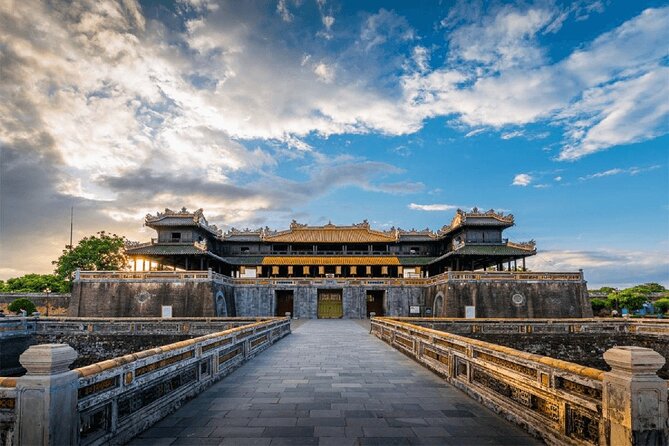
You begin in Hanoi, where you’re welcomed and transferred to your hotel. After that, you get leisure time on your own to get your bearings—use it for a first meal, a slow walk, or just adjusting to Vietnam’s pace and traffic flow.
The first “big wow” comes next in the Ninh Binh area, where the day blends history and scenery. You’ll head to Hoa Lu Ancient Capital, Vietnam’s old capital dating back to the 11th century, with about two hours to see the site. Then comes Trang An Grottoes, done the best way for most people: a two-hour rowing boat ride through a cave complex (Sang Cave, Tói Cave, Ba Giọt Cave, and more). This part is worth it because it’s not just looking from a viewpoint—you’re moving through the karst formations, which changes the scale fast.
The afternoon adds Bich Dong Pagoda and a cycling segment through the area. That mix—one boat ride, one historical site, one set of cave-filled shrines—sets up the overall rhythm of the tour: guided structure, but with different modes of travel so the days don’t blend together into one long bus ride.
You can also read our reviews of more tours and experiences in Hanoi.


Sapa trekking that still feels like a vacation
Sapa is where this tour stops being only about sights and becomes about walking, views, and fresh air (especially compared with the heat you may have already felt in the lowlands). On the way in, you’ll be transferred from Hanoi to Sapa, then get time to refresh and enjoy lunch in town.
From there, you head to Cat Cat village with a short trek. It’s tied to the Black H’mong ethnic group and sits in a valley near Fansipan Peak, so you get a sense of how communities live in the terrain—not just a photo stop. With a guide, you’re not left guessing what you’re seeing, and the time feels like a controlled “adventure day.”
Day 4 moves to Muong Hoa Valley for rice terraces and continues toward Lao Chai Village, with a picnic lunch included. You then trek onward to Ta Van village (home of the Dzay ethnic people). The total trekking distance is listed at about 12 km, with the day also designed to loop back to Sapa town when the trek ends.
Practical consideration: even though it’s guided and structured, you are committing to real walking. If you don’t do long days on foot at home, plan on taking it easy the evening before and bring comfortable footwear you already trust.
Halong Bay overnight boat: sunrise is the headline for a reason
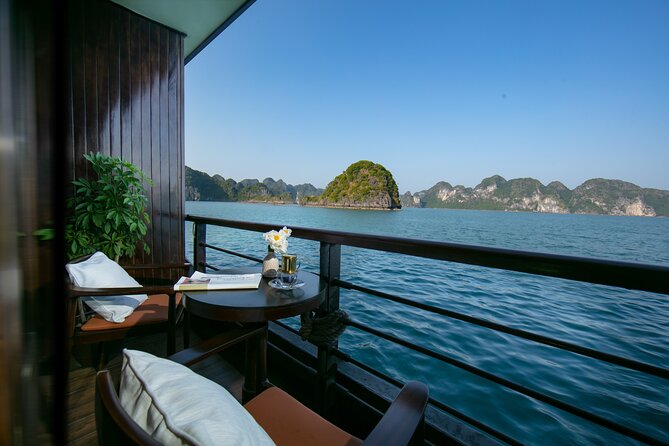
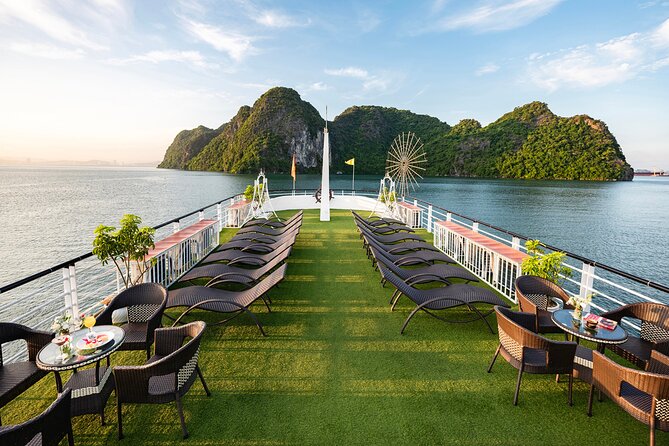
Halong Bay is the part that tends to sell this whole trip, and this itinerary delivers the main ingredients: cruising, swimming/sunbathing time, and an overnight stay aboard. You depart Hanoi in the morning, board the vessel on arrival, and enjoy lunch while cruising through thousands of islands and islets.
Then you get the next full day on the water. This is where you’ll notice the schedule aims for variety, not just repeating the same route: the plan calls for cruising toward more tranquil areas, plus time for an island stop for swimming and sunbathing. You sleep aboard again.
Day 7 includes a visit to a pearl farm village and more cruising, then you return to Hanoi by late afternoon. That means the trip doesn’t just hand you a scenery postcard. It gives you enough time on the water that your day feels like a mini-journey.
Two tips so you get the most from it:
- Bring a light layer for the boat, especially if you get cooler near night or early morning.
- Treat the sunrise opportunity as your “small sacrifice for big payoff” moment. Getting up early here is usually worth it.
Hue’s imperial sites plus My Son: culture days with smart pacing
Hue can feel like a museum tour unless it’s structured well. Here, it’s set up as a multi-stop day that mixes spiritual space, imperial architecture, markets, and tombs—so you’re not only looking at grand buildings.
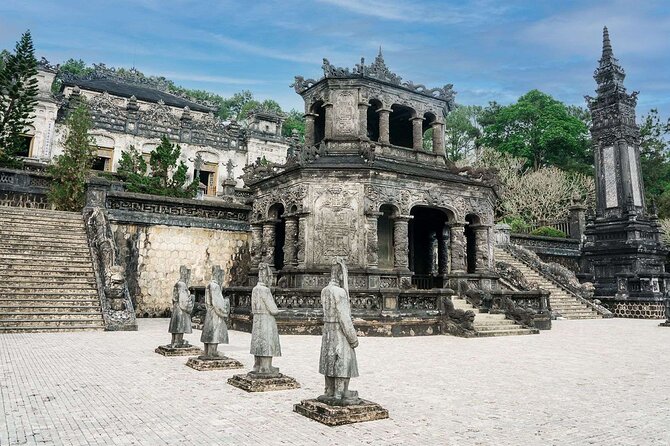
On the Hue sightseeing day, you start with breakfast and then a boat trip to Thien Mu Pagoda, a calm spiritual stop. You continue with Hue Imperial City (part of the Nguyen Dynasty legacy) and Hue Royal Palace / exhibits, where you’ll see royal-era collections and museum items. Lunch is built into the flow through time at Dong Ba Market, and you also visit the Tomb of Khai Dinh, plus the tombs of King Minh Mang and Khai Dinh as described by the plan.
Then there’s My Son Sanctuary, another UNESCO World Heritage site. It’s scheduled as a dedicated half-day/part-day visit, with about three hours allocated. This pairing works because Hue gives you the imperial Vietnam story, while My Son adds a different slice of older cultural influence in the region.
Drawback to consider: If you’re the type who hates guided museum-style time, you may want to balance this day with your own slow walking afterward in Hue. The itinerary does give you leisure time in Hue on the travel day, and later days shift you to Hoi An and beach time to reset your brain.
Hoi An on foot, then Nha Trang beaches for actual rest
Hoi An is handled in a way that lets you do both the guided “highlights” and the unplanned wandering. You arrive in the afternoon and do an on-foot visit that includes stops like the Colorful Local Market, Old House of Tan Ky, Fu Jian Assembly Hall, and the 400-year-old Japanese Covered Bridge. After that, the next day is mostly free time so you can explore, shop, or just relax.
There are two leisure blocks in Hoi An—one with six hours and another with three hours—so you’re not forced to squeeze everything into a single day. That matters because Hoi An is one of those places where you’ll enjoy the small streets more than the checklist.
Then the tour pivots to Nha Trang, and it does it clearly: multiple beach relaxation days. You’ll fly from Danang to Nha Trang in the afternoon, then spend day 13 and day 14 with six hours each of leisure time for beach relaxation. Day 15 is shorter but still includes leisure until you’re transferred to the airport.
If you’re traveling with family or you want recovery time between active sections (Sapa trekking and Halong cruising), this beach block is a gift. You’ll come back from Nha Trang with energy for Saigon and the Mekong, instead of running on fumes.






Ho Chi Minh City and Cu Chi: history stops you can’t unsee
After Nha Trang, you fly to Ho Chi Minh City and settle in. The next day focuses on major sites, and it’s a good mix of architecture and wartime context.
You start with Saigon Notre Dame Cathedral and the Saigon Central Post Office. Both are scheduled for about an hour each, so you get enough time to see them properly without turning the day into a rushed photo sprint. You then go to the War Remnants Museum, again about an hour.
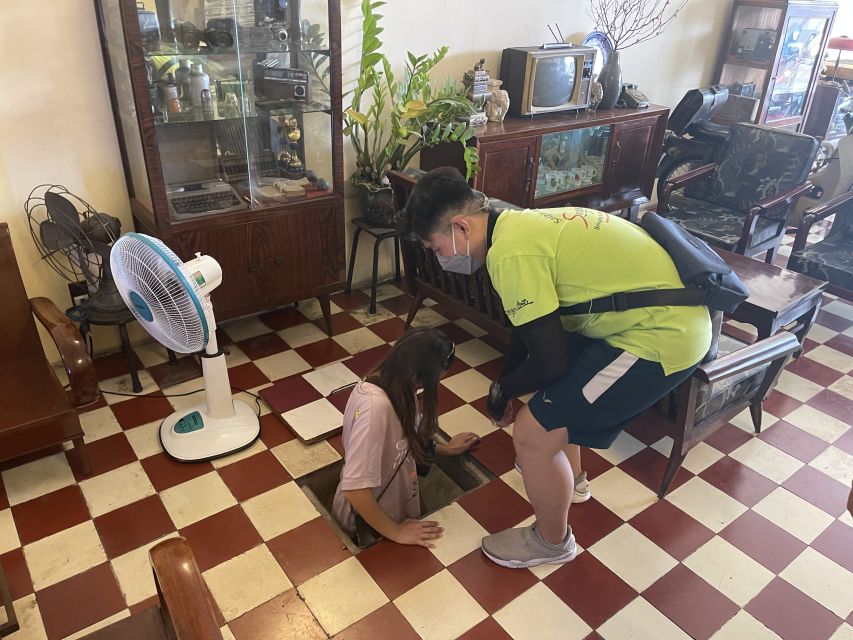
The day ends with Cu Chi Tunnels. This is longer—about four hours—because it’s not just “see a hole in the ground.” It’s an engineering-and-history stop that pushes you to understand what the tunnels represented during the war years.
A balanced way to approach this: if you’re sensitive to heavy themes, give yourself a little decompression after the museum and tunnels. The itinerary does provide leisure time in Ho Chi Minh afterward on day 19 and day 20, which lets you shift from heavy to everyday life.
Mekong Delta mornings and Cai Rang floating market
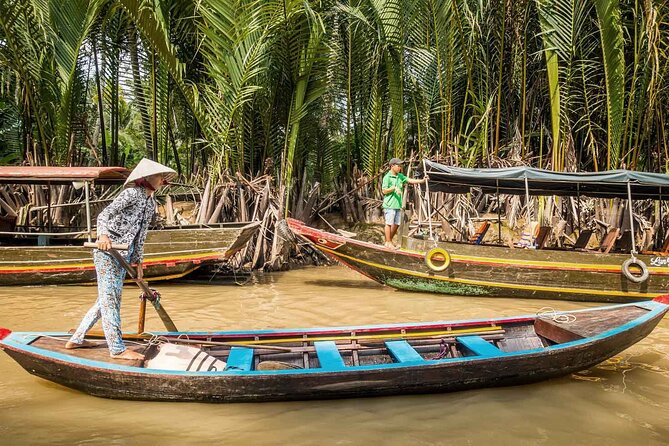
The Mekong Delta is where this tour becomes about boats and small waterways. You start with My Tho in the morning and take a boat journey along the Mekong River area mentioned in the plan. Then you continue to Ben Tre, known in this itinerary for coconut groves, with another boat ride along narrow canals and visits to local workshops.
Then you move to Can Tho for the night. This matters because the next morning is early.
Day 18 is the standout morning activity: a pickup at around 6:30am for Cai Rang floating market. You’ll cruise through the small channel system and spend about four hours there. This early timing is the point. Floating markets change fast once the day moves forward, so starting early helps you catch the energy while there’s still real trading activity.
Afterward, you head back to Ho Chi Minh City in the afternoon, arriving by late afternoon, with time on your own later to explore.
Domestic flights, private rooms, and small-group comfort
This tour’s biggest value is that it tries to remove the friction of planning a multi-city route. You’re not just buying bus-and-hotel time. You also get:
- domestic flights,
- air-conditioned vehicle transport for the scheduled legs,
- a tour guide,
- entrance and sightseeing tickets,
- and meals: breakfast across 19 mornings, lunch across 11 days, and dinner on 2 nights.
Accommodation is listed as a private room, which is a big upgrade versus shared arrangements. I also like the max group size of 10 travelers, because it usually means fewer coordination headaches than mega-groups.
Price-wise, $1,699 per person isn’t cheap in absolute terms, but it’s fairly realistic for what’s included. You’re paying for domestic flights, guided experiences, entry fees, and at least one overnight boat stay—cost items that add up quickly if you try to build the same route on your own. If you’d otherwise spend your time researching tickets and booking transfers between cities, this package can feel like buying time back.
Packing and pacing tips for this exact schedule
Because this itinerary moves from Hanoi to Sapa, then to Halong, then flights all the way down to central Vietnam and finally south, you should pack like you’ll be changing places often. The itinerary includes cycling, trekking, boat rides, and beach time, so bring items that can handle all of it:
- comfortable walking shoes for Sapa days,
- a light rain layer (especially since Halong Bay is weather-dependent in general),
- swimwear for boat and island time,
- and a small day bag for guided stops.
For pacing, I’d plan your own routine around the early starts and heavier days:
- The Sapa trekking day and Halong days are energy-heavy.
- The Nha Trang days are your reset.
- The Saigon and Cu Chi day is the emotional workload.
- Mekong day 18 is another early morning, so don’t schedule your own late nights the evening before if you can help it.
Should you book this Vietnam 20-day route?
Book it if you want a trip that covers the classics—Hanoi, Halong, Hue, Hoi An, Saigon, and the Mekong—without forcing you to coordinate every transfer and ticket yourself. You’ll also like it if you appreciate a small group, a guide handling the day flow, and real breaks for beach time in Nha Trang.
Skip it (or at least think twice) if you dislike multi-city travel, long check-in days, or you don’t want a plan that includes active trekking and early mornings.
If you’re hoping for value, balance, and a route that actually includes downtime—not just travel days—this one makes a lot of sense.
FAQ
What cities does this 20-day Vietnam tour cover?
It starts in Hanoi and includes stops in the Ninh Binh area, Sapa, Halong Bay, Hue, Hoi An, Nha Trang, Ho Chi Minh City, and the Mekong Delta (including My Tho, Ben Tre, and Can Tho). It finishes in Ho Chi Minh City with an airport transfer on the final day.
Is hotel pickup included?
Yes. The tour offers pickup, and hotel pickup is included for the scheduled activities.
Does the price include domestic flights and entrance tickets?
Yes. The tour includes domestic flights and entrance/sightseeing tickets.
Do you stay overnight on a boat in Halong Bay?
Yes. You board the vessel on the way in, cruise during the days, and then spend the night aboard, with a sunrise experience included as a highlight.
How much of the trip includes free time?
Several days include leisure time on your own, including in Hanoi, Hoi An, Nha Trang, and Ho Chi Minh City (plus partial leisure time within the day schedules).
How large is the group?
The maximum group size is 10 travelers.
Is there trekking in Sapa, and how long is it?
Yes. The itinerary includes trekking around Cat Cat village and another trekking day in Muong Hoa Valley and toward Ta Van village. The total trekking distance for that day is listed as about 12 km.
Are there beach days in this tour?
Yes. Nha Trang includes multiple leisure blocks for beach relaxation (three days are listed, with long leisure time each day).
What’s included for meals?
Breakfast is included for 19 mornings, lunch is included for 11 days, and dinner is included for 2 nights.
What is the cancellation and weather policy?
You can cancel for a full refund up to 24 hours before the experience’s start time. The experience requires good weather; if it’s canceled due to poor weather, you’ll be offered a different date or a full refund.