REVIEW · HANOI
Hanoi: Vietnam Scents Perfumery Class
Book on GetYourGuide →Operated by Muối Studio · Bookable on GetYourGuide
A good scent class is part science, part art. This one in Hanoi is set up for hands-on results, starting with a structured olfaction test and ending with you blending your own custom perfume. I love the small-group size and the calm, air-conditioned studio that lets you slow down and actually pay attention to what you’re smelling. I also like that the workflow feels complete: off the olfaction test, then into a formula, then final blending. One thing to consider is location and timing can be a little tricky, since the studio has irregular open hours and limited seats.
What you do here is simple to understand and satisfying to repeat in your head later. You pick scents you genuinely enjoy, work with an English- or Vietnamese-speaking instructor to shape a formula, test it, then blend at a station and choose a bottle size from the studio’s collection. It’s not a casual “spray and go” activity, and it’s not aimed at kids under 10, so plan for a calm, adult-friendly creative session.
In This Review
- Key things to know before you go
- A calm studio setup on Dong Bac (meeting on the 1/F)
- The olfaction test: how the class helps you pick what you actually like
- From scent choices to a formula that makes sense
- Blending at the perfumer station (and why you’ll notice the difference)
- What you take home: bottle, booklet, and a fragrance you can wear
- Price and value: is $39 fair for a Hanoi perfume workshop?
- Who should book this class in Hanoi (and who should skip it)
- Small considerations: finding the studio and managing expectations
- Should you book Vietnam Scents Perfumery Class at Muối Studio?
- FAQ
- How long is the Vietnam Scents perfumery class?
- What will I make during the class?
- What’s included in the price?
- What size bottles can I choose from?
- Is the class taught in English?
- Where do I meet, and where does it end?
Key things to know before you go
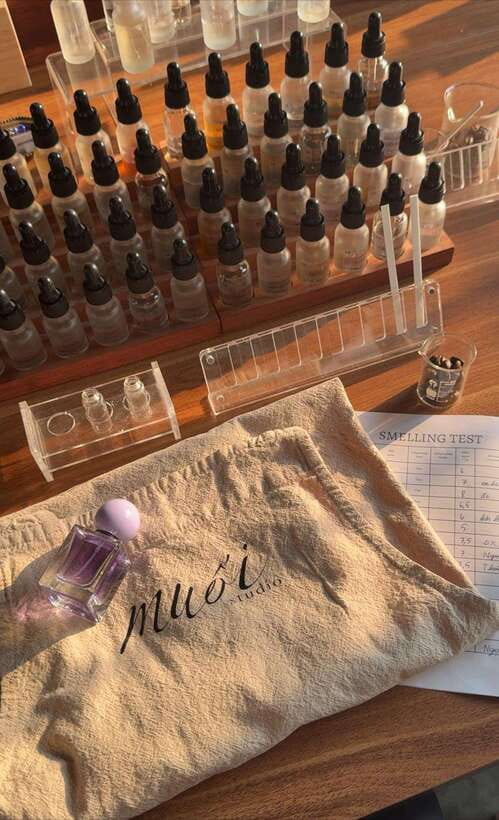
- 80+ scent options: You get to smell widely, not just a small tasting set.
- Olfaction test first: You select scents based on what you like, then the class builds from there.
- Formula + testing: You’ll refine your mix at least twice to get it balanced.
- Choose your bottle size: Options range from 10ml up to 100ml.
- Take-home packaging: Expect a perfume box, bag, and personalized stickers.
- Small group (up to 10): More attention from your instructor, less waiting.
A calm studio setup on Dong Bac (meeting on the 1/F)
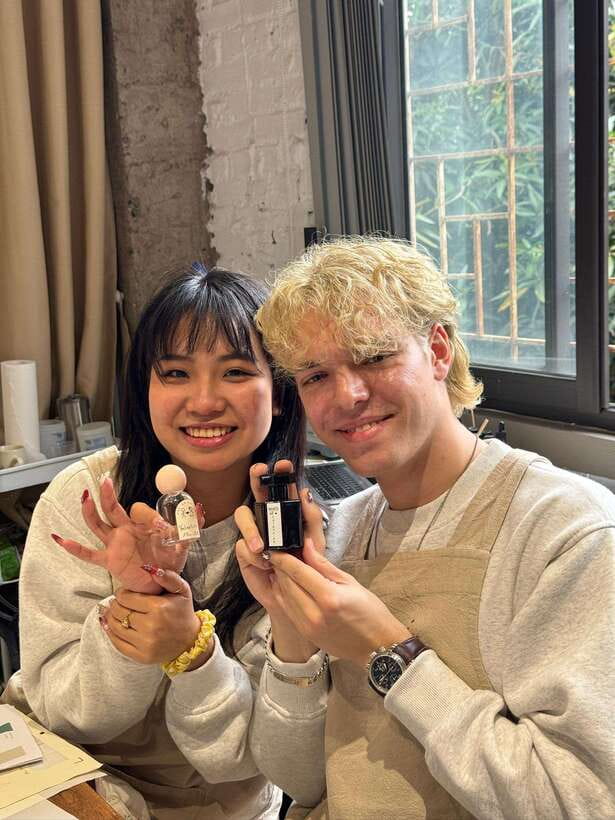
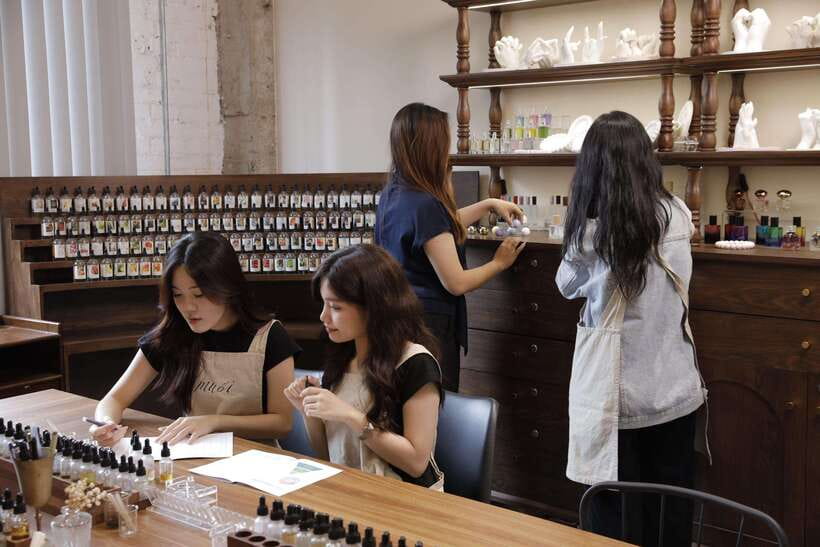
Muối Studio is the kind of place that makes a perfume class feel more like a workshop than a tourist stop. It’s clean, quiet, and air-conditioned, which matters more than you’d think. Temperature and comfort help you concentrate when you’re comparing dozens of scent samples.
The class starts at the 1/F of the building, and it runs right back to the same meeting point. If you’re trying to fit this between other Hanoi plans, build in a little slack. One helpful thing: you’re not rushed through the steps. You get time to smell carefully, discuss your choices, and adjust after the first blending attempt.
Also note the common-sense rules: alcohol and drugs aren’t allowed. That keeps the tasting experience focused and fair for everyone in the room.
A few more Hanoi tours and experiences worth a look



The olfaction test: how the class helps you pick what you actually like
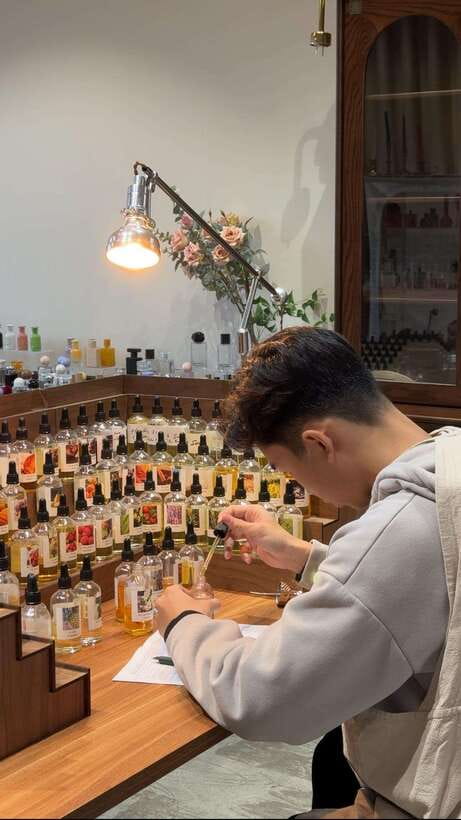
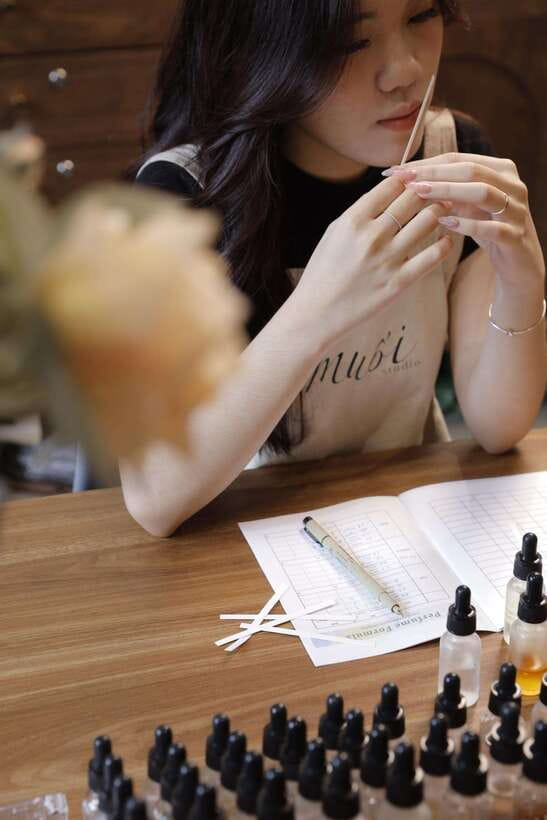
This starts with an olfaction test, and it’s the part that sets you up for success later. Instead of guessing from names on a menu, you get to do the most important thing: smell. You explore and select scents you love, and you’re guided toward patterns in your preferences—things like how some notes feel lighter, heavier, warmer, or more fresh.
With more than 80 scents available, the range is wide enough that you’ll probably find surprises. Even if you already think you like sweet or floral styles, you can still discover an ingredient type that clicks differently once you smell it side by side.
I like that the atmosphere is quiet. In a loud, crowded space, perfume comparisons go fuzzy fast. Here, you can slow down and do the real work: deciding what you enjoy at first sniff, then what still feels right after a moment.
Practical tip: if you tend to get overwhelmed in scent tastings, take short breaks inside your own head. Smell a few, then pause. Decide “like” vs “not for me” before you try to reason it out.
From scent choices to a formula that makes sense
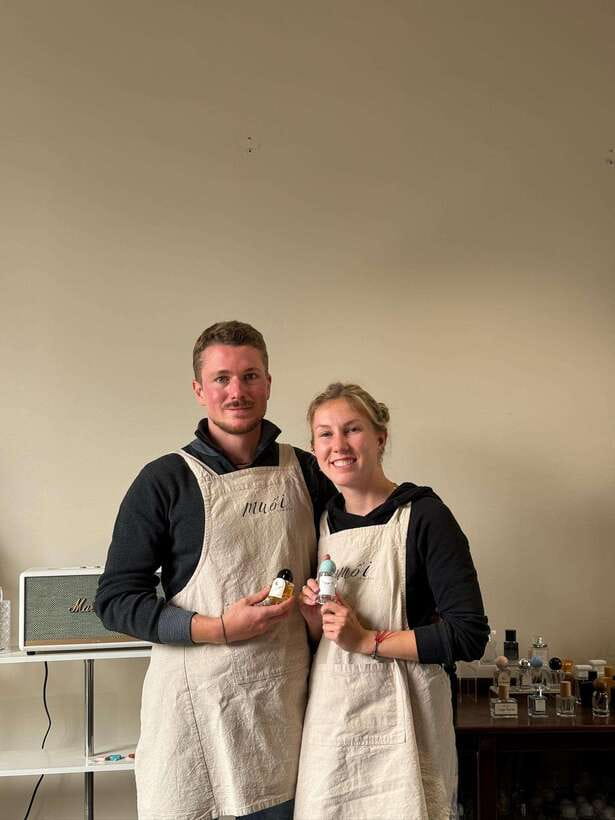
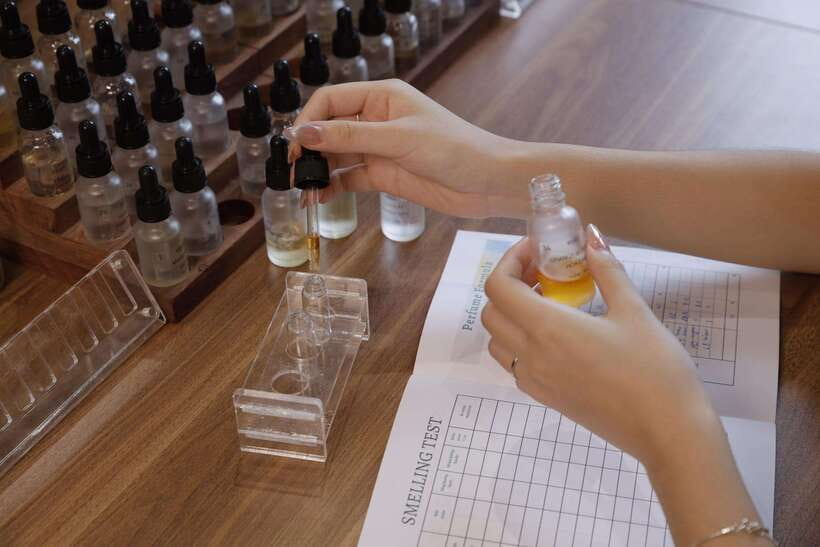
After you pick what you like, the instructor helps you turn preferences into a professional-style fragrance formula. That’s where the class earns its value. Perfume isn’t just mixing smells together like paint. You need balance—how strong each component is, and how the overall blend stays coherent.
You’ll be guided step by step in making the formula, and then you’ll get to test your blend at least twice. That testing loop is key. It means you don’t just make something once and hope it works. The instructor can adjust based on what you’re tasting, and you can fine-tune your ratios until it feels right.
This is also where the guidance becomes personal. In one example from the learning vibe of the room, your instructor may give very practical hints after the first try—like Katie did in an account of a first blend adjustment. Another instructor style you might experience is the patient, attentive coaching associated with Lady in a separate experience note. The consistent idea: you’re not left alone with a bottle of notes. You get feedback when it matters.
If you’ve ever wanted a souvenir that’s more than “I bought a bottle,” this is the reason it works. You walk out knowing how your own preferences translate into something you can wear and recognize.
Blending at the perfumer station (and why you’ll notice the difference)
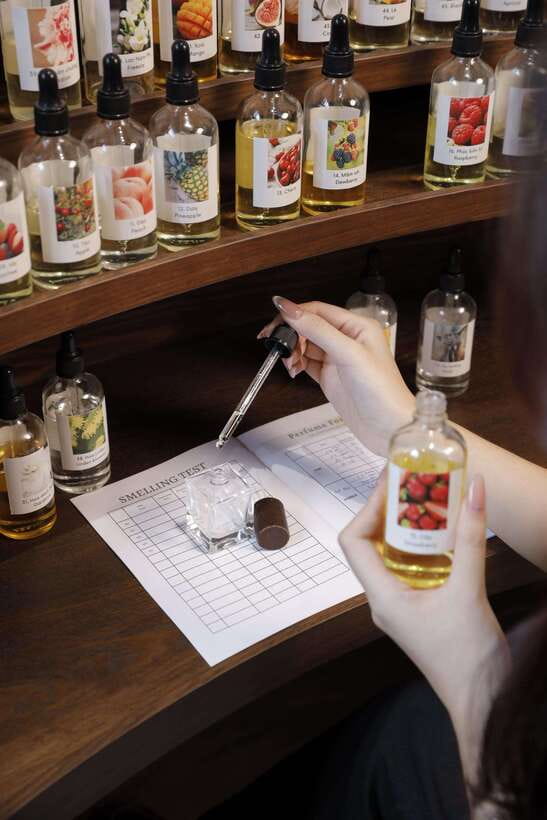
Once the formula is shaped, you move into blending. The class takes you to a perfumer station where you put your ingredients together in the way the instructor has guided. This is the part that feels most “creative”—but it’s still grounded in method.
You’ll blend your ingredients, then use the earlier testing process to help you judge the result. Because you already tested at least twice, the final blend tends to feel intentional, not random.
Then comes the fun, practical moment: choosing your bottle. You can pick from 10ml, 30ml, 50ml, and 100ml sizes. If you want to wear it often or gift it, 30–50ml is usually the sweet spot. If you’re more about carrying a signature scent or treating it like a keepsake, 10ml is a great starter.
One more small detail that makes the experience feel thoughtful: you’ll get personalized stickers, plus a complete package including a perfume box and a bag. That means your bottle looks like something you’d buy from a real brand, not just something made in a classroom.
If you like filming or documenting the process, you might be offered helpful support during the blending step. In one account, an instructor provided a tripod so participants could film the process—small, but very nice if you want a reminder of how you made it.
What you take home: bottle, booklet, and a fragrance you can wear
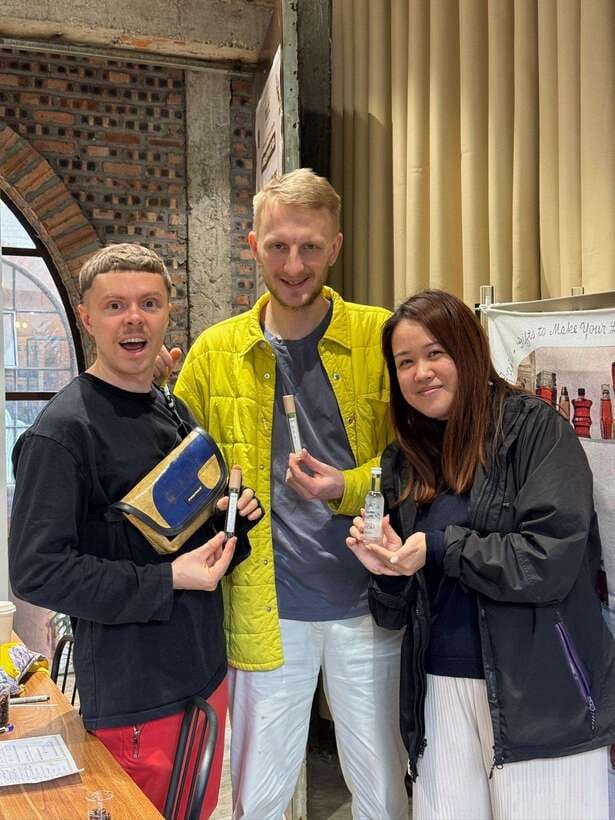
At the end, you don’t just get a sample vial. You take your unique perfume home right after the workshop. The included perfume bottle is part of the price, along with all ingredients and a booklet.
That booklet is important because it helps you make sense of what you did, even if you’re not planning to recreate it immediately at home. You’ll remember what you chose, how the blend was adjusted, and what overall direction you were aiming for.
You also leave with a full set of presentation items: the perfume box, the bag, and stickers that personalize your bottle. It’s the kind of package that works whether you’re bringing it back to your own dresser or giving it as a gift to someone who appreciates small details.
And yes, the craftsmanship angle is real. When you smell and blend intentionally, you’ll notice that your final scent isn’t just “pleasant.” It has a personality that matches what you liked during the olfaction test.





Price and value: is $39 fair for a Hanoi perfume workshop?
$39 for a 2 to 2.5 hour class can sound like a “nice-to-have” if you’re thinking of it like a guided tour. But it’s a better deal when you treat it like a hands-on workshop with materials included.
Here’s why the value works:
- You get all ingredients provided.
- You get the perfume bottle as part of the package (not a sample).
- You get a booklet plus packaging (box, bag, stickers).
- You get instructor time in a small group capped at 10.
So you’re paying for more than instruction. You’re paying for the process and the output. In other words, you’re not just learning how to make perfume—you’re leaving with a wearable product.
If you’re deciding between this and another “activity + souvenir” type of experience, I’d weigh how much you like scent as a hobby. If smell-based choices make you curious, this class is money well spent. If you’re only interested in the idea of perfume, you might prefer something lower-effort.
Who should book this class in Hanoi (and who should skip it)
This is a great fit if you:
- want a creative Hanoi experience that’s not based on walking all day
- like hands-on tasks with guided feedback
- enjoy scent categories and want to understand your own preferences
- want a personal souvenir you actually made yourself
It’s also a strong choice for a date or small friend group, because the room stays quiet and structured, not chaotic. The instructor working in English or Vietnamese helps too, so you’re not stuck.
It’s not a fit if you’re traveling with kids under 10. And if you’re someone who expects a fast, casual thing, the testing and blending steps take real attention. You’ll have to be present.
If you hate slow decision-making, this may feel like a lot at first because you’ll be smelling and comparing multiple options. But that’s also why the results feel tailored.
Small considerations: finding the studio and managing expectations
Two things can affect your experience beyond the class itself.
First, open hours can be irregular, and the studio has limited seats. That means your best move is to check starting times and confirm your day early, then don’t plan a tight schedule right up against it.
Second, the location can be a little annoying to find. One account flagged the challenge of finding the location as the only downside. You can reduce stress by giving yourself buffer time and double-checking how to reach the building and the 1/F meeting point.
Finally, remember this is a scent workshop. Avoid strong perfumes right before you go. The smoother your baseline is, the better you’ll be able to judge the scents you’re tasting.
Should you book Vietnam Scents Perfumery Class at Muối Studio?
Book it if you want a Hanoi activity with real output: a custom fragrance, chosen scents, and a guided formula process in a small, quiet room. The combination of 80+ scents, a structured olfaction test, formula creation with multiple testing rounds, and take-home bottle packaging makes this feel like more than a novelty. At $39, it’s a value play when you compare it to buying an actual perfume you didn’t choose with your own nose.
Skip it if you’re short on time, hate scent mixing, or you’re bringing kids under 10. Also skip it if you need guaranteed, perfectly predictable scheduling, since the studio’s open hours can vary.
If you’re the type who enjoys thoughtful, sensory activities and wants a souvenir that’s personal and wearable, this one earns a spot on your Hanoi list.
FAQ
How long is the Vietnam Scents perfumery class?
The class runs about 2 to 2.5 hours. Start times depend on availability.
What will I make during the class?
You’ll create your own perfume formula, test it at least twice, then blend your ingredients and choose a bottle to take home.
What’s included in the price?
The class fee includes a perfume bottle, all ingredients, a booklet, and the full packaging (box, bag, and personalized stickers).
What size bottles can I choose from?
You can choose from 10ml, 30ml, 50ml, or 100ml bottle sizes.
Is the class taught in English?
Yes. The instructor can teach in English and Vietnamese.
Where do I meet, and where does it end?
You meet on the 1/F of the building. The activity ends back at the meeting point.