REVIEW · HANOI
Hanoi- SaPa: 3-Day Homestay Trek to Explore Ethnic cultures
Book on GetYourGuide →Operated by Vietnam Nomadtrails · Bookable on GetYourGuide
Rice terraces meet ethnic culture on a short trek. I love how this small-group Sapa trek (up to 14 people) brings you into village life with an English guide, including guides Su and Sang from past departures. I also like that you sleep in homestays—not a hotel—so the days feel personal, not staged. The main drawback is the overnight bus, which can be dirty and uncomfortable, and the start in Sapa can be cold and wet.
You’ll get a tightly run rhythm: bus out of Hanoi, breakfast on arrival, then a three-day hike through communities that still shape their own routines. If you’re sensitive to long travel days, plan for early mornings and a physically real trek—plus warm layers are smart for Sa Pa from October to March. Also note this tour isn’t suitable for people with limited mobility, wheelchair users, children under 6, or pregnant women.
In This Review
- Key Takeaways Before You Go
- Why This 3-Day Sapa Homestay Trek Feels Worth It
- Getting From Hanoi to Sapa: The Overnight Bus Reality
- Entering the Trek on Day 1: Lao Chai (Hmong) to Ta Van (Giay)
- Day 2 Through the Countryside: Bamboo Forest, Red Dzao Stops, and Ban Ho
- Day 3 Payoff: Sunrise in Ban Ho Valley and Nam Tong Traditions
- Homestays and Food: What You’re Really Signing Up For
- The Trek Pace, Weather, and Footwear Checklist
- Price and Value: What $139 Actually Buys
- Guide Quality Makes or Breaks the Trek
- Who Should Book This (and Who Should Skip It)
- Should You Book Vietnam Nomadtrails for This Trek?
- FAQ
- What’s the tour duration?
- Where does the tour start and end?
- What time is pickup from Hanoi Old Quarter?
- Is pickup available from places outside Hanoi Old Quarter?
- What meals are included?
- How big is the group?
- What language is the guide?
- What should I bring for the trek?
- Is this tour suitable for everyone?
- Is there a seasonal surcharge for Lunar New Year?
Key Takeaways Before You Go
- Small group size (max 14) keeps the hike calmer and makes it easier for your guide to tailor the pace.
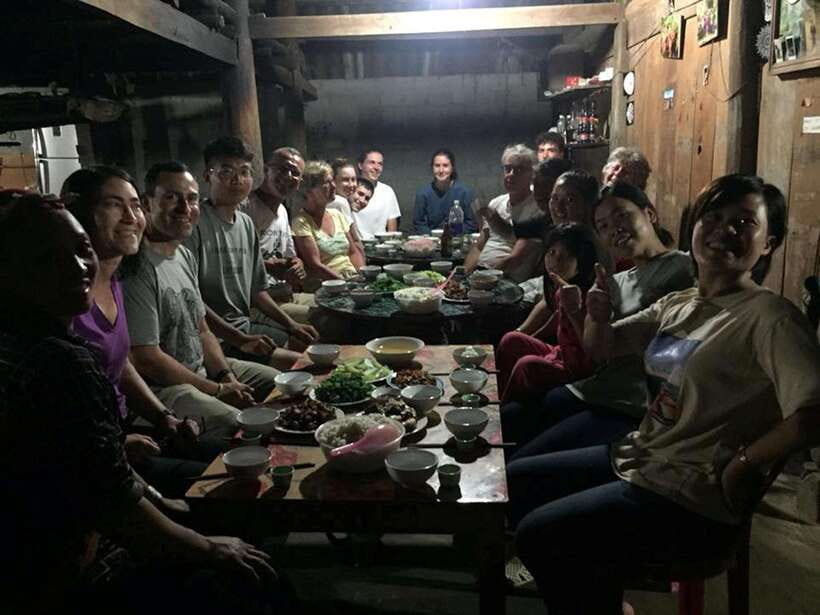
- Two homestay nights mean you’ll eat and sleep with local families, not in a tourist “lodge bubble.”
- Ethnic village route includes Hmong, Giay, and Red Dzao areas, with visits that go beyond photos.
- Sunrise time in Ban Ho valley gives you a legit early-morning payoff when the weather cooperates.
- Day 1 can be miserable-weather cold—bring rain protection and expect low visibility at first.
- Food is included (three breakfasts, three lunches, two dinners) and portions tend to be generous.
Why This 3-Day Sapa Homestay Trek Feels Worth It
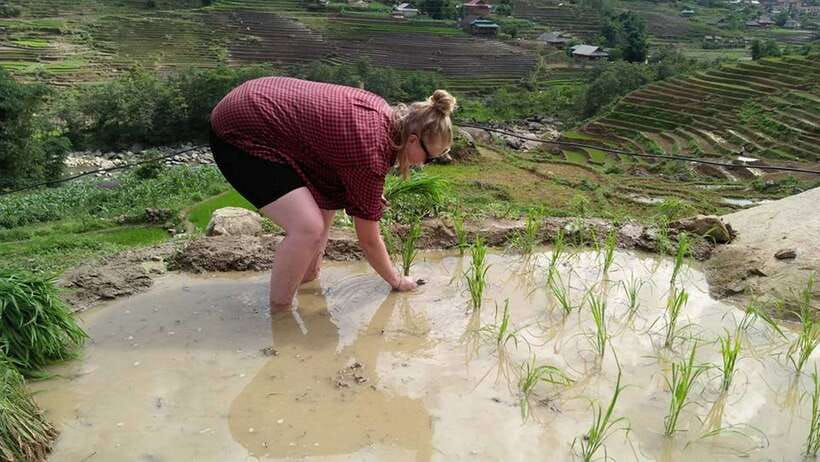
This isn’t a quick look at Sapa from a viewpoint. It’s a guided trek that moves through villages where daily life is the point. The result is that you’re not just collecting scenery—you’re seeing how people live, work, and celebrate (even if language barriers mean your conversations are mostly smiles and gestures).
I like the way the itinerary is built around meeting multiple ethnic groups across different valleys and trails. Hmong communities, Giay villages, and Red Dzao areas each bring a different feel to the journey. And because the group stays small, you’re less likely to feel like you’re herded from stop to stop.
The homestay setup is the biggest reason this works. You sleep close to the village rhythm, and that changes your whole experience. Your meal might include local touches, and you’ll likely see how families handle cooking and daily chores when guests are present.
You can also read our reviews of more hiking tours in Hanoi

Getting From Hanoi to Sapa: The Overnight Bus Reality
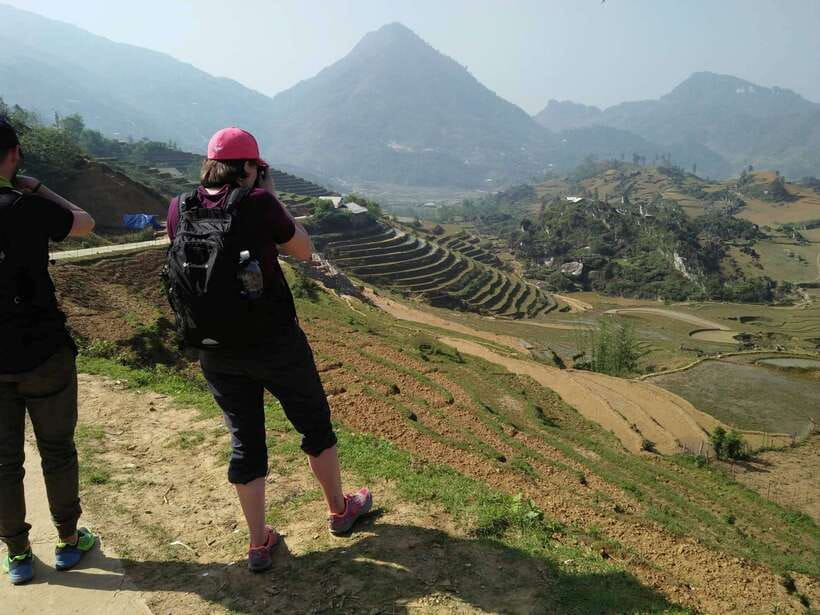
The tour starts with an evening pick-up from Hanoi Old Quarter at 20:45. Then you ride overnight to Sa Pa, arriving around 04:00 the next morning. You can sleep on the bus until 06:00, when you’ll be woken up and taken to a boutique hotel for breakfast.
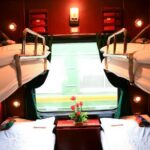
This is the part where expectations matter. Your comfort level depends on the bus condition and the weather, and some past departures described the sleeping bus as dirty and uncomfortable. Still, it’s the tradeoff: you’re saving a full day of transit by using night travel.
One more practical note: pick-up is only available from Hanoi Old Quarter. If you’re staying elsewhere, you’ll need to get to the bus station on your own. So before you book a hotel, check where you’re sleeping relative to Old Quarter—or plan your transport.
Entering the Trek on Day 1: Lao Chai (Hmong) to Ta Van (Giay)
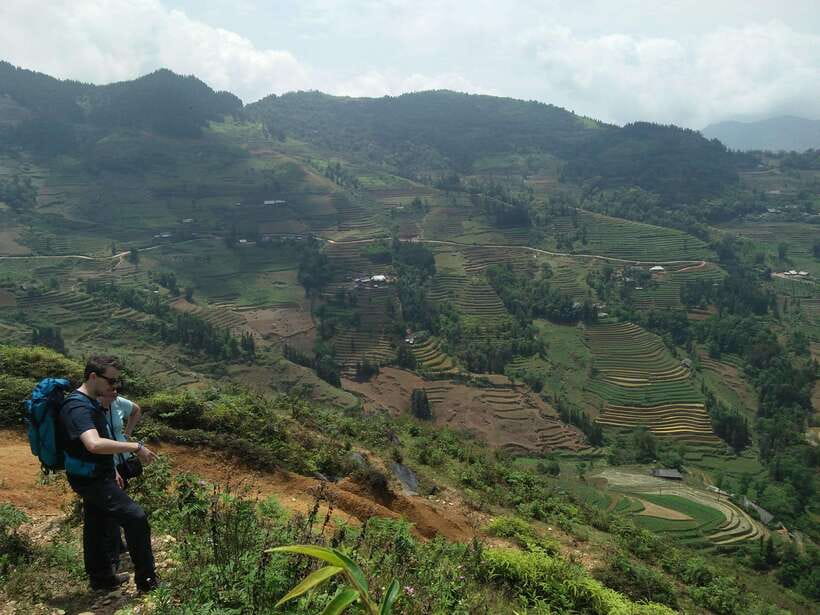
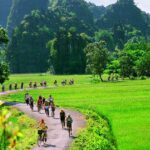
After breakfast and getting to know your group, you start trekking at 09:00. The first leg works its way from Lao Chai, an area inhabited by the Hmong, through Y Linh Ho village.
This first day is when you’re still warming up. The path gives you classic mountain views when visibility is good, but it can also be cold and wet early in the season. In past departures, Day 1 weather sometimes meant you could barely see far ahead—still beautiful, but less panoramic than later days.
Lunch is served in Lao Chai village at a local family’s home. This is one of the best moments to slow down and watch how a household handles midday meals. Even when conversations are limited, you’ll learn a lot just by observing.
From there, you trek on to Ta Van, where the Giay people live. Overnight stays are in Ta Van, and that homestay night is where the cultural experience becomes real. You’re not just walking past homes—you’re entering family space, eating their food, and settling into their routines for the evening.
Day 2 Through the Countryside: Bamboo Forest, Red Dzao Stops, and Ban Ho
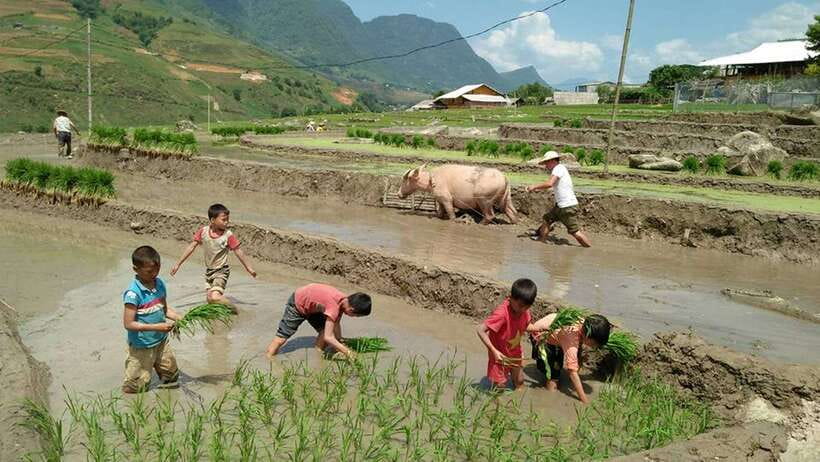
Day 2 starts with a local breakfast, then you head out from Ta Van. The trek includes a section through a bamboo forest, which is a nice change of pace after the first day’s village-to-village rhythm.
Your route continues to Giang Ta Chai village, home to the Red Dzao. This day keeps the focus on countryside life with small cultural stops that make the walk feel more connected. You’ll visit a rattan bridge area and stop at a Dzao family home.
These visits matter because they turn the trek into a conversation, not a photo shoot. Even when English is limited, your guide can translate customs, daily habits, and what you’re seeing. Past departures highlighted guides who offered lots of stories, which helps you understand the why behind what looks simple.
Lunch is taken on the footpath, and then you continue trekking to Ban Ho village. Ban Ho is your base for the second homestay night. After dinner, you get time to relax and stroll around the village.
One thing to keep in mind: this is still a trek day, not a gentle stroll. Some hikers noted it feels challenging, but also worth it—especially once you’re moving with your group and guide and the walking rhythm kicks in.
Day 3 Payoff: Sunrise in Ban Ho Valley and Nam Tong Traditions
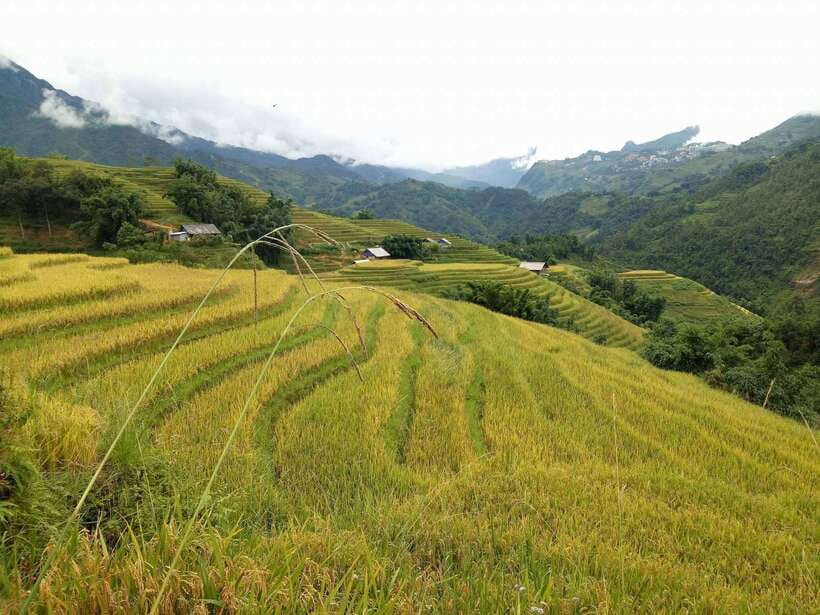
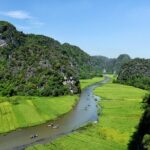
Your final morning begins early with sunrise in Ban Ho valley. If the weather clears, this is the kind of early start that pays you back fast. If it stays foggy or rainy, you’ll still be there in the right place to understand how the valley changes with the morning light.
After breakfast, you take a short trek to Nam Tong village, inhabited by the Red Dzao. This is a cultural finish point that gives you one more look at traditions and village life before the walk ends.
Then you return to Ban Ho village. A van picks you up for the drive back to Sa Pa, and you’ll have time to rest at the hotel before the bus back to Hanoi at 16:00. You’re scheduled to arrive in Hanoi around 22:00, where the tour ends back at the meeting point.
A few more Hanoi tours and experiences worth a look



Homestays and Food: What You’re Really Signing Up For
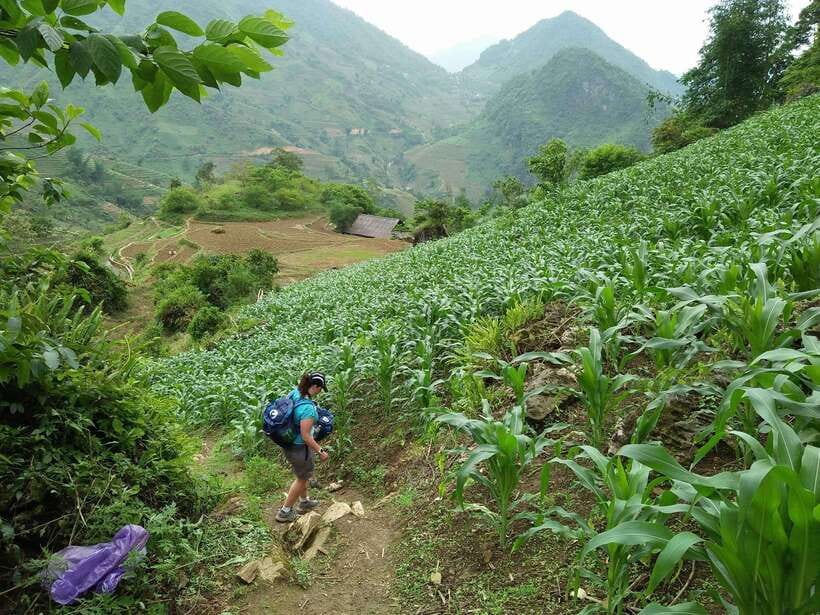
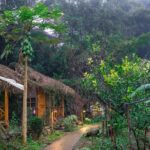
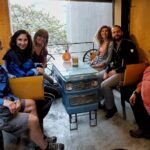
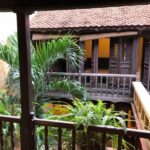
The homestays are a core part of the value. You’re not buying a convenience experience—you’re buying contact with local life. Past departures described homestays as generally clean and suitable, and hosts as welcoming even when English wasn’t strong.
Food is included (three breakfasts, three lunches, two dinners). Portions often came up as generous, which matters on trek days when you actually need energy. One practical expectation: drinks and extra beverages are typically available for a price, and some people wished for more free water after running through the initial mineral water quickly.
In one memorable example shared with past groups, a homestay family even invited guests inside the kitchen to help with meal preparation. That kind of interaction doesn’t happen every minute, but the overall vibe is that you’re treated like a guest in a real household, not a customer in a showroom.
What you should do is show respect and keep your attitude flexible. If you don’t speak the local language, your job becomes easier: listen with your eyes. Follow your guide’s cues. Ask simple questions. Be patient. Most of the meaningful moments happen in the in-between.
The Trek Pace, Weather, and Footwear Checklist
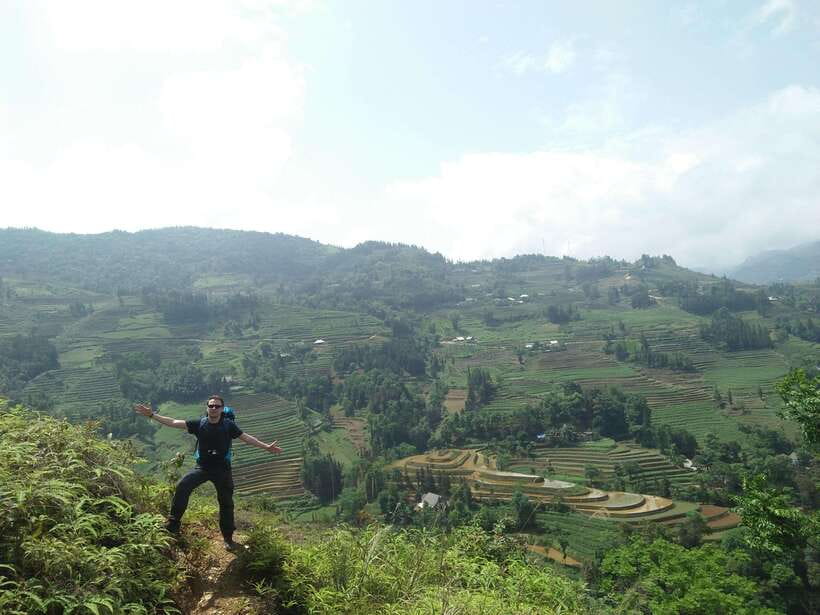
This trek is not designed for “casual walking” expectations. You should come prepared for uneven paths, stairs, and real uphill work on some sections. Comfortable shoes aren’t optional. Bring trekking footwear you’re confident wearing for hours.
Weather is the big wildcard. In colder or wetter conditions early in the trip, Day 1 can feel like you’re hiking through mist and cold. Later days may improve, and when they do, the views can become the main reward.
Bring the items listed for a reason:
- Trekking shoes
- Sunglasses and sun hat (once the sun shows up)
- Sunscreen (even in cooler months)
- Insect repellent
- Warm clothes for Sa Pa from October to March
If you’re someone who gets cold easily, layer up before you start walking. Once you’re in motion, you’ll warm up—but waiting in villages or standing still for a photo stop can chill you fast.
Price and Value: What $139 Actually Buys
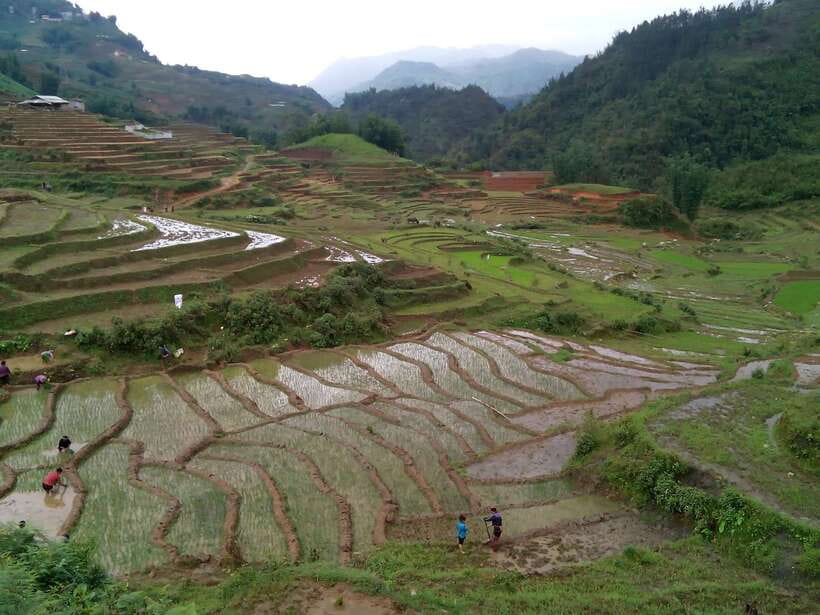
At $139 per person for 3 days, this is a “value bundle” when you compare what’s included. You get roundtrip bus Hanoi–Sa Pa, an English-speaking guide, 2 nights in homestays, and most meals: 3 breakfasts, 3 lunches, 2 dinners, plus mineral water.
Here’s how I think about value on this kind of trip:
- The transport is part of the price, and that’s a huge chunk of effort for independent travel.
- The homestays aren’t just beds—they’re access to village life you can’t easily replicate without local contacts.
- The guide is doing more than leading. Past departures emphasized guides who shared cultural stories and adapted routes when needed.
Not included are beverages, travel insurance, and VAT, plus personal expenses. Also watch the Lunar New Year surcharge: there’s a $75 per person added during the period noted for 2025 (from 26 Jan to 2 Feb). If you’re traveling around then, factor that into your budget.
You’ll also want to mentally price in small purchases like extra water or drinks during the trek, since those can run out faster than you expect.
Guide Quality Makes or Breaks the Trek
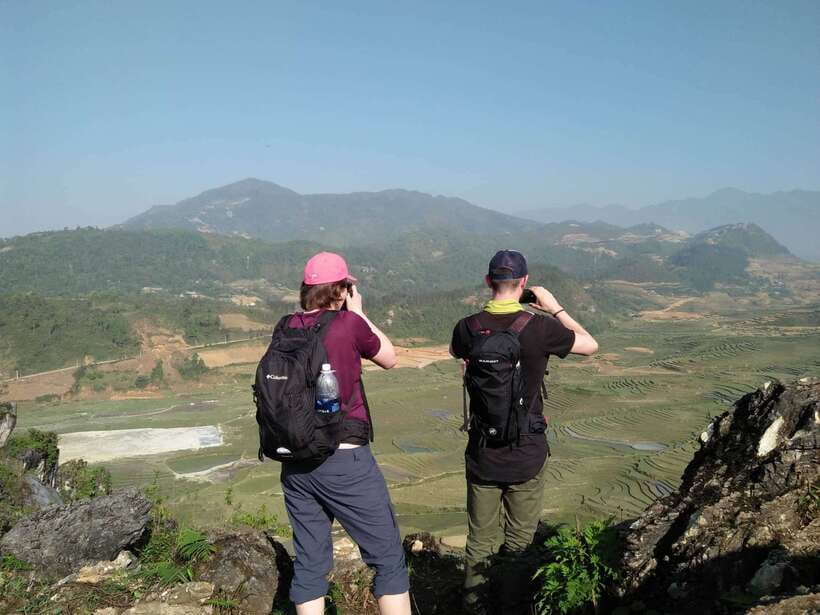
A big reason this tour scores high is the guide experience. Past departures specifically praised guides like Su and Sang for being attentive, caring, and flexible. One guide was even described as adapting the route to focus more on nature while still meeting the core goals.
If you value storytelling and context, this matters. The homestay visits can become shallow if the guide can’t explain what you’re seeing. But when the guide shares how daily routines work and what traditions mean, the trip feels sharper and more memorable.
Also pay attention to communication before departure. Some people reported fast responses via WhatsApp before the start, and that kind of reassurance helps when you’re dealing with a tight travel schedule and early pickups.
Who Should Book This (and Who Should Skip It)
This tour is best for you if you:
- want a real homestay experience rather than a hotel base
- enjoy walking and can handle a challenging trek day
- want to meet ethnic minority communities like Hmong, Giay, and Red Dzao
- like having an English guide who can add context and stories
Skip it if you:
- have limited mobility or need wheelchair access
- are traveling with a child under 6
- are pregnant (not suitable)
- hate overnight bus travel or you’re very sensitive to discomfort
And be honest about weather tolerance. If cold, wet starts ruin your mood, bring extra layers and rain gear and set expectations early.
Should You Book Vietnam Nomadtrails for This Trek?
If your idea of Sapa is village life, not just viewpoints, this booking makes sense. The structure is strong: night transport from Hanoi, two homestay nights, and a clear day-by-day trek route. The included meals and the guided cultural visits are the real value, especially if you don’t want to arrange homestays and trail connections on your own.
I’d book it with two conditions: you’re ready for early starts and you understand the trek is physically real. If you go in expecting a comfortable bus and perfect weather every day, you’ll feel frustrated. If you go in ready to adapt, the experience can turn into one of those trips you remember for how close it felt to everyday life.
FAQ
What’s the tour duration?
It’s a 3-day trek with transport between Hanoi and Sa Pa.
Where does the tour start and end?
Pickup starts at 30 Hàng Muối, Lý Thái Tổ, Hoàn Kiếm, Hà Nội, Vietnam. The tour ends back at the same meeting point.
What time is pickup from Hanoi Old Quarter?
Pickup is at 20:45 from Hanoi Old Quarter, with arrival in Sa Pa around 04:00 the next day.
Is pickup available from places outside Hanoi Old Quarter?
No. Pickup is only available from Hanoi Old Quarter. If you stay elsewhere, you need to go to the bus station.
What meals are included?
The tour includes 3 breakfasts, 3 lunches, and 2 dinners, plus mineral water.
How big is the group?
The group is limited to 14 participants.
What language is the guide?
The guide is English-speaking.
What should I bring for the trek?
Bring comfortable shoes, sunglasses, sun hat, sunscreen, and insect repellent. Warm clothes are recommended in Sa Pa from October to March.
Is this tour suitable for everyone?
No. It’s not suitable for people with limited mobility, wheelchair users, children under 6, or pregnant women.
Is there a seasonal surcharge for Lunar New Year?
Yes. There is a surcharge of $75 per person for Lunar New Year (noted for 26 Jan to 2 Feb 2025), paid at the meeting point.