REVIEW · HANOI
Hanoi Farm Tour and Cooking Class with Local Family
Book on GetYourGuide →Operated by Farm tour and Home cooking in Hanoi · Bookable on GetYourGuide
Markets and farms, then a home-cooked feast. I love the old market experience where you see everyday life up close, and I love that the day finishes in a family kitchen cooking real Vietnamese dishes. The English-speaking host helps you connect the ingredients in the market to what grows in the fields and what ends up on your plate.
The main thing to plan for is intensity and timing: you’ll travel about 35–40 minutes west from Hanoi’s center to Dong Bac, and on market days the stalls can include live animals and strong, everyday farm odors.
In This Review
- Key things I’d prioritize
- Dong Bac, 35 Minutes West: How the Day Starts
- The 1000-Year-Old Market: Betel, Bamboo Baskets, and Real Trade
- If It’s Not Market Day: Visiting Another Local Produce Market
- Vegetable Fields and Fruit Gardens: What Grows Right Next Door
- Meet the Farmers: Questions That Actually Make the Day Click
- Cooking in a Family Home: Turning Market Finds Into Vietnamese Dishes
- What You’ll Eat (and Why It Feels Different)
- Price and Logistics: Is $43 Good Value?
- Who This Hanoi Farm Tour Fits Best
- Should You Book This Tour?
- FAQ
- How long is the Hanoi farm tour and cooking class?
- Where do I meet for the tour?
- Is hotel pickup included?
- Is the tour private?
- What’s included in the price?
- What if my day isn’t a market day?
- How far is the village from Hanoi old quarter?
- Are there choices for the dishes in the cooking class?
- Is this activity suitable during pregnancy?
Key things I’d prioritize
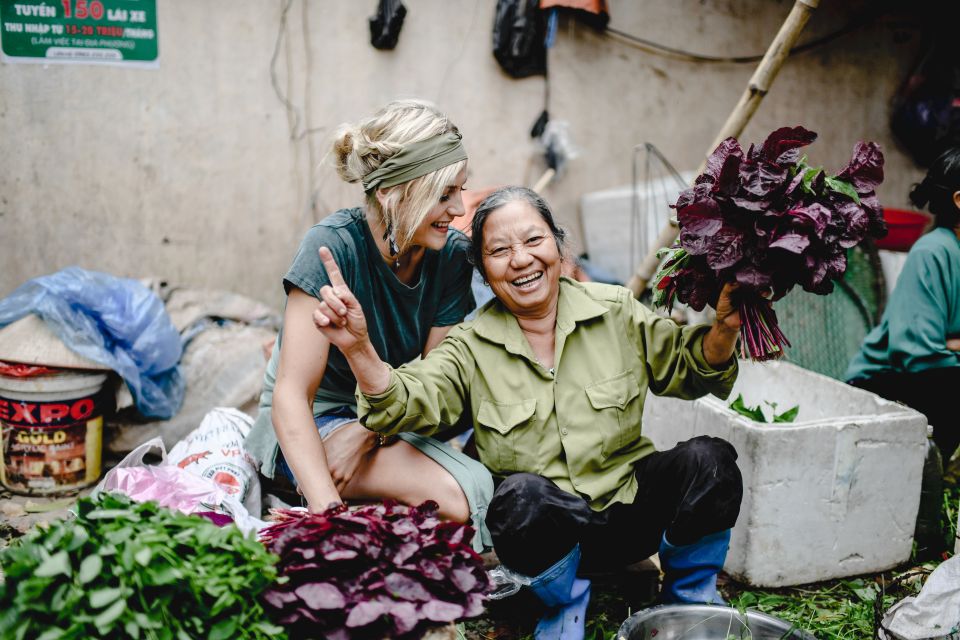
- An ancient market in action: you’re not browsing quietly; you’re watching trade happen.
- Farm-to-market ingredients: you’ll walk through vegetable fields and fruit gardens growing what you’ll eat later.
- Hands-on cooking with a family: you cook, you eat together, and you learn family customs along the way.
- Clear English guidance: hosts like Sandy, Mandy, or Manh are the kind of people who explain what you’re seeing and why it matters.
- Two possible market styles: market day looks different than non-market day, and you’ll still get plenty of local food and produce.
- Good value for a private format: $43 includes the main meals and experiences, not just a ticket to look around.
Dong Bac, 35 Minutes West: How the Day Starts
This tour is built around getting out of Hanoi’s center and into working village life fast. You meet at Đình Phương Viên on Đê Song Phương in Hoài Đức, then head west for roughly 35–40 minutes to Dong Bac. At about 18 km from the old quarter, it’s close enough to do without a full day commitment, but far enough to feel like you stepped off the main tourist track.
You’ll usually go straight from pickup to meeting your local host, then begin with the market. That pacing matters: the best parts of this experience come from connecting what you see first to what you eat last. I like that you’re not spending half the day in transit.
One practical tip: since transfers aren’t included from your hotel, plan to take a taxi or grab a local ride to the meeting point. The tour itself keeps things simple once you arrive.
You can also read our reviews of more cooking classes in Hanoi

The 1000-Year-Old Market: Betel, Bamboo Baskets, and Real Trade
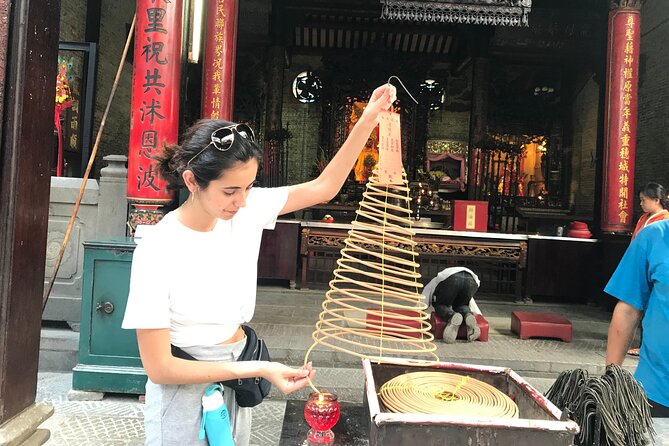
The market stop is the heart of the morning. On market days, the action can feel wild—in a good way—because people come from nearby villages to trade. You’ll see traditional items and everyday necessities, not just souvenirs.
A few details make this market feel genuinely old-school:
- The market has been operating since the Le King Dynasty, starting in 1428.
- Depending on the day, you may see stalls where people trade animals such as dogs, cats, pigs, chickens, and ducks, alongside bamboo baskets.
- You might also notice small, fascinating local rhythms: older women chewing betel and areca nut, and blacksmiths working at their braziers while the heat glows.
If you’re the type who gets queasy around live animals or strong smells, consider that market-day scenes can be intense. You’ll get value from it, though, if you go in with the mindset that this is how food supply and daily life actually work.
Also, don’t treat it like a quick photo stop. Your English-speaking host walks you through what’s being sold and what it’s for, which helps you understand the logic behind the chaos.
If It’s Not Market Day: Visiting Another Local Produce Market
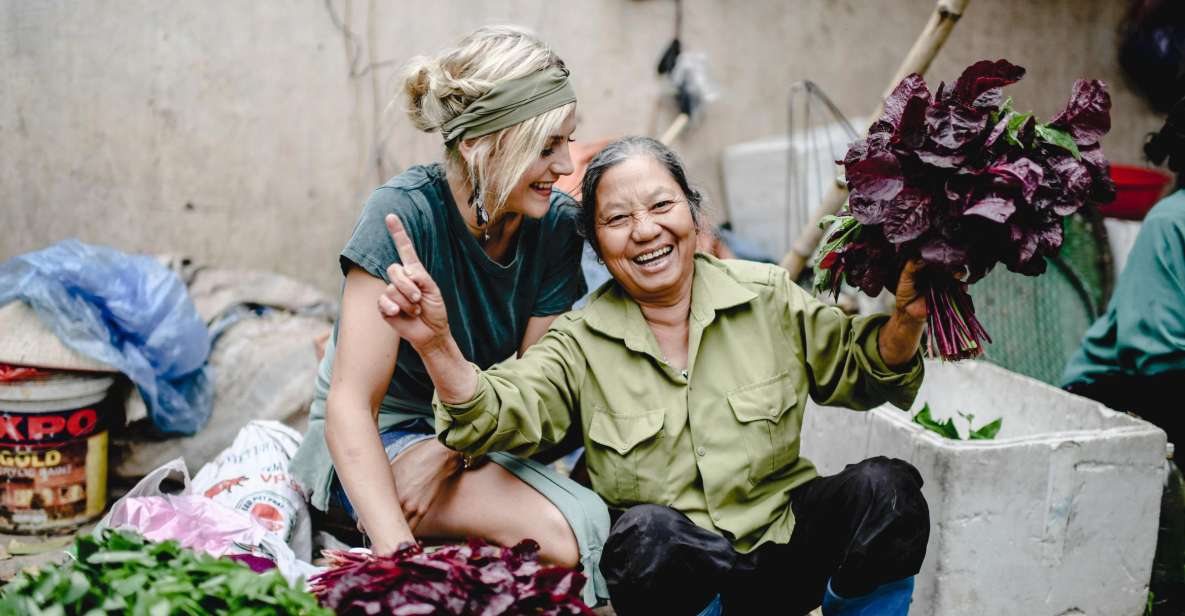
Markets don’t run the same every day. If your visit doesn’t line up with market day, you’ll still visit a market, just one with a heavier focus on fresh produce like fish, vegetables, fruits, and meat. The vibe is usually less focused on live-animal trade, and more on what you’d expect from a working food market.
This backup option matters because it keeps the experience consistent. You’ll still get that live market energy and you’ll still see local food systems up close—you just get a slightly different angle on them.
Either way, the goal stays the same: you’re building a picture of where ingredients come from before you cook them in a home kitchen.
Vegetable Fields and Fruit Gardens: What Grows Right Next Door
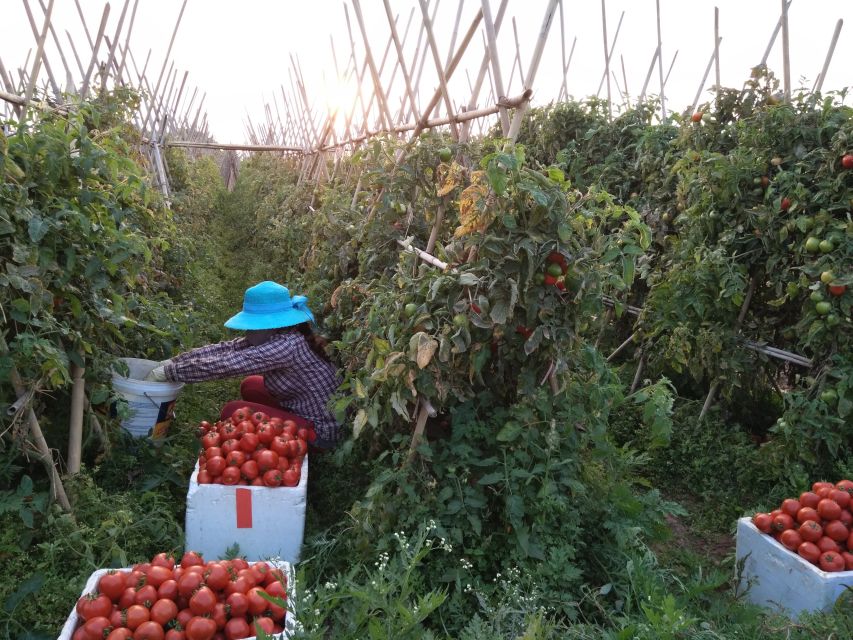
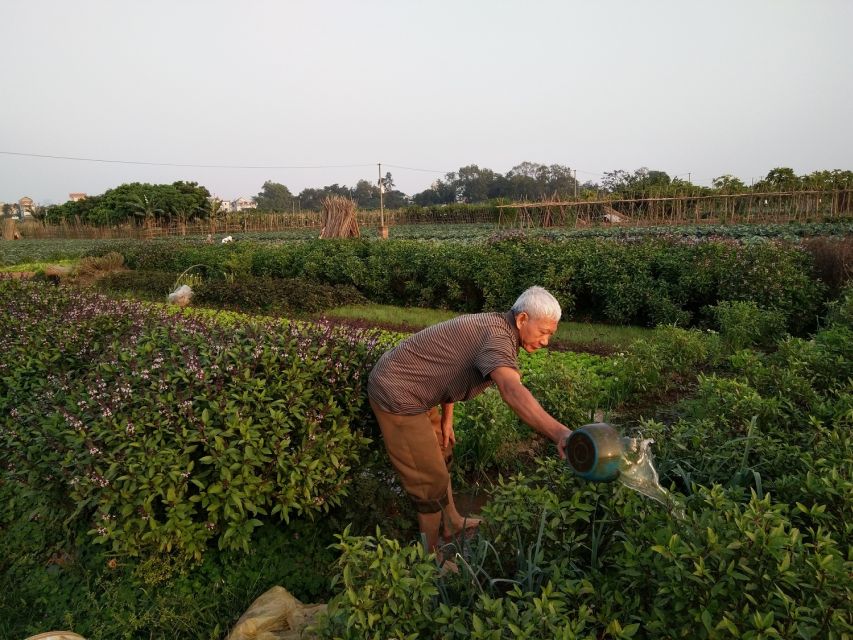
After the market, you step into the farming area right nearby—vegetable fields first, then a fruit garden. This is where the day turns from loud and fast to calmer, greener, and more grounded.
In the vegetable section, you may see crops like:
- bitter melon
- corn
- cauliflower and cabbage
- tomatoes
- green peas and soybean
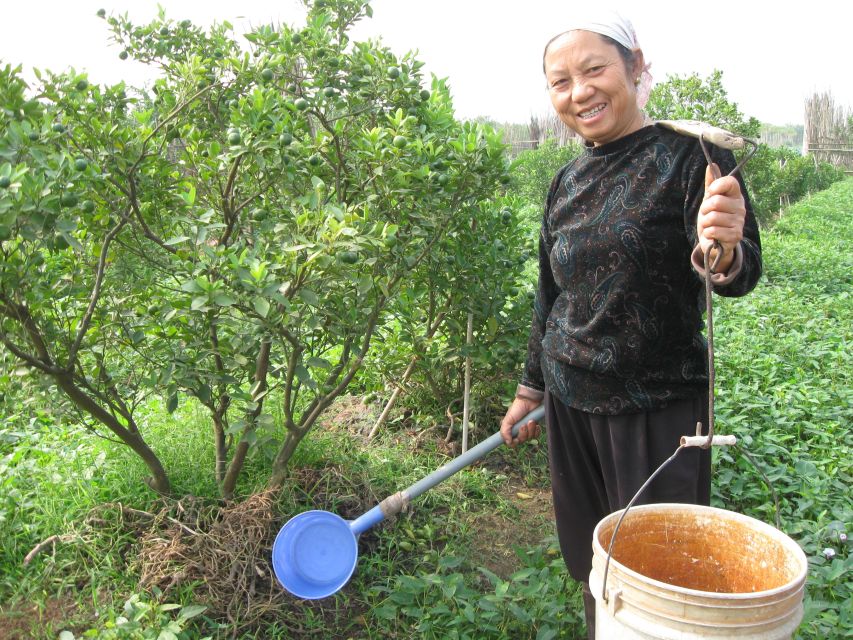
The fruit garden portion can include oranges, pomelos, papayas, guavas, and bananas. Even if you already know Vietnamese cuisine, this walk helps you understand why certain flavors show up again and again. It’s one thing to eat bitter melon; it’s another to walk through the rows and see it growing.
I also like that you’re not stuck on a paved path looking at a pretty view. You’re moving through working space, and your host points out what farmers grow and how they think about timing and use.
Meet the Farmers: Questions That Actually Make the Day Click
One of the best uses of your time here is asking normal, practical questions. Your host gives you the chance to talk with working farmers about cultivation and daily life, so the experience doesn’t stay stuck in sightseeing.
Since you’ll already have seen the market, you can ask smarter questions. For example:
- What changes over the seasons?
- How do they decide what to grow?
- What do they do day-to-day during harvest periods?
You don’t need fancy phrasing. The real value is that you’re speaking with people who do the work, not someone reciting a script. And because you’re in an English-speaking guided format, it’s easier to keep the conversation moving without losing momentum.
A few more Hanoi tours and experiences worth a look

Cooking in a Family Home: Turning Market Finds Into Vietnamese Dishes
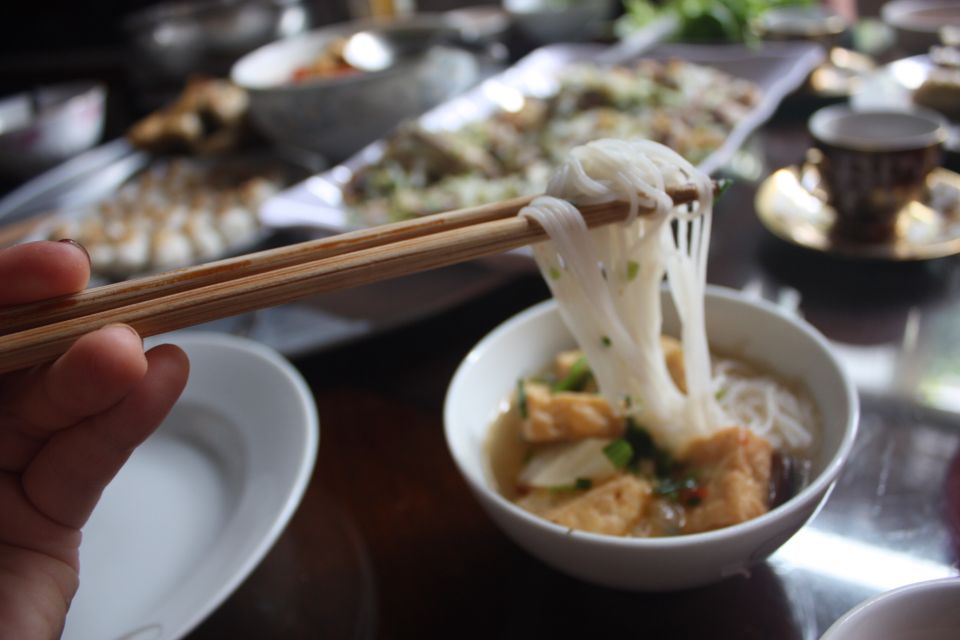
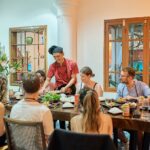
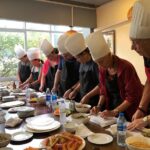
Then comes the part most people remember. You travel to a local home and join a cooking class in a family kitchen. This is the moment where the day feels personal.
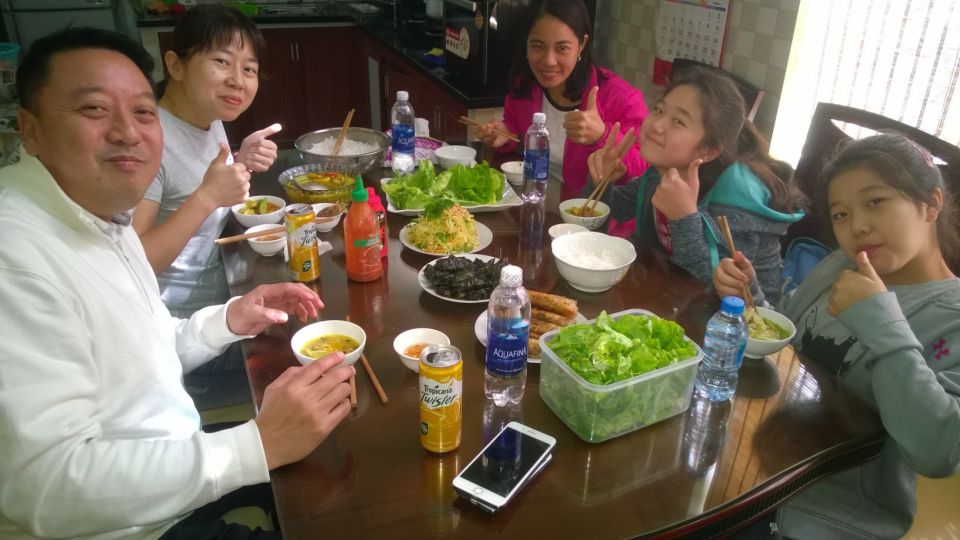
You’ll learn traditional Vietnamese recipes using fresh vegetables and fruit you saw earlier. Your meal includes tea and traditional cake, and you cook and eat together as part of family life and customs.
A few details that make this class feel more real:
- You’ll be sent a menu after booking, so you can choose from options rather than being assigned blindly.
- The cooking happens in a home kitchen, not a demo studio.
- You’ll get to chat with the family, which turns the class into a cultural exchange, not just a recipe lesson.
One small caution: this experience isn’t listed as suitable for pregnant women. If that applies to you, double-check comfort and mobility needs with the operator before booking.
What You’ll Eat (and Why It Feels Different)
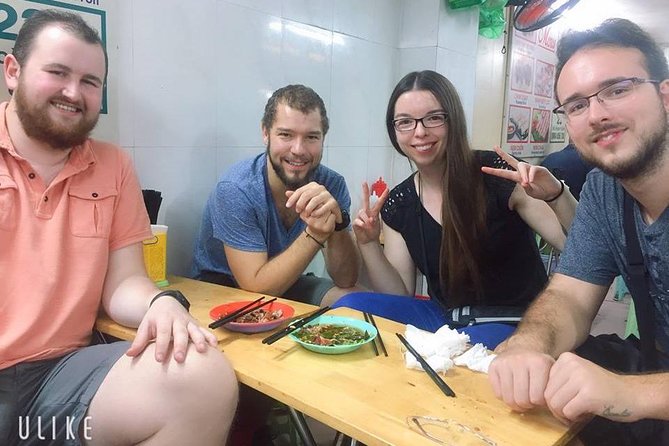
The food here has a built-in advantage: it’s not coming from a restaurant supply chain. It’s built from fresh local produce and prepared in a family setting, with the market ingredients still fresh in your mind.
You’re also more likely to notice textures and flavors because you’re involved in the process. When you chop, cook, and plate, you start connecting ingredients to taste in a way that restaurant meals rarely trigger.
And since the meal includes drinks, you can slow down after the cooking and actually enjoy the table time, which is often where the cultural side lands.
If you want to bring something back home, this is one of the best ways: not just photos, but a mental map of how flavors come together. You’ll also leave with recipes you can realistically cook later, not just dishes you’d need a culinary degree to attempt.
Price and Logistics: Is $43 Good Value?
At $43 per person for a 4-hour experience, the value is strong because you’re getting several things bundled together:
- market and farm visits
- a hands-on cooking class
- an included meal plus drinks
- a private, English-speaking local host
What’s not included is the transfer from your hotel. That’s a fair split: you can manage it cheaply with a taxi to the meeting point, and the tour provider can keep the group experience organized once you arrive in Dong Bac.
When you compare this to paying separately for a market guide, a cooking class, and a meal, the pricing starts to look logical. Also, the private group format matters if you want the host to slow down when you have questions—or if your group prefers a calmer pace than group bus tours.
In short: if you’re interested in authentic food and you want to spend your time with people doing daily work, not just standing in lines, $43 is a reasonable deal.
Who This Hanoi Farm Tour Fits Best
This tour fits best if you:
- love Vietnamese food and want the ingredient story behind it
- enjoy markets and can handle a real, working market environment
- like learning from everyday people rather than a stage-managed demo
- want a family home experience, where conversation is part of the meal
It’s also a great choice for anyone who’s done Hanoi sightseeing already and wants something different: a half-day that feels local and practical.
If you’re traveling with kids, it could work only if they can handle market scenes and you’re comfortable with the home-kitchen setup. If you’re sensitive to animal-market visuals, you’ll want to consider whether the market-day option is your thing—or plan around the possibility of visiting a produce-focused market instead.
Should You Book This Tour?
I’d book this if you’re excited by three things: real local markets, visible farm growing, and cooking that ends with you eating what you made in a family home. The best reason is the connection: market ingredients lead to farm walks, and those lead into cooking with a menu you get to choose from.
You might skip it if you need zero sensory intensity. Market-day scenes can be a lot, and the day starts with that energy. But if you can roll with it, this is one of the most worthwhile ways to spend a half day near Hanoi.
FAQ
How long is the Hanoi farm tour and cooking class?
The experience runs for 4 hours.
Where do I meet for the tour?
You’ll meet at Đình Phương Viên, Đê Song Phương, Hoài Đức, Hà Nội. The tour ends back at the meeting point.
Is hotel pickup included?
No. Transfer from your hotel is not included.
Is the tour private?
Yes, it’s a private group experience.
What’s included in the price?
The tour includes a market and farm visit, the cooking class, an English-speaking local host, a meal, and drinks.
What if my day isn’t a market day?
If it’s not market day, you’ll visit another nice local market where you can see local produce such as fish, vegetables, fruits, and meat.
How far is the village from Hanoi old quarter?
The village is about 18 km from Hanoi old quarter, and the drive takes roughly 35–40 minutes.
Are there choices for the dishes in the cooking class?
Yes. After booking, you’ll receive a detailed menu so you can choose options.
Is this activity suitable during pregnancy?
It’s not suitable for pregnant women.