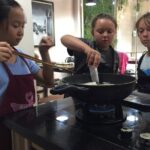
Market first, then serious comfort food. This Hanoi class is built around a guided market tour, so you pick ingredients with help and learn how Vietnamese dishes actually come together. I love that guides like Maxie make it practical, including basic Vietnamese phrases so you can buy what you need, not just watch it happen.
You’ll then cook Hanoi staples with patient, easy instruction from friendly hosts like Alex. I especially like the group-friendly rhythm: you create five dishes, eat them in a cozy setting, and leave with recipes plus a completion certificate. The main thing to consider is the format is more group-cooked than separate “everyone has their own station,” so if you want maximum solo hands-on time, you may feel slightly more shared-in than you expect.
In This Review
- Quick things you should know
- Why the Hanoi market tour matters more than you think
- Cooking 5 dishes the Hanoi way: pho, bun cha, and spring rolls
- Pho: learning what makes the broth feel right
- Bun cha: building layers beyond the grilled bite
- Fried spring rolls: the crispy payoff
- The remaining two dishes
- Your guides set the tone
- Eating what you make: cozy dining and a free fruit wine finish
- Price and value: why $35 can work (if you want more than a meal)
- Logistics that help you enjoy it: meeting point, timing, and what to bring
- Who should book this Hanoi cooking class (and who might not love it)
- Should you book this one?
- FAQ
- How long is the Hanoi cooking class?
- What dishes will I learn to cook?
- Is lunch or dinner included?
- What drinks are included?
- Is local fruit wine included?
- Where do I meet for the class?
- What isn’t included in the price?
- What is the cancellation policy?
Quick things you should know
- Market tour with real purchasing help so you learn what ingredients look like and how to ask for them.
- Hands-on practice with Hanoi icons including pho, bun cha, and fried spring rolls.
- Guides who teach calmly (Maxie for market-phrases energy, Alex for patience and clear steps).
- Five dishes plus a full meal matched to your session time (lunch, dinner, or brunch).
- Free local fruit wine: a 350ml bottle provided per class.
- Recipes and a certificate so the experience doesn’t vanish the next day.
Why the Hanoi market tour matters more than you think
The experience starts at Hanoi Solo Hostel at 37 P. Mã Mây, Hàng Buồm, Hoàn Kiếm, right in the Old Quarter area. From there, you head into a local market with a guide who points out what you’re actually buying and why it matters for the dishes you’ll cook later.
This isn’t a “look, don’t touch” stop. You’re expected to handpick fresh ingredients, which helps you understand flavors like sweetness, acidity, and aroma before you ever turn on the stove. If you’ve ever wondered why pho tastes different from one shop to another, this is the kind of prep that explains it. One very practical bonus: Maxie-style hosting focuses on giving you basic Vietnamese phrases so you can purchase ingredients yourself during the market walk. That’s a real confidence boost, and it makes the market feel less like a classroom and more like a tool you can use again.
A small drawback: market time can run a little long if you’re enjoying the shopping side. In one group experience, the end felt rushed because preparation took more time than planned. Nothing scary, but it’s a good reminder to keep momentum after you find what you need—so you still get to cook (and eat) without feeling pushed.
You can also read our reviews of more cooking classes in Hanoi

Cooking 5 dishes the Hanoi way: pho, bun cha, and spring rolls
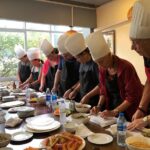
After the market, you return to cook. The style here is group cooking, meaning you’re not totally separated into individual stations where you each do the same repeating task for the entire class. Instead, it’s a coordinated class where you work together as the dishes come together as a set.
That shared flow is a plus for most people because it feels friendly and social. It also tends to teach you “how the kitchen works,” not just how to follow one isolated recipe. The flip side is exactly what you’d expect: you might not get every single “hand-on” moment as much as you would in a class designed like a machine with separate workstations.
Pho: learning what makes the broth feel right
Pho is one of Vietnam’s best-known dishes, but what you learn in a class like this is usually less about the final bowl and more about the logic behind the steps. You’re practicing how ingredients contribute depth and balance, and how timing affects flavor. Even if your home kitchen can’t recreate the exact same conditions, you’ll walk away with a clearer sense of what to focus on.
Bun cha: building layers beyond the grilled bite
Bun cha is another classic you’ll work with. The important part is understanding that you’re not only cooking one component—you’re building a plate that includes savory, tangy, and fresh elements in the same meal. A good class makes you pay attention to texture and taste adjustment, not just cooking technique.
Fried spring rolls: the crispy payoff
Fried spring rolls are often the dish people remember. They’re also a great “skills test,” because frying is where small details matter. If your guide is keeping things clear and calm, you’ll get the kind of instruction that helps you feel in control instead of panicked. In one experience, spring rolls were the standout, and it made sense: it’s the dish where your hands actually see the transformation.




The remaining two dishes
The class is designed so you enjoy five dishes you create, but the exact mix of all five isn’t listed in the basic overview beyond examples like pho, bun cha, and fried spring rolls. The key value for you is that you won’t leave after one recipe. You’ll come away with a broader sense of Hanoi-style flavors and the “sequence thinking” that turns ingredients into a full meal.
Your guides set the tone
The tone matters because cooking classes can go one of two ways: either the instruction is rushed and confusing, or it’s patient and practical. Reviews highlight guides who explain steps in a straightforward way, including Alex, who was noted as patient and giving easy instructions. Maxie also stood out for making the whole day feel like a friendly hangout, not a stiff lecture.
Eating what you make: cozy dining and a free fruit wine finish
The best part of cooking classes is simple: you don’t just make food, you eat it while it’s still at peak. Your meal is included, and the class session determines whether it lands as lunch, dinner, or brunch. So you can choose based on your day rather than squeezing it into whatever time you have free.
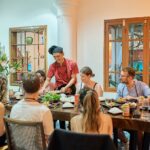
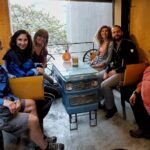
You’ll enjoy what you cook in a cozy shared space, which matters in Hanoi because after a market walk, you’re ready for warmth and a place to sit down. This is also where the fruit wine comes in. There’s free 350ml local fruit wine provided per class, and it’s the kind of detail that turns a cooking lesson into an actual evening out.
A small note on expectations: since the fruit wine is described as provided per class (not clearly per person), don’t assume every single person will get the same pour. Still, it’s a strong “local taste” add-on for a modest price, and it gives the meal a distinct Hanoi feel instead of turning it into just another restaurant lunch.
If coffee and tea are included, you may also run into Vietnamese coffee culture as part of that drink setup. One review specifically mentioned egg coffee in the coffee moment, so it’s worth being open to whatever the guide decides is appropriate for the session.
Price and value: why $35 can work (if you want more than a meal)
At $35 per person for about 3 hours, this sits in the “good deal for hands-on food” category—especially because it’s not just cooking. You get:
- a guided market tour
- cooking instruction for five dishes
- coffee/tea and unlimited mineral water
- a full meal (lunch, dinner, or brunch depending on your session)
- recipes afterward and a completion certificate
- local fruit wine included per class
Even without doing complicated math, the market-and-cook structure is where the value usually lives. A plain cooking demo can be cheap because you don’t pay for ingredient time and hands-on work. Here, you’re choosing ingredients and then making multiple dishes, so you’re paying for more “food learning time,” not just a meal ticket.
One thing to double-check before you book: all fees and taxes aren’t included. That means your final total might be a little higher than the headline price. It’s not unusual, but it’s smart to verify so you don’t get surprised later.
Also, note the group size cap is listed as maximum 200 travelers. That’s a limit, not a guarantee that you’ll be in a giant crowd. Realistically, a cooking class still has practical limits, but the cap is there for the activity overall.
Logistics that help you enjoy it: meeting point, timing, and what to bring
You’ll meet at Hanoi Solo Hostel (37 P. Mã Mây, Hàng Buồm, Hoàn Kiếm), and the activity ends back at the meeting point. That “return to start” setup is convenient in the Old Quarter because it reduces the chance you’ll end up with a weird gap where everyone scatters and you’re stuck figuring out your next move.
The class runs about 3 hours, and sessions appear to come in morning, midday, and evening. If you’re planning your Hanoi day, this matters because it changes whether your cooked meal becomes lunch, dinner, or brunch. If you’re the type who likes to eat earlier or later, pick the session that matches your schedule rather than forcing a time change.
A practical way to make the experience smoother: wear comfortable shoes and keep your phone charged, since you’ll likely want to take photos of ingredients and finished dishes. Also, if you’re sensitive to spicy food, it helps to say something early so the guide can manage taste adjustments while you cook.
If you’re deciding close to your travel dates, keep in mind the schedule is commonly booked about a week in advance on average. Book early if your itinerary is tight. And if plans change, the cancellation terms allow free cancellation up to 24 hours before start time, which is handy.
Who should book this Hanoi cooking class (and who might not love it)
This class is a great fit if you want real Hanoi food learning with a social vibe. You’ll enjoy it most if you like:
- using your hands and cooking multiple dishes
- a market-first approach instead of only restaurant browsing
- a guide who helps you talk your way through ingredient shopping
- leaving with recipes so you can repeat dishes at home
It’s also a strong choice for mixed groups. One family-style group cooked together, including kids, and the host kept things fun and friendly. Cooking with a guide can work well across ages because the instruction provides structure.
Who might not love it? If your #1 goal is “maximum individual station time and maximum solo cooking,” the group-cooking style may feel a bit less hands-on than you hoped. Also, if you hate any market walking at all, the opening step may feel like a lot before the cooking starts. But if you enjoy seeing ingredients and understanding what you’re eating, the market portion is the point.
Should you book this one?
I think you should book it if you’re in Hanoi for a short time and you want a hands-on food experience that goes beyond one recipe. The combination of market shopping, cooking iconic dishes like pho and bun cha, and finishing with a cozy meal plus free local fruit wine is a solid package for the money.
Skip it only if you’re looking for a totally solo, station-by-station cooking format, or if you’d rather keep your day strictly restaurant-only. Otherwise, this is one of those experiences that gives you both a taste of Hanoi and the skills to bring some of it home.
FAQ
How long is the Hanoi cooking class?
It runs for about 3 hours.
What dishes will I learn to cook?
You’ll cook five dishes total. The overview specifically mentions pho, bun cha, and fried spring rolls.
Is lunch or dinner included?
Yes. Lunch is included if you join the morning session, dinner is included for the evening session, and brunch is included for the midday session.
What drinks are included?
Coffee and/or tea are included, along with free and unlimited mineral water.
Is local fruit wine included?
Yes. There is free 350ml of local fruit wine provided per class.
Where do I meet for the class?
You meet at Hanoi Solo Hostel, 37 P. Mã Mây, Hàng Buồm, Hoàn Kiếm, Hà Nội 100000, Vietnam.
What isn’t included in the price?
All fees and taxes aren’t included.
What is the cancellation policy?
You can cancel for a full refund if you cancel up to 24 hours before the experience starts. If you cancel less than 24 hours before, the amount paid is not refunded.