REVIEW · HANOI
Hanoi: 2-Day Sa Pa Guided Village & Homestay Trekking Tour
Book on GetYourGuide →Operated by VIETNAM GOLF PACKAGE · Bookable on GetYourGuide
Sapa feels close in just two days. I love the rice terrace scenery at Y Linh Ho and around Muong Hoa Stream, and I also like the chance to stay in a real homestay with the Dzay family. The one thing to think about first: the longer 9 km day is genuinely tough, especially if it’s wet or foggy.
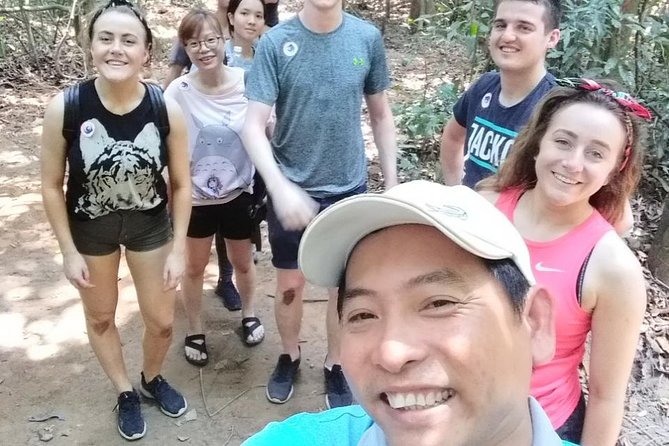
The tour keeps a steady rhythm: early pickup from Hanoi, a guided walk through ethnic villages, then time to settle in, eat, and talk with your hosts. Guides like Si (and on some groups, Lala) make the hike feel more like learning lived-in rural life than just ticking boxes.
Because Sapa weather shifts fast, plan for cold mornings and possible mist. You’ll be asked to bring hiking shoes, warm layers, and cash for places where banking can be unreliable.
In This Review
- Key things you’ll notice on this trek
- Two Days From Hanoi to Sapa’s Ethnic Villages
- Early Pickup and the Drive That Sets the Tone
- Day 1: Hanoi to Sapa Town, Then Y Linh Ho to Lao Chai and Ta Van
- Homestay in Ta Van: Dzay Family Time and Plain-Food Comfort
- Day 2: Ta Van to Giang Ta Chai With a Bamboo Forest Stretch
- Shower, Lunch, and Time to Reset Before the Trip Back
- Food Included: Two Lunches Plus a Homestay Dinner
- Guide Power: Si, Lala, and the Value of Explanations on the Walk
- Photography Real Talk: Where the Best Shots Likely Come From
- Weather, Cold, and Fog: How to Stay Comfortable Without Overpacking
- What’s Included (and What You’ll Still Pay For)
- Who This Trek Suits Best (and Who Should Reconsider)
- Money, Basics, and What to Bring for Real
- Should You Book the Hanoi to Sapa 2-Day Village & Homestay Trek?
- FAQ
- What time do they pick up you in Hanoi?
- How much trekking is on each day?
- What village areas do you visit during the trek?
- What meals and drinks are included?
- Do you stay in a homestay, or can it be a hotel?
- Is the guide English-speaking?
- Is this tour suitable for kids or people with mobility issues?
Key things you’ll notice on this trek
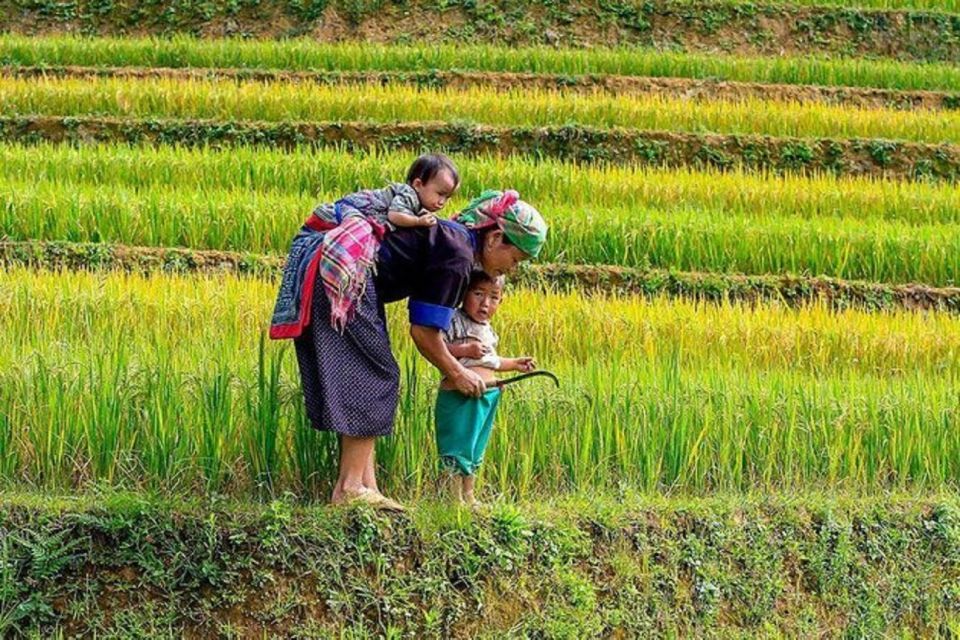
- Y Linh Ho rice terraces + Muong Hoa Stream: strong photo stops with big Hoang Lien Son Mountain views
- Ethnic village visits across Lao Chai, Ta Van, and Giang Ta Chai: H’Mong, Zay, and Red Dzao communities
- Homestay evening with the Dzay family: basic facilities, but real mountain life and food
- Two trekking distances: about 9 km (3.5 hours) day 1 and 4 km (2 hours) day 2
- Short photo sessions and viewpoint pauses: not a nonstop grind—there are regular stops
- English-speaking guide support: helpful for understanding customs and what you’re seeing
Two Days From Hanoi to Sapa’s Ethnic Villages
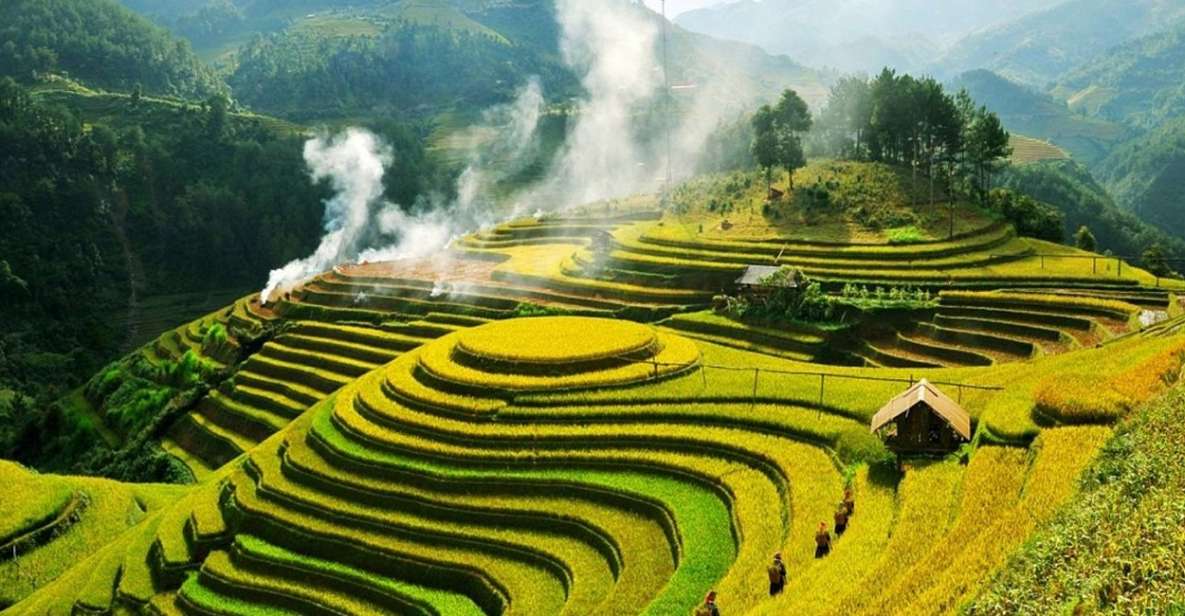
This is a short escape into northern Vietnam’s hill-country, built around walking and meeting people. You start in Hanoi with an early morning pickup from the Old Quarter area (6:00–6:30AM, if you book the transfer), then you spend the next day and a half moving through villages that still feel rural and local.
What makes this tour work is the mix of big scenery and human-scale moments. You get terrace fields with strong angles for photos, but you also get time to understand daily life—what people grow, how they live, and how traditions show up in clothing and routines. If your goal is to see Sapa beyond the main tourist drag, this plan aims that way.
The pacing is also worth noting. Day 1 includes the longer trek, so you’re not just “light hiking.” Day 2 is shorter, with more time for viewpoints and photo pauses. That balance is part of the value here: you get effort, then you get a bit of breathing room.
You can also read our reviews of more guided tours in Hanoi

Early Pickup and the Drive That Sets the Tone
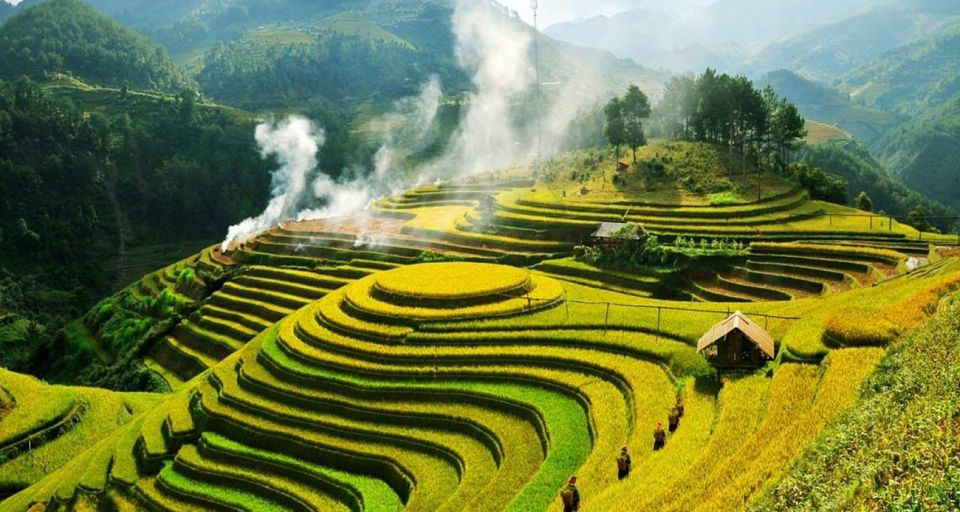
You’ll start early, and that’s not a flaw—it’s the whole idea. The tour picks you up between 6:00 and 6:30AM in the Hanoi Old Quarter area. The transfer then continues toward Sapa, with a short break along the way (about 20–30 minutes).
The practical takeaway: go to bed early, and don’t plan to “save the best sleep for the night before.” You’re catching a morning window that helps you reach Sapa and start your village day without losing the daylight.
Also, don’t underestimate how much a long drive can feel on your legs. If your knees are sensitive, pack light and wear shoes that won’t punish you later. You’ll be walking for hours—there’s no avoiding that part.
Day 1: Hanoi to Sapa Town, Then Y Linh Ho to Lao Chai and Ta Van
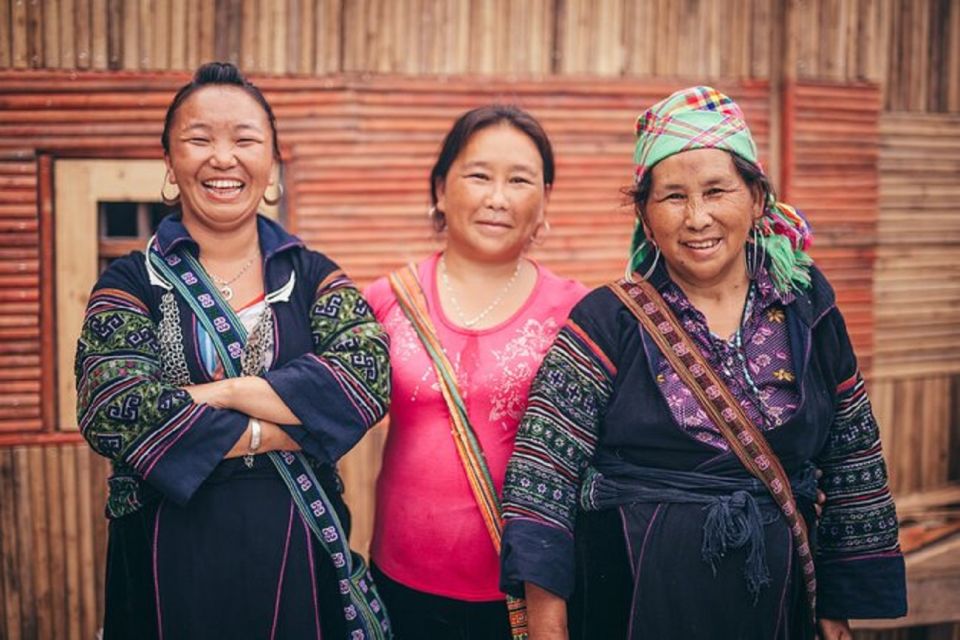
Day 1 starts with arrival in Sapa Town around 13:00. This is when you’ll see ethnic communities right away—H’Mong, Dzao, and Tay are mentioned with their traditional costumes. You’ll get a welcome drink, then your guide covers the plan and what to expect for trekking.
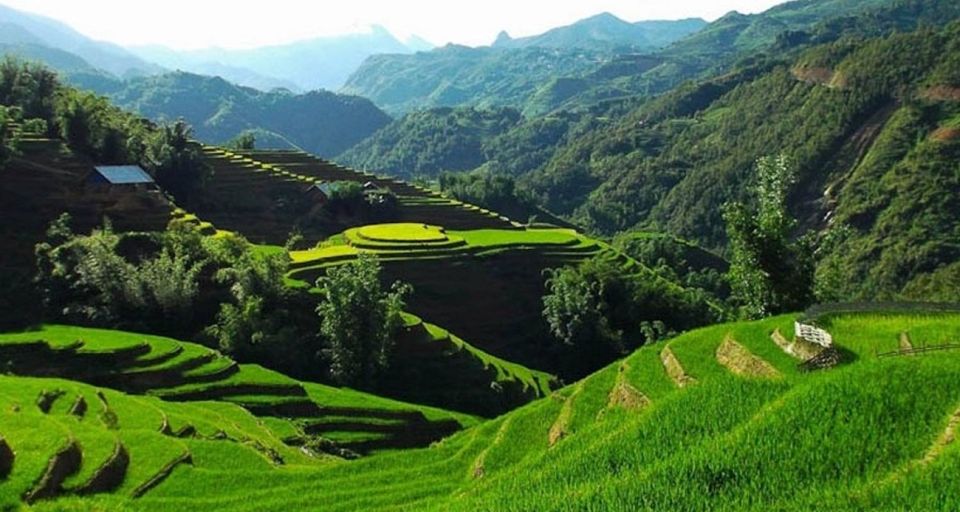
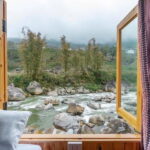
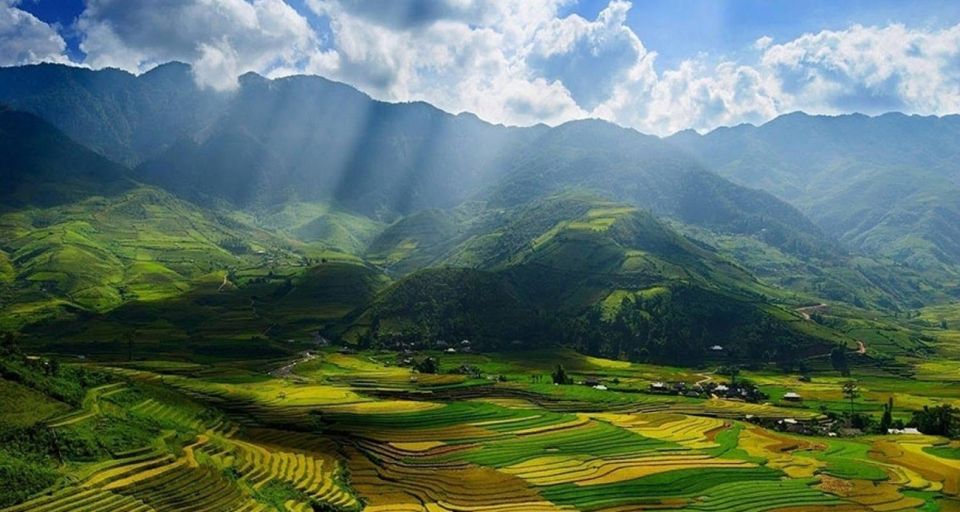
Then comes the main walking day. The tour transfers you to Y Linh Ho and you start along the rice terraces and beside Muong Hoa Stream. This is where the views feel earned. Terrace lines run across the slopes, and the stream area adds shape and depth, which is great for photos without needing to “hunt for the perfect spot.”
From there you trek toward Lao Chai, described as a Black Hmong village. The walk continues as you approach Ta Van, where the Zay people are based in the area, and you finish the day after about 9 km and roughly 3.5 hours of trekking.
Here’s the consideration that really matters: the long day is listed as about 9 km and you should not expect it to feel easy if the ground is slippery or visibility is poor. The tour specifically warns that older travelers shouldn’t do that long trek because of challenge and danger in rain.
Homestay in Ta Van: Dzay Family Time and Plain-Food Comfort
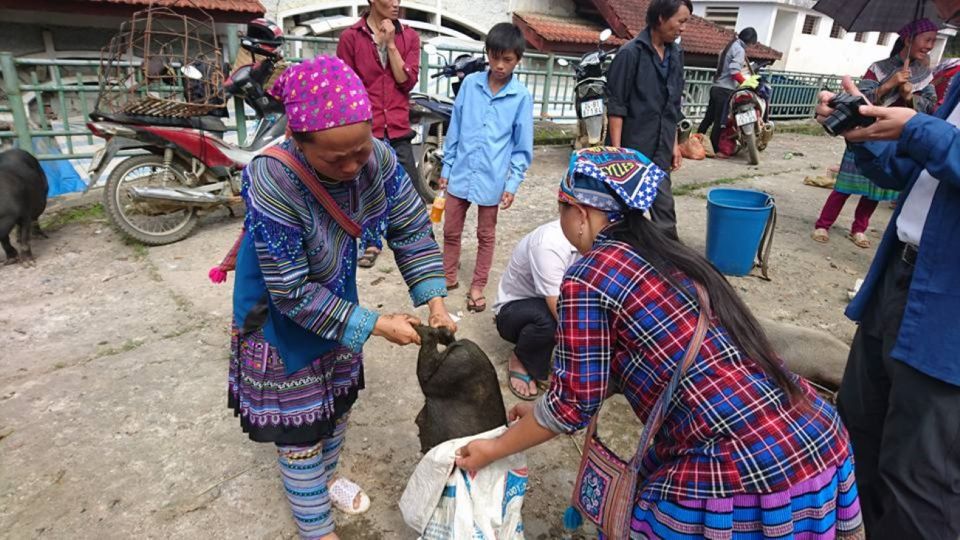
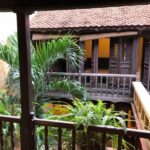
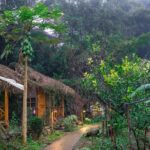
After the trek, the best part is often the landing. Around 17:45, you check in at the homestay and spend time meeting the Dzay family. This isn’t a hotel with predictable comforts—your stay is meant to be basic and simple.
But that’s the point. The tour includes time for sunset on the mountain life, and you can join a cooking activity with the family, then have dinner in a calm setting. If you like the idea of your trip feeling human and not staged, this evening is where it happens.
You also have an optional social moment in the area: you can join a local bar nearby with music and mingle with other tourists. That’s a nice pressure-free outlet after a day of walking, and it can help you compare notes with people who took slightly different paths during their trek.
A practical note for your comfort: bring warm layers. Sapa weather is described as unpredictable and often cold across several months, plus fog can happen in the winter months. Even if the day starts mild, the evening after trekking can feel sharp.
Day 2: Ta Van to Giang Ta Chai With a Bamboo Forest Stretch
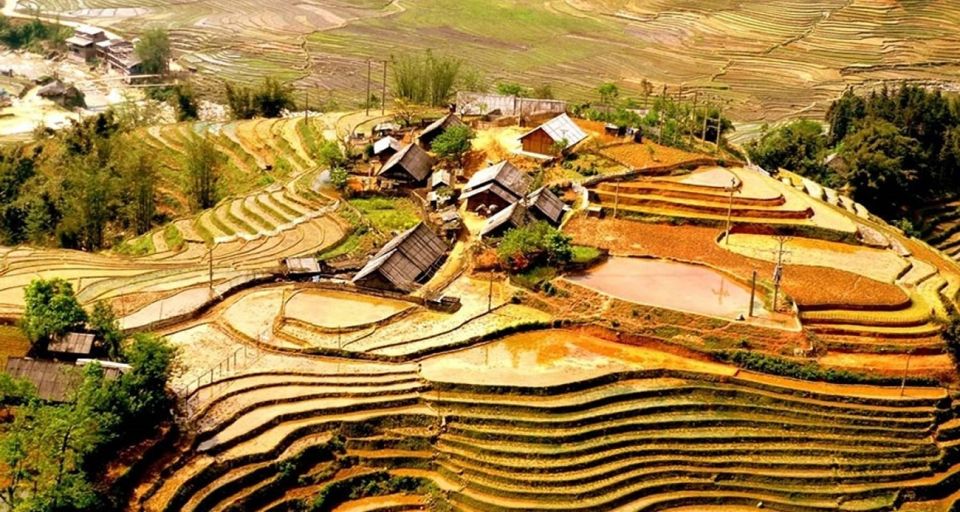
Day 2 begins with breakfast prepared by the family, then you start walking again at 8:00. This day is shorter by design—about 4 km and around 2 hours—so you’re more in “explore mode” than “survival march.”
At 8:45, you’ll reach rice paddies where there’s time for a nice photo session. Then you trek through a bamboo forest and stop for panoramic views of Giang Ta Chai village, home of the Red Dzao people.
This is a great day for the kind of photos you can’t fake. Rice paddies in the morning light look different than mid-afternoon shots, and the bamboo forest gives you a natural frame. You’re not only seeing a village—you’re seeing the corridor that people walk through to reach farmland and viewpoints.
By 11:00, you trek through the Giang Ta Chai Bridge to the main road, where a bus picks you up to return to Sapa Town.
You can also read our reviews of more hiking tours in Hanoi

Shower, Lunch, and Time to Reset Before the Trip Back
Once back in Sapa Town (midday), you get a shower and lunch, plus some leisure time on your own. The schedule gives you a window from 12:00 to 13:00, then you regroup around 13:30 with the full group to head back to Hanoi.
The bus ride includes two comfort breaks, and you’re back in the Hanoi area around 20:30–21:00. It’s a long day, but the structure helps: you’re not stuck in trekking mode all day without a reset.
Food Included: Two Lunches Plus a Homestay Dinner
Food is part of the experience here, not an afterthought. You get:
- 1 breakfast (at the homestay on day 2)
- 2 lunches during the tour
- 1 dinner at a local restaurant on day 1 (plus the homestay dinner time is part of the family evening)
The tour also calls out tasty local Vietnamese food, and your homestay cooking option is a bonus if you like learning by doing. If you’re the type who gets hangry on hikes, this included-meals setup is a real quality-of-life win.
Just remember: drinks beyond what’s mentioned aren’t included, so pack or budget accordingly.
Guide Power: Si, Lala, and the Value of Explanations on the Walk
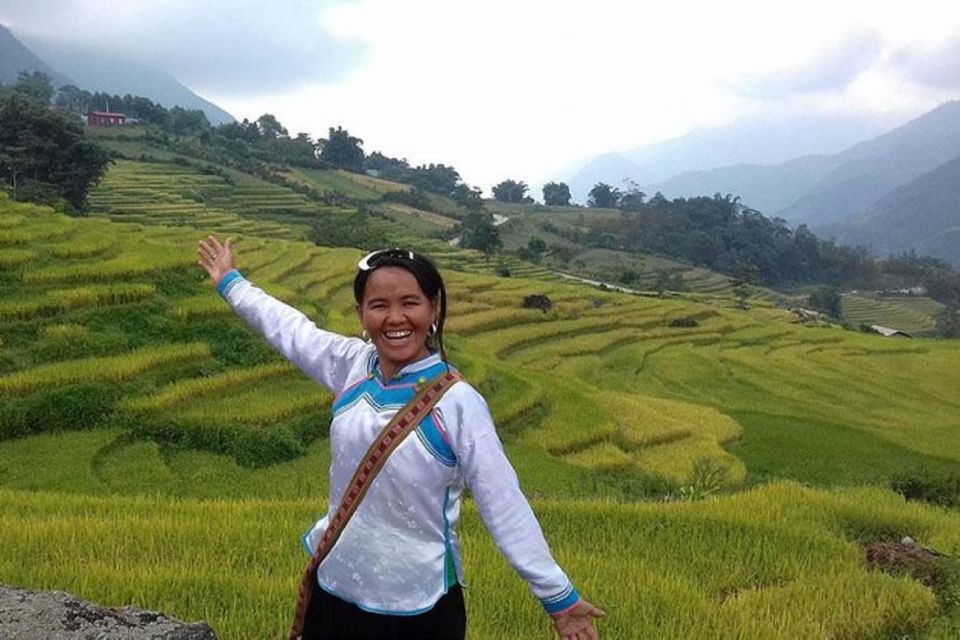
The guides are a big reason this works well. In the feedback, Si stands out for being friendly and for stopping often to explain what you’re seeing. One of the best signs was that the guidance went beyond basic directions. Si helped connect village life to the landscape you’re standing in—talking about the villages and how clothes are made, plus showing things along the way.
On other groups, Lala is mentioned as doing a strong job explaining traditions and helping the tribes feel understandable rather than abstract. Even if you only catch part of the English explanations, frequent stops and clear context tend to make the trek more meaningful.
What you should do: ask questions when you get the chance. If the guide is stopping to point things out, that’s your window to learn something you’d never catch from a quick look alone.
Photography Real Talk: Where the Best Shots Likely Come From
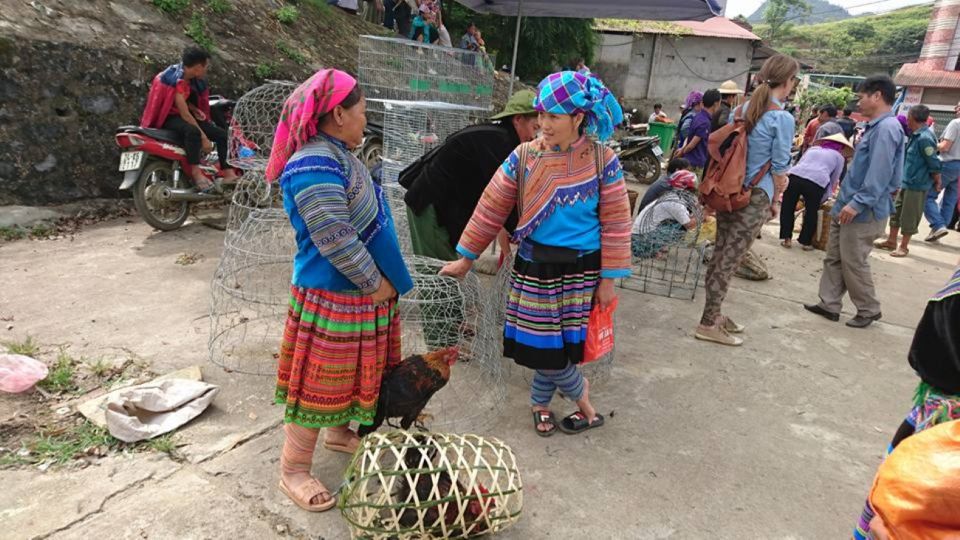
You’ll want your phone charged, sure—but your best photos will come from being in the right spots at the right time. The tour is built around that.
The strongest photography setup is:
- Y Linh Ho terraces and along Muong Hoa Stream (day 1)
- A photo session in the rice paddies early on day 2
- Viewpoint stops after trekking through the bamboo forest toward Giang Ta Chai
Also, the tour is designed to be less crowded than the main tourism hotspots. That matters for pictures. You’ll have better odds of getting clean frames without constantly stepping around other groups.
One practical tip: bring something to protect your eyes and skin. The tour lists sunglasses and sunscreen for a reason.
Weather, Cold, and Fog: How to Stay Comfortable Without Overpacking
Sapa weather is described as unpredictable, and the tour specifically warns to bring warm clothes, scarf, and hat/cap. It also notes that it is normally cold in many months and that fog can happen during winter months.
So plan like this:
- Wear layers you can adjust while walking.
- Keep a warm top accessible for when the pace slows at viewpoints.
- Use trekking shoes you trust for uneven paths.
You’ll also want insect repellent. The trek includes village and forest sections, so bugs aren’t a surprise.
If it rains, the long day can become more challenging. The tour notes that weather can cause changes to timing based on conditions, so don’t lock your expectations to a single perfect scenario.
What’s Included (and What You’ll Still Pay For)
This tour is priced at $84 per person and includes:
- 1-night homestay accommodation or hotel
- Sapa transfer
- Guide (English)
- 1 breakfast, 2 lunches, and 1 dinner at a local restaurant
- Admission fees
- Mineral water
Not included:
- Hotel pickup and drop-off from Hanoi (pickup is only mentioned as included via shuttle if you book the transfer)
- Solo traveler single supplement: $30
- Drinks and other meals not listed
Value-wise, what you’re really paying for is the combination: transport + a guide + entrance fees + a structured two-day trek + meals. If you were to piece that together yourself, you’d spend time coordinating and you might end up paying more for a reliable guide and homestay coordination.
The $30 solo supplement matters, though. If you’re traveling alone, it pushes the real cost up. Still, you might find the walking guidance and meals make it worth it for a short two-day window.
Who This Trek Suits Best (and Who Should Reconsider)
This tour is a good fit if you:
- Enjoy guided walking with stops for culture and photos
- Want a rural homestay experience rather than a fully polished resort stay
- Can handle moderate-to-active trekking
It may not be a good fit if you have:
- Mobility impairments or use a wheelchair (explicitly not suitable)
- Children under 6
- A situation where you shouldn’t do the long 9 km trek (the tour says older people should not attend the long trek due to challenge and danger in rain)
Also, pets aren’t allowed.
If you’re unsure, match your choice to your body’s “rain plan.” When conditions worsen, longer treks become riskier and slower.
Money, Basics, and What to Bring for Real
The tour explicitly asks you to bring cash in Vietnam Dong because banking in Sapa can have issues sometimes. It also notes that US dollars, euros, and Australian dollars are accepted in Sapa.
For packing, the list is short but correct:
- Passport or ID card
- Sunglasses
- Hiking shoes
- Sunscreen
- Insect repellent
- Cash
- Weather-appropriate clothing
And take medicine with you, since chemists exist but you don’t want to rely on finding what you need last minute.
One more practical note: your homestay will have basic and simple facilities. If you need hotel-level comfort, you’ll want to plan that expectation—or ask what the “homestay or hotel” option means for your specific booking.
Should You Book the Hanoi to Sapa 2-Day Village & Homestay Trek?
I’d book this if you want a two-day package that mixes terrain, culture, and real mountain family time, without spending your whole trip figuring logistics out. The guided explanations from Si or Lala-style guiding (with frequent stops) can turn the trek into something more than a workout.
Skip it or reconsider if you’re worried about cold, rain, or the 9 km day. The trip is also not designed for wheelchair users, and it’s not for very young kids.
If you’re ready for early mornings, walking, and a basic homestay experience, this is a strong value way to see Sapa beyond the main crowds—plus you’ll come home with plenty of photos you actually earned on the trail.
FAQ
What time do they pick up you in Hanoi?
Pickup from the Hanoi Old Quarter area is scheduled between 6:00AM and 6:30AM (if you book the transfer).
How much trekking is on each day?
Day 1 includes about 9 km trekking and lasts around 3.5 hours. Day 2 includes about 4 km and lasts around 2 hours.
What village areas do you visit during the trek?
You’ll pass through Y Linh Ho, Lao Chai (Black Hmong), Ta Van (Zay), and Giang Ta Chai (Red Dzao), with rice terraces and stream sections along the way.
What meals and drinks are included?
The tour includes 1 breakfast, 2 lunches, and 1 dinner at a local restaurant, plus mineral water. Drinks beyond that are not included.
Do you stay in a homestay, or can it be a hotel?
The package includes 1-night homestay accommodation or hotel, depending on the arrangement for your booking.
Is the guide English-speaking?
Yes, the tour includes a live English-speaking guide.
Is this tour suitable for kids or people with mobility issues?
It is not suitable for children under 6 and not suitable for people with mobility impairments or wheelchair users. The long trek may not be appropriate for older travelers as well.