REVIEW · HO CHI MINH CITY
Hands-On Vietnamese Cooking Lesson in Small Group
Book on GetYourGuide →Operated by Saigon Cooking Class · Bookable on GetYourGuide
The best part of this class is that you cook your way through lunch. In a small group kitchen in District 1, you follow the chef’s lead step by step, then you eat what you make. I like the hands-on setup (everyone works with their own ingredients), and I also like how much you learn about Vietnamese ingredients and kitchen tools. One thing to consider: you’ll be cooking at a steady pace, so if you hate being in a classroom rhythm, arrive hungry and ready.
This is not a sit-and-watch performance. You spend about 3 hours from 10am to 1pm cooking Vietnamese dishes together, tasting along the way, and leaving with digital recipes you can use later at home.
In This Review
- Key things to know before you go
- Nguyen Trai Street is the Start Point for a Real Cooking Class
- What You Cook in 3 Hours: 3 Dishes, Course by Course
- Hands-On Means You Actually Do the Work
- The Chef Teaches in Real English (and You Can Ask Stuff)
- Natural Ingredients and Vietnamese Flavor Logic
- Value for $33: You Pay for a Meal and Skills, Not a Performance
- Vegetarian and Allergy-Friendly, With a Simple Requirement
- Who This Morning Cooking Class is Best For
- Quick Practical Tips So You Get the Most Out of It
- Should You Book This Vietnamese Cooking Lesson in Saigon?
- FAQ
- How long is the Vietnamese cooking class?
- Where is the meeting point in District 1?
- Is the class taught in English?
- Does the price include food and drinks?
- Do I receive recipes to take home?
- Can they adapt the menu for vegetarian diets or allergies?
- What is the cancellation policy?
Key things to know before you go
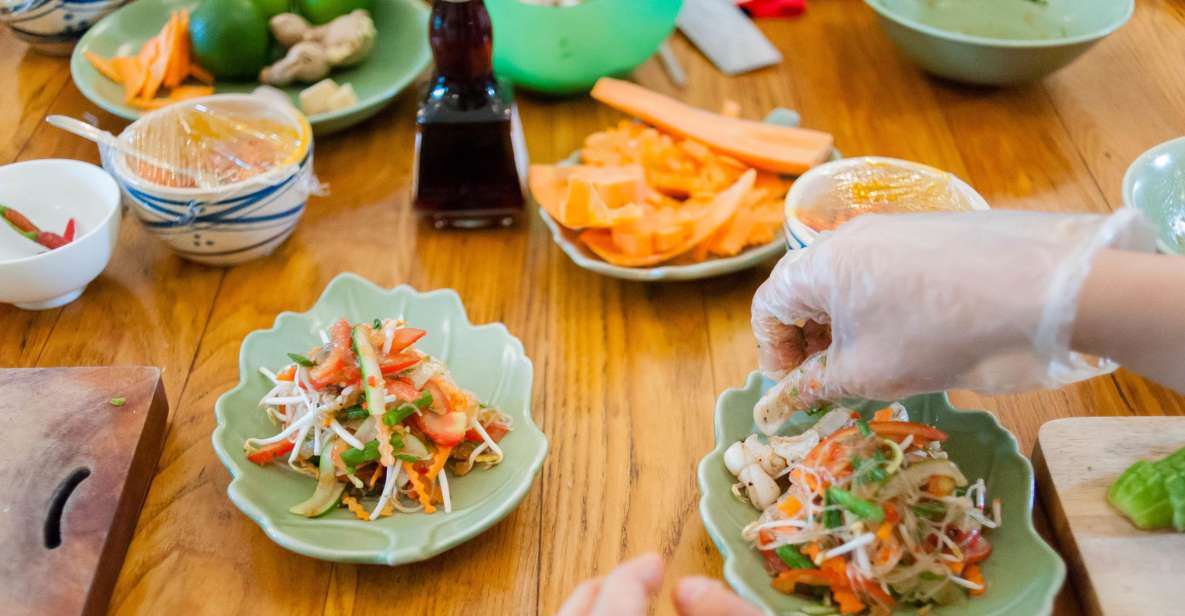
- Small-group energy with a relaxed, friendly kitchen vibe
- Your own ingredients and materials so you actually practice the technique
- Cook-and-eat flow, moving course by course instead of waiting until the end
- Natural ingredients and herbs, with guidance on how they shape flavor
- English instruction and patient help for questions
- Menu flexibility for vegetarian and allergy needs if you flag it when booking
Nguyen Trai Street is the Start Point for a Real Cooking Class
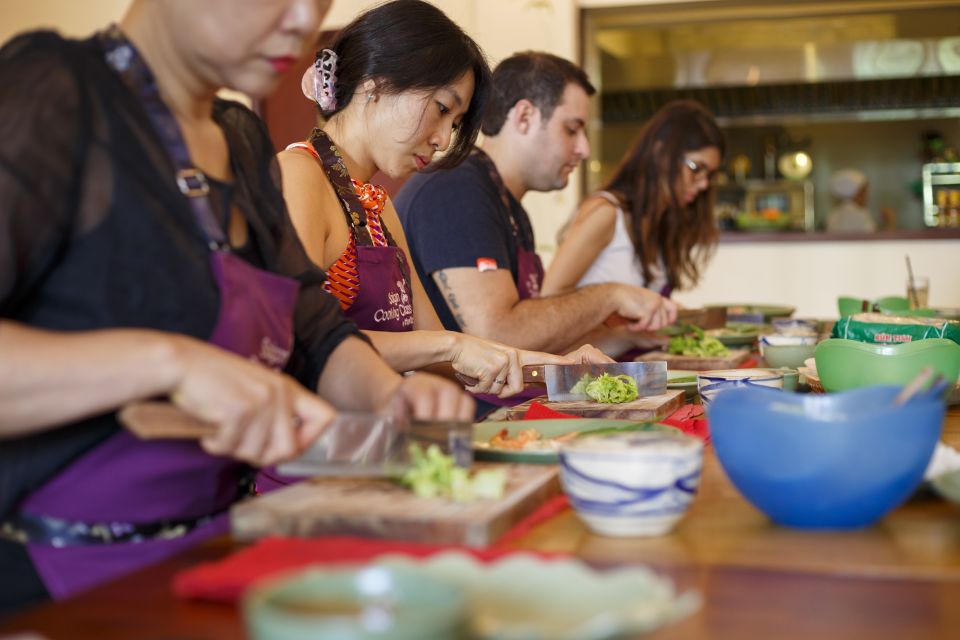
You meet at 80 Nguyen Trai Street, District 1. The directions are simple: take the small alley and look for the team on your left. It’s the kind of meeting point that feels easy after you find it once, but it can be tricky if you’re rushing—so give yourself a little buffer.
Inside, the setting is modern and clean, and you’re not fighting for space. There’s usually a prep area plus the main kitchen workspace, which matters more than people think. When your station is organized, you cook faster, ask better questions, and you don’t spend the class searching for the missing sauce or the right bowl.
The vibe is warm and focused. Even when groups are small, the pace stays steady. You’ll feel like you’re learning, not just hanging around while someone else cooks.
You can also read our reviews of more cooking classes in Ho Chi Minh City

What You Cook in 3 Hours: 3 Dishes, Course by Course
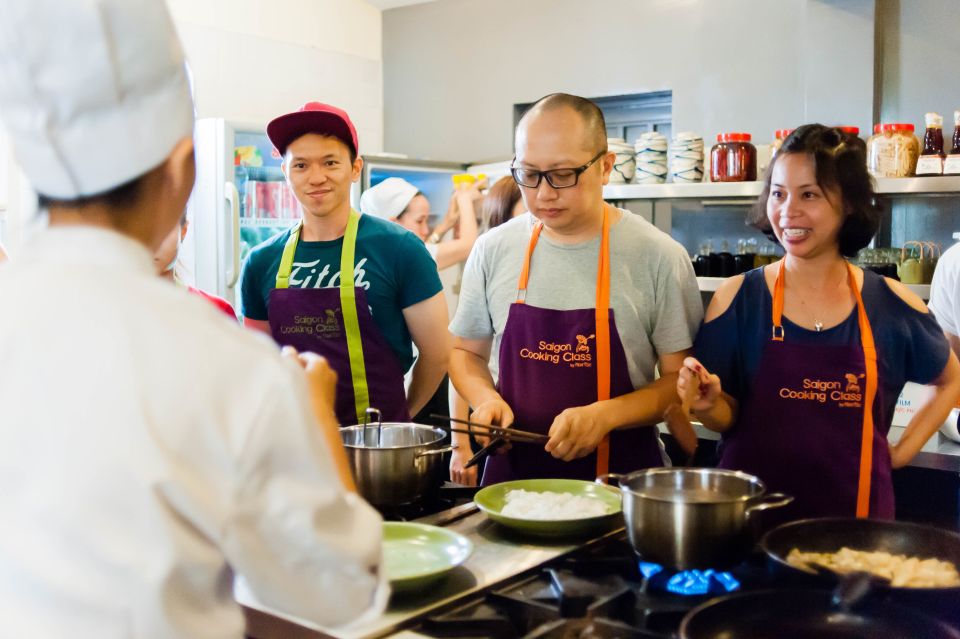
The class is designed around 3 courses, and you cook and taste as you go. In the description, you might also see mention of a four-course meal, but the constant is this: you’ll make multiple Vietnamese dishes in one morning and eat them while everything is fresh.
You can expect Vietnamese classics to show up on the menu depending on the day and the chef’s plan. Based on what people report, you may work on dishes like:
- Spring rolls
- Pho (or pho-style elements, depending on the session)
- Bánh xèo (crispy Vietnamese pancake)
- Mango salad
- Other Vietnamese favorites that match the class flow
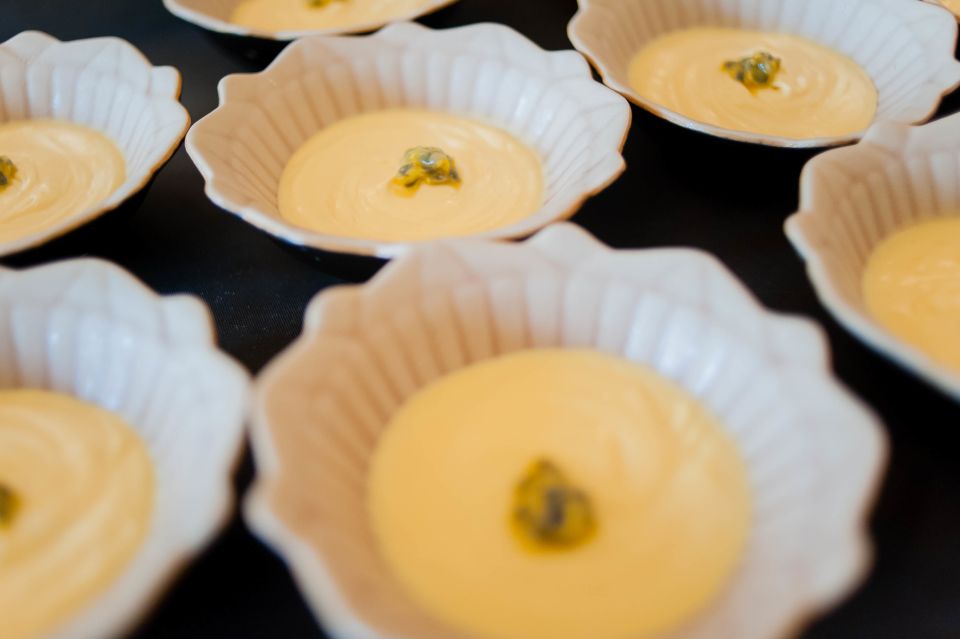
One of the best signs is that the course structure is built to keep you moving. A lot of cooking classes drag because you wait for everyone else. Here, you usually cook a course, eat it, then move on. That keeps energy up and helps you connect flavor to technique immediately.
If you’re worried about ordering lunch elsewhere after, don’t. This class leaves you fed. More than that, you leave with a clear sense of how each dish comes together.
Hands-On Means You Actually Do the Work
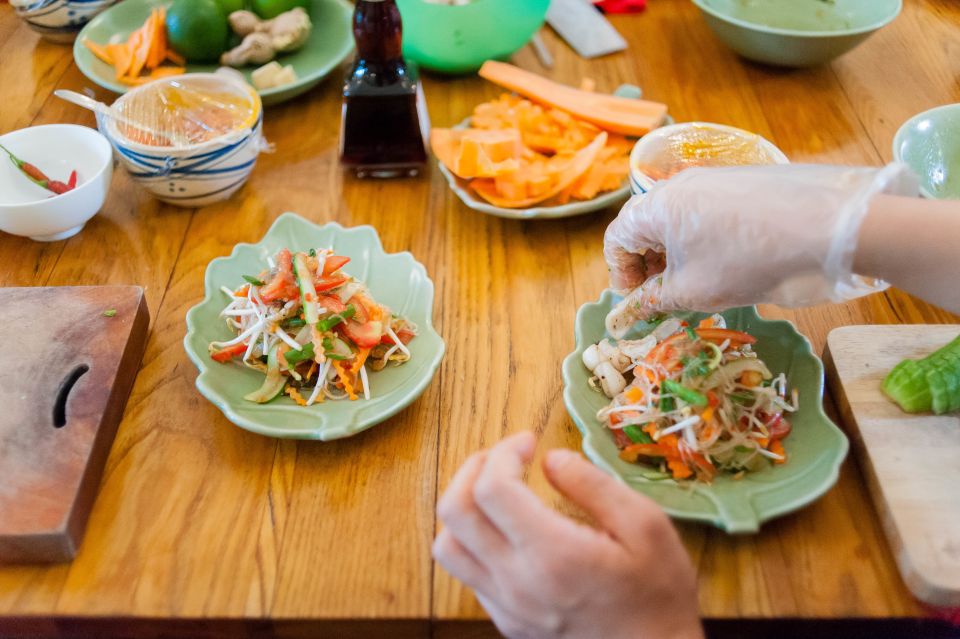
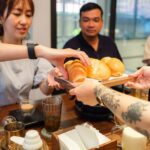
The most valuable part is the way they run the kitchen: you follow step by step instructions from the chef, but you cook alongside them. Everyone has their own setup—ingredients, materials, and tools—so it’s not the common “watch for 90 minutes, then take one tiny turn” style.
You also learn what Vietnamese kitchens use, not just what end up on plates. The class includes Vietnamese kitchenware you might not recognize at home, and that helps you understand why certain dishes turn out the way they do.
Two practical things this format changes for you:
- You build muscle memory for basic steps like prep, assembly, and cooking timing.
- You get confident adapting flavors later, because you’ve handled the ingredients yourself.
Some classes can even run with very small groups. A couple people noted they had an almost 1:1 experience when the schedule was light. If that happens, you’ll get more time per question without slowing everyone down.
The Chef Teaches in Real English (and You Can Ask Stuff)
Instruction is in English, and the teaching style comes across as friendly and organized. People mention chefs like Viviane, Vy, Wan, Oanh, and Lei leading sessions, with clear guidance and a sense of humor. Different names show up across different dates, but the pattern is consistent: you get explanations you can follow, and you’re encouraged to ask questions.
That last part matters. Food learning isn’t just recipes. It’s knowing what to do if something looks off—too dry, too salty, not fragrant enough, wrapper not behaving, broth needs more balance, that sort of thing.
If you’re the type who wants to understand the “why,” you’ll like the ingredient explanations. If you’re more of a do-it-and-enjoy-it person, you’ll still do well because the instructions are built to be straightforward and paced.
Natural Ingredients and Vietnamese Flavor Logic
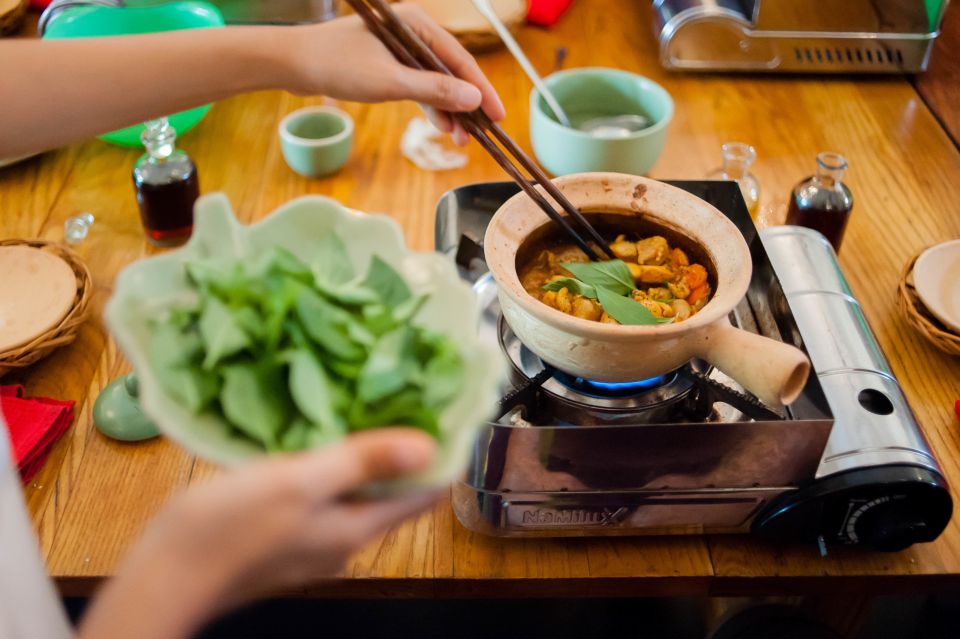
The class uses natural ingredients and herbs. That might sound like a marketing line, but in practice it helps you understand Vietnamese flavor logic: freshness, balance, and layering.
Vietnamese dishes often rely on a handful of strong building blocks—herbs, aromatics, acids, and subtle sweetness. When you’re handling the ingredients in the class, you start to notice which aromas show up at each stage. You also get a better grasp of how the same ingredient behaves across different dishes.
One helpful detail from participant comments: some ingredients are pre-prepped, which makes the class move smoothly. At the same time, you’ll still get enough hands-on prep to learn what matters. Some people said they would have enjoyed more “do everything from scratch” time (like mincing garlic or weighing meat), but that tradeoff keeps the class on schedule and lets you spend energy on cooking technique and flavor building.
Also, the class is designed to be approachable for home cooks. You’re not just handed a list of ingredients—you’re shown how they connect to taste and texture.
A few more Ho Chi Minh City tours and experiences worth a look


Value for $33: You Pay for a Meal and Skills, Not a Performance
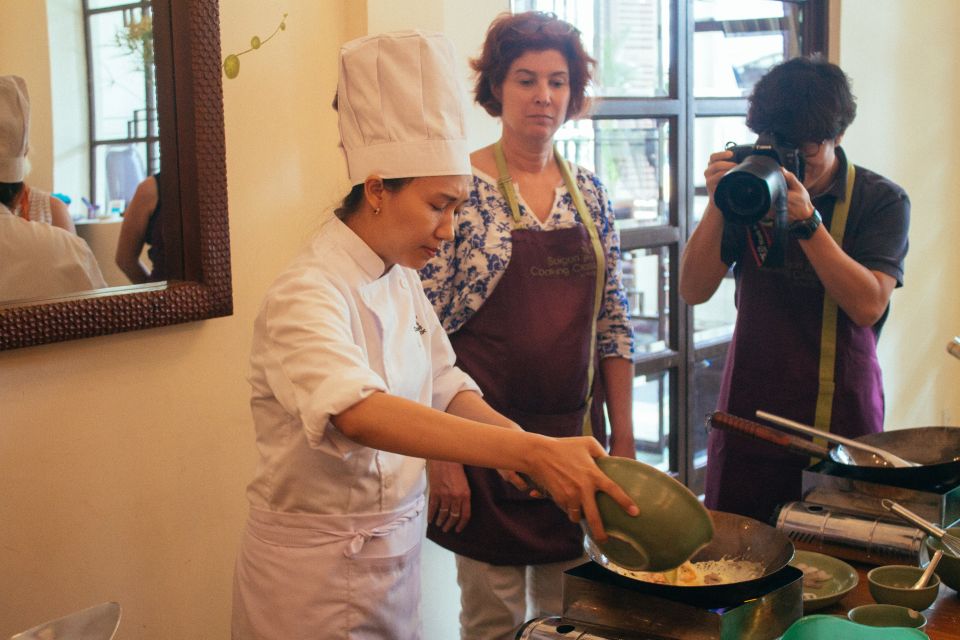
At $33 per person for 3 hours, this is one of those deals that only makes sense when you see what’s included. You get:
- A cooking class from 10am to 1pm
- Meal of three dishes (with course-by-course eating)
- Water and iced tea
- Digital recipes you can take home
In other words, you’re paying for instruction plus food plus a chance to learn techniques you can repeat. If you’ve ever paid restaurant prices in Vietnam and thought, I wish I knew how this was made, this class targets that exact frustration.
The value is especially good if you’re the kind of traveler who likes experiences you can use later. Digital recipes sound small until you realize they save you from writing messy notes in your hotel room. You’ll also feel less “tourist-guessing” when you cook again at home, because you can follow the same structure you practiced here.
Vegetarian and Allergy-Friendly, With a Simple Requirement
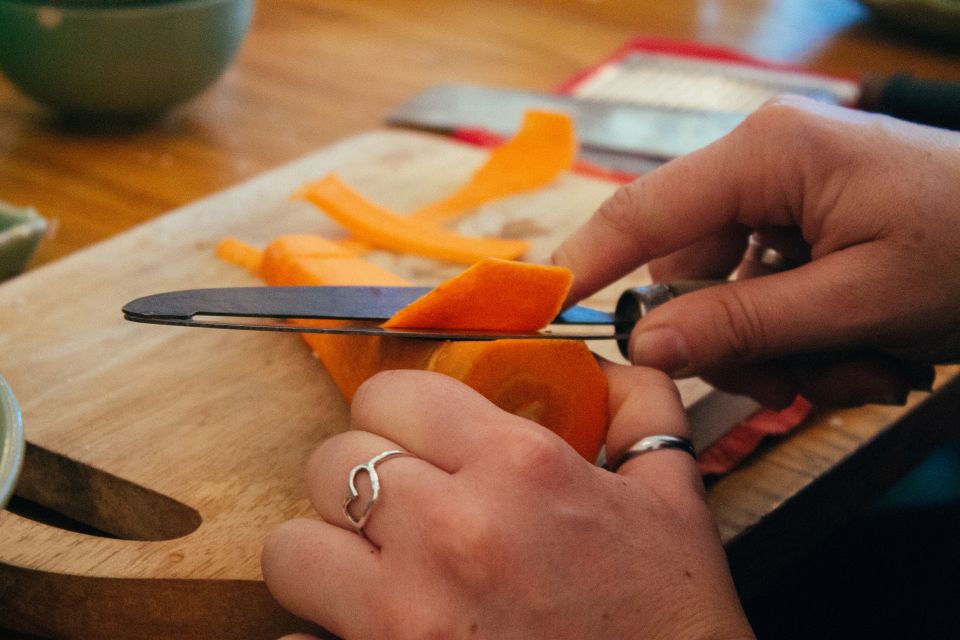
The menu can be adapted for vegetarians or for people with food allergies, as long as you specify it during booking. That’s the key: if you wait until you arrive, you may not get the adaptation you need.
So if you have a dietary restriction, do yourself a favor and write it clearly when you book. The class is set up to explain ingredients and cooking steps, which makes it easier to swap in appropriate alternatives—especially when the chef knows your needs before planning the menu.
Who This Morning Cooking Class is Best For
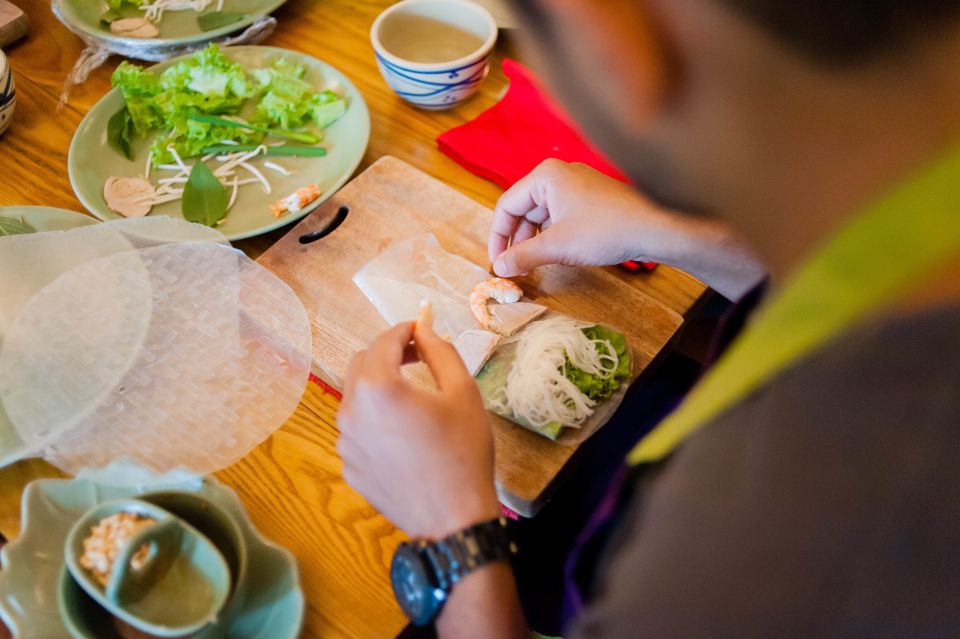
This is a solid pick if you:
- Want an authentic Vietnamese food experience without guessing
- Like small-group activities that feel personal
- Prefer learning by doing, not just watching
- Want a morning plan that ends with you fully fed
It also works well for families. One review described it as a great family experience, and another mentioned a group of eight as a perfect size. If you’re traveling with kids, you’ll likely appreciate that the class is hands-on and structured, not random or slow.
Solo travelers can do well too. When the class runs with fewer participants, you still get the full class experience, and you can ask more questions without feeling rushed.
Quick Practical Tips So You Get the Most Out of It
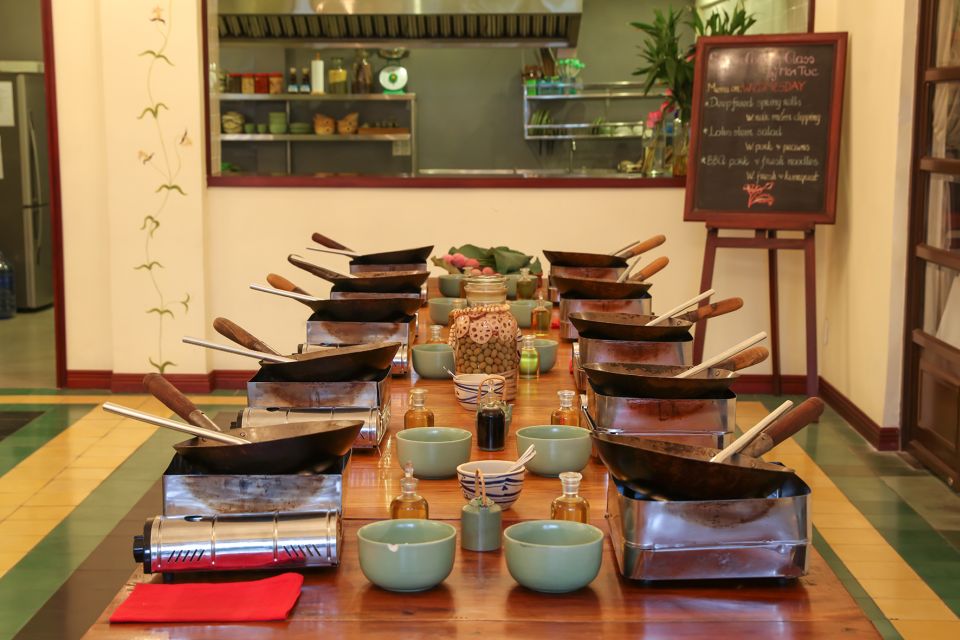
You’ll get the most from the class if you go in with the right mindset. Bring a curious stomach and a willingness to taste things as you go. Vietnamese flavors can be a lot of different things at once—herb-forward, tangy, aromatic—so the tasting part is not a side quest. It’s part of learning.
Also, plan the rest of your day around being pleasantly tired. You’ll be standing, prepping, assembling, and cooking for three hours. It’s not a heavy workout, but it’s enough activity that you’ll want an easy afternoon after.
Should You Book This Vietnamese Cooking Lesson in Saigon?
Book it if you want a hands-on Vietnamese experience where you cook, eat, and learn in a small group setting. The best reason to choose it is simple: you leave with both a satisfying meal and the skills to recreate key dishes later.
Skip it only if you hate structured activities or you want a class that focuses purely on advanced culinary technique. Here, the goal is practical, teachable cooking. And judging by the strong ratings and repeated themes—friendly chef guidance, clear instructions, delicious food, and a good group size—it’s built for travelers who want value and real technique, not just a souvenir.
FAQ
How long is the Vietnamese cooking class?
It runs for about 3 hours, typically from 10am to 1pm.
Where is the meeting point in District 1?
You meet at 80 Nguyen Trai Street, District 1. Take the small alley and find the team on your left.
Is the class taught in English?
Yes, the instructor teaches in English.
Does the price include food and drinks?
Yes. The class includes the meal of three dishes, plus water and iced tea.
Do I receive recipes to take home?
Yes. You’ll get digital recipes after the class (and there is mention of a folder of recipes as well).
Can they adapt the menu for vegetarian diets or allergies?
They can adapt the menu for vegetarian preferences and for food allergies, as long as you specify your needs during booking.
What is the cancellation policy?
You can cancel up to 24 hours in advance for a full refund.