REVIEW · HO CHI MINH CITY
Hands-on making 3 Iconic Coffees of South Central North Vietnam
Book on Viator →Operated by Quynh - Vietnam Coffee Journey · Bookable on Viator
Coffee in Vietnam comes with stories.
This hands-on class in Ho Chi Minh City uses Quynh’s F&B experience and history love to connect Vietnam’s coffee to three regions, using four iconic drinks as your classroom. I especially liked how you’re not just watching—you’re actually making, tasting, and adjusting so the coffee fits you.
My second big win was the way phin coffee gets taught. Quynh shows the right way, then intentionally makes a wrong sample too, so you can compare the difference right away. The group is capped at 6, so it feels personal instead of rushed.
One consideration: this is a working workshop setup (including an attic-style space in one review), and you’ll be drinking multiple coffee drinks in about 90 minutes. If you’re not into coffee, or you’re sensitive to sweetness, plan accordingly.
In This Review
- Key things that make this class worth your time
- A 90-minute coffee class that reads like a Vietnam map
- Meet at 27 Ngô Đức Kế and get set up quickly
- South Vietnam in your hands: phin practice and Saigon condensed-milk coffee
- Pure phin coffee: learn the method, then see what changes
- Vietnamese coffee with condensed milk: the Saigon connection
- Central Vietnam’s salted cream coffee: the sweet-salty balance trick
- North Vietnam in a cup: Hanoi egg coffee and the capital’s vibe
- The real value: you learn to adjust coffee to your taste
- What’s included (and what snack bonus might pop up)
- Price and group size: $21.69 for tools, drinks, and feedback
- Where this fits best in your Ho Chi Minh City trip
- Add-on option worth noting
- Who should book this workshop
- Should you book it?
- FAQ
- How long is the coffee-making workshop?
- Where does the workshop start in Ho Chi Minh City?
- What is the price per person?
- What will I make during the class?
- Is it a small group?
- What’s included in the ticket?
- Is there a mobile ticket?
- How far in advance is it usually booked?
- Is confirmation provided after booking?
- Can I cancel for a full refund?
- Is the workshop near public transportation, and are service animals allowed?
Key things that make this class worth your time
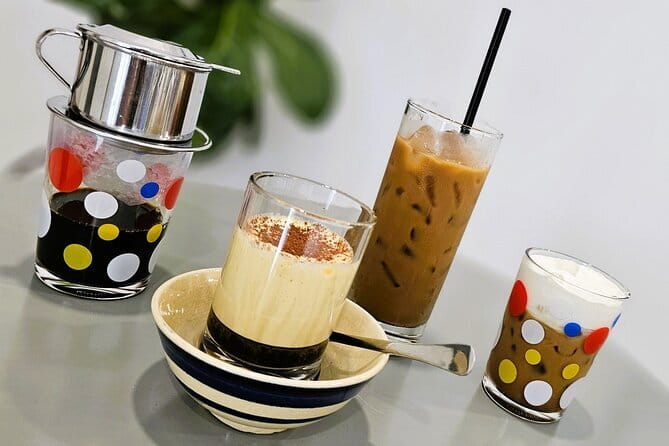
- Three-region coffee story, straight from your cup: South, Central, and North Vietnam are taught through what people actually order and drink.
- Phin technique you can feel: you practice brewing with a right vs wrong example so you learn fast.
- Four hands-on drinks, not a sit-and-watch demo: pure phin coffee, condensed-milk coffee, salted cream coffee, and egg coffee.
- Small group energy (max 6): you get help when you want it, not after the fact.
- Practical flavors you can recreate: you learn how to tweak the drinks toward your preferred taste and mood.
A 90-minute coffee class that reads like a Vietnam map

Vietnam’s coffee isn’t one style. It’s a set of regional habits—how people like it, how they drink it, and what that says about where they live. This workshop turns that idea into something you can taste.
In about 1 hour 30 minutes, you’ll learn a brief history of Vietnamese coffee culture, then get hands-on with the brewing and building blocks behind the most famous regional drinks. The format is simple: Quynh explains, you make, you taste, and you adjust. That’s the fastest route I know for understanding why Vietnamese coffee feels different from what most people expect.
You’re also getting a “where you are on the map” experience. The class links each recipe to South, Central, or North Vietnam, covering a country length of 1,650 km in concept, without turning it into a lecture.
A few more Ho Chi Minh City tours and experiences worth a look


Meet at 27 Ngô Đức Kế and get set up quickly
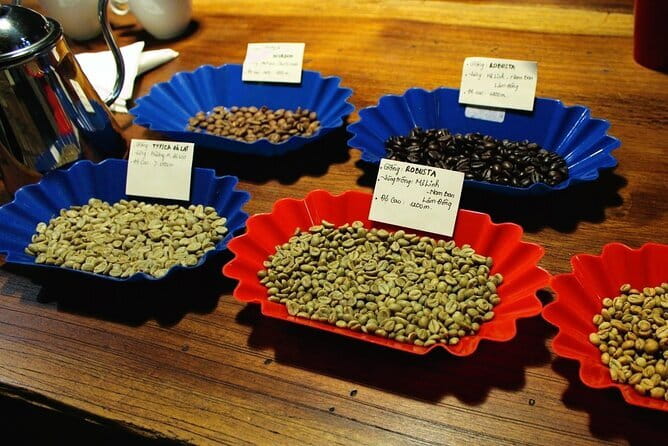
The class starts at 27 Ngô Đức Kế, Bến Nghé, Quận 1 in Ho Chi Minh City, and it ends back near the meeting point. A mobile ticket is used, and you’ll receive confirmation at booking.
Quynh runs a workshop for a small group—up to 6 people—so you’re not fighting for space around the tools. Reviews also describe it as a practical setup with tables and equipment arranged for making drinks, not just for photos. One person mentioned an attic-style workspace, which matters only if you’re sensitive to tight stairs or space.
How to plan your timing:
- Give yourself a little buffer before the 1.5-hour start, especially if you’re using public transportation nearby.
- Expect you’ll leave with multiple cups worth of flavor (and a sugar/cream vibe in some drinks), so avoid scheduling a heavy meal right after.
South Vietnam in your hands: phin practice and Saigon condensed-milk coffee
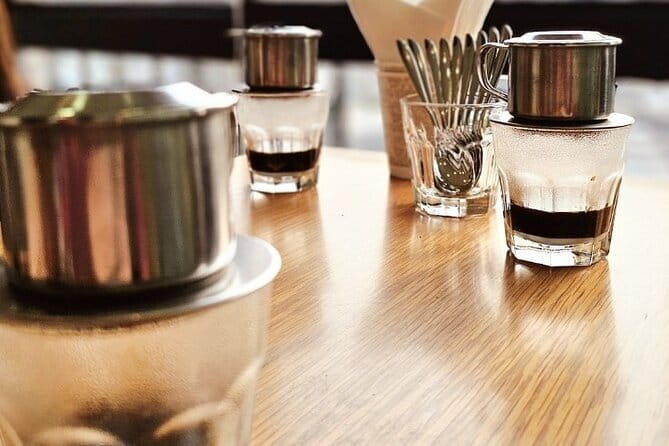
South Vietnam gets the foundation first, and that makes sense. If you don’t understand the brewing style, everything else tastes like a mystery instead of a choice.
Pure phin coffee: learn the method, then see what changes
You’ll practice making pure phin coffee using the correct method. The key detail is the comparison: Quynh also makes a wrong sample so you can taste the difference.
That’s a smart teaching trick. Instead of “trust me,” you get sensory proof. When your phin brew goes wrong, you can usually taste it quickly—more bitterness, a thinner flavor, or a mismatch in strength. You’ll learn what to watch for so you can adjust next time.
If you like hands-on learning, this part is the value engine of the whole experience. You leave knowing the technique, not just the recipe.
Vietnamese coffee with condensed milk: the Saigon connection
Then you move into the drink that many people associate with Vietnam right away: Vietnamese coffee made with condensed milk. Quynh explains the stories and the ingredient logic behind it, tying it to how Saigon/South Vietnam people tend to enjoy coffee.
This is where you learn why condensed milk changes the whole character of the coffee. It adds sweetness, thick body, and a smoother finish that can soften sharp roast notes. If you’ve ever ordered Vietnamese iced coffee and thought it tasted both strong and gentle at the same time, this is the explanation you’ll care about.
Practical takeaway: once you taste it your way, you’ll understand what part is “coffee” and what part is “style.”






Central Vietnam’s salted cream coffee: the sweet-salty balance trick
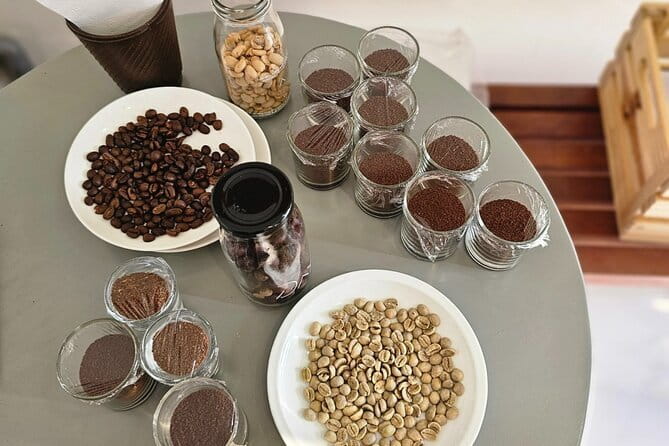
Central Vietnam brings a modern twist that feels a little like Vietnamese street food meets café trend. The star here is salted cream coffee, with tricks and ingredient combinations explained as you build the drink.
Why salted cream works (and how to taste it):
- The coffee brings bitterness and roasted depth.
- The cream adds richness.
- Salt makes the sweetness feel less flat and more interesting.
Quynh’s approach matters because you don’t just hear the idea—you make the drink. That’s important for salted flavors. Too little salt can leave it tasting like regular sweet coffee; too much can swing into harshness. Even without precise measurements shared in the info here, you’ll learn the balancing concept through tasting and adjusting.
This session also helps you break a common assumption: that Vietnamese coffee is only strong and sweet. Central Vietnam shows you there’s room for dessert-like texture and a more “trend” style without losing the coffee base.
North Vietnam in a cup: Hanoi egg coffee and the capital’s vibe
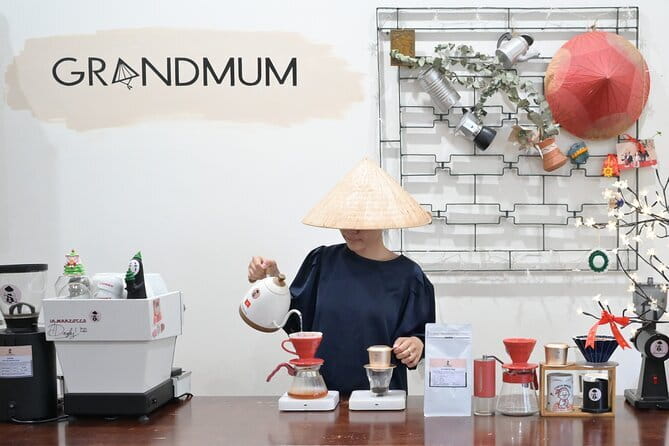
North Vietnam’s iconic drink is egg coffee, associated with Hanoi. Quynh explains how making it connects to the capital’s characteristics—less about one single flavor note and more about an overall personality: rich, creamy, and slightly theatrical.
Egg coffee is extraordinary because it uses yolk-based creaminess, creating a foam-like top and a thick texture that feels almost like a custard dessert. When you make it, you learn that it’s not just “eggs + sugar.” It’s about texture and how the drink holds together.
This is the part where people usually realize the workshop isn’t only about drinking coffee—it’s about learning a technique for building a layered drink. If you love the idea of coffee as dessert and conversation, this is where you’ll get the biggest grin.
The real value: you learn to adjust coffee to your taste
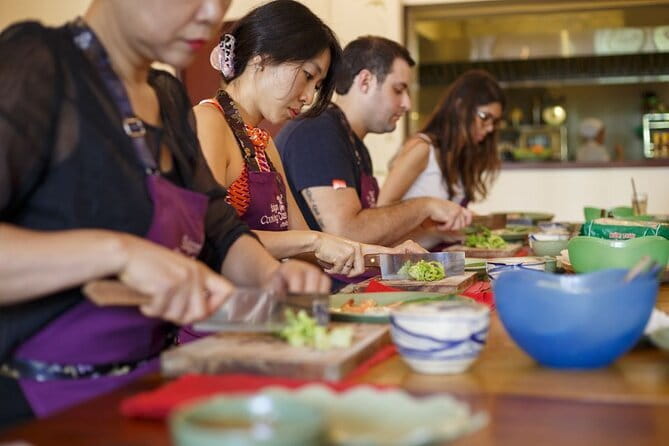
One reason this class lands well is that it repeatedly points back to you: your taste, your mood, and your preferences.
Here’s what that means in practice:
- You start with phin technique, where method changes flavor fast.
- Then you practice flavor-building: condensed milk for South-style sweetness and body.
- Next you shift to salted cream, learning balance and texture.
- Finally you build egg coffee, where richness and foam matter.
At the end, you’re not memorizing four orders. You’re learning how ingredient choices change outcomes. That skill travels better than any single recipe. In your own kitchen, you’ll know what to change when your coffee tastes too bitter, too thin, or too sweet.
What’s included (and what snack bonus might pop up)
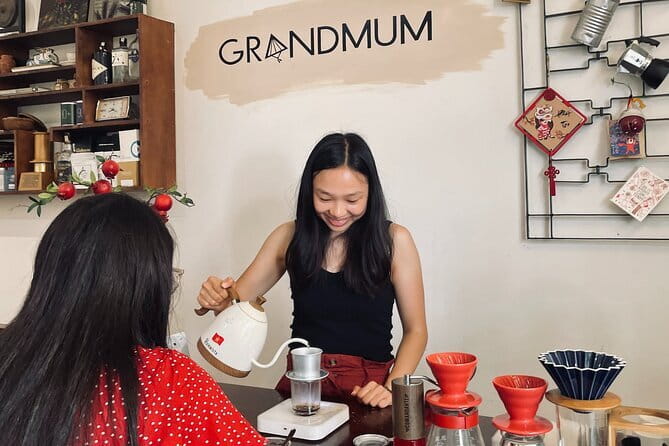
Your ticket includes:
- Coffee and/or tea for four drinks, with ingredients and equipment ready
- Snacks: cashew nuts
One review also mentioned Quynh preparing a banh mi bite before tasting. That may not be guaranteed every time, but it signals that he thinks about the whole experience, not just the coffee cups.
If you want the simplest planning: assume you’ll taste four coffee drinks plus cashews. Come with curiosity, not an empty stomach panic.
Price and group size: $21.69 for tools, drinks, and feedback
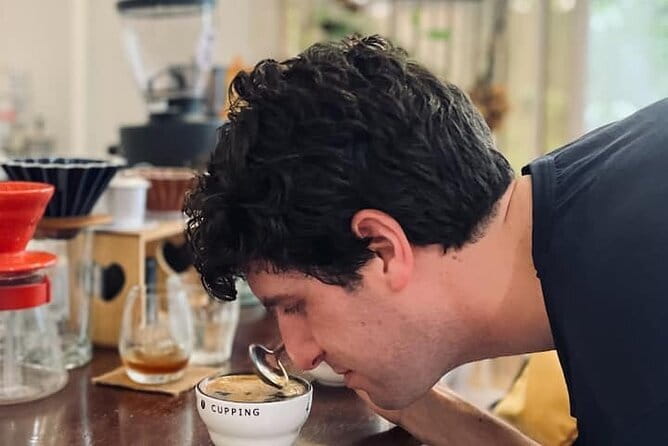
At $21.69 per person, this workshop is priced like a bargain compared to paying for four separate café drinks plus paying for instruction. The value comes from two things you can’t easily buy in a normal coffee stop:
- You get equipment and ingredients provided.
- You get feedback while you’re actively making the drinks.
The group cap of 6 travelers is a real benefit. It usually means more attention, quicker help, and less “stand in line with your cup” energy.
If you’re in Ho Chi Minh City and you want one coffee experience that’s more than a tasting, this price-to-time ratio is strong.
Where this fits best in your Ho Chi Minh City trip
This class is a good choice when you want:
- A focused activity that doesn’t require a full day
- A hands-on cultural stop with practical skills
- A break from sightseeing that still teaches you something local
Because it’s 1.5 hours, it slots neatly into your afternoon or early evening. If you’re doing a bigger coffee crawl later, treat this as the “how to taste” foundation. If you’re short on time, treat it as the coffee highlight that teaches you the rest.
Add-on option worth noting
Quynh also offers a 4-hour tour across the city growth through coffee drinks via electric tuktuk (you’d need to contact for details). If your schedule allows, that format can pair nicely: the workshop teaches your palate, and the longer tour adds city context.
Who should book this workshop
I’d point you to this class if:
- You want hands-on coffee learning, not a lecture
- You like comparing flavors and learning “why”
- You want an easy way to understand Vietnam’s regional differences through food
You might skip it if:
- You don’t drink coffee (you’ll be tasting four drinks)
- You prefer pure sightseeing over food-making activities
- You’re trying to avoid rich/sweet drinks, since the condensed milk and egg coffee are designed for creaminess and sweetness
Should you book it?
If you like food workshops with a cultural angle, I think you’ll enjoy this. The best part is the structure: Quynh ties South, Central, and North into four drinks, then gives you the tools and technique to taste and adjust for yourself. At this price and in a small group, it’s an efficient way to get a Vietnam-specific coffee education without getting stuck in a touristy “order and move on” routine.
If you’re undecided, book it when you can still make the timing work. This is the kind of experience that sticks because you leave with muscle memory and flavor memory—plus a better way to order Vietnamese coffee afterward.
FAQ
How long is the coffee-making workshop?
It runs for about 1 hour 30 minutes.
Where does the workshop start in Ho Chi Minh City?
The start location is 27 Ngô Đức Kế, Bến Nghé, Quận 1, Thành phố Hồ Chí Minh 70000, Vietnam, and it ends back at the meeting point.
What is the price per person?
The price is $21.69 per person.
What will I make during the class?
You’ll practice making pure phin coffee, the condensed-milk Vietnamese coffee (Saigon/South style), salted cream coffee (Central Vietnam), and egg coffee (Hanoi/North style).
Is it a small group?
Yes. The tour/activity has a maximum of 6 travelers.
What’s included in the ticket?
It includes coffee and/or tea for 4 drinks, with all ingredients and equipment ready, plus snacks (cashew nuts).
Is there a mobile ticket?
Yes, the workshop uses a mobile ticket.
How far in advance is it usually booked?
On average, it’s booked 14 days in advance.
Is confirmation provided after booking?
Yes. You’ll receive confirmation at the time of booking.
Can I cancel for a full refund?
Yes, you can cancel for a full refund if you cancel at least 24 hours before the experience’s start time. Free cancellation is offered, and changes within 24 hours aren’t accepted.
Is the workshop near public transportation, and are service animals allowed?
It’s near public transportation, and service animals are allowed.