REVIEW · HANOI
Ha Noi – Half-day Mindfulness meditation retreat
Book on GetYourGuide →Operated by JANGTOURS · Bookable on GetYourGuide
A quiet morning in a Hanoi pagoda can reset your head fast. This half-day mindfulness retreat focuses on learning the right meditation method and applying it to real life through guided sessions, Buddhist rituals, and practical mindful habits. I like that it doesn’t treat meditation like a vague vibe. It gives you steps, plus context for why those steps matter.
Two things I especially appreciate are the mix of practices (sitting, walking, and breathing with gentle inner-energy movement) and the chance to ask the monk questions in a structured way. You’ll also get a gratitude-first vegetarian meal, which turns mindfulness into something you can actually do after you stand up. One possible drawback to consider: you need to follow strict quiet and clothing rules, and the compassion ritual includes releasing beings, which may feel emotional or unfamiliar if you prefer a more secular experience.
The setting helps, too. The pagoda starts in a calm green space, and the schedule is paced like a lesson, not a performance. If you’re a beginner, this format is a good way to slow down and learn how to pay attention without forcing it.
In This Review
- Key takeaways before you go
- A 4-hour mindfulness reset at a Hanoi pagoda
- Entering the retreat: etiquette, rules, and a proper start
- Walking meditation and mindful breathing that actually feels doable
- Sitting practice, chanting-style focus, and guided clarity
- Mindful talking, Karma Law, and the monk Q&A
- The Arhat ritual and releasing beings: compassion in action
- Gratitude meal and the take-home gift
- Price and value: is $65 fair for this kind of guidance?
- What to bring, what not to do, and who should go
- Logistics: timing, English instruction, and possible pagoda changes
- Should you book this Hanoi half-day mindfulness retreat?
- FAQ
- How long is the Ha Noi half-day mindfulness retreat?
- What language is the retreat taught in?
- What is included in the price?
- What do I need to bring?
- What’s not allowed during the retreat?
- Is transportation included?
- Is this retreat refundable if my plans change?
Key takeaways before you go
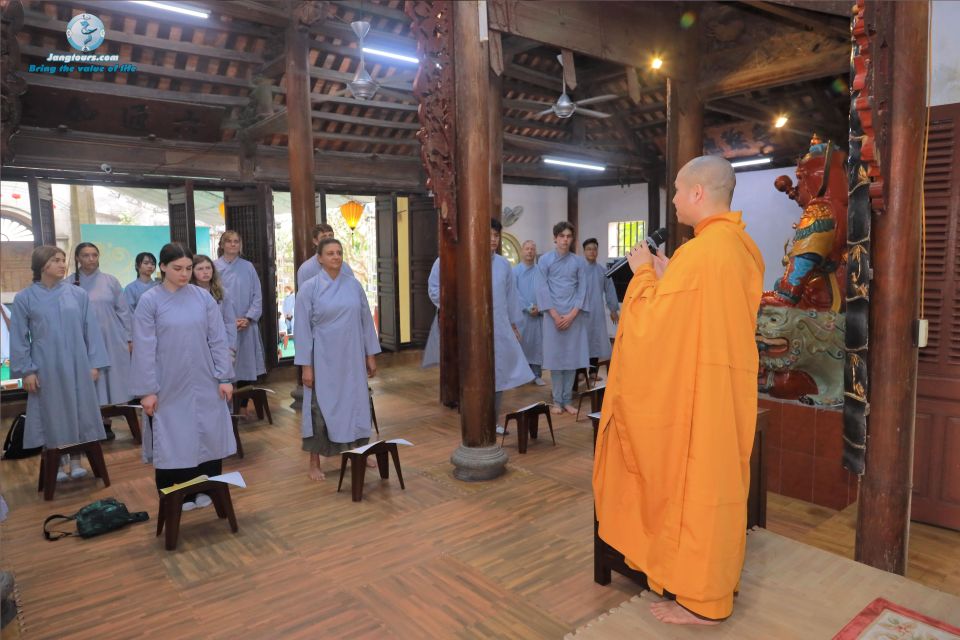
- Beginners-friendly guidance on the correct meditation method and what to focus on
- Multiple techniques in 4 hours, including walking meditation and mindful breathing with inner-energy movement
- Buddhist teachings you can ask about, including Karma Law through guided discussion
- A compassion ritual centered on loving-kindness and compassion through releasing beings
- A gratitude meal that keeps the mindfulness going beyond the meditation cushion
- A quiet, respectful environment with clear rules on noise and clothing
A 4-hour mindfulness reset at a Hanoi pagoda
This retreat takes place in Dong Bac, Vietnam, at a pagoda in a peaceful green setting. You’re there for a focused half-day: learn, practice, then carry the rhythm into daily life. The whole experience is designed around slowing down, step by step, until your attention feels steadier.
You’ll also feel the structure right away. The first segment is about rules and etiquette, including how to greet monks and nuns when you meet them. That might sound small, but it sets the tone for the rest of the retreat. When people treat the space respectfully, the practice usually follows.
One more thing: sometimes pagodas can have obligations for local residents. If that happens, the program may shift to an equivalent pagoda while keeping the planned content the same. It’s still worth planning to arrive with a little flexibility in mind, since location can change last minute.
A few more Hanoi tours and experiences worth a look

Entering the retreat: etiquette, rules, and a proper start
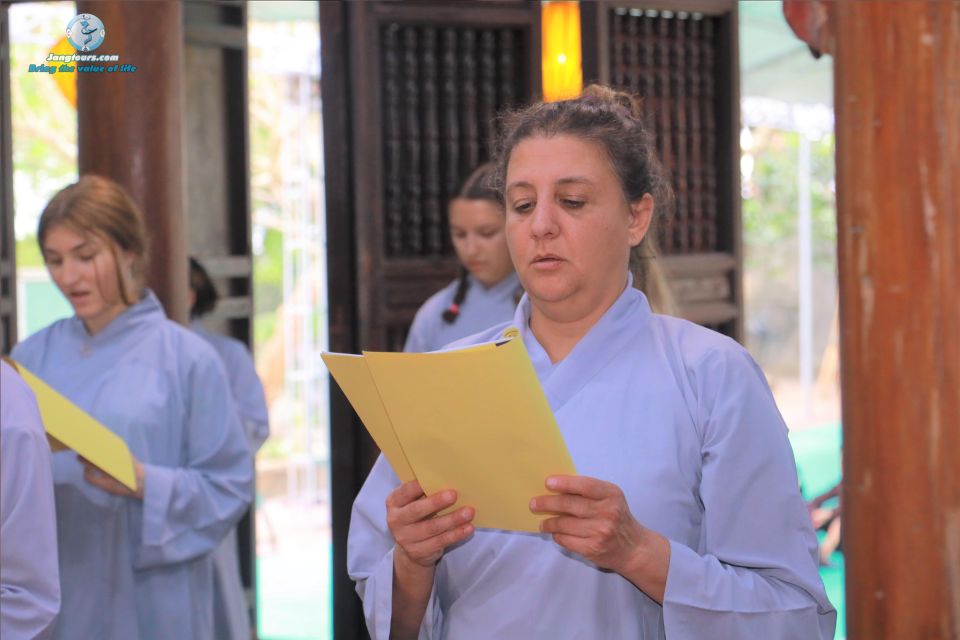
The session begins with greetings and first lesson right inside the pagoda. You’ll learn the basic regulations for staying in a pagoda, plus how to greet monks and nuns correctly when you encounter them. It’s practical guidance for anyone who doesn’t want to guess and accidentally do the wrong thing.
Then the schedule moves into Buddhist rituals and teachings. You’ll hear that sutras are the Buddha’s teachings, and the retreat connects those ideas to everyday life and personal cultivation. In other words, it’s not just ceremonial for ceremony’s sake. The emphasis is on turning beliefs into habits—how you think, how you speak, and how you respond.
If you’ve ever tried meditation on your own, you’ll probably appreciate this. Many people start by trying to “clear their mind.” Here, you’re taught to work with attention and behavior first. It makes meditation feel less like a mystery and more like a skill.
Walking meditation and mindful breathing that actually feels doable
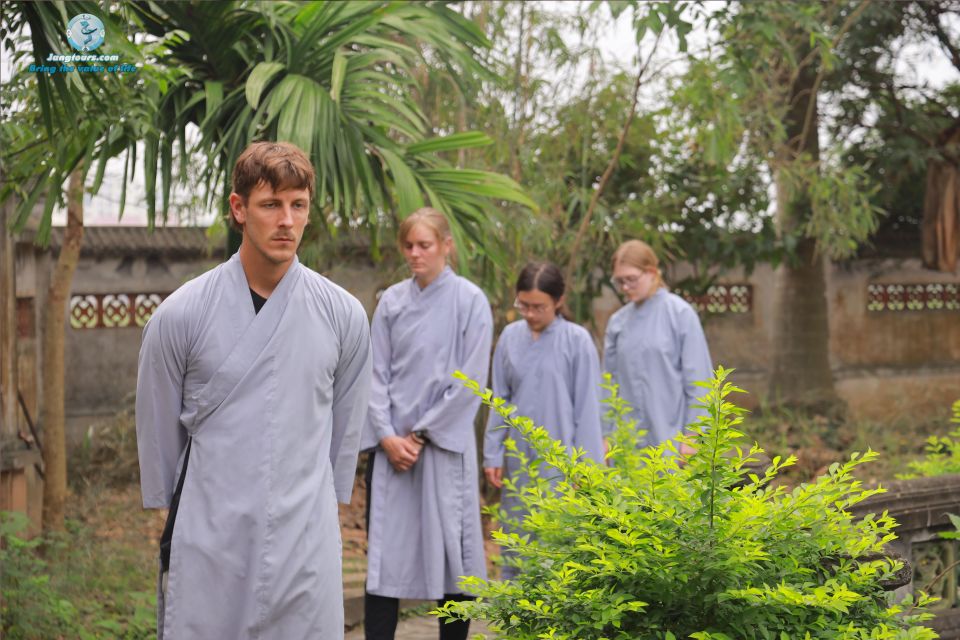
After the early teachings, you start with walking meditation. The focus is mindfulness through present awareness—breath and step, fully there in the moment. This is a smart move for beginners. Sitting meditation can feel intimidating at first. Walking gives you something concrete to anchor to.
Right after that, you’ll do mindful breathing with inner-energy movements. The retreat frames this as a way to develop a healthy body and mind, strengthening your ability to meditate. You don’t need to already know any special terminology. You just need to follow the guide and practice gently.
This is where you can feel the value of the pacing. The retreat mixes stillness and movement. That helps when your mind is busy, because you’re not stuck trying to force calm through stillness alone.
The retreat also includes a concept called the art of touching peace. The idea is simple but not cheesy: the peace in your mind can matter more than short-term pleasures. You’ll get this as a lived lesson through practice, not just a philosophy lecture.
Sitting practice, chanting-style focus, and guided clarity
Next comes the meditation segment described as soul purification. The retreat explains meditation as leading the mind to peace and insight, and reducing the pull of random thoughts and emotional spirals. It also frames meditation as a way to weaken self-ignorance and move toward enlightenment.
Now, a key detail for practical value: you’re not expected to figure everything out alone. You learn how to practice properly, and the guidance helps you understand what to do with your attention. For beginners, that alone can be worth the price of admission. Meditation works better when you know what you’re aiming at.
From the way the retreat is taught, you’ll likely experience a mix of sitting practice and spiritual chanting-style elements as part of the guided ritual flow. The schedule is built to keep you engaged: instruction, then practice, then another instruction. It’s a rhythm that helps most people stay present instead of zoning out.
The result you’re aiming for is not a dramatic feeling. It’s a steadier mind. When you practice with structure, you tend to leave with techniques you can repeat at home.
Mindful talking, Karma Law, and the monk Q&A
One of the most helpful segments is mindful talking, where you learn about Karma Law through photos and discussion. This is meditation-adjacent, but in a practical way. It gives you a framework for how intentions and actions link over time, so the retreat doesn’t feel like disconnected religious theater.
You also have a chance to consult with the monk for guidance if you have questions about spiritual practice. This matters because meditation questions are usually personal: Why can’t I focus? What do I do when my mind wanders? How should I interpret what I experience? When you can ask, you waste less time guessing.
If you’re the kind of person who likes to understand the why behind the how, you’ll probably enjoy this portion a lot. If you prefer a totally silent experience, this might feel like more talking than you expected. Still, the talk is designed to support practice, not distract from it.






The Arhat ritual and releasing beings: compassion in action
Later you’ll take part in a ritual around asking for the Arhat, described as a proper way to receive blessings and seed enlightenment for next lives. You’ll be guided through the steps of this worship ritual, and it’s presented within the retreat’s spiritual worldview.
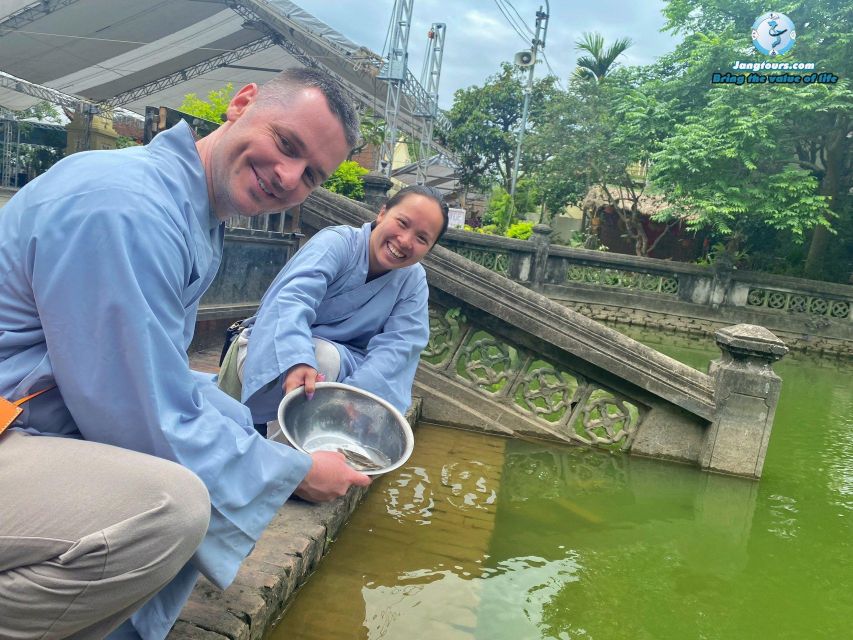
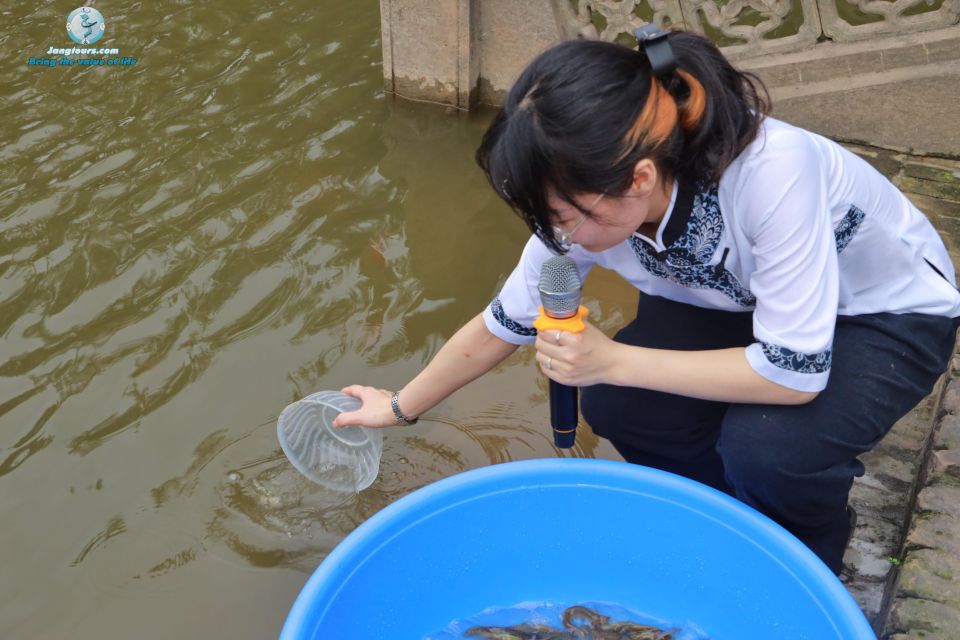
Then comes a compassion practice: releasing beings. The retreat frames this as practicing compassion and good deeds for a long life, tied to loving-kindness and compassion. This is the segment where emotions can run high. Even if you understand the Buddhist intention, it can still feel intense to participate.
For me, that’s the main consideration to keep in mind. This is not a meditation retreat that avoids spiritual rituals. It includes them, and it asks you to engage respectfully. If you’d rather observe from a distance, you might want to think carefully before booking.
That said, the compassion theme connects back to the earlier walking and breathing. It’s all part of learning to soften your mental habits, not only your breathing.
Gratitude meal and the take-home gift
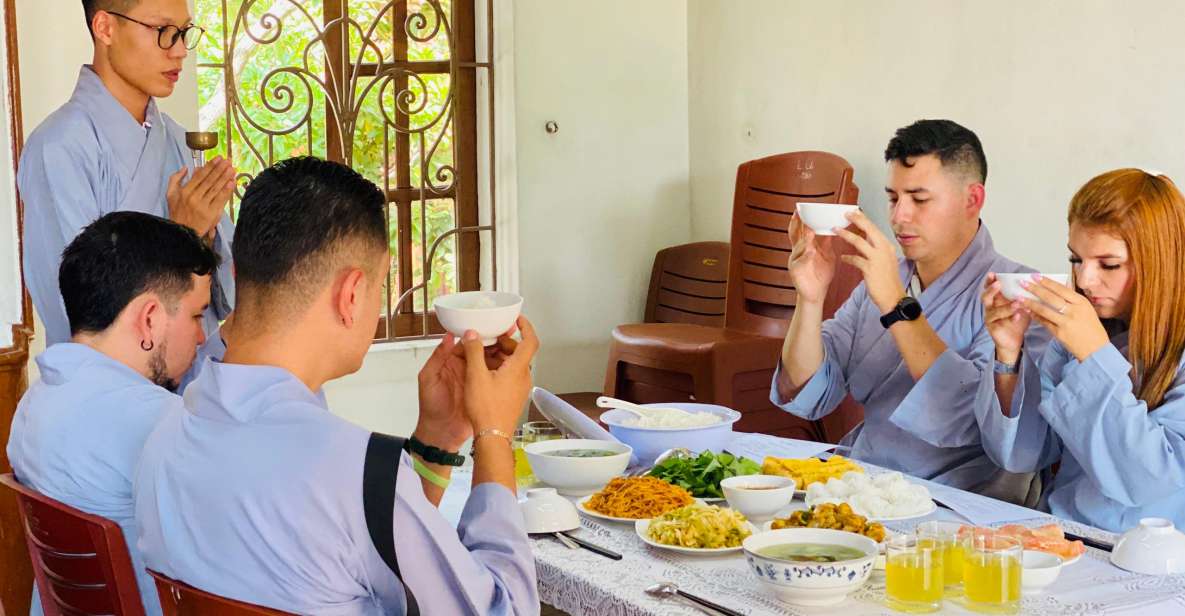
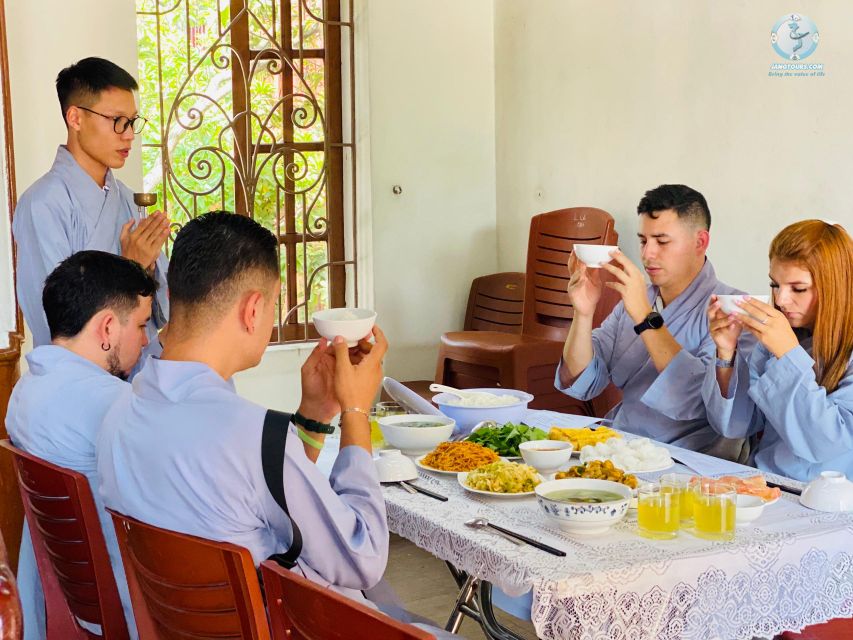
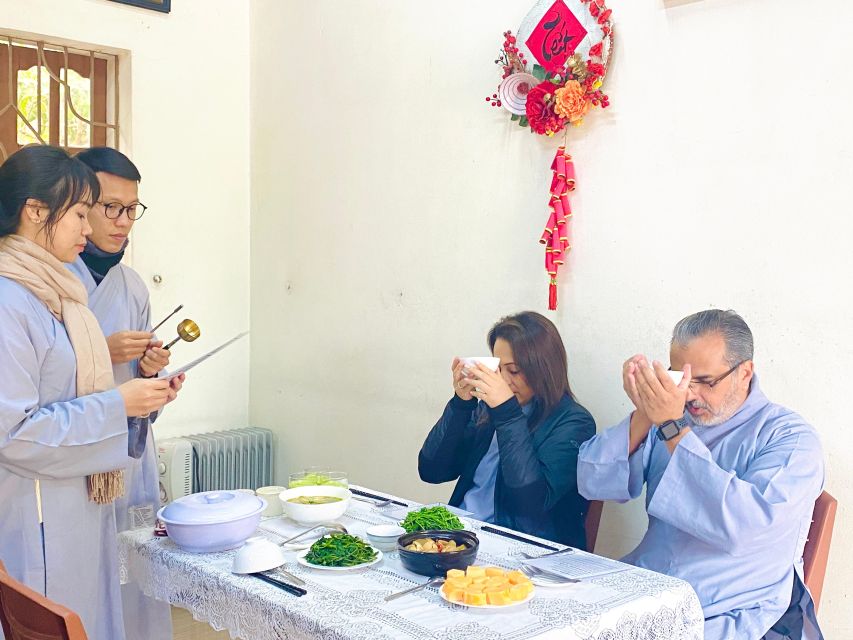
The retreat closes with a grateful meal and a final moment that feels like a real ending, not a hurried finish. The meal is vegetarian, and it includes a built-in mindfulness practice: express gratitude before and after eating, appreciate the food, and avoid waste.
This is a quietly smart idea. A lot of mindfulness retreats stop at the cushion. Here, the retreat trains you to practice awareness while doing something ordinary—eating. And because lunch is part of the program, you don’t need to plan anything complicated.
You’ll also receive a gift for visitors at the end. It’s a small touch, but it helps you leave feeling like the retreat is a complete experience with closure.
Price and value: is $65 fair for this kind of guidance?
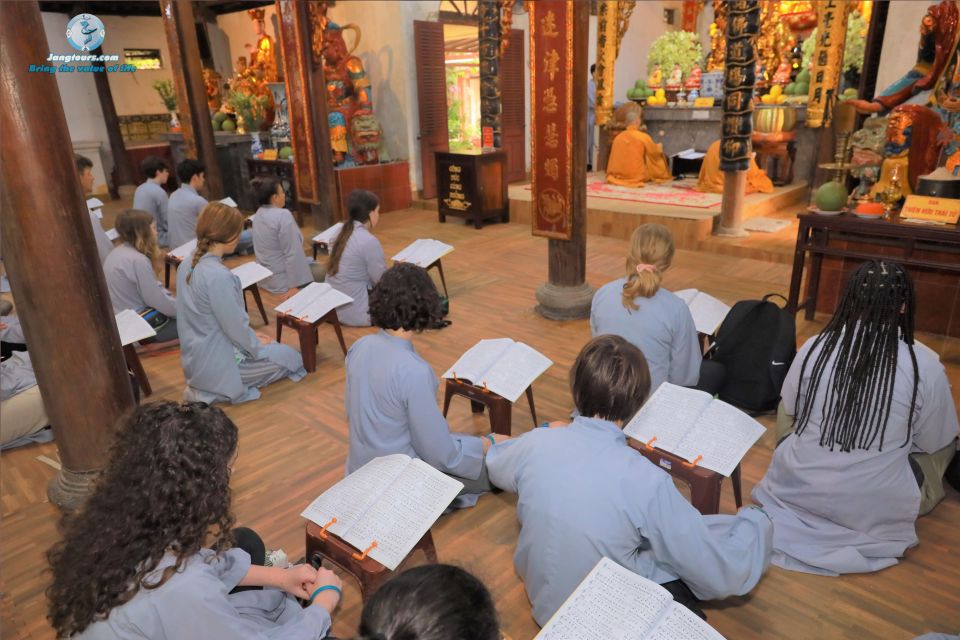
At $65 per person for a 4-hour retreat, the value is solid if you’re looking for guided practice plus spiritual context. You’re not only getting meditation time. You’re getting instruction on etiquette, multiple guided exercises, spiritual rituals, and a vegetarian lunch with mineral water.
What’s especially good value here is the combination of things that are hard to assemble on your own:
- Guidance on the correct meditation method
- Structured practice (walking, breathing, sitting-style meditation, mindful discussion)
- Access to ask questions during the spiritual teaching segments
- A built-in meal practice that supports mindfulness after the session
The main cost you’ll want to plan for beyond the ticket is transportation, since it isn’t included. So your real all-in cost depends on how you get to the pagoda and whether you need a return ride.
If you’re already a confident meditator, you might find it repeats some basics. If you’re a beginner, though, this kind of coached format can save you weeks of trial-and-error.
What to bring, what not to do, and who should go
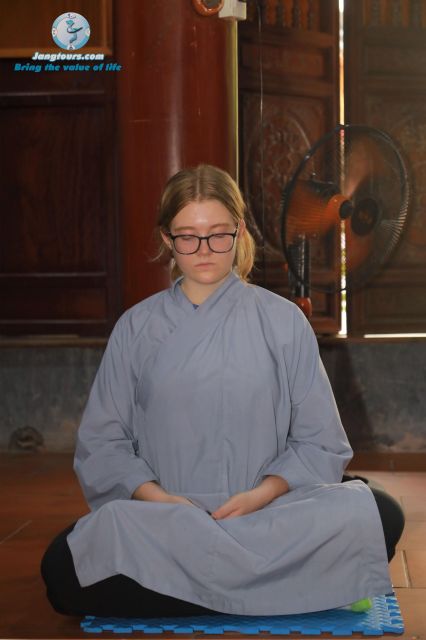
The retreat asks you to dress appropriately for a pagoda setting. Bring a long-sleeved shirt and long pants. Short attire isn’t appropriate, and you should avoid ripped clothing. That’s not about being fussy; it’s about showing respect in a religious space.
There are also clear rules:
- No smoking
- No alcohol or drugs
- No making noise
- Short skirts and red wine are not allowed
If you’re sensitive to quiet environments, this is the right kind of event. If you struggle sitting for stretches or you get restless in guided group sessions, this might feel challenging. It isn’t listed as suitable for wheelchair users, and it’s not meant for babies under 1 year.
Overall, I think this fits best for:
- First-timers who want guidance, not guesswork
- People who like learning the why behind practice
- Anyone curious about Buddhist teaching through an English-speaking format
Logistics: timing, English instruction, and possible pagoda changes
The retreat runs about 4 hours. The start time can vary, so you’ll want to check availability for the specific session you book. The retreat is taught in English, which is a big help for beginners who don’t want to rely on translation apps.
Transportation isn’t included, so plan how you’ll get there and back. Also, because pagodas can shift activities due to local ceremonies, the program may move to an equivalent pagoda without changing the planned content. They’ll do their best to inform you in advance, but it’s worth keeping your schedule flexible.
Should you book this Hanoi half-day mindfulness retreat?
Book it if you want a beginner-friendly introduction to meditation that includes spiritual teaching, guided practice, and a real rhythm you can repeat. The best reason to go is the guided structure—meditation with clear method, plus time to ask questions during the monk-led segments.
Consider skipping or choosing another option if you strongly prefer a secular, low-ritual experience, or if the releasing beings compassion ritual would stress you out more than it helps you. Also, if you don’t like following dress and quiet rules, this retreat may feel too strict for your style.
If you’re visiting Hanoi and you want one morning that slows you down, teaches you something you can use later, and does it in a calm pagoda setting, this is a very reasonable pick.
FAQ
How long is the Ha Noi half-day mindfulness retreat?
It lasts about 4 hours.
What language is the retreat taught in?
The instruction is in English.
What is included in the price?
Included are a local guide on the spot, entrance fees, spiritual rituals, a vegetarian lunch, and mineral water.
What do I need to bring?
Bring a long-sleeved shirt and long pants.
What’s not allowed during the retreat?
Smoking is not allowed. Short skirts, red wine, alcohol and drugs, ripped clothing, and making noise are also not allowed.
Is transportation included?
No, transportation is not included.
Is this retreat refundable if my plans change?
Yes, you can cancel up to 24 hours in advance for a full refund.