REVIEW · HO CHI MINH CITY
The 10 Tastings of Ho Chi Minh City With Locals: Private Street Food Tour
Book on Viator →Operated by Withlocals · Bookable on Viator
Saigon food can hit like a lightbulb. This private street food tour pairs 10 tastings with a local guide who points out the why behind the bites and the flavor choices. You’ll bounce between markets and classic sights, with stops built around things like bánh beo, banh mi, sugar cane juice, and chè.
What I like most is the chance to tailor tastings to your tastes, not just follow a rigid menu. I also like the way the tour mixes food with landmark context so you’re not only eating in a vacuum.
One thing to watch: this is a walking tour in real Saigon heat. You’ll want light clothes, water, and a steady pace—especially if you pick a hotter part of the day. Heat and walking time are the main tradeoff.
In This Review
- Key things that make this street food tour work
- Why 10 Tastings feels like good value in Ho Chi Minh City
- Ben Thanh Market: the quickest way to understand Saigon breakfast food
- Mariamman Hindu Temple: a calm pause between food sprints
- Tao Dan Park and the banh mi stop
- Independence Palace and sugar cane juice on a hot day
- Turtle Lake: the local hangout break you didn’t know you needed
- Saigon Square 3: papaya salad with beef jerky and the sweet-sour-spicy lesson
- Chợ Tan Dịnh: banh xeo plus beer plus dessert in the same neighborhood
- What it’s like with a guide (and what to ask)
- Walking, timing, and how to choose the right departure
- Vegetarian alternatives and dietary restrictions: how well does this work?
- Who should book this private street food tour
- Should you book 10 Tastings of Ho Chi Minh City With Locals?
- FAQ
- How long is the private street food tour?
- What does the price include?
- Is the tour truly private?
- What are some of the tastings I can expect?
- Are there morning and afternoon departures?
- Is hotel pickup included?
- Where does the tour start?
- Are there vegetarian options?
Key things that make this street food tour work
- 10 tastings with flexibility: you get a set tour plan but can adjust what you eat to your preferences.
- Ben Thanh Market to Tan Dinh Market: two different food-energy zones, not just one market loop.
- Flavor building blocks: fish sauce mixes like nuoc mam pha and sweet-sour-spicy salads teach you how Saigon balances tastes.
- Classic streets plus photo stops: temple and church moments break up food intensity without turning it into sightseeing-only.
- Guide quality matters: I love that you may get a guide like Spring, known for strong English and thoughtful food explanations.
Why 10 Tastings feels like good value in Ho Chi Minh City
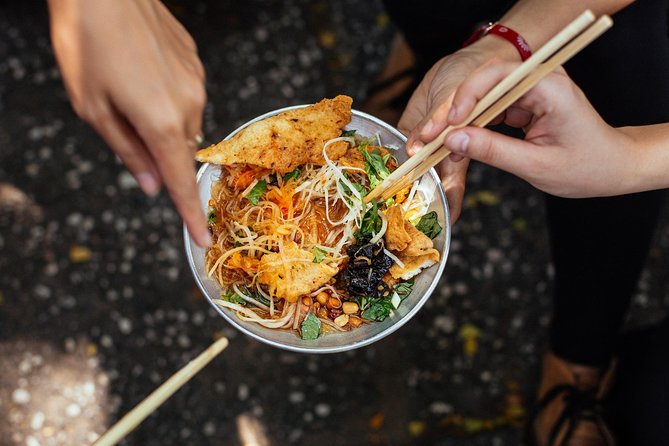
At $91.53 per person for about 3 hours, the price makes sense because you’re not just buying snacks. You’re buying time with a local who helps you order, explains what you’re eating, and keeps you moving between the right spots. For a city where street food can be intimidating, a guide turns guesswork into confident sampling.
You also get a practical structure: 10 tasting moments across markets and neighborhood stops, with time breaks built in. Admission is listed as free at the market/sight stops, and the tour includes a private setup—just you and your local guide—so you’re not stuck waiting on a big group.
That private format also helps if you have food preferences. Vegetarian alternatives are included, and the tour offers alternatives if you have dietary restrictions. If you don’t want something specific, you usually have room to shape the experience.
You can also read our reviews of more food & drink experiences in Ho Chi Minh City
Ben Thanh Market: the quickest way to understand Saigon breakfast food
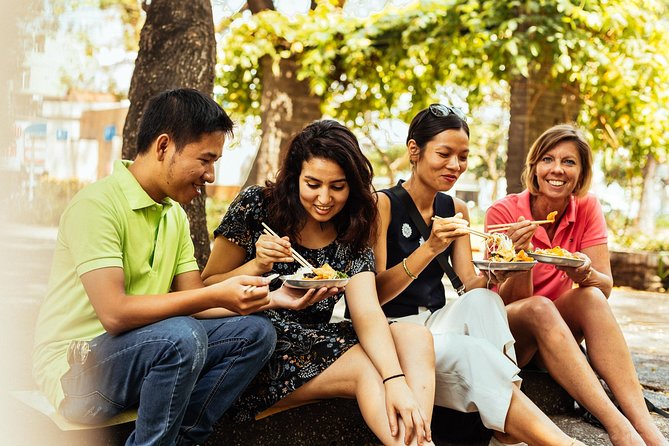
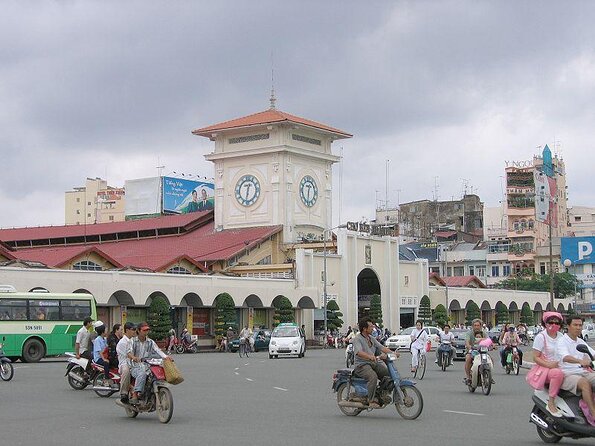
Ben Thanh Market is where you get your bearings fast. The tour starts here at Đường Lê Lai, and that opening matters: your guide helps you translate the menu chaos into an actual eating plan. You’ll spend multiple short stretches in the market, which keeps you from feeling rushed while still moving through lots of choices.
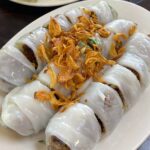
At Ben Thanh, you’ll taste steamed rice flour cakes with dried shrimp—often referred to as bánh beo (water fern cakes). The point of this stop is texture. These are delicate, small bites, and they show you how Vietnamese street cooks build flavor without heavy sauces.
You’ll also try shrimp and pork tapioca dumplings, dipped in nuoc mam pha. This is a classic salty-sour-sweet mix with fish sauce, vinegar, shrimp stock, sugar, water, and fresh chiles. Even if you don’t speak the language, the guide’s job is to show you what ratio to expect: salty first, then tang, then a slow chile kick.
And you’re not only eating seafood. The tour includes another typical snack moment at the market—Hue-style—so you start noticing regional flavors, not just “market food.”
Practical tip: if you’re sensitive to heat or strong flavors, tell your guide early. They can steer your tastings toward milder sauces or adjust the order.
Mariamman Hindu Temple: a calm pause between food sprints
After the market buzz, you step into a different mood at the Mariamman Hindu Temple. It was built in the early 20th century by the Tamil community dedicated to the goddess Mariamman. The visit isn’t long, but it adds grounding: you see how Saigon isn’t only about food stalls—it’s also about lived religion and neighborhood stories.
This kind of stop is useful on a walking food tour. It’s not a long museum detour. It’s a short reset so you can catch your breath, rehydrate, and then come back out ready to eat again.
Tao Dan Park and the banh mi stop
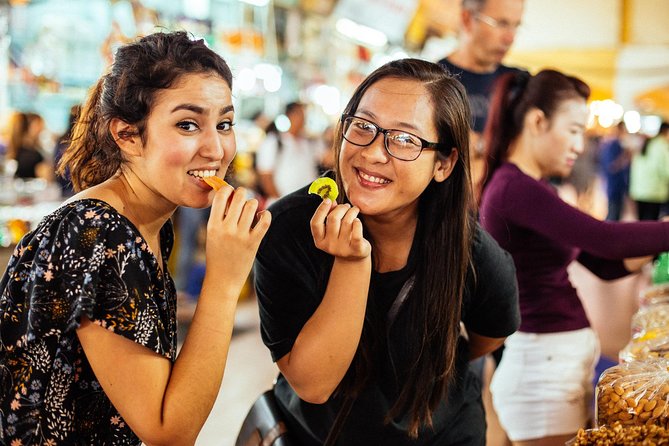
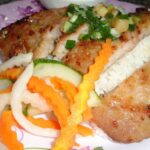
Close to Tao Dan Park, you’ll get one of Vietnam’s most famous street foods: banh mi. The key detail here is the contrast. Expect a crunchy French baguette paired with pork and pâté, plus fresh vegetables that can vary by what’s available.
This stop works because it’s a palate cleanser between savory market items. After dumplings and dipping sauces, banh mi brings a different rhythm—crunch, creamy pâté, and the freshness of vegetables all at once.
It’s also a good moment to check in with your guide. If you’re unsure what to order, this is where you can ask questions and learn how to spot the flavors you like in other sandwiches across town.
Independence Palace and sugar cane juice on a hot day
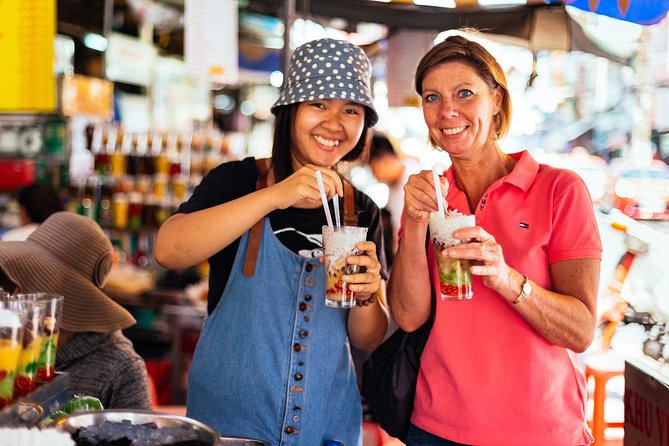
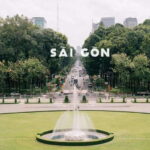
Next comes a street-vendor stop near the Independence Palace / Reunification Palace area. This is where the tour gets real-world practical: you’ll cool down with freshly squeezed sugar cane juice.
If you’re going in the afternoon, this is a smart pick. Sugar cane juice is cooling and lightly sweet, so it helps reset your palate before the tour moves into stronger sweet-sour-spicy flavors later.
Also, you get a classic landmark connection without it taking over the day. You’re still on a food route, but the sights give context to where you are in Saigon—not just what you’re eating.
A few more Ho Chi Minh City tours and experiences worth a look

Turtle Lake: the local hangout break you didn’t know you needed
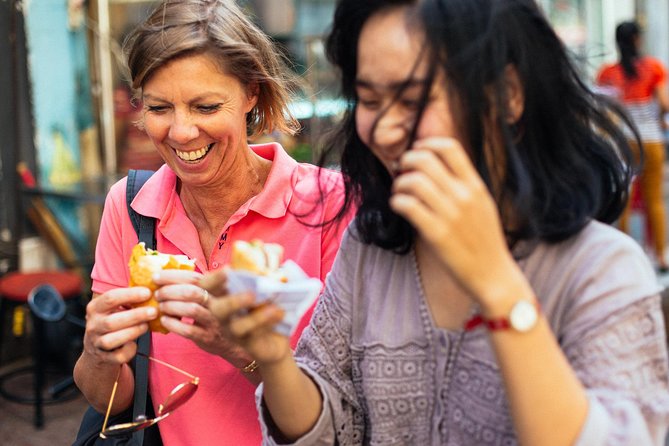
A stop at Turtle Lake adds culture and local life. You’ll hear how this is a place younger Saigonese go to escape heat and grab snacks. That matters because a food tour isn’t only about tasting; it’s also about understanding how locals live around food.
Timing helps here. The tour keeps stop durations short, so you’re not stuck for long. Instead, Turtle Lake functions like a pause in the walk-and-eat rhythm—good for photos, a quick look around, and regrouping.
Saigon Square 3: papaya salad with beef jerky and the sweet-sour-spicy lesson
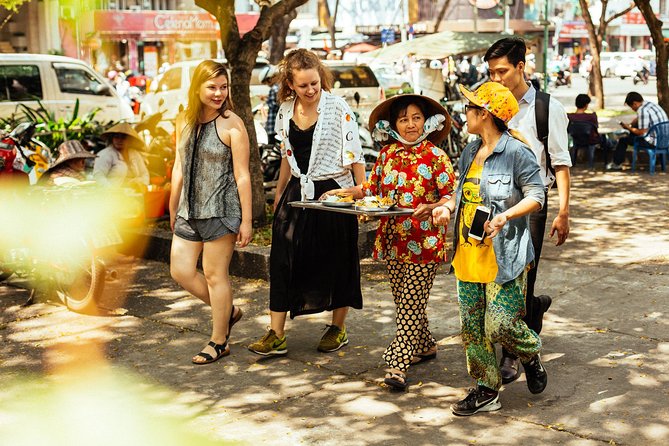
One of the most memorable flavor experiences on this tour is the salad at Saigon Square 3. It brings together sweet and spicy in one plate, with young papaya shreds in a sour-sweet spicy sauce. You’ll also see toppings like roasted peanut, Vietnamese basil, shrimp cracker, and beef jerky.
This tasting teaches you something important: Vietnamese street salads aren’t only about heat. The sauce balance is the whole point. When the peanut and basil hit with the jerky and papaya, you get salty, sweet, tangy, and spicy all in one bite.
If you like sauces, this is a stop that will make you want to recreate the flavor profile later. If you don’t like chile, tell your guide before you order any spicy adjustment.
Chợ Tan Dịnh: banh xeo plus beer plus dessert in the same neighborhood
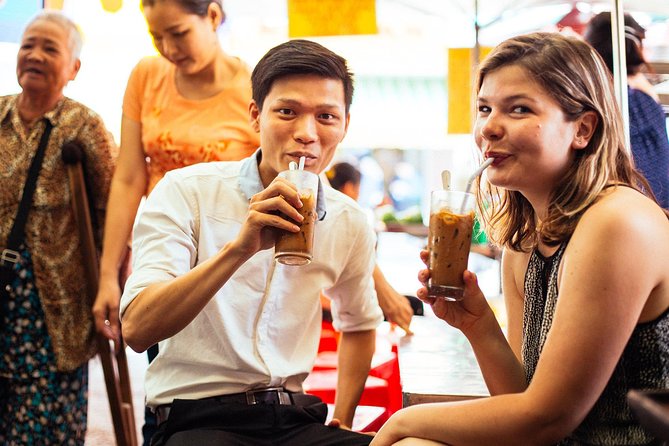
Tan Dinh Market is where the tour really leans into comfort food. First, you’ll try bánh xèo—a pancake named after the sizzling sound it makes when the batter hits the hot skillet. This is a great street-food moment because it’s built for the senses: you get sound, aroma, and texture right as it’s cooked.
Then the tour shifts into something more social: Saigon beer brewed in Vietnam using traditional fermentation methods. You’ll sip it near the market, and that’s a nice pacing choice. Beer isn’t an afterthought here—it’s part of how street food nights play out in Saigon.
Finally, you’ll wrap with chè, a popular Vietnamese dessert made with kidney beans, jelly, and coconut cream. Expect a spoonable sweetness that cools you down after savory hits. Your guide also adds more recommendations afterward—so even after the tastings, you leave with ideas for what to try next on your own.
And yes, there’s a pink-church moment near Tan Dinh Church. It’s a quick look, not a long detour, but it gives you a visual memory that’s different from the usual market scene.
What it’s like with a guide (and what to ask)
The biggest difference between a good street food tour and a merely fun one is how the guide handles explanations. In the best cases, you get clear English and practical food pointers. One example mentioned is a guide named Spring, with strong English and lots of cultural and food context.
When you’re on a private tour, you can use that skill. Here are a few questions that help you get more value from each stop:
- Which bite is easiest for a first-timer, and which sauce makes it better?
- What should I taste for—sweetness, sourness, or chile—so I can choose later?
- If I’m skipping something, what’s the closest alternative?
Because tastings can be tailored, these questions aren’t just for curiosity. They help shape what ends up on your plate.
Walking, timing, and how to choose the right departure
This is about 3 hours, and the stops are spread across markets and nearby neighborhoods. That means short bursts of walking between food points—lots of turning corners, lots of standing near stalls, and real sidewalk exposure.
The main drawback is the heat. If you sweat easily, lean toward an afternoon departure only if you’re ready with water and light clothing. If you’re more sensitive, morning can be easier on your comfort.
No matter the time, think like this:
- Wear breathable clothes and comfortable shoes.
- Carry water if you tend to run low.
- Plan to eat steadily. If you go too fast early, you’ll feel it later when the tour moves into richer bites and dessert.
Vegetarian alternatives and dietary restrictions: how well does this work?
The tour includes vegetarian alternatives, and it offers alternatives for dietary restrictions. That’s a big deal because Vietnamese street food often uses fish sauce, shrimp stock, and other animal-based ingredients.
What I would do in your shoes: tell your guide your limits at the start, and don’t just say vegetarian or no seafood. If you can share what you can tolerate—like whether you avoid fish sauce completely—that makes it easier for the guide to translate options into a safe tasting plan.
The structure of 10 tastings also helps, because the guide isn’t improvising one giant meal. They can swap or adjust specific tasting items and keep the pace intact.
Who should book this private street food tour
This tour is a strong match if you want:
- A private setup with a local guide, not a group scramble
- A mix of market food and short landmark breaks
- A clear way to try classic Saigon flavors without building your own route from scratch
- A dessert-and-beer finish in the same neighborhood
It’s also a good pick for first-timers in Ho Chi Minh City who feel overwhelmed by street menus. Your guide handles ordering and timing, and the tastings are spread so you get variety without total stomach overload.
Skip it if you hate walking in heat. Also skip if you want a long, sit-down meal experience. This is more eat-and-walk than restaurant dining.
Should you book 10 Tastings of Ho Chi Minh City With Locals?
If you like street food, want a local behind the ordering, and you’re happy with a walk-and-taste format, this is an easy yes. The value comes from the combination: 10 tastings, private guiding, and the way the route mixes markets with landmarks so you understand the city while you eat it.
The only real reason to hesitate is heat and pacing. If you’re sensitive to that, plan your clothing and departure time carefully, and ask your guide to slow the route if you need it.
For your decision, here’s the quick rule: if you want Saigon flavor with fewer mistakes and more local context, book it. If you want a low-walking day, look for a different style of tour.
FAQ
How long is the private street food tour?
It runs about 3 hours.
What does the price include?
The tour includes a private local guide, 10 food and drink tastings, vegetarian alternatives, and both city highlights between food stops.
Is the tour truly private?
Yes. It’s a private tour, so it’s just you and your local guide.
What are some of the tastings I can expect?
You’ll taste items such as bánh beo (steamed rice flour cakes), tapioca dumplings dipped in nuoc mam pha, sugar cane juice, banh mi, a sweet-and-spicy papaya salad with toppings including beef jerky, bánh xèo, Saigon beer, and chè.
Are there morning and afternoon departures?
Yes, both morning and afternoon departures are available.
Is hotel pickup included?
No. Hotel pickup and drop-off are not included.
Where does the tour start?
It starts at Đường Lê Lai, Bến Thành, Quận 1, Ho Chi Minh City, Vietnam.
Are there vegetarian options?
Yes. Vegetarian alternatives are included, and alternatives are offered for dietary restrictions.