REVIEW · HO CHI MINH CITY
From HCM City: Visit Cu Chi Tunnels With A Small Group
Book on GetYourGuide →Operated by Travel & Explore In Vietnam · Bookable on GetYourGuide
Cu Chi Tunnels hit hard fast. I love how this small-group format mixes Vietnam war context with hands-on tunnel time, then rounds it out with a simple food taste from the war years. Two things I especially liked: the guide quality (I’ve seen guides like Soni and Tri praised for clear explanations and patience) and the way you get more than facts—there’s documentary footage and then an honest crawl through very narrow tunnels. One drawback to consider: add-on costs and language pricing can change the experience, so you’ll want to confirm details before you book.
In about 6 hours, you’ll be picked up by AC car from the Ho Chi Minh City area (often in front of your hotel) and brought back afterward. You’ll also get bottled water, plus a light snack that includes tapioca and tea, cooked on a special stove used to hide smoke. If you’re sensitive to tight spaces or you don’t want anything related to guns, the tunnel and shooting parts may need extra thought.
Some reviews also point to pacing differences—one person felt rushed—so I recommend choosing this tour when you want a guided overview, not a slow, study-at-your-own-pace museum day. And if you’re booking in Spanish (or another language), double-check what’s included at the quoted price—there have been complaints about language supplements.
In This Review
- Key Highlights You’ll Care About
- Cu Chi Tunnels in Six Hours: What the Small-Group Day Really Covers
- Start With Your Guide: Why the Explanations Matter Here
- Documentary and War Footage: Getting the Story Before the Crawling
- Underground City and Camouflage: The Spider-Web Logic
- Crawl Through the Narrow Tunnels: What It Feels Like and What to Expect
- War-Era Food With the Hoang Cam Stove: Tapioca Is the Point
- Optional Gun Shooting Range: AK-47 and M-60 Fees to Budget
- Price and Logistics: How to Get True Value (and Avoid Surprises)
- What the Best Guides Do Differently
- Who Should Book This Tour (and Who Should Rethink It)
- Should You Book Cu Chi Tunnels With a Small Group?
- FAQ
- FAQ
- How long is the Cu Chi Tunnels small-group tour?
- What’s included in the price?
- Is the tunnel crawl included?
- Are AK-47 and M-60 shooting fees included?
- What languages are available for the guide?
- Is there free cancellation?
- Is the price higher on holidays?
Key Highlights You’ll Care About
- War documentaries + authentic footage that frame what you’ll see underground
- A guide-led crawl that makes the tunnels feel real (tunnel access can involve a surcharge)
- Tapioca from the war era, including cooking on the Hoang Cam stove that helps hide smoke
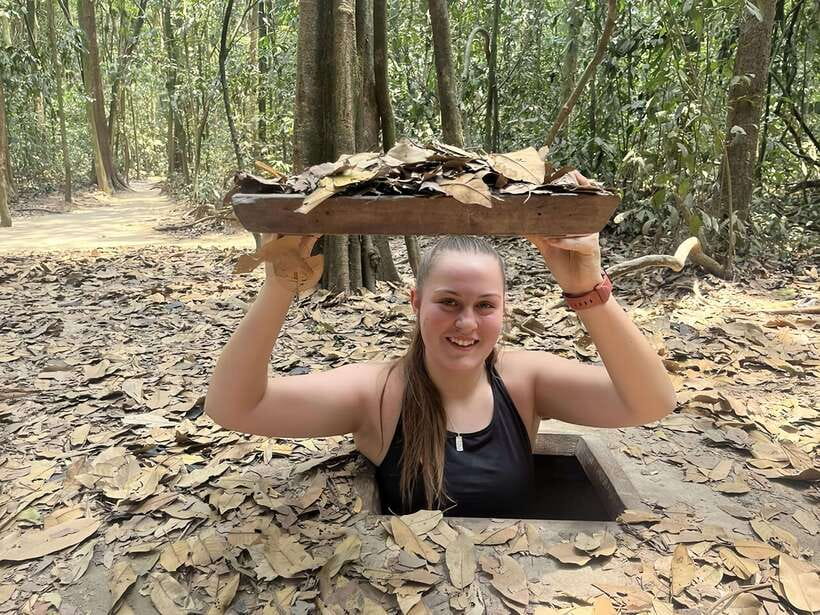
- Secret hideouts and camouflage ideas, like leaf cover and spider-web tunnel networks
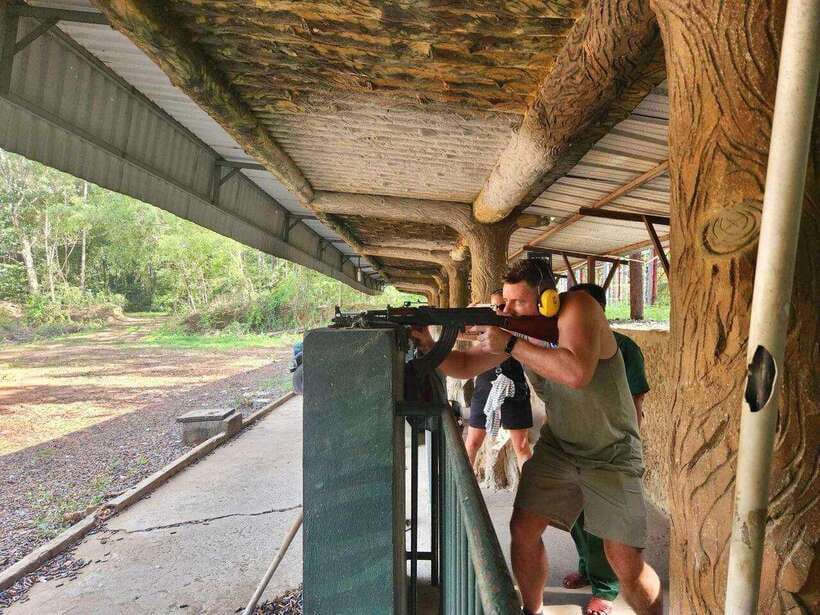
- Optional gun shooting with real AK-47 and M-60, plus a bullet fee to budget
Cu Chi Tunnels in Six Hours: What the Small-Group Day Really Covers
This is a half-day trip built for first-timers who want meaningful context without eating up your whole day. Plan on roughly 6 hours total, with transport handled in an AC car. You’ll start with pickup from the Ho Chi Minh City area—often right in front of your hotel—and finish back at your hotel afterward.
The tour’s shape is pretty clear once you understand the flow. You’ll get the background first, then you’ll move into the tunnels and secret networks. Finally, you’ll round things out with a snack that connects you to what people actually ate during the war era. If you add optional activities (like going deeper into the tunnels or shooting), that’s when timing and extra fees can affect your final experience.
Because the emphasis is history and understanding, you’re not just sightseeing. You’re learning how Vietnamese guerrillas lived, resisted, and fought using underground space and camouflage techniques.
You can also read our reviews of more city tours in Ho Chi Minh City



Start With Your Guide: Why the Explanations Matter Here
A Cu Chi trip lives or dies by the guide. You’ll have an English-speaking tour guide included, and other languages may be available with a surcharge. In the feedback I’ve seen, the best guides don’t just recite dates—they pace the story, answer questions, and keep the group moving without turning it into a lecture.
Names that came up positively include Soni, Tri, Wynn, and Long. The praise had a pattern: clear explanations, patience, and a sense of humor that made the ride feel lighter while still respecting the subject. One review specifically noted the guide took time to explain at a pace that worked for kids, which is a good sign if you’re traveling with family.
So here’s my practical take: if you care about turning the tunnel visit into real understanding, you’ll want to ask questions early. The guide is your translator for what the tunnels meant, how people survived, and why certain tricks—like camouflage—were crucial.
Documentary and War Footage: Getting the Story Before the Crawling
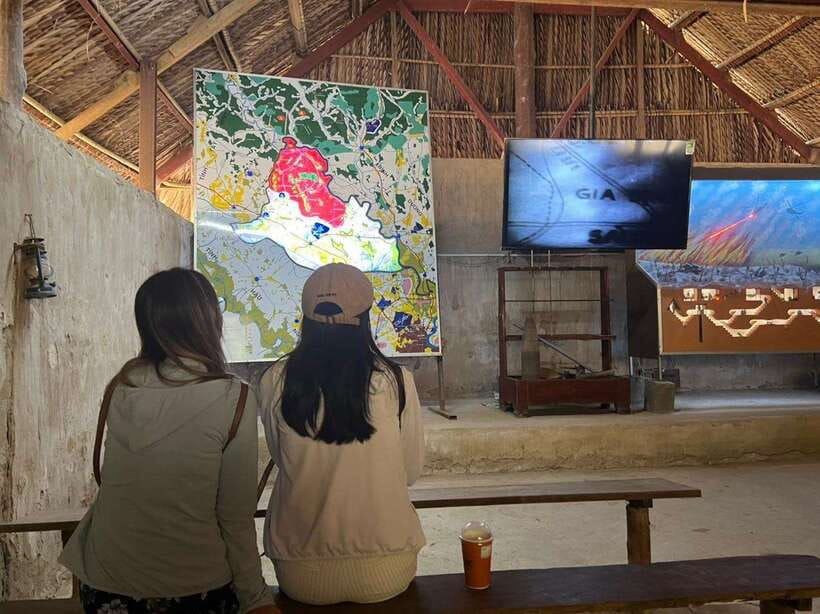
Before you start crawling, you’ll watch short documentary-style content and authentic footage from the war period. The goal isn’t to turn everything into shock value. It’s to give you a mental map so the underground life you see next makes sense.
Some parts are easy to miss if you come in cold. For example, tunnel systems weren’t just holes in the ground—they were part of an entire network used for refuge, hiding, and movement. Watching real footage first helps you connect that network to real decisions people had to make under pressure.
If you’re the type who hates information overload, this format can actually work in your favor. You’re getting the story in chunks, tied directly to what you’ll see next.
Underground City and Camouflage: The Spider-Web Logic
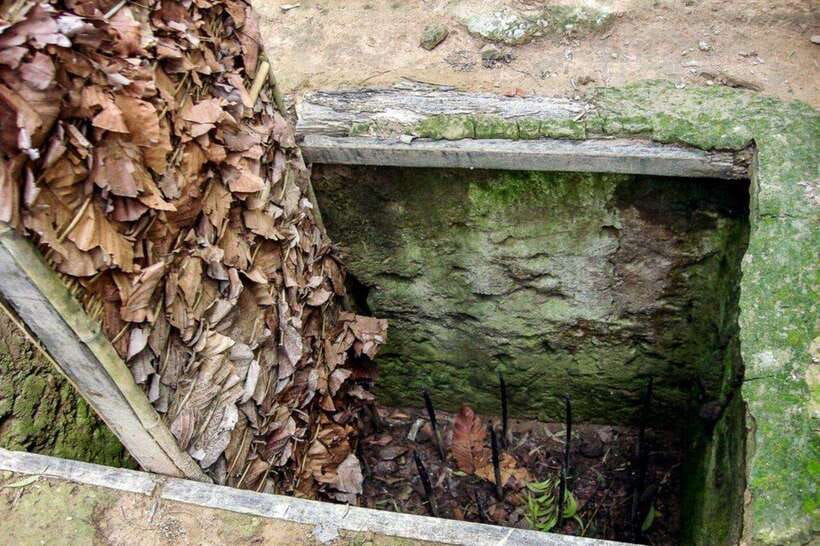
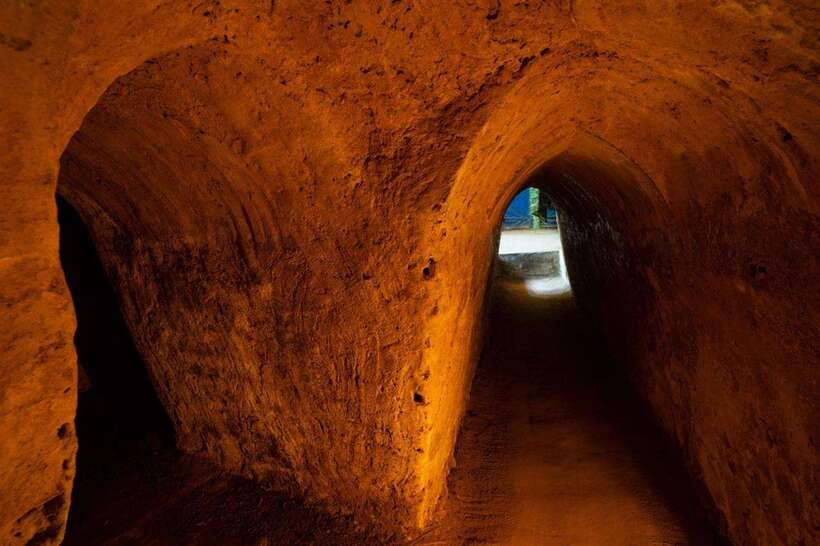
The Cu Chi tunnel system is described as intricate—like a spider’s web—with sections that function together as an underground city. On this tour, you’ll learn how guerrillas used secret refuge areas and how they blended into the environment.
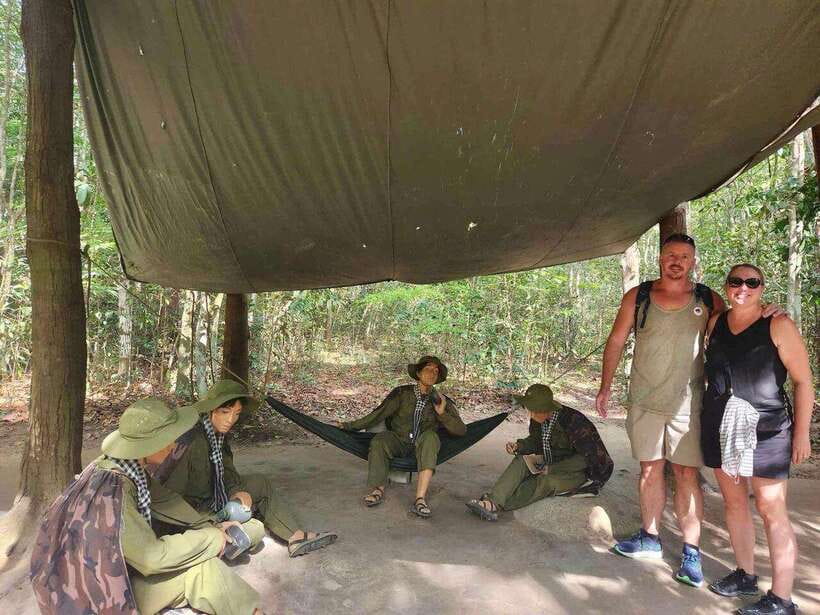
One standout theme in the tour description is leaf camouflage. You’ll hear how guerrillas used leaves to hide themselves and how that camouflage strategy connected to the wider tactics of the tunnels. Even if you’ve seen photos before, hearing the explanation while you’re close to the tunnel world tends to make it click.
This is also where the small-group style can help. If your guide gives you a moment to ask questions, you can get clarity on the details that matter—like how networks link up and what people were trying to accomplish with the hideouts.
Crawl Through the Narrow Tunnels: What It Feels Like and What to Expect

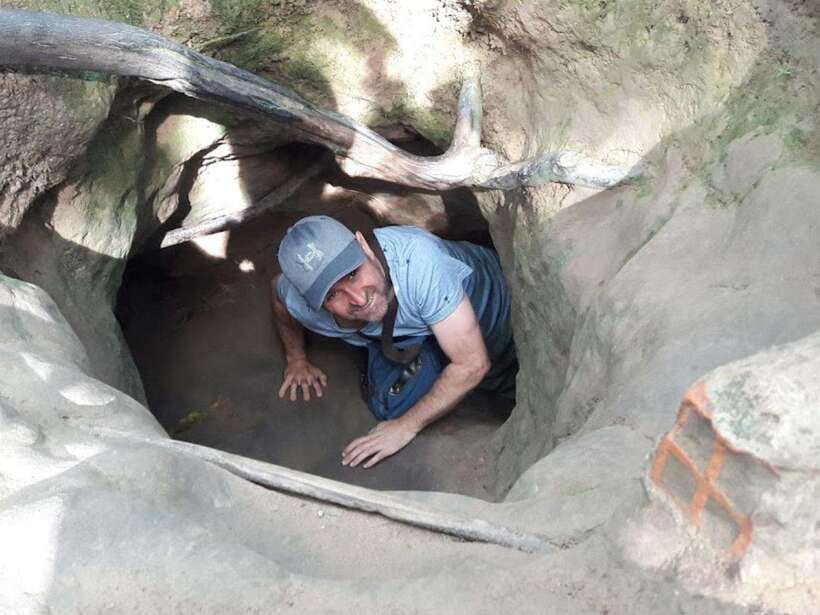
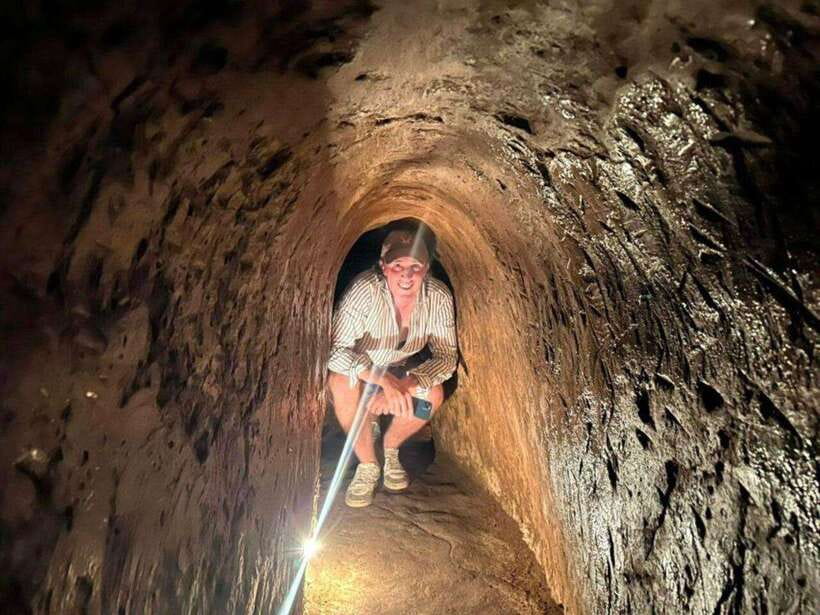
The most physical part is the chance to go inside very narrow tunnels. The description is blunt about it: the tunnels are tight enough that you truly feel what it meant to live and move there.
There’s one important practical note: there’s a surcharge if you want to go down to the tunnels. That means your final cost can rise depending on what’s offered when you arrive and what you choose to do.
If you’re deciding whether to attempt the crawl, think about these two points:
- The tunnels are narrow, so claustrophobia and mobility limitations matter.
- This part is the core of why people book the tour. If you skip it, you’ll still learn a lot, but the experience won’t hit the same way.
Also, pace can influence how your crawl feels. A guide who rushes might make it harder to focus on understanding and more about just getting through. One review criticized a fast, short visit, which is your reminder to choose this tour when you want guided coverage, not a slow walk-and-stare experience.



War-Era Food With the Hoang Cam Stove: Tapioca Is the Point
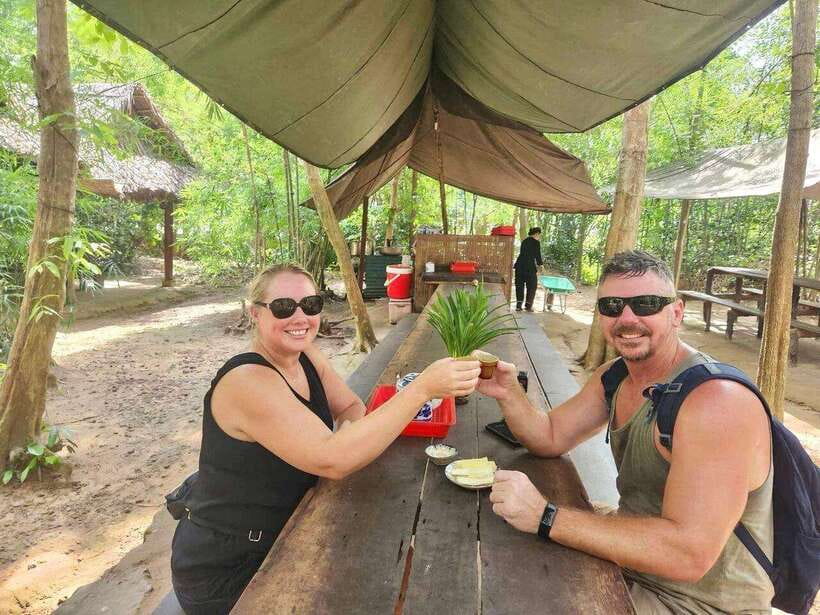
You don’t leave empty-handed. You get a light snack at Cu Chi that includes tapioca and tea, and the tour description highlights tapioca cooked using the Hoang Cam stove, a stove designed to help hide smoke.
This is one of those details that sounds small until you connect it to why it mattered. Cooking with smoke control isn’t a culinary gimmick—it’s survival. If you remember that, the snack stops being just a snack and becomes a quick, human connection to war-time routines.
In practical terms, plan on eating this during the tour rather than expecting a full meal afterward. That matters if you’re hungry when you start the day, and it’s worth keeping in mind alongside any tunnel surcharge or shooting time.
Optional Gun Shooting Range: AK-47 and M-60 Fees to Budget
Some versions of this experience include an opportunity to shoot with real bullets and fire famous guns like AK-47 and M-60. The key word for budgeting is optional: shooting is not included in the base price.
You’ll see an extra fee for bullets—roughly 600,000 VND for a pack of 10 bullets. Since that cost depends on how many shots you want, it’s smart to decide in advance whether shooting is truly for you.
Also, many people expect the whole day to be tunnels-focused. When gun range time is added, it can shift the balance of what you experience. Some reviews mention the tour felt rushed, and shooting stops can be part of the time squeeze for some schedules—so if you hate losing time, consider skipping shooting and focusing on the underground part.
Price and Logistics: How to Get True Value (and Avoid Surprises)
At around $26 per person for a 6-hour day trip, this is priced like a value tour. But real value in Cu Chi is not only the base fee—it’s what you get for that money once you account for add-ons.
Here are the main cost traps you should watch:
- Bullet fee for shooting (about 600,000 VND for 10 bullets)
- Surcharge if you want to go down to the tunnels
- Holiday pricing: a 30% surcharge on the total price on holidays
- Language surcharge: English is included, but other languages may cost extra
There’s also a simple “do this once and save yourself stress” tip: the tour notes to text the provided phone number before booking to check availability (+84 94 169 2765). I agree with that advice. One issue that shows up in reviews involves language pricing and what the booked language actually becomes on the day. If you want Spanish, confirm it clearly before you pay.
In my view, this isn’t paranoia. It’s basic travel math. If you’re paying extra to experience the tour in a specific language, you should know the rules up front.
What the Best Guides Do Differently
One pattern across positive feedback is that the guides make the day feel organized without making it cold. People praised guides for being:
- patient with questions
- clear with explanations
- aware of group energy, using humor during the drive
- able to keep pace without turning the visit into chaos
That’s a big deal because Cu Chi is not a place where you want to feel lost. You want to understand why there are so many hidden spots, how the network worked, and what camouflage strategies were designed to accomplish.
So if you get a guide who gives you that “now you see it” feeling, the whole tour reads differently—even the tunnels start to make logical sense instead of just looking like a tourist attraction.
Who Should Book This Tour (and Who Should Rethink It)
This is a good fit if:
- You want a guided Vietnam war history experience tied directly to place
- You like hands-on learning (yes, crawling is the point)
- You value a guide who can explain and respond, not just point
- You’re okay with war subject matter and real footage
It’s a tougher fit if:
- You hate tight spaces and don’t want to attempt the crawl
- You strongly dislike guns and don’t want any shooting-related stops
- You’re very sensitive to timing, since pacing can vary by guide and schedule
For families, it can work well if the guide adapts their pace. One review noted a guide spoke slowly so kids could understand, which is exactly what you’d hope for in a half-day format.
Should You Book Cu Chi Tunnels With a Small Group?
If you want a compact day that connects documentary footage, tunnel exploration, and a tapioca snack tied to war survival, I think this is a smart choice. The guides praised for clarity and patience can turn the visit into real understanding instead of a rushed checklist.
Book it if you can answer these questions in your head:
- Do I understand there may be extra fees for tunnels and shooting?
- Did I confirm the language I want is actually included in the price?
- Am I okay with the emotional weight of war history and the physical reality of narrow tunnels?
If you’re unsure about language or add-ons, do what the tour suggests: text before booking. It’s the quickest way to prevent the kind of mismatch that can sour the whole day.
FAQ
FAQ
How long is the Cu Chi Tunnels small-group tour?
The duration is 6 hours. You can check available starting times when you reserve.
What’s included in the price?
Included are AC car pickup and drop-off in Ho Chi Minh City, an English-speaking tour guide, bottled water, and a light snack with tapioca and tea at Cu Chi Tunnels.
Is the tunnel crawl included?
Going down to the tunnels has a surcharge. It’s not listed as included.
Are AK-47 and M-60 shooting fees included?
No. The tour lists a separate bullet fee for the shooting range, roughly 600,000 VND for a pack of 10 bullets.
What languages are available for the guide?
English is included, and the guide can be provided in languages listed as English, Chinese, Japanese, French, Italian, Spanish, Korean, Russian, and German, with a surcharge for other languages beyond English.
Is there free cancellation?
Yes. You can cancel up to 24 hours in advance for a full refund.
Is the price higher on holidays?
Yes. There’s a 30% surcharge on the total price on holidays in Vietnam.