REVIEW · HANOI
From Hanoi: Trek and Stay: 3-Day Sapa Highlands Adventure
Book on GetYourGuide →Operated by Mountain Light Homestay · Bookable on GetYourGuide
Sapa turns walking into culture class. This 3-day Sapa Highlands Adventure strings together Cat Cat Village, Sin Chai, Ta Van, and Red Dao communities with an English-speaking guide doing the translation and context. I particularly like how the route mixes village time with actual trekking, not just quick photo stops.
What I like most is the balance: you get a real homestay night in Ta Van plus an active Day 2 and Day 3. The one caution is logistics: the early Hanoi departures and the sleeper-bus ride can feel cramped for some people, and the pace includes muddy uphill stretches when weather turns wet.
In This Review
- Key Points to Know Before You Go
- Where This Sapa Trek Fits in (Dong Bac, village-to-village style)
- Hanoi Pickup and the Sleeper Bus Ride (what actually drives your day)
- Day 1: Cat Cat Village, the Hydraulic Power Station, and Sin Chai
- Cat Cat Village walk
- Sin Chai village in the late afternoon
- Day 2: Y Linh Ho and Lao Chai before Ta Van homestay dinner
- The walking math: 6 km plus 3 km
- Lunch and check-in in Ta Van
- Day 3: Red Dao hiking focus in Giang Ta Chai and Supan
- Your Home Base: 3-star Sapa hotel plus a Ta Van dorm night
- Night in Sapa town (shared hotel)
- Night in Ta Van (homestay dorm)
- Guides Make or Break This Trek: English clarity and route choices
- Trekking Difficulty, Mud, and What to Pack
- Price and Value at Around $98: what you get for your money
- Who This Trip Fits Best (and who should skip it)
- Should You Book This Sapa Trek?
- FAQ
- How do I get picked up in Hanoi for the Sapa trip?
- What are the dates and timing for the trip?
- What sleeping arrangements are included?
- What trekking distances are included?
- Are meals included?
- Is there an English-speaking guide?
- Is there extra cost for public holidays or solo travelers?
Key Points to Know Before You Go
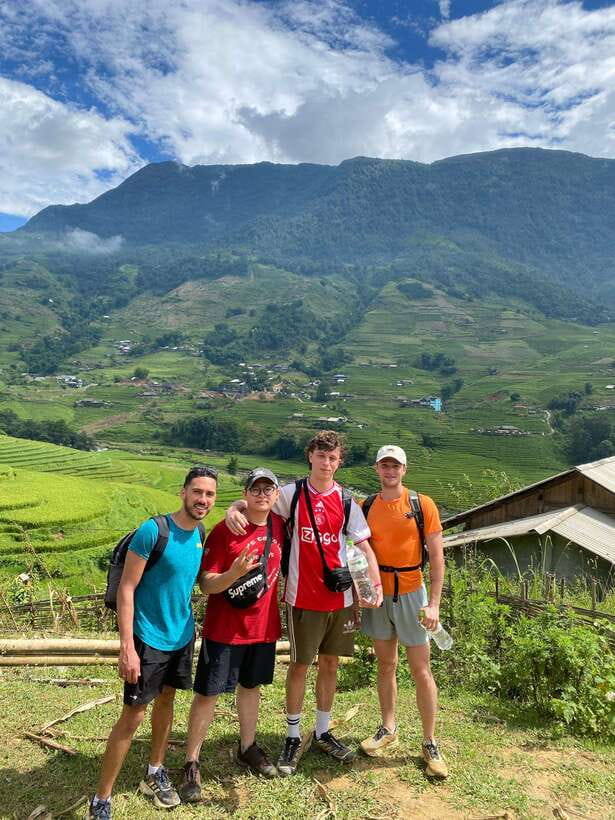
- English guide, local perspective: Many guides are locals from the area, with clear English and strong community knowledge.
- Real trekking distances: Day 2 covers 6 km + 3 km; Day 3 includes an 8 km walk segment.
- Homestay in Ta Van: You’ll sleep in a dorm room at a homestay, typically more rustic than the Sapa hotel night.
- Cat Cat Village is mixed: Expect tourist-style stops mixed with a historic feel around the waterfall and Hydraulic Power Station.
- Group tour structure: You’ll hike with a group and share the day’s rhythm, which is great for many people but not for everyone.
- Weather matters: Cold mist and mud are common enough that packing warm layers and traction-friendly shoes is smart.
Where This Sapa Trek Fits in (Dong Bac, village-to-village style)
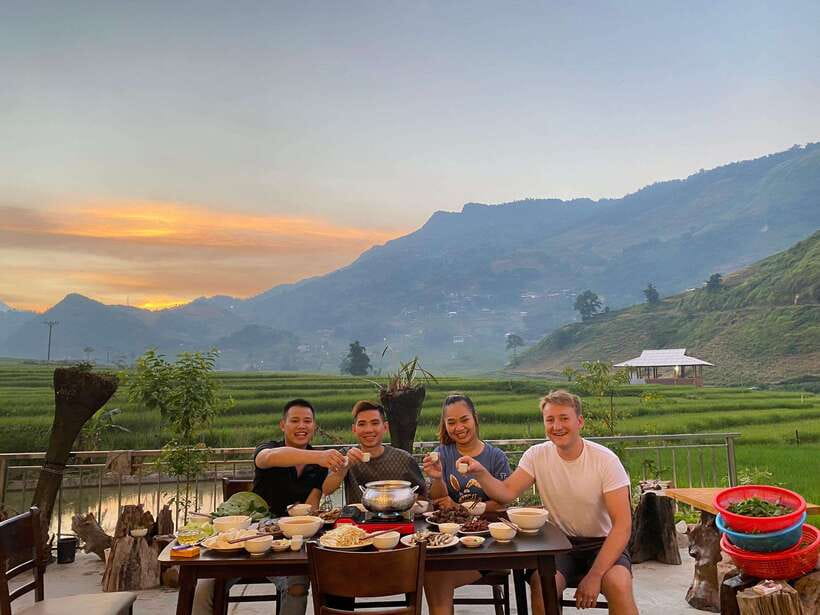
Sapa is famous for views, sure. But the best part here is what happens between the views: village life, walking paths between communities, and guide-led explanations that make the scenery mean something. This trip runs on a simple rhythm. You travel in the morning, hike through ethnic villages in the day, and sleep either in Sapa town (hotel) or with a homestay community (Ta Van).
The itinerary also tries to keep your time from feeling stolen. You start early, but once you’re in the mountains you’re not stuck in a bus all day. You’re walking, seeing places like Cat Cat and Sin Chai on Day 1, and then moving deeper into village areas on Day 2 and Day 3.
You can also read our reviews of more hiking tours in Hanoi


Hanoi Pickup and the Sleeper Bus Ride (what actually drives your day)

Your day begins early in Hanoi. Pickup is from Old Quarter hotels around 06:00–06:30. If your hotel isn’t in the Old Quarter, you’ll need to make your way to the office at 54 Hang Tre, Hoan Kiem.
Then comes the long road to Sapa via the Noi Bai – Lao Cai highway. You’ll stop around 10:00–10:30 for a break in Lao Cai City, and you should arrive in Sapa around 13:00–13:30. The tour includes a modern sleeper bus for Hanoi–Sapa–Hanoi.
Now, here’s the honest part. One person found the bus ride fine both ways. Another called the ride narrow and crowded and said the return was uncomfortable for the first part of the trip. Translation: the bus can vary by conditions and demand, so don’t assume it’ll feel like a business-class seat. Pack for the reality of a sleeper bus: a warm layer, something for your neck/head, and patience.
Also, don’t be surprised by an early van transfer step. Some groups report being picked up in an extra vehicle early, then transferred to the sleeper bus once everyone is collected. It sounds chaotic when you’re waking up, but it’s normal for how group pickups are handled.
Day 1: Cat Cat Village, the Hydraulic Power Station, and Sin Chai
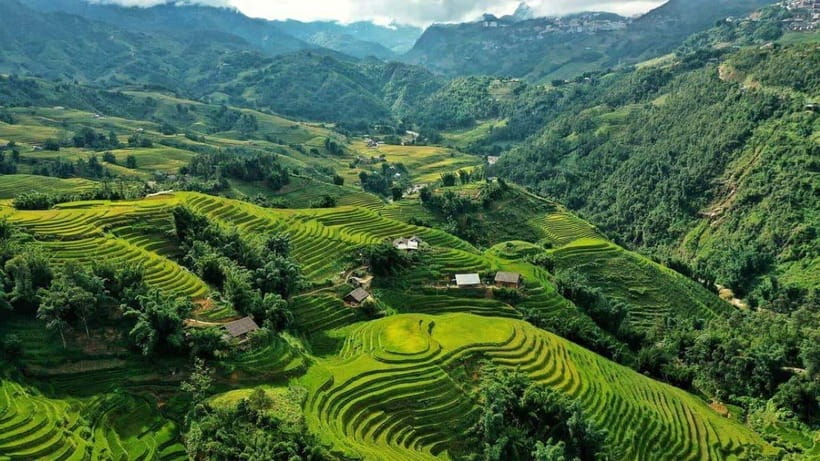
Day 1 is your “get your bearings” day. After arrival in Sapa town, you’ll have lunch and then head into the village route.
Cat Cat Village walk
Around 14:30, the trek goes to Cat Cat Village. You’ll see daily life up close and visit two standout stops:
- a waterfall
- the historic Hydraulic Power Station
This is the part of Sapa where you’ll understand why Cat Cat is a magnet for tours. It’s scenic and easy to reach. The downside is that Cat Cat can feel a bit commercial at times. In practical terms, you may pass through shop stops more than you’d like. If you’re there for crafts and demonstrations, you’ll enjoy the energy. If you hate being pushed toward purchases, keep your focus on the walking sections and the historic bits.
Sin Chai village in the late afternoon
Later, around 17:00, you’ll explore Sin Chai village. This timing matters. Late-day light softens everything, and the mood shifts away from the busiest tourist rhythm.
Then you return to Sapa town for dinner and free time, and sleep in a shared 3-star hotel room (2 people per room).
A few more Hanoi tours and experiences worth a look




Day 2: Y Linh Ho and Lao Chai before Ta Van homestay dinner
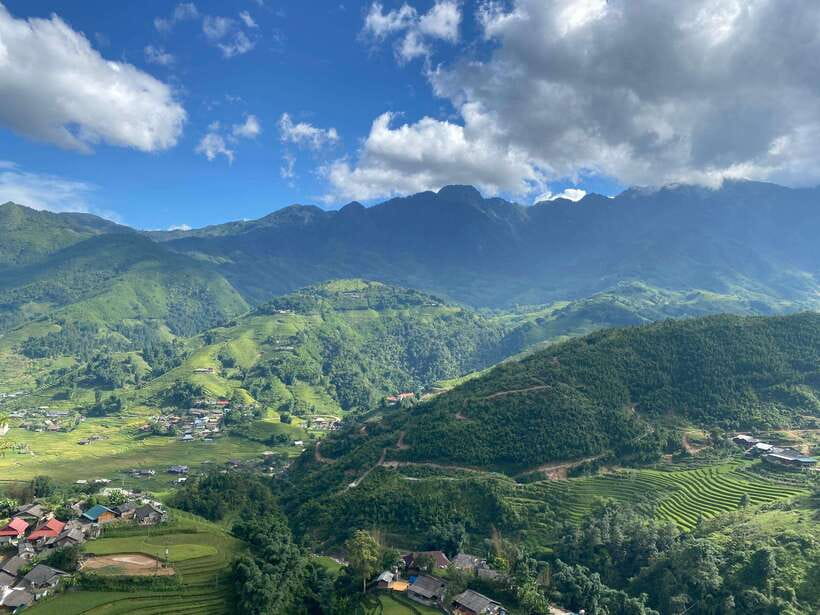
Day 2 is when this trip really starts to feel like a hike. Breakfast is 7:00–8:00, then you begin trekking.
The walking math: 6 km plus 3 km
You’ll start with a 6 km trek to Y Linh Ho, then continue 3 km to Lao Chai village. That’s not a speed-walking day. This is a “stop, look, breathe, learn” kind of route.
What makes those villages work well is that you’re not just moving through scenery. You’re moving through community space. Your guide can explain what you’re seeing and how people live along the route. Some guides named by past groups included Pang and Peng, who were praised for clear English and strong local knowledge.
Lunch and check-in in Ta Van
At 12:00–12:30, you’ll have lunch at Ta Van village, check in, and rest. Then the afternoon is for visiting additional local village areas. At 17:00, you return to the homestay, prepare, and eat dinner.
Overnight is at a homestay in Ta Van in a dorm room. That’s the tradeoff for the authenticity. You get community life and a slower-feeling evening, but you’re giving up hotel privacy.
Some groups loved the homestay setup for its welcome vibe and views, including mention of a friendly dog at one Ta Van stay. Others flagged that the food can repeat and that the homestay can feel rustic in a backpack-friendly way. In other words: expect heart, not hotel standards.
Day 3: Red Dao hiking focus in Giang Ta Chai and Supan
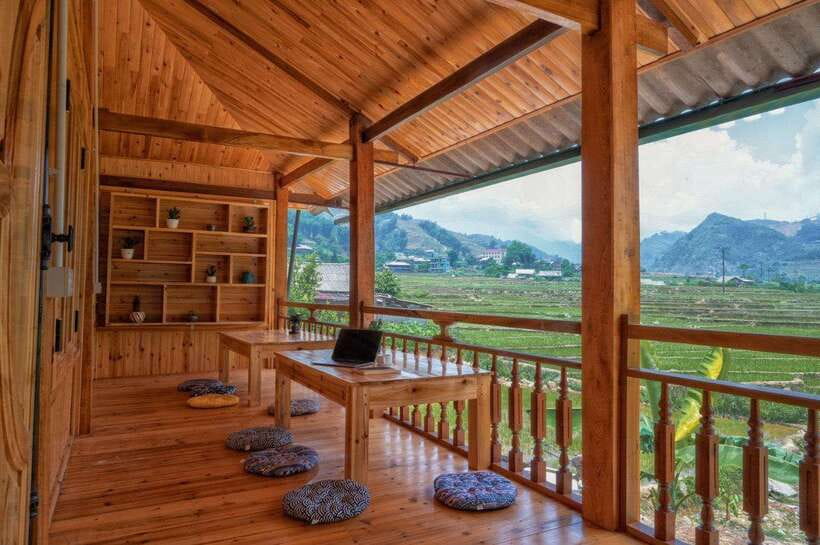
Day 3 starts with breakfast at 7:00 at the homestay. Morning begins with a village visit stretch:
- Giang Ta Chai Village and Supan Village around 8:00–8:30
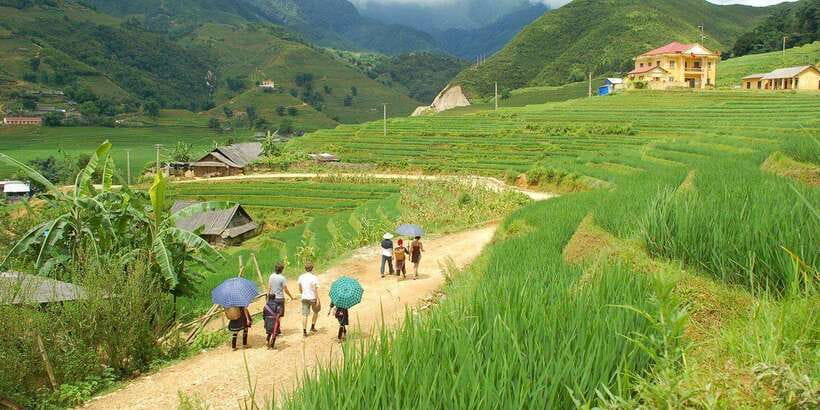
Then you do the main walking segment. There’s an 8 km trek to Giang Ta Chai village of the Red Dao people. The key detail here is identity and context: this isn’t just a general “mountain walk.” The trip highlights Red Dao community space and puts it on your route.
After the trek, you get lunch and a rest back at the homestay around 12:00. Then at 14:00, you’re picked up by car to Sapa, and you board the bus back to Hanoi around 15:00–15:30. Arrival in Hanoi is listed for 21:00.
Your Home Base: 3-star Sapa hotel plus a Ta Van dorm night
This tour gives you two different sleeping styles, and it’s good to understand what you’re trading.
Night in Sapa town (shared hotel)
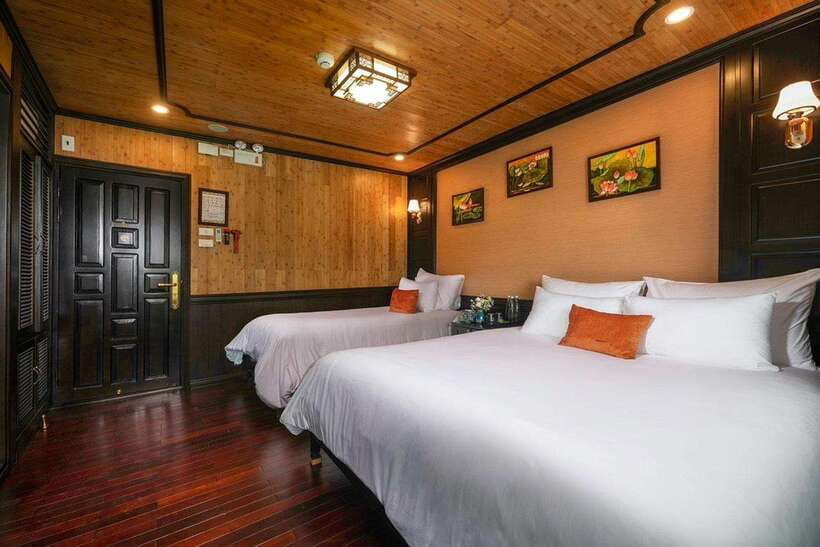
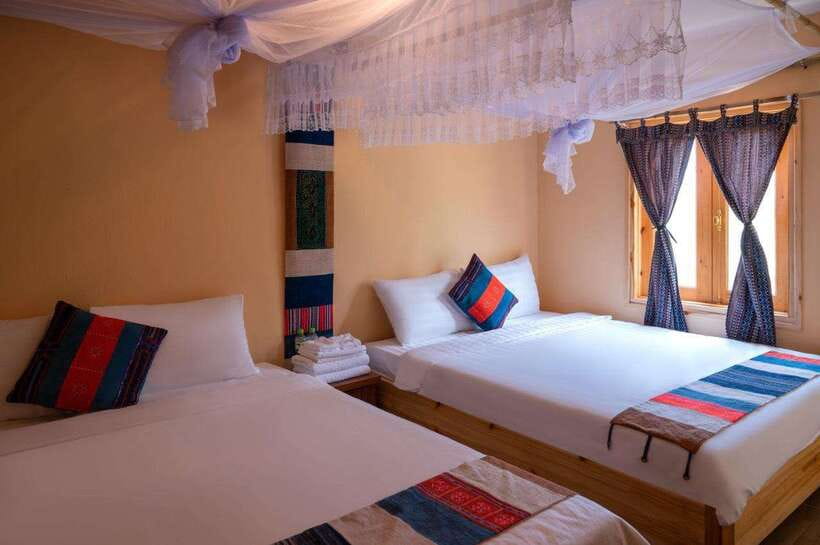
You get 1 night at a 3-star hotel in Sapa town, shared with 2 people per room. Many people describe it as clean and functional but not fancy. One group specifically mentioned the hotel being basic, and another noted minor issues like no heat or a small repair problem. So aim for comfortable basics, not luxury.
Night in Ta Van (homestay dorm)
The homestay night is the bigger experience. Expect a dorm-room setup (not a private room), rustic vibes, and homestay-style meals. Some people found it charming and welcoming. Others said homestay food can be similar from meal to meal, and some mentioned limited warmth because there’s no heat.
If you’re the type who gets grumpy without a quiet private room, you’ll feel it here. If you’re fine with shared space, you’ll probably enjoy the evening pace and the chance to see how daily life fits around the walk.
Guides Make or Break This Trek: English clarity and route choices
Sapa tours live or die by the guide. This one leans hard on local knowledge with English-speaking guidance while you’re in the Sapa trekking portion.
Past groups praised guides by name, including Ku and Cheng, Khu, Cha, Sao, Phinh/Phin, Zinh, Thao thi sò, Nhu, and Thai thi sò. The recurring theme: clear English, good explanations, and a genuine local understanding of ethnic groups and daily life.
One detail that really matters for hikers: some guides may take you on a harder-feeling route, including higher paths through rice fields and forests. That can mean more uphill walking, but it often translates into better views and a more memorable trail. If you’re worried about endurance, tell your guide you want to match your comfort level. The structure is flexible enough that some groups reported choosing longer walks for extra scenery.
Trekking Difficulty, Mud, and What to Pack

This is a trek with multiple village walks, not a stroll. The distances listed give you a clear picture:
- Day 1: trek to Cat Cat, plus exploring Sin Chai
- Day 2: 6 km + 3 km
- Day 3: 8 km (plus village visits)
Weather can change quickly. A cold misty day is realistic, and mud can happen. One group specifically recommended rain boots after the trails were muddy. In December, people advised bringing warm clothes and a hat, noting there are shops selling winter wear locally too.
So here’s the practical packing shortlist that matches real conditions:
- warm layers for mornings and evenings
- waterproof or quick-dry outerwear
- traction-friendly shoes (mud is not your friend)
- a light day pack
- water and snacks for the slow moments (your schedule includes meals, but you may want extra insurance)
If you’re sensitive to cold, don’t underestimate it. In Sapa, “comfortable” one hour can turn “chill” fast.
Price and Value at Around $98: what you get for your money
At $98 per person for a 3-day / 2-night adventure, value depends on what you consider “included.”
You’re getting:
- round-trip sleeper bus between Hanoi and Sapa with modern facilities
- English-speaking guide during the Sapa portion
- 1 night in a 3-star hotel (shared, 2 people per room)
- 1 night in a Ta Van homestay dorm
- 3 lunches, 2 dinners, 2 breakfasts
- entrance tickets as listed in the route
That’s a lot wrapped into one package. The bus alone can be a major cost and hassle when you DIY it. And the guide + meals + lodging structure is exactly what makes a short Sapa trip work for most people.
Two pricing caveats to plan for:
- A public holiday surcharge of 40% can apply, especially around Tet (29 April to 1 May).
- Solo travelers have a single supplement of 400,000 VND, but if the operator finds another solo traveler to share, the supplement can be waived.
So if you’re traveling in peak holiday timing, do the math early. If you’re solo, ask about sharing options sooner rather than later.
Who This Trip Fits Best (and who should skip it)
This tour is a strong fit if you want:
- a guided village experience with explanations in English
- a homestay night (not just a hotel night)
- enough hiking to feel like you earned your photos
- a group structure that keeps logistics simple
It may be less ideal if you:
- hate group travel and want total independence
- need a private room both nights
- expect the bus ride to be comfortable in every possible circumstance
- strongly dislike any kind of tourist stop (Cat Cat can include shop sections)
Should You Book This Sapa Trek?
I’d book it if you’re looking for the classic Sapa rhythm: walk between villages, sleep in Ta Van, and let a local guide explain what you see. The mix of Cat Cat and Sin Chai on Day 1, then Ta Van village life on Day 2, and a Red Dao focus plus a longer trek on Day 3 makes the trip feel like more than a one-night highlight.
If you’re price-shopping purely for the cheapest option, there are always cheaper ways to reach Sapa. But when you factor in the guided trekking, meals, and built-in hotel + homestay structure, this package earns its place. Just come prepared for a real trek, a real homestay dorm night, and the reality of early departures.
FAQ
How do I get picked up in Hanoi for the Sapa trip?
Pickup is from hotels in the Hanoi Old Quarter from about 06:00 to 06:30. If your hotel is not in the Old Quarter, you need to go to the office at 54 Hang Tre, Hoan Kiem, Hanoi.
What are the dates and timing for the trip?
This is a 3-day tour, and the starting times can vary, so you’ll need to check availability for the exact departures. The schedule provided shows pickup at 06:00–06:30 in Hanoi and a return to Hanoi arriving around 21:00 on Day 3.
What sleeping arrangements are included?
You’ll spend 1 night in a shared 3-star hotel room in Sapa town (2 people per room) and 1 night at a homestay in Ta Van in a dorm room.
What trekking distances are included?
Day 2 includes a 6 km trek to Y Linh Ho and then 3 km to Lao Chai. Day 3 includes an 8 km trek to Giang Ta Chai village of the Red Dao people (after the morning village visits).
Are meals included?
Yes. Meals included are 3 lunches, 2 dinners, and 2 breakfasts, matching the days in the itinerary.
Is there an English-speaking guide?
Yes. An English-speaking tour guide is included during the trip in Sapa.
Is there extra cost for public holidays or solo travelers?
Yes. There’s a public holiday surcharge of 40% of the total tour price, especially during Tet (29 April to 1 May). Solo travelers also have a single supplement of 400,000 VND, but it may be waived if another solo traveler can share your room.