REVIEW · HANOI
From Hanoi: 2-Day Sapa Trekking Tour with Homestay
Book on GetYourGuide →Operated by MOC MIEN RESORT SERVICES COMPANY LIMITED · Bookable on GetYourGuide
Sapa on foot hits differently. This 2-day trek turns a quick visit into real village time plus one night in a homestay at Ta Van. I especially like the small group size (max 12) and the mix of Black H’mong and Red Dao communities on the route.
The main drawback to plan for is the moderate-high walking: expect about 15 km total, early mornings, and some tough footing if weather turns wet.
In This Review
- Key things to know before you go
- Sleeper bus timing: getting to Sapa before most people wake up
- Day 1 trail: Y Linh Ho to Lao Chai and the Muong Hoa Valley crossing
- Ta Van homestay life and the 4:00 PM spring-roll cooking class
- Day 2: the 8 km trek to Giang Ta Chai and Red Dao village time
- Food, pace, and group size: why this plan feels organized
- What to pack for Sapa rain, bugs, and slippery steps
- Value check: is $75 a fair deal for bus, guide, homestay, and meals?
- Who should book this trek, and who should skip it
- Should you book the Sapa 2-day trekking tour with homestay?
- FAQ
- What time does the sleeper bus leave Hanoi?
- What time do we arrive in Sapa?
- How much hiking is included in total?
- Is a homestay included?
- What meals are included?
- Is the tour suitable for everyone?
Key things to know before you go
- Early start from Hanoi: sleeper bus leaves at 9:30 PM and you reach Sapa around 4:00 AM.
- Two ethnic-group village days: Y Linh Ho and Lao Chai (Black H’mong), then Giang Ta Chai (Red Dao).
- Homestay in Ta Van: check in after lunch, then a spring-roll cooking class in the afternoon.
- Guided navigation: a guide leads both hikes and handles the route between villages.
- Real walking distance: about 15 km total over two days, not a gentle stroll.
Sleeper bus timing: getting to Sapa before most people wake up

The tour starts the night before, with a Hanoi to Sapa sleeper bus pickup at 9:30 PM. You meet the driver at Hanoi Capsule Station in the Old Quarter area, or at your hotel/hostel in the Old Quarter if that’s your pickup point. You’re asked to be ready about 15 minutes early, which is standard for this kind of transfer and helps things run smoothly.
The payoff is timing. The bus gets you to Sapa around 4:00 AM, when you’ll still be waking up in the middle of the night. You then get a chance to rest until about 6:00 AM, so you’re not just arriving and immediately hiking. After that, the day starts with hotel pickup, a freshen-up window, and breakfast around 6:00 AM.
This schedule is a value play. You trade comfort for time in the mountains. If you’re hoping for a relaxed start, you won’t get that. But if you want to maximize daylight for the trails and village visits, the early arrival makes a real difference. Also, bring patience for the late-night logistics: you’ll be riding overnight, and you’ll feel it the next morning.
One more practical note: the guide is English-speaking, and meals are included, so you won’t be scrambling for food right when you arrive. If your plans change, cancellation is allowed up to 24 hours in advance for a full refund.
You can also read our reviews of more hiking tours in Hanoi


Day 1 trail: Y Linh Ho to Lao Chai and the Muong Hoa Valley crossing

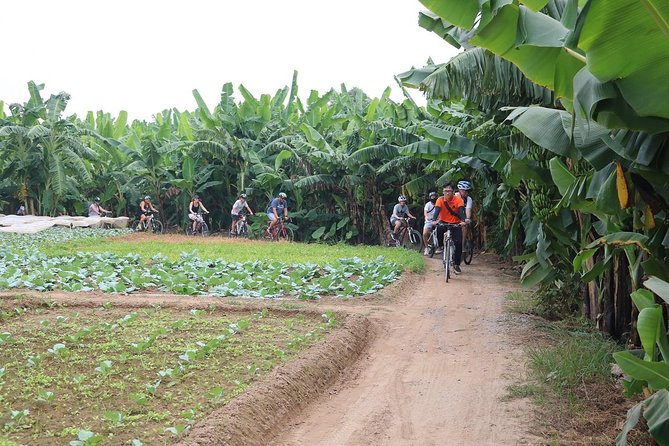
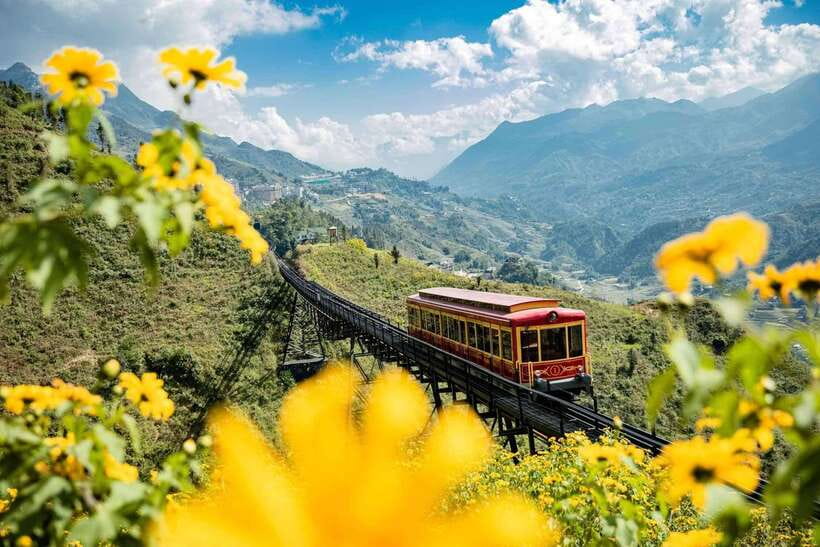
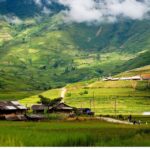
Day 1 is built around a classic Sapa-to-village route: Sapa → Y Linh Ho → Lao Chai → Ta Van. You’ll hike first at about 8:00–8:30 AM for roughly 6 km southeast of Sapa, reaching Y Linh Ho, a Black H’mong village surrounded by mountain scenery and terraced fields.
What makes this part work is the structure. You’re not just walking between stops; you’ll explore Y Linh Ho first, then continue onward. That gives you a chance to slow down and look closely at how life is organized in a village setting rather than treating every stop like a quick photo moment.
Next comes the second hike segment: about 3 km to Lao Chai. Between these points, the route includes a small tunnel or bridge that connects you toward the Muong Hoa Valley area. That detail matters because it can be the most mentally annoying stretch if you don’t expect it—tight spaces and uneven footing can make the pace feel slower. Your guide helps keep things moving.
By 12:30 PM, you’ll be at Ta Van village for lunch. After eating, you check in and rest. This midday reset is important on this kind of trek, because Day 1 has two different walking segments and then you still have an afternoon program.
If you’re sensitive to walking intensity, Day 1 is where you’ll feel it most. Good shoes make the difference, and rain gear can save your day if clouds roll in.
Ta Van homestay life and the 4:00 PM spring-roll cooking class
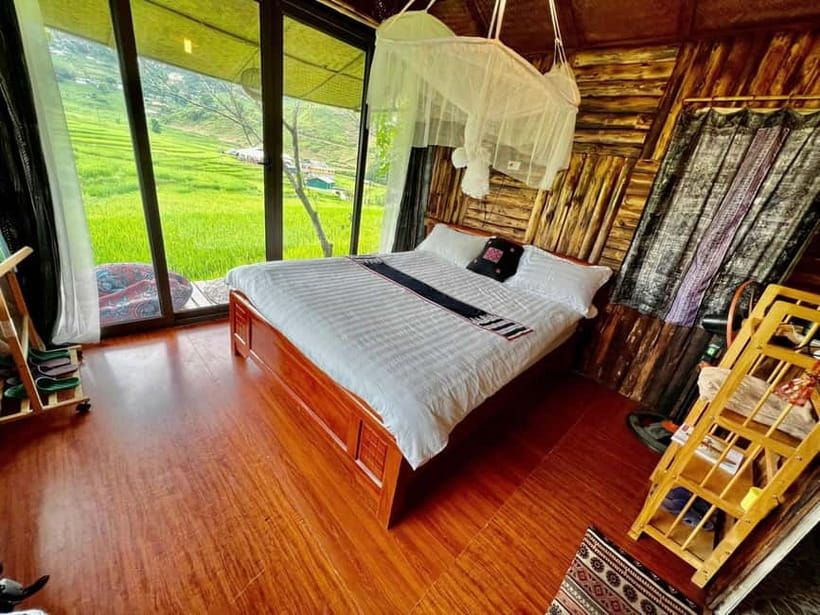
After lunch, the tour slows down in the best way: Ta Van homestay time. You check in, rest, and then you’ll go out with your guide to visit villages and see everyday life in the area. The schedule calls for village visits in the afternoon, with a return to the homestay around 4:00 PM.
This is when the experience becomes more personal. Cooking is not just a fun activity; it’s a hands-on way to learn. You’ll take part in a traditional Vietnamese spring-roll cooking class. Even if your cooking skills are beginner-level, it’s a practical moment because you’ll connect ingredients and technique to what you later eat for dinner.
Dinner at 6:30 PM is included, and it’s one of the biggest reasons people like this tour. With homestays, you’re typically eating food that’s made for the people who live there, not just for tourists. On top of that, you’re not stuck searching for restaurants after a long hike.
There’s also a more subtle value here. A homestay gives you a break from the constant motion. Instead of being on the move until bedtime, you get a planned block of quiet time. You can dry your shoes, rest your legs, and reset before the next day’s trek.
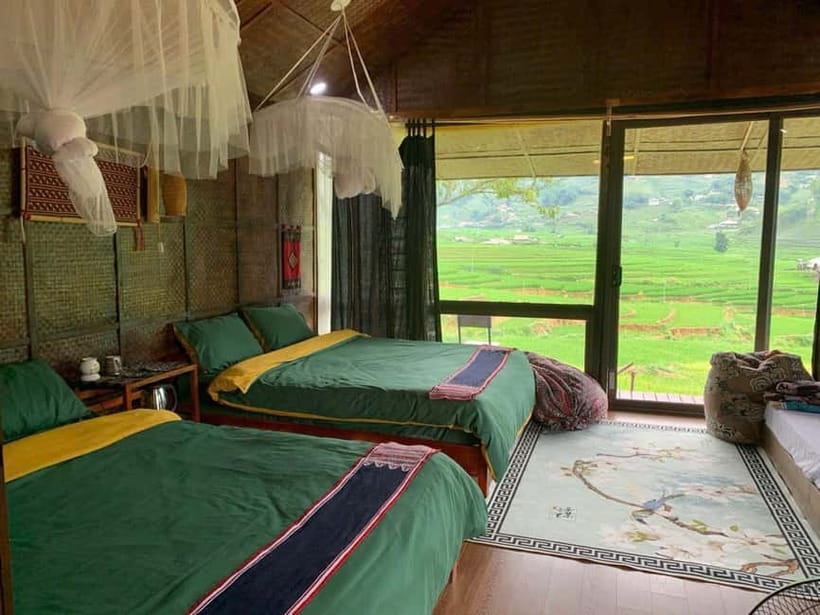
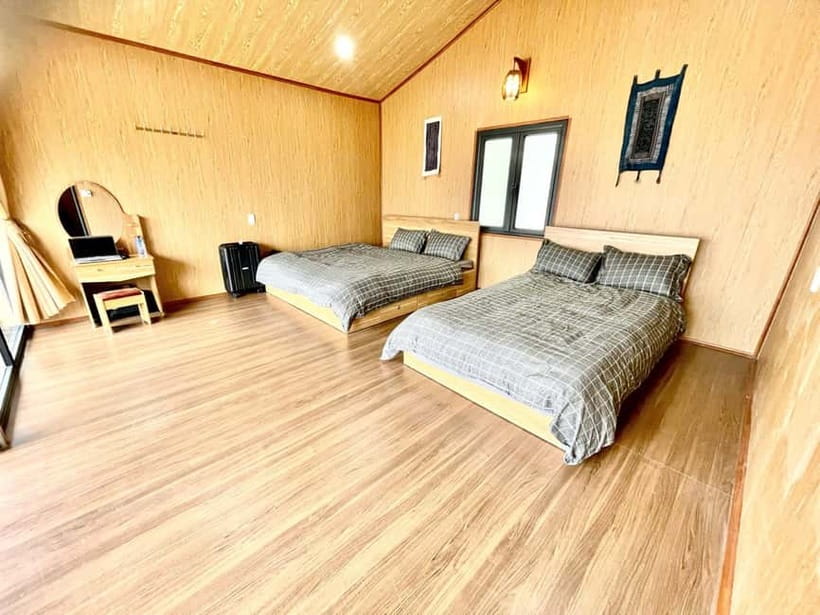
The tradeoff is comfort. Homestays aren’t hotel-grade, and that’s part of the deal. If you need predictable amenities, you may find it frustrating. But if you’re traveling for real interactions and a chance to slow down, this is where the tour starts feeling special.
Also, one guide name that comes up in past trips is Mao Co, known for sharing her family and cultural background while guiding the route.
Day 2: the 8 km trek to Giang Ta Chai and Red Dao village time

Day 2 starts with breakfast at 7:00 AM at the homestay. Then at 8:00 AM, you’re back on the trail for an 8 km hike to Giang Ta Chai, a Red Dao village.
This day is slightly longer on paper than Day 1’s first segment, and that’s why preparation matters. The route also passes through two Red Dao communities, so you’re not simply arriving at one place. You’ll get multiple village encounters along the way, which helps the day feel less repetitive.
Giang Ta Chai has become a popular destination for travelers who want a closer look at Red Dao life, customs, and how people organize daily routines in a highland setting. Even though you’re hiking, the main point is the cultural connection: you’ll be walking with context rather than just chasing viewpoints.
By 12:00 PM, you have lunch at a local restaurant, followed by rest. This is another smart design choice. After an 8 km trek, you don’t want another long stretch before a break. You’ll get downtime before the return.
At 2:00 PM, you head back to Sapa Town by car, then board the sleeper bus between 3:00 and 3:30 PM for Hanoi. You’re back in Hanoi around 9:30 PM and you’ll disembark near Tran Quang Khai Street.
The end-to-end schedule is tight, but that’s the nature of a 2-day tour. You’re essentially swapping one big travel day (and long bus ride) for two solid walking days plus a homestay.
Food, pace, and group size: why this plan feels organized
This tour keeps the logistics under control in three ways: group size, meals, and timing buffers.
First, the group is limited to 12 participants. That matters more than it sounds. In a place like Sapa, walking trails can get narrow and uneven. A smaller group tends to stay together better, which means fewer lost-minutes waits and less pressure to match a pace that doesn’t work for you.
Second, meals are included. Breakfast on Day 1 after pickup, lunch at Ta Van on Day 1, dinner at the homestay, breakfast on Day 2, and lunch at a local restaurant on Day 2. Coffee and soft drinks aren’t included, but you’re not expected to purchase meals during the hike. That reduces decision fatigue and keeps energy levels steadier.
Third, the itinerary has built-in rest points. You’re not only hiking; you’re also resting at Ta Van and again after lunch on Day 2. Those pauses are what keep the experience from feeling like a nonstop endurance test.
Pace-wise, it’s still a real trek. The tour is listed as involving a 9-mile (about 15 km) total hike with a moderate-high fitness requirement. If you’re used to city walking but not hills and stairs, expect legs to feel it.
One more small detail: scheduled sightseeing tickets are included. That means you’re less likely to hit an entrance line or need to negotiate access while tired. It’s a small convenience, but on day one and day two, small conveniences stack into a smoother trip.
A few more Hanoi tours and experiences worth a look
- Doris Cruise 5 star cruise 2 days visiting Halong Bay Lan Ha Bay private balcony
★ 5.0 · 2,338 reviews





What to pack for Sapa rain, bugs, and slippery steps
Sapa trekking is won or lost by footwear and weather prep. Use the packing list as your baseline and then think about conditions.
Bring:
- Comfortable shoes and hiking shoes if you have them
- A hat
- Sunscreen
- Water
- Rain gear
- Biodegradable insect repellent
- Passport or ID card
For this itinerary, prioritize the shoes and rain gear. Wet trail sections can make rocks and dirt slick, and the route includes tunnels/bridges and multiple village paths where you can’t always predict footing. If you show up with fashion sneakers, you’ll probably regret it when the ground gets uneven.
Also, carry water even when meals are included. You hike during morning hours and then you’re out visiting. Your body needs hydration even if you’re not sweating buckets.
Finally, don’t forget you’re on a sleeper bus the first night and then you ride another segment back to Hanoi on Day 2. Wear layers you can adjust, because bus cabins and early morning temperatures can feel very different from what you expect in Sapa town.
Value check: is $75 a fair deal for bus, guide, homestay, and meals?
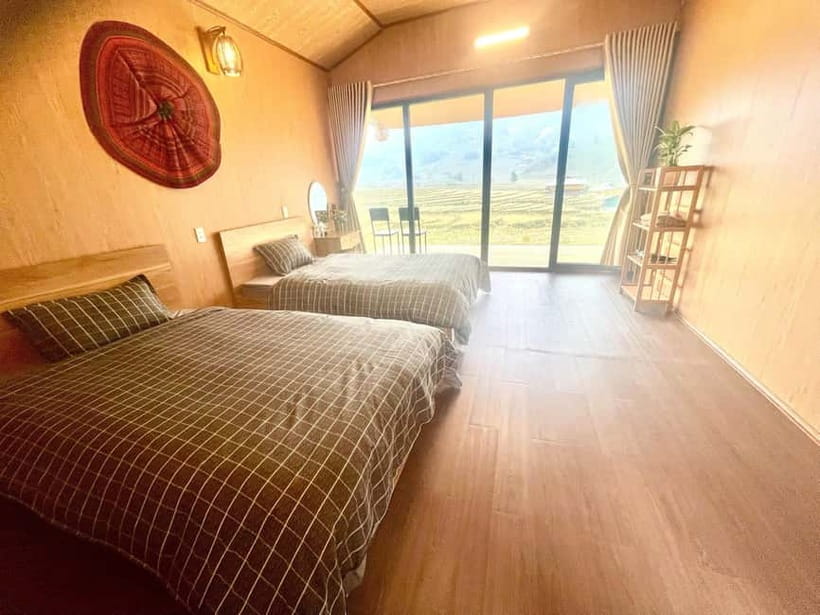
At $75 per person for 2 days, the value comes from bundling three things that are hard to DIY in one smooth package: transportation, a guide, and the homestay experience.
You get:
- Round-trip sleeper bus Hanoi ↔ Sapa
- A live English-speaking guide
- 1 night homestay
- Meals for the scheduled days
- Scheduled sightseeing tickets
What’s not included is mostly optional spending: coffee and soft drinks, plus travel insurance. That’s a normal split. The important part is that you’re not paying extra every time you want lunch, and you’re not trying to coordinate a homestay connection with last-minute planning.
Where DIY can beat this price is in scenarios where you already know the route, already have access to a homestay contact, and already have transportation lined up. Most people don’t. That’s why the package tends to feel like good value: you pay for the structure.
The other value point is risk reduction. A guide helps with navigation, timing, and staying together. With a 15 km walk and a route across multiple villages, that coordination is not a luxury. It’s part of why the experience stays enjoyable instead of stressful.
Who should book this trek, and who should skip it
This tour is a good fit if you:
- Want a 2-day walking plan with guided village visits
- Like the idea of one night in a homestay in Ta Van
- Can handle moderate-high walking (about 15 km total)
- Prefer small groups and an organized schedule
It’s also a good match if you enjoy cultural learning through everyday activities, like the spring-roll cooking class and village walks led by your guide.
It may not be the right choice if you:
- Are sensitive to strenuous hikes
- Need wheelchair-friendly paths (this one isn’t suitable for wheelchair users)
- Are pregnant (not suitable)
- Are traveling at an age beyond what the operator lists as suitable (not suitable for people over 95)
If you fall into the “I want fresh mountain air but not a workout” category, consider a lighter day tour instead. This one is for people who want to walk and are okay with sore legs after.
Should you book the Sapa 2-day trekking tour with homestay?
Book it if you want a tight, structured Sapa experience that combines walking, village visits, and a real night in Ta Van. The plan is organized enough to feel low-stress, but active enough that you’ll remember the route: Y Linh Ho, Lao Chai, Ta Van, and Giang Ta Chai.
Skip it if you’re not comfortable with hills and uneven steps, or if you need high comfort levels like you’d expect from a hotel. And if rain is in the forecast, treat rain gear and shoes as non-negotiable.
If your dates are flexible, the tour includes free cancellation up to 24 hours in advance and also offers a reserve now, pay later option, so you can hold your spot while you finalize other plans.
FAQ
What time does the sleeper bus leave Hanoi?
The pickup and departure from Hanoi start at 9:30 PM, with pickup at Hanoi Capsule Station or your Old Quarter hotel/hostel.
What time do we arrive in Sapa?
You arrive in Sapa around 4:00 AM, then you rest until about 6:00 AM before the first part of the day starts.
How much hiking is included in total?
The hike covers about 15 kilometers total over two days, with Day 1 around 6 km to Y Linh Ho and 3 km onward to Lao Chai, and Day 2 around 8 km to Giang Ta Chai.
Is a homestay included?
Yes. You stay one night at a homestay in Ta Van village.
What meals are included?
Meals included are breakfast (Day 1 and Day 2), lunch (Day 1 at Ta Van and Day 2 at a local restaurant), dinner (Day 1 at the homestay), plus the meals provided on the schedule. Coffee and soft drinks are not included.
Is the tour suitable for everyone?
It is not suitable for pregnant women, wheelchair users, or people over 95 years old. It also requires a moderate-high fitness level due to the hiking distance.