REVIEW · HANOI
From Hanoi: 2-Day Sapa Trek Tour – Luxury Limousine Transfer
Book on GetYourGuide →Operated by DragonflyCruise.com · Bookable on GetYourGuide
Sapa starts with a smooth limo ride. From Hanoi’s Old Quarter pickup to the mountain roads up to Sapa, this is a comfort-first way to reach the north. Then the trek days kick in with real local stops like Cat Cat and Lao Chai, so you get both ease and adventure without the usual travel stress.
I particularly like the small-group feel and the way the day is paced around the hikes and meal times.
A fair caution: the day 2 trek is genuinely long (often 9–12 km), and service details like pickup punctuality, lunch voucher portions, and even hotel room condition can vary.
The heart of this tour is the walking. You’ll go beyond Sapa town and follow paths through rice terraces, along streams, and down into valleys where you can hear waterfalls and see how daily life works in villages. Guides such as Chang, Ta May, Nhu, Mi, and Emiel come through with clear explanations and a strong sense of place, and that matters when you’re trekking at altitude and want meaning behind the scenery.
Here’s the main drawback to keep in mind: the trek distances and comfort level depend on your ability and the conditions, and some people report mismatches between what they expected and how the walking started. Also, your hotel choice (Charm Sapa Hotel or similar, or a Ta Van homestay option) can swing from cozy and well-run to a bit rough around the edges.
In This Review
- Key points that matter before you book
- Hanoi to Sapa by luxury limousine: the ride that sets the mood
- Day 1: Sapa arrival, Cat Cat village, and the waterfall hike
- Where you sleep: Charm Sapa Hotel versus a Ta Van homestay
- Day 2: Lao Chai and Ta Van, rice terraces, and the 9–12 km reality
- Back to Hanoi timing
- Food on the route: included meals that actually keep you going
- Practical prep: what to bring for muddy trails and cold air
- Guides and group size: why it feels personal
- Value for $189: what you’re really buying
- Who this Sapa trekking tour suits best
- Should you book this 2-Day Sapa Trek from Hanoi?
- FAQ
- How long is the Hanoi to Sapa 2-day trek tour?
- Where is pickup in Hanoi?
- What is included in the tour price?
- What trekking is included on day 1?
- How long and how far is the day 2 trek?
- Is there an option to skip the long trek on day 2?
- Are meals included, and are vegan options available?
- Do I need to carry all my luggage on the trek?
- What should I bring for the trek?
- What time will I return to Hanoi on day 2?
Key points that matter before you book
- Luxury limousine transfers with a couple of highway breaks on the way up and back
- Cat Cat to a valley waterfall with a guide-led trek near Fansipan Peak
- Lao Chai and Ta Van via rice terraces and Muong Hoa Streams, with distance adjusted to ability
- Hotel or Ta Van homestay so you can pick comfort versus local living
- Pack for mud and cold since you’ll hike, possibly in rain, and the air gets chilly in Sapa
Hanoi to Sapa by luxury limousine: the ride that sets the mood
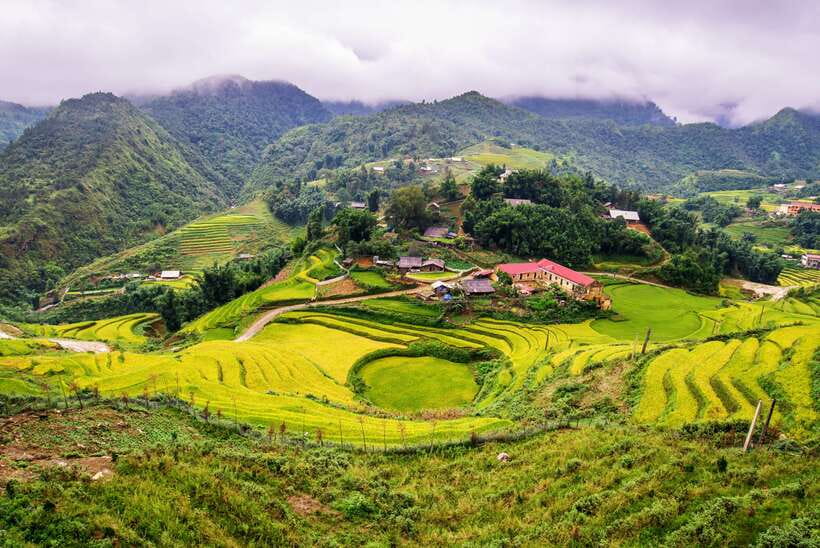
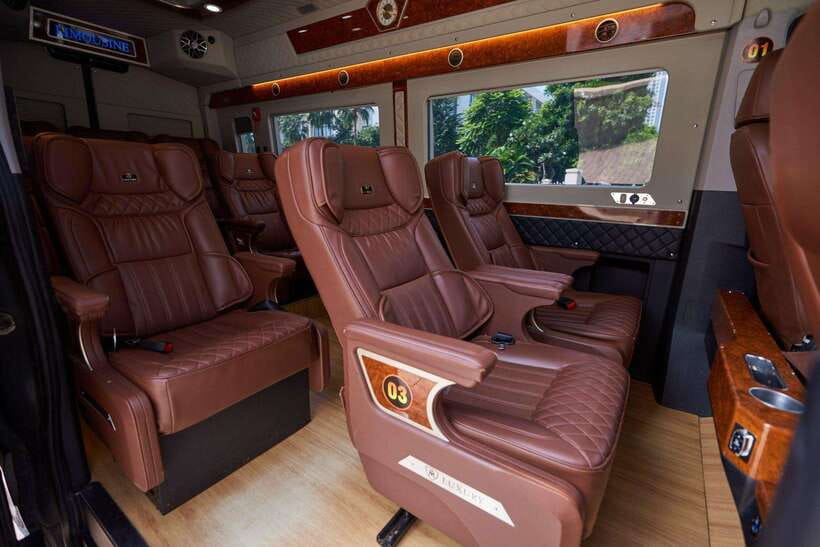
If you’re coming from Hanoi, the long drive up to Sapa can be the make-or-break part of the whole trip. This one leans into comfort. You’ll use an air-conditioned limousine bus for the roundtrip, and that’s a big deal when the mountain roads are slow and curvy. You also get breaks during the highway transfer, which helps you arrive less wrecked than you would after an all-day, no-break bus.
Pickup is designed to be simple. If you’re staying in the Old Quarter, you’ll be picked up from your hotel. If you aren’t in a hotel location easy for the bus to reach, you meet at 31 Lo Su, Hoan Kiem, Hanoi. That detail matters in Vietnam. Some addresses are tricky for big vehicles, so I’d rather plan to meet at the office than gamble on navigation.
One practical note: the driver on the Hanoi-to-Sapa route speaks very little English. That usually doesn’t affect the tour’s core experience, but don’t expect fluent updates in transit. If you have specific timing questions, save them for your English-speaking guide once you’re in Sapa.
A few more Hanoi tours and experiences worth a look


Day 1: Sapa arrival, Cat Cat village, and the waterfall hike
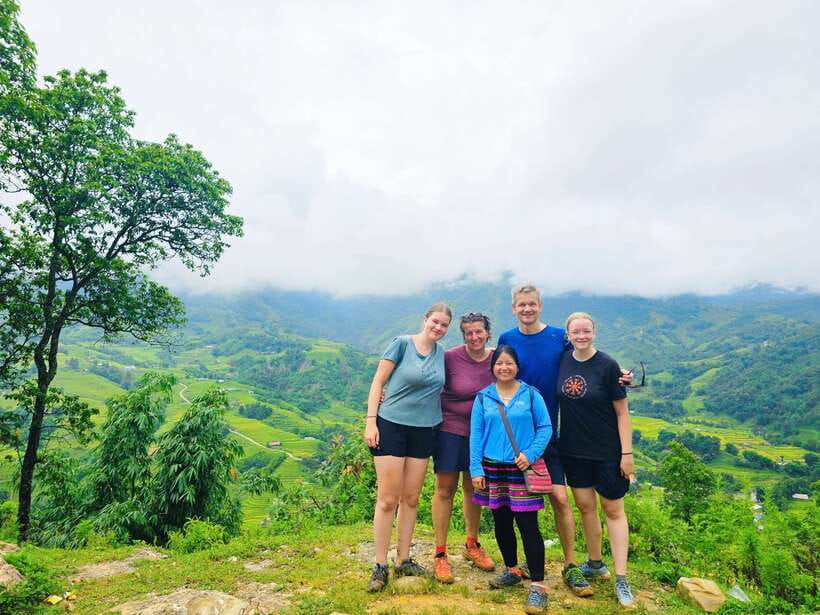
Day 1 starts early with the transfer from Hanoi to Sapa. There’s also a stop in Lao Cai city for a breakfast break on your own before continuing up. This is good in one way: you can eat something that fits your tastes before you start climbing. The tradeoff is you’ll want to plan for that extra meal cost since breakfast isn’t included on the road.
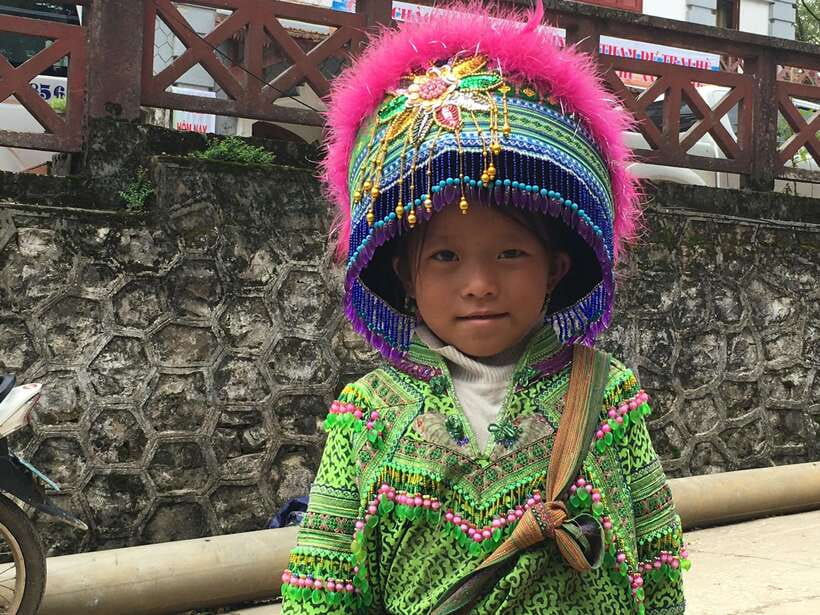
When you reach Sapa, lunch is handled for you at the hotel. This is when the tour settles into a rhythm: eat, meet the local guide, and then hike. The first trek heads to Cat Cat village, which is home to the Black H’mong community.
What I like about Cat Cat isn’t just the photos. It’s the shape of the walk. You trek down toward a valley waterfall, where a French-built hydraulic power station sits in the story of the area. You stop for photos, then you walk back uphill. The trek is about 3 kilometers and roughly 2 hours.
You’ll feel it even if you’re moderately fit, because Sapa’s steep paths work your legs more than distance suggests. I also like that your guide doesn’t treat the villages as scenery. With Cat Cat, the guide gives you insight into daily life, which turns the walk into something you understand, not just something you pass through.
Evening is free in Sapa town. Your overnight is in Charm Sapa Hotel (or similar) or you can choose a Ta Van homestay option depending on the package you select.
Where you sleep: Charm Sapa Hotel versus a Ta Van homestay

Overnight is where the tour gives you a choice, and you should match it to your priorities.
Hotel option (Charm Sapa Hotel or similar):
- Usually more predictable comfort and easier logistics for a two-day schedule.
- Check-in is at 13:30, and check-out is at 10:00. That matters if you’re thinking about extending your stay.
One review detail that’s worth noting: some rooms can be damp, moldy, or have pest issues in certain cases. Most people seem happy with the hotel and location, but I’d treat the hotel as a baseline mountain-town property, not a guaranteed luxury stay.
Homestay option (Ta Van):
- If you pick homestay, you’re opting for more local life and a more intimate feel.
- Reviews include a picture of homestay meals being big and memorable, with experiences like rice wine and herbal bathing mentioned as part of some homestay setups.
If you’re the type who cares more about comfort and sleep quality, go hotel. If you want local rhythm and don’t mind basic conditions, homestay is often the more rewarding choice.
Day 2: Lao Chai and Ta Van, rice terraces, and the 9–12 km reality
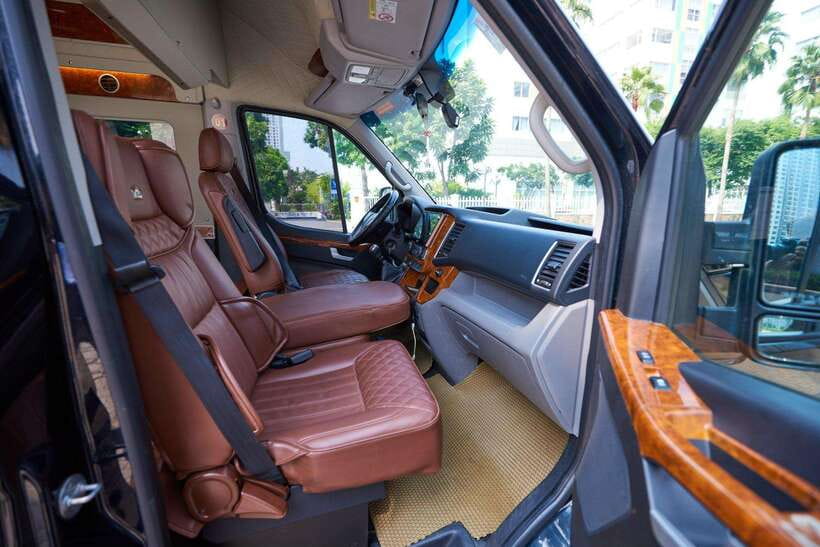
Day 2 is the heavy day. After breakfast, you’ll pack light for trekking. You can store bigger luggage at the hotel reception, which is smart. You don’t want to haul extra bags while you’re walking through terraced hills.
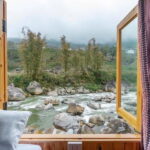
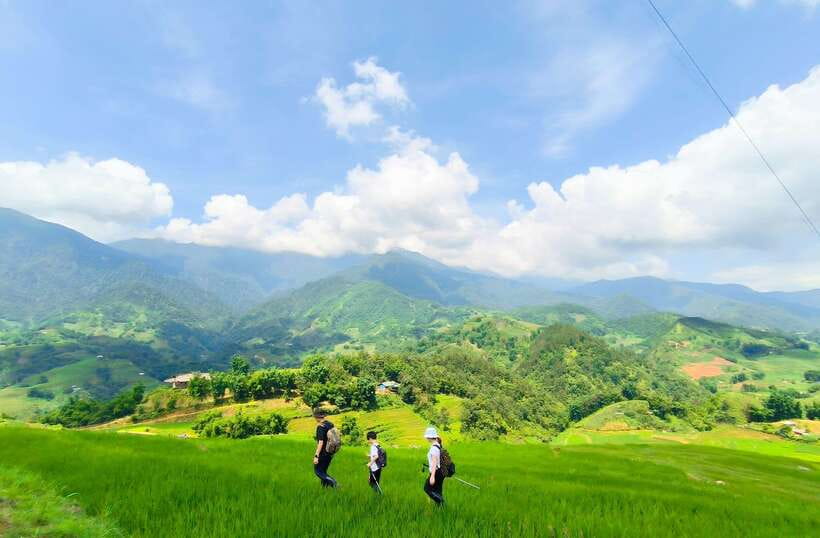
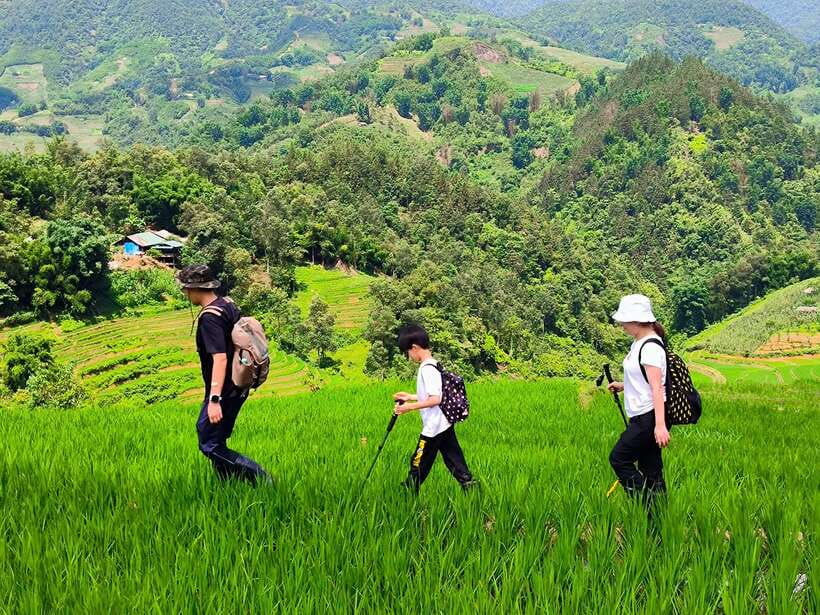
The trek starts with Lao Chai village. The route follows rice terraces and the Muong Hoa Streams, then moves into the Black H’mong community area. From there you continue toward Ta Van village, home of the Dzay People.
The walking time is about 3.5 hours, and the distance is around 9–12 kilometers. This is the number to take seriously. Sapa trails can be muddy, steep, and slippery after rain. Even if you’re a “walk a lot” person, the altitude and the uneven ground can make a 9–12 km day feel longer than you expect.
Good news: the guide adjusts the itinerary based on your trekking ability. If you want alternatives, your tour leader can help arrange another location if you prefer not to do the full Lao Chai–Ta Van trek. You’d be responsible for ticket and transportation costs for the alternative.
The tour ends with a pickup point at Ta Van Bridge, then you ride back to Sapa. You’ll have lunch at the hotel, then more free time to explore before the return to Hanoi.
Back to Hanoi timing
The bus heads back to Hanoi around 14:00, with a break stop during the drive. Arrival is usually around 21:00. That’s a solid end time because it keeps you from needing to plan a second day of chaos right away.
Some people report return comfort differences (for example, being put on a larger bus instead of the smaller one they expected). If comfort matters most to you, keep your expectations flexible on the return day.
You can also read our reviews of more hiking tours in Hanoi


Food on the route: included meals that actually keep you going

This tour includes two lunches and one breakfast. Meal timing is flexible using vouchers from the hotel side, so you aren’t stuck eating at an exact minute. You also avoid ticket-line hassle with entry included to the indicated sites.
Lunch is served as set menus. You’ll see options like:
- Pumpkin soup
- Sauteed chicken with mushrooms, Sapa salad
- Sauteed vegetables local style, steamed rice
- Seasonal fresh fruit
There are also beef and spring roll options, plus vegan set menus. Vegan menus listed include items like tofu in tomato sauce and tofu prepared on an iron plate, plus vegetables and steamed rice.
My advice: since these are set menus, tell your guide early if you have dietary needs beyond vegan. The tour data supports vegan options, but it doesn’t say the menu can be customized far beyond what’s listed.
Practical prep: what to bring for muddy trails and cold air
Sapa weather can flip fast. Even when the day looks clear, the treks can turn muddy. If you’re smart, you’ll bring:
- Comfortable shoes (non-negotiable)
- Sunglasses
- Sun hat
- Rain gear
- Passport or ID card
Also, plan for a clothing change. Multiple experiences mention bringing a second set of clothes for after the long trek. That’s not a luxury in the mountains. It’s how you avoid finishing the day cold, wet, and uncomfortable.
Altitude and temperature matter too. Reviews mention cold weather in winter and the need to take that seriously even if Hanoi feels hot when you leave.
Guides and group size: why it feels personal
This is set up as a small group with an English-speaking live guide. That makes a difference. In villages, the guide isn’t just translating names. They help you understand what you’re seeing and how people live in the region.
Several guides get named in real experiences, including Chang, Tai My, Vang, Nhu, Mi, Amie, Kathy, Dong, Emiel, and Ta May. Even when English ability varied a bit for certain guides, the overall theme is that you get genuine local connection and explanations that make the time on the trail feel intentional.
Group size is another quiet win. You’ll meet other people doing the same two-day schedule, which can make long bus legs feel shorter and gives you someone to compare notes with after a tough climb.
Value for $189: what you’re really buying
At $189 per person for a 2-day, roundtrip mountain transfer plus guide-led treks and meals, the value is in the bundle:
- Transport: AC limousine bus from Hanoi and back
- Guiding: English-speaking local guide during Sapa treks
- Sight and entry: tickets for indicated sites
- Meals: breakfast plus two lunches
- Accommodation: a deluxe room option or Ta Van homestay option
If you tried to DIY this, you’d likely pay for private transport, guides, and entry anyway. The tour’s main cost is buying your way out of planning friction. You trade some flexibility for structure. For many people, that trade feels worth it because two days in Sapa go fast, and the trek logistics need to be tight.
That said, don’t assume the $189 guarantees a perfect hotel room or perfect punctuality on every transfer. A few experiences flag delays, lunch voucher portion confusion, and room condition issues. The trek and the village guiding seem to be the strongest parts, while hotel quality can be the weak link.
Who this Sapa trekking tour suits best
This tour fits you if:
- You’re comfortable with moderate hiking and want a guided structure
- You want to see multiple villages: Cat Cat, Lao Chai, and Ta Van
- You like learning about ethnic communities with an actual guide walking with you
- You’re okay with chilly mountain weather and possible mud
This tour might not be a good fit if:
- You don’t want the day 2 distance (9–12 km is challenging for some)
- You have back problems, you use a wheelchair, or you’re traveling with young kids (children under 6 shouldn’t take part in the treks)
- You’re pregnant (not suitable per the tour info)
If you’re only slightly fit, I’d still consider it, but be honest about your limits. The guide can adjust the plan, and that’s one reason to book instead of going DIY.
Should you book this 2-Day Sapa Trek from Hanoi?
If your priority is a guided village experience with comfort on the transport legs, I think it’s a solid booking. The best part is that you’re not just seeing Sapa town. You’re walking into villages, rice terraces, and valleys where daily life is part of the story, and you have a guide to make it make sense.
Book it if you:
- can handle a full day trek on day 2,
- want hotel or homestay options,
- appreciate included lunches and a prepared schedule.
Skip it or choose carefully if:
- you’re highly sensitive to hotel room condition,
- you need guaranteed pickup punctuality with zero chance of hiccups,
- you’d rather avoid any long walking distance.
If you do book, pack your mud plan (shoes, rain gear, and a spare set of clothes). That one move can turn day 2 from stressful into fun fast.
FAQ
How long is the Hanoi to Sapa 2-day trek tour?
It runs for 2 days. Exact starting times depend on availability.
Where is pickup in Hanoi?
Pickup is offered in the Old Quarter of Hanoi. If you are not staying in a hotel or your address is hard to access, you meet at 31 Lo Su, Hoan Kiem, Hanoi.
What is included in the tour price?
Roundtrip air-conditioned limousine bus transfer, a local guide in Sapa, 2 lunches and 1 breakfast, entry tickets to indicated sites, and accommodation (deluxe room in a selected hotel or a Ta Van homestay option).
What trekking is included on day 1?
Day 1 includes a trek to Cat Cat village, near the foot of Fansipan Peak, with about 3 kilometers of walking and a visit toward a valley waterfall.
How long and how far is the day 2 trek?
Day 2 includes a trek through rice terraces and along Muong Hoa Streams from Lao Chai toward Ta Van. It takes around 3.5 hours and covers about 9–12 kilometers depending on ability and the final itinerary.
Is there an option to skip the long trek on day 2?
If you do not want the long Lao Chai–Ta Van trek, your tour leader can help arrange another location. You are responsible for any additional ticket and transportation costs.
Are meals included, and are vegan options available?
Yes. You’ll get 2 lunches and 1 breakfast. Vegan menus are available for lunch.
Do I need to carry all my luggage on the trek?
No. You can keep luggage in storage at the hotel reception during day 2.
What should I bring for the trek?
Bring a passport or ID card, comfortable shoes, sunglasses, a sun hat, and rain gear.
What time will I return to Hanoi on day 2?
The bus leaves Sapa around 14:00 and you arrive in Hanoi around 21:00, with a break stop during the drive.