REVIEW · HANOI
From Hanoi: 2-Day Sapa-Fansipan Peak & Trek & Ha Giang Bus
Book on GetYourGuide →Operated by CÔNG TY TNHH KỲ NGHỈ NINH BÌNH · Bookable on GetYourGuide
Sapa has a way of moving fast. This 2-day Hanoi to Sapa plan mixes a classic Fansipan Peak summit visit with the famous Lao Chai–Ta Van trek—so you get big mountain views and real village life without wrestling logistics. I love how organized the flow is from Hanoi to Sapa, and I love the chance to walk with a local guide in the rice terraces area, learning day-to-day culture (my guide was Song). One possible drawback: the weather and cold can be serious in Sapa, so if you hate wind and fog, plan carefully and pack warm layers.
You’ll also get a smart transportation choice: a sleeper bus up from Hanoi, plus optional Limousine return to Hanoi or a continuation to Ha Giang. If you’re hoping to experience a Limousine ride or a night bus without spending extra days, this setup is built for that.
In This Review
- Key things I’d focus on before you go
- Why this Sapa-Fansipan combo works in just 2 days
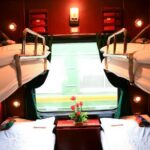
- Getting from Hanoi: limousine bus vs night train feel
- Day 1: Sapa arrival, Muong Hoa Stream walking, and Lao Chai village life
- Day 2: Cable car up Fansipan, pagoda visit, and the 600 steps to the Roof of Indochina
- Returning to Hanoi at 14:00 vs continuing to Ha Giang the same day
- Where the value really comes from: hotel, meals, and a guided trek
- What to pack for Sapa cold, fog, and step days
- Practical pacing tips: how to enjoy the trek and the steps
- Should you book this 2-day Sapa–Fansipan trek tour?
- FAQ
- What’s included in the tour?
- Is the Fansipan cable car ticket included?
- What time do you leave Hanoi?
- Do you get to see both Lao Chai and Ta Van?
- How long is the trip from Sapa to Ha Giang?
- What buses are available for Ha Giang from Sapa?
- What should I pack for Sapa?
Key things I’d focus on before you go
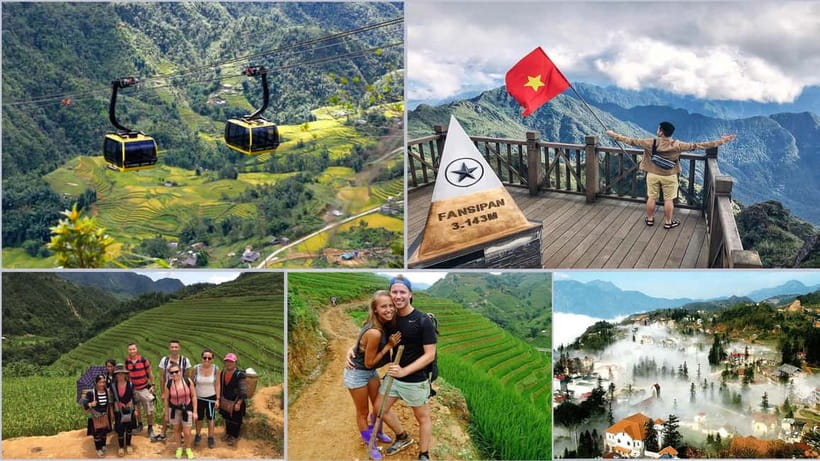
- Cable car to Fansipan plus the 600 steps gives you a summit feel without spending the whole day climbing from town
- Lao Chai to Ta Van trekking route is the heart of the trip, with rice terraces and Muong Hoa Stream scenery
- A local guide (Song is one example) helps the village visit feel human, not like a quick photo stop
- Option to tack on Ha Giang right after Sapa can save you time and money versus booking separately
- Cold-weather readiness is part of the experience since Sapa is typically chilly and sometimes foggy
Why this Sapa-Fansipan combo works in just 2 days
If you only have a short window in Northern Vietnam, Sapa can be the best use of your time. This itinerary is designed so you do the big scenic highlight (Fansipan Peak) and the big cultural highlight (Lao Chai–Ta Van villages) back-to-back. That means less time transferring around and more time walking and looking at mountains.
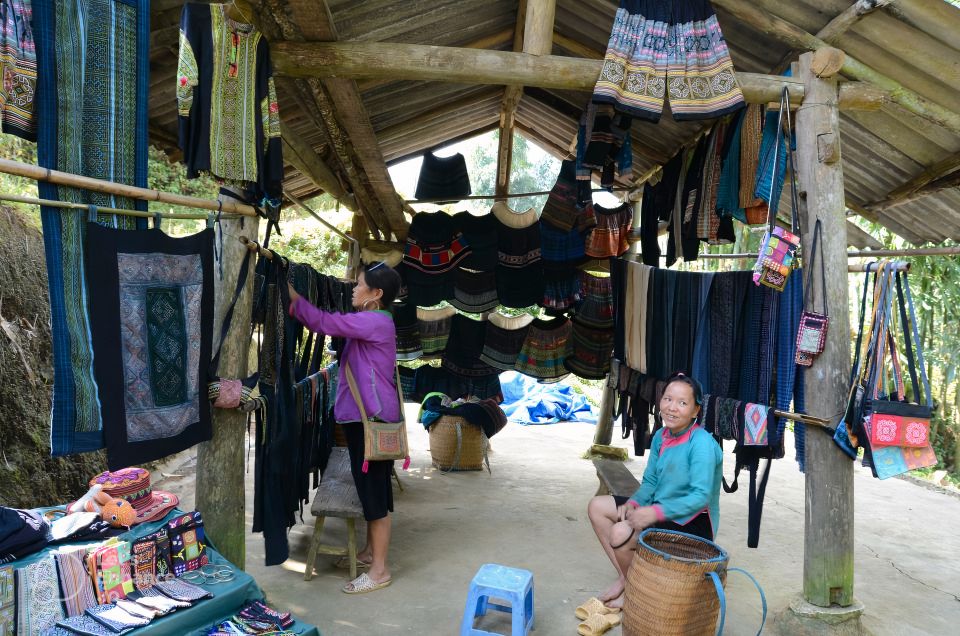
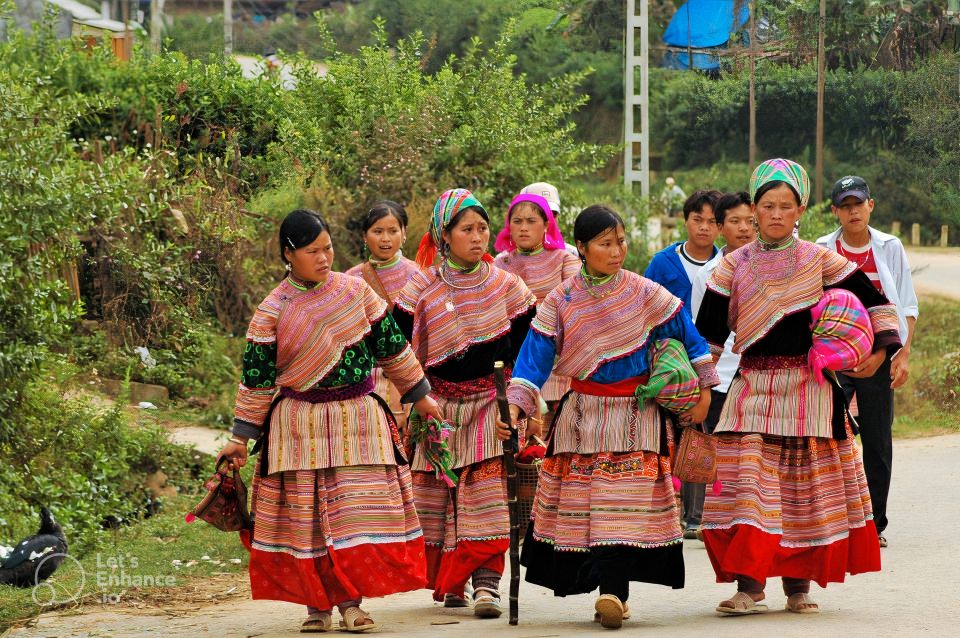
I also like that you’re not stuck with only views. The day 1 trek is timed for walking through rice terraces along the Muong Hoa Stream, then reaching a Black Hmong village area in Lao Chai. It’s one thing to read about ethnic communities in the mountains. It’s another to have a guide explain how people live, what daily routines look like, and what you’re seeing while you walk.
The trade-off is pace. You will move. You will trek. You will also do a short summit effort on Day 2 via the cable car ride plus a climb of about 600 steps. If you want a slow, sit-in-a-cafe kind of trip, this may feel a bit busy.
You can also read our reviews of more hiking tours in Hanoi

Getting from Hanoi: limousine bus vs night train feel
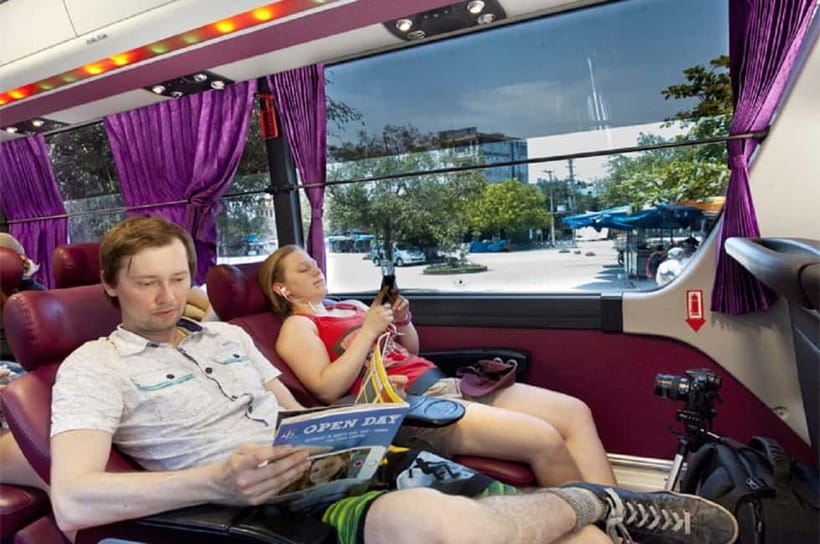
Your tour is built around leaving Hanoi early. You depart at 6:15 am and meet at 204 Tran Quang Khai Street, then you head by sleeper bus toward Sapa with short break stops in Phu Tho Province and Lao Cai City. You can grab light breakfast or coffee during those breaks before arriving in Sapa Town.
There’s also an optional alternative described for Night 1: you can board a night train or night bus at 21:30 at the station or bus stop to depart for Lao Cai/Sapa. That option is useful if you want less early-morning travel stress and more evening time in Hanoi.
How to choose? If you hate mornings and want to sleep in transit, go with the 21:30 night option. If you like getting your bearings early and seeing the countryside without feeling rushed, the 6:15 daytime departure can be easier mentally. Either way, you save the money and hassle of booking separate legs on your own.
One more practical note: bus-style travel up to Sapa often comes with temperature swings. Bring a layer even if Hanoi feels mild, because the cold in Sapa can hit fast after you get altitude.
Day 1: Sapa arrival, Muong Hoa Stream walking, and Lao Chai village life
Day 1 starts with arrival and a proper landing. After the bus ride, you’re greeted by a representative in Sapa and taken for lunch with local Vietnamese dishes. This matters more than it sounds. After a long transfer, a real meal helps you avoid the classic mistake of trekking hungry or under-dressed.
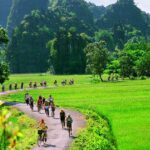
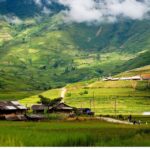
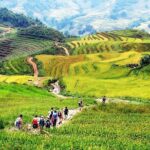
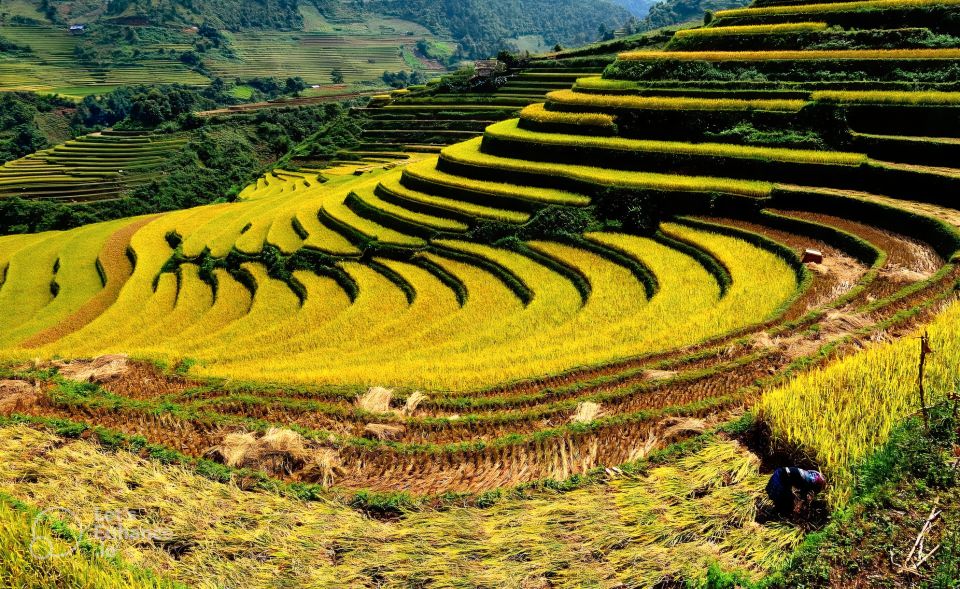
Then comes the walk. You trek through rice terraces and along the Muong Hoa Stream, which is the kind of scenery that changes hour by hour as cloud cover shifts. The route takes you into the Lao Chai area, described as a Black Hmong village surrounded by Hoang Lien Son Mountain.
What makes this village stop valuable is the presence of a local guide. You’re not just passing by; you get support to meet people and learn about life and culture. Even if you’re not a language whiz, a good guide helps you connect what you see—homes, daily routines, and the rhythm of mountain farming—to the reason it looks the way it does.
You’ll finish with a transfer back to your hotel for dinner. That’s a smart design choice for a short trip. After Day 1 walking, you want a warm shower, rest, and food that isn’t a gamble. Your tour includes that dinner and keeps your evening simple.
Possible Day 1 drawback: if you arrive and you’re cold or tired, the trek can feel heavier than you expected. This is where your packing matters. Warm clothes, comfortable walking shoes, and a scarf can turn a tough day into a doable one.
Day 2: Cable car up Fansipan, pagoda visit, and the 600 steps to the Roof of Indochina
Day 2 is where the tour earns its name. After breakfast, you transfer to the cable car station. Your driver or guide helps you buy the Fansipan cable car ticket, but it’s not included in the package price. The cost is listed as 850,000 VND per person for the round trip.
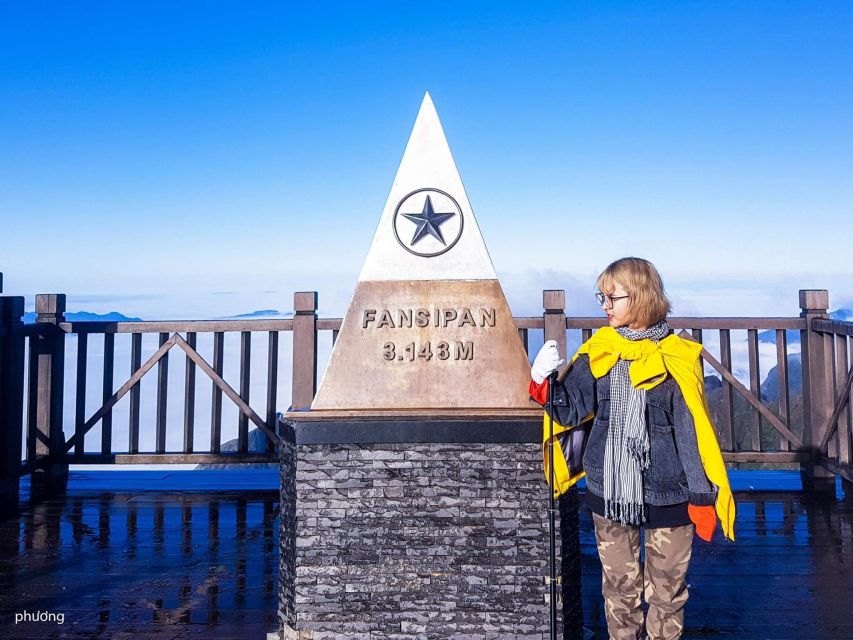
The cable car ride is about 20 minutes up. You’ll handle it on your own, which I actually like. Less waiting in a big group line, and more time for your eyes to do the work. From there, you can visit the pagoda and then climb about 600 steps to the peak, described as the Roof of Indochina.
Here’s the real value: this approach balances effort with payoff. Doing all the elevation by foot would be a much longer adventure. Doing nothing but cable car would cut out the satisfying summit feeling. The 600 steps are short enough to be manageable for many people who are comfortable walking, but they’re long enough that the top feels earned.
What if you hit fog? The itinerary flags that Sapa can be foggy from December through March due to altitude. If visibility drops, the summit might feel more like clouds than a crisp panorama. Still, the experience can be atmospheric rather than disappointing—especially if you take your time with the pagoda area and enjoy the mountain mood.
After you return, you’re back in Sapa for lunch at the hotel. That gives you a clean reset before your next move: either head back to Hanoi or continue onward to Ha Giang.
Returning to Hanoi at 14:00 vs continuing to Ha Giang the same day

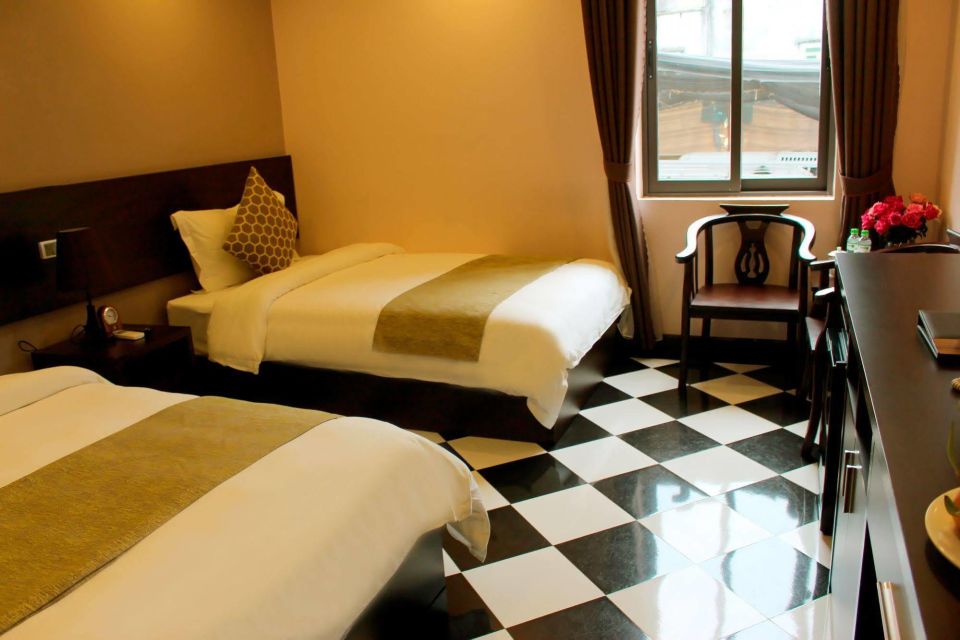
One of the smartest things about this experience is the flexibility built into Day 2. If you want to go back to Hanoi, you can explore Sapa on your own before boarding a Limousine bus at 14:00. The drop-off is about 8:30 pm to 8:45 pm at Tran Quang Khai Street.
If you prefer to keep the Northern Vietnam momentum going, you can travel from Sapa to Ha Giang right after. There are two bus options departing from Sapa:
- 14:30 limousine bus (18 seats), with pickup at May Hotel
- 19:30 sleeper bus (40 seats), with pickup at its meeting point
Both Ha Giang bus options are described as extra fee, so you’ll want to confirm the amount with the travel consultant before you commit.
How you should choose depends on your travel style. The 14:30 limousine tends to be better if you want a more comfortable daytime run and you don’t mind an earlier start from Sapa. The 19:30 sleeper bus can be better if you want to arrive next day with less fatigue.
Either way, you save time and money compared with piecing it together from scratch. That’s the practical win of this tour design.
A few more Hanoi tours and experiences worth a look
- Doris Cruise 5 star cruise 2 days visiting Halong Bay Lan Ha Bay private balcony
★ 5.0 · 2,338 reviews




Where the value really comes from: hotel, meals, and a guided trek
This package includes a double or twin room in a 3-star hotel on a twin-sharing basis, plus meals: 2 lunches, 1 dinner, and 1 breakfast. For a short 2-day itinerary, that’s not just convenience. It’s cost control. In Sapa, paying separately for every meal and a last-minute hotel can quietly add up.
It also includes the entrance ticket to Lao Chai Ta Van and a local guide for the trek. Those items matter because they reduce friction. You spend less time figuring out what’s required and more time using your limited daylight for walking and exploring.
Transfers are also included: you get help with getting to and from the Fansipan cable car station. That support matters on summit days, since you’re already dealing with cold air and step climbs. Your driver or guide handling the logistics makes the climb feel more like a plan and less like a scramble.
My only caution on value: some of the biggest costs are still separate. The cable car round trip (850,000 VND per person) isn’t included, and there are extra surcharges during major holidays (listed as 700,000 VND per person on certain dates). If you travel near those times, ask early so you’re not surprised.
What to pack for Sapa cold, fog, and step days
Sapa weather is unpredictable, and the itinerary is direct about what you’ll need. From September through March, it’s normally cold. During December through March, fog is more likely due to altitude. If you go without layers, you will feel it.
Bring:
- change of clothes
- comfortable shoes
- warm clothes, a scarf, and a hat
- trekking shoes, sunglasses, sun cream, and insect repellent are recommended
- any needed medication
Also, plan for cash. The tour notes that cash is best in Vietnamese dong because the banking system in Sapa sometimes doesn’t function well. U.S. dollars, euros, and Australian dollars are accepted in Sapa, which gives you backup if ATMs are slow.
One more practical tip: if you’re doing the summit steps on Day 2, sunglasses and sun cream help even when the air feels cold. Light can be strong around mountains, and reflections can be sneaky.
Not suitable for pregnant women is explicitly stated, so take that seriously rather than trying to tough it out.
And no pets, which is standard for many village and trekking-style areas.
Practical pacing tips: how to enjoy the trek and the steps
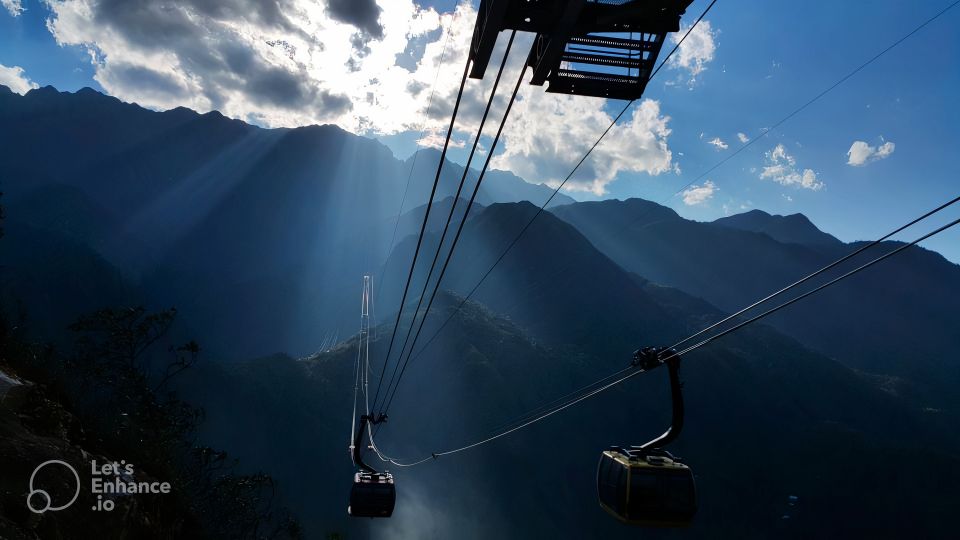
Here’s how I’d make this tour feel smoother for you.
First, treat Day 1 like a walking day, not a photo marathon. The trek route through rice terraces and along Muong Hoa Stream is the point. If you stop every 30 seconds, you’ll end up cold and tired before you reach the village areas.
Second, on Day 2, don’t rush the 600 steps. You’re going up to the peak after a cable car ride, and the climb is short enough to do with steady pacing. If you breathe calmly and take breaks when needed, it becomes a satisfying effort rather than a punishment.
Third, plan your decision on Hanoi return vs Ha Giang continuation before you get to Sapa. The 14:00 Limousine back to Hanoi is a fixed time window, and the Ha Giang buses are also set at 14:30 and 19:30. Knowing your preference early reduces stress.
Finally, keep your expectations realistic about fog and visibility. Even when weather is cloudy, the pagoda stop and the step climb can still feel meaningful, just less panoramic.
Should you book this 2-day Sapa–Fansipan trek tour?
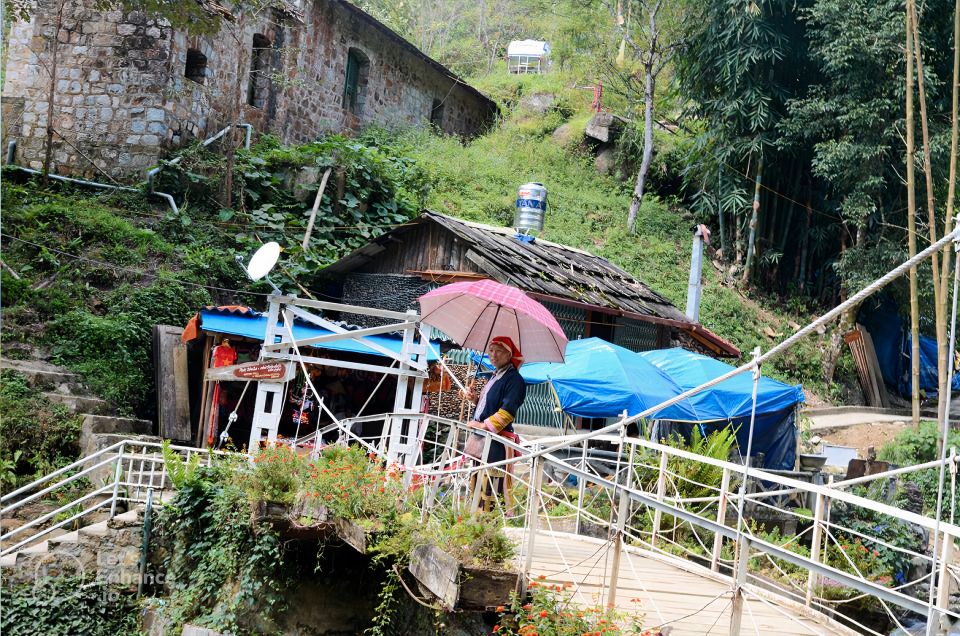
If you want a strong Northern Vietnam highlight in a tight schedule, I think this is a smart pick. It combines the most famous Sapa trek route (Lao Chai–Ta Van) with Fansipan Peak access that’s realistic for many visitors thanks to the cable car and a manageable step climb. You also get a real village experience with local guidance, and the included meals plus 3-star hotel reduce daily friction.
I’d skip it or reconsider if:
- you’re very sensitive to cold and fog and don’t pack warm layers
- you want a slow, low-effort trip
- you prefer to fully DIY transport and meals to maximize control
If you’re the kind of traveler who likes a clear plan, good guidance, and getting outdoors without spending a week on logistics, this tour fits nicely.
FAQ
What’s included in the tour?
The tour includes round-trip Limousine bus ticket between Hanoi and Sapa (optional), a double or twin room in a 3-star hotel (twin-sharing), 2 lunches, 1 dinner, and 1 breakfast, entrance ticket to Lao Chai Ta Van, a local guide, and transfers to and from the Fansipan cable car station and return. If you choose the Ha Giang option, a bus from Sapa to Ha Giang is also included.
Is the Fansipan cable car ticket included?
No. The cable car round-trip ticket is listed as 850,000 VND per person, and you buy it at the cable car station with help from your driver or guide.
What time do you leave Hanoi?
You depart at 6:15 am and meet at 204 Tran Quang Khai Street.
Do you get to see both Lao Chai and Ta Van?
Yes. The trekking portion is described as Lao Chai – Ta Van, and the entrance ticket to Lao Chai Ta Van is included.
How long is the trip from Sapa to Ha Giang?
The Ha Giang drive is described as about 6 hours for both bus options.
What buses are available for Ha Giang from Sapa?
From Sapa, there are two options: a 14:30 limousine bus (18 seats) picked up at May Hotel, and a 19:30 sleeper bus (40 seats) picked up at its meeting point. Both are extra fee.
What should I pack for Sapa?
Bring warm clothes, a scarf, a hat, and change of clothes. Comfortable shoes are important, and trekking shoes, sunglasses, sun cream, and insect repellent are recommended. Also bring needed medication, and use cash in Vietnamese dong as banking can be unreliable in Sapa.


More 2-Day Experiences in Hanoi
- Doris Cruise 5 star cruise 2 days visiting Halong Bay Lan Ha Bay private balcony
★ 5.0 · 2,338 reviews