REVIEW · HANOI
From Hanoi: 2-Day Overnight Sapa Tour by Luxury Van Limousine
Book on Viator →Operated by Crossing Vietnam Tour · Bookable on Viator
Sapa in two days feels like a sprint. What makes this tour interesting is the mix of overnight mountain time plus guided walks to hill-tribe villages, without the hassle of coordinating everything yourself. I also like that you get limousine round-trip transfers so you start the trekking days with less misery than the usual bus chaos. One thing to consider up front: communication and logistics can be uneven, so you’ll want to be flexible and keep expectations realistic.
My favorite part is the guided village hiking. Stops like Cát Cát, Ý Linh Hồ, Lao Chải, and Tả Van are tied to how people actually live here, and good guides can turn the trails into mini cultural lessons. Depending on where you stay, the route swaps a bit, but either way you’re spending time with an English-speaking guide who can translate what you’re seeing (you might even meet guides like May, Ai, Lu, or Lilly).
The main drawback is that this is still Sapa trekking, and conditions can be muddy and slippery. Some days involve steep ups and downs, and a few past groups had issues with transport timing or vehicle comfort, so it’s smart to come prepared with the right footwear and attitude.
In This Review
- Quick hits you’ll care about
- Luxury limousine Hanoi–Sapa: the road part that makes or breaks it
- Day 1 routes: Cát Cát vs. Ý Linh Hồ–Lao Chải–Tả Van
- If you’re staying in a 3-star or 4-star hotel: Cát Cát first
- If you’re staying in bungalow/private homestay/dorm: villages of Ý Linh Hồ, Lao Chải, and Tả Van
- Overnight in Sapa: hotel comfort vs. homestay reality
- Hotel options: easier sleep, less cultural friction
- Homestays and bungalows: personal connection, uneven hosting
- Day 2 trekking: rice terraces, steep sections, and the Tả Van / Giàng Tà Chải finale
- The route logic depends on your overnight choice
- Footing and weather: plan for mud
- Meals, entrance fees, and what the $117 really covers
- Guides can make it, even when schedules wobble
- What to pack for Sapa in an overnight trek week
- Who should book this and who should skip it
- Should you book this overnight Sapa tour from Hanoi?
- FAQ
- Where does pickup and drop-off happen in Hanoi?
- What’s included in the tour price?
- Do you get to choose where you sleep overnight?
- How many people are in the group?
- How long is the tour and when do you start?
- What should I wear or bring for Sapa trekking?
- Is the tour suitable for everyone?
Quick hits you’ll care about
- Luxury limousine Hanoi–Sapa for a long ride, with smaller-group comfort (max 14 travelers)
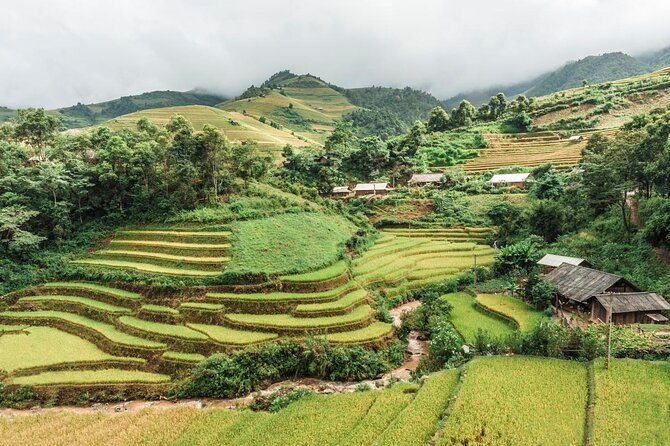
- Two-day hike structure that often includes Cat Cát plus hill-tribe villages like Tả Van and Lao Chải
- Overnight options ranging from hotel to dorm to homestay/bungalow, so your sleep setup is your call
- Meals included (breakfast, two lunches, dinner), which can reduce decision fatigue in Sapa
- Weather reality check: cold temps and fog are common in certain months, so pack warm layers and a hat/scarf
Luxury limousine Hanoi–Sapa: the road part that makes or breaks it
This trip is built around one big thing: you’re covering a long distance between Hanoi and the mountains. Expect roughly a 5–6 hour drive one way, and yes, it can feel like a slog in the early morning, especially if you don’t sleep easily in vehicles. The payoff is that you arrive with enough energy for a first walk instead of losing half a day to transit.
Most of the time, the ride is described as comfortable and smooth, with rest stops along the way. That matters, because you’re starting trekking soon after you arrive in Sapa (you typically roll into Sapa around midday). Still, keep your radar on for variability: a few past groups reported issues like air-conditioning not working well, a dirty vehicle, or delays waiting for pickup/coordination once in Sapa.
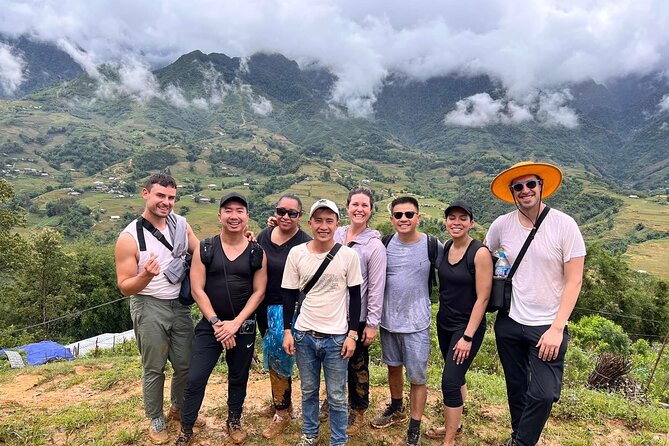
Small-group size helps here. With a cap of 14 travelers, you’re less likely to feel like you’re herding cattle, and the guide can usually manage small route decisions more easily if weather or footing changes.
A few more Hanoi tours and experiences worth a look


Day 1 routes: Cát Cát vs. Ý Linh Hồ–Lao Chải–Tả Van
Day 1 is designed as a gentle-or-not introduction, depending on your overnight accommodation option. The tour isn’t one fixed route for everyone, and that’s worth knowing so you aren’t surprised by the first big walk.
If you’re staying in a 3-star or 4-star hotel: Cát Cát first
If your sleep option is a 3-star/4-star hotel, you’ll start with Cát Cát Village and a short/easy trek. This is the lighter option on day 1, which can be ideal if you want your first experience to be more about sights and photos than stamina.
Cát Cát is also the place where you’ll notice more tourist energy. People go for the waterfall views and the colorful village setting, but it can feel a bit staged compared with the deeper village routes. In practical terms, it’s a good warm-up and a fun way to get your bearings.
If you’re staying in bungalow/private homestay/dorm: villages of Ý Linh Hồ, Lao Chải, and Tả Van
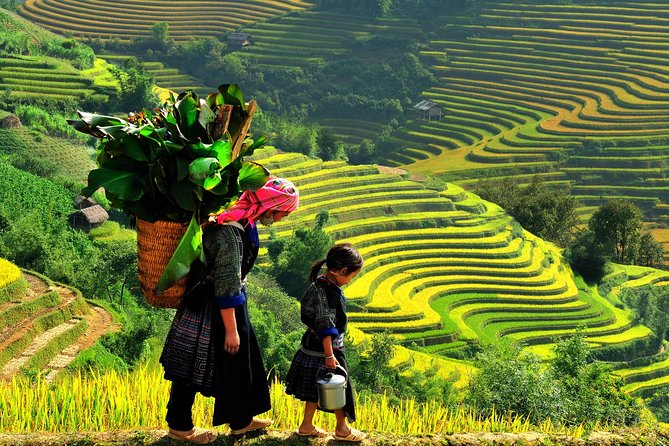
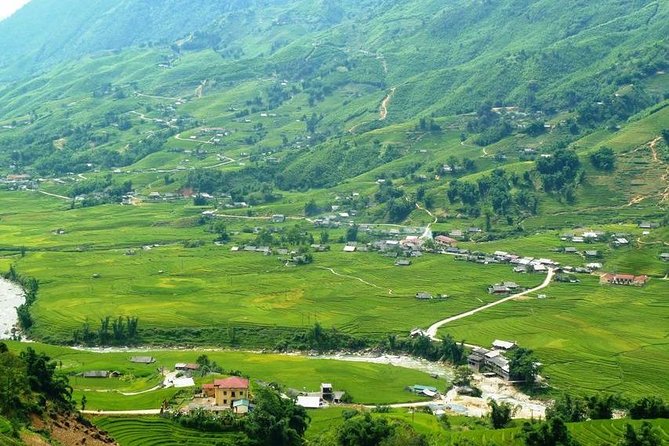
If you choose dorm, bungalow, or a private homestay setup, day 1 shifts toward the Ý Linh Hồ – Lao Chải – Tả Van area. That usually means more hiking time on day 1 and more focus on rice terraces and village life from the trail.
This is where the experience often turns into what people actually came for: the walk feels more remote, and you get more time with the people and everyday rhythms of the villages. Even if you’ve never hiked in steep terrain, a good guide helps you pick routes and pace so you don’t burn out immediately.
Overnight in Sapa: hotel comfort vs. homestay reality
The overnight part is your biggest lever. The tour offers several types of stays: dorm, homestay, bungalow, or a 3-star/4-star hotel. In theory, they’re all included. In practice, the vibe changes a lot, and the reviews show that plainly.
A few more Hanoi tours and experiences worth a look
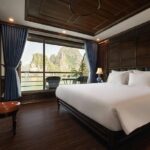
- Doris Cruise 5 star cruise 2 days visiting Halong Bay Lan Ha Bay private balcony
★ 5.0 · 2,338 reviews



Hotel options: easier sleep, less cultural friction
On the hotel side, some groups specifically mention places like Sapa Charm Hotel and report solid comforts like spacious rooms and even a good hot pot meal. On the downside, a few people also reported hard beds or breakfast that wasn’t up to what they expected.
Hotel stays can be a smart move if you’re sensitive to basic facilities or you want a smoother night after muddy trekking. You’ll likely spend less time adapting to shared spaces and more time recovering.
Homestays and bungalows: personal connection, uneven hosting
Homestays and bungalows can be charming and friendly when it clicks. Some people talk about cute home-stay settings and genuinely welcoming families. Others felt less included, with one group describing an uncomfortable dinner setup and limited warmth from their hosting family.
My advice is simple: if you want the cultural exchange, choose homestay with the mindset that standards can vary. If you want predictability, go hotel. Either way, bring cash for small purchases and snacks, because Sapa’s banking situation can be unreliable and you’ll want to support families and buy handmade items if you like.
Day 2 trekking: rice terraces, steep sections, and the Tả Van / Giàng Tà Chải finale
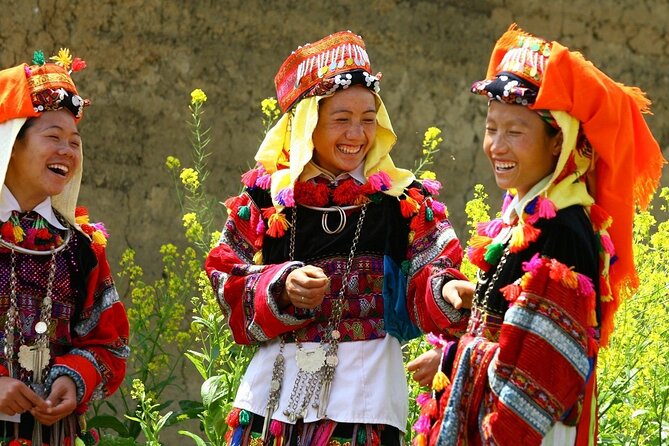
Day 2 is the real walking day. You typically breakfast, check out, and then head out with a light pack. Expect more time outdoors and more changes in elevation than day 1.
The route logic depends on your overnight choice
If you stayed in a 3-star/4-star hotel, day 2 tends to focus again around the Ý Linh Hồ – Lao Chải – Tả Van corridor. If you stayed in bungalow/dorm/homestay style lodging, day 2 often adds Giàng Tà Chải Village and starts right from the homestay/family area for a more local feel.
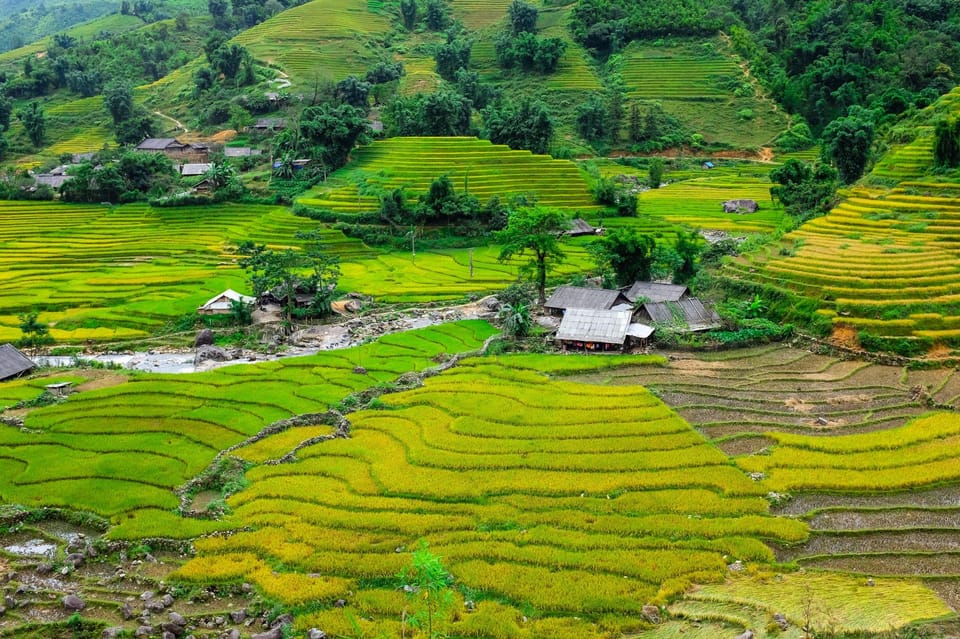
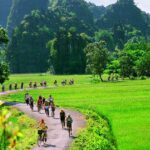
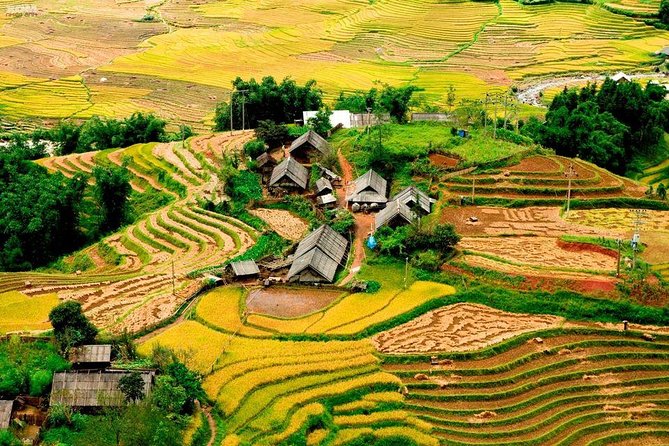
Either way, the common thread is rice-terrace walking plus village stops. In the season this can look especially dramatic, though timing matters: one group noted the rice fields can be less full depending on the time of year, which still doesn’t cancel the beauty, but it changes the look.
Footing and weather: plan for mud
This is where you should take Sapa seriously. Trails can be slippery, muddy, and sometimes steep enough that good trekking shoes are not optional. One person even described how dangerous the conditions felt when walking continued despite slick ground, so don’t assume it’ll be an easy stroll.
If you can, aim for a drier day. A good guide can steer you around the worst spots, and some guides are known for tailoring routes for different abilities. You might even hear about guides like May adjusting paths for a slower walker, or guides like Ai and Lu explaining what you’re seeing as you go.
Meals, entrance fees, and what the $117 really covers
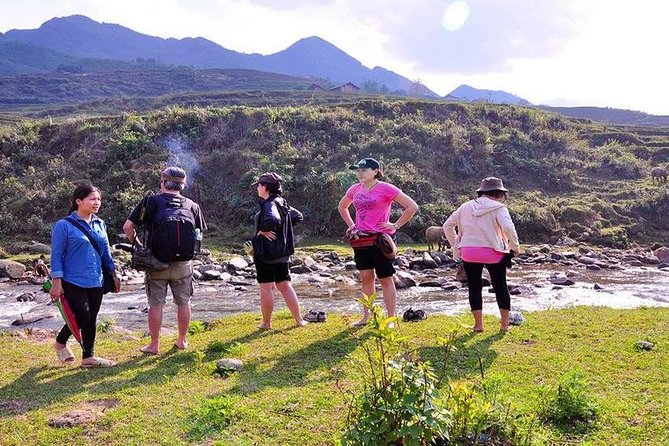
At around $117 per person, this is priced like a bundle tour, not a cheap DIY day trip. The value is in the fact that it includes:
- Round-trip limousine transfers Hanoi–Sapa
- Accommodation for the night (hotel or homestay/dorm style)
- Meals: breakfast, two lunches, and dinner
- Entrance fees
- English-speaking guide
- Pickup/drop-off in Hanoi’s Old Quarter
That’s a lot of “hidden” costs you’d otherwise piece together. In practical terms, you’re paying for not having to negotiate transport, find a guide, and figure out where to eat while also packing for trekking.
Still, meal quality varies. Some groups felt the food was delicious, while others said lunches/dinners could be basic or not what they hoped for. If you’re picky, you’ll still have lunch provided, but you might want to keep a little budget for extra snacks later in the day if your stomach needs options.
Guides can make it, even when schedules wobble

The guide role here is huge. The best experiences in the reviews describe guides like Su, VU, Harley (coordinator), Rua, Zuo, Zua, Mu, Lu, May, Ai, and Lilly. Not all of them matter to you directly, but they point to a pattern: the walk becomes memorable when your guide can explain village life and help you read what’s around you.
English quality also shows up in the feedback. Several groups praised guides for clear English and friendly pacing. If you want cultural context, you’ll benefit from choosing the route that maximizes village time, not the one that only scratches the surface.
One real-world caution: communication can lag. Some past groups described delayed responses or confusion about pickup times and hotel names. To protect yourself, take screenshots of your booking details, keep your phone charged, and be ready to ask the hotel front desk to help translate if needed.
What to pack for Sapa in an overnight trek week
This tour gives you the structure. You still control the comfort. Pack for cold, fog, and wet ground.
Bring:
- Warm clothes (Sapa can be cold for months, and weather changes fast)
- A scarf/hat and layers you can remove when you’re working hard
- Trekking boots or hiking shoes with grip
- Sun protection like sunglasses and sunscreen
- Insect repellent
- Cash in Vietnamese dong for small purchases, tips, and village shopping
Also, expect street vendors. If you want to buy, great. If you don’t, keep it polite and firm. You’ll want the energy for the trail, not the negotiation.
Who should book this and who should skip it
This is a strong fit if:
- You want a guided hill-tribe trek in a short time window
- You’re okay with walking several hours across two days
- You prefer a small group (max 14) over cramped big-bus tours
- You want the overnight experience rather than commuting back and forth in one day
It may not be the best fit if:
- You’re sensitive to muddy terrain or steep, slippery sections
- You expect rock-solid coordination with zero waiting or follow-up
- You need a very predictable overnight setup every time
- You’re tall: it notes it’s not recommended for travelers over 190 cm
If you’re unsure, think about your sleep style first. If you know you’ll hate basic accommodations, choose the hotel option. If you’re excited about meeting families and eating in a home setting, the homestay/bungalow option can be more rewarding, even if it’s less consistent.
Should you book this overnight Sapa tour from Hanoi?
I’d book it if you want a real Sapa experience without the planning headache. The included meals, entrance fees, overnight stay, and English-speaking guidance make it a practical way to see Cat Cát and the hill-tribe village circuit while keeping transport comfortable enough to recover.
I wouldn’t book it if you need strict timing, perfectly smooth communication, or consistently high-end overnight standards. This isn’t a “hands-off, everything flawless” product. It works best when you come prepared for mud, cold, and a little human messiness along the way.
If you do book, do these three things: pack trekking shoes and warm layers, choose the accommodation type that matches your comfort level, and keep your expectations grounded. Then the views, village time, and guided stories tend to land exactly where you want them.
FAQ
Where does pickup and drop-off happen in Hanoi?
Pickup and drop-off are offered at hotels in Hanoi’s Old Quarter area only. The tour starts back at the meeting point at the end.
What’s included in the tour price?
It includes round-trip transfers by limousine bus between Hanoi and Sapa, accommodation for one night, an English-speaking tour guide, entrance fee tickets, and meals (breakfast, lunch twice, and dinner).
Do you get to choose where you sleep overnight?
Yes. You can pick a dorm, homestay, bungalow, or a 3- or 4-star hotel option.
How many people are in the group?
The tour has a maximum group size of 14 travelers.
How long is the tour and when do you start?
It’s about 2 days. Pickup is early in the morning, around 6:30 am as the start time, with the return ending back at the meeting point.
What should I wear or bring for Sapa trekking?
Bring warm layers because weather is unpredictable and it can be cold in many months. Trekking shoes or boots are important since conditions can be muddy and slippery, and it also helps to bring a hat/scarf, sunscreen, and insect repellent.
Is the tour suitable for everyone?
Most travelers can participate, but it notes it is not recommended for people taller than 190 cm. It also encourages bringing medicine and being prepared for altitude fog in some winter months.