REVIEW · HUE
Experience Local Market and Cooking Class in Hue City
Book on Viator →Operated by DN Tour · Bookable on Viator
Hue food starts at the market.
This small-group Hue experience links street-level ingredients to real cooking, with hotel pickup and a guided visit to a local market where you can see how people shop and eat day to day. I like that it’s not just watching, it’s learning the “why” behind the staples, spices, and produce you’ll use later. You also get time for photos while you’re there. One thing to plan for: the menu can change depending on what’s available.
What I really like is the hands-on kitchen part. You cook yourself with a local chef at Cookery, following step-by-step guidance, and you end up eating a full lunch made by your own hands. In the best sessions, instructors like Anh (Anh Cookery) and Rosa have led groups with a warm, professional touch.
The only possible downside is that timing affects the market. The evening slot won’t visit the local market, so if you want that ingredient-shopping and photo time, choose the daytime option.
In This Review
- Key highlights to know before you go
- Why Hue’s market-to-kitchen format is a smart way to learn
- Pickup and timing: how the 3.5 hours feel in real life
- Stop 1 in Hue: the local market experience and what to look for
- Cooking at Cookery: hands-on lessons with Anh Cookery and Rosa-style guidance
- What to expect during cooking
- The dishes you may cook: classic Hue flavors, built step by step
- Lunch: eating your work, not waiting for it
- Value for about $45: what you’re really paying for
- Who this Hue class is best for (and who should skip it)
- Practical tips so you get the most from the market and kitchen
- Should you book the Hue local market and cooking class?
- FAQ
- How long is the Hue local market and cooking class?
- Do you pick me up from my hotel in Hue?
- Do you visit the local market during the tour?
- Is the local market visit included in the evening slot?
- What is the maximum group size?
- Do we cook hands-on and eat lunch?
- Can the menu change?
- What if weather is bad or I need to cancel?
Key highlights to know before you go
- Small group size (max 10) means you get attention while you cook
- Market stop in Hue shows daily life and the ingredients behind the dishes
- Hands-on cooking at Cookery with a chef who guides each step
- Hue-style dishes you may cook include peanut sauce, garlic chili sauce, and green mango salad
- Lunch included: you eat what you prepare
- Recipes sent afterward in some sessions, helping you recreate the flavors at home
Why Hue’s market-to-kitchen format is a smart way to learn
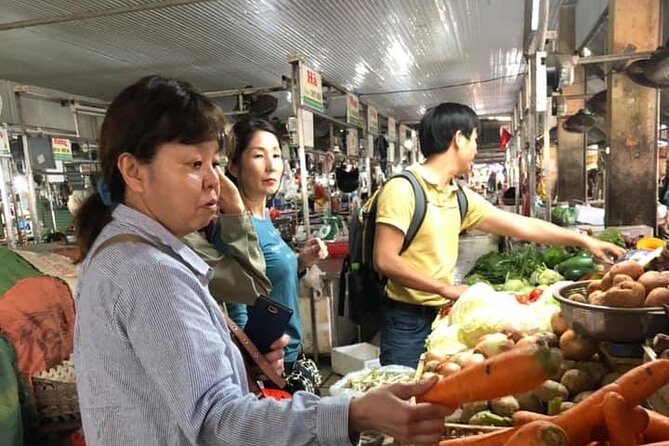
If you’ve ever taken a cooking class where everything starts in a classroom kitchen, Hue’s version feels more grounded. The market part gives you context fast. You see the ingredients before you handle them, and that makes the cooking instruction stick. You’re not just memorizing steps. You’re matching flavors to real items you just spotted: herbs, chilies, sauces, and produce that are used every day.
The chef-led kitchen time then turns that knowledge into muscle memory. You cut, mix, fry, and assemble with guidance. That matters, because Vietnamese cooking is built on balance: sweet, salty, sour, and heat all play roles. When you make the sauce or the salad yourself, you start to understand how those balances work in Hue’s style.
Also, Hue is famous for its own flavor identity within Vietnam. This kind of class is one of the easiest ways to sample that difference without doing complicated planning around restaurants. You’ll leave with a practical set of techniques, not just a plated meal.
You can also read our reviews of more city tours in Hue

Pickup and timing: how the 3.5 hours feel in real life
This experience runs about 3 hours 30 minutes. That’s long enough to include a market visit, shop for ingredients, cook multiple dishes, and eat a proper lunch. It’s also short enough that it won’t wreck your day in Hue.
You’ll get pickup from your hotel in the Hue city center (or from the meeting point at the restaurant in the center). That removes a big headache. With a market-plus-cooking plan, you want a smooth start so you can focus on learning and not on logistics.
One timing detail really matters: the evening slot does not include the local market visit. If your priority is the market stop, plan for the daytime slot. Evening is great if you want cooking more than shopping, but it changes the feel of the experience.
Stop 1 in Hue: the local market experience and what to look for
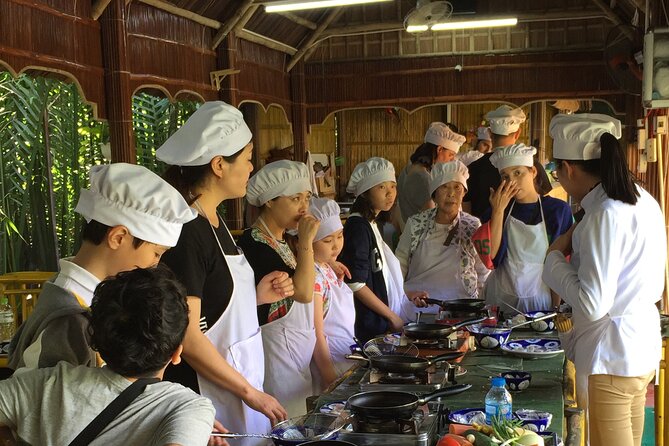
The first part of your day is a trip to a local market in Hue. This is where you pick up the ingredient “map” you’ll use in the kitchen. You can take as many photos as you like, which is perfect because the market is visual: piles of produce, shelves of dried goods, bright sauces, and stacks of herbs.
Beyond pictures, pay attention to how ingredients are sold and paired. In markets like this, people don’t shop like tourists. They buy for cooking later that day. That’s why understanding what you’re buying matters for your class. You’re going to use fresh ingredients in your dishes, and your chef will likely refer back to what you saw.
Practically, I’d treat this as your warm-up for the kitchen. Ask questions when you’re there. If you can spot chilies, herbs, or fruit that shows up in Hue dishes, mentally tag them. When you’re back at Cookery, you’ll recognize them immediately—and you’ll cook more confidently because you already understand what they’re doing.
Cooking at Cookery: hands-on lessons with Anh Cookery and Rosa-style guidance
After the market stop, you head back to Cookery for the cooking class with a chef. This part is truly hands-on. You won’t just stand around while someone else does the work. You prepare and cook your dishes with direction and help as you go.
The chef experience tends to be the heart of the day. In excellent sessions, instructors such as Anh Cookery and Rosa have guided groups with real care for detail. The teaching style is practical. You get clear explanations and you’re supported while you cook, which is especially helpful if your knife skills or spice confidence is still under construction.
One helpful clue from past classes: the teaching doesn’t stop at the stove. In at least some cases, the chef sent written recipes or ingredient guidance by email afterward. That’s a big deal. If you want to recreate the dishes after your trip, having a reference is better than relying on memory.
What to expect during cooking
Plan for active time: chopping, mixing sauces, cooking elements that get combined into final dishes. The menu can change based on ingredient availability, so don’t treat it like a rigid checklist. Still, Hue dishes often share common “core skills,” like balancing sauces and prepping fresh salads.





The dishes you may cook: classic Hue flavors, built step by step
The exact menu can shift depending on what’s fresh, but the cooking class is designed to teach you several different dishes. Based on the types of dishes associated with this Hue-focused class, you may cook things like:
- Traditional peanut sauce
- Garlic chili sauce (the kind that makes you want to eat it with everything)
- Green mango salad
- Pork BBQ skewers
- Chicken lemon grass dish
If those names sound specific, that’s because you’re not just learning vague “Vietnamese style.” You’re learning actual components: sauces, marinades, fresh salads, and grilled or cooked mains. That’s how you end up with practical home-cooking skills, not just a once-off meal.
Also remember: because ingredients availability can change, you might see small swaps. That’s normal and, honestly, part of what makes a class like this feel local. Instead of forcing a menu regardless of season, you learn what Hue cooks with right now.
When you cook these dishes, keep an eye on what you’re tasting as you go. Garlic chili sauce is usually about heat plus depth. Peanut sauce leans sweet-salty and can require the right mixing to get silky texture. Green mango salad is all about fresh sharpness balanced with dressing. You’ll get the feel for those balances while you’re actively making them.
Lunch: eating your work, not waiting for it
After cooking, you sit down and eat the meal together. This is one of the best parts of the format: you’re not just cooking for a photo. You eat what you made, and you can taste how your adjustments worked.
Dining as part of the class also gives you a low-pressure chance to compare notes with your chef. If you’re unsure about how something should taste, it’s easier to ask before the meal ends. Plus, a shared lunch helps turn the class into a true experience of Hue food culture rather than a checklist activity.
Then, once you finish, you have free time to return to your hotel. That “released from duty” timing is ideal. You won’t feel like the tour controls your whole afternoon. You can wander Hue or grab a casual bite elsewhere while the flavors are still fresh in your mind.
Value for about $45: what you’re really paying for
At $45 per person for roughly 3.5 hours, this can feel like a deal, if you look at what’s included. You typically get:
- Pickup in Hue city center
- A local market visit (for daytime slots)
- Fresh ingredient shopping for your class
- Chef-guided, hands-on cooking at Cookery
- A shared lunch made by your group
- Mobile ticket and confirmation at booking
A lot of cooking classes elsewhere focus on one dish or keep it very demo-style. Here, the hands-on approach plus multiple dishes pushes the value up. You’re paying for time with the chef and real kitchen practice, not just access to an ingredient list.
Small-group size matters too. With a maximum of 10 travelers, you’re more likely to get attention when a step goes sideways. That’s especially important in sauces and salads, where small choices change flavor fast.
Who this Hue class is best for (and who should skip it)
This experience fits you if:
- You want a practical Hue cooking lesson rather than a quick tasting
- You like learning by doing, not watching
- You enjoy markets and want to see ingredients in context
- You’d rather cook a meal than hunt for the perfect restaurant
You might want to skip or reconsider if:
- You only want an evening plan and don’t care about the market, since evening skips the market stop
- You’re hoping for a very rigid menu with zero changes. Ingredient availability can shift what you cook.
If you’re traveling solo or as a couple, the small group size is a plus. You’ll still meet others, but it doesn’t feel like a crowded tour bus situation. If you’re a family, it can work well if the kids are comfortable in a kitchen environment and you don’t mind active meal prep time. The class is hands-on, so energy levels matter.
Practical tips so you get the most from the market and kitchen
Bring a little extra focus. Markets and kitchens both move fast, and you’ll learn more if you’re paying attention instead of multitasking.
- Wear comfortable shoes for walking around the market and standing at the cooking station.
- Plan for hands-on cooking, so tie back hair if you have it.
- If there’s a dish you especially want, keep it in mind. Since the menu can change, ask when you confirm your session what’s most likely based on ingredient availability.
- Expect good weather for the experience to run. If conditions are poor, the tour may be canceled and you’ll be offered a different date or a full refund.
One last thing: take photos in the market, yes. But also take one or two mental snapshots of ingredients you recognize from Hue dishes. When you get back to Cookery, those quick mental cues help your cooking come together smoothly.
Should you book the Hue local market and cooking class?
I think you should book this if you want an easy, structured way to learn Hue flavors without complicated planning. The combo of a Hue market stop (daytime sessions), chef-led hands-on cooking at Cookery, and lunch you eat makes it a complete experience rather than a “half activity.”
Pick it especially if you care about skill, not just satisfaction. You’ll likely cook several dishes that show the balance of Hue-style sauces and fresh components. And if you luck into an instructor like Anh Cookery or Rosa, the teaching style tends to be warm, clear, and detailed in a way that helps you finish confidently.
If you’re strict about one specific dish and you’re booking in a season where ingredients can be hit-or-miss, manage expectations. The menu can change. For most people, that’s a feature, not a bug. For picky eaters, it’s the one area to ask questions.
FAQ
How long is the Hue local market and cooking class?
The experience lasts about 3 hours 30 minutes.
Do you pick me up from my hotel in Hue?
Yes. Pickup is offered from your hotel in Hue city center or from a meeting point in Hue center (at the restaurant).
Do you visit the local market during the tour?
Yes, daytime slots include a visit to a local market where you can take photos and buy fresh ingredients for the cooking class.
Is the local market visit included in the evening slot?
No. The evening slot will not visit the local market.
What is the maximum group size?
The tour has a maximum of 10 travelers.
Do we cook hands-on and eat lunch?
Yes. The cooking class is hands-on, and you sit down to have lunch with the food you cooked.
Can the menu change?
Yes. The menu can be changed due to ingredient availability.
What if weather is bad or I need to cancel?
Good weather is required. If it’s canceled due to poor weather, you’ll be offered a different date or a full refund. You can cancel up to 24 hours in advance for a full refund.

More City Tours in Hue

More Tour Reviews in Hue
- Easy Rider private tour via Hai Van pass from Hue – Da Nang – Hoi An (1Way|Loop)
★ 5.0 · 1,542 reviews