REVIEW · HO CHI MINH CITY
Discover vietnamese Agriculture,culture ,Cuisine and Cu chi Tunnels in Saigon
Book on Viator →Operated by HCM Cooking Class · Bookable on Viator
A morning in Saigon, then straight into history. This 10.5-hour tour strings together Cu Chi Tunnels, a working organic farm, and a hands-on Vietnamese cooking class—so you get culture, food, and context in one go.
I like two things a lot: the full day feels efficient (hotel pickup, a 4-course lunch, and guided stops), and you actually do things—pick produce, cook your dishes, and learn how tunnel life worked. The only real drawback: it’s a long day, and you’ll be outside for parts of the farm and tunnel experience, so plan for sun and comfortable shoes.
In This Review
- Key highlights you’ll remember
- Setting expectations: what this day tour actually delivers
- Getting from Ho Chi Minh City: comfort, timing, and the long-day rhythm
- Cu Chi Tunnels: history you can understand, not just memorize
- The organic farm experience: you’ll walk away with nutrition in mind
- Hands-on Vietnamese cooking: 4-course class that actually teaches
- Lunch and snacks: included fuel for a long day
- Seeing rice paper, traps, and rubber: small stops with big meaning
- Price and value: is $81 a fair deal?
- Who this tour suits best (and who might want to skip it)
- Small details that help your day go smoother
- Should you book this tour?
- FAQ
- What time does the tour start?
- How long is the experience?
- Does the tour include hotel pickup and drop-off?
- What’s included in the price?
- Are drinks included?
- Is there a vegetarian option?
- Do I get to cook, or is it only watching?
- How big is the group?
- Can I get a full refund if I cancel?
Key highlights you’ll remember
- Hands-on farm picking: You don’t just look. You pick ingredients and learn how they connect to nutrition.
- Rubber, rice paper, and survival skills: Small lessons that explain everyday materials and wartime adaptation.
- A true 4-course cooking class: 100% hands-on cooking, plus you leave with a certificate and recipes.
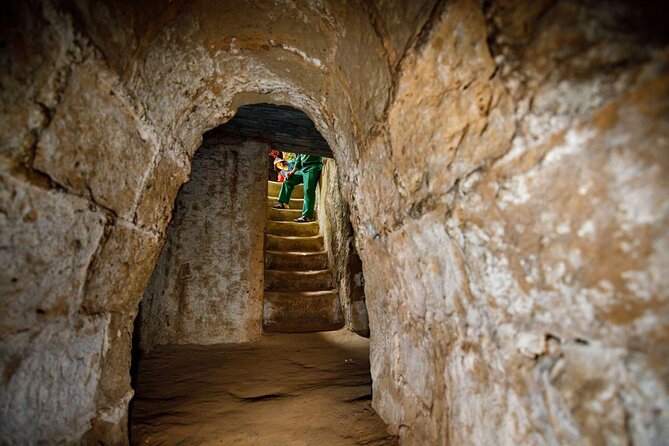
- Cu Chi Tunnels with real context: Learn how tunnels were constructed and how people managed underground for years.
- Small group size: Maximum 15 travelers, which keeps the day from feeling rushed.
- Hotel pickup and drop-off: Easier logistics for first-time visitors in Ho Chi Minh City.
Setting expectations: what this day tour actually delivers
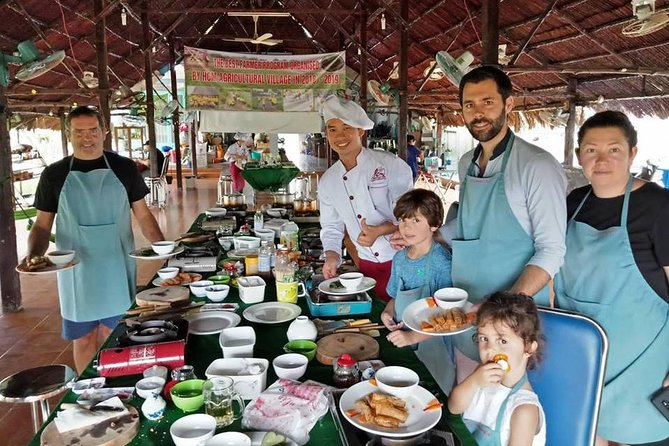
This is the kind of tour that helps you get your bearings fast in South Vietnam. You start early (around 7:30 am) and spend a big chunk of the day moving between three very different experiences: organic agriculture, Vietnamese cooking culture, and the Cu Chi Tunnels.
The format matters. You get hotel pickup and drop-off, plus an air-conditioned vehicle. That means less time guessing transit, less time finding meeting points, and more time actually seeing the sights and doing the activities. It’s also built to be beginner-friendly: the pacing assumes you don’t already know the region’s history or farming rhythms.
Value-wise, $81 per person can look like a “tour cost” until you add up what’s included: hotel pickup and drop-off, a guided day, bottled water, snacks, lunch, and a coffee/tea component—plus a hands-on cooking class with four dishes. If you would’ve spent money separately on a farming visit and a cooking class, this bundling makes sense.
You can also read our reviews of more tours and experiences in Ho Chi Minh City.


Getting from Ho Chi Minh City: comfort, timing, and the long-day rhythm
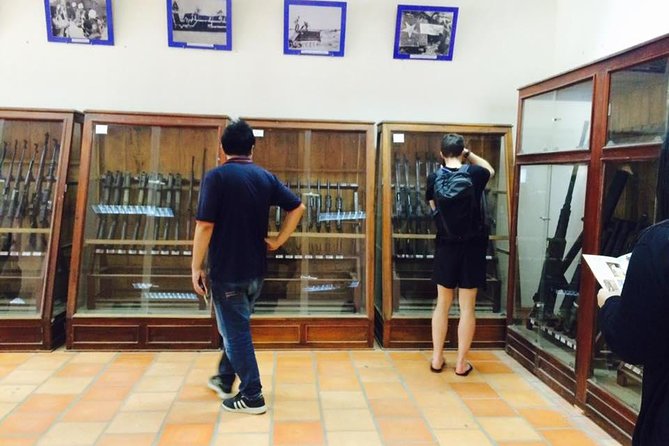
You’ll be picked up from your hotel area in central Ho Chi Minh City. From there, the vehicle does the hard work of getting you out of the city while you focus on the day ahead.
The tour runs about 10 hours 30 minutes, so think of it as a full-day commitment. That length is partly what makes the tour work: you get time for the farm activities, cooking practice, and the tunnel visit without turning it into a quick photo stop. The tradeoff is energy. You’ll want decent breakfast, hydration, and shoes you can wear for walking on uneven ground.
Group size stays capped at 15 travelers. That matters because the day is active: ingredient picking, cooking, and learning all benefit from a guide who can keep track of everyone. If you tend to do better in smaller groups, this format should feel more personal than big-bus tours.
Also bring practical items. The tour mentions you’ll receive a Vietnamese hat during the day, but you’ll still want sunscreen and insect protection if you’re sensitive.
Cu Chi Tunnels: history you can understand, not just memorize
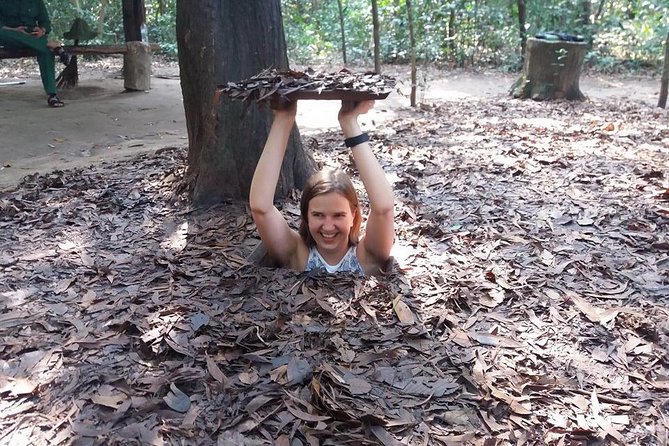
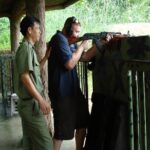
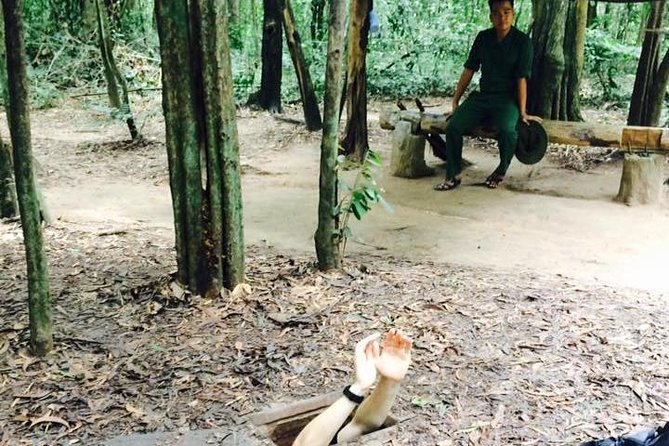
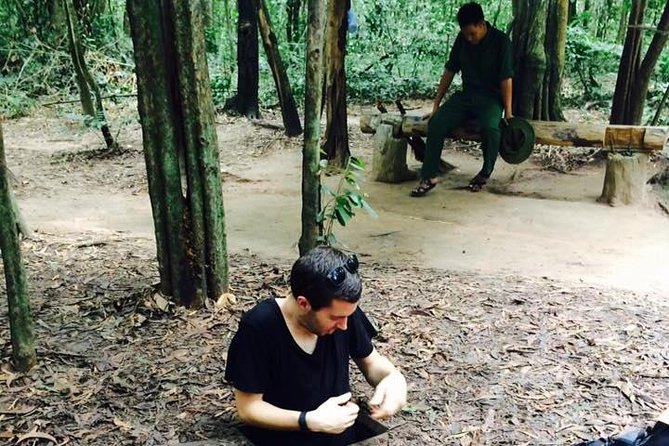
Cu Chi Tunnels can be hard to process if you only get a few minutes of information. This tour gives you time to understand the bigger picture: what the tunnels were, how they were constructed, and what daily survival looked like underground.
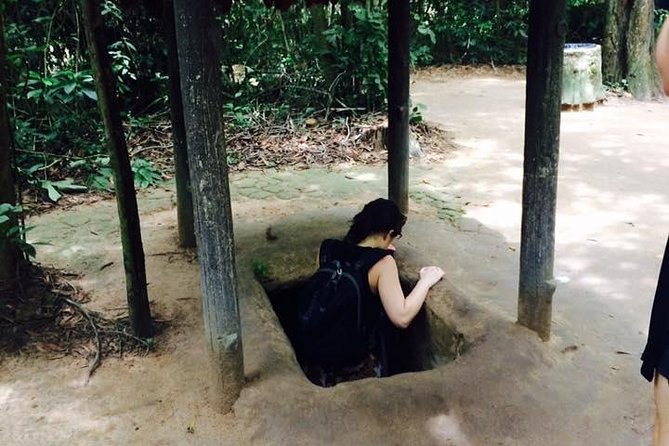
What stands out here is the way the visit is explained. You’re not only shown the tunnel experience; you’re guided through how the tunnels were made and how people overcame the challenges of living underground for 20 years. That time frame is central to the learning—because it reframes the tunnels as more than a battlefield story. It becomes a story about logistics, engineering, and endurance.
You’ll also have chances to connect the tunnels to everyday wartime survival food. The tour includes time for you to see and learn about what local people ate and how they managed when regular life was disrupted. It’s one of those “history with human scale” moments that makes everything less abstract.
Practical note: tunnels mean enclosed spaces and low light. Even if you’re comfortable, wear a layer you can handle in cool or dim conditions. And if you have mobility issues, you’ll want to plan carefully—tunnel environments can be uneven and require time.
The organic farm experience: you’ll walk away with nutrition in mind
Agriculture can be either a show or a lesson. Here, it’s a working organic farm experience designed to teach how plants connect to nutrition and everyday health.
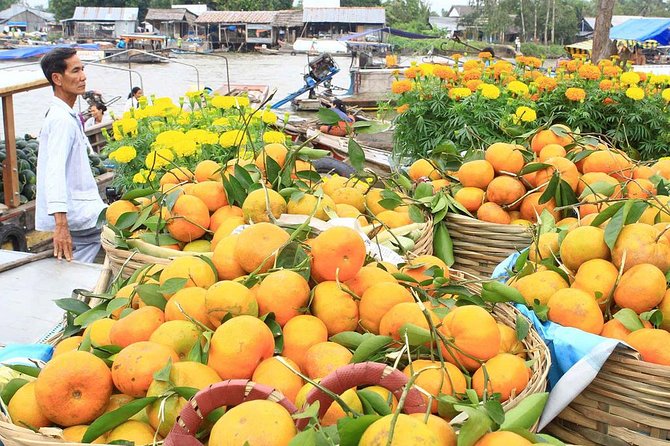
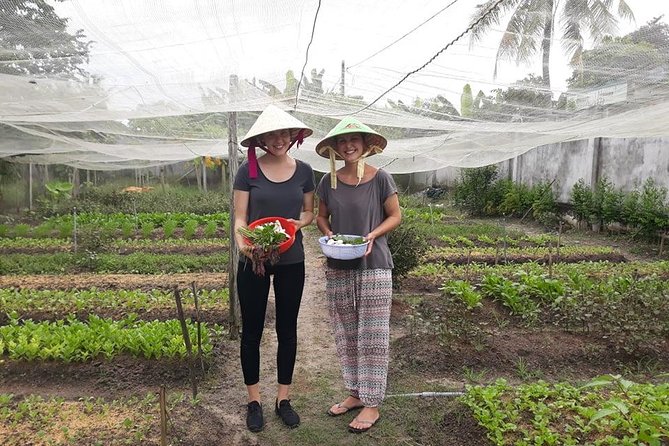
You’ll explore organic vegetable growing areas and learn about nutrition from each plant. Then you get the part that makes it stick: hands-on picking. You collect your own ingredients from the farm, and those ingredients feed directly into what you cook later.
This is a smart setup for first-timers because it bridges the gap between “what I ate in Vietnam” and “how it’s grown.” When you pick herbs, vegetables, and other produce, you start noticing flavor and texture cues you wouldn’t catch from just ordering dishes.
You’ll also see related agricultural details like rubber. That’s a useful South Vietnam connection because rubber production is a real part of how land and labor function in the region. The day also includes a chance to see rice paper made—another farm-to-table bridge, since rice paper starts with basic crops and turns into an everyday staple.
One more thing: the farm part isn’t just educational; it’s energizing. It’s active and visual, and it makes the later cooking class feel grounded instead of like a standalone performance.
Hands-on Vietnamese cooking: 4-course class that actually teaches
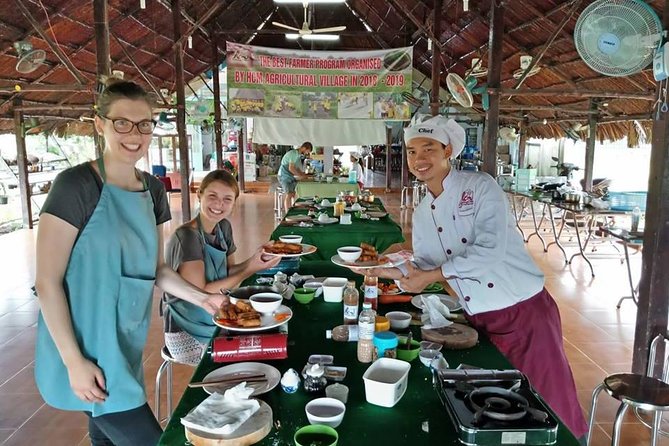
This is the core of the day, and it’s built as a do-it-yourself cooking lesson. The description is clear: 100% hands-on to make four dishes, and you get a certificate and recipes at the end.
What you can expect in plain terms:
- You’ll learn techniques and steps as you cook
- You’ll use ingredients you picked earlier
- You’ll make a full set of dishes, not just one demo dish
- You’ll take home the ability to repeat at least some of what you cooked
The guides named in past experiences include people like Chef Linh, Aura, and Daisy. If you get someone like Linh, you can expect a high-energy teaching style paired with humor and attention. If you get Aura or Daisy, it tends to be a friendly, clear explanation approach that supports non-experienced cooks. Either way, the format is interactive, which usually means you’ll get more out of it even if your Vietnamese cooking skills are rusty.
You’ll also see the magic kitchen setup, which helps explain how Vietnamese cooking works in real environments—when heat, timing, and ingredient handling all matter. It’s useful even if you’re not a “serious cook,” because you’ll leave understanding why certain steps happen.
Food culture gets folded in naturally. You’ll learn about local ingredients and cooking logic, and the day also connects back to survival food ideas you encountered earlier.
Diet notes: a vegetarian option is available if you request it at booking, so you can plan without needing to guess. If you have other dietary requirements, you should communicate them ahead of time.

Lunch and snacks: included fuel for a long day
You’ll get lunch plus snacks, and bottled water is included. Coffee and/or tea are part of the included package as well.
Even if you love food tours, the “included meals” detail matters. When drinks aren’t included, you control what you spend, but you should still plan. Bring cash/card for water refills or other drinks you might want, since drinks aren’t listed as included.
The four-course cooking class lunch component is one of the reasons this tour feels like value. You’re not just learning technique; you’re eating the results of your work. And because the farm ingredients were picked earlier, the flavor story from field to plate feels more complete.
Seeing rice paper, traps, and rubber: small stops with big meaning
Not every “side lesson” hits the same level, but these fit together well.
- Rubber: understanding how rubber is seen and used locally gives you a sense of how agriculture links to industry and livelihoods in South Vietnam.
- Local trap: learning how people used simple trap methods helps explain survival thinking—practical, not romantic.
- Rice paper making: seeing the process connects back to what you’ll eat and how staple foods are produced. It’s also one of the easiest visuals to remember later when you’re back home cooking Vietnamese food.
These parts don’t feel like random filler because they connect to the day’s bigger theme: how people live with the land and how they adapt under pressure.
Price and value: is $81 a fair deal?
At $81 per person, you’re paying for a packed day: pickup and drop-off, guided stops, air-conditioned transport, bottled water, snacks, lunch, coffee/tea, and a hands-on four-course cooking class with certificate and recipes.
Here’s how I’d judge the value:
- If you were already planning to do Cu Chi Tunnels plus a separate cooking class, bundling usually saves money and hassle.
- If you’re new to the city and want one-day coverage of agriculture, cuisine, and history, this tour is a shortcut. It’s structured so you don’t have to piece together transportation, timing, and entry tickets on your own.
- If you only want one piece—say, only the tunnels—then $81 may feel heavy. This tour is best when you want the full “Vietnam in one day” mix.
One more value point: the group cap at 15 often keeps the experience moving smoothly. Smaller groups tend to reduce downtime, especially during cooking practice and farm picking.
Who this tour suits best (and who might want to skip it)
This tour fits you if:
- You’re a first-time visitor to Ho Chi Minh City and want your day to include both food and context
- You enjoy hands-on experiences more than passive sightseeing
- You like cooking classes where you actually make dishes, not just watch
- You want a single organized day instead of juggling multiple bookings and transfers
You might want a different option if:
- You prefer short, low-effort outings and don’t like being on the move for most of the day
- You’re very sensitive to heat, sun, or walking outdoors (the farm and tunnel areas can be physically demanding)
- You don’t care about cooking or agriculture and only want history
Small details that help your day go smoother
A few practical tips based on how this tour is designed:
- Wear comfortable closed-toe shoes for farm walking and tunnel paths.
- Bring sunscreen and stay aware of hydration, even with bottled water included.
- If you’re vegetarian or have special dietary needs, request it at booking so the cooking class can be set up correctly.
- Plan for a late morning-to-evening day. You’ll likely want an easy dinner afterward.
Also, because guides can vary by group, it’s worth noting that the operation has used named guides like Linh, Aura, Daisy, and Suu in past experiences. The common thread across names is the same: active participation and clear guidance during cooking and explanation during the tunnels and farm.
Should you book this tour?
I’d book it if you want one day that mixes Cu Chi Tunnels, South Vietnam agriculture, and a real cooking class into a single smooth package. The hands-on farm picking and the four-course cooking are the heart of the value, and the history context makes the tunnel visit more meaningful than a quick stop.
Skip it if you’d rather do Cu Chi Tunnels on a shorter schedule, or if cooking isn’t your thing at all. For everyone else—especially first-timers—this is a strong way to leave Ho Chi Minh City with more than photos. You’ll have recipes, a certificate, and a clearer sense of how food, land, and survival connect in South Vietnam.
FAQ
What time does the tour start?
The tour starts at 7:30 am.
How long is the experience?
It runs about 10 hours 30 minutes.
Does the tour include hotel pickup and drop-off?
Yes. Hotel pickup and drop-off are included.
What’s included in the price?
The price includes bottled water, snacks, lunch, a 4-course lunch experience, coffee and/or tea, port pickup and drop-off, and an air-conditioned vehicle.
Are drinks included?
No. Drinks are not included.
Is there a vegetarian option?
Yes. A vegetarian option is available if you advise at the time of booking.
Do I get to cook, or is it only watching?
It’s 100% hands-on. You’ll make four dishes during the cooking class.
How big is the group?
The tour has a maximum of 15 travelers.
Can I get a full refund if I cancel?
You can cancel for a full refund if you cancel up to 24 hours in advance of the experience’s start time.