REVIEW · DA NANG
Da Nang Vegetarian Cooking and coffee Class
Book on GetYourGuide →Operated by HOI AN FOOD TOUR · Bookable on GetYourGuide
Cooking in Vietnam with coffee facts. That combo is the reason this class works.
You’re not watching from the sidelines. This is a hands-on kitchen experience where you cook at your own station, taste along the way, and get step-by-step English guidance. What makes it especially fun is the pairing: after lunch, you switch gears to traditional Vietnamese coffee and make multiple classic drinks.
Two things I really liked: first, the way the instructors keep the class practical with easy-to-follow recipes you can repeat at home. Second, you get a real coffee lesson (including brewing with a phin filter), not just a quick sip-and-leave moment. One drawback to plan for: there’s no pickup or drop-off, so you’ll need to get to Da Nang Home Cooking Class on your own.
In This Review
- Key takeaways before you book
- Why Da Nang’s vegetarian cooking and coffee lesson feels like a full meal
- Where it starts: Da Nang Home Cooking Class and what the pace feels like
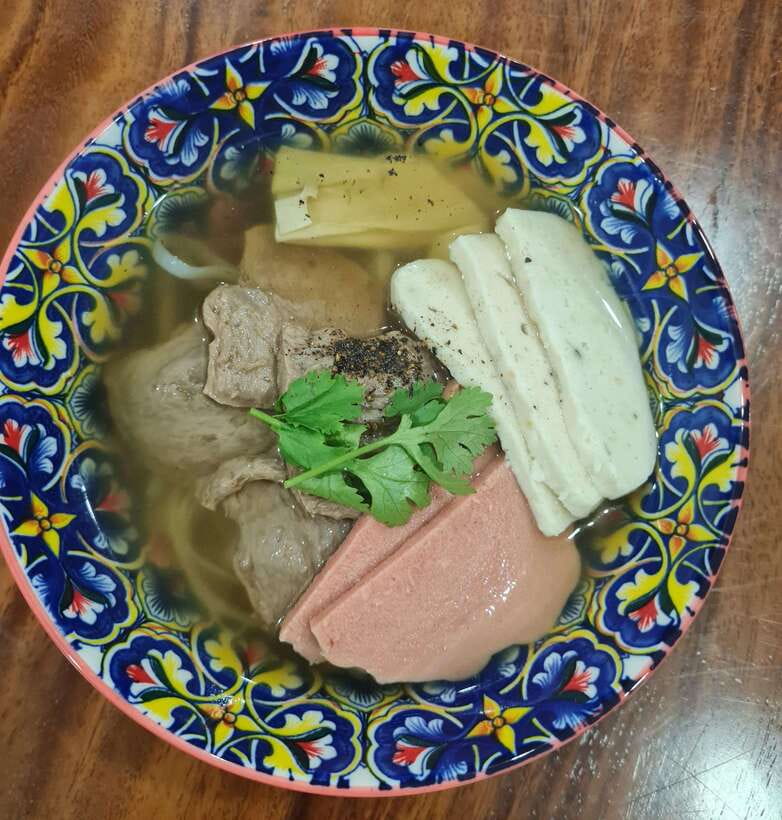
- The hands-on vegetarian cooking: what you’ll actually make
- Why these dishes teach useful skills
- What you’ll do at your station
- Tasting samples and learning the Vietnamese techniques behind the flavors
- After lunch: Vietnamese coffee with the phin filter method
- Coffee drinks you’ll learn: what makes each one worth your time
- Egg coffee
- Salt coffee
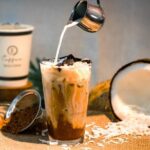
- Coconut coffee
- Phin coffee
- Instructor quality: clear teaching and a personal vibe
- Price and value: what $17 buys you in real terms
- Who this class is best for (and who should skip it)
- Practical tips to get the most out of it
- Should you book this Da Nang vegetarian cooking and coffee class?
- FAQ
- What’s included in the Da Nang vegetarian cooking and coffee class?
- How long does the experience take?
- What vegetarian dishes are included?
- What coffee drinks will I learn to make?
- Can the class accommodate food allergies or preferences?
- Do I need to arrange transportation to the meeting point?
- Is the class taught in English?
Key takeaways before you book
- Hands-on at your own station: demonstration first, then you cook step-by-step with guidance.
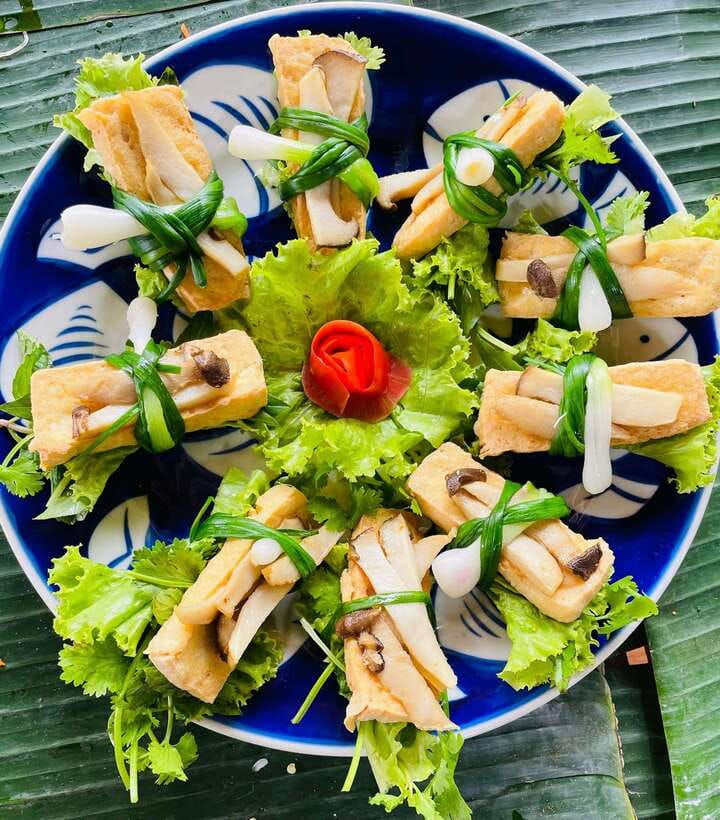
- Vegetarian menu with choice built in: noodle soup option, salad option, and spring roll style option.
- You leave with English recipes: you’ll get ingredient lists and copies to recreate the dishes later.
- Coffee made the traditional way: learn the phin filter method and make four popular drinks.
- Dietary flexibility: the family running it can accommodate allergies or preferences with advance notice.
- Choose cooking only or coffee only: if time is tight, you can do just one part.
Why Da Nang’s vegetarian cooking and coffee lesson feels like a full meal
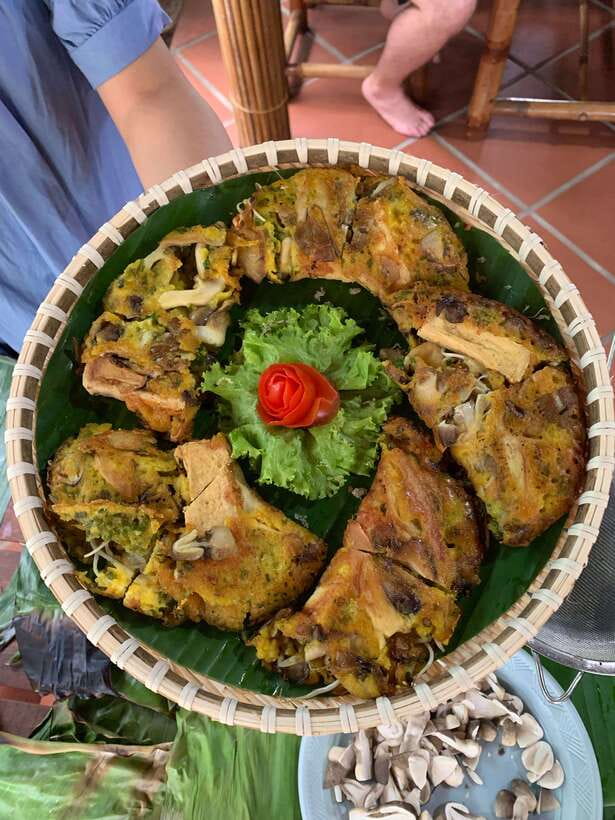
Da Nang has a reputation for good food, but this class gives you something better than a list of dishes. You learn the logic behind how Vietnamese meals are built: hot-and-salty, fresh-and-crunchy, then something aromatic to finish.
The vegetarian focus also matters. You get the same teaching style and technique building, but with plant-based dishes that still feel like a proper Vietnamese lunch. If you’ve ever tried to recreate Vietnamese food at home and the flavors didn’t land, this format helps because you’re cooking, tasting, and adjusting as you go.
And the coffee part isn’t treated like an afterthought. Brewing with a phin filter changes the whole texture and strength of the coffee. When you learn that method, you’re not just memorizing drinks—you’re learning how the Vietnamese make them day after day.
You can also read our reviews of more cooking classes in Da Nang
Where it starts: Da Nang Home Cooking Class and what the pace feels like
The experience begins at Da Nang Home Cooking Class, and it’s an instructor-led setup designed for active participation. There’s English support throughout, and all ingredients are included, so you’re not spending time hunting down supplies or guessing quantities.
The timing range (about 90 minutes to 5 hours) usually comes down to whether you book cooking only, coffee only, or both. If you choose both, plan for a longer session because the kitchen time and the coffee brewing time are each substantial.
One more practical point: you’ll be cooking and tasting. That means you should expect a relaxed, food-first pace. This is not a rushed “photo tour.” It’s more like spending an afternoon with a family kitchen—just with more measuring, more English, and a lot more technique.
The hands-on vegetarian cooking: what you’ll actually make
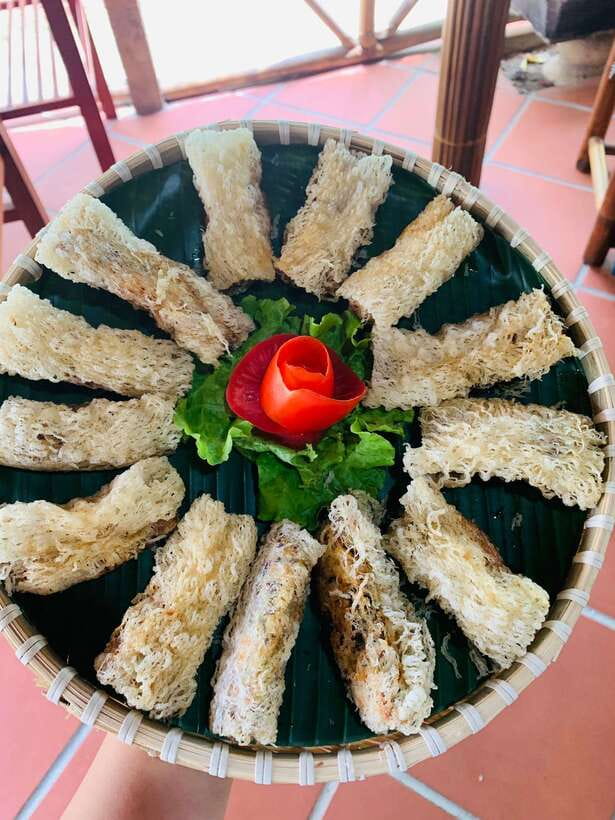
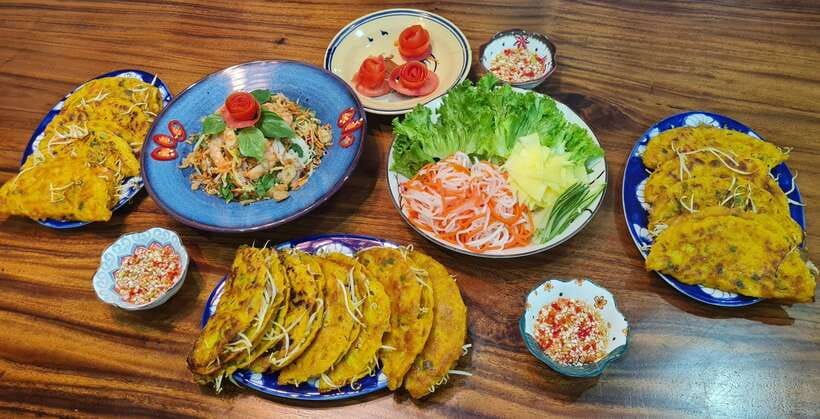
Your vegetarian menu is built from familiar Vietnamese building blocks, plus a few classic combinations that work well in a home kitchen. You typically cook four traditional dishes, selected from these options:
- Quang noodle or Pho (your class will choose one of these noodle soup styles)
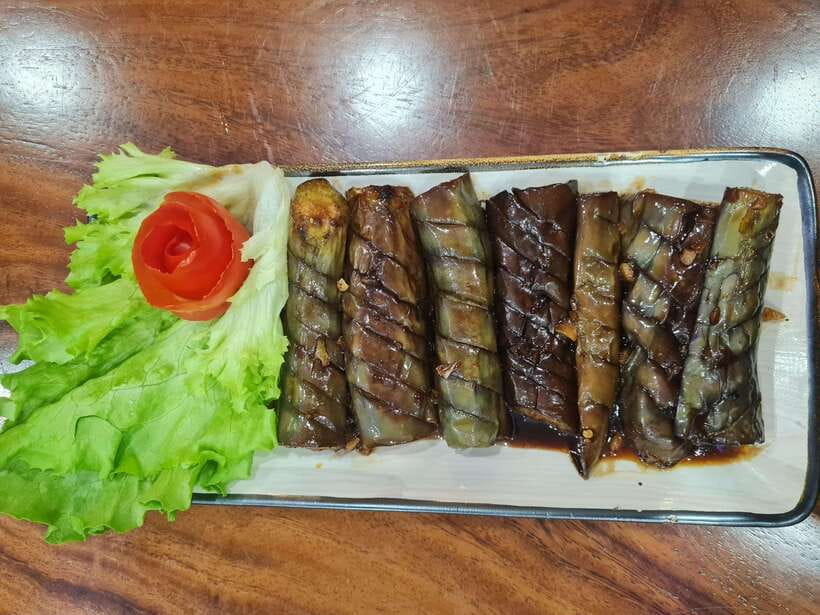
- Eggplant stir-fry
- Mango salad or Papaya salad
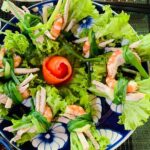
- Fried spring roll or fresh spring roll
That “either/or” part is helpful for you. If one dish sounds less appealing, you can ask about your preference when you contact them, and they’ll confirm substitutions based on your needs.
Why these dishes teach useful skills
This menu isn’t random. It trains you in the core Vietnamese pattern:
- Broth and noodle fundamentals with the pho or quang noodle choice
- High-heat flavor building with eggplant stir-fry
- Sweet-sour balance through mango or papaya salad
- Texture and wrapping technique with spring rolls
Even if your home pantry doesn’t match Vietnam exactly, these are the skills that travel. Once you know the method, you can swap ingredients and still recreate the feel of the dish.
What you’ll do at your station
Classes are completely hands-on. The format usually goes like this:
- A cooking demonstration shows the approach and key steps.
- You move to your personal cooking station.
- The instructor guides you step-by-step while you cook.
- You taste along the way.
This is the best kind of class for travelers who want results. You’re not just learning how to order. You’re learning how to cook.
A few more Da Nang tours and experiences worth a look
Tasting samples and learning the Vietnamese techniques behind the flavors
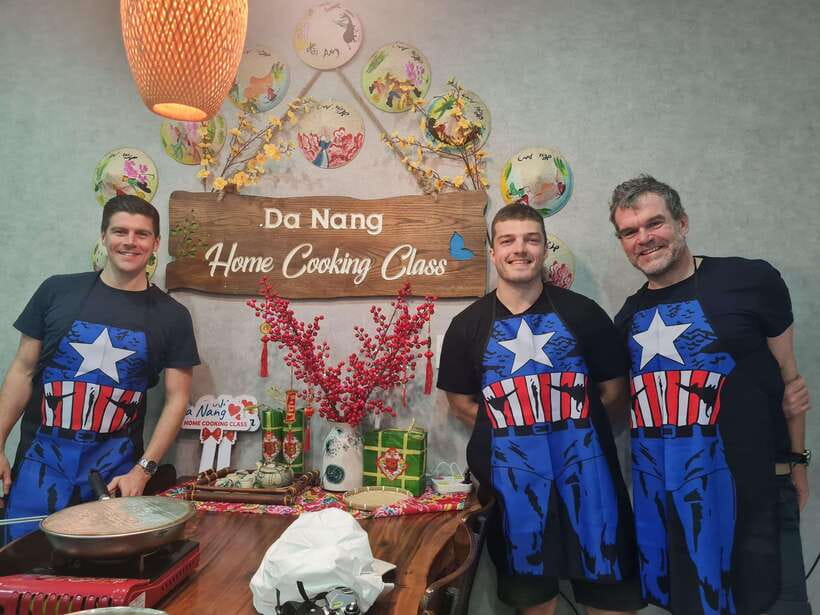
You’ll get tasting samples during the process, which helps you understand what the dish should taste like before you finish it. That small detail matters. Many cooking classes teach recipes. Fewer teach correction—how to tweak saltiness, sweetness, acidity, or texture.
The class also refers to Vietnamese secret cooking techniques. You probably won’t get a single magical ingredient. What you’ll notice is the emphasis on small adjustments: timing, heat control, and how sauces and dressings are balanced.
A practical advantage: because you’re tasting, you’ll know whether your salad dressing is too sweet or whether your noodle soup needs more punch. That’s exactly what makes the “I tried at home and it was bland” problem less likely.
After lunch: Vietnamese coffee with the phin filter method
Once you finish your homemade lunch, you switch to coffee. This section is built around traditional brewing using the phin filter—a small metal drip device that slows the coffee extraction.
If you’ve only had Vietnamese coffee from cafés, the phin method explains why it tastes different. Slower extraction and the way the brew interacts with condensed-milk style sweetness (depending on the drink) changes the overall strength and mouthfeel.
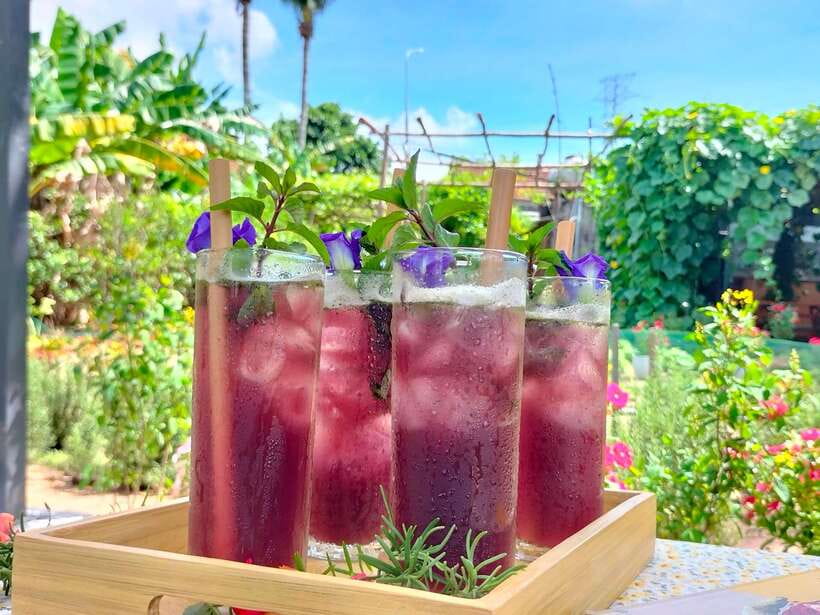
You’ll learn how to brew coffee the traditional way, then make four of Vietnam’s most famous coffee drinks:
- Egg coffee
- Salt coffee
- Coconut coffee
- Phin coffee
Even if you don’t plan to cook dessert at home, this part is still valuable. The lesson gives you a repeatable brewing method and helps you understand what each drink is trying to achieve—creamy, salty, coconutty, or straightforward and bold.
Coffee drinks you’ll learn: what makes each one worth your time
Egg coffee
Egg coffee is famous for its silky, custard-like texture. The class format helps you understand the balance between coffee and the creamy egg element, so you don’t end up with something too bitter or too heavy.
Salt coffee
Salt coffee is all about contrast. You’ll learn how salt changes the perception of sweetness and rounds out the flavors. For many people, this becomes the surprise favorite.
Coconut coffee
Coconut coffee is comforting and fragrant. It’s also a great “transferable” recipe because you can often replicate the coconut element with shelf-stable options, depending on what your pantry allows.
Phin coffee
This is the baseline drink, and it’s important. Making the classic phin coffee first makes the other drinks easier to understand afterward. You’ll see how the same brew behaves when you add different flavor directions.
Instructor quality: clear teaching and a personal vibe
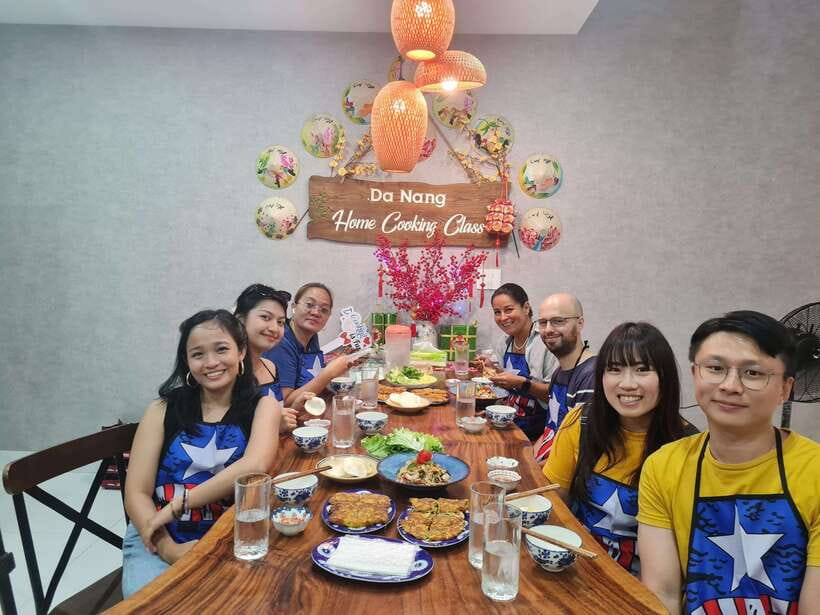
A lot of classes say they’re hands-on. This one leans into it with instruction that stays clear and friendly.
In past sessions, instructors like Ni have been praised for explaining everything clearly, and people also mention that the course feels personal, not generic. Another instructor, Jane, was noted for teaching coffee origins and the background behind the drinks—not just the steps.
That context pays off. When you know where the drinks come from and what local coffee culture values, you’ll remember the process better and feel more confident recreating it later.
Price and value: what $17 buys you in real terms
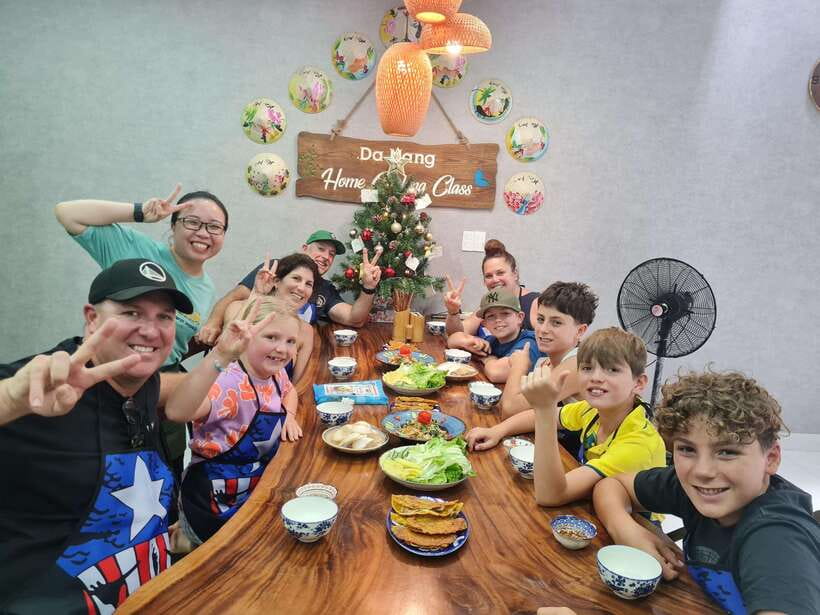
At around $17 per person, the value is strong when you think beyond the number. You’re getting:
- ingredients included
- an English-speaking guide
- all your cooking materials
- recipe copies in English
- and a coffee lesson with multiple drinks
For many travelers, this is the difference between paying for a meal versus paying for skills. A regular restaurant meal gives you flavor once. This experience gives you a repeatable method for 4 vegetarian dishes plus 4 coffee styles.
The only financial “gotcha” is transportation to the start point. Since there’s no pickup or drop-off, you’ll want to factor in how you’re getting there from your hotel or where you’re planning to be in Da Nang.
Who this class is best for (and who should skip it)
This suits you if you want:
- real cooking practice, not just watching
- a vegetarian Vietnamese meal with classic dishes
- a coffee-focused cultural lesson
- recipes you can use later at home
It’s also a good choice if you’re traveling with kids or a mix of ages, since the class structure supports adults and younger participants doing the steps at their station.
You might want to skip it if you’re short on time and hate extended sit-at-a-table activities. The experience can run up to several hours if you do both cooking and coffee. In that case, pick the part that interests you more: cooking only or coffee only.
Practical tips to get the most out of it
- Let them know about food restrictions or allergies before you go. The family can substitute dishes or ingredients, but you need to email your requirements so they can confirm options.
- Plan to eat a real lunch. You’re making and tasting dishes, so you won’t want to schedule dinner plans immediately afterward.
- Take the recipe copies seriously. If you want to recreate the food back home, treat those printed/English copies like a mini cookbook and compare them to what you made during the class.
- If you’re a coffee lover, pay attention during the phin filter lesson. That’s the method that changes everything, even more than the drink names.
Should you book this Da Nang vegetarian cooking and coffee class?
Yes—if you want hands-on skills in two of Vietnam’s biggest comfort-food categories: vegetarian dishes and coffee. The price-to-content ratio is one of the strongest parts here, because you’re not only eating; you’re learning methods you can repeat.
Book it if:
- you want four cooking dishes plus four coffee drinks
- you like step-by-step instruction in English
- you want recipes to take home
Consider another option if:
- you need pickup or you don’t want to manage your own transport to Da Nang Home Cooking Class
- your schedule is so tight that even one full section (cooking or coffee) will feel rushed
If you can swing it, this is a fun way to leave Da Nang with both a full stomach and a new set of kitchen habits.
FAQ
What’s included in the Da Nang vegetarian cooking and coffee class?
It includes cold bottled water, an English-speaking guide, all ingredients, and English recipe copies. You’ll also taste what you make and enjoy your coffee.
How long does the experience take?
The duration ranges from about 90 minutes to 5 hours, depending on whether you choose cooking only, coffee only, or both.
What vegetarian dishes are included?
The vegetarian menu includes four traditional dishes chosen from: quang noodle or pho, eggplant stir-fry, mango salad or papaya salad, and fried spring roll or fresh spring roll.
What coffee drinks will I learn to make?
You’ll learn to brew Vietnamese coffee with a phin filter and make four drinks: egg coffee, salt coffee, coconut coffee, and phin coffee.
Can the class accommodate food allergies or preferences?
Yes. You should email your food restrictions or allergy ahead of time so they can confirm substitutions for dishes or ingredients.
Do I need to arrange transportation to the meeting point?
Yes. Pick-up and drop-off service isn’t included, so you’ll need to get to Da Nang Home Cooking Class yourself.
Is the class taught in English?
Yes. The instructor and materials are English-friendly, including recipe copies in English.