REVIEW · HANOI
Discover Vietnam – Cambodia – Thailand in 22 Days
Book on Viator →Operated by Realistic Asia · Bookable on Viator
Four countries, one fast-moving plan.
If you want Southeast Asia without the planning headaches, this Hanoi-to-Phuket itinerary hits the big moments in Vietnam, Cambodia, and Thailand while keeping logistics handled. I like that it’s built around door-to-door transfers and an English-speaking guide so you’re not constantly figuring out who/what/where.
What I also like is the mix of structure and breathing room: you get guided market and temple time, then you’re allowed to roam on your own in Hoi An and again in Phuket. The one drawback to consider is the pace: you’ll have early starts (like sunrise on Halong Bay days) and long travel stretches, and Cambodia’s history stops can feel emotionally heavy.
In This Review
- Key highlights I’d circle on your trip planner
- Entering The Route: Hanoi-to-Phuket, with real variety
- Price and what $2,481 buys you (and what it doesn’t)
- Group size, guides, and why service quality matters here
- Days 1–5: Hanoi, Ba Vi villages, and Halong Bay done the scenic way
- Day 1: Hanoi arrival and straight-to-hotel comfort
- Day 2: Ba Vi countryside villages near Hanoi
- Day 3: To Halong Bay via the Red River Delta
- Day 4: Halong Bay sunrise, Tai Chi, and a cave visit
- Day 5: Hoa Lu Temple and Tam Coc-Bich Dong by boat and bike
- Days 6–7: Hue’s pagodas, imperial city, markets, and tombs
- Day 6: Fly to Hue and get settled
- Day 7: Perfume River, imperial power, and royal tombs
- Days 8–10: Hoi An’s market by boat and then free time to wander
- Day 8: Transfer to Hoi An
- Day 9: Central market by boat with an English-speaking guide
- Day 10: Free day in Hoi An
- Days 11–14: Ho Chi Minh City, Mekong Delta at Mekong Home, and Cu Chi Tunnels
- Day 11: Fly to Ho Chi Minh City
- Day 12: Mekong Delta and staying at Mekong Home
- Day 13: Cycling in Oc with fruit and coconut scenery
- Day 14: Cu Chi Tunnels
- Days 15–18: Phnom Penh and Siem Reap, including S-21 and Angkor’s masterpieces
- Day 15: Phnom Penh Royal Palace, Silver Pagoda, Wat Phnom
- Day 16: Tuol Sleng (S-21) and the Killing Fields
- Day 17: Siem Reap transfer and Killing Fields at Wat Thmey
- Day 18: Angkor Thom, Bayon, Ta Prohm, and Angkor Wat
- Days 19–22: Phuket’s beach days after Angkor fatigue
- Day 19: Flight to Phuket and hotel transfer
- Days 20–21: Two free days in Phuket
- Day 22: Final morning and departure support
- Included meals and how to use them without losing your day
- Practical tips before you go: timing, weather, and packing smart
- Should you book this Vietnam–Cambodia–Thailand 22-day tour?
- FAQ
- How long is the tour?
- What’s the starting and ending point?
- Is this tour a small group?
- Are sightseeing tickets included?
- What about flights and luggage?
- Does the tour include meals?
- Do I need a visa, and is an e-visa included?
- Is travel insurance included?
- Can I cancel for a refund or change dates?
Key highlights I’d circle on your trip planner
- Small group size (max 15) for a more manageable pace and fewer logistics headaches
- English-speaking guide + 24/7 hotline support when things change on the ground
- Flights with 20 kg checked luggage included to reduce backtracking time
- Halong Bay cruise with sunrise + cave visit instead of a rushed day trip
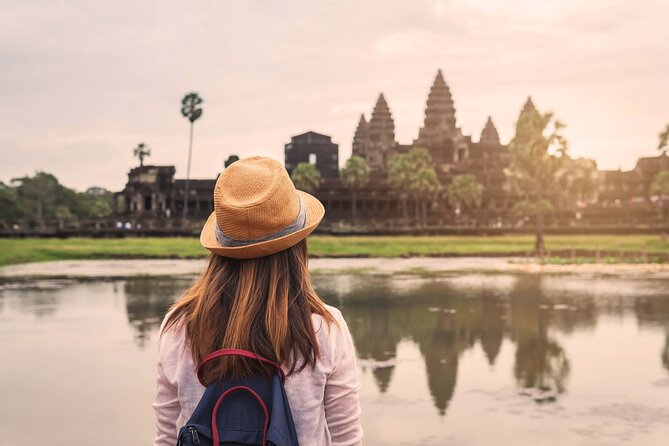
- Angkor classics in a tight window from Angkor Thom to Bayon, Ta Prohm, and Angkor Wat
- Two Phuket free days so you can recover after temple days
Entering The Route: Hanoi-to-Phuket, with real variety
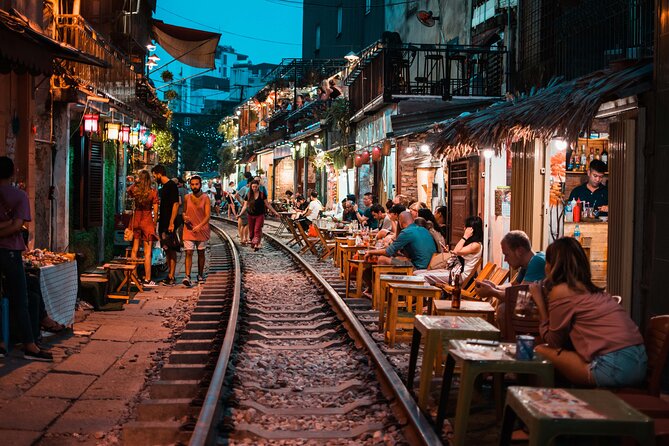
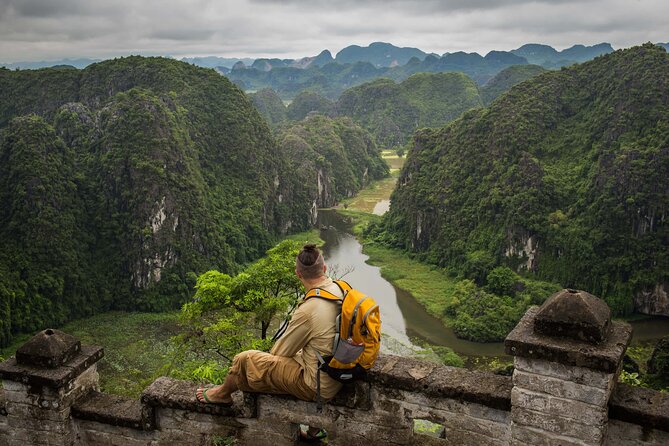
This is a “see the region” trip. You start in Hanoi, then move through northern and central Vietnam (Ba Vi, Halong Bay, Hoa Lu/Tam Coc, Hue, Hoi An). Then it’s south to Ho Chi Minh City and the Mekong Delta, and across into Cambodia for Phnom Penh and Siem Reap/Angkor. Finally, you end in Phuket with downtime.
That variety matters because Southeast Asia can otherwise blur together when you’re only doing one style of sightseeing. Here, you’ll shift from rice paddies and limestone karst, to royal tombs and lantern-lit old towns, to tunnels and genocide memorials, and then to beach time. It keeps the story moving, and it reduces the chance that you’ll feel stuck doing one type of activity for two solid weeks.
If you’re the kind of traveler who likes checklists, this itinerary will feel satisfying. If you hate being on the move, the pace might wear you down. The good news is the trip does give you free time twice in places where wandering makes sense.
You can also read our reviews of more tours and experiences in Hanoi.


Price and what $2,481 buys you (and what it doesn’t)
At $2,481 per person for ~22 days, you’re paying for a lot of the “invisible” work: guides, admission tickets, most key meals (breakfast almost every day), and a chunk of transport—including internal flights.
Here’s what you’re really getting value for:
- Sightseeing tickets are included for the listed activities, so you don’t have to micromanage entry lines and pricing.
- Transport is mostly handled: private car door-to-door transfers at the start and end of major segments, air-conditioned coach/buses on longer legs, and included flights between regions.
- Luggage is less stressful because the internal flights include 20 kg checked luggage per person. That’s a big deal when you’re going from city to city with many stops.
And here’s what you should budget separately:
- Travel insurance is not included.
- International flights and departure taxes are not included.
- Tips/gratuities and beverages are on you.
- Visas are your responsibility (even though they’ll provide an invitation letter to help you obtain one at the airport).
So the value question becomes: do you want to buy convenience? If yes, this price looks more reasonable. If you’d rather DIY the flights and build your own schedule, you could spend less—but you’ll also trade away the stress-control this trip is designed to provide.
Group size, guides, and why service quality matters here
This tour runs with a maximum of 15 travelers. That size is meaningful. It’s small enough for a guide to keep tabs on the group, but big enough that you’re not stuck waiting forever for one person to show up late.
You also get an experienced English-speaking guide plus tissues and water on coach, and the trip includes 24/7 hotline support. In practice, that kind of safety net matters most on travel days—when timing shifts, queues happen, or weather throws a curveball.
One theme I noticed from past guest feedback is that people were happy with specific named help on the ground, including guides such as Thang and support consultants like Linh and Jennifer Bui. Even without betting your trip on any one person, the pattern suggests the company invests in personal, real-time support—not just a printed itinerary.
Days 1–5: Hanoi, Ba Vi villages, and Halong Bay done the scenic way

Day 1: Hanoi arrival and straight-to-hotel comfort
You land at Noi Bai International Airport, and your private driver meets you with a name sign. Then you’re escorted to your accommodation in the center of Hanoi. For a trip like this, I like starting this way. It cuts through jet lag confusion fast.


Day 2: Ba Vi countryside villages near Hanoi
You drive about 1.5 hours from Hanoi center to Ba Vi for village life and an experience focused on countryside routines. You’ll visit Mr. Duo’s area (the plan lists a visit to Mr. Duo), and the point here is simple: shift from big-city sights to how people live outside the urban grid.
If you want photos, this works. If you want a calmer pace for day two, it also works.
Day 3: To Halong Bay via the Red River Delta
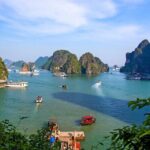
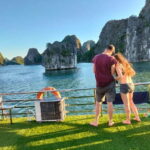
You leave Hanoi and take the scenic route across the Red River Delta, passing rice paddies and karst scenery along the way. Then you board a cruise at the pier with limestone rock formations and karst grotto views.
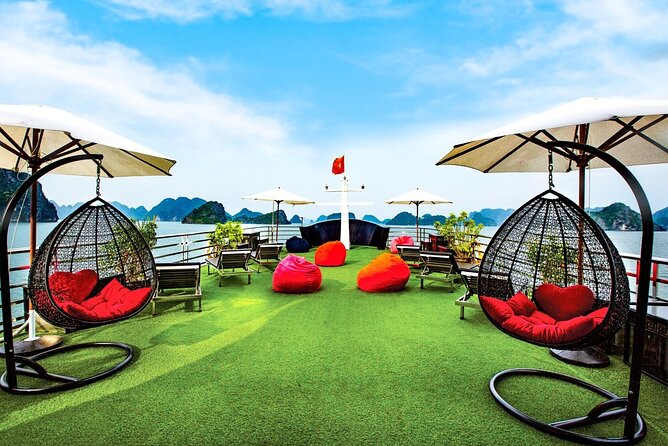
You’ll have seafood lunch on the cruise and time on the sundeck. This is where you start getting the “Southeast Asia special effects” look—big stone shapes under bright sky.
Day 4: Halong Bay sunrise, Tai Chi, and a cave visit
You rise early for sunrise on the cruise, then enjoy breakfast served on board. A Tai Chi class on the sun deck is included, followed by a limestone cave visit.
Then you transfer back to Hanoi for overnight.
The main consideration: early mornings at the start of the day. If you know you’re not a sunrise person, it can still be worth it. Just plan to be gentle with the rest of your day.
Day 5: Hoa Lu Temple and Tam Coc-Bich Dong by boat and bike
Morning starts with a coach ride to Hoa Lu to see Vietnam’s historic capital temples tied to the Le and Dinh dynasties. After lunch, you head to Tam Coc-Bich Dong for a boat trip through karst formations and caves. Then you cycle for about an hour on quieter roads.
This day is one of the best examples of balance in the schedule: temple time, then water time, then light cycling.
Days 6–7: Hue’s pagodas, imperial city, markets, and tombs
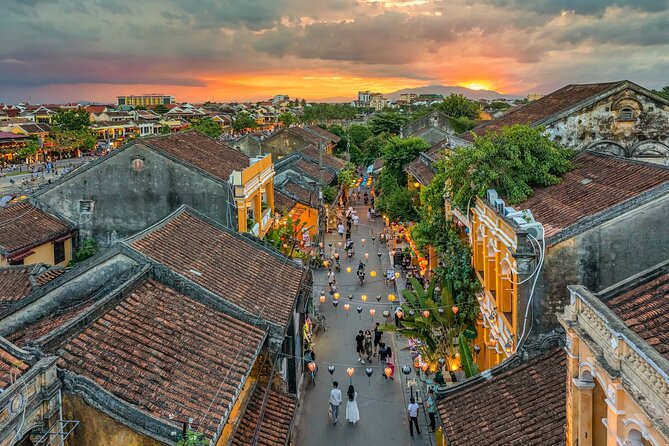
Hue can be a “slow culture” city if you do it right. This itinerary keeps it efficient but still structured around major landmarks.
Day 6: Fly to Hue and get settled
You check out in the morning and fly from Hanoi to Hue. Overnight in Hue.
Day 7: Perfume River, imperial power, and royal tombs
You start at Thien Mu Pagoda and cruise along the Perfume River by dragon boat. Then you visit the Hue Imperial Citadel, built as the home of the Nguyen Dynasty. After that, Dong Ba Market becomes your everyday-life stop, with time to see how local people buy and sell foods and goods.
In the afternoon, you go to the royal tombs:
- Khai Dinh King’s Tomb (described as a blend of Western and Eastern elements)
- Mausoleum of Emperor Minh Mang (noted for its architecture and connection to the natural surroundings)
Plus a complimentary herbal foot bath on the way.
This is a long day with several “big sights” stacked in. The upside is that Hue feels like a full story: spirituality, politics, daily life, and royal legacy all in two days.
Days 8–10: Hoi An’s market by boat and then free time to wander
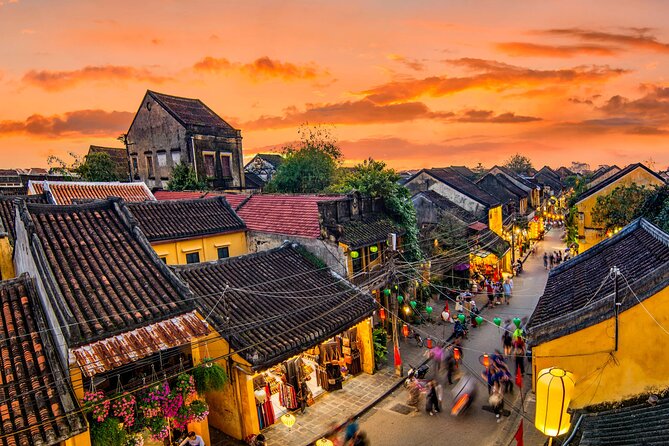
Day 8: Transfer to Hoi An
You travel by car to Hoi An and check in for overnight.
Day 9: Central market by boat with an English-speaking guide
You start around 8:30 a.m. with a visit to Hoi An’s central market by boat. You’ll learn about choices of noodles, fish selection, spices, herbs, and grains. Even if you don’t buy anything, this is one of the better ways to understand the local food logic without guesswork.
The guide experience is included, and that matters in markets where the food is right in front of you but not explained.
Day 10: Free day in Hoi An
This day is explicitly free time to explore at your pace. Hoi An’s mix of Japanese merchant houses, pagodas, temples, and antique warehouses makes it easy to create your own plan.
My practical advice: use this day to slow down. If you keep “sightseeing pace” from Hue, you’ll feel rushed. Treat it like a reset.
Days 11–14: Ho Chi Minh City, Mekong Delta at Mekong Home, and Cu Chi Tunnels
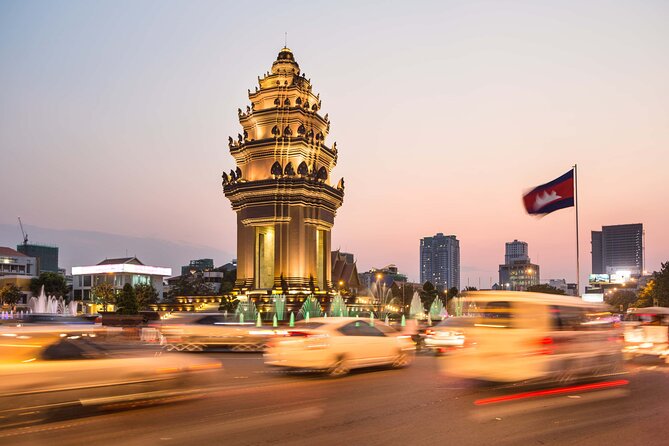
Day 11: Fly to Ho Chi Minh City
You fly from Hue to Ho Chi Minh City and transfer to your hotel.
Day 12: Mekong Delta and staying at Mekong Home
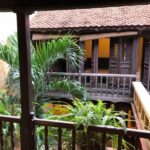
After breakfast, you go to Ben Tre in the Mekong Delta. You arrive at a family house setting called Mekong Home, described as bungalows in a tropical garden on the Mekong river bank.
The value here is rhythm. You trade city pace for river and palm trees, and you get a family-style base.
Day 13: Cycling in Oc with fruit and coconut scenery
You cycle for 2 to 2.5 hours toward the island of Oc, with fruit trees and coconut trees along the way. You pass by a local market route as part of the day.
Then you transfer back to Ho Chi Minh City around noon and overnight.
Day 14: Cu Chi Tunnels
You head to Cu Chi Tunnels, a system of more than 220 km of tunnels tied to the Vietnam War history. Transportation and time for the visit are included.
This is not a “light” activity day. It’s fascinating and sobering, so I recommend keeping your evening low-key so you can process it.
Days 15–18: Phnom Penh and Siem Reap, including S-21 and Angkor’s masterpieces
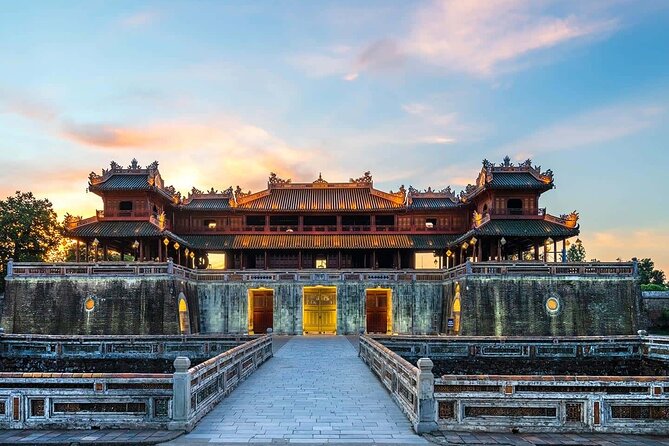
This section is the most emotionally intense part of the route, and it’s also where the itinerary feels most “once in a lifetime” due to Angkor.
Day 15: Phnom Penh Royal Palace, Silver Pagoda, Wat Phnom
You bus from Ho Chi Minh City to Phnom Penh. In the afternoon you visit:
- Royal Palace
- Silver Pagoda (including the description of a 90 kg golden Buddha encrusted with diamonds)
- Wat Phnom
This is your classic Phnom Penh introduction: royal sites and major temples.
Day 16: Tuol Sleng (S-21) and the Killing Fields
You visit Tuol Sleng Genocide Museum, also known as S-21 prison, where thousands were held. Then you go to Choeung Ek for the Killing Fields.
After that you have a market stop at Russian Market (Toul Tumpong Market) for shopping time.
This day can hit hard. I like that the itinerary doesn’t only do memorials; it also includes a later market block, which can help you end the day more grounded than numb.
Day 17: Siem Reap transfer and Killing Fields at Wat Thmey
You travel by bus to Siem Reap. In the afternoon you visit Wat Thmey, with a glass-walled stupa containing bones of victims, then Wat Memorial Mountain.
Even though this repeats the “Killing Field” theme, it’s adding different locations and memorial styles.
Day 18: Angkor Thom, Bayon, Ta Prohm, and Angkor Wat
You see:
- Bayon Temple in Angkor Thom
- the South Gate area of Angkor Thom
- Ta Prohm, known for jungle-covered temple scenes
- Angkor Wat, described with scale and moat/walls
This is the day you’ll likely remember the most visually. The schedule stacks the iconic temples in one go, so wear shoes you can survive in and bring water planning for heat.
Days 19–22: Phuket’s beach days after Angkor fatigue
Day 19: Flight to Phuket and hotel transfer
You get a private driver to the airport in Siem Reap, fly to Phuket, then transfer to your hotel.
Days 20–21: Two free days in Phuket
You’re free to explore beaches at your own pace. The plan specifically names Kata Beach as a good option for soft white sand, palm shade, water activities, and a laid-back vibe.
This matters because after temples and memorials, your brain needs a change of texture. Two full free days give you room to choose quiet beach time, casual lunches, or short outings without committing to another regimented schedule.
Day 22: Final morning and departure support
You finish with breakfast, then check out and depart. The plan also mentions time to visit local markets for souvenirs before you fly out from Phuket International Airport.
Included meals and how to use them without losing your day
Meals are included in a structured way:
- Breakfast is included for 21 days
- Lunch is included for 8 days
- Dinner is included for 2 days
Because lunches and dinners aren’t every single day, don’t assume every day is fully “covered.” That’s fine. I recommend using free-time days to eat where you feel like it, especially in Hoi An and Phuket.
Also, plan your pacing around included meals. When lunch is on the schedule (like Halong Bay cruise day), the timings can shape the rest of your day. When it’s free time, you can keep your own rhythm.
Practical tips before you go: timing, weather, and packing smart
- The itinerary includes early starts, especially in Halong Bay. If you struggle with mornings, bring something you can do fast at night (simple snacks, water bottle, charger ready).
- The trip requires good weather. If it’s canceled due to poor weather, you’ll get offered a different date or a full refund (so don’t ignore weather sensitivity).
- Flights are built into the route, so pack with that reality in mind. With internal flights included with 20 kg checked luggage, you’ll have flexibility, but you’ll still want to pack a small day bag for guided stops.
- You’ll need to confirm visa requirements prior to border crossing. The company provides a visa invitation letter for obtaining visa at the airport, but e-visa is not included.
And because Cambodia’s history sites are part of the plan, consider how you handle emotional days. You don’t have to “tough it out” at full speed. Build small recovery windows into the evening.
Should you book this Vietnam–Cambodia–Thailand 22-day tour?
Book it if you want:
- a guided, logistics-light route across Vietnam, Cambodia, and Thailand
- a mix of major sights with two free Phuket days and a free day in Hoi An
- English-speaking guiding and included entry tickets so your days stay focused
Consider skipping or choosing a slower version if:
- you hate early starts and long travel days
- you’re not prepared for the emotional weight of S-21 and the Killing Fields sites
- you want lots of personal control over flights and daily scheduling
If your ideal trip is: organized, guided, and broad, this is a strong pick. If your ideal trip is: slow, local, and flexible day to day, you may feel the pressure of the schedule. For many people, that trade-off is exactly why they book: the route gives structure, and the free time gives you a chance to breathe.
FAQ
How long is the tour?
It runs for about 22 days.
What’s the starting and ending point?
The tour starts at Noi Bai International Airport in Hanoi and ends at Phuket International Airport.
Is this tour a small group?
Yes. The maximum group size is 15 travelers.
Are sightseeing tickets included?
Yes. All sightseeing tickets according to the itinerary are included.
What about flights and luggage?
Flights between regions are included, and each flight includes 20 kg checked luggage per person.
Does the tour include meals?
Breakfast is included for 21 days, lunch for 8 days, and dinner for 2 days.
Do I need a visa, and is an e-visa included?
You must confirm visa requirements before border crossing. A visa invitation letter is provided for getting a visa at the airport, and e-visa is not included.
Is travel insurance included?
No. Travel insurance is not covered in the tour price.
Can I cancel for a refund or change dates?
The experience is non-refundable and cannot be changed. If canceled due to poor weather, you’ll be offered a different date or a full refund.