REVIEW · BUON MA THUOT
Buon Ma Thuot: Bean to Brew Coffee Farm Tour with Tasting
Book on GetYourGuide →Operated by Scenicaholic · Bookable on GetYourGuide
Coffee and a working farm walk.
That combo is why this Buon Ma Thuot tour feels worth your time: you get hands-on coffee-tree care (pruning, weeding, fertilizing, and even cleaning the basin around the plant) plus a real processing lesson tied to flavor. I especially like the way the guide explains the difference between organic and conventional farming, and I also like the practical tasting at the end—either black or milk coffee, brewed by machine or filter. One caution: getting to the exact meeting place can be a little tricky, so use the directions in your booking email and arrive early.
This is a short trip from the city, with the farm located about 10 km from the center. You’ll spend most of your time in the plantation learning how Robusta and Arabica are harvested and processed (and what changes outside harvest season), then you’ll finish with coffee you can actually connect to what you saw.
If you’re sensitive to heat, plan ahead. The tour doesn’t include sun protection, and the farm visit can be outdoors.
In This Review
- Key highlights to know before you go
- From Ea Kao to the plantation: the practical start
- Coffee care you can actually picture: pruning, weeding, fertilizing, basin cleaning
- Organic vs conventional farming: what changes on the farm
- How harvesting and processing work for Robusta and Arabica
- Traditional irrigation systems and what tech can change
- The tasting: black or milk coffee, machine or filter
- Price and logistics: is $18 good value for one hour?
- Who this tour is perfect for (and who should rethink it)
- A few simple tips to get the most out of your hour
- Should you book this coffee farm tour?
- FAQ
- Where is the tour meeting point?
- How long is the coffee farm tour?
- What languages are the instructors?
- Is the tour wheelchair accessible?
- What coffee will I taste at the end?
- What happens if I go outside the coffee harvest season?
- What should I bring since it’s not included?
Key highlights to know before you go
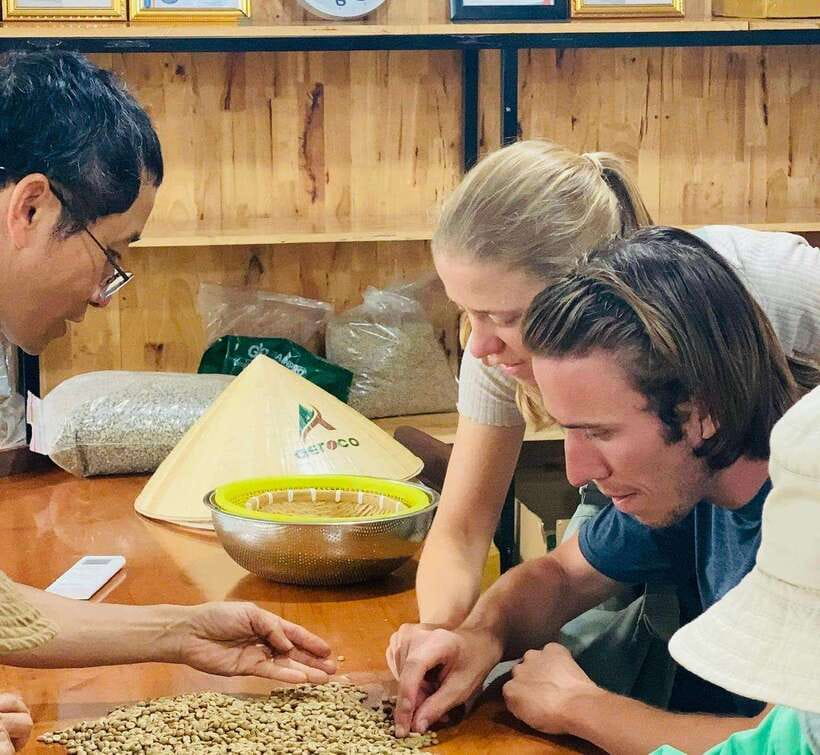
- Robusta and Arabica learning in one session, with the differences tied to what you’re seeing
- Coffee-tree maintenance tasks like pruning, bud breaking, weeding, seasonal fertilization, and basin cleaning
- Organic vs conventional farming explained clearly, so you know what those labels really mean on the ground
- Wet-dry processing method that connects steps to the flavors you’ll taste
- Traditional irrigation systems and why irrigation tech can matter for consistent growth
- Coffee tasting at the end, including black or milk options and a chance to try coffee cherries when available
From Ea Kao to the plantation: the practical start
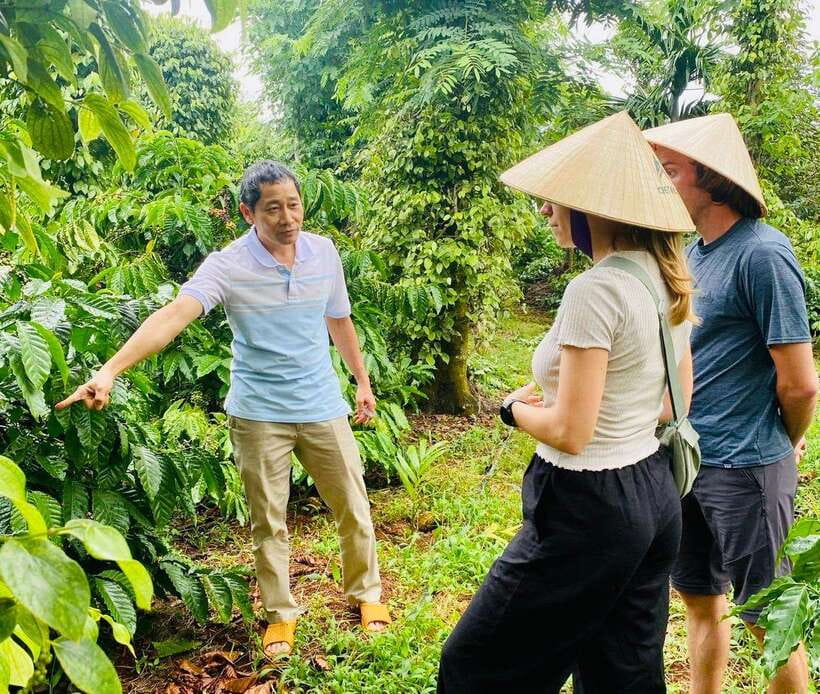
Your tour starts at Ea Kao, and you meet your instructor at the coffee farm site. The farm is about 10 km from Buon Ma Thuot’s city center, so expect a short local transfer rather than a full-day excursion. The total tour time is 1 hour, and the plantation visit itself is about 80 minutes, which is a big deal for people who are trying to fit coffee learning into a tight schedule.
Bring the booking details with you. Once you book, you get a confirmation email with directions to the specific location and the instructor contact info. Arrive at least 5 minutes early so you don’t spend your whole morning doing the slow version of guess-and-check.
A practical note based on real-world experience: the main downside isn’t the content—it’s finding the right spot. If you know your own navigation style, use it, but also follow the provided directions closely. When a tour is short, being 10 minutes late can feel like you lost half the value.
You can also read our reviews of more tours and experiences in Buon Ma Thuot.
Coffee care you can actually picture: pruning, weeding, fertilizing, basin cleaning
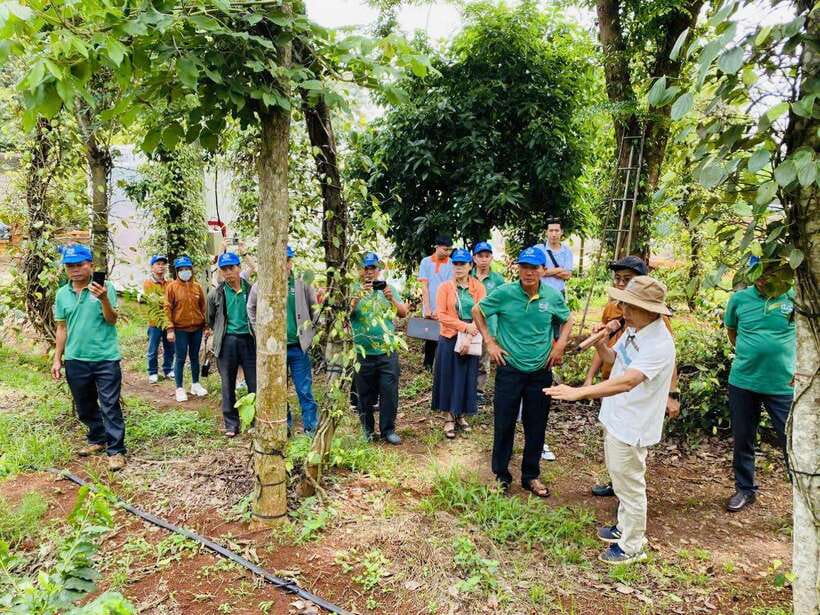
Once you’re on the farm, you’ll get a guided walk through real coffee-care routines. This part is what makes the tour feel like more than a photo stop. You’ll learn what locals do through the growing cycle, including:
- pruning
- bud breaking
- proper weeding
- seasonal fertilization
- cleaning the basin around the coffee tree
Even if you’ve never grown coffee before, the guide’s goal is to help you understand how these actions connect to plant health and bean quality. Pruning and weeding aren’t just busywork—they control the tree’s structure and reduce competition. Fertilization is timed to support growth, and basin cleaning helps keep moisture and nutrients working where the roots need them.
This is also where the organic vs conventional theme begins to make sense. The tour doesn’t just talk labeling; it points to what farmers choose to do differently on the ground. If you like learning by seeing cause-and-effect, this section hits.
Organic vs conventional farming: what changes on the farm
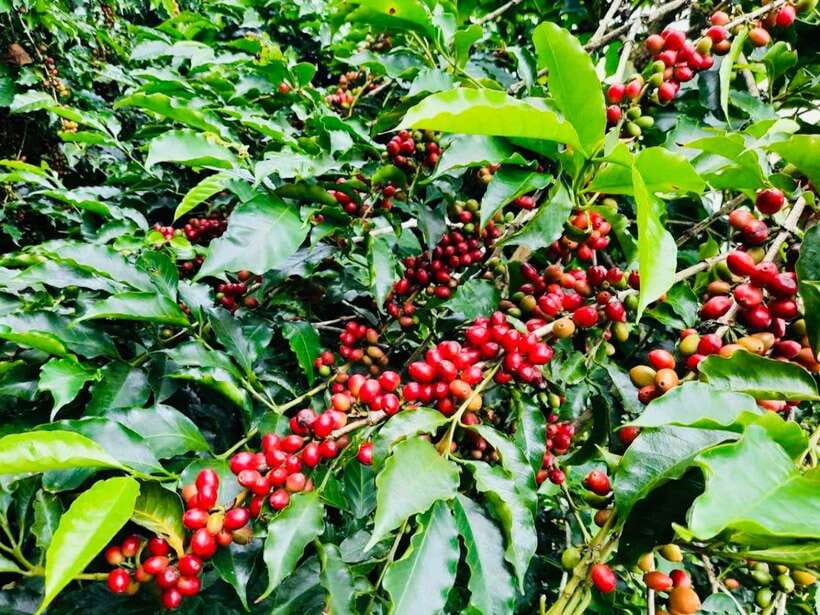
You’ll get a clear explanation of the difference between organic and conventional farming as practiced on coffee farms in the Central Highlands. The best part of hearing this in person is that you can connect theory to plants and routines you just saw.
On paper, organic and conventional can sound like marketing words. On the tree, it becomes about methods—how inputs are handled, how care practices are managed, and how farmers aim for consistency while staying within their approach.
This is valuable for you because coffee isn’t one uniform crop. In Vietnam’s coffee belt, the “right” farming approach can be influenced by weather patterns, labor routines, and farm management style. Knowing what the farmer means by organic vs conventional helps you taste coffee later with your eyes open, not just your mouth.
How harvesting and processing work for Robusta and Arabica
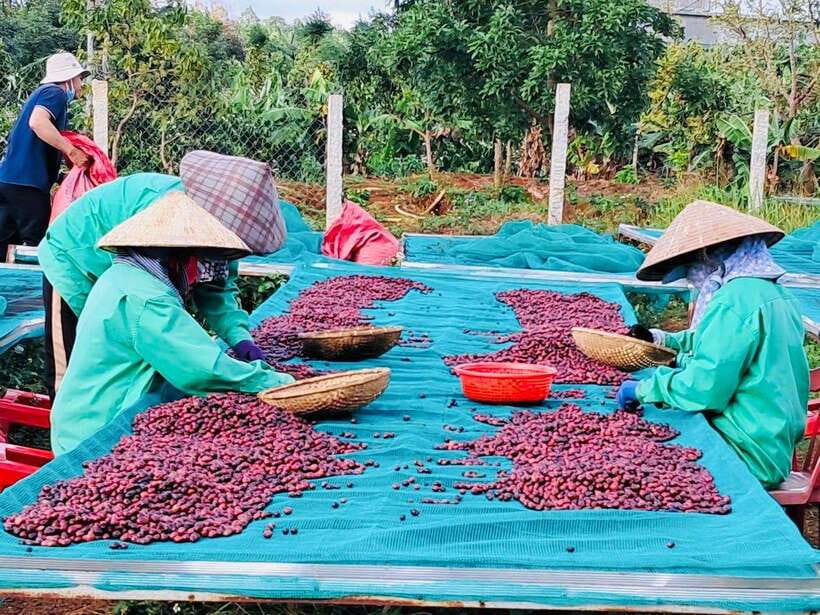
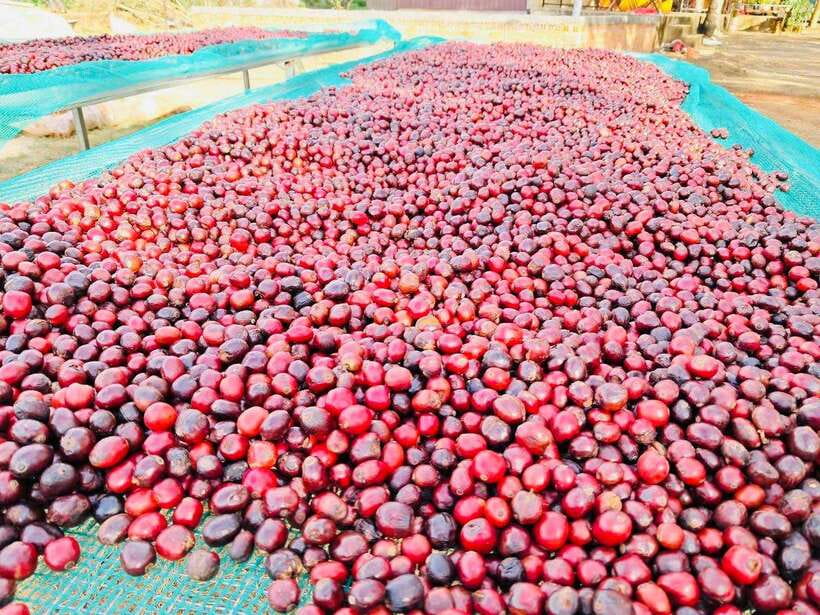
The tour focuses on Robusta and Arabica coffee, including what happens from picking through processing. If your timing hits the coffee harvest season, you should expect harvesting and drying activities as part of the experience. If you join outside harvest season, harvesting and drying may not occur, but the tour still covers the other scheduled learning points—so you won’t show up and get nothing.
What you will learn is the processing workflow using the wet-dry method. That phrase can sound technical, but the goal here is simple: you’ll understand how processing steps shape the final cup. Different handling affects fermentation, drying consistency, and the way flavors develop.
You’ll also hear how sun, wind, and the Central Highlands environment influence coffee during drying and processing. That’s not just scenery talk. It’s the practical reality of coffee quality in a place where drying conditions can make a measurable difference.
And here’s a detail worth noting: you may get the chance to taste freshly picked coffee cherries when available. It’s not the final brew flavor, but it’s a great way to understand the coffee plant as a whole—from fruit to bean—rather than treating coffee like it starts in a cup.
Traditional irrigation systems and what tech can change
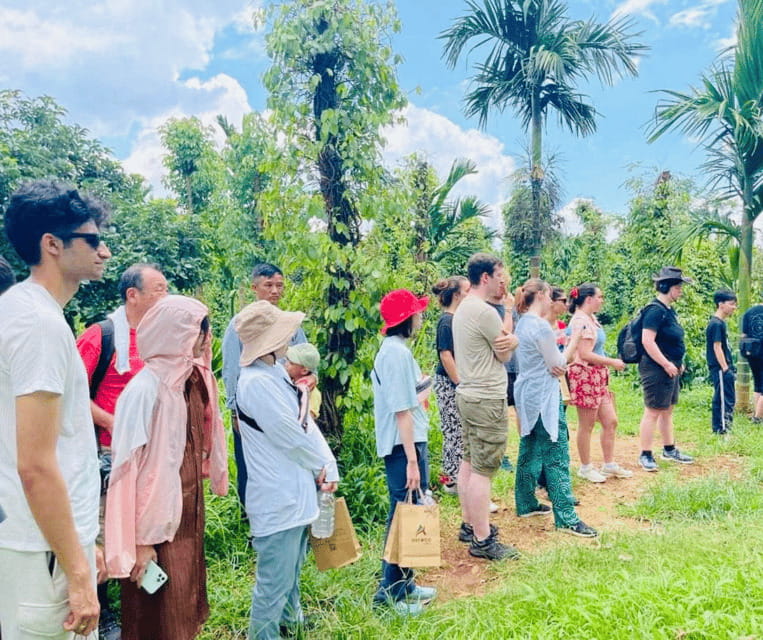
Coffee needs water in the right rhythm, and you’ll get an intro to operating traditional irrigation systems. You’ll also get an overview of the advantages of irrigation technology.
Why should you care? Because consistency is the quiet backbone of good coffee. In many regions, the difference between “nice” and “repeatable” can come down to water management and timing. Even if you never plan to farm, the irrigation lesson helps you understand why certain farms can produce stable quality year to year.
This segment is also a good reality check. It shows that coffee agriculture isn’t only about romantic sun and mountains. It’s systems—water delivery, maintenance routines, and management choices that farmers carry out daily.
The tasting: black or milk coffee, machine or filter
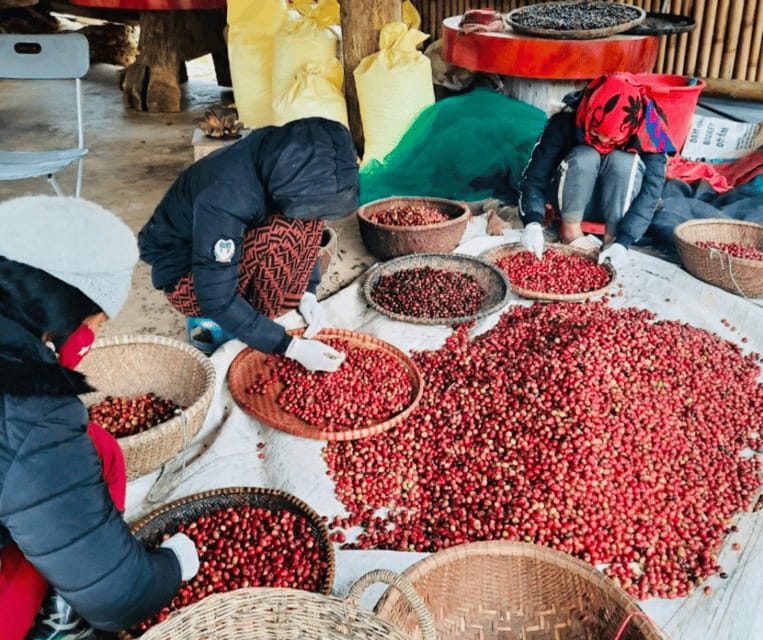
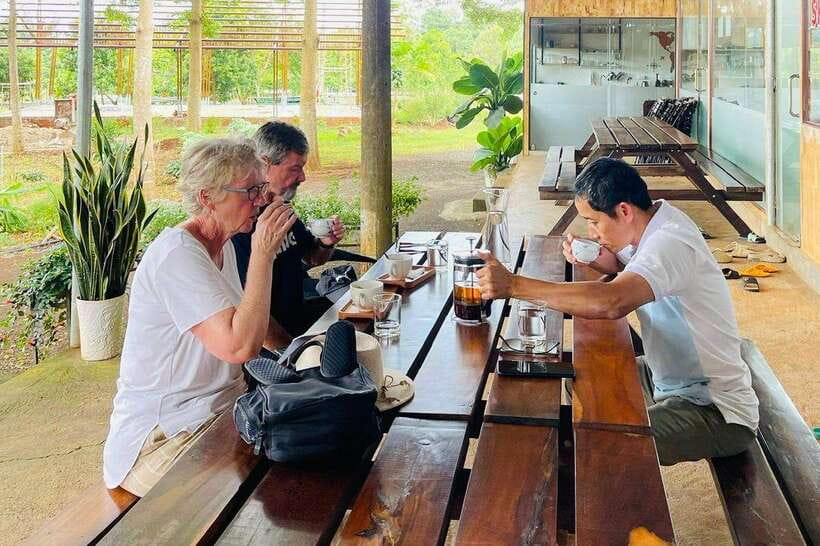
Now for the part you’ll remember after the notes fade: the tasting. You’ll finish with a cup of specialty-style coffee, brewed either by machine or filter, and you can choose black or milk. That flexibility matters because it lets you taste the coffee in a way that matches your palate.
If you’re a black-coffee person, you’ll likely find more clarity in aroma and flavor—especially when you connect it back to the processing steps you just learned about. If you prefer milk, you’ll still be able to notice differences, but the sweetness and texture will influence what you perceive.
The tasting isn’t a random free sample. It’s the payoff to the farm walk: wet-dry processing, careful plant care, and farming approach all show up in the final cup, even if only indirectly.
A small practical tip: treat the first sip as calibration. Then take a second sip slowly and notice how the coffee smells before it hits your tongue. The tour’s flavor focus works best when you pay attention in real time, not after you’ve already moved on to the next thing.
Price and logistics: is $18 good value for one hour?
At $18 per person for a 1-hour experience, this tour can be good value—mainly because it includes expert guidance plus a tasting, and it says all costs are included in the plan. For coffee lovers, that’s often the simplest deal: you pay once, show up, learn, and taste.
But you should factor in what it doesn’t include. There’s no hotel pickup and drop-off, so you’ll need to make your own way to Ea Kao and the farm meeting point. Also, personal expenses aren’t included, and the tour doesn’t include packagable coffee for sale. That last detail is good to know because some tours use shopping pressure as a hidden tax. Here, the learning and tasting are clearly the main point.
So who gets the best deal from this price? People who want a focused coffee education without spending half a day on transport. If your schedule is tight in Buon Ma Thuot, this short format is exactly the kind of add-on that fits.
Who this tour is perfect for (and who should rethink it)
This tour is a strong fit if you:
- like practical farm knowledge you can visualize
- want to understand Robusta vs Arabica in context
- care about coffee quality and processing steps, not just the final cup
- enjoy guided tastings with a clear tie to what you learned
You might want to rethink it if you:
- need hotel pickup and find self-navigation stressful
- are joining outside harvest season and were expecting lots of picking and drying
- get frustrated by tours where language quality varies between guides (the stated languages are English and Vietnamese, but performance can differ)
A few simple tips to get the most out of your hour
- Wear something comfortable for walking around a farm.
- Bring sun protection since the tour doesn’t include it.
- Arrive early so you can start relaxed.
- If you care about tasting, pause before drinking and smell the cup first.
Also, note the rules: no alcohol or drugs, and no making fire. Keep it simple and you’ll have a smooth, respectful visit.
Should you book this coffee farm tour?
I’d book it if you want a short, high-signal experience that connects coffee farming to what ends up in your cup. The combination of tree care practices, organic vs conventional explanation, Robusta/Arabica processing, and a real tasting makes the $18 feel reasonable—especially because the tour is only one hour and you’re not dragging it into a whole day.
I’d hesitate only if getting to Ea Kao and the exact farm location sounds like a hassle for you. If navigation is an issue, plan your route carefully and arrive early.
If you’re in Buon Ma Thuot and you want to leave with more than a souvenir, this is one of the better ways to do it.
FAQ
Where is the tour meeting point?
The meeting point is in Ea Kao. After you book, you receive a confirmation email with the directions to the specific location and the instructor’s contact details.
How long is the coffee farm tour?
The total duration is 1 hour, with about 80 minutes spent visiting the coffee plantation.
What languages are the instructors?
The instructor can speak English and Vietnamese.
Is the tour wheelchair accessible?
Yes, the activity is described as wheelchair accessible.
What coffee will I taste at the end?
You’ll taste specialty coffee, with options for black or milk coffee. It can be brewed by machine or filter.
What happens if I go outside the coffee harvest season?
Outside harvest season, harvesting and drying activities may not occur, but other parts of the tour still run as scheduled.
What should I bring since it’s not included?
Sun protection items are not included, so you should prepare your own if you need it.