REVIEW · BUON MA THUOT
Buon Ma Thuot: Coffee Farm Tour (Bean to Brew) with Pickup
Book on GetYourGuide →Operated by Scenicaholic · Bookable on GetYourGuide
A coffee farm tour that ends in your cup. This 90-minute bean-to-brew style visit in Buon Ma Thuot is interesting because you don’t just look at trees—you learn the work behind great Central Highlands coffee. I like how the tour includes hands-on coffee care basics with local guidance, from pruning and weeding to seasonal fertilizing. I also like the tasting at the end, with choices like black coffee or milk brewed by machine or filter.
One thing to consider: if you travel outside the coffee harvest season, you may not see harvesting and drying happen on the farm. Still, the tour keeps moving with other farming and processing activities on the schedule.
In This Review
- Key moments I’d prioritize
- Coffee Capital in 90 Minutes: Pickup, Timing, and the Overall Flow
- Arabica and Robusta Rows: Coffee Care That’s Actually Useful
- From Wet-Dry to Your Cup: How the Processing Shapes Flavor
- Traditional Irrigation Systems and the Organic vs Conventional Question
- The Tasting Session: Black or Milk, Machine or Filter
- Price and Value: Why $25 Can Feel Like a Deal
- Practical Tips: What to Expect and How to Get More Out of It
- When harvest timing affects what you see
- Bring questions you actually want answered
- Coffee rules on the farm
- What to wear
- Should You Book This Bean to Brew Tour?
- FAQ
- How long is the Buon Ma Thuot coffee farm tour?
- What is the price per person?
- Where does pickup happen?
- What are the drop-off locations?
- What coffee varieties do you visit and learn about?
- What coffee processing method is included in the learning?
- What do you get to drink at the end?
- What if I go outside the coffee harvest season?
- Are there rules during the tour?
- Can I cancel or pay later?
Key moments I’d prioritize
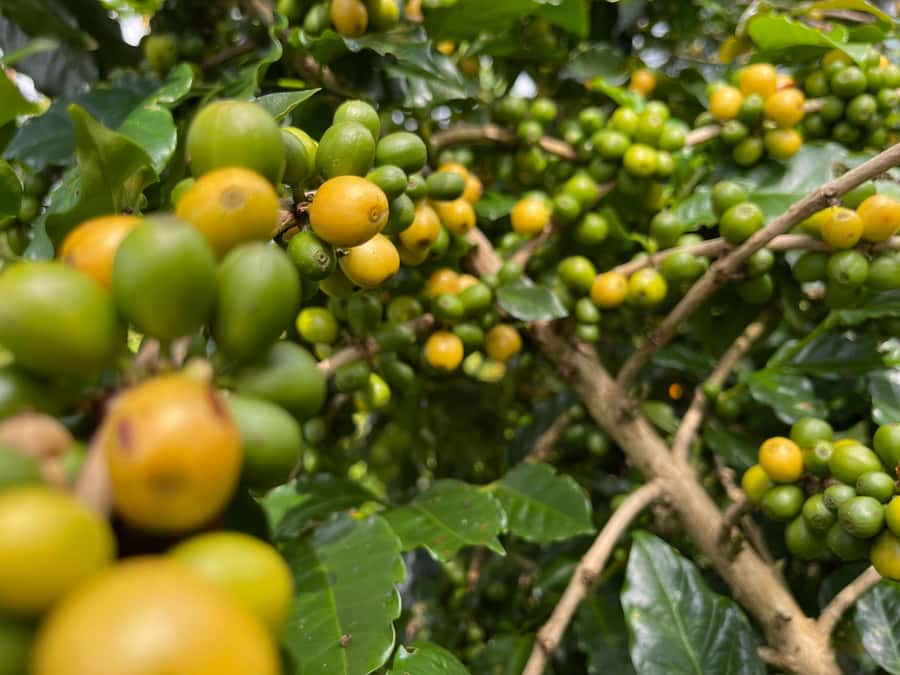
- Arabica + Robusta side-by-side so you can understand why two varieties taste so different
- Coffee-tree care tasks (pruning, bud breaking, weeding, fertilizing, basin cleaning) taught by local people
- Wet-dry processing explained so you know what happens after the cherries are picked
- Traditional irrigation training and why older water systems still matter
- Organic vs conventional farming comparisons that go beyond buzzwords
- Coffee tasting included so you finish with something you can actually judge
Coffee Capital in 90 Minutes: Pickup, Timing, and the Overall Flow
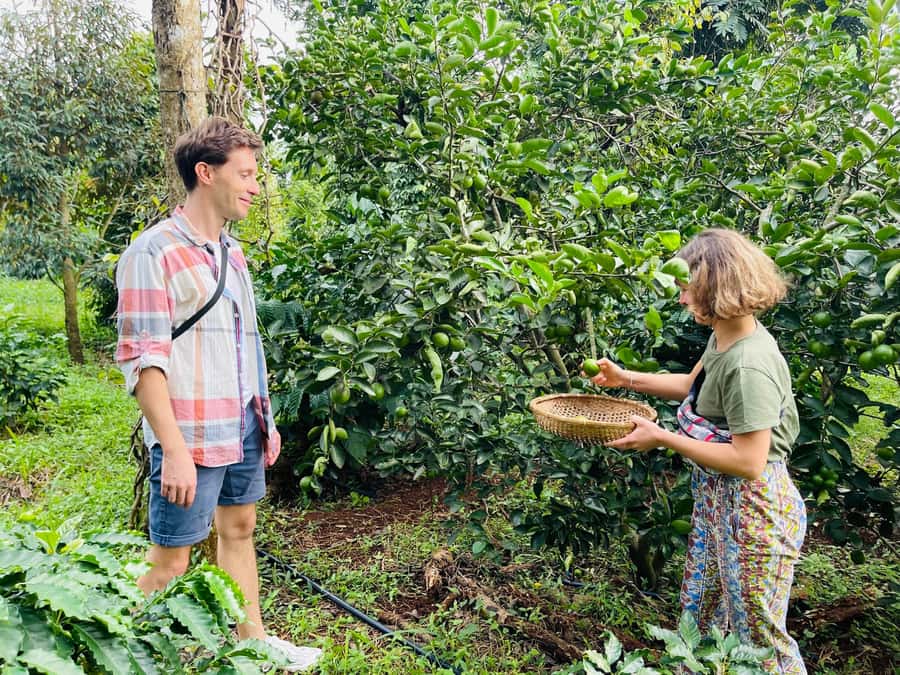
This tour is built for people who want more than a quick photo stop. You get pickup from either your hotel in Buon Ma Thuot or from Buon Ma Thuot Square, then you head out to a working coffee plantation just outside the city. The overall duration is about 90 minutes, which means you can fit it between other Buon Ma Thuot plans without losing half a day.
The driver meets you before you set off, and pickup is centered around Buon Ma Thuot center city. If you’re staying more than about 3 km from the center, the helpful move is to go to Buon Ma Thuot Square a few minutes early (at least 5) so you don’t miss departure. You’ll also get a phone/WhatsApp contact before pickup, which keeps the timing stress low.
When it ends, you contact your driver to return to your hotel or to Buon Ma Thuot Square. In practice, this makes the experience feel smooth and un-fussy—good if you’re traveling with a tight schedule.
A few more Buon Ma Thuot tours and experiences worth a look

Arabica and Robusta Rows: Coffee Care That’s Actually Useful
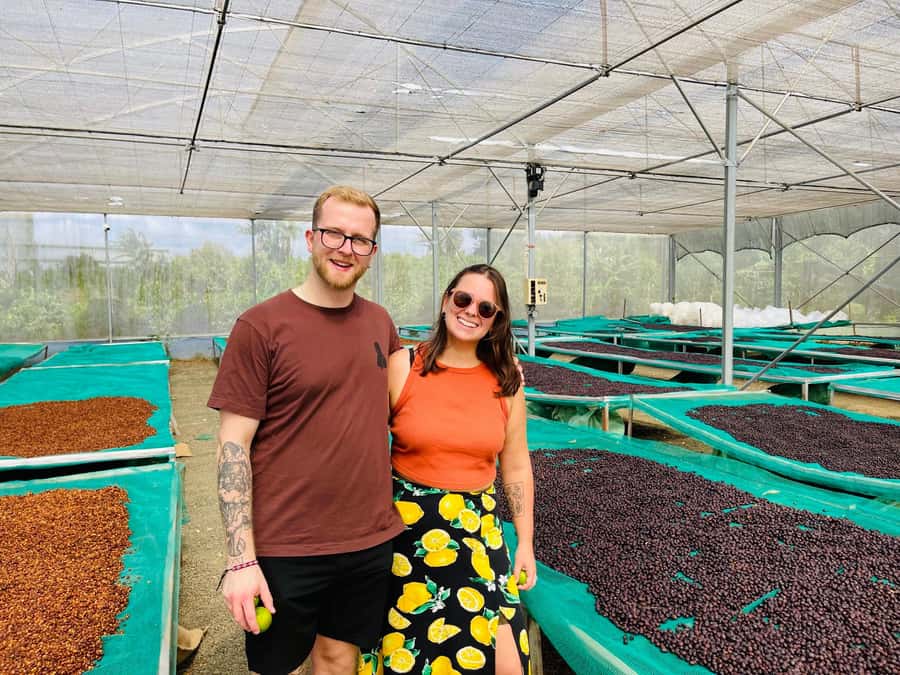
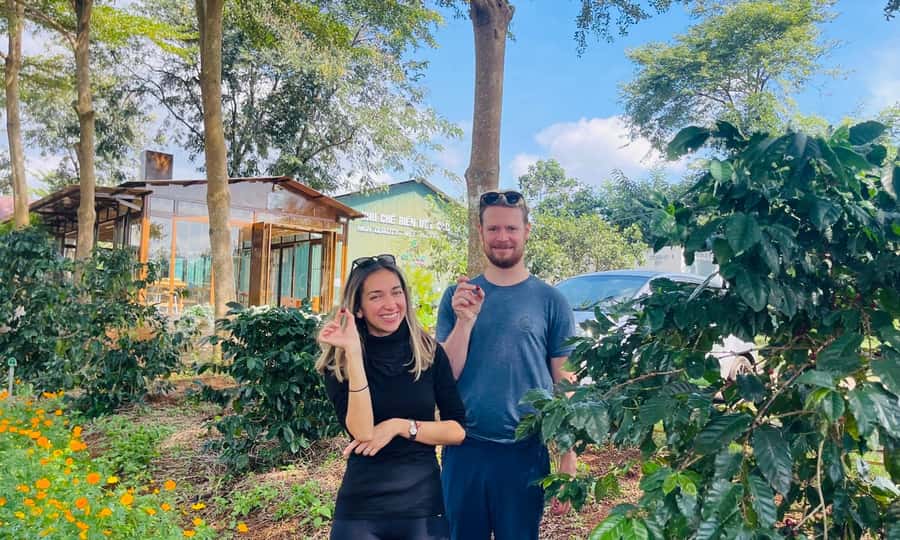
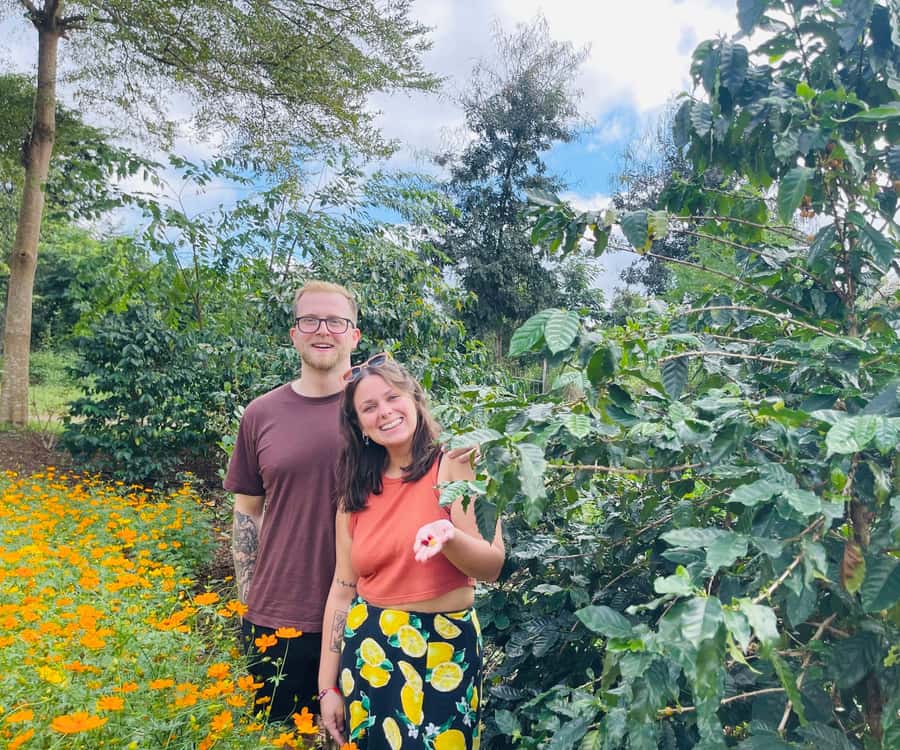
You start in the coffee garden with guided help, and the focus is practical: how to keep coffee trees producing quality beans. The tour covers both Arabica and Robusta, so you’re not just learning coffee facts—you’re seeing how different trees fit into the farm routine.
Here are the care procedures you learn about during the visit:
- pruning (how trees are shaped and maintained)
- bud breaking (timing and technique concepts)
- weeding (keeping competition down)
- seasonal fertilization (matching inputs to the growth cycle)
- cleaning the coffee tree basin (keeping the base area in good condition)
What I like about this part is that it gives you a framework you can remember later when you’re buying coffee. Instead of only talking about flavor notes, you understand where quality comes from: consistent care, not shortcuts.
Also, the setting helps. Even when you’re in a short tour window, you’re out in the working countryside. One common theme from the experience is calm, rural energy—less city noise, more time to watch what people do and ask questions.
From Wet-Dry to Your Cup: How the Processing Shapes Flavor
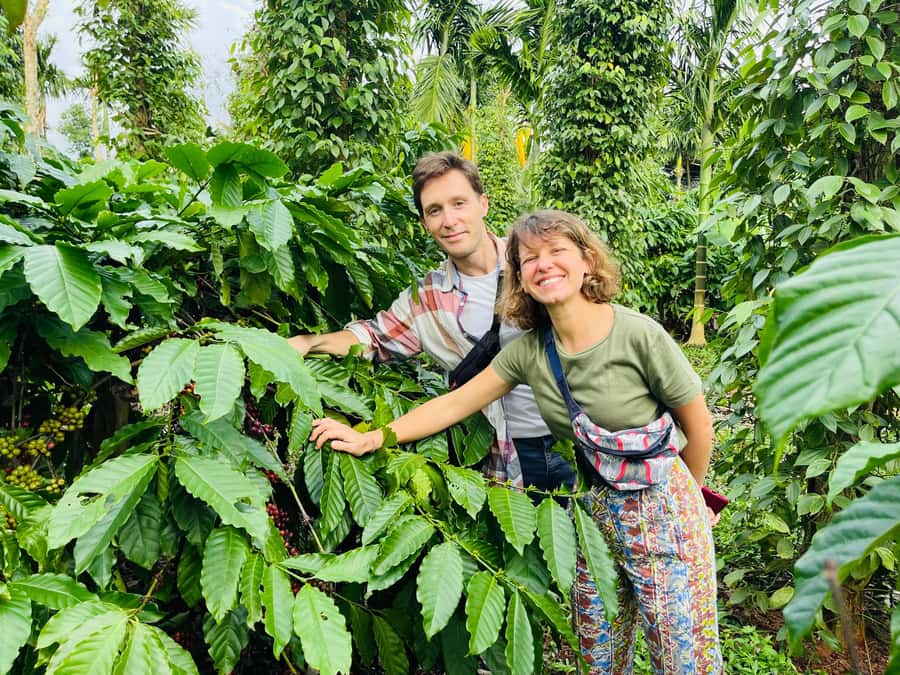
The tour doesn’t stop at “farm stuff.” It also explains processing, including how beans are produced using the wet-dry method. This matters because processing choices influence flavor, sweetness, and the final character you taste.
On the farm, you get an overview of the processing procedure and why it’s done this way. The wet-dry approach is part of what gives Central Highlands coffee its reputation for bold, clear results—especially when paired with how the beans were grown and cared for.
If you’re a coffee nerd, you’ll appreciate that you’re learning the logic, not just memorizing steps. The goal is to help you connect cause and effect:
- farming care affects bean quality
- processing method affects how flavors develop
- your brew method then changes what you perceive in the cup
And that’s exactly why the tasting comes at the end. You get to test the ideas while they’re still fresh in your head.
Traditional Irrigation Systems and the Organic vs Conventional Question
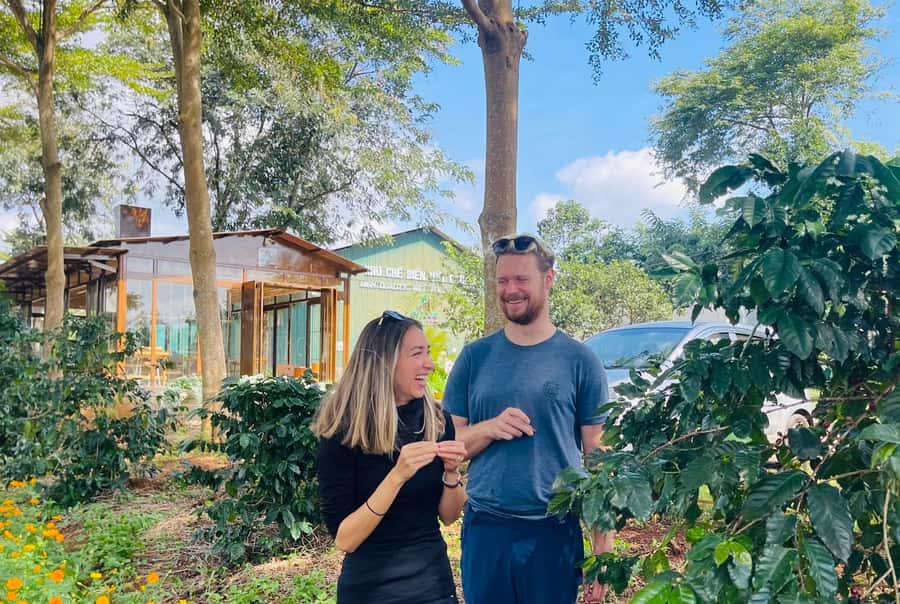
One of the most “wow, people still do this” parts of the tour is the introduction and instructions for operating traditional irrigation systems. You’re shown how older irrigation methods work and why they matter for coffee farming in the Central Highlands climate. Even if you’re not going to operate an irrigation system yourself, it gives you a real sense of how water management affects plant health.
You also get an overview of the benefits of irrigation technology—so it’s not just romanticizing tradition. The tour frames irrigation as a practical tool farmers use to support consistent growth.
Then you get the organic vs conventional farming comparison. The tour doesn’t treat it like a debate club. Instead, it’s presented as an approach farmers choose with different inputs and tradeoffs. The value here is that you’ll likely leave with a clearer idea of what each term means in day-to-day farming, not only on a package label.
The Tasting Session: Black or Milk, Machine or Filter
The best part of any coffee tour is the moment you taste. Here, you enjoy the fruits of the farm with specialty coffee using different serving styles. You can choose black coffee or coffee with milk, and you can get it brewed with either a machine or a filter method.
This tasting is included, so you’re not stuck guessing whether it’s “worth it.” Instead, you can actually evaluate how the beans perform in different styles. Black coffee helps you notice roast depth, body, and clarity. Adding milk shifts the flavor in a way that can smooth out bitterness and highlight sweetness.
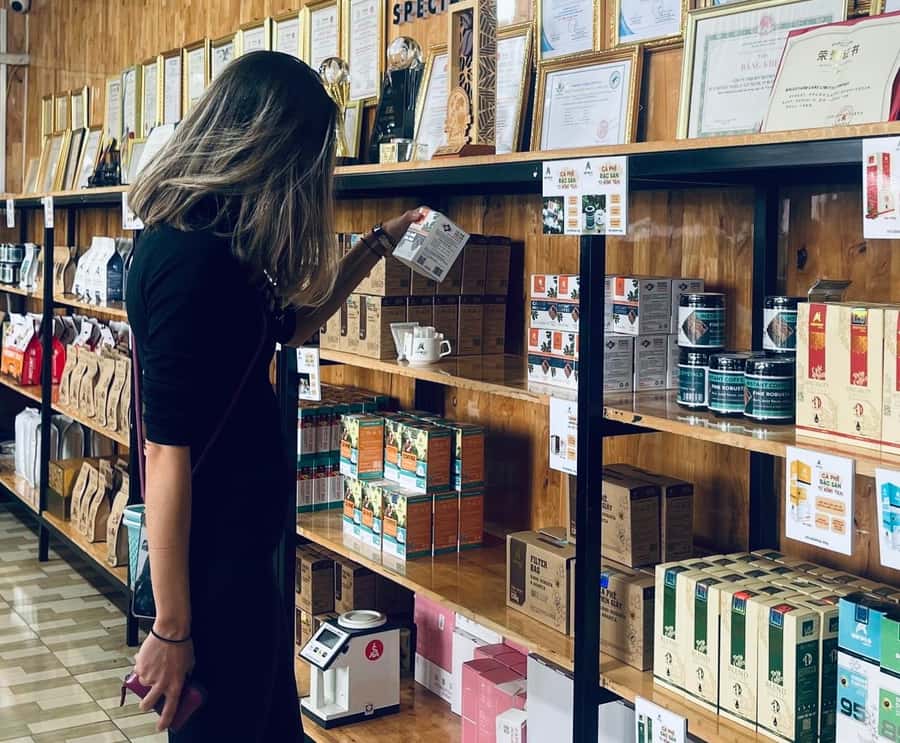
If you want to buy something to bring home, the tour also gives you a chance to spot what you like. Just note that the tour doesn’t include packaged coffee costs—purchases are optional.
Price and Value: Why $25 Can Feel Like a Deal
At $25 per person for roughly 90 minutes, this isn’t the kind of tour where you pay for empty time. You’re paying for:
- hotel pickup and drop-off
- expert guidance on farming and processing
- a specialty coffee tasting session
- all planned costs covered
That’s the core value: you’re getting both the farm education and the cup you can judge. Many tours do one or the other—either a farm walk with no tasting, or a tasting with no real farming context. This one ties them together.
Also, the local-business support angle matters here. The experience is set up to contribute to the sustainability and growth of local coffee businesses in Buon Ma Thuot, so your money isn’t just buying entertainment. You’re paying for instruction and for a working farm experience that depends on visits.
Practical Tips: What to Expect and How to Get More Out of It
A few details can help you have a smoother, more satisfying time.
When harvest timing affects what you see
If you join the tour outside the coffee harvest season, harvesting and drying activities won’t occur. That doesn’t mean the tour is useless. The scheduled activities still happen, but expect more focus on farming routines and processing explanations than on harvesting action.
If you’re specifically hoping to see harvesting/drying, ask when your tour date falls relative to harvest timing.
Bring questions you actually want answered
This tour is built for Q&A. Useful questions include:
- what care tasks matter most for bean quality?
- how does the wet-dry method change the final cup?
- what makes Arabica taste different from Robusta at the farm level?
The guidance is available in English and Vietnamese, and depending on who you meet, communication can be smooth or may need a quick translation app.
Coffee rules on the farm
Simple rules apply: no alcohol and no drugs, and no making fire. It’s a working farm environment, so you’ll want to follow safety and staff instructions.
What to wear
You’ll be on uneven ground in a garden setting. Wear comfortable walking shoes and plan for outdoor heat. Bring sun protection if you burn easily.
Should You Book This Bean to Brew Tour?
I think you should book it if you want a coffee experience that’s short, structured, and educational in a real-world way. This tour fits best if:
- you like coffee and want to understand how the work becomes flavor
- you enjoy hands-on style guidance (pruning, weeding, fertilizing routines)
- you want included tasting so you can evaluate your new knowledge right away
- you’re in Buon Ma Thuot with limited time and still want an authentic countryside break
Skip it or adjust expectations if you’re traveling during non-harvest season and you’re mainly chasing harvesting/drying visuals. You’ll still learn a lot, but the action will be different.
If you’re deciding between “watching coffee” and “learning coffee,” this one leans hard toward learning—and it pays off in the cup.
FAQ
How long is the Buon Ma Thuot coffee farm tour?
The tour lasts about 90 minutes.
What is the price per person?
The price is $25 per person.
Where does pickup happen?
Pickup is available around Buon Ma Thuot center city, and you can also meet at Buon Ma Thuot Square as a pickup option.
What are the drop-off locations?
Drop-off is at either Buon Ma Thuot Square or back at Buon Ma Thuot.
What coffee varieties do you visit and learn about?
You visit coffee farms with Arabica and Robusta.
What coffee processing method is included in the learning?
You learn about the wet-dry method of processing the beans.
What do you get to drink at the end?
You enjoy specialty coffee, either black or with milk, brewed by machine or filter.
What if I go outside the coffee harvest season?
If it’s outside harvest season, harvesting and drying activities won’t occur, but other scheduled farm and processing activities still take place.
Are there rules during the tour?
Yes. Alcohol and drugs aren’t allowed, and you can’t make fire.
Can I cancel or pay later?
You can cancel up to 24 hours in advance for a full refund. You can also reserve now and pay later.