REVIEW · HO CHI MINH CITY
Saigon Slum Tour with Motorbike
Book on GetYourGuide →Operated by CONNECT CULTURE CO.,LTD · Bookable on GetYourGuide
A ride in a city of extremes. This Saigon slum tour by motorbike is a fast way to see how Ho Chi Minh City really works, from glitzy blocks to hard-edged neighborhoods—without spending your day zigzagging on your own. I especially like the way the route jumps around the city, including districts along the river (5 to 7), and the guide talk that puts everyday life into context. One thing to consider: the shorter option can feel rushed since a chunk of time goes to riding between areas.
You also get quality faces behind the experience. In my notes from past guests, guides like Che and Zack (and other standout guides such as Jay, Duy, Danny, Peter, Rosalyne, and Wibu) are repeatedly praised for being funny, calm under pressure, and genuinely good at explaining what you’re seeing. The other big win is the human scale: you’re not just looking through a window—you’re stopping, learning, and connecting respectfully. The one drawback I’d flag is that you’re on a scooter the whole time, so if traffic anxiety hits you, you’ll need to go into it with a steady mindset.
If you want a “see Saigon” day that feels real—this is a strong pick. Just remember you’ll be in poorer areas and viewing serious living conditions, so keep your expectations grounded and your questions kind. Also, the free pickup is limited to certain areas, so double-check where you’re starting from.
In This Review
- Key things I’d watch for on this Saigon slum tour
- Saigon’s rich-to-slum contrast, powered by a motorbike
- How the motorbike ride actually works (and why safety matters)
- Entering the city center slums: alley stops and real everyday work
- Old mafia area to the river: districts 5–7 and lives shaped by water
- Floating market area stop: why the tour feels wider than poverty alone
- Food, photos, and a small taste of everyday cost
- The guide makes or breaks the tour (and this one gets praised for it)
- Price and value: what $16 buys you in real time
- What to bring, and how to prepare your headspace
- Should you book this Saigon slum motorbike tour?
- FAQ
- What is the duration of the Saigon Slum Tour with Motorbike?
- What time is pickup?
- Is hotel pickup included?
- Where is the free pickup if my hotel is outside Districts 1, 3, or 4?
- What should I bring?
- What’s included in the price?
- Is food included?
- Is the tour guide available in English?
- Can I cancel for a full refund?
Key things I’d watch for on this Saigon slum tour
- Rich-to-slum route design that moves you from Saigon’s most luxurious areas to neighborhoods inside and outside the center
- Motorbike experience with safety gear (helmets and ponchos) plus accident insurance
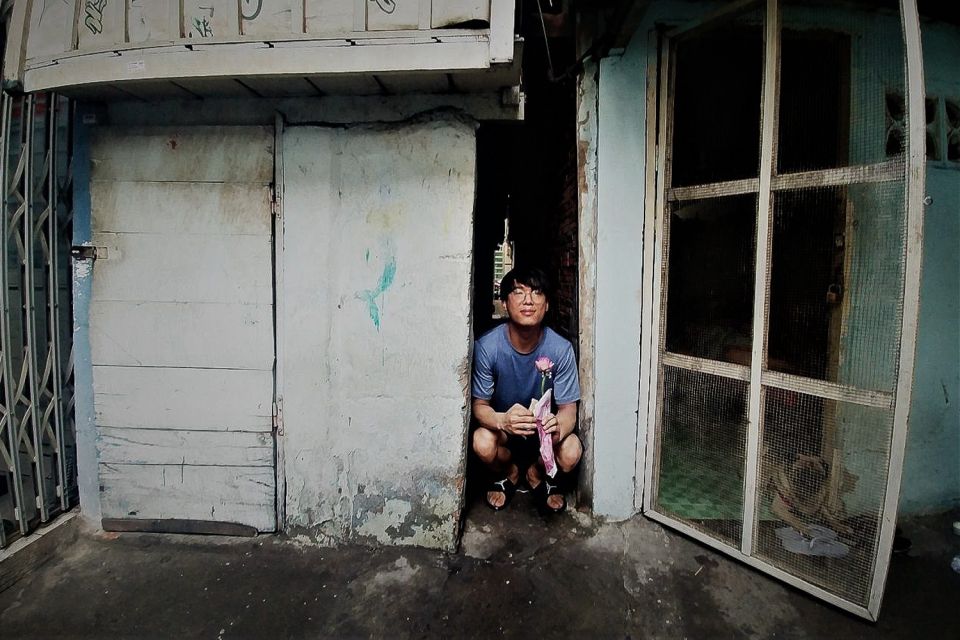
- Stops across several slum zones, including center-area, the old mafia area, and places along the river (districts 5 to 7)
- A visit connected to reconstruction and dismantling, so you understand change, not just hardship
- A chance to buy a simple meal at a charity food stall (rice meal listed at 2,000 VND)
- A guide who turns the drive into context, with repeated praise for English and humor
Saigon’s rich-to-slum contrast, powered by a motorbike
Saigon (Ho Chi Minh City) is famous for movement—motorbikes, scooters, delivery bikes, and the constant push forward. This tour uses that reality in a smart way: you cover big distances and still get out of the scooter to look, listen, and ask questions.
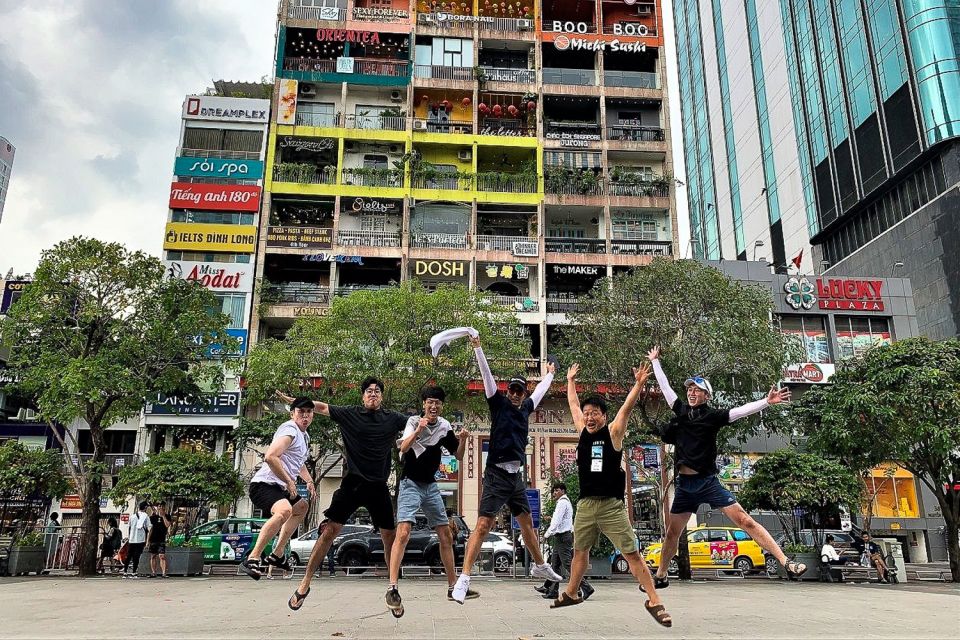
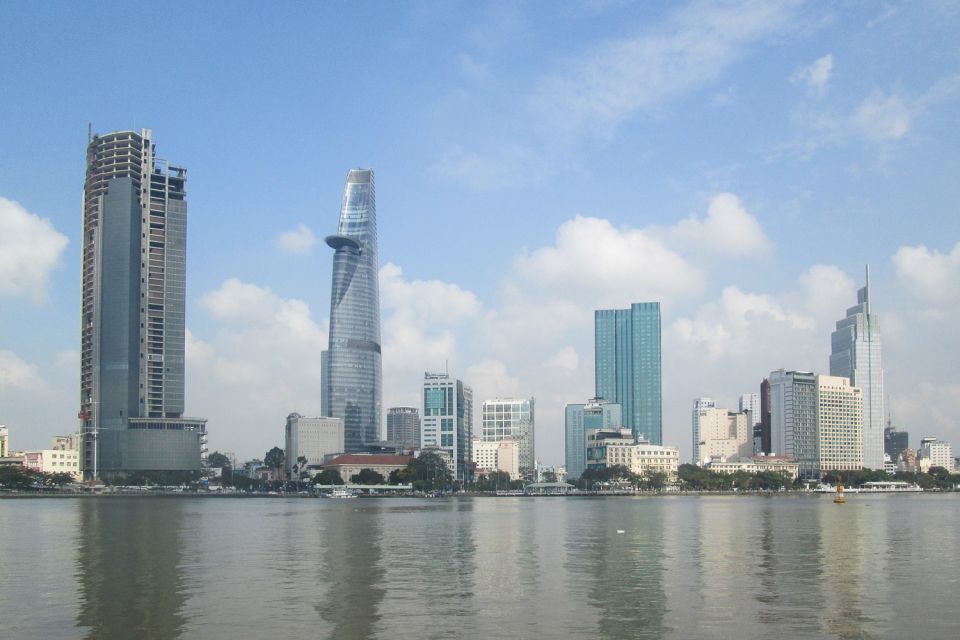
The heart of the experience is the contrast. You start where the city feels polished and fast, then you roll into areas that show the other side of the same streets. The description also frames Saigon as a place of contrasts—between rich and poor, country and city, past and present—so you’re not just chasing photos. You’re learning how those contrasts show up in daily life after the war and as the city keeps growing.
One of the practical reasons I like this approach: at $16 per person, you’re paying for both transportation and interpretation. Many “cheap tours” only buy you a ride to a viewpoint. Here, you’re getting local guides, photos taken along the way, a drink included, and safety gear—things that usually cost extra.
You can also read our reviews of more tours and experiences in Ho Chi Minh City.



How the motorbike ride actually works (and why safety matters)
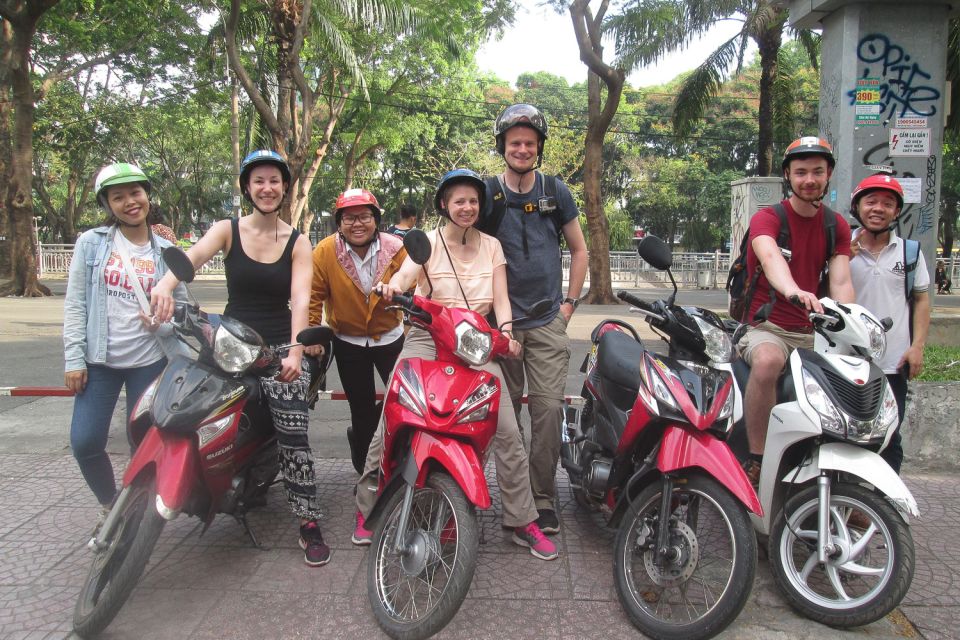
This is a motorbike tour, not a walking tour. You’ll get a helmet and poncho, and you’ll be riding like locals do—hanging on as the city does what it does.
What makes this feel workable is the operator’s focus on transport quality; the tour notes a 96% perfect score for transport. Also, accident insurance is included. That combination is a big deal in a city where everyone knows traffic can be intense.
You’ll likely feel the rhythm of Saigon fast. Even past guests who were new to scooters noted the ride becoming easier, and they emphasized driver skill and a calm pace at stops. Guides and drivers such as Rosalyne, MayLin, Duy, and others were mentioned as making people feel safe and comfortable throughout.
Still, keep expectations realistic. You’ll spend time traveling between areas. One review flag said a 2-hour option is short because you lose about a third of that time on the road. If you’re sensitive to quick turnarounds, consider choosing the longer duration option when available.
Entering the city center slums: alley stops and real everyday work
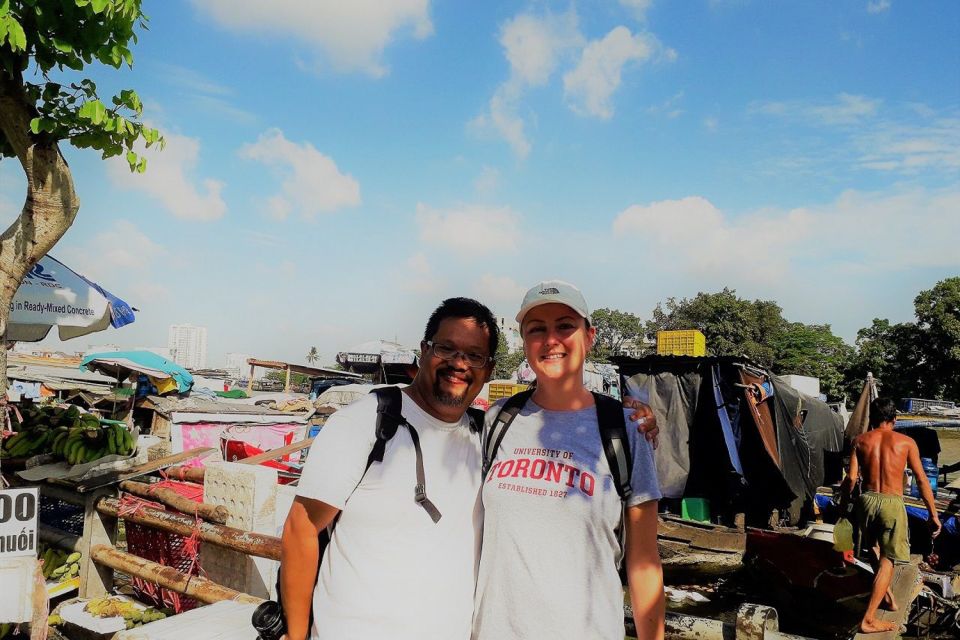
One of the most valuable parts of this tour is the mix of slum zones—not just one “type” of neighborhood. You’ll visit slum areas in and around the center, including a stop in the old mafia area.
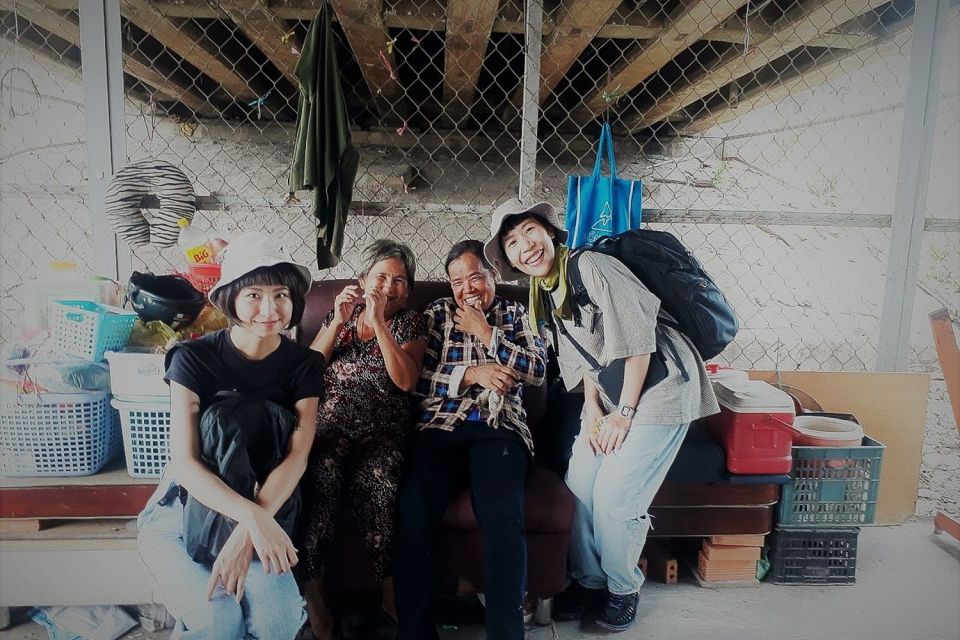
That matters because slums in Saigon are not all identical. Different areas reflect different histories, different access to jobs, and different relationships with the rest of the city. When you hear a local guide talk about how people work and live, it becomes less of a label and more of a set of patterns you can recognize: where people gather, how they move through the day, and how survival ties to location.
You may also spend time in places that are changing. The tour specifically mentions seeing slums “in process of dismantling and re-construction.” That’s not just interesting—it changes the whole message. You’re not only learning about hardship. You’re seeing how the city manages poverty and what support or restructuring can look like in real life.
A note on your mindset: the best moments on this kind of visit happen when you slow down, keep your tone respectful, and treat people like people. Even in tough settings, the best guides make it feel normal, not performative.
Old mafia area to the river: districts 5–7 and lives shaped by water
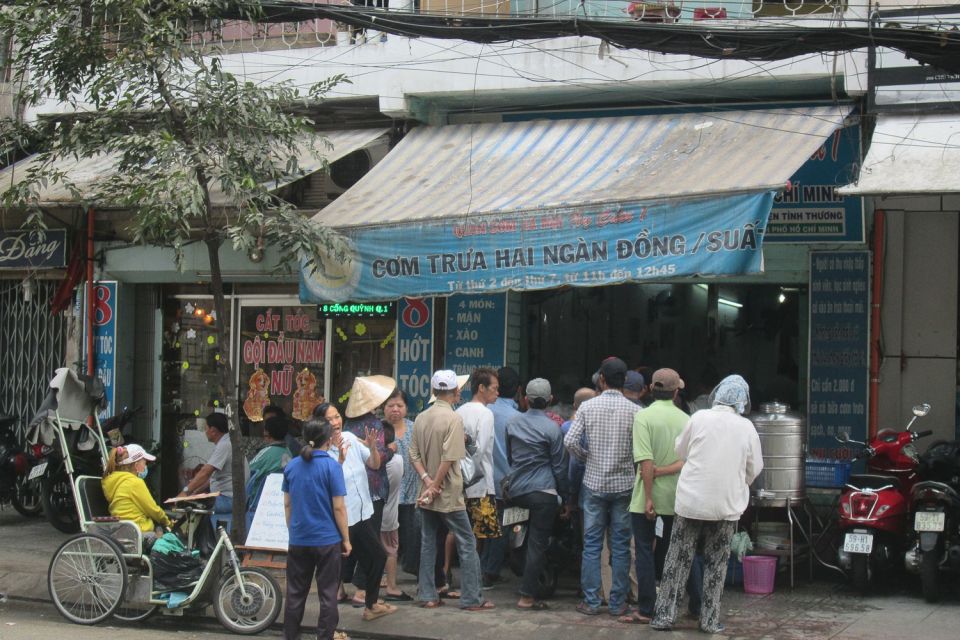
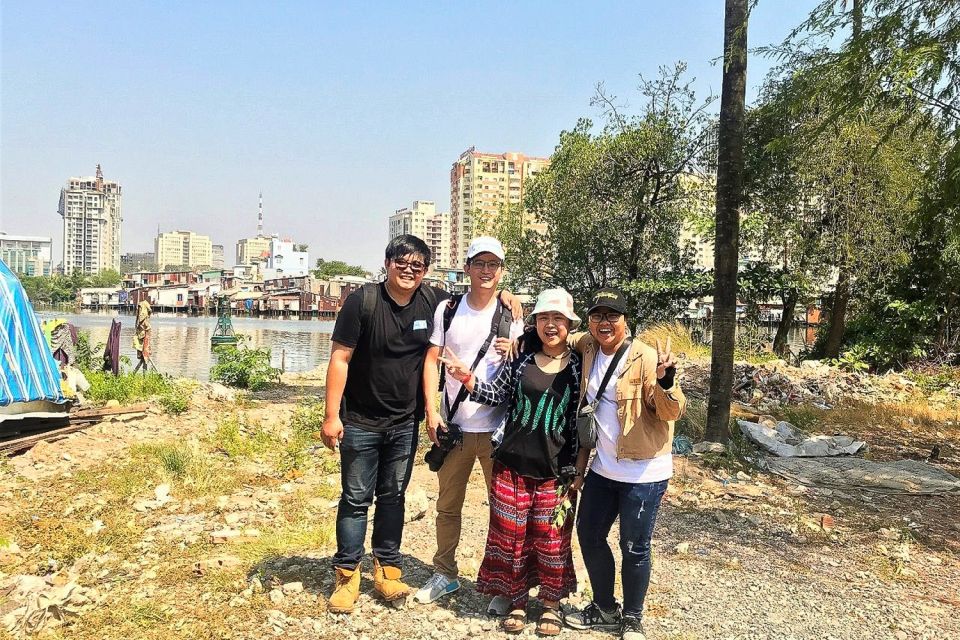
The tour also stretches toward the river, with slum areas along the water through districts 5 to 7. This is a strong contrast stop because waterfront life usually changes everything: access to transport, types of work, and what “home” feels like.
In Saigon, the river is more than scenery. It’s part of the economy and part of the daily rhythm. When you move from inland lanes to river-linked neighborhoods, you often see how housing, routines, and informal work connect to water access—even if it’s not explained like a textbook.
This is also where conversations can get more grounded. Guides tend to bring up how government support is discussed and how people see opportunities and changes over time. The tour description highlights that you’ll hear about how the government supports the areas—what that support looks like on the street, not just on paper.
If you’re the type who likes understanding cause-and-effect, this segment is one of the best parts. It gives you “why” behind the visible differences.
Floating market area stop: why the tour feels wider than poverty alone
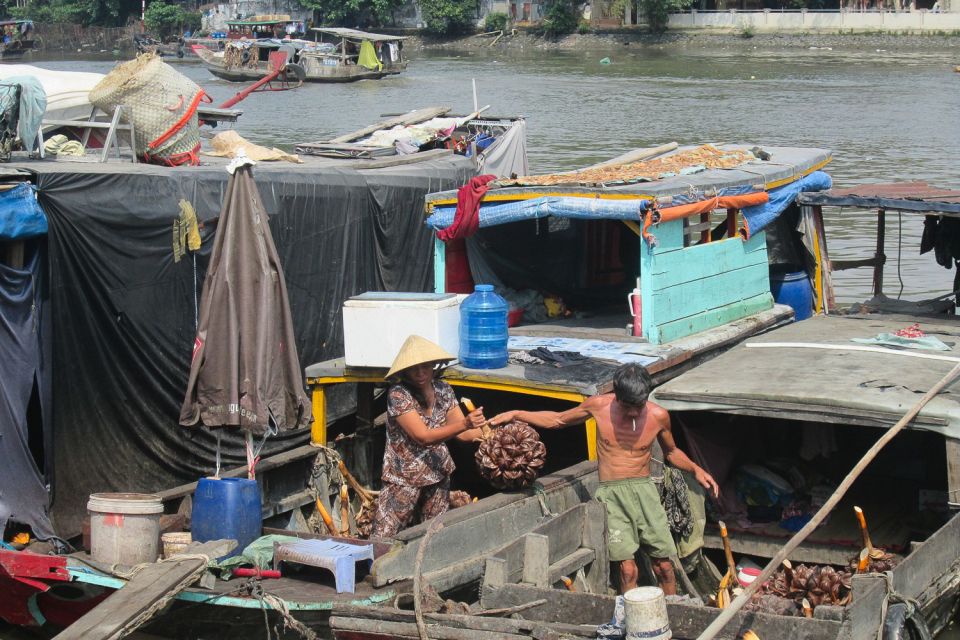
Another part of the itinerary includes slum areas connected to the floating market. Even if you’ve never been on a boat there, this stop helps explain something important: economic life in Saigon isn’t only tied to land and big buildings.
Floating-market-linked communities often live with a different relationship to movement and commerce. The tour’s value here isn’t that you’ll see one special attraction—it’s that you’ll get a broader view of how people make a living across very different settings.
It also keeps the tour from feeling one-note. Poverty exists in more than one form, and the route reflects that.






Food, photos, and a small taste of everyday cost
This tour includes one local drink (choices listed as coconut, coffee, or a local drink). That’s a nice, practical break during a long ride day.
Then there’s the charity food stall. The description says you’ll visit the stall where they sell a meal with rice for 2,000 VND. Important: the tour price doesn’t label other meals as included, so think of this as a chance to see and optionally buy something at a set low price—an up-close look at how people eat and how charity supports daily life.
Photos are included too. That’s helpful because in places like this, you may not feel like stopping to operate your phone constantly. A guide taking photos for you lets you spend more time listening and less time posing.
The guide makes or breaks the tour (and this one gets praised for it)
This experience lives on people skills. The repeated theme in strong experiences is that the guides connect the dots: what you’re seeing, why it’s happening, and what it means for Vietnamese society after the war and during rapid city growth.
Names you might run into include Che and Zack, Jay, Hana and Flora, Duy (and Danny), Peter, Rosalyne/Rosalie and MayLin, Anna, Wibu and My, and Vincent. That list isn’t just trivia. It signals a consistent pattern: guides are often described as friendly, funny, and fluent enough to explain clearly.
You’ll also appreciate the “pace” of stops. Some guests mentioned the guide making sure the visit happened at a comfortable speed, and that you don’t feel rushed through every point. In a tour like this, that pacing is what gives you time to be respectful and present.
One more reason guides matter here: you’re interacting with communities, not just walking past them. You want someone who knows where it’s appropriate to look, when to ask, and how to keep the visit human.
Price and value: what $16 buys you in real time
At about $16 per person, this tour is priced low enough to feel approachable, especially because it bundles a lot:
- Hotel pickup and drop-off within Districts 1, 3, and 4 (outside those areas has a $5 USD per person surcharge noted by the operator)
- Local guides and a motorbike with helmet and poncho
- Photos and one local drink
- Accident insurance
- A route that includes multiple slum zones, plus reconstruction context and a charity food stall
That’s meaningful value in a city where one “standard” half-day tour can easily cost more once you add transport, guide time, and basic inclusions.
If you prefer a private setup, there’s a private tour surcharge of $5 USD per pax mentioned for that option. If you’d rather not ride a motorbike, the operator also offers a car option (7-seat or 16-seat vehicle with surcharges listed). Book the car/van option at least 24 hours ahead.
And if you want a specific style upgrade, the tour notes an option for a Female Aodai Rider upgrade with a 10 USD extra per pax fee.
What to bring, and how to prepare your headspace
You don’t need special gear beyond the basics. The tour lists comfortable shoes. That matters because even if you’re primarily riding, you’ll still be getting off at stops and moving through uneven areas.
For your headspace, do the simple thing: go in ready to learn, not to judge. This tour is built to show contrast and explain daily life in slum communities, including how government support is described and how areas are changing.
If you’re worried about sensitivity, you can still go. Just remember this isn’t a theme park. It’s a real look at real conditions, framed by guides who try to keep it respectful.
Should you book this Saigon slum motorbike tour?
Book it if you want a fast, high-context introduction to Ho Chi Minh City beyond the usual tourist bubble. It’s especially worth it if you like understanding how history and growth shape neighborhoods, and if you’re comfortable on a scooter for a couple of hours.
Skip it or switch to the car option if you strongly dislike traffic, feel unsafe on motorbikes, or you know you’ll struggle emotionally with seeing poverty and reconstruction areas. Also, if you choose the shortest duration, go in knowing you’ll spend time riding and the visit may feel tighter.
My take: for the price and the way the route mixes multiple slum zones, plus guide explanations, it’s one of the more honest “Saigon contrasts” tours you can do in a limited time window.
FAQ
What is the duration of the Saigon Slum Tour with Motorbike?
The tour duration is listed as 2 to 4 hours, depending on the option you choose.
What time is pickup?
The tour description states that pickup starts at 8:00 AM.
Is hotel pickup included?
Yes, hotel pickup and drop-off are included within Districts 1, 3, and 4. If your hotel is outside those areas, there is an extra surcharge.
Where is the free pickup if my hotel is outside Districts 1, 3, or 4?
The tour notes a meeting point at 212 Lê Lai, Phường Phạm Ngũ Lão, Quận 1, Hồ Chí Minh, and also mentions the Saigon Opera House as a meeting point for pickup.
What should I bring?
The tour lists comfortable shoes.
What’s included in the price?
Included items are local guides, motorbikes, helmets and ponchos, photos, one local drink, accident insurance, plus hotel pickup/drop-off within the listed districts.
Is food included?
The tour includes one local drink. It also mentions visiting a charity food stall where a rice meal is sold for 2,000 VND, but additional food is not listed as included beyond that chance to buy.
Is the tour guide available in English?
Yes, the tour is listed as having a live tour guide in English.
Can I cancel for a full refund?
The activity states free cancellation is available if you cancel up to 24 hours in advance for a full refund.