REVIEW · HO CHI MINH CITY
A Complete Vietnam Coffee Journey – The Unknown Giant
Book on GetYourGuide →Operated by Vietnam Coffee Journey - Day · Bookable on GetYourGuide
Coffee in Saigon teaches you fast. In 150 minutes at 40E Ngô Đức Kế, you’ll learn why Vietnam leans so hard on Robusta and how brewing choices change what’s in your cup.
I love the setup because it is hands-on, not just watching. I also like that the host, Quynh, connects the drinks to Vietnam’s coffee culture and even the wider world story of coffee, with strong attention to question time.
One consideration: the notes say wheelchair accessible, yet it also says not suitable for wheelchair users. If that applies to you, message ahead to confirm fit. Also, it is not for kids under 16.
In This Review
- Key highlights to know before you go
- Coffee starts at 40E Ngô Đức Kế, then goes straight into the cups
- Why Robusta is the main character in Vietnamese coffee
- Your hands learn faster than your ears: making coffee drinks yourself
- Traditional vs modern styles: spotting the difference without guesswork
- Tasting plus snack: coffee culture as a real afternoon rhythm
- What you’ll be able to do back home (recipes and adjustment tips)
- Who this coffee journey is for in Saigon
- Price and value: $30 for six drinks, snack, and hands-on learning
- Should you book this 2.5-hour Vietnamese coffee workshop?
- FAQ
- How long is A Complete Vietnam Coffee Journey?
- What’s included in the experience?
- Is it hands-on?
- What languages are available?
- Is it suitable for children?
- Is it wheelchair accessible?
Key highlights to know before you go
- Six drinks in 150 minutes so you compare styles, not just sample one cup
- Hands-on brewing where you make your own Vietnamese coffee drinks
- Robusta-focused explanations that give you a new way to understand Vietnam’s coffee identity
- Traditional vs modern style comparisons with tips you can actually use at home
- Local snack included so coffee is part of a real food moment, not a solo activity
- Small group of up to 6 people for questions and a calmer pace
Coffee starts at 40E Ngô Đức Kế, then goes straight into the cups
You meet at 40E Ngô Đức Kế in Ho Chi Minh City, right in the city center. That matters more than it sounds. Easy access means you spend your energy learning, not hunting for the place or rushing your schedule.
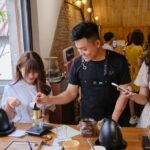
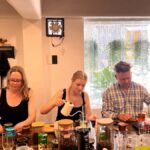
From there, the whole experience stays tightly focused on one goal: helping you understand Vietnamese coffee through what you taste and make. The format is practical, with enough structure that you are not lost after the first drink, but not so rigid that it feels like a school class. You get a host who guides the flow in English and Vietnamese, and the vibe is very Q&A friendly.
And yes, you will be tasting. Not once. Multiple times. That single detail is the difference between remembering a story and actually getting it.
A few more Ho Chi Minh City tours and experiences worth a look

Why Robusta is the main character in Vietnamese coffee
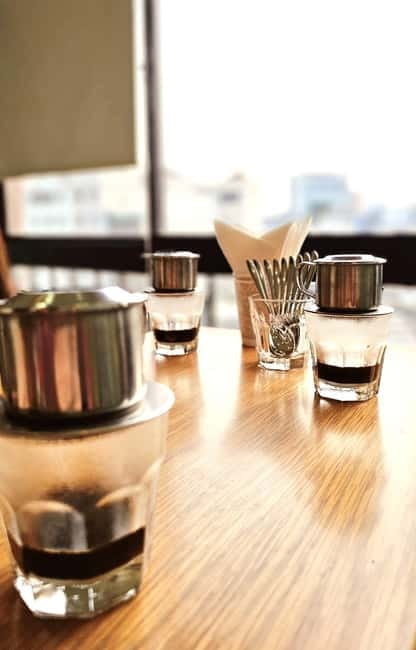
Vietnamese coffee has a reputation outside the country as something sweet, heavy, and maybe a bit too intense. The workshop flips that idea. You learn why Vietnam uses Robusta so much, and what that means for flavor and texture.
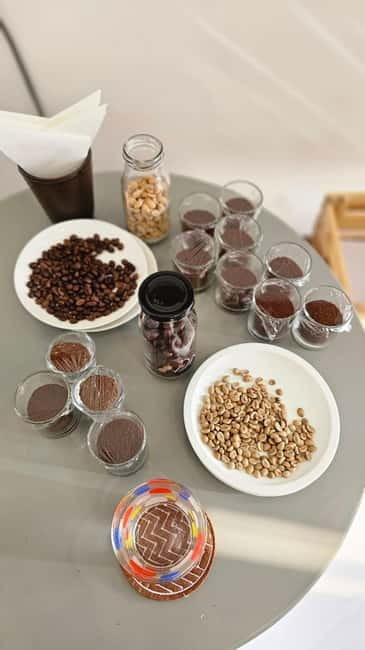
Robusta comes with its own character, and the host explains it in plain terms—how the bean type, the extraction choices, and the way Vietnam prepares coffee create the final cup you recognize in cafés. The key is that you are not just told what to believe. You’re shown how the brewing method changes the outcome.
You also get the wider context: how coffee developed globally, and how Vietnam’s path shaped what people drink today. That wider lens helps you stop thinking of Vietnamese coffee as a separate universe. Instead, you see it as part of coffee’s global story—with Vietnam adding its own twists.
If you tend to be picky about sweetness or strength, this is a good place to start, because you learn what controls those results.
Your hands learn faster than your ears: making coffee drinks yourself
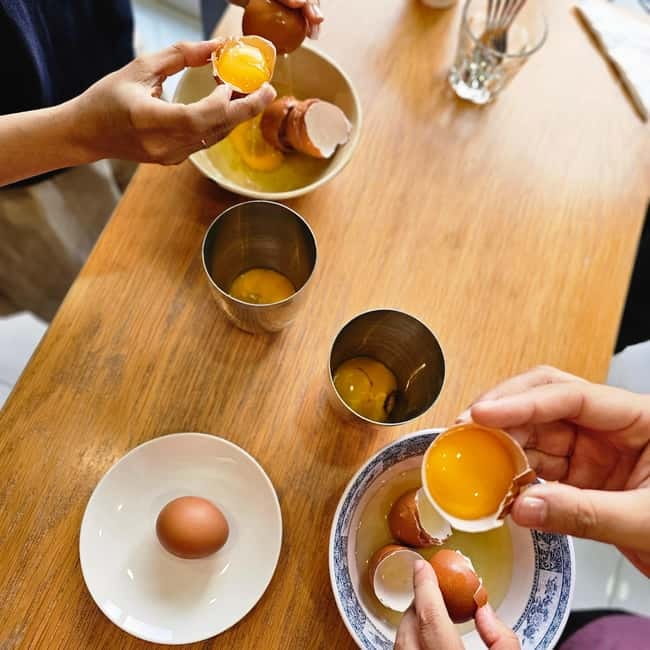
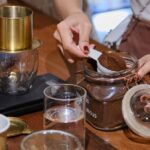
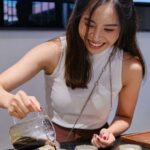
This is a workshop where you do the work. You make multiple Vietnamese coffee drinks, not just one. The experience includes 6 different coffee drinks, each one paired with the “why” behind it.
That hands-on element is the real value. When you physically brew, stir, adjust, or compare, you can feel what the host means when explaining extraction and flavor balance. It is one thing to hear that a change in method alters the cup. It is another to make two versions and taste the difference yourself.
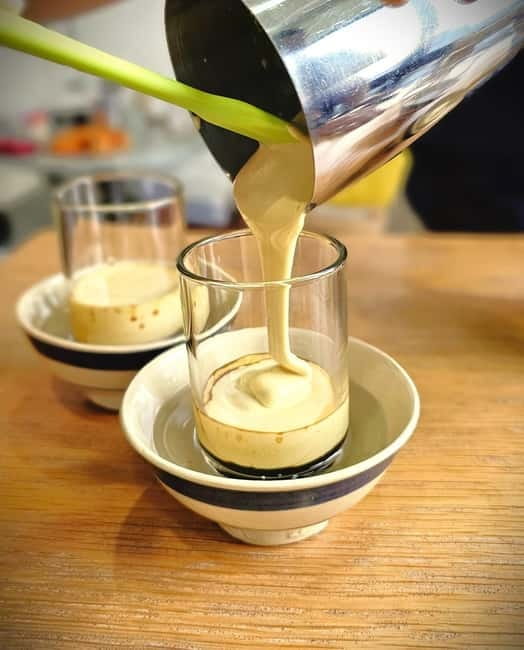
You also get drinks that represent the classic Vietnamese style variety. The experience specifically includes options such as condensed milk coffee, coconut coffee, salt coffee, and egg coffee. Those choices are not random. They reflect how Vietnamese coffee culture uses rich, local, and sometimes surprising ingredients to create balance.
And the host encourages questions. That is where you really benefit, because your question is usually what unlocks the next idea. Ask about strength, sweetness, or why a certain ingredient works, and you’ll likely get a clear explanation tied to brewing and taste.
Traditional vs modern styles: spotting the difference without guesswork
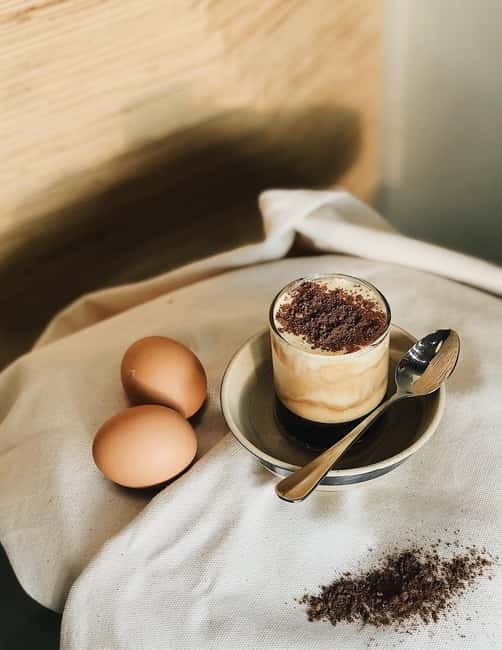
One of the best parts is the comparison between traditional style and more modern style coffee preparation. This is not presented as a simple old versus new debate. Instead, you learn how different brewing methods and instruments produce different characteristics.
The host frames it in a science-y-but-straightforward way. You do not get “because I said so.” You get cause-and-effect: what changes in brewing leads to the flavor shift you notice in the cup.
That approach is especially helpful if you are the type who likes to understand what you’re drinking. You’ll come away with a practical mental checklist:
- Does the cup taste more intense or smoother?
- Does it feel heavier or lighter?
- Is the sweetness coming through cleanly, or is it overpowering?
- Does the aroma hit a different way?
After tasting several styles back to back, those questions become easier to answer. You start to connect your senses to the brewing choices you learned. That’s the kind of learning that sticks.
Tasting plus snack: coffee culture as a real afternoon rhythm
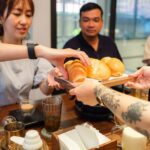
Coffee in Vietnam often comes with food, and this experience treats it that way. A snack of your choice is included, with options like local bánh mì (including vegetarian or halal choices), a croissant, or fresh fruits.
That snack inclusion does two helpful things for you:
- It keeps the session comfortable. Coffee can hit harder on an empty stomach.
- It gives you a more authentic “coffee break” rhythm, rather than a fast tasting with no context.
You’ll also likely leave with a better sense of why Vietnamese cafés feel like social spaces, not just drink stops. Coffee here is not only about caffeine. It is about ritual—making, sharing, tasting, and tweaking your cup until it matches your preference.
If you have dietary needs, the snack options matter because you can keep the session enjoyable without feeling stuck choosing only one thing.





What you’ll be able to do back home (recipes and adjustment tips)
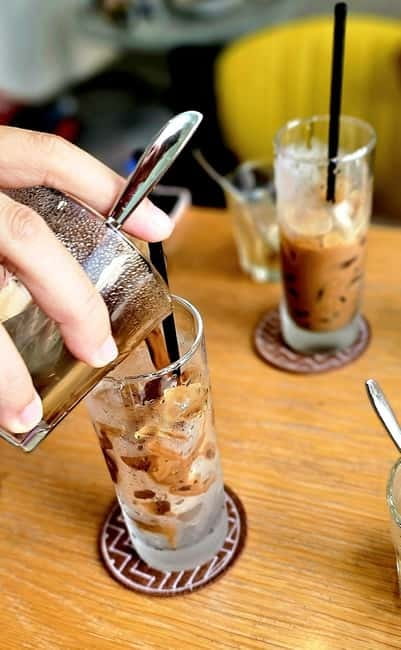
You do not just walk away with memories. You get tips and recipes for brewing and adjusting the drinks so they match your own taste. That is huge because Vietnamese coffee can be polarizing: some people love the sweetness and intensity, and others want it toned down.
Here’s what that means in practical terms:
- If you like it stronger, you can adjust using the brewing guidance you learn.
- If you prefer less sweetness, you can learn what to change so the balance still works.
- If you want to recreate the style, you get a roadmap for the process rather than a vague description.
The workshop’s promise is “what, why, and how,” and it actually follows through. You understand what you are tasting, why it tastes that way, and how the tools and method bring out the signature traits.
Even if you do not have the exact same equipment at home, the learning still transfers. You will know what to experiment with and what to pay attention to while you do it.
Who this coffee journey is for in Saigon
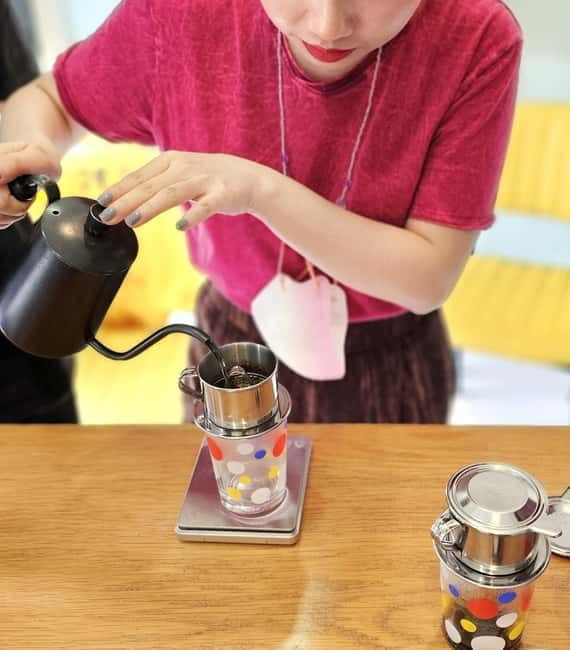
This experience is built for adults and older teens. It is not suitable for children under 16. The pace and the focus are very much about tasting, brewing, and discussion, not kid-friendly entertainment.
You’ll also get the most value if you fit one of these profiles:
- You love coffee and want a structured way to understand Vietnamese styles
- You drink coffee but want to improve how you choose sweetness and strength
- You’re curious about Robusta and want to stop treating it as a lesser bean
It is also a solid pick if you are new to Vietnamese coffee. The host keeps it informative but not overly academic, and the goal is to help you understand the method behind the flavor—not make you memorize trivia.
If you are expecting a commercial sales pitch or a brand-heavy view, this workshop is intentionally not that. The goal is understanding and comparison, not pushing a single “best” option.
Price and value: $30 for six drinks, snack, and hands-on learning
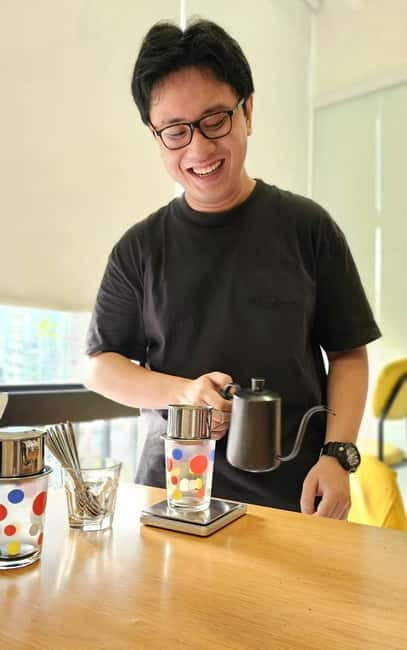
At $30 per person for 150 minutes, this is not a “quick sip and go” stop. You’re paying for multiple things at once:
- Six different coffee drinks
- A snack included (with several choice options)
- A host who explains what’s happening and why
- Hands-on brewing and tasting in a small group
If you break it down, six drinks means you’re spending about $5 per drink on the beverage component, then adding the value of guidance, recipes, and the tasting comparisons you’d normally miss if you just ordered cafés on your own.
And the small group size—limited to 6 participants—helps the session feel less crowded. You get more chances to ask questions and adjust based on what you like.
For many coffee-focused travelers, that pricing is fair because the experience saves you time. Instead of trial-and-error across multiple cafés, you get a guided comparison in one afternoon.
Should you book this 2.5-hour Vietnamese coffee workshop?
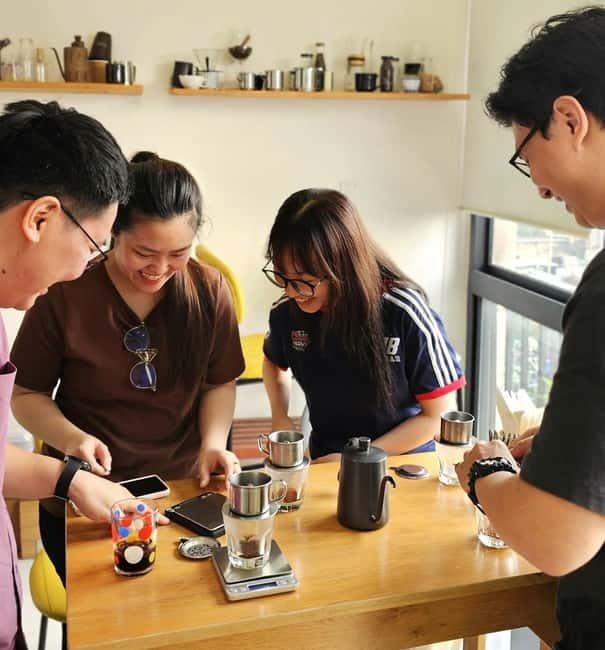
If you want a coffee experience in Ho Chi Minh City that goes beyond ordering, I’d book it. This one is practical: you make drinks, taste variations, and leave with adjustment tips you can use later.
Book it especially if:
- You want to understand Vietnam’s coffee identity and not just chase sweetness
- You like Q&A and want explanations tied to real brewing outcomes
- You’re curious about drinks like egg coffee, salt coffee, and coconut coffee
Skip it or message first if:
- You need clear wheelchair support details due to conflicting notes
- You are traveling with someone under 16
FAQ
How long is A Complete Vietnam Coffee Journey?
The experience runs for 150 minutes.
What’s included in the experience?
You get 6 different coffee drinks and a snack of your choice (local bánh mì options, croissant, or fresh fruits).
Is it hands-on?
Yes. You’ll make your own coffee drinks during the workshop and also taste them.
What languages are available?
The live tour guide offers English and Vietnamese.
Is it suitable for children?
No. It is not suitable for children under 16.
Is it wheelchair accessible?
The information provided includes wheelchair accessibility, but it also lists it as not suitable for wheelchair users. If this is relevant for you, contact the operator first to confirm details.