REVIEW · HANOI
6-Day Off The Beaten Track Tour of North Vietnam from Hanoi
Book on Viator →Operated by Mr Linh's Adventures · Bookable on Viator
Mountains change your mood fast here. This 6-day North Vietnam route trades highway comfort for real rural life, from Ha Giang homestays to the drama of Ma Pi Leng Pass. I especially like that the trip is paced like a story, with ethnic villages and caves alongside big scenery.
You’ll also get private door-to-door transfers and everything tied together with included accommodation, meals, and entry tickets—so you’re not spending your trip juggling logistics. The one real consideration: the days are long and active, and the tour runs in all weather, so you’ll want solid footwear and a flexible mindset.
In This Review
- Key reasons this tour works
- From Hanoi to Ha Giang: Duong Lam history and mountain quiet
- Living in a Ha Giang homestay instead of passing through
- Dong Van Karst Plateau Geopark and the King of the H’mong’s Palace
- Sunday markets, Pu Lo Fortress, and the drive over Ma Pi Leng Pass
- Ban Gioc waterfall on the border, then Nguom Ngao Cave underground
- Ba Be National Park by boat, kayaking, and a swim day on the lake
- Jungle paths, Tham Khit cave walks, and An Ma temple by the lake
- Price and what the included plan really buys you ($1,138)
- Packing, pacing, and small choices that keep the trip comfortable
- Should you book this North Vietnam off-the-map tour?
- FAQ
- How long is the North Vietnam tour and when does it start?
- Is hotel pickup and drop-off included?
- What’s included in the tour price?
- Are meals included for all days?
- Can I request vegetarian meals?
- Is this tour private?
- Does the tour operate in bad weather?
- Can I cancel or change my booking?
Key reasons this tour works
- Door-to-door pickup in Hanoi makes a multi-day plan feel painless from the start
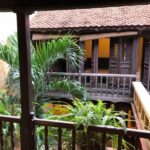
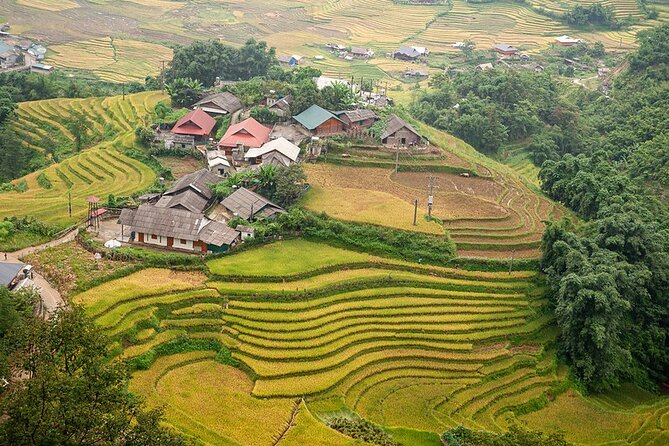
- Homestays in traditional stilted houses give you more than a photo stop
- Ma Pi Leng Pass plus Pu Lo Fortress viewpoints deliver big mountain-road moments
- Ban Gioc waterfall and Nguom Ngao Cave balance daylight drama with underground calm
- Ba Be Lake by boat and kayak turns the national park into an experience, not just a drive
- Private guiding means you can move at your pace and get context on Tay and H’mong culture
From Hanoi to Ha Giang: Duong Lam history and mountain quiet
The trip begins with a pickup from your Hanoi hotel at 8:00 am, and that early start matters. You’re leaving the city while it’s still waking up, which makes the switch to mountain air feel natural instead of abrupt.
Before heading for Ha Giang, you stop at Duong Lam Ancient Village, where you’ll get a taste of rural culture near Hanoi. It’s not just scenery—there’s tangible heritage here, including Mong Phu Temple and Mia Pagoda, known for 287 statues and centuries-old houses. For me, this kind of stop is more than a warm-up. It sets expectations: this tour is built around everyday Vietnam, not just famous landmarks.
Lunch is served as a home-cooked local meal, then you keep moving toward Ha Giang. By the time you check into a homestay in Ha Giang City, the day has done its job: you’ve seen how quickly the pace changes once you leave the main routes.
Practical note: this day is a full day of transit plus culture plus check-in. If you’re prone to getting cranky in the car, pack snacks and keep your expectations simple—today is about getting oriented.
A few more Hanoi tours and experiences worth a look

Living in a Ha Giang homestay instead of passing through
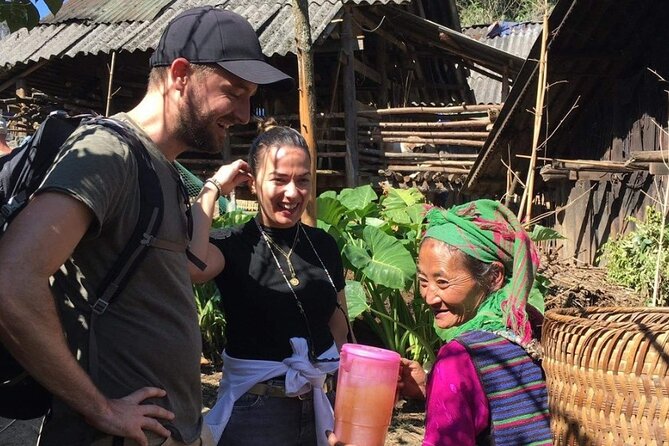
Staying with local families is the heart of the experience, and it’s one of the reasons this tour feels grounded. You’re not only touring ethnic heritage; you’re sleeping inside it.
On your first night, you’ll enjoy a home-cooked dinner after checking in at your Ha Giang homestay. The tour description calls out a traditional stilted house, and that’s the kind of detail that changes how a place feels. You notice the rhythm of the home, not just the view outside.
From a value standpoint, this matters. Accommodation in this region can be hit-or-miss if you book on your own, and meals can turn into expensive surprises. Here, accommodation and meals are included, so you can focus on the route rather than constantly asking what comes next.
What to consider: homestay stays are authentic, which sometimes means fewer modern comforts than a hotel. You don’t need to be an adventure expert to do this, but you should be comfortable with basic, rural living.
Dong Van Karst Plateau Geopark and the King of the H’mong’s Palace
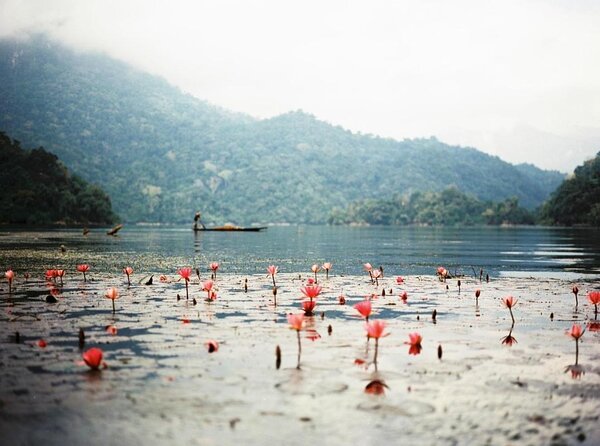
Once you leave Ha Giang, the journey shifts into a “view every hour” mode. Before you head toward the Dong Van area, you get your permit from the immigration office—a small step that helps you understand you’re traveling in the right way, not freelancing your way into restricted zones.
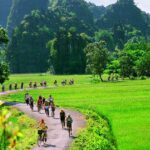
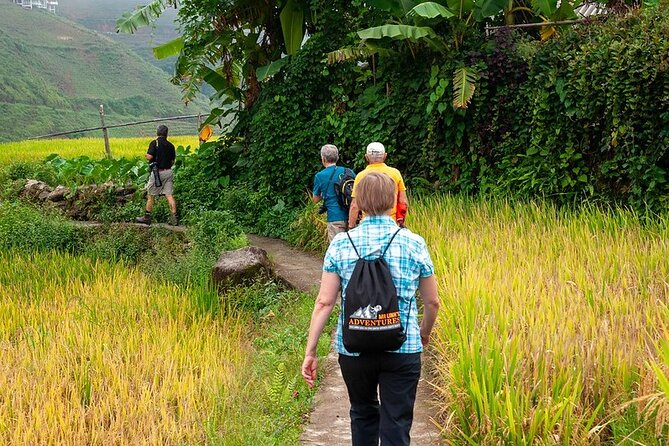
The route then includes stops that mix geography with culture. You’ll have lunch in Tam Son, a small mountain village, and then head out for a hike to Lung Cam B village, home to Black H’mong people. This is the kind of walking that helps you connect with the region. You’re not just watching from the road—you’re moving through it.
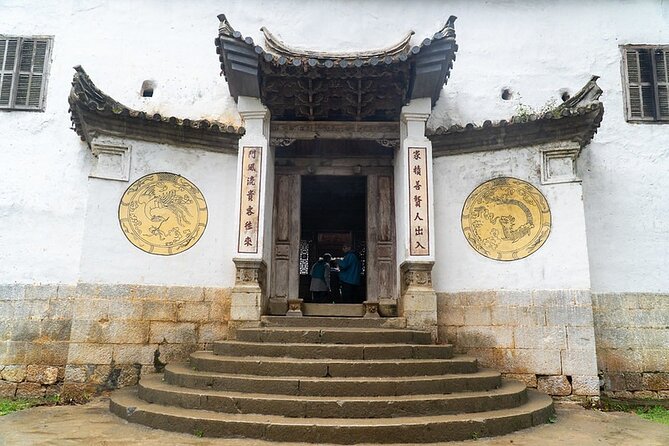
Next comes the King of the H’mong’s Palace, tied to Vuong Chin Duc. This fortress was built by a local chief who allied with French forces against the Viet Minh, and it dates to the early 1900s. Architecturally, it’s described as being in ancient Chinese style from the Qing era, built with solid stone blocks. That blend of politics, design, and survival tells a more complicated story than you’d get from a quick photo stop.
Why this stop matters to you: it gives context for what you’re seeing. When you then look at villages, markets, and valley life later, it’s easier to understand how the landscape shaped people’s choices.
A practical drawback: hiking and walking show up again and again on this trip. If you’re not used to uneven ground, take it slowly and don’t try to “race” the group.
Sunday markets, Pu Lo Fortress, and the drive over Ma Pi Leng Pass
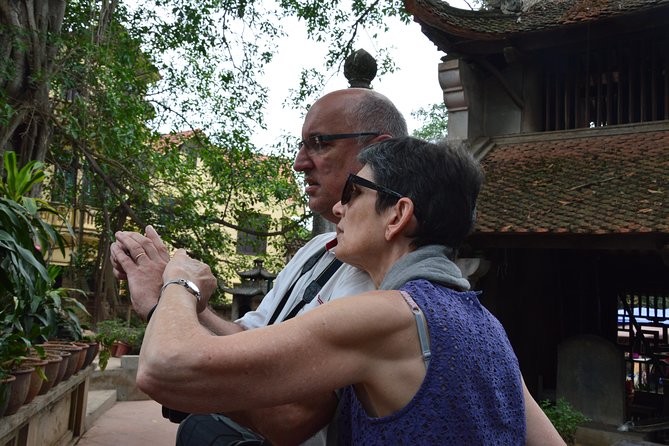
If you travel on a Sunday, you may catch Dong Van Market, where people from surrounding villages come to buy and trade essentials they can’t produce themselves. Even if you don’t come on a Sunday, it’s a reminder that these places aren’t tourist sets—they’re work.
After that, you’ll visit Pu Lo fortress (built in 1890 and evacuated in 1945) for long-range views. From there, you climb about 8 km toward the top area associated with Ma Pi Leng Pass, traveling through limestone peaks, stone forests, and canyon-like terrain. This is a big day physically, but it’s also the day that turns the region into a moving picture: road turns, cliff views, and sudden changes in air and light.
You’ll descend into the Meo Vac valley, then visit Meo Vac Market, and continue via the mountain road to Cao Bang for dinner and your overnight stay.
Two things I’d highlight:
- The combination of fortress + pass + market. You get defense history, dramatic geography, and daily life in one arc.
- The overall pacing into Cao Bang keeps the trip from feeling like one endless driving day. You end with a base where you can reset.
Consideration: this is the kind of route where motion and height can affect people who are sensitive. Bring what you need for comfort (and plan to move slowly on viewpoints).
Ban Gioc waterfall on the border, then Nguom Ngao Cave underground
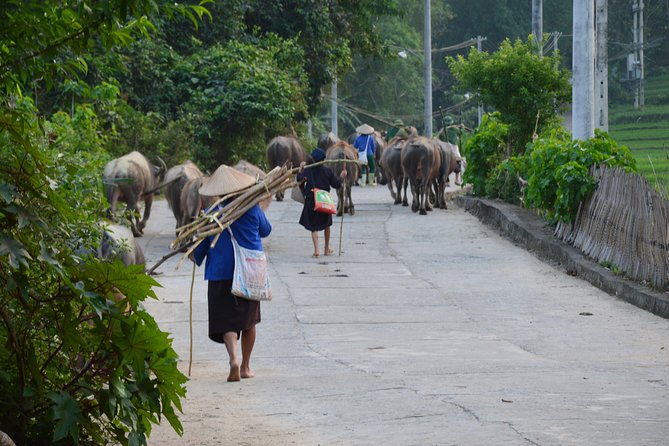
This is likely your standout nature day. You’ll drive about two hours from Cao Bang to Ban Gioc Waterfall, described as a 300-metre wide cascade sitting on the border between Vietnam and China. It’s framed by mountain scenery, and the border detail matters—this waterfall isn’t just “pretty,” it’s also a living boundary shaped by geography and history.
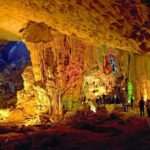
After enjoying the waterfall, you go underground to Nguom Ngao Cave, where erosion shaped the rock formations over millennia. It’s a nice contrast after mountain daylight: you switch from wind and open views to slower, cooler air and the quiet tempo of cave formations.
Then you travel toward Quang Uyen – Phia Thap, via roads described as less known by many. That’s useful because it signals the trip is built for exploration, not just checking boxes.
What to watch for: you’ll be outside for the waterfall and then moving underground in the cave. Wear shoes you trust on changing surfaces, and bring layers. Even if the days feel warm, caves can cool things down.



Ba Be National Park by boat, kayaking, and a swim day on the lake
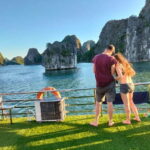
On your Ba Be day, you start with breakfast at the Nung’s house, then take about a three-hour drive to reach the national park area (via Cho Ra). Once you arrive, you refuel with a local lunch and then head down the Nang River.
Here’s where the experience turns practical and fun: you explore Puong Cave by boat and kayaking. That’s a real difference compared with tours that only take you to viewpoints. You’re in the waterway system, and you feel the scale more directly.
The route includes steep terrain described with cat ears cliffs, and you’ll also visit key spots on Ba Be Lake like Widow island and Cam village. You can even swim in Ba Be Lake. Then you head to Ba Be Jungle Houses for the night with a BBQ dinner.
Value angle: this is exactly the kind of included activity that’s hard to replicate yourself at the same level of coordination. Boat time, cave time, and a lake swim isn’t just an optional add-on here—it’s baked into the day.
What you should consider: kayaking can be tiring depending on conditions, and water days are always weather-dependent. The tour operates in all weather, so plan to dress for damp and changing skies.
Jungle paths, Tham Khit cave walks, and An Ma temple by the lake
Your final day in Ba Be starts at 7:30 am breakfast at your homestay. Then you set out from Bo Lu village on a guided walk through the jungle.
You’ll get a conversation about local wildlife and flowers, then continue toward Tham Khit pathways leading to an ancient cave. Along the lake area, you’ll reach panoramic views of animal observation huts at a ranger station. It’s one of those moments where the place shows its purpose: this is an ecosystem people watch, not just scenery people pass.
After that, you walk another 2 kilometers to An Ma temple. This is described as a sacred Tay temple dedicated to mountain gods, lake gods, and feudal generals—a reminder that religion here is tied to nature and survival. Lunch follows, and then you return to Hanoi to end the tour.
Why this ending works: it’s active but not frantic. Compared to earlier days with long road segments and big passes, this final day feels more like walking slowly enough to notice details.
Price and what the included plan really buys you ($1,138)
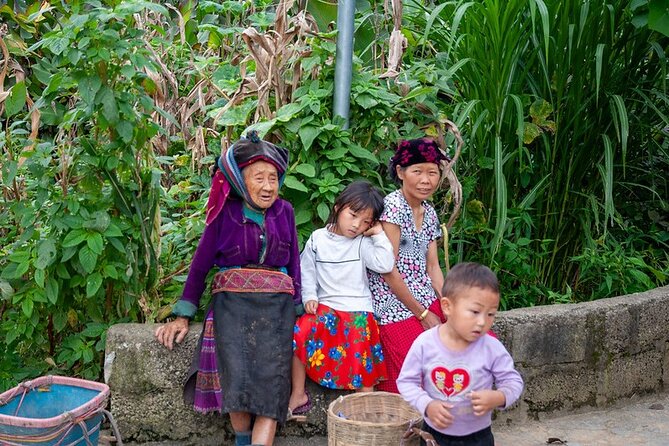
At $1,138 per person for a 6-day private-style adventure, the question isn’t just what you pay—it’s what you don’t have to manage.
From what’s included, you’re paying for:
- Accommodation (including homestays)
- All private transfer and transportation
- All sightseeing tickets
- Meals: 5 breakfasts, 6 lunches, 5 dinners
- A homestay-style experience in traditional stilted houses
- 24/7 hotline support
- Private door-to-door pickup and drop-off in Hanoi
Not included is also clear: personal expenses, tips and gratuities, travel insurance, beverages, and any services not mentioned. That’s normal, but it’s worth budgeting so you’re not surprised at the end.
How to judge value: the included tickets plus multi-day logistics plus hands-on activities like kayaking and boat cave time are exactly where self-planning usually costs more in time and stress. If you want a route that takes you from Ha Giang passes to Ban Gioc and then into Ba Be without constantly renegotiating transport, this price starts to make sense.
Packing, pacing, and small choices that keep the trip comfortable
Even though this tour says most travelers can participate, the days are still long and active (some days run around 8 hours). So your best strategy is simple: pack for movement and keep your expectations realistic.
A few things to plan for:
- All-weather operation: you’ll still go. Dress appropriately and don’t count on perfect skies.
- Walking and hiking appear more than once, including a hike toward Lung Cam B and multiple Ba Be nature walks.
- Shoes matter: cave visits and jungle paths can be slippery or uneven.
- Vegetarian option is available if you tell them when booking.
- Passport details are required at booking (name, number, expiry, country) so the permit process can be handled properly.
If you care about the human side of the trip, also note that guides and drivers have been praised in the past. Some names that have come up include David, Bao, Minh, and Long. You can use that as a signal: you’re not just buying a route—you’re buying a local team to explain what you’re seeing.
Should you book this North Vietnam off-the-map tour?
Book it if you want North Vietnam that feels lived-in: homestays, market days, mountain roads, and real nature time on Ba Be Lake. I’d especially recommend it if you value included logistics and want your guide to handle the permits, tickets, and transitions.
Skip it or think twice if you hate long driving days, aren’t comfortable with hiking and kayaking, or you’re very sensitive to weather changes since the tour runs in all conditions. Also, because it requires a minimum of 2 people per booking, you’ll want to be sure you’re traveling in that size range.
If you want a trip that connects Ha Giang ethnic heritage with Ban Gioc border waterfall drama and ends with jungle walking near Ba Be, this route is built for exactly that kind of week.
FAQ
How long is the North Vietnam tour and when does it start?
It runs for about 6 days, starting with pickup at 8:00 am in Hanoi.
Is hotel pickup and drop-off included?
Yes. You get private door-to-door pickup and drop-off services in Hanoi.
What’s included in the tour price?
Accommodation, private transportation, sightseeing tickets, and meals are included. The tour also includes 24/7 hotline support.
Are meals included for all days?
Breakfast is included 5 times, lunch 6 times, and dinner 5 times.
Can I request vegetarian meals?
Yes. A vegetarian option is available if you advise during booking.
Is this tour private?
Yes. It is described as a private tour/activity with only your group participating.
Does the tour operate in bad weather?
Yes. It operates in all weather conditions, and you should dress appropriately.
Can I cancel or change my booking?
The experience is non-refundable and cannot be changed for any reason. If you cancel or request an amendment, the amount paid will not be refunded.